









AI system inventory
Every AI tool and feature with its owner, purpose, data, and risk level, kept current through a short intake form.

For companies whose teams already use AI tools and build AI features: one inventory, clear rules, named owners, and an ISO 42001 path you can defend.
100%
AI systems in one inventory
38
Annex A controls decided
How your project runs
01 · FreeTeams we have built for:














The Problem
It surfaces when a customer questionnaire, an investor, or the EU AI Act asks a simple question: which AI systems do you run, and who is accountable for each one?
Shadow AI
Staff use AI tools nobody approved or listed.
Shadow AI
Tools are found through SSO logs and expenses, then approved, replaced, or retired.
No owner
Each AI system belongs to everyone, so nobody answers for it.
No owner
Every system gets a named owner, a risk level, and a review date.
Questionnaires
Customer AI questions take a week of guessing.
Questionnaires
A policy, inventory, and assessment set answer the common AI questionnaire sections directly.
Audit gaps
Policies exist, but no records show anyone follows them.
Audit gaps
Records come from tickets and reviews you already run, so evidence builds as you work.
Marketing pays for three AI writing tools on personal cards. Engineering ships a feature on a model nobody in legal has reviewed. Sales pastes customer contracts into a free chatbot to save an hour. Then an enterprise prospect sends a questionnaire asking for your AI policy, your list of AI systems, and how you assess their effect on people. You have a slide from an offsite and a Slack channel. The deal waits while someone tries to rebuild the answers from memory.
We start with an inventory: every AI tool and feature, found through SSO logs, expense reports, and your code, each with an owner. Then we write one short AI policy, an impact assessment people can finish in an hour, and a Statement of Applicability for the ISO/IEC 42001 controls. Governance runs inside the tools your teams already use, instead of in a binder nobody opens.
Inventory with named owners
Every AI tool and feature listed, including shadow AI, each with an owner and a risk level.
Impact assessments that fit
A short assessment per AI system covering data, people affected, and controls, built to finish in an hour.
Ready for the certification body
Records, internal audit, and management review prepared for an accredited certification body's audit.
Our AI Governance Consulting Process
You approve the inventory, the policy, and the Statement of Applicability before anything becomes a rule, and you see the readiness gaps before the certification body does.
We learn where AI shows up in your company: tools staff use, features you build, and what customers or regulators are asking. You get a scope and a fixed price for the first phase.
What's Included
The parts of an AI management system that auditors look for and teams actually use: inventory, policy, assessments, controls, metrics, and the internal audit that proves it runs.
Compare Options
Templates cost little and platforms automate tracking. Here is where each one helps, and where an AI governance program still needs people to run it.
| Feature | DeveloperLookBest fit | Policy Template | Governance Platform |
|---|---|---|---|
| Planning | Starts from your AI inventory | Generic starting text | Starts from vendor setup |
| Shadow AI discovery | SSO, expense, and code review | Some, through integrations | |
| Policy fit | Written around how you work | Edited by you | Vendor's policy library |
| Impact assessments | Run with your teams | Blank form | Workflow, you fill it in |
| Evidence tracking | Inside your existing tools | Manual, in spreadsheets | Automated, a real strength |
| Upfront cost | Fixed price per phase | Lowest, often free | Annual subscription |
| ISO 42001 readiness | Internal audit and Stage support | Checklists, no auditor prep | |
| Ownership | Documents you keep | Yours once edited | Tied to the subscription |
Projects We've Built
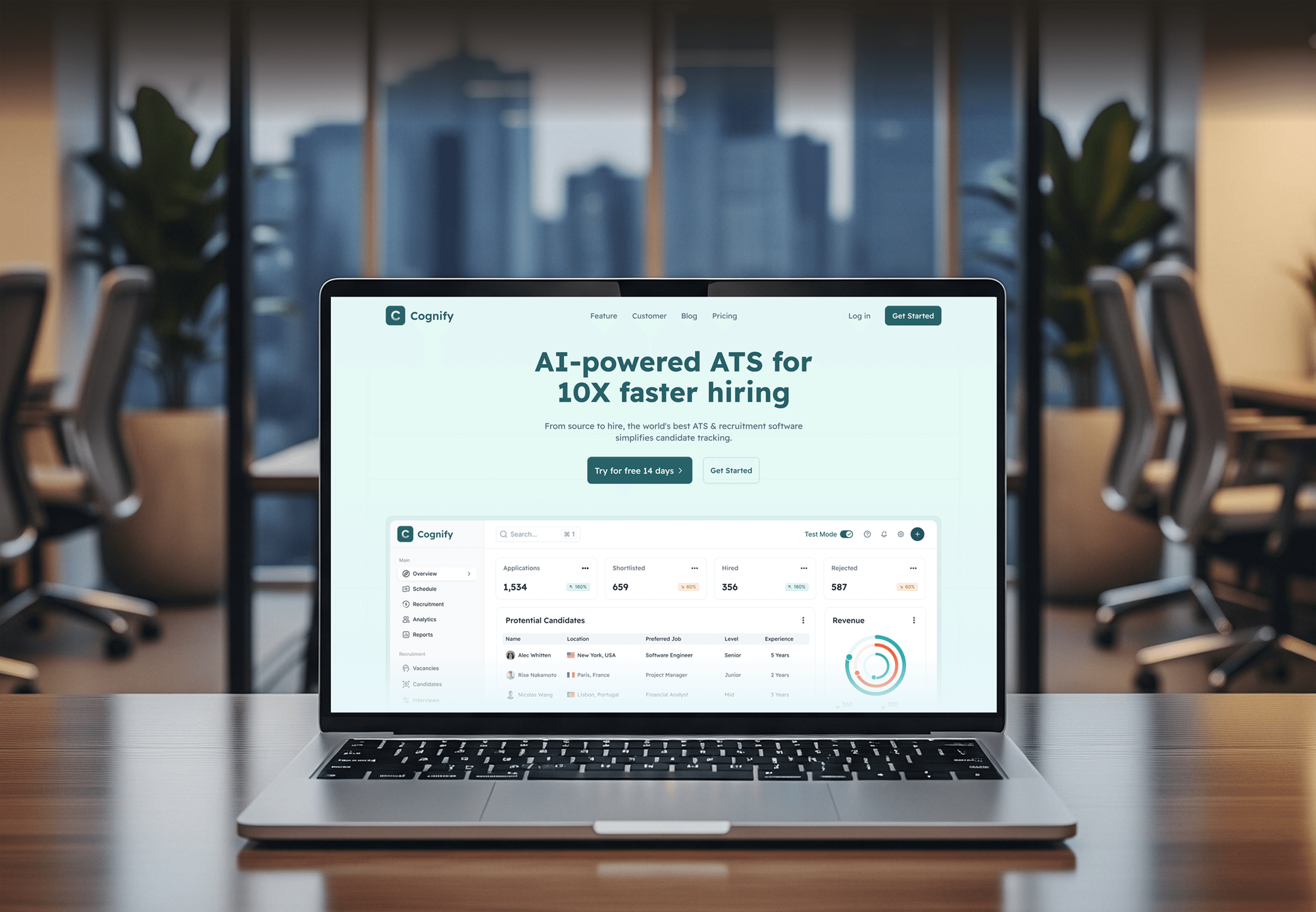
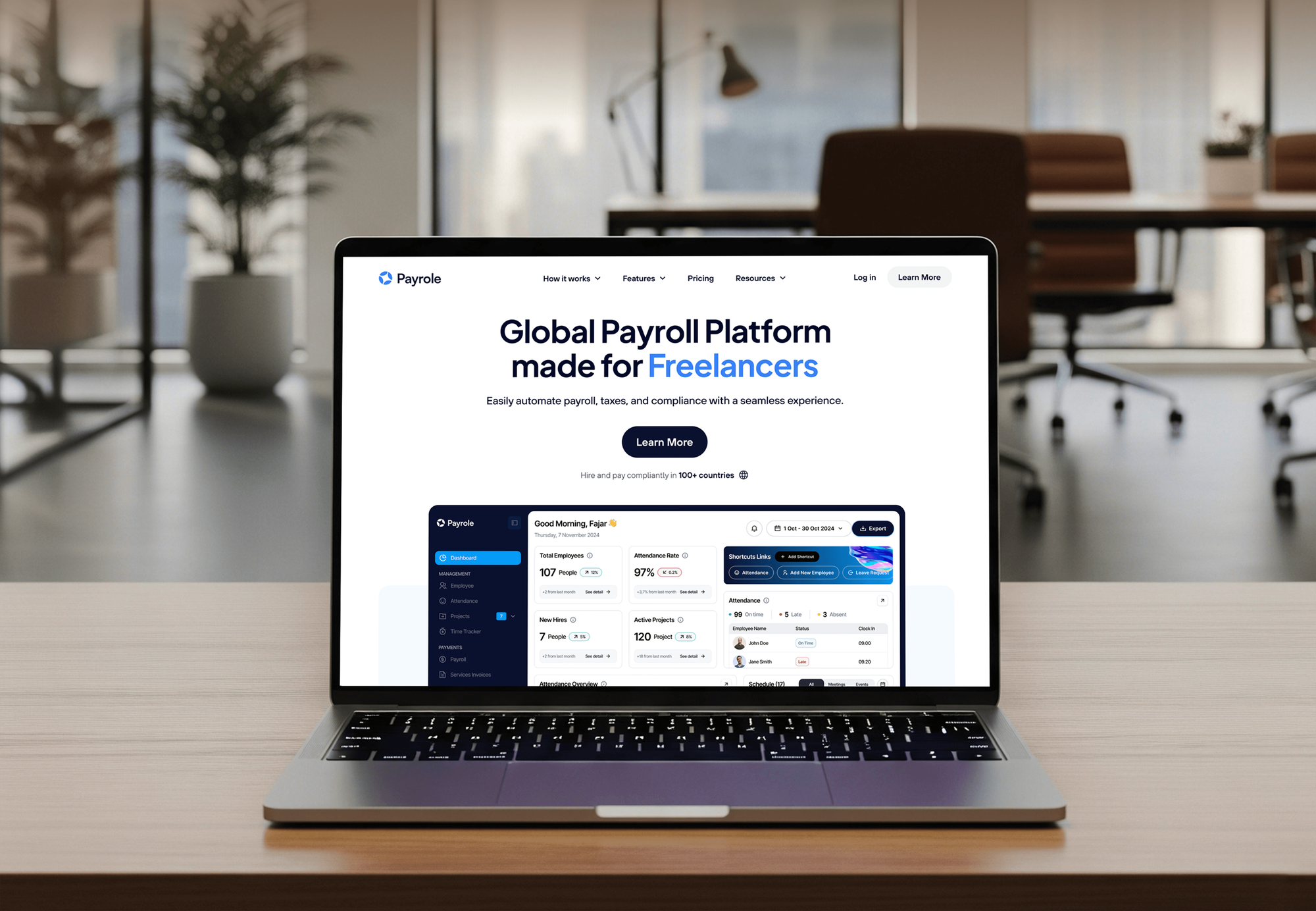
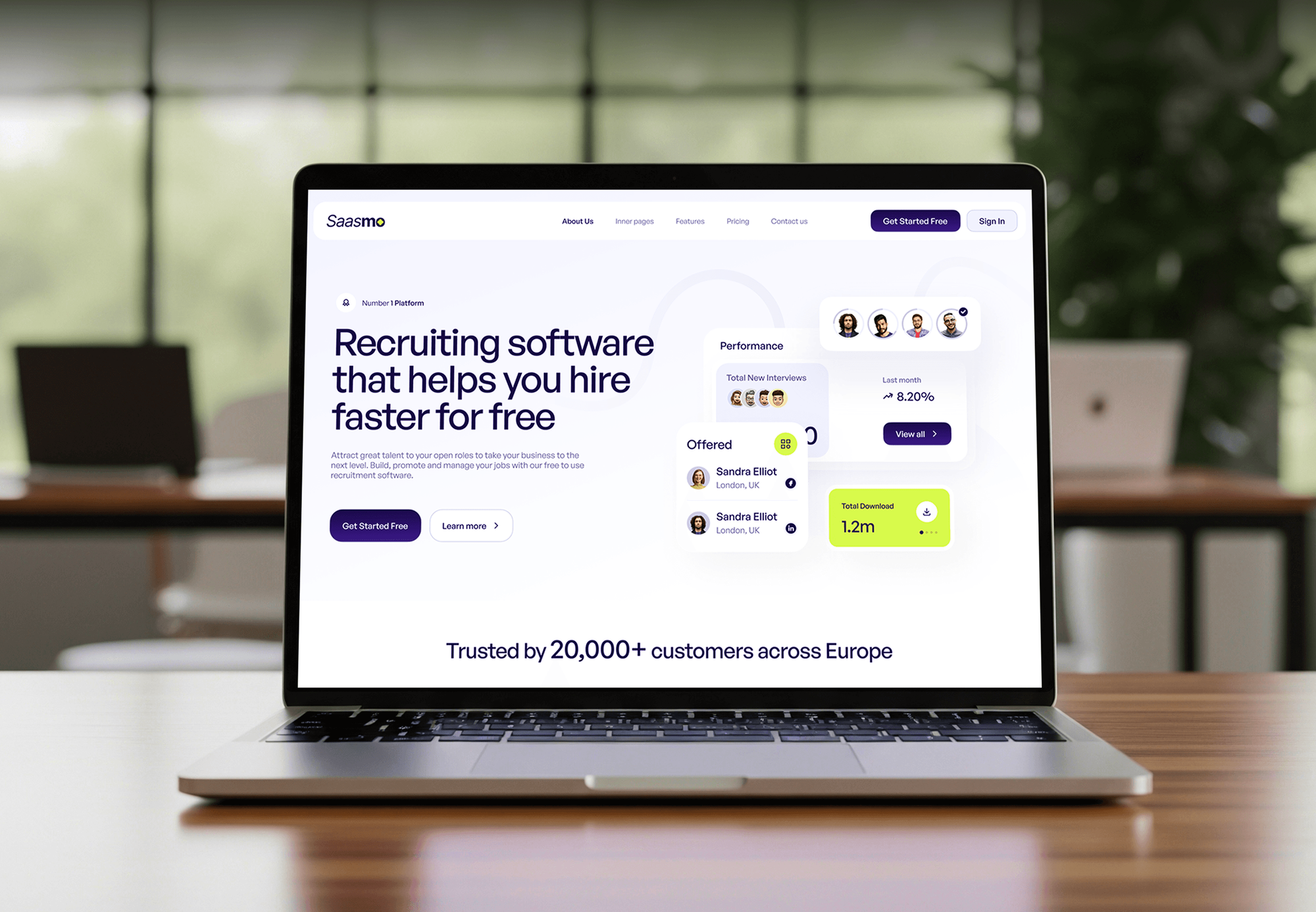
Platforms we designed and built for hiring, payroll, recruiting, and education, where AI governance questions come up often. They show build work, not governance projects.

What Our Clients Say
Feedback from teams we have built apps, platforms, and websites for.
We had a pretty specific idea of what we wanted our website to become, but I wasn’t sure how easily we could explain all of it to a development team. There were quite a few moving parts, and we were working toward a deadline, so I expected a few things to get lost along the way. That never really happened. They understood what we were trying to achieve, kept us updated throughout the process, and got everything ready within the agreed timeline. The final site feels much easier to navigate, works beautifully on mobile, and is noticeably smoother for our customers. It was a huge relief seeing the original idea actually turn into the website we had in mind.
The mobile experience is probably my favourite part of the new site. We had spent a lot of time making sure the desktop version looked right, and the team kept pushing us to think about how everything would actually feel on a phone too. They were right. The navigation is clean, the interactions feel natural, and everything we’ve tested so far works exactly as it should. They also went through the links, forms, integrations, and other details more than once before launch, which I really appreciated. And even after going live, we could still reach out when something came up. The whole process felt friendly, organised, and surprisingly straightforward.
What I appreciate most is that the website is actually easy for us to manage now. We can update content ourselves instead of sending a developer a message every time we need to change something small. They also paid attention to the technical SEO side, which mattered to us because we didn’t want a new website to create problems for the traffic we already had. I’ve probably asked more questions than I should have since launch, but every question has been handled patiently and without any fuss. The team is easy to work with, they explain things clearly, and when we need something changed, they focus on getting it done rather than making the process complicated.
1,250+
Projects shipped
10+
Years of experience
Top 3%
Upwork Top Rated Plus
5 stars
Average review score
1,250+
Projects shipped
10+
Years of experience
Top 3%
Upwork Top Rated Plus
5 stars
Average review score

Want results like these?
Tell us what you are building. You get a reply within 24 hours on business days, then a written estimate.
Work Culture
AI governance only works if product teams keep using it after the consultants leave. These six habits keep it light enough to last.
We write the shortest policy and forms that meet the standard. A two-page policy gets read, and a forty-page one gets filed away.
Every AI system gets one accountable owner and a review date. Committees advise, but a named person answers for each system.
If you already run ISO 27001 or SOC 2, we extend that system instead of starting a second one. ISO/IEC 42001 shares the same clause structure, so much of the work carries over.
We map your program to the EU AI Act and NIST AI RMF as frameworks. Legal questions about your obligations go to your counsel, with the facts prepared.
We prepare you for an accredited certification body but don't issue certificates or promise a result. That separation keeps your certificate credible.
If you use two AI tools and build none, a policy and an inventory may be all you need. When that covers your case, we'll tell you before we quote a full program.
Overview
DeveloperLook provides AI governance consulting for companies that use and build AI. We build your AI inventory, write the policy and impact assessment process, draft the ISO/IEC 42001 Statement of Applicability, and prepare you for the certification audit. Engagements start at $1,200, and the first phase takes 2 to 4 weeks.
DEVELOPERLOOK
Project facts · AI Governance Consulting
Reviewed 27 Oct 2026 by Saimul Islam
Good fit
SaaS companies facing AI questionnaires
Your enterprise buyers now send AI sections in their security questionnaires, and you need a policy, an inventory, and an AI governance framework to point to.
Companies already holding ISO 27001
You hold ISO 27001 and want ISO 42001 next, built on the same management system instead of a separate set of documents.
Teams selling AI into the EU
Your product uses AI in hiring, education, or credit decisions, and EU customers ask how you are preparing for the EU AI Act.
Leaders comparing AI governance solutions
You're weighing AI governance solutions, from software platforms to consultants, and want the process designed before you buy a tool to track it.
Boards asking for AI oversight
Your board or investors asked who approves new AI uses and how risk is reported, and today the honest answer is nobody.
Not a fit
Need AI features tested
You need prompt injection and data leakage tests on an AI feature, not policy work. Our AI security assessment covers that technical review.
Need attack testing
You want testers to attack your model and agents with jailbreaks and automated runs. Our AI red teaming service covers that work.
Need a certificate issued
You want someone to issue an ISO 42001 certificate. Only an accredited certification body can do that, so we prepare you and you choose the body.
Budget under $1,200
Your budget is under $1,200 and you use one or two AI tools with no AI features of your own. An acceptable use policy and a short tool list may be enough for now.
Not sure we're the right fit?
Book a free call or message us. We'll tell you honestly whether we're the right team.
Pricing
These are starting points in USD. Your final price depends on AI system count, existing ISO 27001 work, and your certification goal, and you get a fixed proposal after a free discovery call.
For Agencies
You own the client relationship. We supply the AI governance work behind your advisory or compliance offer: inventories, policies, impact assessments, and certification readiness, written in your templates and presented by your team.
White label: your client only ever sees your brand
Send the client's AI use, current certifications, and audit target date.
You get a phased plan and a fixed price to resell within 2 business days.
We draft the system in your templates and brief your consultants.
Send the client's AI use, current certifications, and audit target date.
You get a phased plan and a fixed price to resell within 2 business days.
We draft the system in your templates and brief your consultants.
The Right Technology for Your Project
The standards we build against and the everyday tools we keep your inventory, assessments, and evidence in, so governance lives where work happens.
 Google Sheets
 OpenAI
 Anthropic Claude
 Google Gemini
 Meta Llama
Related Services
Pair AI governance with technical AI testing, an ISO 27001 or SOC 2 program, or an ongoing part-time security lead.
This page
AI Governance Consulting
Pairs with the 6 services around it
FAQ
Straight answers on cost, ISO 42001 timelines, AI inventories, metrics, and who runs governance after we leave.
Saimul IslamFounder & CEO, DeveloperLookStill have questions?
Send a message or book a call with the team.
Engagements start at $1,200 for the AI Governance Review: an inventory of up to 20 AI tools, a gap check, and a draft policy. That plan also drafts the Statement of Applicability against ISO/IEC 42001. Building the full management system starts at $3,900, and certification readiness with an internal audit starts at $8,400. Certification body fees are separate and paid by you directly.
Most companies reach audit readiness in 3 to 5 months. The review takes 2 to 4 weeks and building the system 3 to 8 weeks. The system then needs to run long enough to produce records for an internal audit and a management review. Companies that already hold ISO 27001 often move faster because the management system clauses are shared.
AI governance is the set of policies, roles, and processes that decide which AI an organization uses and who is accountable for it. It also sets how risks are assessed. In practice it means an AI inventory, an approval step for new uses, impact assessments for higher-risk systems, and regular reporting to leadership. Principles only become real when they show up in those everyday steps.
ISO/IEC 42001 is the international standard for an AI management system, published in 2023. Clauses 4 to 10 set requirements for context, leadership, planning, support, operation, evaluation, and improvement, and Annex A lists 38 reference controls. An accredited certification body can certify a company against it, the same way ISO 27001 certification works.
An AI inventory supports responsible AI governance because nobody can assess, approve, or monitor a system that isn't listed. Each entry records the owner, purpose, data used, people affected, and risk level, which decides how much review it needs. The inventory also answers the first question in many customer questionnaires and regulator requests: which AI systems do you run?
The key AI governance metrics are inventory coverage, current impact assessments, overdue reviews, AI incidents, and training completion. Inventory coverage compares listed systems with what SSO and expense data show. Assessment coverage is the share of high-risk systems with a current review. We keep the list short so leadership reviews it every quarter instead of skimming a long report.
Enterprise AI governance framework best practices start with one inventory, one policy, and one owner per AI system, then scale review effort to risk. Map the framework to a recognized standard, such as ISO/IEC 42001 or the NIST AI RMF with its Govern, Map, Measure, and Manage functions. Report to leadership on a fixed schedule, and revisit the framework when a new kind of AI arrives.
A funded mandate matters because governance needs people's time, and without budget and executive backing it loses to product deadlines. The mandate names who can pause or reject an AI use, sets aside hours for owners to run assessments, and pays for training and audits. ISO/IEC 42001 makes the same point in its leadership clause, which requires top management commitment and resources.
AI governance auditing before certification means an internal audit checks whether your AI policy, inventory, and assessments are followed in practice. The auditor samples records, such as a recent AI tool approval or an impact assessment, and compares them with your procedures. Findings go to a management review, and fixing them before Stage 1 makes the certification audit smoother.
Your named owners and approvers run it, using the inventory, intake form, and assessments we set up together. Every plan includes 30 days of support after the final deliverable for questions. Some companies then add a quarterly check-in or a vCISO for ongoing oversight, and you keep every document whether or not you work with us again.
Saimul IslamFounder & CEO, DeveloperLookStill have questions?
Send a message or book a call with the team.
Free 30-min callGoogle Meet
Book a call
In 30 minutes on Google Meet we walk you through how we would build it, how long it takes and what it costs. Then you get a written estimate.
Calendar not showing? Book on cal.com or send a brief.