
Jetpack Compose screens
Native Android screens in Kotlin and Compose, with Material 3 components and support for large text sizes.

For businesses and founders who need a Kotlin app that runs well on the phones their customers carry and keeps up with Google Play's rules. From $1,100.
100%
Screens tested on budget phones
36
Target API level Play requires
Teams we have built for:














The Problem
Android problems pile up quietly: crashes on phones nobody tested, libraries left years behind, and Google Play deadlines that block updates until the app targets a newer API level.
01 · Play deadline
Play Console warns your app targets an outdated API level.
We move the app to Android 16, API level 36, and test every screen.
02 · Budget phones
Crashes show up on low-cost phones nobody tested.
Every release runs on a budget phone and a flagship before it ships.
03 · Stale build
Old libraries and Gradle files no longer compile cleanly.
We update Gradle, Kotlin, and libraries in steps, testing as we go.
04 · Slow fixes
Every small fix turns into a week of build trouble.
A clean build pipeline gets a fix onto Play's internal test track the same day.
Your Android app launched two years ago, and nobody has touched the build since. Now Play Console shows a warning: target Android 16, or your next update can't go out. Meanwhile, Android vitals lists crashes on a budget phone nobody on your team owns, and reviews say the app crawls on older models. The developer who built it used libraries that no longer compile. Every week you wait, the fix you need to ship gets harder to release.
We start with the build: current Gradle, current Kotlin, and the target API level Google Play requires. Then we fix the crashes Android vitals ranks highest and test on a budget phone as well as a flagship. New features go into Jetpack Compose screens, so the app gets easier to change. Your next update ships on schedule, not after a scramble.
Tested on budget hardware
Every release runs on a low-cost Android phone with limited memory, not only a flagship.
Play rules kept current
Target API level, the Data safety form, and policy changes handled before they block updates.
Kotlin and Compose code
Modern Kotlin with Jetpack Compose screens, the toolkit Google recommends for new Android apps.
Our Android App Development Process
Our Android app development services follow five steps, whether you start from an idea or a live app. You install a test build on your own phone after every sprint.
In a free call, you walk us through your app or idea, your customers' phones, and any Play Console warnings. For a live app, we also review the code and Android vitals. You get a plan and a fixed-price proposal.
What's Included
Kotlin screens, performance on low-cost phones, sign-in and push, offline sync, Play policy work, and a staged release, all under a Play Console account you own.
Compare Options
An in-house hire keeps knowledge inside your company, and a freelancer often costs less per hour. An Android app development company brings a tested process and real devices from week 1.
| Feature | DeveloperLookBest fit | In-house hire | Freelancer |
|---|---|---|---|
| Kotlin and Compose | Default for new screens | Depends on the hire | Depends on the person |
| Budget phone testing | Every release | If you buy the devices | Rarely |
| Play rule changes | Tracked and planned | Your hire's job | Usually reactive |
| Time to start | About 1 week | Weeks to recruit | A few days |
| Ongoing cost | Fixed per project | Salary and benefits | Hourly, often lower |
| Long-term knowledge | Documented handover | Stays in your company | Leaves with them |
| Upfront cost | From $1,100 | Recruiting costs | Often lower |
| Code ownership | Yours, in your repo | Yours | Agree it in writing |
Projects We've Built
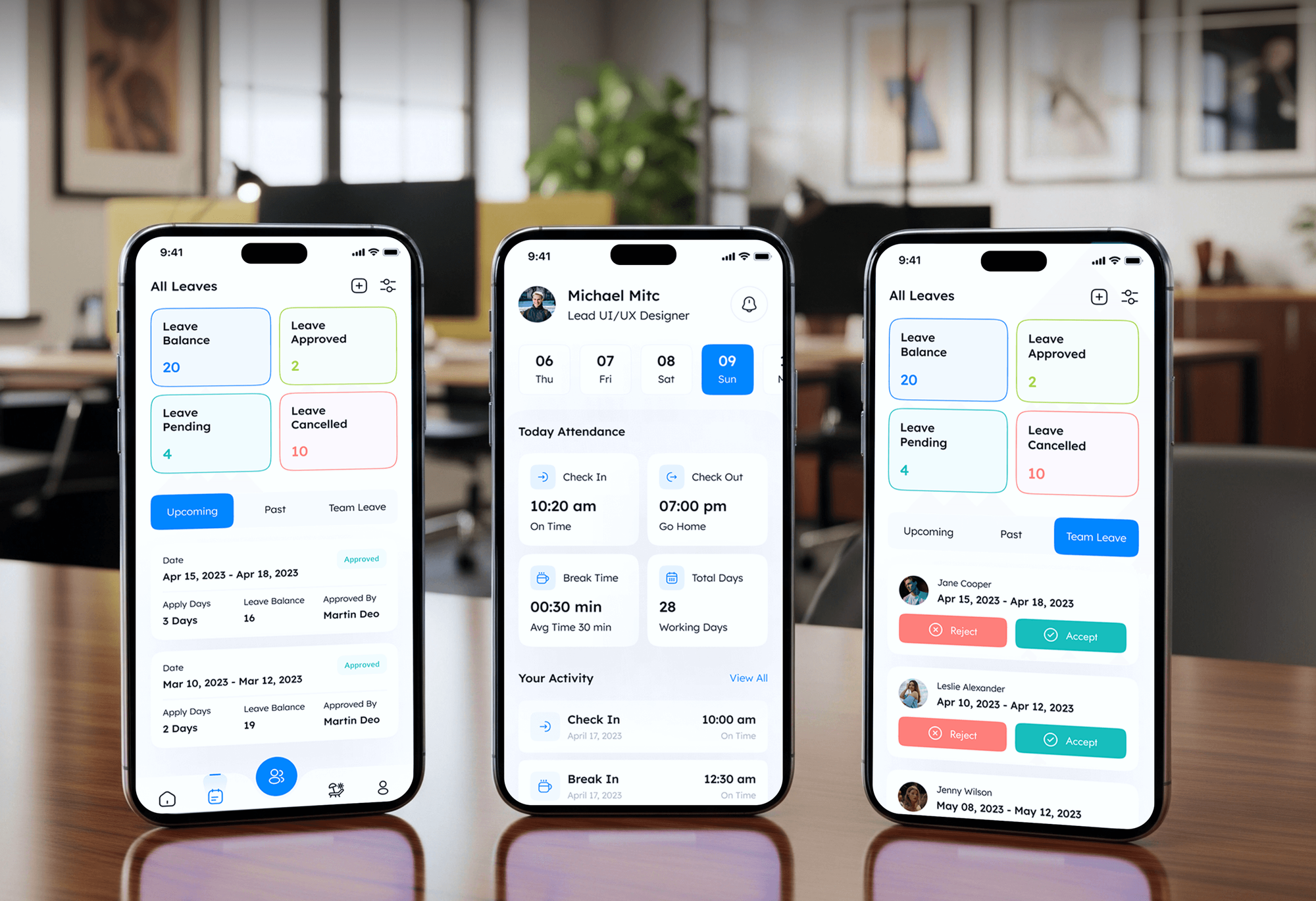
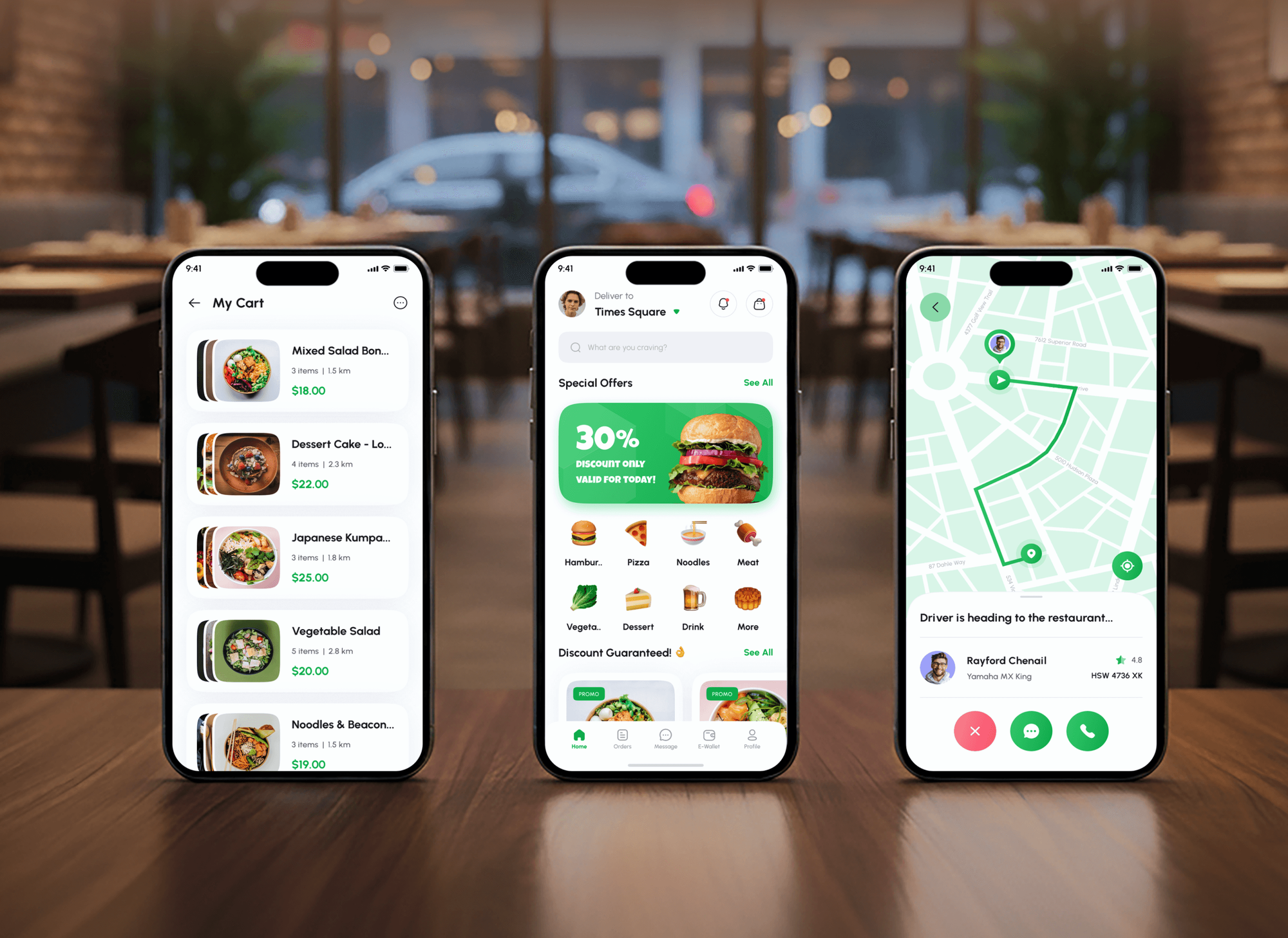
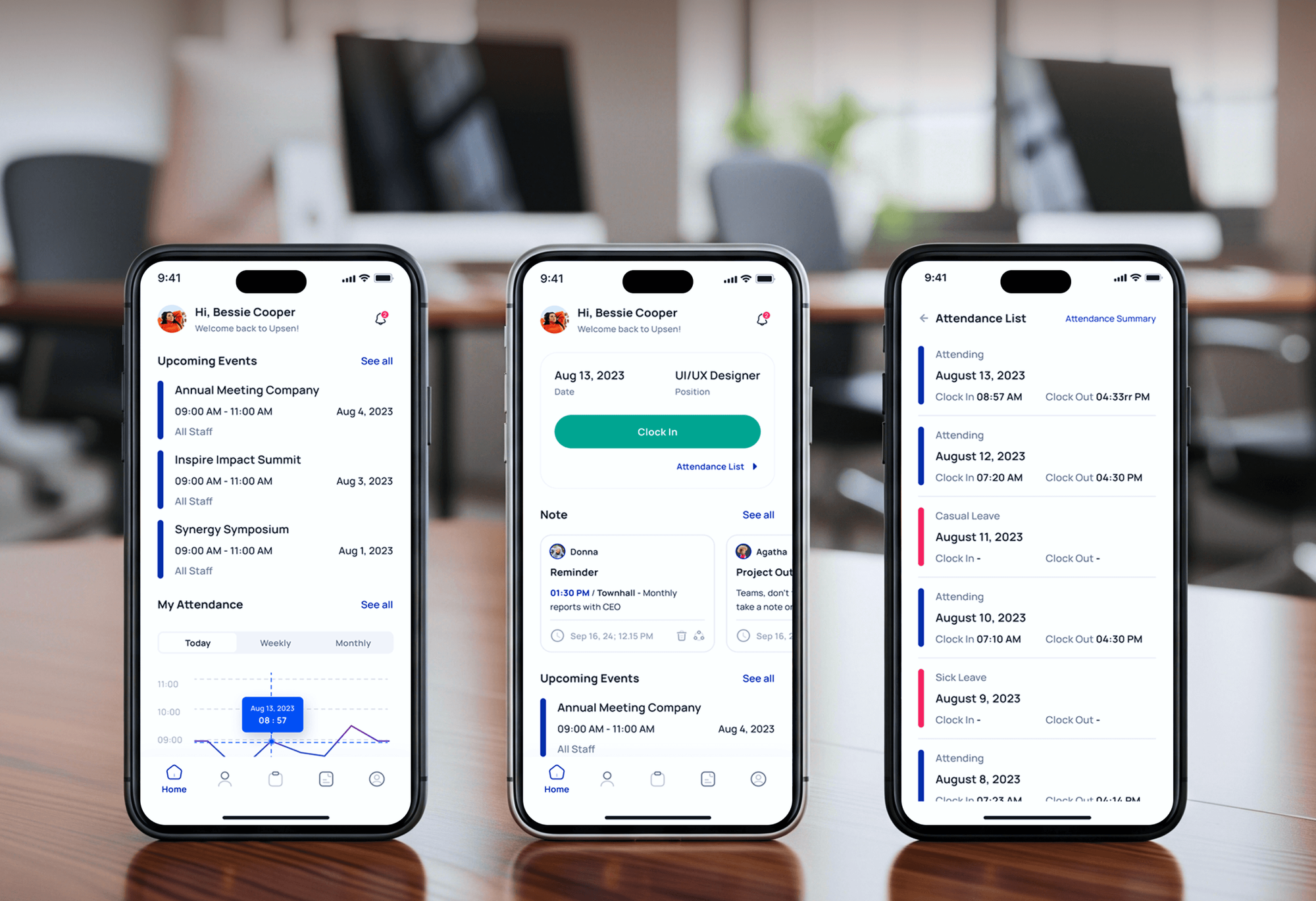
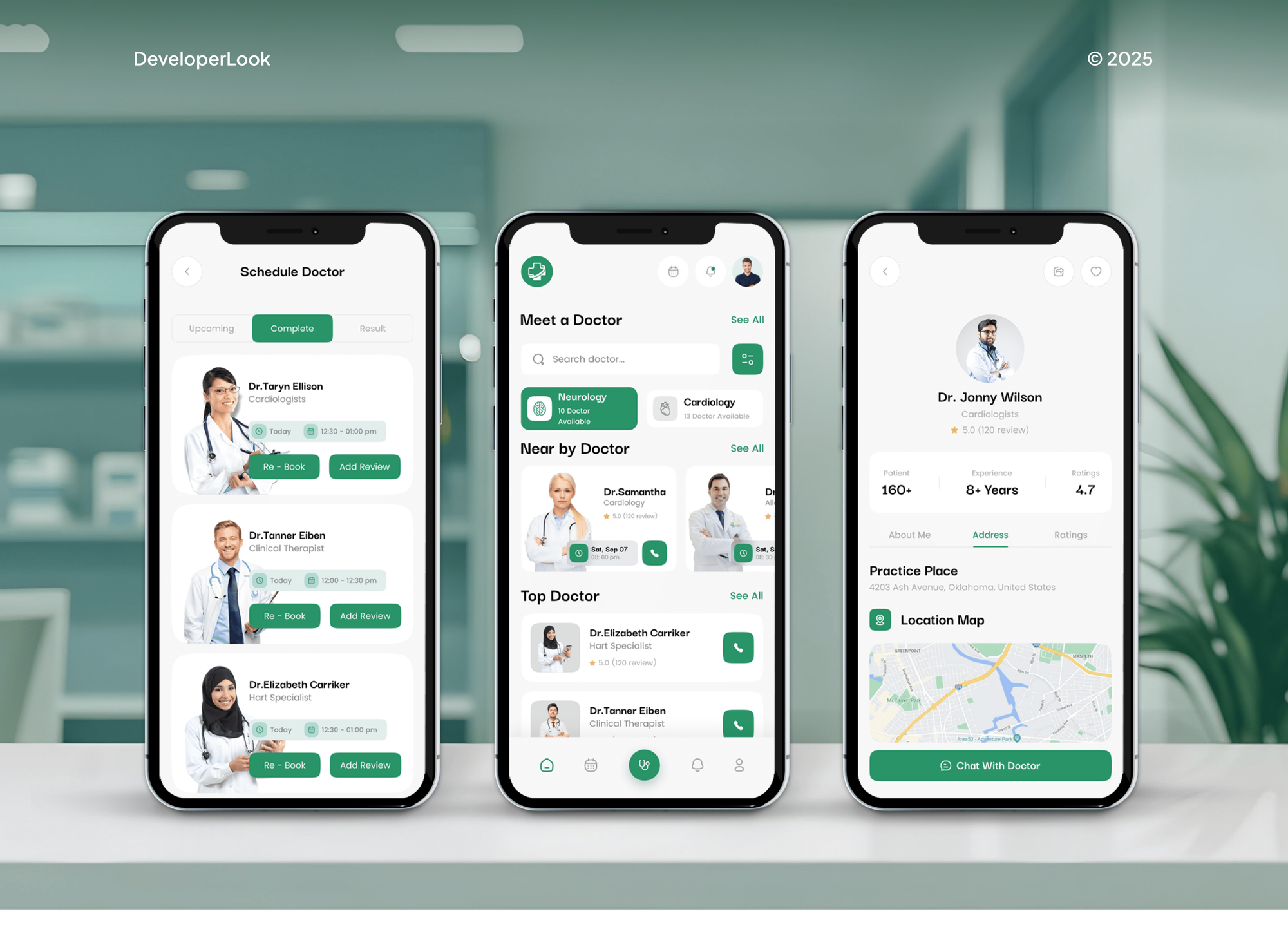
Attendance, food delivery, HR, and medical apps we have designed and built. They show the screens and flows we deliver; your Android build is scoped on its own.
What Our Clients Say
Feedback from teams we have built software, apps, and websites for.
We had a pretty specific idea of what we wanted our website to become, but I wasn’t sure how easily we could explain all of it to a development team. There were quite a few moving parts, and we were working toward a deadline, so I expected a few things to get lost along the way. That never really happened. They understood what we were trying to achieve, kept us updated throughout the process, and got everything ready within the agreed timeline. The final site feels much easier to navigate, works beautifully on mobile, and is noticeably smoother for our customers. It was a huge relief seeing the original idea actually turn into the website we had in mind.
The mobile experience is probably my favourite part of the new site. We had spent a lot of time making sure the desktop version looked right, and the team kept pushing us to think about how everything would actually feel on a phone too. They were right. The navigation is clean, the interactions feel natural, and everything we’ve tested so far works exactly as it should. They also went through the links, forms, integrations, and other details more than once before launch, which I really appreciated. And even after going live, we could still reach out when something came up. The whole process felt friendly, organised, and surprisingly straightforward.
What I appreciate most is that the website is actually easy for us to manage now. We can update content ourselves instead of sending a developer a message every time we need to change something small. They also paid attention to the technical SEO side, which mattered to us because we didn’t want a new website to create problems for the traffic we already had. I’ve probably asked more questions than I should have since launch, but every question has been handled patiently and without any fuss. The team is easy to work with, they explain things clearly, and when we need something changed, they focus on getting it done rather than making the process complicated.
1,250+
Projects shipped
10+
Years of experience
Top 3%
Upwork Top Rated Plus
5 stars
Average review score

Want results like these?
Tell us what you are building. You get a reply within 24 hours on business days, then a written estimate.
Work Culture
Android apps live on many phones and under Google Play rules that change every year. These habits keep yours fast, current, and in your hands.
We test each release on a low-cost phone with limited memory. Slow screens and crashes show up there long before a flagship would reveal them.
We track Google Play's target API and policy dates for the apps we support. You hear about the next requirement months ahead, not from a blocked update.
New code is Kotlin, as Google recommends. Older Java code keeps working beside it, so we modernize screen by screen instead of rewriting everything.
The Play Console account and upload key stay in your name. With Play App Signing, Google holds the signing key, so a team change doesn't strand your app.
We release to a small share of users first and watch Android vitals. If a crash appears, we halt the rollout before most of your users get it.
If one codebase could serve both platforms, we'll say so and point you to Flutter or React Native. Native Kotlin earns its cost when Android is your main market.
Overview
DeveloperLook provides Android app development services for businesses and founders, from target API upgrades to new Kotlin apps. We build Jetpack Compose screens, sign-in and push, backend connections, and offline sync, tested on budget and flagship phones. Upgrades start at $1,100, new apps launch in 8 to 16 weeks, and the Play Console account stays yours.
DEVELOPERLOOK
Project facts · Android App Development Services
Reviewed 8 Oct 2026 by Saimul Islam
Good fit
Live apps facing a Play deadline
Your Play Console shows a target API warning, and you need the app on Android 16 before Google Play blocks your next update.
Businesses with Android-heavy customers
Your customers mostly use Android phones, many of them low-cost models, and you need an app that stays fast on them.
Founders starting a native app
You want a native Kotlin app on Google Play first, with clean code an Android development company can hand to your future team.
Teams short on Android skills
You need to hire Android app developer help for one feature, like offline sync or Play Billing, that your web team can't build.
Agencies reselling app builds
Your agency sells apps to clients and needs an Android app development agency that works quietly under your brand and deadlines.
Not a fit
Mostly iPhone users
Most of your customers carry iPhones. Our iOS App Development Services page covers native Swift apps for that audience.
One codebase for both
You need iOS and Android from one budget and one codebase. Our Flutter App Development Services page covers that build.
Budget under $1,100
Your budget is under $1,100, or a fast mobile website would serve your users. If a website is enough, we'll tell you before we quote.
Device firmware work
You need firmware, a custom Android build for your own hardware, or kiosk device management. An embedded systems team will serve you better.
Not sure we're the right fit?
Book a free call or message us. We'll tell you honestly whether we're the right team.
Pricing
These are starting points in USD. Your final price depends on screens, offline and payment needs, and the state of any existing code, and you get a fixed proposal after a free code review.
For live apps that must target Android 16 before Google Play blocks their next update. About 1 to 2 weeks.
$1,100one-time, USD
For a first Google Play release built in Kotlin and Jetpack Compose. About 8 to 12 weeks.
$4,400one-time, USD
For apps that need offline use, in-app payments, or tablet layouts. About 12 to 16 weeks.
$8,600one-time, USD
For Agencies
You own the client relationship. We supply the Android engineering: Kotlin builds, target API upgrades, and Google Play releases under your client's Play Console account, delivered quietly under your agency's brand.
White label: your client only ever sees your brand
Send the app or idea, target devices, any Play Console warnings, and the deadline.
You get a device test list, a release plan, and a fixed price to resell.
We build, test, and release under your client's Play Console account.
Apps publish under your client's Play Console, with your agency as the face.
Internal testing builds your client installs at the end of each sprint.
Compose, Room, and Play Billing work handled by experienced Android developers.
Hand us a new app, an API upgrade, or one tricky feature.
The Right Technology for Your Project
Google's recommended Android toolkit for the app, Google services where they help, and test and release tools that catch problems before your users do.
 Java
 Firebase
 Google Pay
 SQLite
 Node.js
 Supabase
 PostgreSQL
FAQ
Straight answers on Android app costs, timelines, Kotlin, Google Play's rules, and who owns the app.
Saimul IslamFounder & CEO, DeveloperLookStill have questions?
Send a message or book a call with the team.
Android work at DeveloperLook starts at $1,100 for a target API upgrade of a live app, including crash fixes and device tests. A new Android app in Kotlin with sign-in, push, and Google Play release starts at $4,400. Apps with offline sync, Play Billing, and tablet layouts start at $8,600. Google Play's one-time $25 registration fee is paid by you.
A new Android app takes 8 to 12 weeks to reach Google Play, and apps with offline sync or payments take 12 to 16 weeks. A target API upgrade usually takes 1 to 2 weeks. New personal Play Console accounts add a 14-day closed test with 12 testers before production, so we run it during the build.
Android app development is worth it when your customers use Android phones and return often, for bookings, orders, field work, or loyalty. Android users are spread across many price points, so performance on low-cost phones decides whether the app gets used. A good android mobile app development company checks that before quoting. If a fast mobile website meets the same need, it costs far less.
A basic Android app is straightforward for an experienced Kotlin developer; the hard part is making it work well across many devices. Manufacturers, screen sizes, Android versions, and battery savers all differ, and Google Play's policies change every year. Testing on real low-cost phones catches most surprises. Upgrading an old app can be harder than starting fresh when its libraries are years out of date.
Kotlin is the best language for most new Android apps, and Google recommends it for Android development. It pairs with Jetpack Compose, Android's modern UI toolkit, and runs beside existing Java code in the same project. Java still works for older apps, and C++ suits performance-heavy parts through the NDK. Cross-platform teams use Dart with Flutter or TypeScript with React Native.
Yes, but only through third-party tools such as Kivy or BeeWare, and it isn't Google's supported path. Python apps can't use Jetpack Compose and often struggle with app size, startup speed, and newer Android APIs. Python fits well on the backend your Android app talks to. For the app itself, we build in Kotlin, as Google recommends.
Google Play's rule means new apps and updates must target Android 16, API level 36, since August 31, 2026. An app that misses it can't publish updates, though Google accepts extension requests to November 1, 2026. A new target changes how permissions, background work, and notifications behave, so we retest every screen after the switch.
New personal Google Play accounts created after November 13, 2023 must run a closed test with at least 12 testers for 14 days before production. The testers have to stay opted in for the whole period, so we recruit them from your customers or staff and keep them active. Organization accounts skip this test, but they need a D-U-N-S Number to register.
Yes, most live Android apps can be upgraded rather than rebuilt, and that's our first choice when the code is sound. We update Gradle, Kotlin, and libraries in steps, move the target to API level 36, and fix the top crashes in Android vitals. If the code is beyond saving, we'll show you why before quoting a rebuild.
You own the app, the code, and the Google Play Console account where it's published. New apps use Play App Signing, so Google keeps the app signing key and you hold the upload key we hand over. Your code lives in your repository from the first commit, and support lasts 14 to 60 days after release, depending on plan.
Saimul IslamFounder & CEO, DeveloperLookStill have questions?
Send a message or book a call with the team.
Free 30-min callGoogle Meet
Book a call
In 30 minutes on Google Meet we walk you through how we would build it, how long it takes and what it costs. Then you get a written estimate.
Calendar not showing? Book on cal.com or send a brief.