
AVS and CVV result review
90 days of your orders matched to their check results, chargebacks, and declines.

Address verification system setup: AVS and CVV rules, velocity limits, and address validation at checkout on Stripe and Shopify. From $500.
100%
Mismatches sorted by risk
24/7
Address and card checks
How your project runs
Teams we have built for:














The Problem
Your gateway runs an AVS (address verification system) check on every card order, but it rarely has a rule for each result. So you either decline every mismatch or ignore them all.
01 · Old ZIPs
A customer who just moved types their old ZIP and gets declined.
Checkout address suggestions catch wrong ZIP codes while buyers type.
02 · CVV gaps
A stolen card with a failed CVV goes straight through.
Every card check result gets a clear approve, review, or decline action.
03 · Buyers abroad
An unavailable result treats a buyer abroad like a fraudster.
Borderline results land in your review queue with the full risk picture.
04 · Mixed results
You lose good orders and ship bad ones the same day.
Velocity limits stop one card or IP from guessing again and again.
Your customer moved last month and types their old ZIP code at checkout. Your gateway declines the order, and they buy the same jacket from a competitor. That evening, a stolen card with the right ZIP but a failed CVV goes straight through, because nobody set a rule for that combination. A buyer abroad gets an unavailable result and is treated like a fraudster. You lose good orders and ship bad ones on the same day.
We start with 90 days of your orders and their AVS and CVV results. Then we give every result a clear action: full matches approve, partial matches go to review, and hard mismatches decline. We add velocity limits so one card or IP can't keep guessing, and checkout address suggestions so honest typos get fixed before payment. Your team reviews the close calls instead of guessing.
An action for every result
You get an approve, review, or decline rule for every result your gateway returns.
Typos fixed before payment
Checkout suggestions catch wrong ZIP codes and missing unit numbers while your buyers type.
Close calls go to people
Borderline results land in your review queue with the order's full risk picture.
Our AVS Setup Process
You see how AVS results line up with your fraud and your false declines before we change a rule. Then you approve each tier.
We pull 90 days of orders with their AVS and CVV results and match them to chargebacks and declines. You see which results came before fraud and which ones blocked good buyers.
What's Included
Every setup covers your results, rules, checkout, and review step, so each mismatch on your store gets the right action.
Compare Options
Gateway defaults cost nothing, and declining every mismatch looks safe. Both suit some stores. Here's what each one does to fraud and to good buyers.
| Feature | DeveloperLookBest fit | Gateway defaults | Decline every mismatch |
|---|---|---|---|
| Setup cost | From $500, fixed | Free with your gateway | Free to switch on |
| Full mismatches | Declined automatically | Often approved | Declined every time |
| Partial matches | Sent to review | Usually approved | Declined, good buyers lost |
| International cards | Their own rules | Treated like any result | Often declined |
| Typos at checkout | Fixed before payment | Not checked | Declined as mismatches |
| Repeat attempts | Velocity limits set | Basic gateway limits | Not addressed |
| Stolen card, right address | Caught by CVV and velocity | Slips through | Slips through |
| Effort to run | Review close calls only | Nothing to manage | None, but lost sales |
Projects We've Built
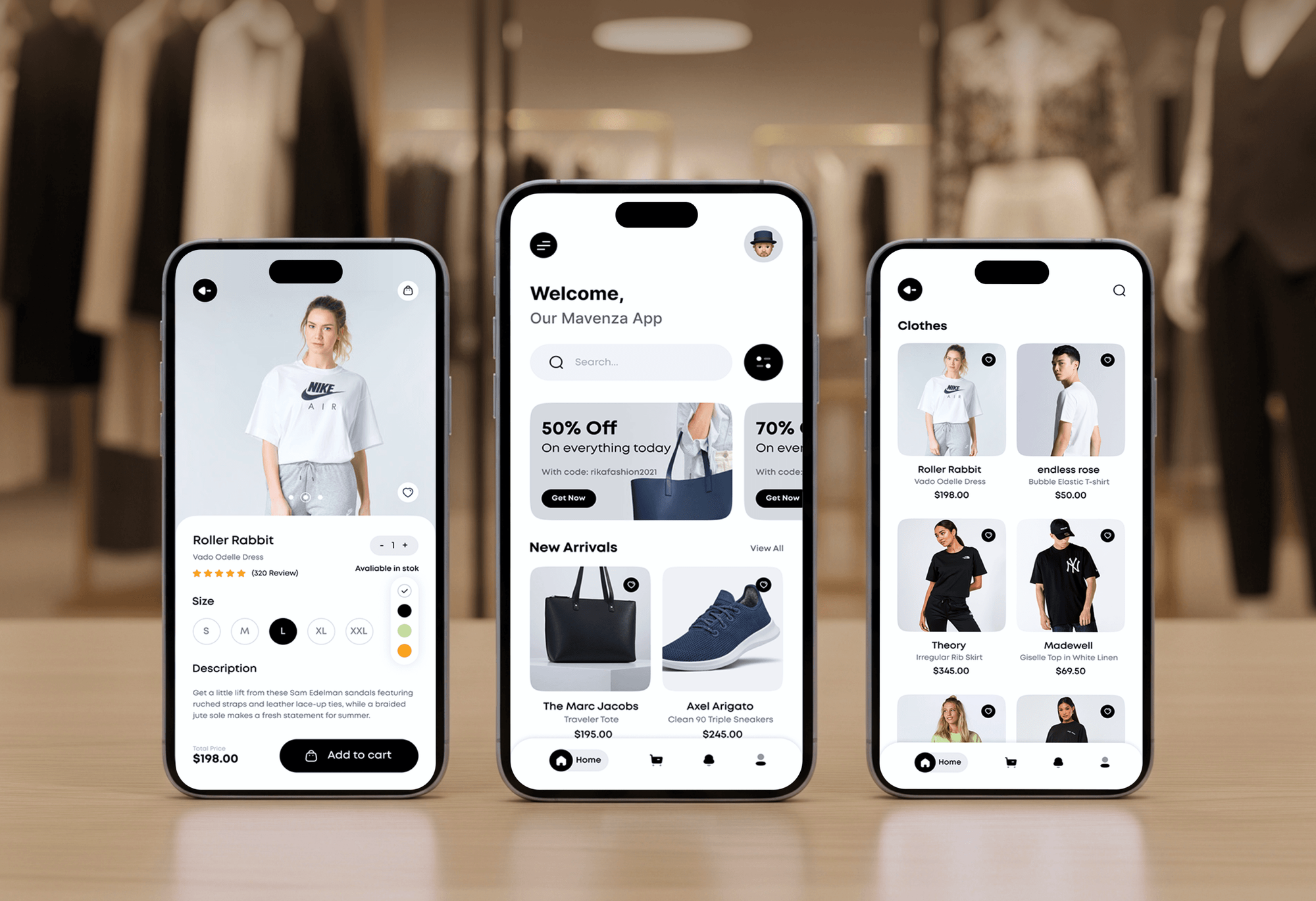
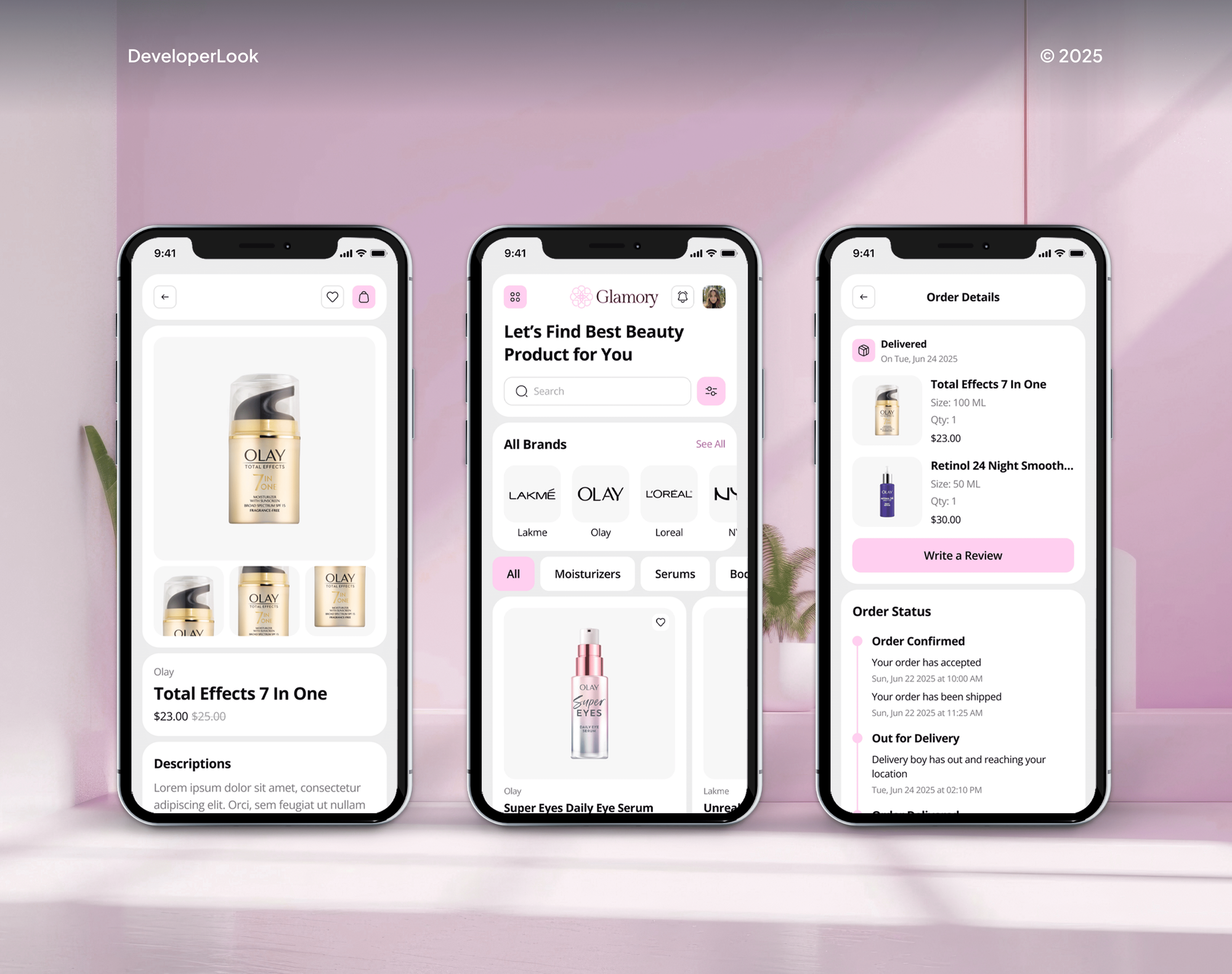
Online stores and shopping apps we've designed and built. AVS rules and address validation plug into the checkouts of stores like these.


What Our Clients Say
Feedback from teams we have built online stores and payment workflows for.
We had a different kind of problem. People were visiting the store, adding products to their carts, and then disappearing before they finished the order. We had tried a few apps and made changes here and there, but nothing really seemed to solve the bigger issue. The team went through the shopping experience with us and pointed out things we hadn't really noticed ourselves. They cleaned up the cart and checkout flow, made the mobile experience much smoother, and helped us make the store feel easier to shop. I’m not going to pretend we fixed everything overnight, but it finally feels like the store is helping the sale instead of getting in the way of it.
The mobile experience is probably my favourite part of the new site. We had spent a lot of time making sure the desktop version looked right, and the team kept pushing us to think about how everything would actually feel on a phone too. They were right. The navigation is clean, the interactions feel natural, and everything we’ve tested so far works exactly as it should. They also went through the links, forms, integrations, and other details more than once before launch, which I really appreciated. And even after going live, we could still reach out when something came up. The whole process felt friendly, organised, and surprisingly straightforward.
We had a pretty specific idea of what we wanted our website to become, but I wasn’t sure how easily we could explain all of it to a development team. There were quite a few moving parts, and we were working toward a deadline, so I expected a few things to get lost along the way. That never really happened. They understood what we were trying to achieve, kept us updated throughout the process, and got everything ready within the agreed timeline. The final site feels much easier to navigate, works beautifully on mobile, and is noticeably smoother for our customers. It was a huge relief seeing the original idea actually turn into the website we had in mind.
1,250+
Projects shipped
10+
Years of experience
Top 3%
Upwork Top Rated Plus
5 stars
Average review score

Want results like these?
Tell us what you are building. You get a reply within 24 hours on business days, then a written estimate.
Work Culture
A blunt AVS rule costs you sales on one side and chargebacks on the other. These habits keep every rule tied to your real orders.
We map each AVS and CVV result to approve, review, or decline. Nothing is left to a gateway default that nobody on your team chose.
A wrong unit number or an old ZIP code is a common honest mismatch you'll see. A checkout suggestion fixes it before payment, so the order doesn't look risky.
If you sell abroad, many cards outside the US, Canada, and UK return no AVS result. We give those orders their own rules instead of treating them as mismatches.
Borderline orders go to a short review queue with the order's history. Your team decides in a minute or two instead of guessing.
We place test orders that trigger each possible result before launch. You see every rule act the way you approved it.
Every rule lives in your own gateway and store accounts, with a one-page guide to each. Changing a threshold later takes minutes, not a new project.
Overview
DeveloperLook sets up the address verification system (AVS) check on your payment gateway, so every result gets a clear action: approve, review, or decline. We add CVV and velocity rules, address checks at checkout, and a review queue for mismatches. Setup starts at $500 and takes 1 to 4 weeks.
DEVELOPERLOOK
Project facts · AVS and Address Verification Setup
Reviewed 28 Sep 2026 by Saimul Islam
Good fit
Stores declining every AVS mismatch
Your gateway declines any address mismatch, so customers who moved or mistyped a unit number get turned away at checkout.
Stores approving everything
Your checkout approves orders even when the ZIP code and CVV both fail, and those orders come back as fraud chargebacks weeks later.
Sellers with international buyers
Your buyers outside the US, Canada, and UK get unavailable AVS results, and your Stripe or Braintree rules treat them as mismatches.
Shopify and WooCommerce stores
You sell on Shopify or WooCommerce and want typos caught at checkout, before an order fails AVS or ships to a bad address.
Agencies with payment clients
Your agency manages client gateways on PayPal, Stripe, and BigCommerce stores and wants AVS rules set the same way everywhere.
Not a fit
Full fraud stack
You want the full fraud stack with scoring, vendors, and review routines. Our Ecommerce Fraud Prevention Services cover AVS as one layer of that.
Bank verification wanted
You want the card's bank to verify the buyer and move fraud liability. 3D Secure Implementation covers that stronger check.
Disputes on delivered orders
Your problem is customers disputing orders they received, which AVS can't catch. Friendly Fraud Prevention targets those buyers.
Stripe Radar covers you
You run on Stripe with few fraud orders. Radar's built-in CVC and postal code rules may already cover you, and if they do, we'll tell you before we quote $500.
Not sure we're the right fit?
Book a free call or message us. We'll tell you honestly whether we're the right team.
Pricing
These are starting points in USD. Your price depends on your gateways, checkout type, and review volume, and you get a fixed proposal after a free mismatch review.
For stores on one gateway that need every AVS result handled.
$500one-time, USD
For stores losing good orders to typos or seeing repeat attempts.
$1,250one-time, USD
For brands with several gateways, stores, or countries to cover.
$2,400one-time, USD
For Agencies
You own the client relationship. We supply the payments work: AVS rules, CVV checks, velocity limits, checkout address checks, and a review routine. We set them up the same way on every client store, under your brand.
White label: your client only ever sees your brand
Send the stores, gateways, and the fraud or decline problems each client sees.
You get a mismatch review, a rule map, and a fixed price per store.
We set up and test each store, then hand over a guide you can brand.
We work under your brand, so you keep the relationship and the credit.
One tested rule set rolled out across every client gateway.
Engineers who work with Stripe Radar, Braintree, and Shopify Flow.
Bring us in for one client or every store you manage.
The Right Technology for Your Project
We set AVS rules in your gateway's own fraud tools first, then add store rules, address validation, and alerts where your checkout needs them.
 Stripe
 Braintree
 PayPal
 Shopify PaymentsShopify
 WooCommerce
 BigCommerce
 MagentoShopify Flow
 Node.js
 TypeScript
 PostgreSQL
 Slack
Slack Google Sheets
 Gorgias
 Zendesk
FAQ
Straight answers on AVS results, mismatches, velocity limits, address validation, and cost.
Saimul IslamFounder & CEO, DeveloperLookStill have questions?
Send a message or book a call with the team.
No, a mismatch alone doesn't prove fraud. Stripe notes that AVS checks fail for real buyers who mistype an address or move without telling their bank. A criminal with a stolen card and the right billing address passes AVS completely. That's why we treat a mismatch as one signal and weigh it with your CVV results, velocity, and order history.
They tell you which parts of the billing address matched the bank's records. A full match means street and postal code agree, a partial match means only one does, and a mismatch means neither. You can also get unavailable, when the bank doesn't check addresses. Gateways label these differently, so we map your gateway's codes before writing rules.
AVS setup starts at $500 for AVS and CVV rules on one gateway, with a review tag for partial matches. Adding checkout address checks, velocity limits, and a review queue costs $1,250. Programs across up to 3 gateways or stores start at $2,400. You get a fixed quote after the free mismatch review.
Rules on one gateway take about 1 week, including test orders for every result. Adding checkout address checks and velocity limits takes about 2 weeks, and programs across several gateways take 3 to 4 weeks. Mismatch tracking then runs for 30 to 90 days, so we can loosen any rule that blocks your good buyers.
They test whether your buyer knows details a card thief often lacks. AVS compares the billing address with the bank's records, and CVV checks the code printed on the card. Stripe notes that stores can't store CVV, so it rarely leaks in data breaches. Neither check stops a thief holding the physical card, though.
Velocity checks cap how often one card, email, or IP can try to pay on your store in a set window. They matter because AVS judges one attempt at a time, so a fraudster can keep guessing ZIP codes until one passes. A limit such as 3 failed attempts per card per hour stops that without slowing your normal buyers.
You set them in your gateway's fraud settings or through its API. On Stripe, Radar can block payments that fail postal code or CVC checks, and Radar Plus rules can send partial matches to review. Braintree and Authorize.net have their own AVS filters. On Shopify Payments, results feed fraud analysis, so we act on them with Flow holds.
On Shopify, turn on shipping address validation in your checkout settings, which suggests fixes as buyers type. On WooCommerce or a custom checkout, we add an address service such as Google Places autocomplete. Either way, your buyers correct typos and missing unit numbers before paying, so fewer honest orders fail AVS or ship to a bad address.
Yes, and partial matches usually should. We hold those orders before fulfillment, tag them, and send your team an alert with the check results, order history, and IP location. Your reviewer approves or cancels in a minute or two, and we tune the rules from those decisions each month.
Only partly. Stripe notes that support varies by country and issuer, and most cards from the US, Canada, and the UK support street address checks. Many other cards return unavailable, which isn't a mismatch. If you sell abroad, we give those orders their own rules, often leaning on CVV, velocity, and 3D Secure instead.
Saimul IslamFounder & CEO, DeveloperLookStill have questions?
Send a message or book a call with the team.
Free 30-min callGoogle Meet
Book a call
In 30 minutes on Google Meet we walk you through how we would build it, how long it takes and what it costs. Then you get a written estimate.
Calendar not showing? Book on cal.com or send a brief.