
Shared responsibility map
A one-page view of which layers your provider secures and which identities, settings, and data your team owns.

For teams on AWS, Azure, or Google Cloud who need to know what's exposed: every account benchmarked, the riskiest gaps fixed as code, and a plan you can show customers. From $1,050.
100%
In-scope accounts benchmarked
1
Map of who secures what
How your project runs
01 · FreeTeams we have built for:














The Problem
Yes, the provider secures its data centers and core services. Your half (identities, settings, storage, and logging) is where the trouble shows up.
Admin keys
Launch-week admin keys still work for people who left.
Admin keys
Old keys get revoked, and admins sign in through SSO with MFA instead.
Forgotten accounts
A test account runs in a region nobody watches.
Forgotten accounts
Every account and region gets the same benchmark, logging, and threat detection.
Public storage
Nobody can say which buckets or blobs are public.
Public storage
Public access is blocked by default, with named exceptions you approve.
Config drift
Fixed settings come back with the next deploy.
Config drift
Fixes ship as code with guardrails, so new resources inherit them.
Your company moved to the cloud partly because the provider handles security. Then a customer's questionnaire asks who can reach your storage buckets, and nobody is sure. Three people still hold admin keys from launch week. A test account keeps running in a region nobody uses. Logging is on in production, but not where the staging copy of customer data lives. None of this is the provider's job. AWS, Microsoft, and Google secure their side, and the settings on top are yours.
We start with a shared responsibility map: which layers your provider secures and which ones your team owns. Then we turn on the provider's own posture tool, score every account against its CIS Foundations Benchmark, and rank what an attacker would reach first. Fixes ship as Terraform or Bicep, with guardrails that block the same mistake in new accounts. You end up with settings that stay fixed, not a report that ages in a shared drive.
Shared responsibility mapped first
You see which layers AWS, Microsoft, or Google secures and which settings your team owns.
Benchmarked against CIS controls
Your accounts are scored against the CIS Foundations Benchmark, and each finding is ranked by reach.
Fixes that stay fixed
Your fixes ship as code, and guardrails block the same misconfiguration in new accounts.
Our Cloud Security Services Process
You approve the scope, see each finding verified by hand, review every fix in a pull request, and get a rescan.
You tell us your clouds, accounts, and what triggered the review: a customer questionnaire, an audit, or a scare. You get a fixed scope and price. If your provider's free posture tool already covers what you need, we'll tell you before we quote.
What's Included
You get a shared responsibility map, CIS benchmark scores, identity and data findings, fixes written as code, guardrails for new accounts, and a strategy your leadership can read.
Compare Options
A posture tool finds misconfigurations fast, and a large firm brings brand weight. Among cloud security companies, here is where each fits your team and where it stops.
| Feature | DeveloperLookBest fit | Posture tool | Large firm |
|---|---|---|---|
| Finding misconfigurations | Benchmarked and verified by hand | Automated, continuous scans | Sampled during the engagement |
| Ranking findings | Ranked by what each exposes | Tool severity scores | Ranked in a long report |
| Fixing findings | Top findings fixed as code | Not included | Advice, fixes billed separately |
| Preventing repeats | Guardrail policies that block repeats | Alerts after the fact | Recommended, rarely built |
| Clouds covered | AWS, Azure, and Google Cloud | Usually all three | Usually all three |
| Time to first results | 1 to 2 weeks | Within a day | Weeks of scoping first |
| Pricing model | Fixed price per project | Yearly license per resource | Day rates per consultant |
| What you keep | Code, results, and strategy | Findings inside the tool | The final report |
Projects We've Built
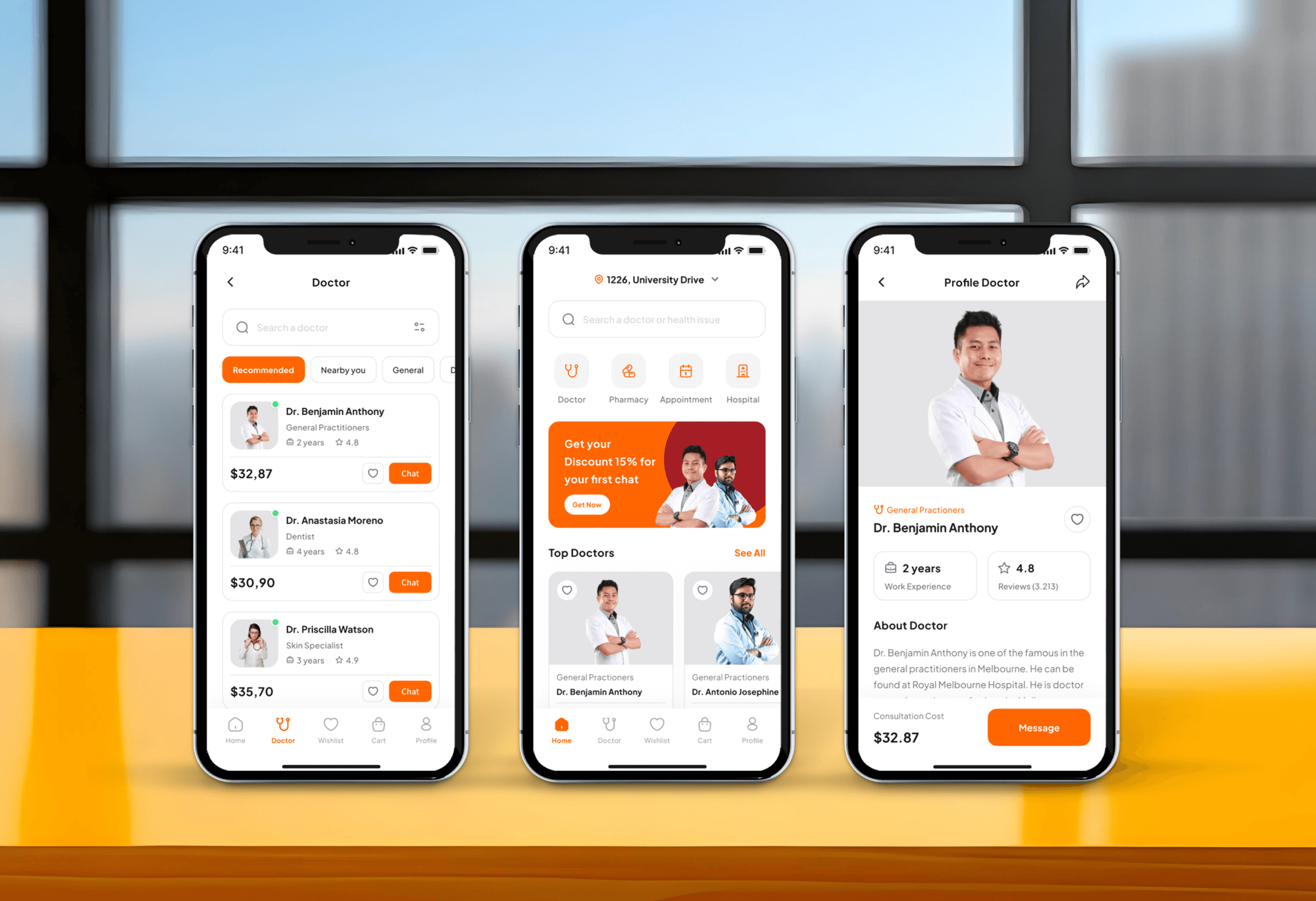
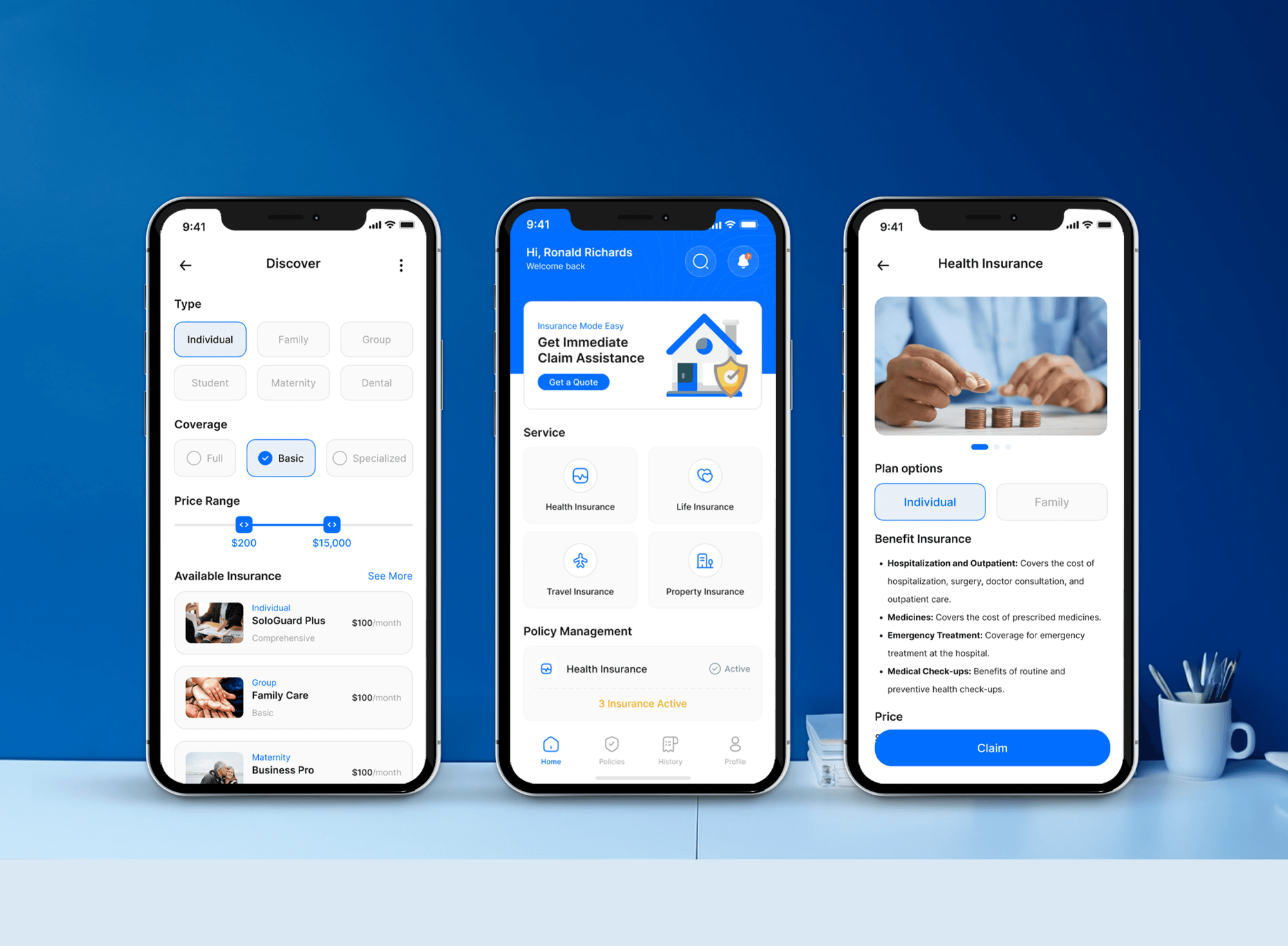
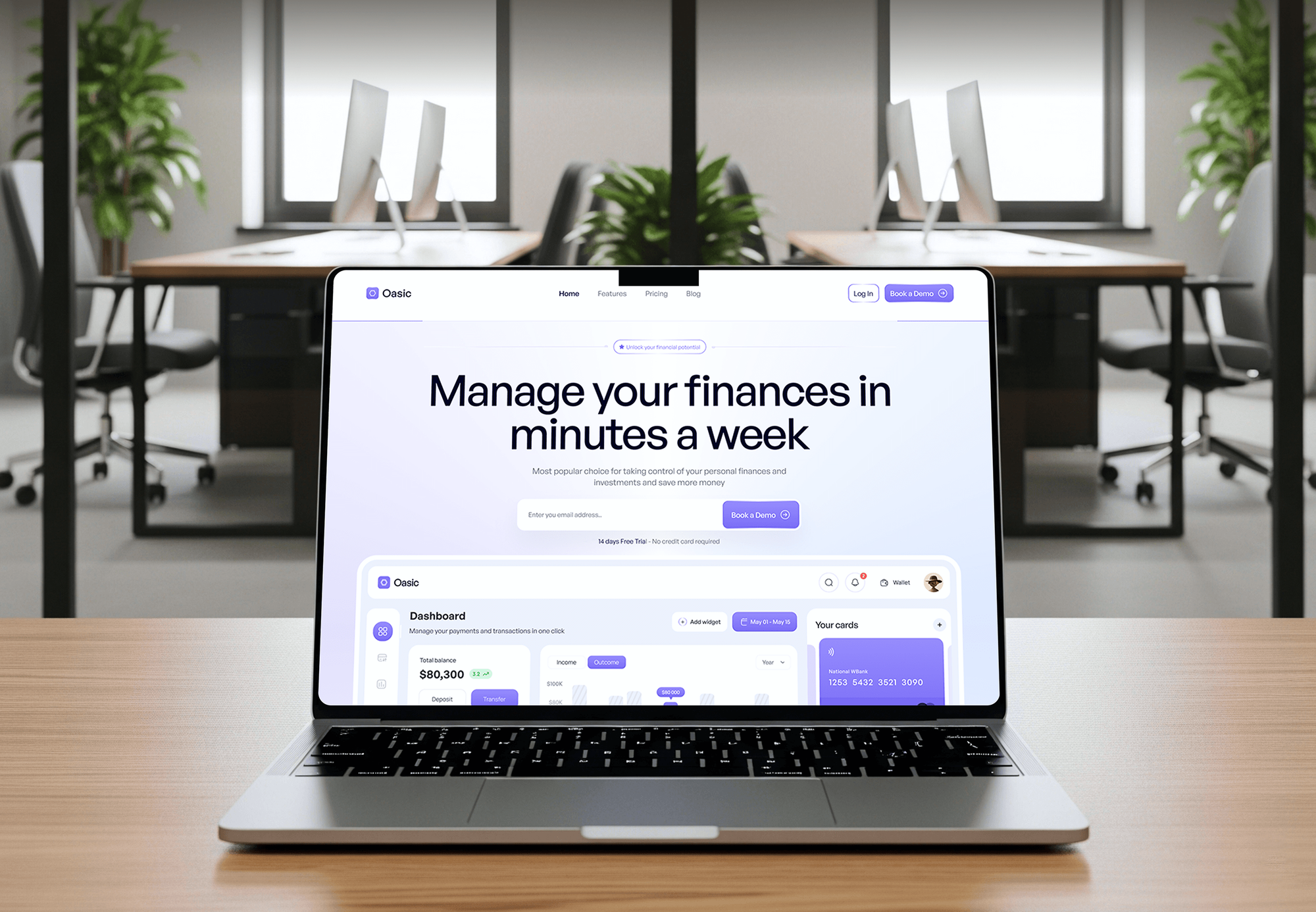
Health, insurance, finance, and SaaS apps we designed and built. They weren't cloud security projects, but they hold the kind of data this service protects.
What Our Clients Say
Feedback from teams we have built cloud apps and platforms for.
We had a pretty specific idea of what we wanted our website to become, but I wasn’t sure how easily we could explain all of it to a development team. There were quite a few moving parts, and we were working toward a deadline, so I expected a few things to get lost along the way. That never really happened. They understood what we were trying to achieve, kept us updated throughout the process, and got everything ready within the agreed timeline. The final site feels much easier to navigate, works beautifully on mobile, and is noticeably smoother for our customers. It was a huge relief seeing the original idea actually turn into the website we had in mind.
The mobile experience is probably my favourite part of the new site. We had spent a lot of time making sure the desktop version looked right, and the team kept pushing us to think about how everything would actually feel on a phone too. They were right. The navigation is clean, the interactions feel natural, and everything we’ve tested so far works exactly as it should. They also went through the links, forms, integrations, and other details more than once before launch, which I really appreciated. And even after going live, we could still reach out when something came up. The whole process felt friendly, organised, and surprisingly straightforward.
What I appreciate most is that the website is actually easy for us to manage now. We can update content ourselves instead of sending a developer a message every time we need to change something small. They also paid attention to the technical SEO side, which mattered to us because we didn’t want a new website to create problems for the traffic we already had. I’ve probably asked more questions than I should have since launch, but every question has been handled patiently and without any fuss. The team is easy to work with, they explain things clearly, and when we need something changed, they focus on getting it done rather than making the process complicated.
1,250+
Projects shipped
10+
Years of experience
Top 3%
Upwork Top Rated Plus
5 stars
Average review score
1,250+
Projects shipped
10+
Years of experience
Top 3%
Upwork Top Rated Plus
5 stars
Average review score

Want results like these?
Tell us what you are building. You get a reply within 24 hours on business days, then a written estimate.
Work Culture
Nothing changes without your approval, findings are ranked by real exposure, and your team gets code it can read. These habits keep a security project from causing an outage.
We audit through read-only roles and change nothing until you approve a pull request. Your production stays exactly as it was while we look.
We rank findings by what an attacker could reach, not by tool severity alone. A public bucket of invoices outranks a missing tag.
Changes go through Terraform, Bicep, or your own templates. Your team can read, review, and roll back each fix later.
We draft answers your sales team can paste into customer security questionnaires. They match what's actually configured, so nobody overpromises.
We work across AWS, Azure, and Google Cloud and resell no licenses. If a native tool covers you, you hear that before any paid platform.
Your benchmark results, code, and strategy stay in your repositories. You can hand them to an auditor or another vendor anytime.
Overview
DeveloperLook provides cloud security services for companies on AWS, Azure, and Google Cloud. We map shared responsibility, benchmark every account against CIS, review identity and data exposure, and fix the top findings as code. Projects start from $1,050 with a fixed scope, take 1 to 6 weeks, and you keep every script and report.
DEVELOPERLOOK
Project facts · Cloud Security Services
Reviewed 27 Oct 2026 by Saimul Islam
Good fit
SaaS teams answering customer security questionnaires
Your enterprise prospect sent a security review, and its cloud section asks about logging, encryption, and admin access you can't confirm.
Startups that launched fast on one cloud
You shipped on AWS or Google Cloud in a hurry, and the account still runs on the founders' admin keys and default network settings.
Companies running two clouds at once
Your product runs on AWS while identity and finance live in Azure, and nobody checks both clouds against the same baseline.
Teams preparing for SOC 2 or ISO 27001
Your auditor will ask for evidence of cloud logging, access reviews, and encryption, and you want those gaps closed before fieldwork starts.
Agencies hosting client apps in the cloud
You host client sites and apps across several cloud accounts and need one security baseline you can show each client.
Not a fit
Only one AWS account
You run one AWS account and want a focused review of it. Our AWS Security Audit Services start lower and go deeper on AWS-only checks.
Only Kubernetes needs review
Your risk sits inside clusters: pod privileges, secrets, and runtime alerts. Kubernetes Security Services cover that layer in more depth.
Need round-the-clock monitoring
You need people watching alerts at night and on weekends. Managed Security Services fit better, since this is a project with a fixed end.
Budget under $1,050
Your budget is under $1,050, or you only want an automated scan. Turning on your provider's free posture tool is a better first step.
Not sure we're the right fit?
Book a free call or message us. We'll tell you honestly whether we're the right team.
Pricing
These are starting points in USD. Your final price depends on your clouds, account count, and how many findings we fix, and you get a fixed proposal after a free discovery call.
For Agencies
You own the client relationship. We supply the engineering: cloud benchmark reviews, fixes as code, and reports under your brand. Your clients get one baseline across their accounts, and you stay the name on every call.
White label: your client only ever sees your brand
You send the client's cloud list and goals, and we confirm scope and price.
We benchmark, rank, and fix under your brand, with your team copied on everything.
You hand the client the report and strategy, and we stay on call for questions.
You send the client's cloud list and goals, and we confirm scope and price.
We benchmark, rank, and fix under your brand, with your team copied on everything.
You hand the client the report and strategy, and we stay on call for questions.
The Right Technology for Your Project
We use each provider's own posture tools first, then open-source scanners and infrastructure code, so every finding can be checked and every fix reviewed.
 AWS
 Kubernetes
Related Services
Pair this with a deeper single-cloud audit, Kubernetes hardening, secure pipelines, or round-the-clock monitoring once the baseline is in place.
This page
Cloud Security Services
Pairs with the 6 services around it
FAQ
Straight answers on cost, cloud risks, sensitive data, strategy, assessments, and choosing providers and tools.
Saimul IslamFounder & CEO, DeveloperLookStill have questions?
Send a message or book a call with the team.
A DeveloperLook cloud security project starts at $1,050 for an assessment of one cloud with up to 3 accounts. That covers your shared responsibility map, CIS benchmark scoring, and an identity and data review. Assess and Harden costs $2,850 and fixes your top 15 findings as code. The Multi-Cloud Program costs $5,600 for two clouds and up to 25 accounts.
Cloud security is the set of controls that protect cloud accounts, identities, data, and workloads from unauthorized access and misconfiguration. It covers who can sign in, what your internet-facing services expose, how your data is encrypted, and what gets logged. Most of it is configuration your team owns, so a good review starts with your settings.
Cloud security matters because one wrong setting can expose your data to the whole internet without any hacking involved. A public bucket, an admin key pushed to a repository, or logging switched off in one account turns a small slip into a breach. Your customers and auditors now ask about these controls before they sign, so getting them right protects revenue too.
The biggest risks of cloud computing are misconfigured storage, overprivileged identities, leaked access keys, and missing logs. Others include internet-facing management ports, unpatched virtual machines, and forgotten accounts or regions nobody monitors. Shared tenancy itself is rarely the weak point, because providers isolate customers well. The gaps sit in the settings you control, which is where an assessment spends most of its time.
You secure sensitive cloud data by finding it, blocking public access, encrypting it with your own keys, and limiting who reads it. Start with an inventory of your buckets, databases, and snapshots that hold personal or payment data. Then turn on account-level public access blocks, use customer-managed keys where your policy requires them, and log every read of the most sensitive stores.
A successful cloud security strategy starts with shared responsibility, then sets one baseline every account must meet. Pick a benchmark, such as the CIS Foundations Benchmark for your provider, and enforce it with guardrails instead of reminders. Decide who on your team owns identity, logging, and incident response, and review progress every quarter. Our strategy one-pager puts those decisions in front of your leadership.
A cloud security assessment is a structured review of your cloud accounts against a security benchmark, ending in ranked findings. It checks identities, network exposure, storage, encryption, logging, and threat detection. A useful one verifies tool output by hand and ranks findings by what they expose in your accounts. Ours covers up to 3 accounts on the first plan, and larger plans add fixes.
You evaluate a cloud provider's security through its independent audit reports, its shared responsibility model, and the controls it gives you. Download its SOC 2 Type II and ISO/IEC 27001 reports from a portal such as AWS Artifact or the Microsoft Service Trust Portal. Then check data residency, key options, and logging. The major cloud security providers all publish this.
Cloud native security protects applications built from containers, Kubernetes, serverless functions, and managed services across their whole lifecycle. It covers code and image scanning in the pipeline, admission policies in the cluster, and runtime detection in production. It differs from server security, because your workloads appear and disappear in minutes. Our Kubernetes Security Services page covers the cluster side in depth.
No single container security provider is best for everyone: the right one fits your cloud, cluster count, and team. Native options such as Amazon Inspector, Microsoft Defender for Containers, and Google Cloud's Artifact Analysis cover a lot for a low cost. Open-source Trivy and Falco fill gaps. Compare cloud security solutions on what they detect and who on your team reads the alerts.
Saimul IslamFounder & CEO, DeveloperLookStill have questions?
Send a message or book a call with the team.
Free 30-min callGoogle Meet
Book a call
In 30 minutes on Google Meet we walk you through how we would build it, how long it takes and what it costs. Then you get a written estimate.
Calendar not showing? Book on cal.com or send a brief.