


Specialty templates and flowsheets
Encounter notes, intake forms, and flowsheets with the measures your specialty records, not generic free text.

For specialty clinics whose charting doesn't fit a general EHR: notes built from your own templates, signed and locked properly, with chart data you can export whenever you need it.
100%
Charts in your own templates
1click
Full chart export
Teams we have built for:














The Problem
It shows up in every visit: free-text boxes where a structured field belongs, copy-forward notes, and specialty measures typed into a spreadsheet beside the EHR.
Templates
Specialty measures live in spreadsheets beside the EHR.
Templates
Your forms become structured templates and flowsheets with the fields your specialty records.
Signing
Addenda overwrite notes instead of appending to them.
Signing
Signed notes lock, and every later change becomes a dated, attributed addendum.
Coding
Diagnoses sit in free text that reports can't count.
Coding
Diagnoses and problems get coded in ICD-10-CM and SNOMED CT as clinicians chart.
Export
Your own chart export arrives as unusable PDFs.
Export
One-step export gives every chart as PDF and structured data you can import elsewhere.
Your physical therapists track range of motion in a spreadsheet because the EHR has no flowsheet for it. Notes get copied forward from the last visit, errors included. Signing a note takes a string of clicks, and addenda overwrite the note instead of appending to it. The vendor quotes months for a custom template and charges per provider for the module you need. When you ask for a full export of your own charts, you get a stack of PDFs nobody can import.
We start with how your clinicians actually chart. We sit in on visits, then turn your paper forms and spreadsheets into structured templates and flowsheets, with diagnoses coded in ICD-10-CM and problems in SNOMED CT. Notes sign and lock with a proper addendum trail. Every chart exports in one step as PDF and structured data, so your records stay portable instead of trapped in a vendor's format.
Templates from your forms
Your intake forms, flowsheets, and specialty measures become structured fields clinicians fill in.
Sign, lock, and amend
Notes lock at signing, and every later change is a dated addendum with its author.
Chart data you can export
Every chart exports in one step as PDF plus structured data, whenever you need it.
Our EHR and EMR Software Development Process
You approve the charting map, test each template with your clinicians, and sign off on the data migration before your old system switches off.
We look at your current notes, forms, and the workarounds your clinicians use. You get a first read on whether a custom EMR, a module beside your certified EHR, or a configured product fits better, plus an estimate.
What's Included
A working chart built around your specialty. You get templates and flowsheets, signing and audit trails, coded lists, scheduling, data migration, and an export path you control.
Compare Options
A certified EHR is the right call when you need CEHRT for Medicare programs, and a low-code platform is cheapest for simple forms. Here is where each one holds up for specialty charting.
| Feature | DeveloperLookBest fit | Certified EHR | Low-code platform |
|---|---|---|---|
| Specialty templates | Built from your own forms | Vendor templates, paid changes | Yes, with limits |
| ONC certification | No, unless you certify it | ||
| Medicare CEHRT programs | Not on its own | ||
| Charting speed | Tuned to your visit flow | Generic clicks per note | Depends on the builder |
| Data export | One step, PDF plus data | EHI export, vendor format | Varies by platform |
| Time to go-live | Weeks after the charting map | Fastest for standard specialties | Fast for simple forms |
| Ownership | Your code and database | Licensed per provider | Licensed per user |
| Cost | Fixed build price, then hosting | Monthly fee per provider | Lowest for simple use |
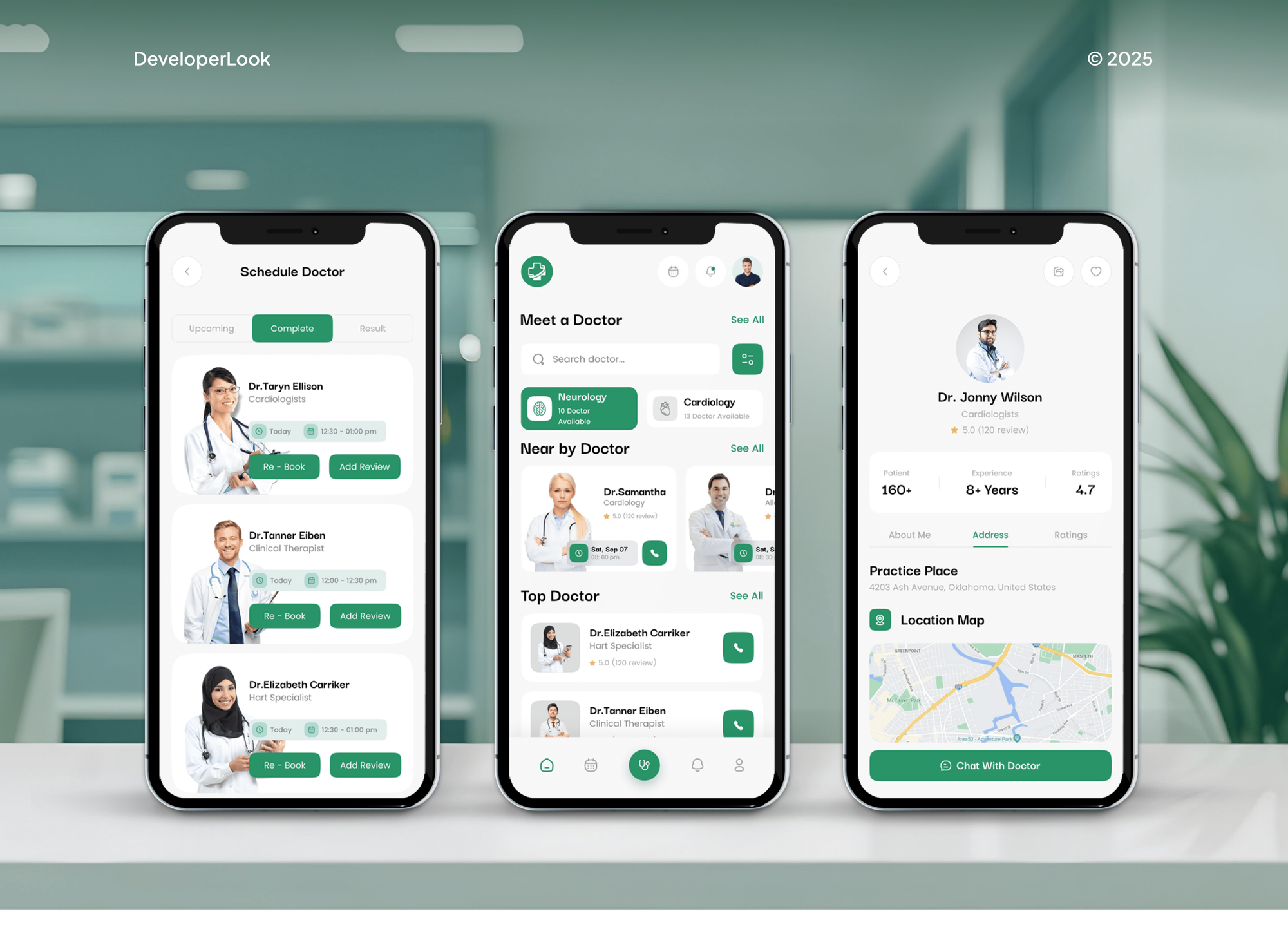
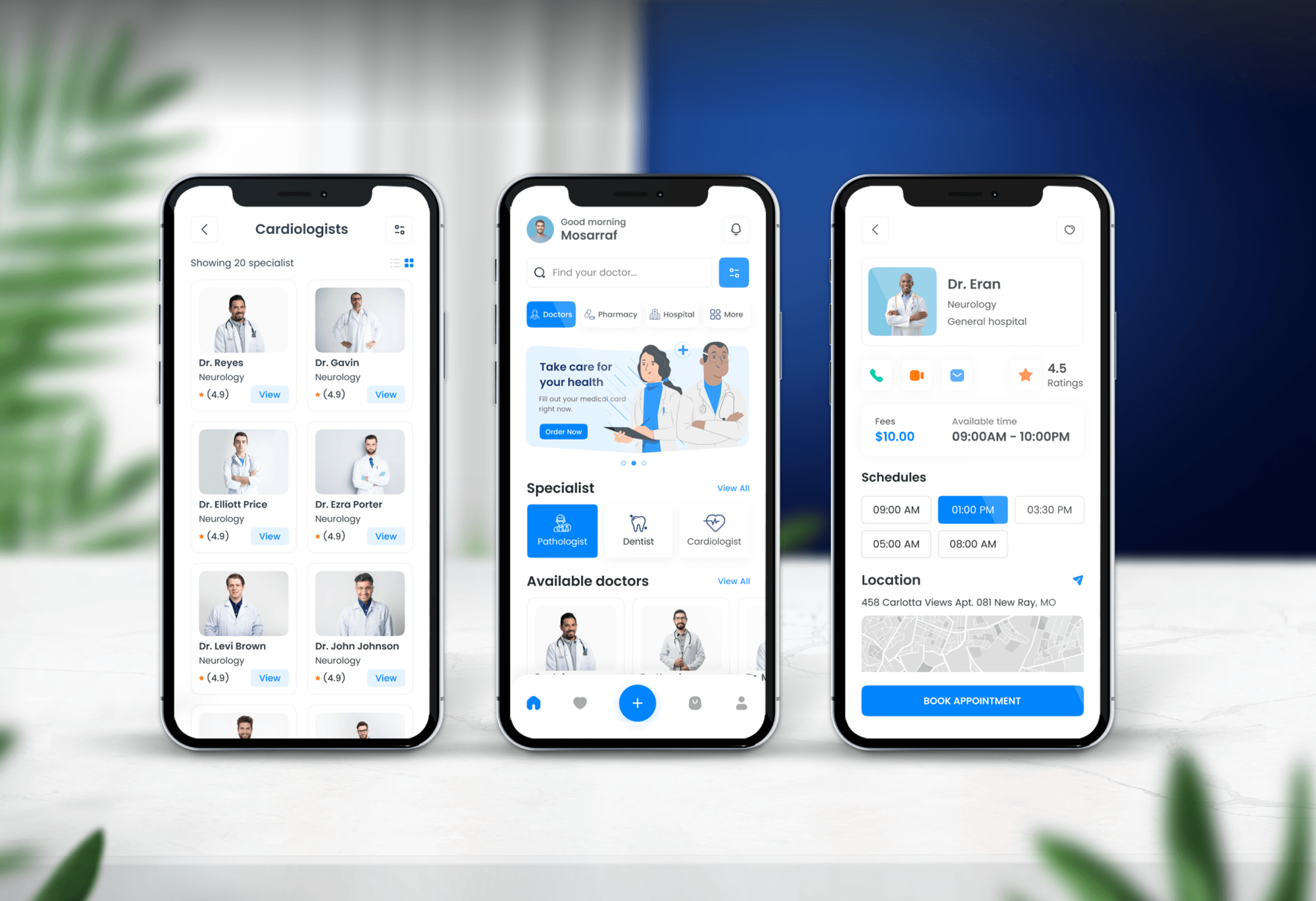
Projects We've Built
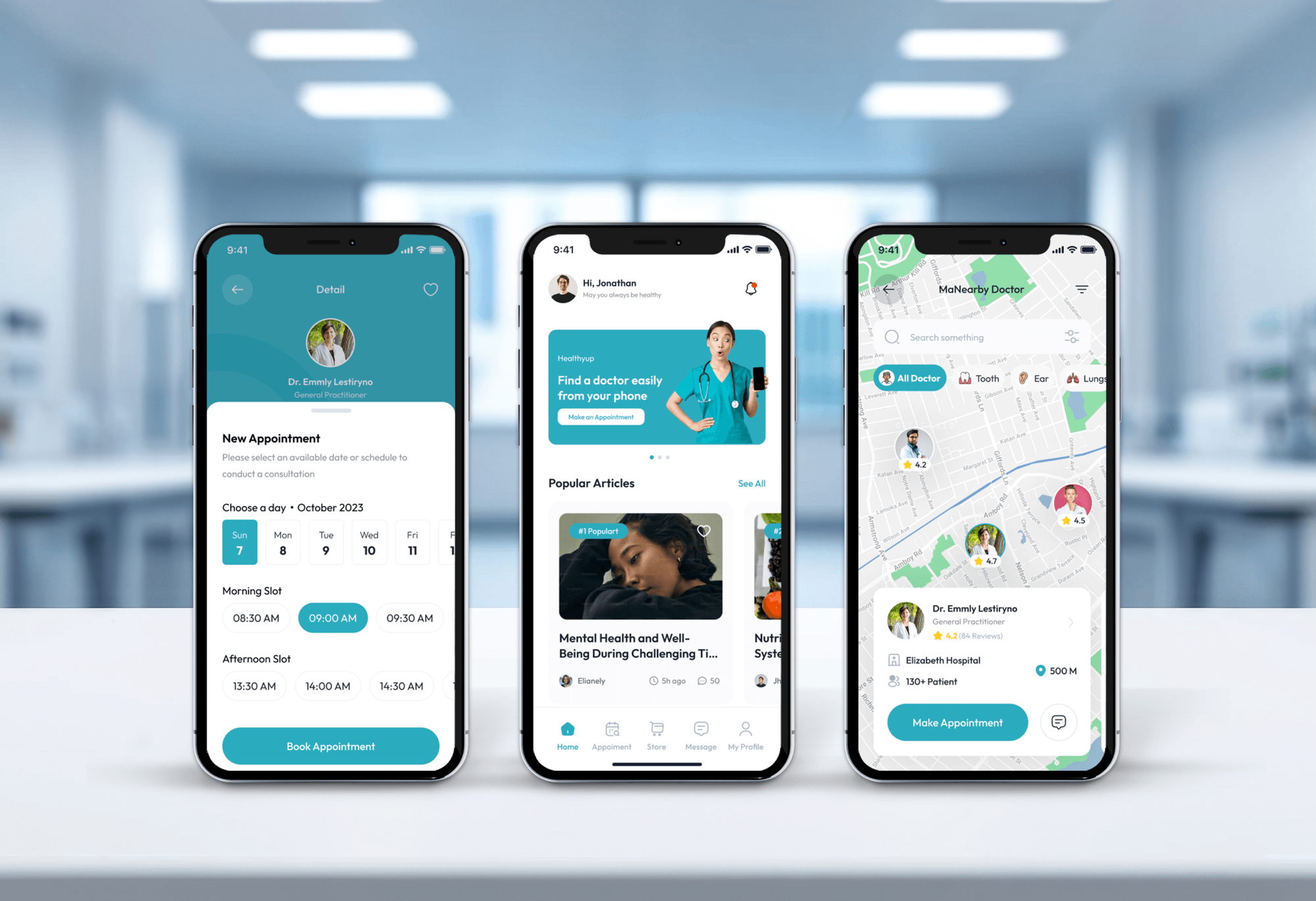
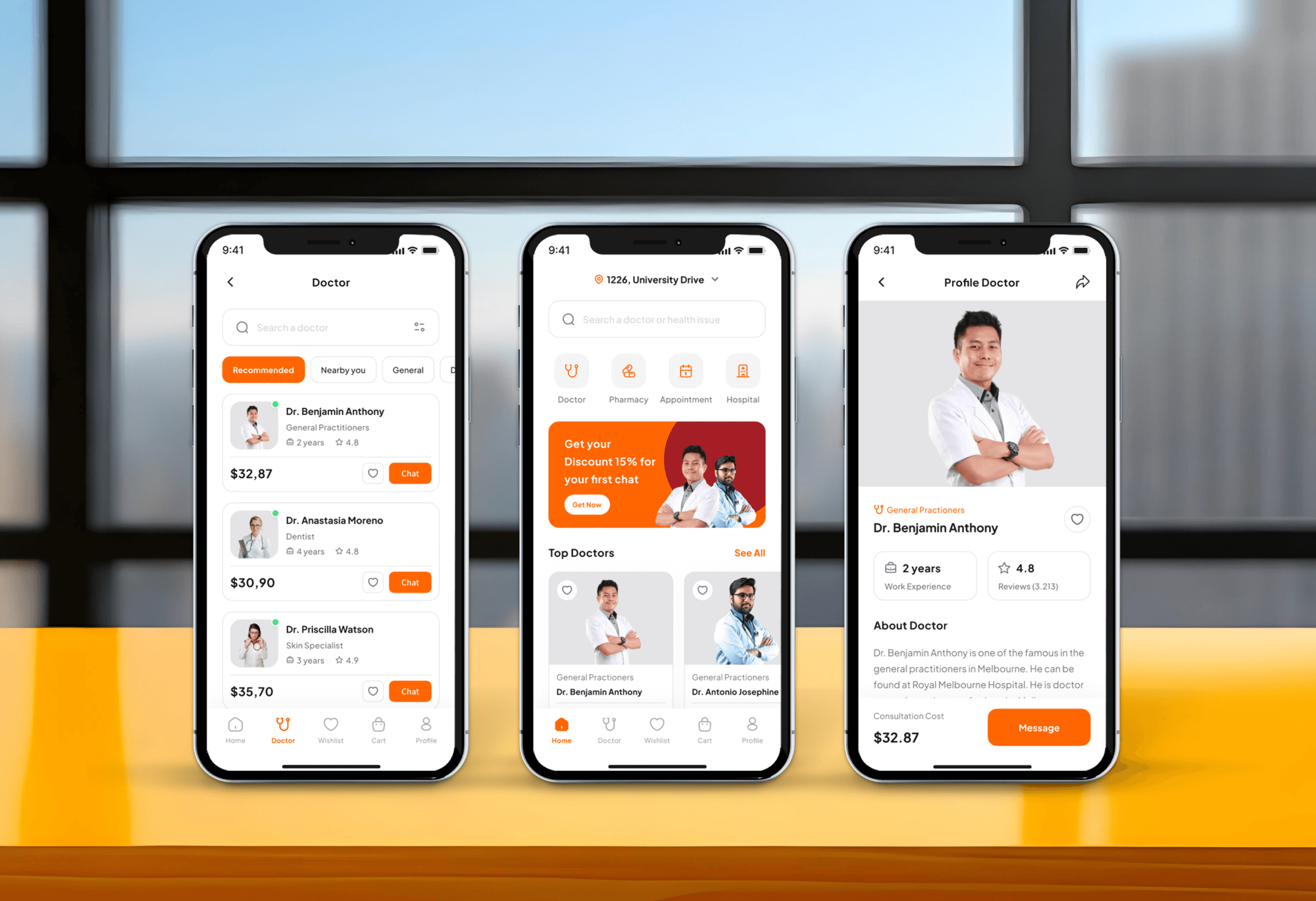
Medical apps and hospital dashboards we built, where staff manage patients, appointments, and records. They show the screens a custom chart builds on, not certified EHRs.
What Our Clients Say
Feedback from teams we have built apps and web platforms for.
We had a pretty specific idea of what we wanted our website to become, but I wasn’t sure how easily we could explain all of it to a development team. There were quite a few moving parts, and we were working toward a deadline, so I expected a few things to get lost along the way. That never really happened. They understood what we were trying to achieve, kept us updated throughout the process, and got everything ready within the agreed timeline. The final site feels much easier to navigate, works beautifully on mobile, and is noticeably smoother for our customers. It was a huge relief seeing the original idea actually turn into the website we had in mind.
The mobile experience is probably my favourite part of the new site. We had spent a lot of time making sure the desktop version looked right, and the team kept pushing us to think about how everything would actually feel on a phone too. They were right. The navigation is clean, the interactions feel natural, and everything we’ve tested so far works exactly as it should. They also went through the links, forms, integrations, and other details more than once before launch, which I really appreciated. And even after going live, we could still reach out when something came up. The whole process felt friendly, organised, and surprisingly straightforward.
What I appreciate most is that the website is actually easy for us to manage now. We can update content ourselves instead of sending a developer a message every time we need to change something small. They also paid attention to the technical SEO side, which mattered to us because we didn’t want a new website to create problems for the traffic we already had. I’ve probably asked more questions than I should have since launch, but every question has been handled patiently and without any fuss. The team is easy to work with, they explain things clearly, and when we need something changed, they focus on getting it done rather than making the process complicated.
1,250+
Projects shipped
10+
Years of experience
Top 3%
Upwork Top Rated Plus
5 stars
Average review score
1,250+
Projects shipped
10+
Years of experience
Top 3%
Upwork Top Rated Plus
5 stars
Average review score

Want results like these?
Tell us what you are building. You get a reply within 24 hours on business days, then a written estimate.
Work Culture
A chart is a legal record, so the software has to treat it like one. These habits guide every EMR development project we take on.
We sit in on real visits and watch where clinicians fight the software. Templates come from that, so your notes match how the visit actually runs.
If your practice needs certified EHR technology for Medicare programs, we say so in the first call. A module beside your certified EHR may serve you better.
Signed notes lock, addenda keep their author and time, and the audit log is append-only. Your chart reads clearly when a payer or attorney requests it.
We build and test with made-up patients. Your real records move only during the migration, inside your own cloud account, and we sign a business associate agreement before our team touches them.
Every chart exports as PDF and structured data in one step. If you ever leave us, your records leave with you in a usable form.
Your switch-over date is set weeks ahead, with us on call through the first clinic days. Nobody discovers a missing template with a patient in the room.
Overview
DeveloperLook offers EMR software development for specialty clinics whose charting doesn't fit a general EHR. We build templates and flowsheets, signing and audit logs, coded lists, and a migration from your old system. Plans start at $1,350, builds take 10 to 18 weeks, and you own the code and chart data.
DEVELOPERLOOK
Project facts · EHR and EMR Software Development
Reviewed 28 Oct 2026 by Saimul Islam
Good fit
Specialty clinics outgrowing general EHRs
Your specialty tracks measures your EHR has no fields for, and your clinicians keep spreadsheets beside every chart to fill the gap.
Cash-pay and concierge practices
Your practice doesn't bill Medicare programs that need certified software, and you want charting built around how you actually see patients.
Health tech companies building an EHR
You're building an EHR product to sell and need emr software developers who can ship the core chart before you pursue certification yourself.
Clinics outside the United States
Your clinic is in Canada, the UK, or Singapore, where US EHR certification doesn't apply, and local products don't fit your workflow.
Groups adding a specialty module
You like your certified EHR for billing, but one service line needs its own charting module that shares patients with it.
Not a fit
Need CEHRT for Medicare
You need certified EHR technology for Medicare Promoting Interoperability or similar programs. A certified EHR is the better fit, and we'll say so before we quote.
Only connecting existing systems
You already have an EHR and only need it connected to an app or a lab. Our EHR Integration Services handle that without a new chart.
Patient-facing app first
You mainly need patients to book, message, and see records on their phones. Our Healthcare App Development service plans that build.
Budget under $1,350
Your budget is under $1,350, or you need a full EHR with billing in a few weeks. A configured product will serve you better at that budget.
Not sure we're the right fit?
Book a free call or message us. We'll tell you honestly whether we're the right team.
Pricing
These are starting points in USD. Your final price depends on your specialties, migration size, and integrations, and you get a fixed proposal after a free charting review.
For Agencies
You own the client relationship. We supply the charting, data, and migration engineering for your healthcare client, from the first visit observation to go-live. Your brand stays on the product and on every document your client receives.
White label: your client only ever sees your brand
Send the client's specialty, current EMR, and workflows, and we scope it in writing.
We observe visits, then build the chart in sprints under your brand.
Your client switches over on a set date while we fix issues for 60 days.
Send the client's specialty, current EMR, and workflows, and we scope it in writing.
We observe visits, then build the chart in sprints under your brand.
Your client switches over on a set date while we fix issues for 60 days.
The Right Technology for Your Project
Tools we use for charting apps, coded clinical data, and migrations, with standards that keep your records readable by other systems.
 React
 Next.js
 TypeScript
 Flutter
 Node.js
 NestJS
 PostgreSQL
 Python
 AWS
 Google Cloud
 Docker
Related Services
Healthcare software we build around a charting system, from integrations and telehealth to HIPAA safeguards and healthcare CRM setups.
This page
EHR and EMR Software Development
Pairs with the 6 services around it
FAQ
Straight answers on cost, timelines, certification, migration, and choosing an EMR software development company.
Saimul IslamFounder & CEO, DeveloperLookStill have questions?
Send a message or book a call with the team.
A specialty chart pilot starts at $1,350, with one encounter template set, signing and locking, and chart export on test patients. A single-specialty EMR with up to 3 visit types, scheduling, audit logs, and one migration is $4,500. Multi-provider systems with lab results and e-prescribing start at $9,700. Hosting runs on your own cloud account.
A specialty pilot takes 3 to 4 weeks, and a full EMR takes 10 to 18 weeks. Data migration and lab or e-prescribing connections add the most time, because each depends on another vendor's export or approval. Your go-live date is set weeks ahead, so your clinicians can plan their schedules around it.
EMR and EHR software stores patient charts electronically: visit notes, problems, medications, allergies, results, and orders. An EMR usually means one practice's chart, while an EHR is built to share records across providers and systems. In practice the terms overlap, and most modern systems do both. What matters for your build is which data you share, and with whom.
Ask each candidate to chart one of your real visit types in a prototype before you sign. Check that the EMR software development company codes problems and medications in standard code sets, locks signed notes, and keeps a full audit log. Then ask how it handles certification questions and who owns the code and data afterward.
No, not by default. ONC certification is a separate program that a health IT developer applies to and tests through, and a custom EMR for one clinic usually doesn't go through it. That matters if you bill Medicare programs that require certified EHR technology. For those practices, a module beside a certified EHR is the honest recommendation.
Yes. Certified EHRs must offer an electronic health information export for a single patient and for all patients, which gives you a full file to migrate from. We map that export, or a database or CSV export, into your new chart. Then we reconcile counts of patients, notes, and documents before go-live.
It should use the same code sets as certified systems, so your data stays readable elsewhere. That means ICD-10-CM for diagnoses, SNOMED CT for problems, RxNorm for medications, and LOINC for lab results. For sharing, custom EHR software development adds FHIR R4 resources and C-CDA documents, which most EHRs can import.
Customize your existing EHR first if its vendor can add the templates you need at a fair price. Build when your specialty's workflow keeps fighting the product, you don't need certified technology, or per-provider fees outgrow a one-time build. A specialty module beside your EHR is often the middle path.
An EMR development company should hand you the database schema, a data dictionary, template definitions, and migration scripts with the code. You also need the audit log design, role definitions, and a written export procedure. Those documents let another team maintain your chart later, so ask for them before you sign.
You own the code, the database, and every chart, all hosted in your own cloud account. As your EHR software development company, we fix issues and tune templates for 60 days after go-live. After that, you can keep us for new templates and integrations, or hand the documented system to your own developers.
Saimul IslamFounder & CEO, DeveloperLookStill have questions?
Send a message or book a call with the team.
Free 30-min callGoogle Meet
Book a call
In 30 minutes on Google Meet we walk you through how we would build it, how long it takes and what it costs. Then you get a written estimate.
Calendar not showing? Book on cal.com or send a brief.