
Feed inventory
Every current feed, script, and ETL job listed with its source, schedule, owner, and known failures.

For teams whose nightly scripts and legacy ETL jobs fail quietly: pipelines that rerun safely, reconcile every load, and alert the right person.
100%
Rows reconciled on every run
1command
Backfills any missed day
How your project runs
Teams we have built for:














The Problem
Most data feeds start as a quick script or a legacy ETL job. They work until an API times out, a file changes shape, or the person who wrote them moves on.
01 · Duplicates
A rerun after a timeout creates duplicate orders.
Keyed upserts make every run safe to repeat.
02 · Silent failures
The nightly import fails, and nobody finds out.
Retries first, then an alert with the error to a named owner.
03 · Schema changes
A supplier adds a column, and the file import breaks.
Schema checks set unexpected files and rows aside for review.
04 · Missing days
Recovering a missed week takes a risky manual rerun.
One command backfills any date range from the source.
Every night at 2 AM, a Python script on an old server pulls orders from your ERP and pushes them into the CRM. When the API times out, the script stops halfway, and the rerun creates duplicates. A supplier adds a column to their CSV, and the import fails without telling anyone. Monday's sales numbers come up short, and someone spends the morning comparing spreadsheets. The person who wrote the script left last year.
We start by listing every feed, its source, its schedule, and what breaks it. Each pipeline then loads incrementally and writes with keys, so a rerun updates rows instead of duplicating them. Retries handle timeouts, schema checks catch new columns, and row counts are compared with the source on every run. A failed run alerts a named owner, and one command backfills any missed day.
Safe to rerun
Incremental loads with keys, so a rerun updates rows instead of creating duplicates.
Failures reach a person
Retries come first, then an alert with the error and the affected run goes to a named owner.
Totals that reconcile
Row counts and key totals are compared with the source after every run, not at month end.
Our ETL and Data Pipeline Development Process
You see the feed map, the pipeline design, and side-by-side results before any old job is switched off. Nothing changes in production until the numbers match.
We list your current feeds, scripts, and legacy ETL jobs, with their sources, schedules, and failure history. You get a map of what runs today and an honest view of which jobs a managed connector could replace.
What's Included
Each project leaves you with pipelines that load the right rows, recover from failures, and tell you when something is wrong. Most projects include these six parts.
Compare Options
A managed connector is quick when it supports both ends, and an in-house script is cheap to start. Here is how ETL consulting services compare once feeds multiply and failures cost money.
| Feature | DeveloperLookBest fit | Managed connector | In-house script |
|---|---|---|---|
| Setup speed | 1 to 2 weeks per pipeline | Hours for supported apps | Days, then ongoing fixes |
| Unusual sources | Files, APIs, and legacy databases | Only listed connectors | Anything, if someone codes it |
| Rerun safety | Keyed, incremental loads | Handled by the vendor | Often creates duplicates |
| Failure alerts | Retries, then alerts to owners | Vendor email alerts | Rarely set up |
| Reconciliation | Row counts every run | Sync logs only | Manual spot checks |
| Ownership | Your code, your repository | The vendor's platform | One person's server |
| Running cost | Your cloud costs only | Usage-based monthly fees | Staff time |
| Upfront cost | Fixed price from $1,150 | Low, often a free trial | Low at first |
Projects We've Built
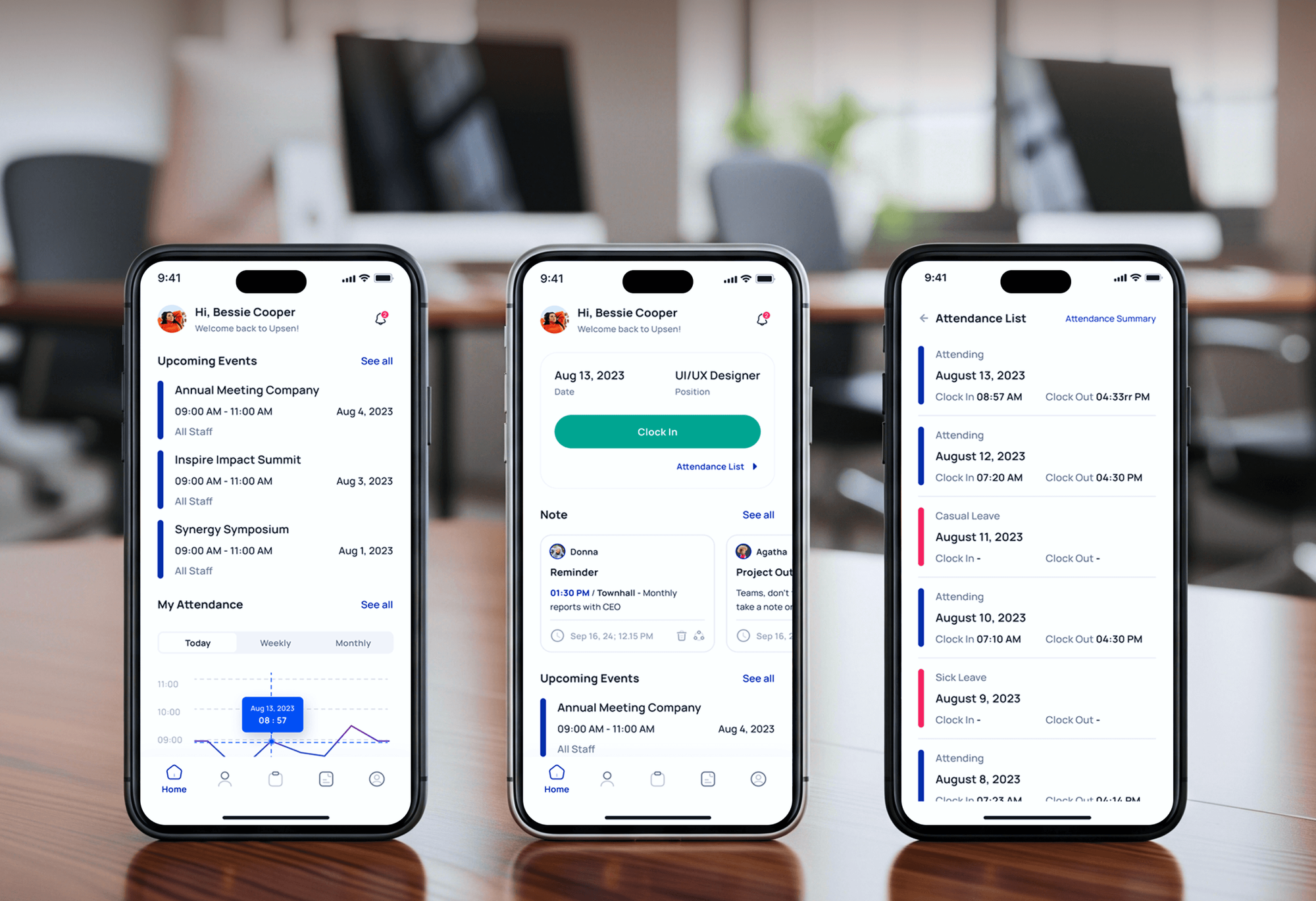
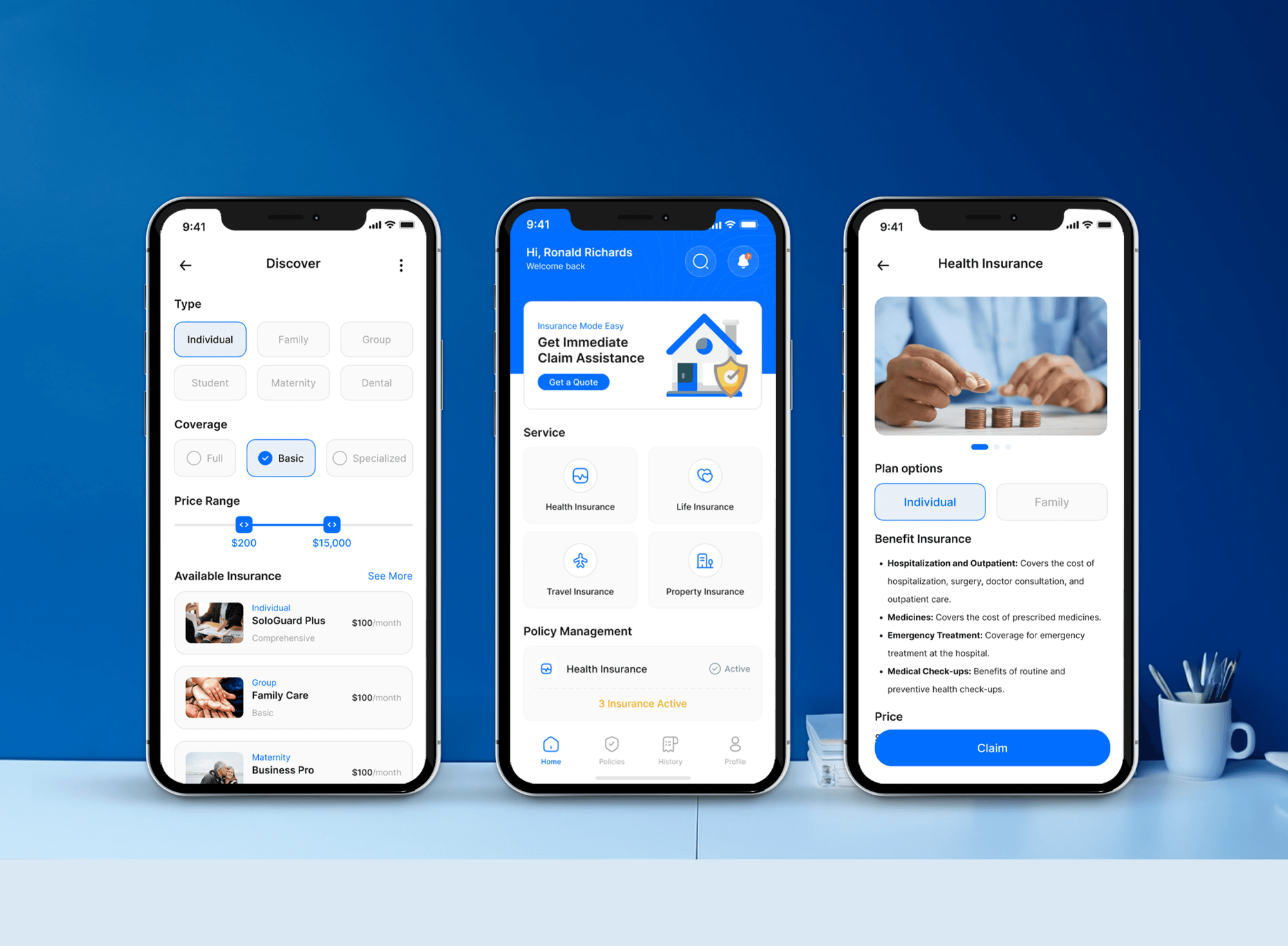
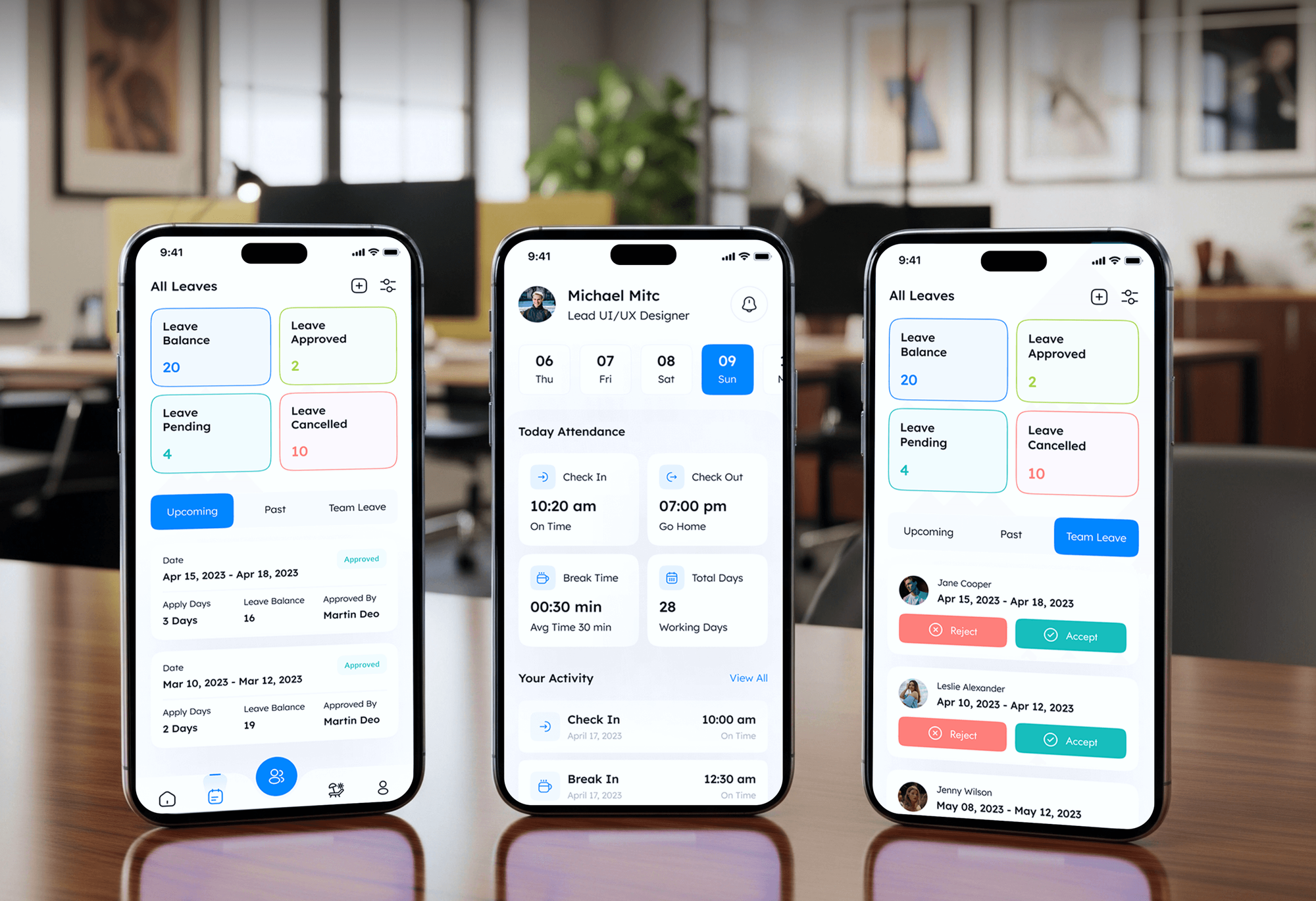
HR, attendance, and insurance apps from our portfolio whose daily records feed reports and other systems. They were app builds, not pipeline projects.

What Our Clients Say
Feedback from teams we have built data-heavy web apps and integrations for.
We had a pretty specific idea of what we wanted our website to become, but I wasn’t sure how easily we could explain all of it to a development team. There were quite a few moving parts, and we were working toward a deadline, so I expected a few things to get lost along the way. That never really happened. They understood what we were trying to achieve, kept us updated throughout the process, and got everything ready within the agreed timeline. The final site feels much easier to navigate, works beautifully on mobile, and is noticeably smoother for our customers. It was a huge relief seeing the original idea actually turn into the website we had in mind.
The mobile experience is probably my favourite part of the new site. We had spent a lot of time making sure the desktop version looked right, and the team kept pushing us to think about how everything would actually feel on a phone too. They were right. The navigation is clean, the interactions feel natural, and everything we’ve tested so far works exactly as it should. They also went through the links, forms, integrations, and other details more than once before launch, which I really appreciated. And even after going live, we could still reach out when something came up. The whole process felt friendly, organised, and surprisingly straightforward.
What I appreciate most is that the website is actually easy for us to manage now. We can update content ourselves instead of sending a developer a message every time we need to change something small. They also paid attention to the technical SEO side, which mattered to us because we didn’t want a new website to create problems for the traffic we already had. I’ve probably asked more questions than I should have since launch, but every question has been handled patiently and without any fuss. The team is easy to work with, they explain things clearly, and when we need something changed, they focus on getting it done rather than making the process complicated.
1,250+
Projects shipped
10+
Years of experience
Top 3%
Upwork Top Rated Plus
5 stars
Average review score

Want results like these?
Tell us what you are building. You get a reply within 24 hours on business days, then a written estimate.
Work Culture
Pipelines fail in quiet ways. These habits keep yours repeatable, observable, and easy to understand for whoever runs them next.
If Fivetran, Airbyte, or a native integration already covers your source, we'll tell you before we quote. Custom pipelines are for what connectors can't reach.
We design each load so a rerun gives the same result. A failure becomes a retry, not a cleanup project.
We force timeouts, bad files, and duplicate runs during testing. You see each pipeline recover before it runs in production.
Every alert names the pipeline, the error, and the person responsible. Problems reach someone who can fix them, not a shared inbox.
Each pipeline ships with a runbook: what it does, how to rerun it, and what each alert means. The next engineer can take over without us.
Pipelines live in your repository and run in your own cloud account. You pay no license fee to us or to a middleman.
Overview
DeveloperLook handles data pipeline development for file feeds, API extracts, and database syncs. We build incremental loads that rerun safely, add retries, schema checks, row reconciliation, and alerts, and migrate legacy ETL jobs side by side. Projects start at $1,150, take 1 to 10 weeks, and the code stays in your repository.
DEVELOPERLOOK
Project facts · ETL and Data Pipeline Development
Reviewed 22 Oct 2026 by Saimul Islam
Good fit
Teams receiving partner file feeds
Your suppliers drop CSV and Excel files into an SFTP folder every night, and someone imports them by hand whenever the format changes.
Companies syncing business systems
You need ERP orders in your CRM every hour, and the current script duplicates rows whenever it reruns after a failure.
Teams retiring legacy ETL tools
Your jobs still run on Talend Open Studio, which Qlik retired in January 2024, and you need ETL migration services before something breaks.
Analysts pulling API data by hand
You export data from Stripe, HubSpot, or an ad platform every week, and you want data pipeline services that do it on a schedule.
Startups without a data engineer
You'd rather hire data pipelines developers for a fixed project than recruit a full-time data engineer this year.
Not a fit
You need a full warehouse
You want every SaaS tool modeled in one warehouse with dashboards on top. Our Data Engineering Services page covers that analytics platform.
A one-time data move
You're moving records once from an old system to a new one, with no ongoing feed. Our Data Migration Services page covers one-time moves.
A connector already exists
Both your source and destination are supported by a managed connector such as Fivetran or Airbyte. Paying for it is often cheaper, and we'll say so.
Budget under $1,150
You need a one-off spreadsheet cleanup, and your budget is under $1,150. A script or Power Query may be enough, and we'll tell you before we quote.
Not sure we're the right fit?
Book a free call or message us. We'll tell you honestly whether we're the right team.
Pricing
These are starting points in USD. Your final price depends on the number of sources, how often they run, and the legacy jobs to replace, and you get a fixed proposal after a free pipeline review.
For teams with one feed or sync that breaks often or still runs by hand.
$1,150one-time, USD
For teams with several feeds that need one scheduler and shared checks.
$3,500one-time, USD
For companies replacing legacy ETL tools or a pile of cron scripts.
$7,400one-time, USD
For Agencies
You own the client relationship. We supply the data engineering behind it: file feeds, API extracts, database syncs, and ETL migrations, built in your client's cloud under your brand. Fixed quotes keep integration work from eating your margin.
White label: your client only ever sees your brand
Send the client's sources, destinations, schedules, and the jobs that break today.
You get a pipeline design, alert rules, and a fixed quote with dates.
Tested pipelines and runbooks delivered to your client under your brand.
Your brand on designs, runbooks, and handover notes.
Every pipeline priced upfront, so your client budgets hold.
Code runs in each client's own cloud account and repository.
Failure alerts reach your team or the client, as you decide.
The Right Technology for Your Project
We write pipelines in Python and SQL, schedule them with open-source tools, and run them in your own cloud account.
 Python
 Node.js
 Docker
 PostgreSQL
 MySQL
 AWS
 Google Cloud
 Microsoft Azure
FAQ
Straight answers on how pipelines work, costs, timelines, ETL tools, design, and best practices.
Saimul IslamFounder & CEO, DeveloperLookStill have questions?
Send a message or book a call with the team.
A data pipeline is the automated path that moves data from a source to a destination, with checks and changes along the way. In data engineering, pipelines feed warehouses, apps, and reports on a schedule or as changes happen. Each run extracts, validates, transforms, and loads data, then records whether it succeeded.
A scheduler starts a run, the pipeline reads new data from the source, and it checks that data before loading it. Good pipelines read only what changed since the last run, write with keys so reruns don't duplicate rows, and compare row counts with the source. A failed step retries, then alerts its owner.
Our pipeline work starts at $1,150 for one pipeline with incremental loads, retries, reconciliation, and alerts. A set of up to 5 pipelines with orchestration and schema checks starts at $3,500. Migrating up to 20 legacy ETL jobs starts at $7,400. Cloud costs for running them are billed to your own account.
One pipeline takes 1 to 2 weeks, including a test with real data and a forced failure. A set of up to 5 pipelines takes 3 to 5 weeks. A legacy ETL migration takes 4 to 10 weeks, because each job runs side by side with the old one until the outputs match.
An ETL service is a tool or managed platform that extracts data from sources, transforms it, and loads it into a destination. Managed services such as Fivetran or Airbyte Cloud charge by usage and suit common SaaS sources. Custom code suits the files, legacy databases, and APIs those connectors don't cover.
ETL services are the consulting and engineering work of designing, building, and running pipelines that move data between systems. They cover source analysis, pipeline code, scheduling, data checks, and monitoring. Ours also include moving old jobs off tools such as Talend Open Studio, which Qlik retired in January 2024.
Start with the destination and the systems or questions it serves, then work back to each source. For every source, decide batch or change data capture, the unique key, the schedule, and what counts as a bad row. Plan for failure early: reruns, retries, alerts, and backfills shape the design more than the happy path does.
Write the extract step, land raw data in a staging area, then transform it and load it with keyed upserts. Add a scheduler such as Airflow or Dagster, a check that compares row counts with the source, and an alert on failure. Test it with a timeout, a malformed file, and a rerun before it goes live.
Make every run idempotent, so running it twice gives the same result. Load incrementally, keep raw data for replays, validate schemas before loading, and reconcile counts after each run. Keep the code in version control with tests, and give each pipeline an owner, a runbook, and alerts that name the failed step.
You do. The code sits in your repository and runs in your cloud account, with no license fee to us. Every plan includes 30 to 90 days of support for failures, schema changes, and questions. After that, you can keep us on for new sources or monitoring, quoted separately.
Saimul IslamFounder & CEO, DeveloperLookStill have questions?
Send a message or book a call with the team.
Free 30-min callGoogle Meet
Book a call
In 30 minutes on Google Meet we walk you through how we would build it, how long it takes and what it costs. Then you get a written estimate.
Calendar not showing? Book on cal.com or send a brief.