
Warehouse assessment
Findings on model, costs, access, and query patterns, ranked by what each fix would save.

For data teams on Snowflake, BigQuery, Redshift, or an aging SQL Server: a warehouse plan that speeds up queries and puts every line of spend on an owner.
2X
Faster warehouse queries
4
Platforms weighed before you commit
How your project runs
Teams we have built for:














The Problem
Warehouses rarely break all at once. Tables pile up, queries get copied, and the bill grows each quarter until finance asks who is spending it and nobody can answer.
01 · Table sprawl
Hundreds of tables, and nobody knows which are still used.
Usage history shows dead tables, and we archive them once their owners agree.
02 · Full scans
One query scans the entire events table every 15 minutes.
Partitioning and clustering limit each query to the dates it actually needs.
03 · Mystery bill
Finance can't tell which team is spending the budget.
Tags and resource limits put each team's spend on its own line.
04 · Legacy server
Half the reports still run on an old on-premises server.
We move one subject area at a time and match results before switching.
Your warehouse started with 20 tables and now has 900. Three teams load the same orders data in slightly different ways, and nobody dares delete the old copies. The largest query scans the whole events table every 15 minutes because nobody partitioned it. Your warehouse bill rose again this quarter, and finance wants to know which team is spending it. Meanwhile, half the reports still run on an on-premises SQL Server that only one person understands.
We start with your query and billing history, not a sales deck. We find the jobs and tables that cost the most, tune them, and map every credit or slot to an owner. Then we set model standards: raw, staging, and mart layers with star schemas. Where a legacy warehouse remains, we move it one subject area at a time. Each area proves it matches before the old one is switched off.
Spend mapped to owners
Every credit or slot is tagged to a team, job, or dashboard, so cost has a name.
Costliest queries tuned first
Partitioning, clustering, and rewrites start with the 10 queries that cost the most.
Layers you can explain
Raw, staging, and mart layers with star schemas, written down so new analysts follow them.
Our Data Warehouse Consulting Services Process
You see the findings, the platform comparison, and a matched pilot before any legacy system is switched off or any annual commitment is signed.
We read your query and billing history, list the costliest jobs and tables, and check how data is layered. You get a short findings list and a straight answer on whether tuning alone would solve it.
What's Included
Every engagement starts with evidence from your query and billing history. Most include these six parts, from the architecture decision record to a phased modernization plan.
Compare Options
A large consultancy suits enterprise programs with many workstreams, and an in-house engineer suits daily upkeep. Here is how each handles a warehouse that needs a plan.
| Feature | DeveloperLookBest fit | Large consultancy | In-house engineer |
|---|---|---|---|
| Starting point | Your query and billing history | Discovery workshops | What they already know |
| Platform advice | Compared on your workload | Broad, often enterprise-sized | Limited to the current stack |
| Cost controls | Spend tags and resource limits | Part of larger programs | Added when time allows |
| Modernization | One subject area at a time | Large program, many teams | Fits around daily work |
| Testing | Totals matched before cutover | Formal test phases | Ad hoc checks |
| Business knowledge | Learned during discovery | Learned in workshops | Deep, from daily work |
| Ownership | Code in your accounts | Depends on the contract | Yours, fully |
| Cost | Fixed price from $1,050 | Day rates, usually higher | Full-time salary |
Projects We've Built
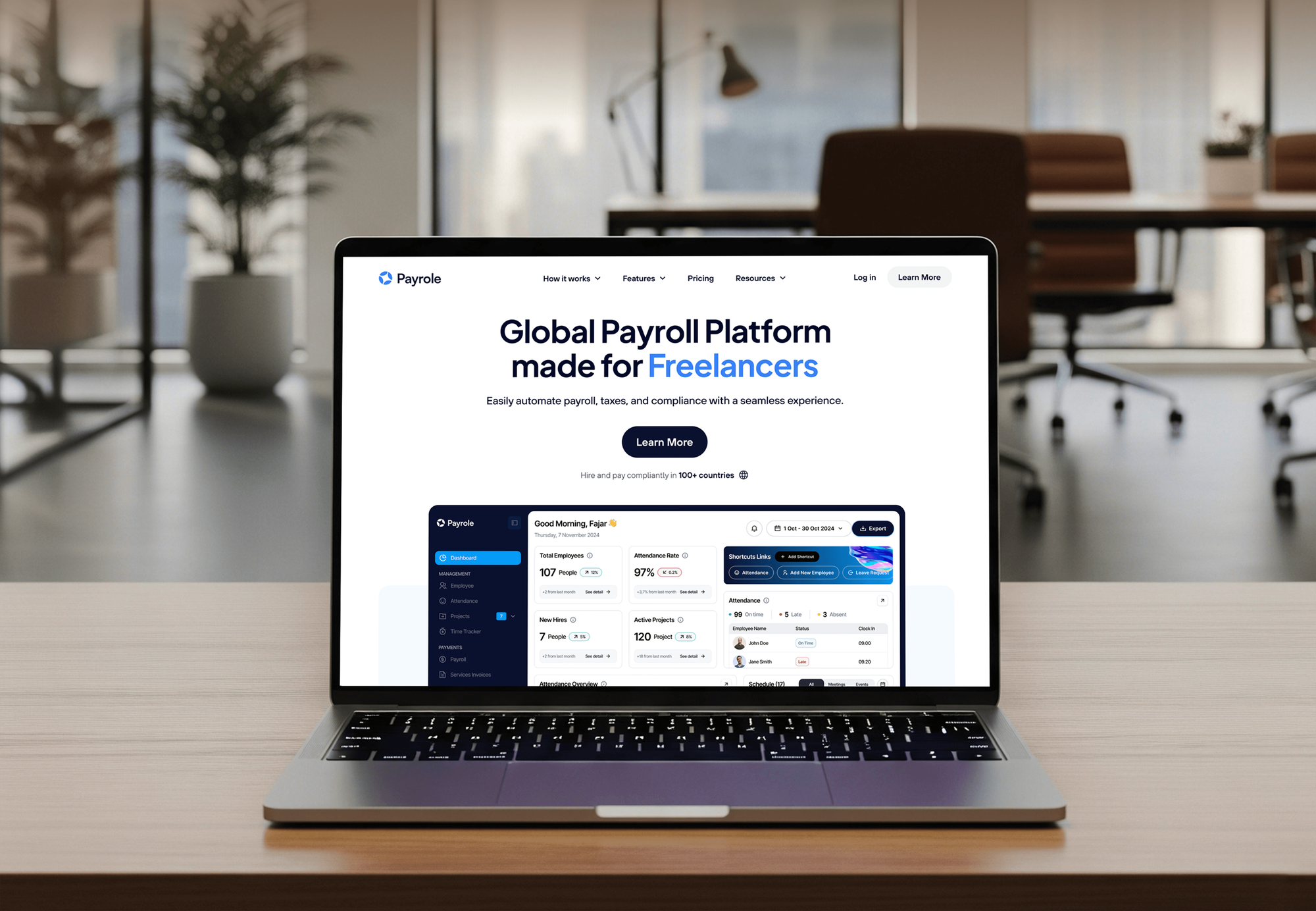
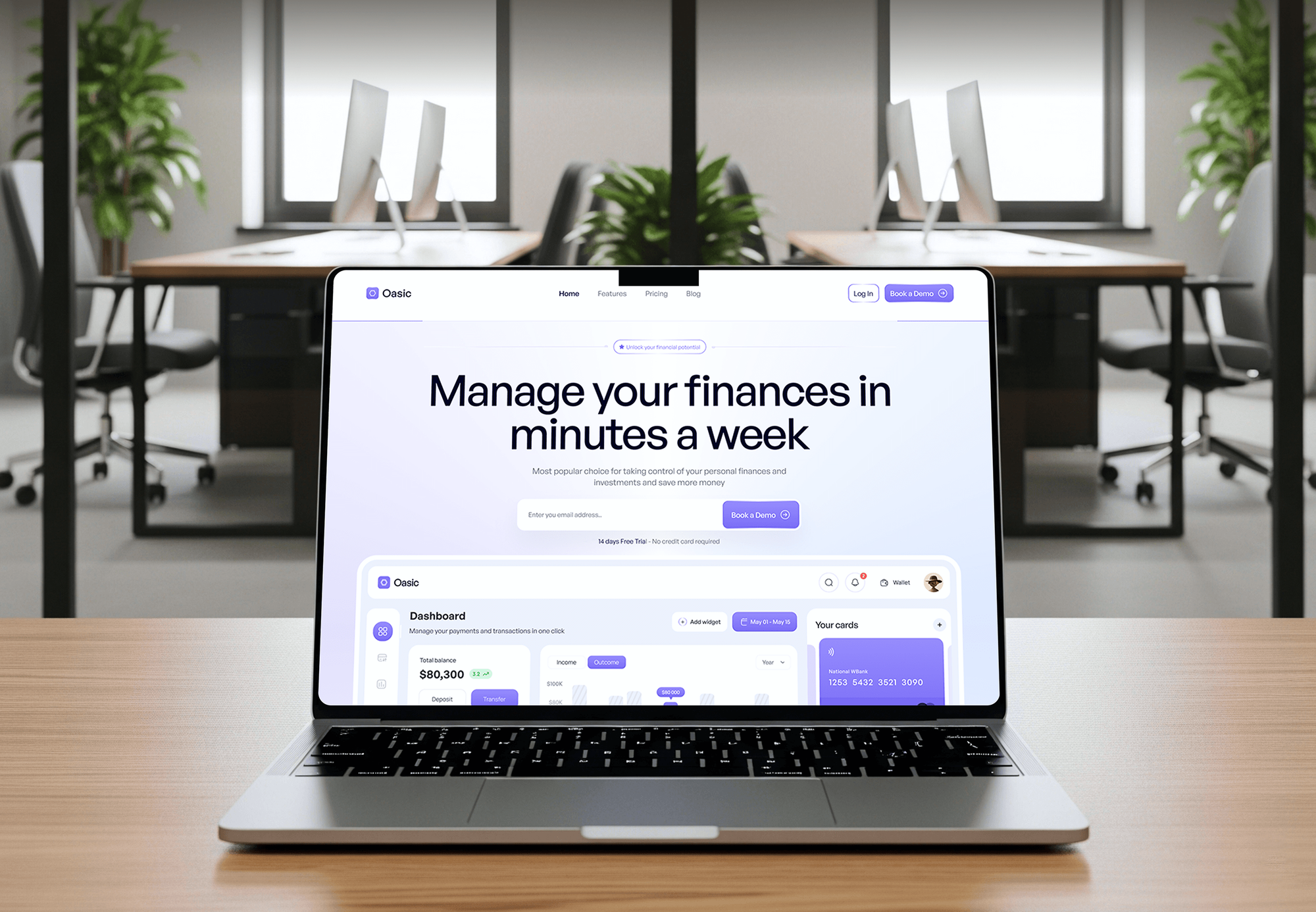
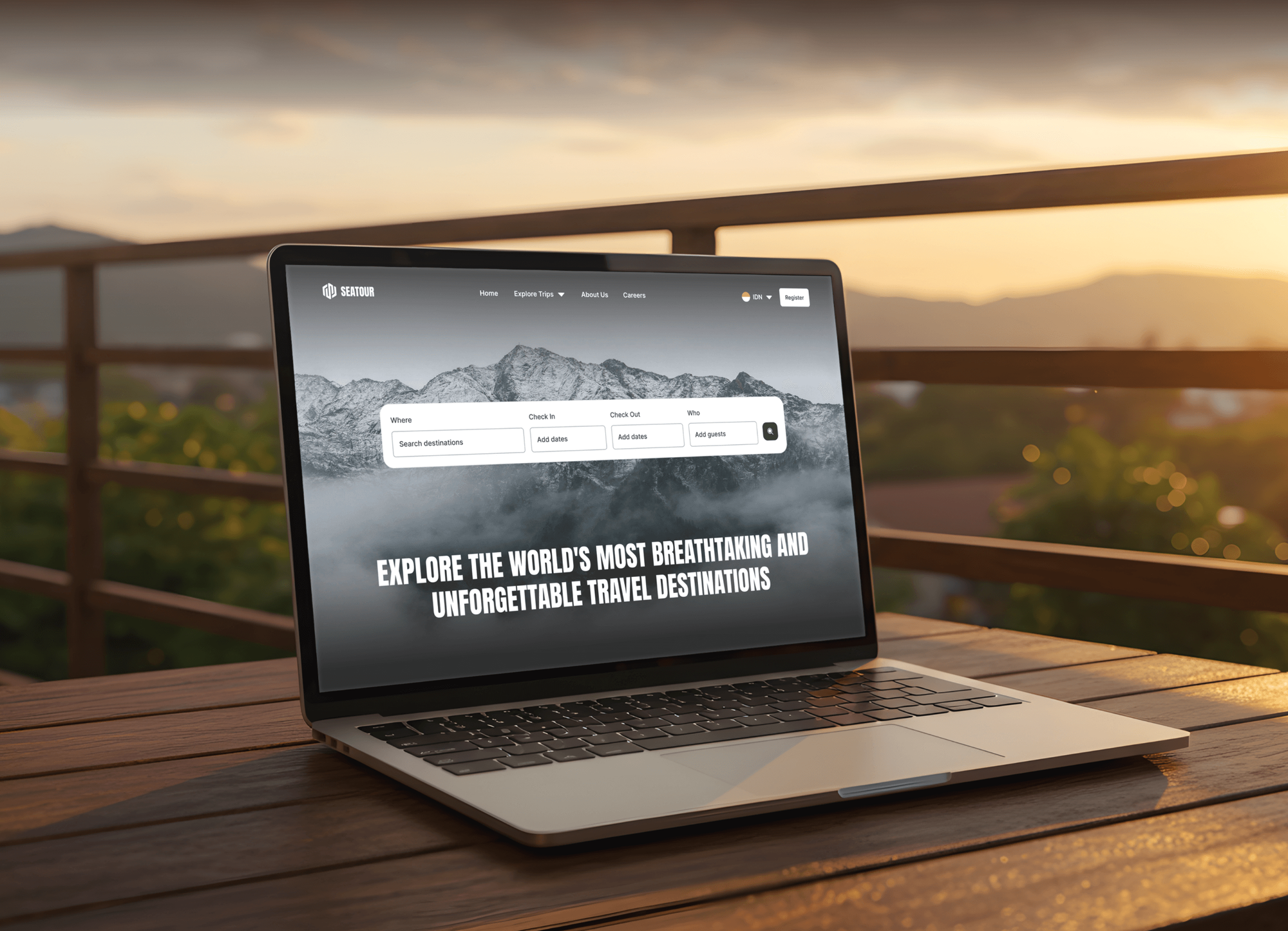
Payroll, finance, booking, and store admin products from our portfolio. None was a warehouse project, but each holds the transactional records a warehouse reports on.

What Our Clients Say
Feedback from teams we have built data-heavy web apps and platforms for.
We had a pretty specific idea of what we wanted our website to become, but I wasn’t sure how easily we could explain all of it to a development team. There were quite a few moving parts, and we were working toward a deadline, so I expected a few things to get lost along the way. That never really happened. They understood what we were trying to achieve, kept us updated throughout the process, and got everything ready within the agreed timeline. The final site feels much easier to navigate, works beautifully on mobile, and is noticeably smoother for our customers. It was a huge relief seeing the original idea actually turn into the website we had in mind.
The mobile experience is probably my favourite part of the new site. We had spent a lot of time making sure the desktop version looked right, and the team kept pushing us to think about how everything would actually feel on a phone too. They were right. The navigation is clean, the interactions feel natural, and everything we’ve tested so far works exactly as it should. They also went through the links, forms, integrations, and other details more than once before launch, which I really appreciated. And even after going live, we could still reach out when something came up. The whole process felt friendly, organised, and surprisingly straightforward.
What I appreciate most is that the website is actually easy for us to manage now. We can update content ourselves instead of sending a developer a message every time we need to change something small. They also paid attention to the technical SEO side, which mattered to us because we didn’t want a new website to create problems for the traffic we already had. I’ve probably asked more questions than I should have since launch, but every question has been handled patiently and without any fuss. The team is easy to work with, they explain things clearly, and when we need something changed, they focus on getting it done rather than making the process complicated.
1,250+
Projects shipped
10+
Years of experience
Top 3%
Upwork Top Rated Plus
5 stars
Average review score

Want results like these?
Tell us what you are building. You get a reply within 24 hours on business days, then a written estimate.
Work Culture
Warehouse decisions last for years and show up on every bill. These habits keep our advice grounded in your own usage, costs, and team.
We base every recommendation on your query and billing history, not a vendor benchmark. You see the numbers behind each suggestion.
If partitioning and a few rewrites fix your problem, we'll tell you before we quote a migration. A move is the last resort, not the default.
We work on Snowflake, BigQuery, Redshift, Azure, and PostgreSQL, and we sell no licenses. We recommend the platform that fits your workload and team.
Each migrated subject area runs next to the old one until the totals match. Your reports never depend on an unproven copy.
Every design choice goes into an architecture decision record. New engineers can see why a table is shaped the way it is.
Warehouse objects, dbt models, and Terraform files live in your cloud accounts and repository. Your team can run all of it without us.
Overview
DeveloperLook provides data warehouse consulting for teams on Snowflake, BigQuery, Redshift, Azure, or on-premises SQL Server. We assess the platform, model, and costs, tune the costliest queries, and plan or run a modernization one subject area at a time. Projects start at $1,050, take 2 to 14 weeks, and the code stays in your accounts.
DEVELOPERLOOK
Project facts · Data Warehouse Consulting Services
Reviewed 22 Oct 2026 by Saimul Islam
Good fit
Teams with a rising warehouse bill
Your Snowflake or BigQuery bill grew every quarter this year, and nobody can say which team, dashboard, or job is spending it.
Companies on an aging SQL Server
You run reporting on an on-premises SQL Server with SSIS packages only one person understands, and a hardware or license renewal is coming.
Analysts waiting on slow queries
Your analysts wait minutes for queries that should take seconds, and dashboards time out every Monday when everyone opens them at once.
Founders picking a first warehouse
You're choosing a cloud warehouse for the first time and want data warehouse experts to compare options before you sign an annual commitment.
Agencies needing warehouse depth
Your agency's clients ask for warehouse work, and you need data warehouse consultants who will deliver it behind your brand.
Not a fit
Pipelines from SaaS tools
You mainly need pipelines pulling Stripe, HubSpot, and app data into a new warehouse with orchestration. Our Data Engineering Services page covers that build.
Moving app records
You're moving customer or order records from one business app to another, not building analytics. Our Data Migration Services page handles that.
Dashboards only
Your warehouse works well and you only need dashboards on top of it. Our BI Dashboard Development page is the better fit.
Budget under $1,050
Your data fits in a few spreadsheets or one small PostgreSQL database, and your budget is under $1,050. You may not need a warehouse yet, and we'll tell you before we quote.
Not sure we're the right fit?
Book a free call or message us. We'll tell you honestly whether we're the right team.
Pricing
These are starting points in USD. Your final price depends on warehouse size, subject areas, and legacy systems, and you get a fixed proposal after a free warehouse review.
For teams that need a clear diagnosis and plan before spending more on their warehouse.
$1,050one-time, USD
For teams moving one subject area off a legacy warehouse to prove the new platform.
$3,600one-time, USD
For companies retiring a legacy warehouse across up to 4 subject areas.
$8,200one-time, USD
For Agencies
You own the client relationship. We supply the warehouse engineering behind it: assessments, query and cost tuning, and phased modernization on Snowflake, BigQuery, Redshift, or Azure, delivered under your brand. Fixed quotes protect your margin.
White label: your client only ever sees your brand
Send access to query history, billing exports, and the client's main pain points.
You get findings, a platform view, and a fixed quote for each phase.
Tuning, migration, and handover documents delivered in your agency's name.
Your brand on every report and deck, and we stay invisible.
Each phase priced upfront, so client budgets hold through modernization.
Snowflake, BigQuery, Redshift, Azure, or PostgreSQL, matched to each client's stack.
Written architecture decisions your client's team can keep after handover.
The Right Technology for Your Project
We work on the major cloud warehouses and the legacy systems teams are moving off, with dbt and Terraform keeping every change in code.
 PostgreSQL
 MySQL
 Salesforce
 Google Sheets
 Python
 Docker
 AWS
 Google Cloud
 Microsoft Azure
FAQ
Straight answers on costs, timelines, modernization, optimization, Azure, and choosing the right consultancy.
Saimul IslamFounder & CEO, DeveloperLookStill have questions?
Send a message or book a call with the team.
A data warehouse consultant is a specialist who designs, tunes, and modernizes the database a company uses for reporting. They work across platform choice, data modeling, query performance, access control, and cost. Most companies bring one in for a defined assessment or migration rather than a permanent hire, then keep the standards in house.
They read query and billing history, find what is slow or expensive, and fix it. Day to day, that means designing star schemas, partitioning large tables, rewriting heavy SQL, setting roles and data masking, and planning moves off legacy systems. A good data warehousing consultant also writes down every decision, so your team can maintain it.
Our data warehouse consulting starts at $1,050 for an assessment with a platform comparison and the 10 costliest queries tuned. A pilot that moves one subject area starts at $3,600, and moving up to 4 subject areas starts at $8,200. Warehouse usage is billed to your own Snowflake, Google, AWS, or Microsoft account.
An assessment takes about 2 weeks, a one-area pilot takes 4 to 6 weeks, and a full modernization takes 8 to 14 weeks. The longest step is usually matching totals between the old and new warehouse, because legacy jobs hide business rules. Early access to billing and query history shortens week 1.
Pick one that starts from your query and billing history and proposes a phased move, not a big-bang rebuild. Ask how they match totals before cutover, who owns the code afterward, and whether they'd recommend tuning instead of migrating. Comparing data warehouse consulting companies on those answers tells you more than comparing logos.
They plan the order of the move, rebuild legacy ETL as tested models, and prove each step matches. A typical project moves one subject area, such as finance, from SQL Server and SSIS to Snowflake or BigQuery. Both run side by side until totals agree, and then the old jobs are retired, so reports keep working throughout.
They find the queries and tables that cost the most, then fix them. On Snowflake that often means right-sizing virtual warehouses, setting auto-suspend, and adding resource monitors. On BigQuery it means partitioning and clustering large tables to cut the bytes each query scans. We also archive unused tables and tag spend by team.
A typical package covers an assessment, a platform choice, a data model, and a build or migration plan. Ours adds the architecture decision record, query and cost tuning, role-based access with data masking, and a side-by-side run before cutover. Pipelines from SaaS tools sit on our Data Engineering Services page, which keeps each scope clear.
Look for consultants with hands-on Azure Synapse Analytics and Microsoft Fabric warehouse work, plus Azure Data Factory pipelines. We handle Azure warehouses alongside Snowflake and BigQuery, including moves from on-premises SQL Server. For wider Azure infrastructure, networking, or identity work, our Azure Consulting Services page covers the platform itself.
Yes. Every plan includes 30 to 90 days of support for fixes, questions, and cost checks. After that, you can keep a monthly plan for tuning and new subject areas, quoted separately. Warehouse objects, dbt models, and Terraform files stay in your accounts, so your own team can take over at any point.
Saimul IslamFounder & CEO, DeveloperLookStill have questions?
Send a message or book a call with the team.
Free 30-min callGoogle Meet
Book a call
In 30 minutes on Google Meet we walk you through how we would build it, how long it takes and what it costs. Then you get a written estimate.
Calendar not showing? Book on cal.com or send a brief.