Use case scoring and plan
Workshops and a ranked shortlist, so you build the generative feature with the clearest payoff first.

For product, marketing, and operations teams who want generative AI in real workflows: one feature scored on your own examples, with running costs known before launch.
2X
Faster drafts for your team
100%
Releases scored on your examples
How your project runs
01 · FreeTeams we have built for:














The Problem
It happens right after the first prototype. The demo works on a handful of picked examples. Then nobody can say whether it is good enough for customers, what it costs at volume, or what breaks when the model changes.
Demo trap
The prototype only works on hand-picked examples.
Demo trap
A test set from your real examples scores every version before release.
Unknown cost
Nobody knows what the feature costs at full volume.
Unknown cost
Cost per 1,000 requests is measured during model comparison, before you commit.
Model drift
A provider update changes the outputs overnight.
Model drift
Evaluations rerun on every prompt and model change, so regressions show up first.
Data worries
Legal can't say where customer data goes.
Data worries
Data flows are documented, and providers are picked to fit your retention rules.
Your team built a chatbot demo over a weekend, and the leadership meeting loved it. Then the questions started. It answers well on the examples someone picked, but nobody knows how it handles everything else. Legal asks where customer data goes. Finance asks what it costs at full volume, and nobody has a number. The model provider ships an update and the outputs change overnight. Months later the demo is still a demo.
We start with one use case where generation saves real work, then build a test set from your own examples before writing a prompt. We compare two or three models on that set, with cost per 1,000 requests, and build the winner into your product with structured outputs, guardrails, and fallbacks. Every prompt or model change reruns the tests. You ship a feature with scores behind it, not a demo with hopes behind it.
Test set before prompts
Your own examples become the score every prompt and model change has to pass.
Models compared on cost
Two or three models are tested for output quality and price per 1,000 requests.
Guardrails built in
Structured outputs, content filters, and fallbacks keep the feature predictable for your customers.
Our Generative AI Development Process
You approve the use case and the test set before we build. Then you review scores, costs, and a staging link before anything reaches your customers.
We go through the work you want generative AI to take on, the data it needs, and who checks its output. You get a use case shortlist, the risks we see, and a fixed price for the next step.
What's Included
Consulting and engineering in one team: the use case decision, a test set that keeps quality honest, the production code, and the controls that keep spending predictable.
Compare Options
An off-the-shelf AI tool suits common writing tasks, and an in-house hire suits AI-first companies. Here is how a generative AI consulting company and builder compares on each point.
| Feature | DeveloperLookBest fit | Off-the-Shelf AI Tool | In-House Hire |
|---|---|---|---|
| Workflow fit | Built around your workflow | Fits common writing tasks well | Fits once the hire ramps up |
| Model choice | 2 to 3 models tested on your data | One vendor's model | Depends on one person's experience |
| Your data | Connected through your own APIs | Uploads or a few connectors | Connected over time |
| Quality checks | Evaluations rerun on every change | Vendor's general testing | Often manual spot checks |
| Time to start | Prototype in 1 to 2 weeks | Same-day signup | Months to recruit and onboard |
| Cost | Fixed build plus model usage | Per-seat fee, cheapest to start | Full salary plus benefits |
| Ownership | Code, prompts, and tests are yours | Vendor owns the product | Yours while the hire stays |
| Support | 30 days after handover | Vendor help desk | Covered while employed |
Projects We've Built
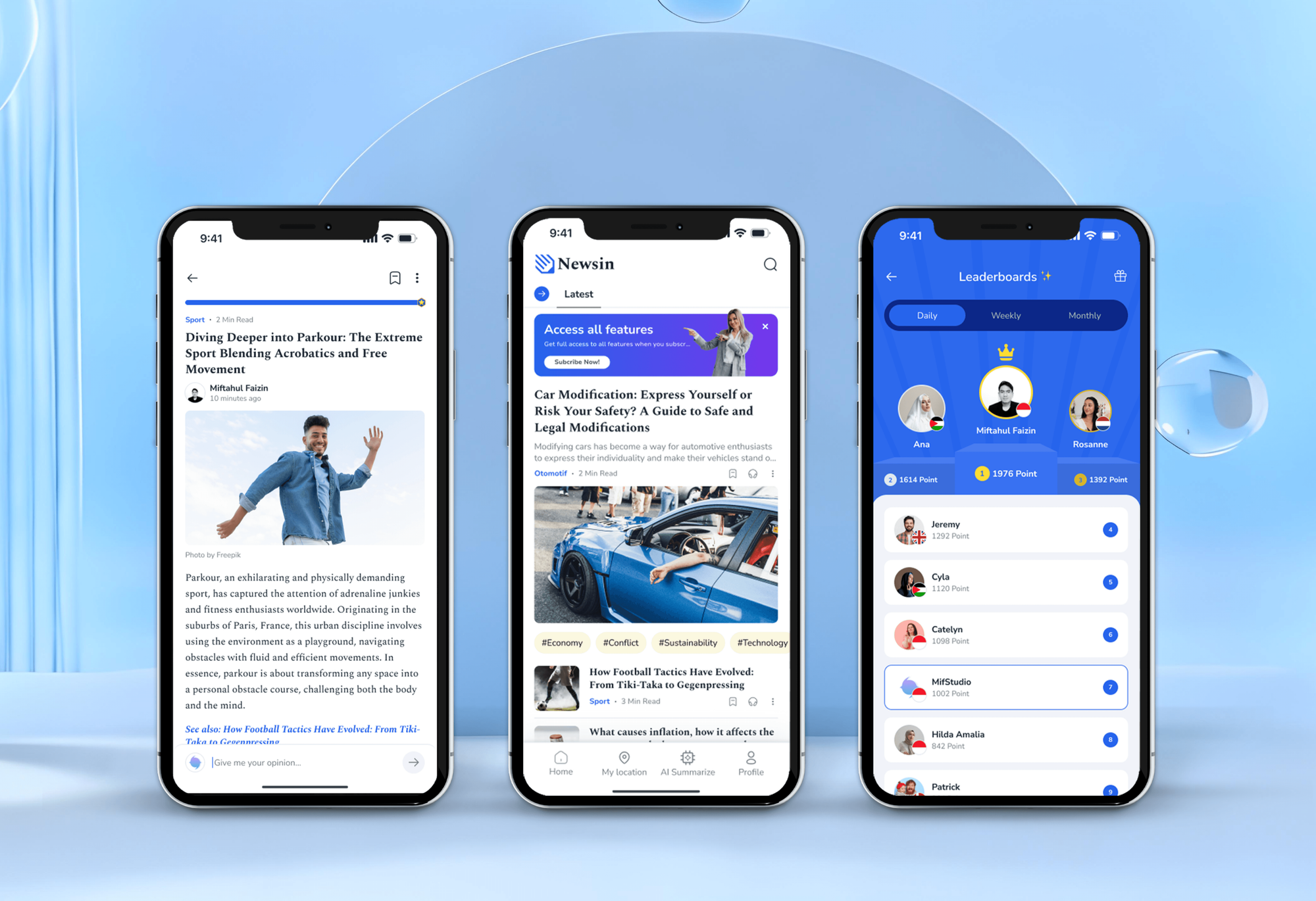
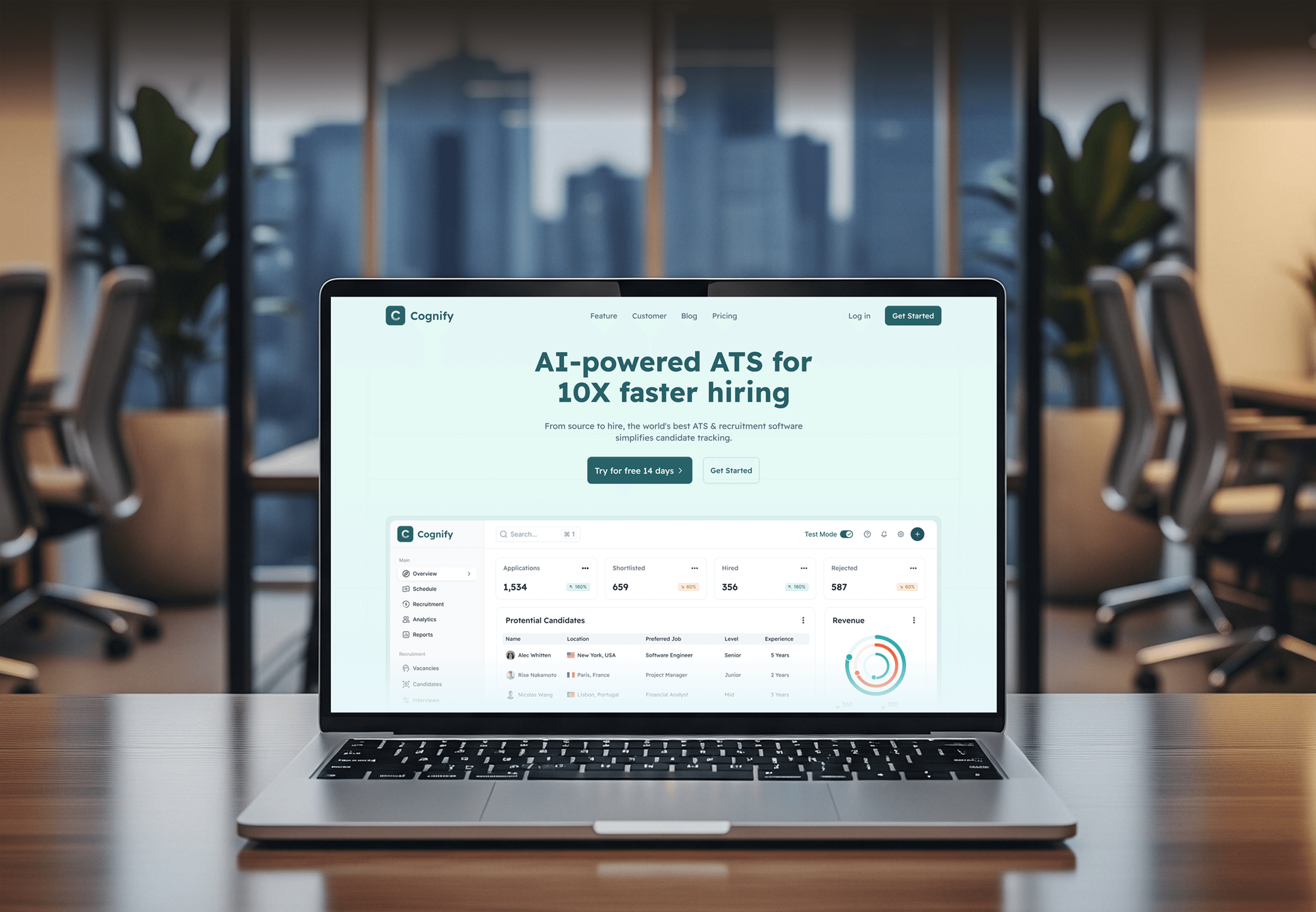
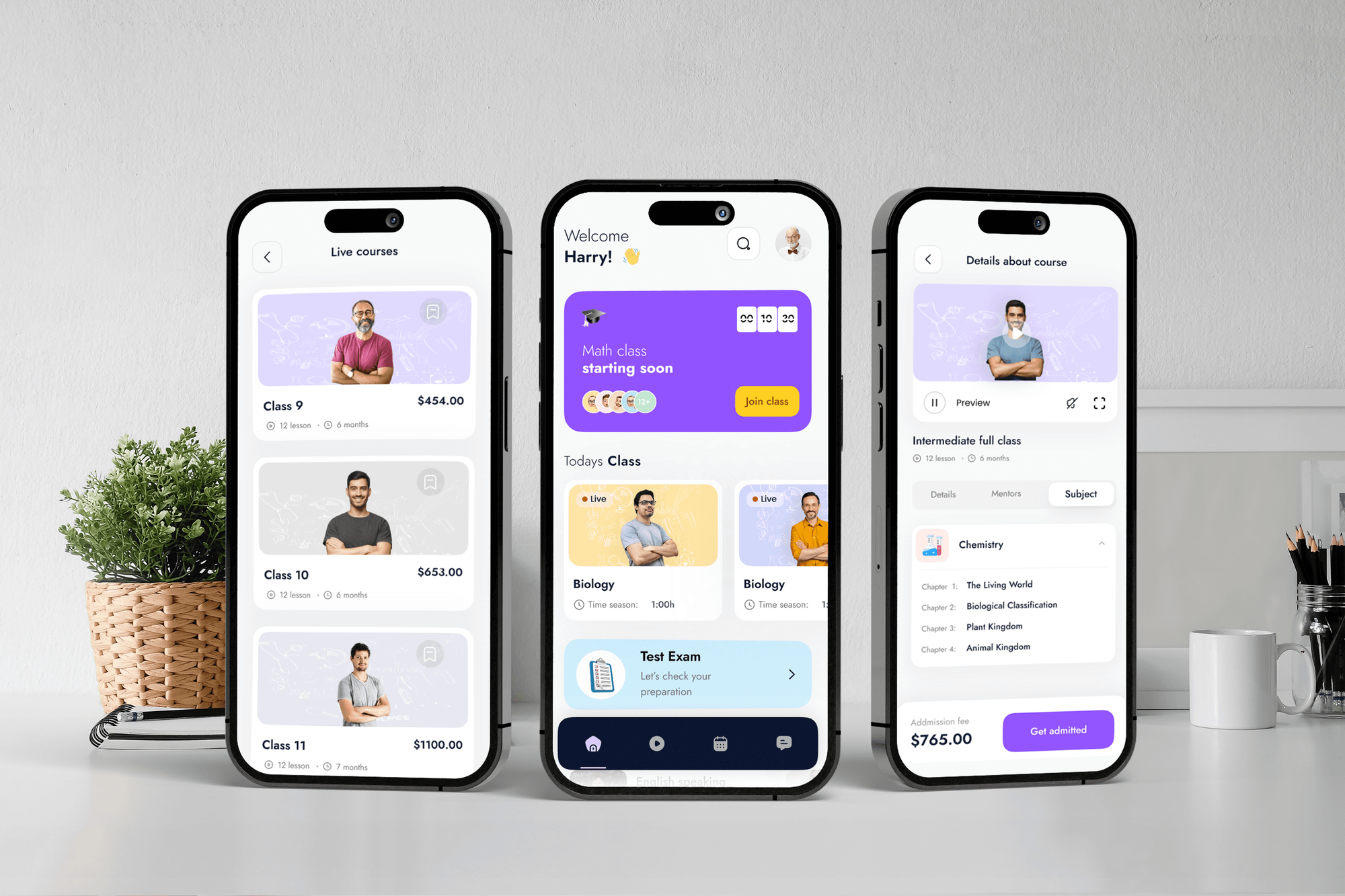
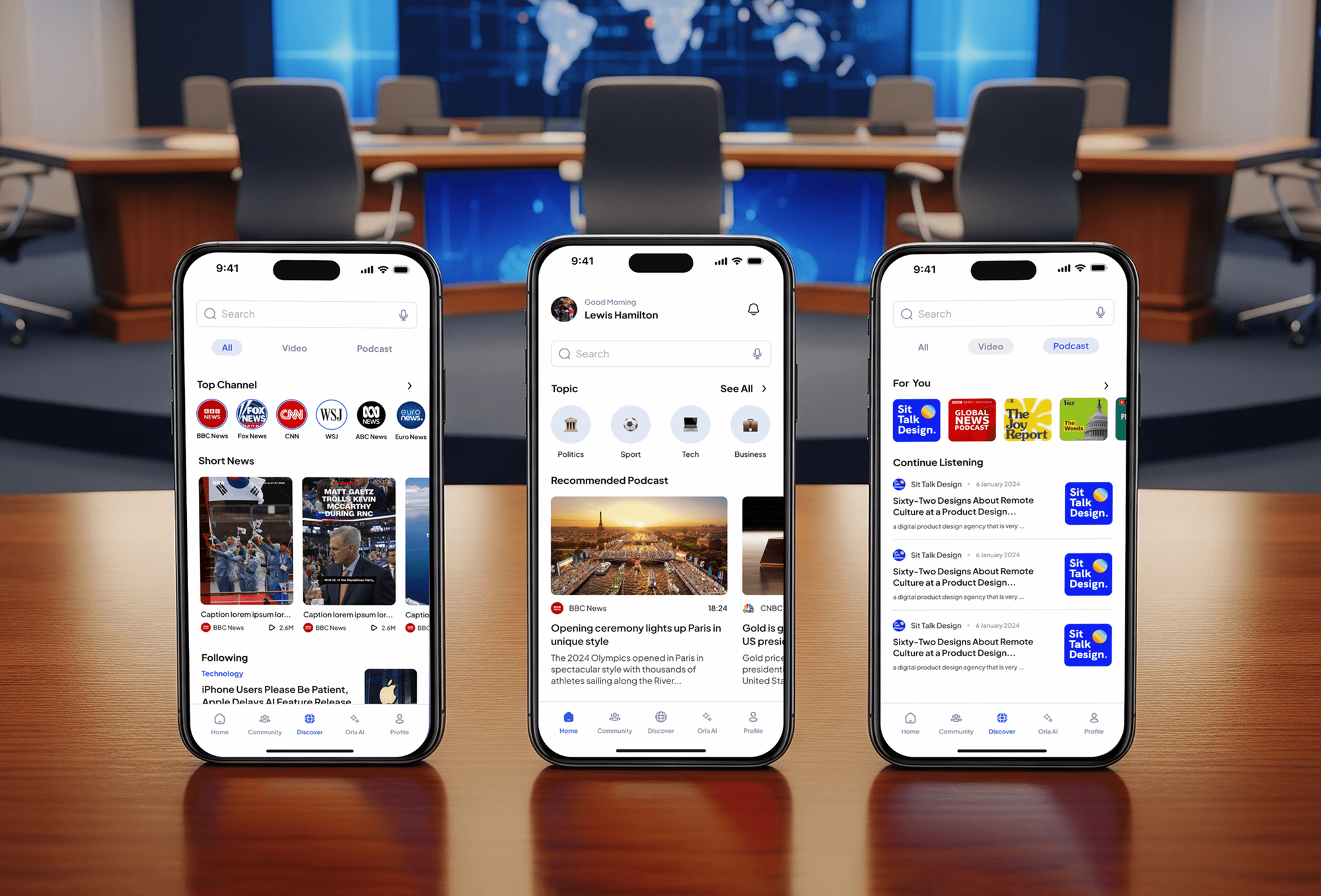
Content, learning, and recruiting products we designed and built, including TrueLine's AI article summaries. They show our product work, not one generative AI build each.
What Our Clients Say
Feedback from teams we have built apps, platforms, and websites for.
We had a pretty specific idea of what we wanted our website to become, but I wasn’t sure how easily we could explain all of it to a development team. There were quite a few moving parts, and we were working toward a deadline, so I expected a few things to get lost along the way. That never really happened. They understood what we were trying to achieve, kept us updated throughout the process, and got everything ready within the agreed timeline. The final site feels much easier to navigate, works beautifully on mobile, and is noticeably smoother for our customers. It was a huge relief seeing the original idea actually turn into the website we had in mind.
The mobile experience is probably my favourite part of the new site. We had spent a lot of time making sure the desktop version looked right, and the team kept pushing us to think about how everything would actually feel on a phone too. They were right. The navigation is clean, the interactions feel natural, and everything we’ve tested so far works exactly as it should. They also went through the links, forms, integrations, and other details more than once before launch, which I really appreciated. And even after going live, we could still reach out when something came up. The whole process felt friendly, organised, and surprisingly straightforward.
What I appreciate most is that the website is actually easy for us to manage now. We can update content ourselves instead of sending a developer a message every time we need to change something small. They also paid attention to the technical SEO side, which mattered to us because we didn’t want a new website to create problems for the traffic we already had. I’ve probably asked more questions than I should have since launch, but every question has been handled patiently and without any fuss. The team is easy to work with, they explain things clearly, and when we need something changed, they focus on getting it done rather than making the process complicated.
1,250+
Projects shipped
10+
Years of experience
Top 3%
Upwork Top Rated Plus
5 stars
Average review score
1,250+
Projects shipped
10+
Years of experience
Top 3%
Upwork Top Rated Plus
5 stars
Average review score

Want results like these?
Tell us what you are building. You get a reply within 24 hours on business days, then a written estimate.
Work Culture
Teams often pick a generative AI development company for the demo. They stay for the discipline: tests on their own examples, cost numbers up front, and code they own.
We write the test set before we tune a single prompt. Your team can see whether quality improved instead of trusting a polished demo.
We measure what each request costs during model comparison. You approve the running cost before the build starts, not after the first invoice.
If a template, a rule, or plain search does the job, we say so before we quote. Generative AI earns its place in your product or stays out.
We document where prompts and customer data travel and pick providers whose data terms fit your rules. Sensitive work can run on open-weight models you host.
Providers update and retire models on their own schedule. Your evaluation suite turns a model switch into a tested change instead of a gamble.
Code, prompts, test sets, and documentation move to your repository at handover. Nothing depends on our accounts or a proprietary platform.
Overview
DeveloperLook provides generative AI development services that turn one proven use case into a production feature. Each project covers use case scoring, a test set from your examples, model comparison on quality and cost, the build, and guardrails. Projects start at $1,450, take 1 to 12 weeks, and you own the code and prompts.
DEVELOPERLOOK
Project facts · Generative AI Development Services
Reviewed 28 Oct 2026 by Saimul Islam
Good fit
SaaS teams adding an AI feature
Your customers ask for AI drafting or summaries inside your product, and the feature has to ship without pulling engineers off core work.
Marketing teams automating content
You want product descriptions, ad variants, or email drafts written in your brand voice, with a person approving each one before it goes out.
Operations teams with text-heavy work
Your team writes the same reports and replies every week, and you want custom generative AI development services that draft them from your own data.
Founders validating an AI product
You have an AI product idea and need a working prototype with real cost numbers before you raise money or hire a team.
Agencies selling AI builds
You sell AI projects to clients and need the engineering delivered under your brand, with evaluation scores your client can review.
Not a fit
A support chatbot only
You need a chatbot that answers customers from your help center. Our AI Chatbot Development page covers that work at a lower starting price.
AI inside your current tools
You want AI added to the CRM and apps you already run rather than a new product feature. AI Training and Integration is the closer match.
Company-wide AI roadmap
You need an AI roadmap across every department before you choose one use case. Our AI Consulting Services page starts with that review.
Budget under $1,450
Your budget is under $1,450 for the whole project. A ChatGPT or Claude business plan with well-written prompts may cover your needs for now.
Not sure we're the right fit?
Book a free call or message us. We'll tell you honestly whether we're the right team.
Pricing
These are starting points in USD. Your final price depends on the number of use cases, the data involved, and your review rules, and you get a fixed proposal after a free discovery call.
For Agencies
You own the client relationship. We supply the generative AI engineering behind your proposals: use case workshops, model comparisons, the production build, and the evaluation report. Deliverables carry your brand, and your team stays the face of the project.
White label: your client only ever sees your brand
Send the client's goal, sample data, and any compliance rules that apply.
You get a fixed price, a model shortlist, and a delivery date for the build.
We ship the feature and the evaluation report, ready for your client handover.
Send the client's goal, sample data, and any compliance rules that apply.
You get a fixed price, a model shortlist, and a delivery date for the build.
We ship the feature and the evaluation report, ready for your client handover.
The Right Technology for Your Project
We choose models by test results on your examples, run them through the cloud you already use, and keep prompts and evaluations in your repository.
 OpenAI
 Anthropic Claude
 Google Gemini
 Meta Llama
 AWS
 Microsoft Azure
 Google Cloud
 Docker
 Vercel
 Python
 TypeScript
 Node.js
 PostgreSQL
Related Services
Pair generative features with the MCP layer your AI tools use, retrieval from your documents, AI strategy, and AI added to the tools you already run.
This page
Generative AI Development Services
Pairs with the 6 services around it
FAQ
Straight answers on cost, model choice, choosing a partner, and ownership for generative AI projects.
Saimul IslamFounder & CEO, DeveloperLookStill have questions?
Send a message or book a call with the team.
Generative AI development is building software features that create text, images, or code with models such as GPT, Claude, or Gemini. Most of the work is engineering around the model: connecting your data, shaping outputs into a format your app can use, testing quality on real examples, and controlling cost. The model is rented through an API, while the product around it is yours.
Generative AI is developed in two layers: model makers train large models on huge datasets, and product teams build applications on top of them. Business projects work in the second layer. You pick a use case, gather examples, write prompts and retrieval logic, test against expected outputs, and add guardrails. Fine-tuning comes later, only when tests show prompts and retrieval fall short.
Generative AI development services start at $1,450 for a Use Case Sprint with a prototype and a model comparison on 50 test cases. A Production Feature built into your app is $4,200, and a Generative AI Product Build with up to 3 features starts at $8,900. Model usage is billed by the provider to your own account, and we estimate it per 1,000 requests first.
A Use Case Sprint takes 1 to 2 weeks, and a production feature usually ships in 4 to 8 weeks. Larger builds with several features or a new product take up to 12 weeks. The biggest variable is how quickly your team can supply real examples and review outputs, so we book those review sessions at kickoff.
Judge partners on proof, not demos: their plan for measuring quality on your data, cost per request, and code ownership. A credible partner shows an evaluation plan before building, names the models it will compare, and explains data handling in writing. Ask for a short paid sprint before you sign a long contract.
Choose a team that builds brand voice and approval into the workflow, not just a text generator. Marketing automation needs copy that follows your style guide, pulls product facts from your catalog or CRM, and waits for a person to approve it. Check that the build connects to the tools you already send from, such as HubSpot or Klaviyo, through their APIs.
No single platform wins for every app. OpenAI, Anthropic, and Google lead on general models, while AWS Bedrock and Azure suit teams already on those clouds. Open-weight models such as Llama fit data that can't leave your servers. We test two or three options on your examples and pick by quality, speed, and cost per 1,000 requests.
Generative AI tools help product teams ship user-facing features such as drafting, summaries, search answers, and data extraction inside the app. They also speed up internal work, like turning research notes into specs or grouping support tickets into themes. The benefit lasts only when each feature has an evaluation set, so quality holds as the underlying models change.
Hire generative AI developers in-house when AI is your core product and you need those skills every day. A generative AI development company fits when you need one or two features shipped well, or a team to set up evaluations and patterns your developers can extend. Many clients start with a project, then hire once the product proves itself.
You do: the code, prompts, evaluation sets, and documentation move to your repository at handover. Model access stays on your own provider accounts, so nothing depends on us. Every project includes 30 days of fixes and questions after handover, and your developers can rerun the evaluation suite before any later model update.
Saimul IslamFounder & CEO, DeveloperLookStill have questions?
Send a message or book a call with the team.
Free 30-min callGoogle Meet
Book a call
In 30 minutes on Google Meet we walk you through how we would build it, how long it takes and what it costs. Then you get a written estimate.
Calendar not showing? Book on cal.com or send a brief.