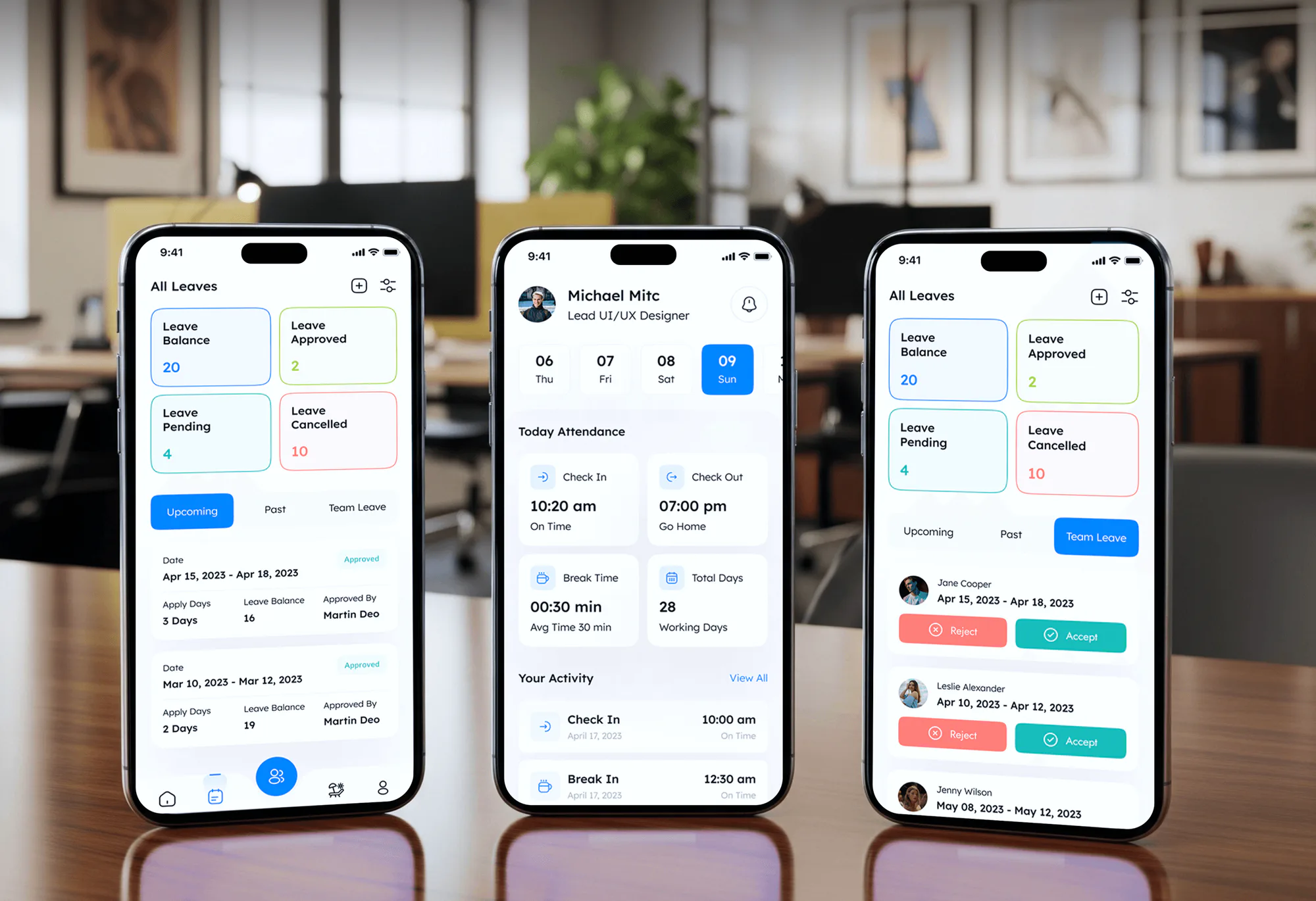
HR Attendee Attendance App Design & Development
- HR & Staffing
- Dashboard
- Mobile App

For towns, counties, and special districts with small IT teams: free federal services set up, exposed systems found and fixed, and a fix plan priced for your budget cycle. From $950.
3years
Of fixes priced for budgets
100%
Internet-facing systems inventoried
How your project runs
01 · FreeIndustry leaders we work with
 Cloudflare
The Problem
The gap shows up when an old VPN stays exposed, a staff member approves a fake sign-in, or a ransomware note freezes permits, payroll, and utility billing.
Exposed VPN
An unpatched VPN appliance sits open to the whole internet.
Exposed VPN
We inventory every internet-facing system and close or patch the exposed ones you approve.
Lookalike email
Residents can't tell a real town email from a fake one.
Lookalike email
We plan your move to a free .gov domain and add MFA to staff email.
Untested backups
Finance and billing backups run, but nobody has tried a restore.
Untested backups
We restore your finance or billing system with your team and time it.
Budget gaps
The council asks for a cost and nobody can give one.
Budget gaps
Each remaining fix gets a cost range in a 3-year roadmap built for budget cycles.
Your IT team is 2 people, and they also fix the printers. The town still runs an old VPN appliance nobody has patched since it was installed. Staff email lives on a regular domain, so residents can't easily tell a real town message from a fake one. Finance and utility billing share a server with backups nobody has restored. Federal help exists, but nobody has had time to enroll. Then the council asks what it would cost to fix everything, and nobody has a number.
We start with what attackers see: every internet-facing system, checked with CISA's free scanning and our own inventory. Then email and admin accounts get MFA, exposed services you approve get closed, and you move toward a .gov domain residents can trust. We score you on NIST CSF 2.0 and price every remaining fix over 3 years. Your council gets a plan it can fund in order, not a wish list.
Exposed systems found first
Every VPN, server, and web app reachable from the internet listed and ranked by risk.
Free federal help used
CISA's Cyber Hygiene scanning and a free .gov domain set up before any paid fix.
Fixes priced for budgets
A 3-year roadmap gives each fix a cost range your council can vote on.
Our Government Cybersecurity Services Process
Cybersecurity services for government only work if they fit public calendars. You approve every change and its date, and your IT lead signs off the roadmap before it reaches the council.
We ask about your departments, staff count, key systems, and the free services you already use. A fixed-price scope reaches you within 2 days. If your state's shared security program already covers a town your size, we'll tell you before quoting.
Projects We've Built
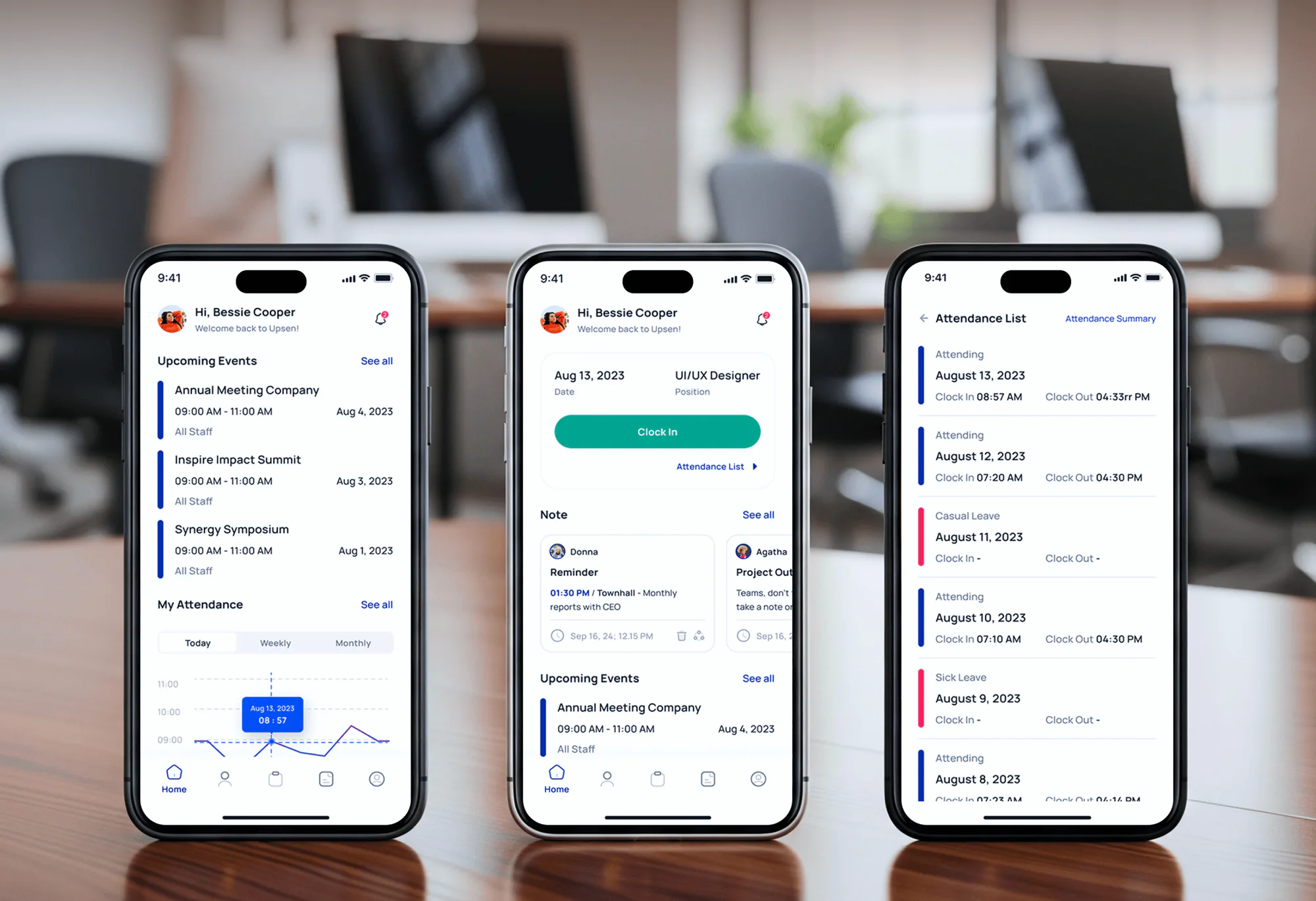
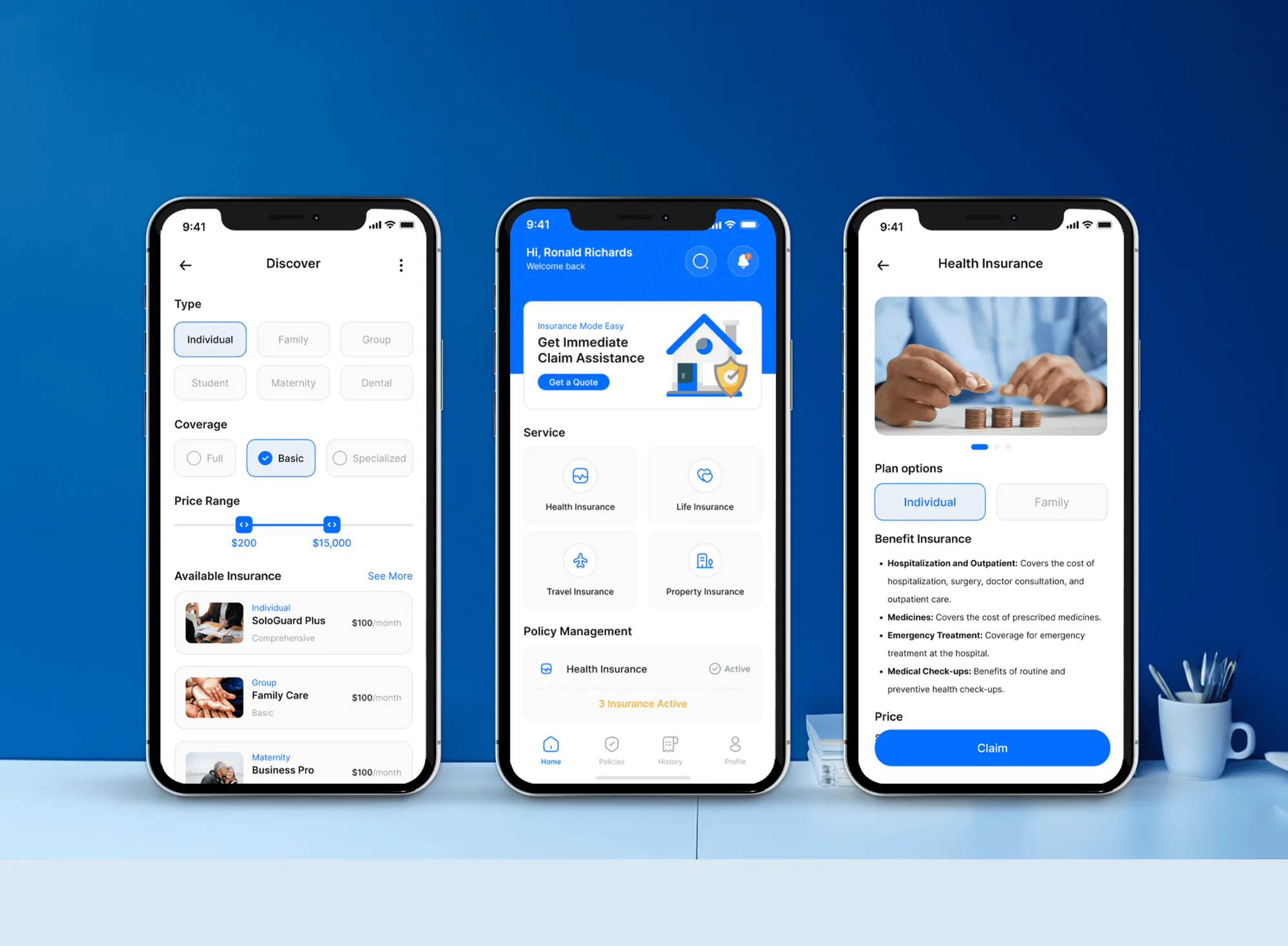
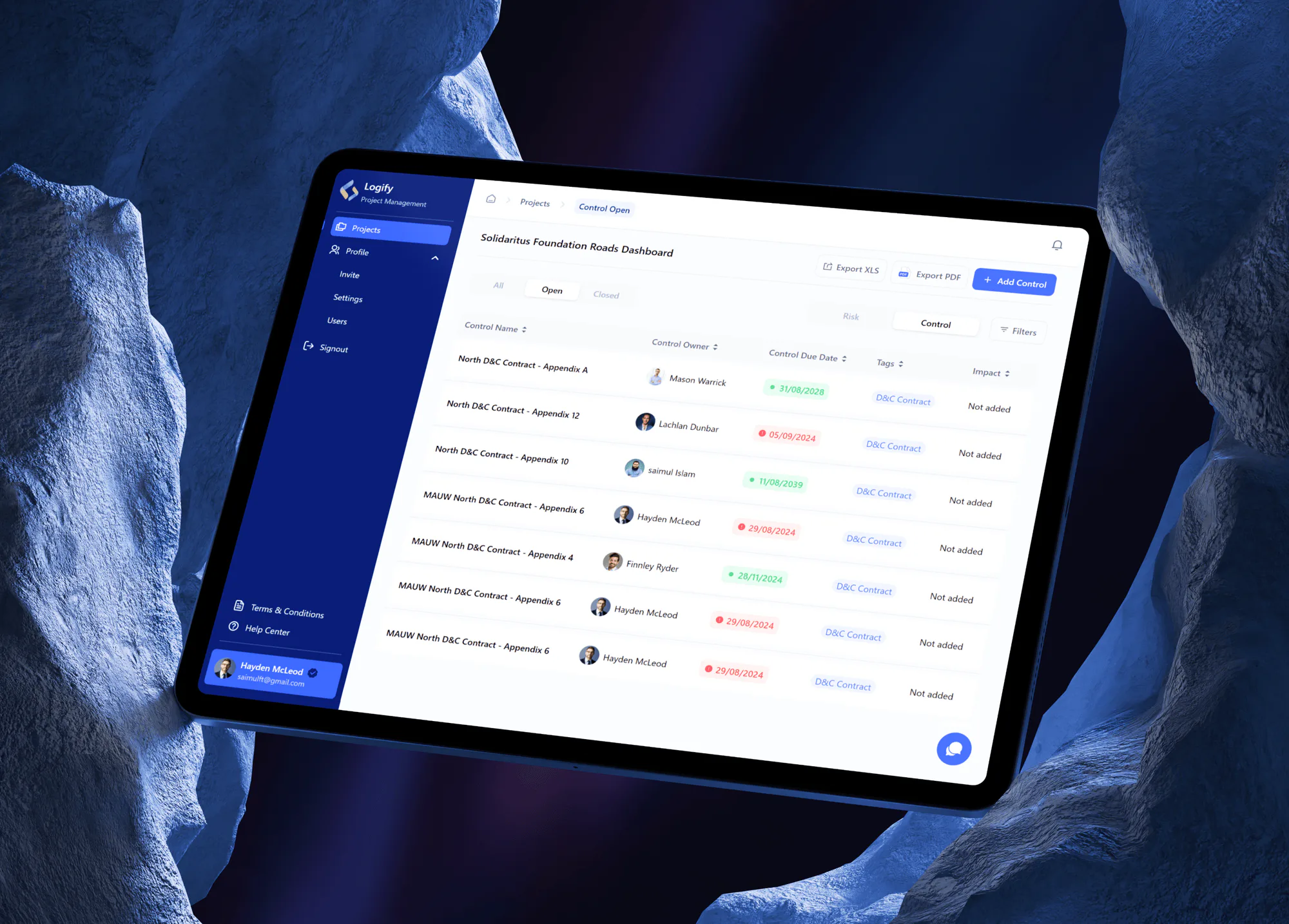
HR, attendance, insurance, and logistics apps we designed and built. They hold the same kind of staff records and personal data a local government protects.
What's Included
The full scope covers an internet exposure inventory, help with free CISA services, MFA on email and admin accounts, a NIST CSF 2.0 score, and a priced roadmap. Larger plans add restore tests, DMARC, training, and continuity runbooks.
Compare Options
Cybersecurity in government often leans on state shared services and a general IT vendor. Both are worth using. Here is where each fits and where an outside, fixed-scope review helps.
| Feature | DeveloperLookBest fit | State programs | General IT vendor |
|---|---|---|---|
| Planning | Free call, written fixed scope | Set by state program rules | Bundled into the support contract |
| Cost | Fixed price from $950 | Often free to local entities | Hourly or monthly fees |
| Exposure inventory | Every internet-facing system listed | Scan reports, fixes left to you | Varies by vendor |
| Free federal services | Enrollment done with you | Referral to CISA programs | Not usually covered |
| Hands-on fixes | MFA and exposure fixes made | Guidance and templates | Fixes when ticketed |
| NIST CSF 2.0 score | All 6 functions scored | Self-assessment tools | Rarely included |
| Budget roadmap | 3 years, with cost ranges | Statewide priorities | Quote per project |
| Ongoing support | 30 days, then your team | Ongoing for members | Ongoing under contract |
What Our Clients Say
Feedback from teams we have built apps, platforms, and websites for.
We had a pretty specific idea of what we wanted our website to become, but I wasn’t sure how easily we could explain all of it to a development team. There were quite a few moving parts, and we were working toward a deadline, so I expected a few things to get lost along the way. That never really happened. They understood what we were trying to achieve, kept us updated throughout the process, and got everything ready within the agreed timeline. The final site feels much easier to navigate, works beautifully on mobile, and is noticeably smoother for our customers. It was a huge relief seeing the original idea actually turn into the website we had in mind.
The mobile experience is probably my favourite part of the new site. We had spent a lot of time making sure the desktop version looked right, and the team kept pushing us to think about how everything would actually feel on a phone too. They were right. The navigation is clean, the interactions feel natural, and everything we’ve tested so far works exactly as it should. They also went through the links, forms, integrations, and other details more than once before launch, which I really appreciated. And even after going live, we could still reach out when something came up. The whole process felt friendly, organised, and surprisingly straightforward.
What I appreciate most is that the website is actually easy for us to manage now. We can update content ourselves instead of sending a developer a message every time we need to change something small. They also paid attention to the technical SEO side, which mattered to us because we didn’t want a new website to create problems for the traffic we already had. I’ve probably asked more questions than I should have since launch, but every question has been handled patiently and without any fuss. The team is easy to work with, they explain things clearly, and when we need something changed, they focus on getting it done rather than making the process complicated.
1,250+
Projects shipped
10+
Years of experience
5 stars
Clutch rating
5 stars
GoodFirms rating
Excellent
Trustpilot rating
Top 3%
Upwork Top Rated Plus
1,250+
Projects shipped
10+
Years of experience
5 stars
Clutch rating
5 stars
GoodFirms rating
Excellent
Trustpilot rating
Top 3%
Upwork Top Rated Plus

Want results like these?
Tell us what you are building. You get a reply within 24 hours on business days, then a written estimate.
Work Culture
Local government cybersecurity has to survive public meetings, budget cycles, and records requests. These habits keep our work transparent, fundable, and easy to hand over.
We enroll you in the free federal services you qualify for before quoting any fix. Paid work starts where the free help stops.
Every deliverable assumes it may be requested later, so sensitive details sit in a separate appendix. The public version still tells residents what you did.
We avoid council meeting days, payroll runs, and billing cycles. Election weeks and budget hearings get no changes unless you ask for them.
We don't claim FedRAMP, StateRAMP, or CJIS authorization for anything we touch. Systems that need those approvals go through the proper assessors.
Your council or board gets a short briefing in plain words: the risk, the fix, and the cost. Questions get answered in the meeting, not in a follow-up memo.
Your 1 or 2 IT staff keep running the systems day to day. They get settings notes and a roadmap they can work through after we're gone.
Overview
DeveloperLook provides cybersecurity services for government teams in towns, counties, and special districts. We help you enroll in free CISA services, inventory internet-facing systems, add MFA, score you on NIST CSF 2.0, and build a priced 3-year roadmap. Projects start at $950 and take 2 to 8 weeks at a fixed price.
DEVELOPERLOOK
Project facts · Government Cybersecurity Services
Reviewed 27 Oct 2026 by Saimul Islam
Good fit
Towns with 1 or 2 IT staff
Your IT team also fixes printers and phones, and you need someone to find what attackers can reach before they do.
Counties after a neighbor's ransomware attack
Your neighboring county lost weeks of services to ransomware, and your board wants to know whether the same could happen to you.
Water, fire, and library districts
Your water, fire, or library district runs billing and payroll on a few servers, and you need cybersecurity for local government on a district budget.
Agencies preparing grant requests
Your state opened a cybersecurity grant round, and you need a scored, priced plan to attach to your application.
IT providers serving municipalities
Your company supports several towns, and you want a repeatable government cybersecurity review you can deliver under your own brand.
Not a fit
Police CJIS systems
Your main need is CJIS compliance for police records and criminal justice data. Our CJIS compliance page covers that work.
Federal defense contractor
You hold Department of Defense contracts with DFARS cyber clauses. Our cybersecurity for government contractors page covers those duties.
Need FedRAMP authorization
You need a cloud system authorized under FedRAMP or StateRAMP. That takes an accredited assessor, which we are not.
Need a new website
You mainly need a new public website for residents, with payments and service requests. Our government website design page covers that build.
Not sure we're the right fit?
Book a free call or message us. We'll tell you honestly whether we're the right team.
Pricing
These are starting points in USD. Your final price depends on staff count, departments, and the systems that run public services, and you get a fixed proposal after a free public sector call.
For Agencies
You own the agency relationship. We supply the exposure inventory, CISA enrollment help, MFA rollout, and NIST CSF scoring under your brand, and you stay the firm the town or county calls. Your public sector clients get security work without you hiring a specialist.
White label: your client only ever sees your brand
Send the staff count, departments, and the systems that run public services.
You get a written scope and one price per agency, usually within 2 days.
We do the work, and you present the roadmap to the council.
Send the staff count, departments, and the systems that run public services.
You get a written scope and one price per agency, usually within 2 days.
We do the work, and you present the roadmap to the council.
The Right Technology for Your Project
These are the free federal services, identity tools, and email controls local governments can use first, plus the systems that keep public services running.
CloudflareFAQ
Straight answers on cost, timing, why it matters, the best solutions, vendors, AI tools, free services, NIST CSF, and grants.
Saimul IslamFounder & CEO, DeveloperLookStill have questions?
Send a message or book a call with the team.
They start at $950 for towns, departments, and special districts with up to 40 staff accounts. That covers CISA enrollment help, an exposure inventory, MFA on email and admin accounts, a NIST CSF 2.0 quick profile, and a priced roadmap. Cities with up to 200 staff start at $2,600, and county programs for up to 800 staff start at $5,350, fixed after a free call.
A town or single department takes 2 to 4 weeks, and a county program takes 4 to 8 weeks. Account changes are scheduled around council meetings, payroll, and billing dates, which sets most of the pace. CISA's free scanning starts soon after your enrollment paperwork is accepted, so its first reports often arrive during our work.
Because residents depend on government services that can't simply close: water billing, permits, payroll, courts, and emergency communications. An attack can stop those services for weeks and expose resident records the agency must protect. Security also protects public trust, since residents can't take their business elsewhere when a town gets hacked.
Small local governments hold the same resident data as large ones, often with 1 or 2 IT staff and no security budget line. Attackers count on that gap, using old VPNs, reused passwords, and fake invoices. Since federal funding for MS-ISAC ended in September 2025, membership carries a fee for many local governments unless their state covers it.
The best solutions for most agencies are the basics done everywhere: MFA, patched internet-facing systems, tested backups, email authentication, and a practiced incident plan. CISA's free Cyber Hygiene scanning covers external exposure at no cost. Expensive platforms help only after those basics hold, so we rank every fix by risk and cost first.
Several kinds do: nonprofit services such as the MS-ISAC, state shared security programs, regional IT firms, and specialist consultancies. Start with what your state offers local entities, then compare vendors of cybersecurity services for government on public sector references and fixed pricing. Ask for plain-English deliverables your council can approve and your staff can maintain.
The most useful AI features sit inside tools agencies already license, such as email filtering and endpoint detection in Microsoft 365 or Google Workspace. They help flag unusual sign-ins and phishing that manual review would miss. Turn those on before buying a separate AI product, and set a policy on what staff may paste into public AI chat tools.
Yes. US state and local governments can enroll in CISA's free Cyber Hygiene vulnerability scanning, which checks your internet-facing systems and sends regular reports. Eligible government organizations can also get a .gov domain at no cost through CISA. Every plan includes help with both enrollments, and then we fix what the scans find.
NIST Cybersecurity Framework 2.0 organizes security into 6 functions: Govern, Identify, Protect, Detect, Respond, and Recover. An agency scores its current practices against them, sets a target, and plans the gaps in between. It's voluntary for most state and local agencies, and it gives councils and auditors a shared vocabulary. Our NIST assessment page covers a full framework review.
Often, yes, though the decision belongs to your state and the grant's rules. The State and Local Cybersecurity Grant Program passes federal funds to local governments through each state. A FEMA bulletin in October 2025 also allowed those funds to cover MS-ISAC membership. We don't apply for grants, but our roadmap gives your application specific projects and costs.
Saimul IslamFounder & CEO, DeveloperLookStill have questions?
Send a message or book a call with the team.
Free 30-min callGoogle Meet
Book a call
In 30 minutes on Google Meet we walk you through how we would build it, how long it takes and what it costs. Then you get a written estimate.
Calendar not showing? Book on cal.com or send a brief.