
Schema in SDL
Types, queries, and mutations written in GraphQL SDL and reviewed by your client teams before any code.

For product teams whose web and mobile apps keep waiting on new REST endpoints: one typed GraphQL API they can all query safely. From $1,050.
1
Endpoint for every client app
100%
Queries cost-checked before running
How your project runs
Teams we have built for:














The Problem
REST works well until several apps need the same data cut in different ways. Then the backend team turns into a ticket queue, and every client pays for fields it never shows.
01 · Endpoint queue
Every new screen waits for a new REST endpoint.
Clients query the fields they need from one schema, without new endpoints.
02 · Over-fetching
Mobile screens download fields they never show.
Each app requests only the fields on its screen, nothing more.
03 · N+1 queries
One nested query fires hundreds of database lookups.
DataLoader batches nested lookups into one query per type.
04 · Runaway queries
A deep query from one client slowed the whole API.
Depth and cost limits reject expensive queries before they run.
Your iOS app needs a product with its price and stock. The Android app wants the same product plus reviews. The partner portal wants all of that and the seller's details too. Each request becomes a new REST endpoint or a bloated one, and your backend team is now a ticket queue. Mobile screens call four endpoints in a row on slow connections. Someone tried GraphQL last year, and a single nested query brought the database to its knees.
We start by writing the schema with your client teams, from the screens back, not from the database forward. A GraphQL server then resolves it over your existing REST API or database, with DataLoader batching so nested fields don't flood the database. Depth and cost limits stop runaway queries before they run. Each app asks for exactly the fields it shows, and your backend team stops shipping one-off endpoints.
Schema written with clients
Web and mobile teams review the schema before code, so fields match real screens.
Batching against N+1
DataLoader groups nested lookups into one database query per type instead of one per row.
Limits on costly queries
Depth and cost limits reject a runaway query before it ever reaches your database.
Our GraphQL API Development Process
You approve the schema before any resolver exists, test every query on staging, and get generated types your front-end teams can use the same day.
On a free call, you show us your apps, your current API, and the screens that wait on new endpoints. We look at your data and traffic. You get a recommendation, including whether GraphQL is worth it, and a fixed-price proposal.
What's Included
GraphQL is used to give web, mobile, and partner apps one typed API where each asks for exactly the data it needs. Our GraphQL development services cover the schema, resolvers, safety limits, and generated types.
Compare Options
A hosted platform can generate an API from your tables in an afternoon, and a GraphQL developer for hire suits a small schema. A GraphQL development company fits when several apps and teams depend on the graph.
| Feature | DeveloperLookBest fit | Freelancer | Hosted platform |
|---|---|---|---|
| Schema design | Written from your screens | Varies by person | Mirrors your database tables |
| Setup speed | 2 to 3 weeks for a layer | Fast for a small schema | Fastest, often the same day |
| Business logic | Any logic in resolvers | Any logic | Limited to actions and hooks |
| N+1 protection | DataLoader on every list | Often missed | Handled by the platform |
| Permissions | Rules on every field | Varies by person | Role rules on tables |
| Federation | Set up when teams need it | Rarely offered | Depends on the vendor |
| Code ownership | Schema and code in your GitHub | Depends on the contract | Platform config, partly portable |
| Cost predictability | Fixed price per plan | Hourly, often open-ended | Usage-based pricing |
Projects We've Built
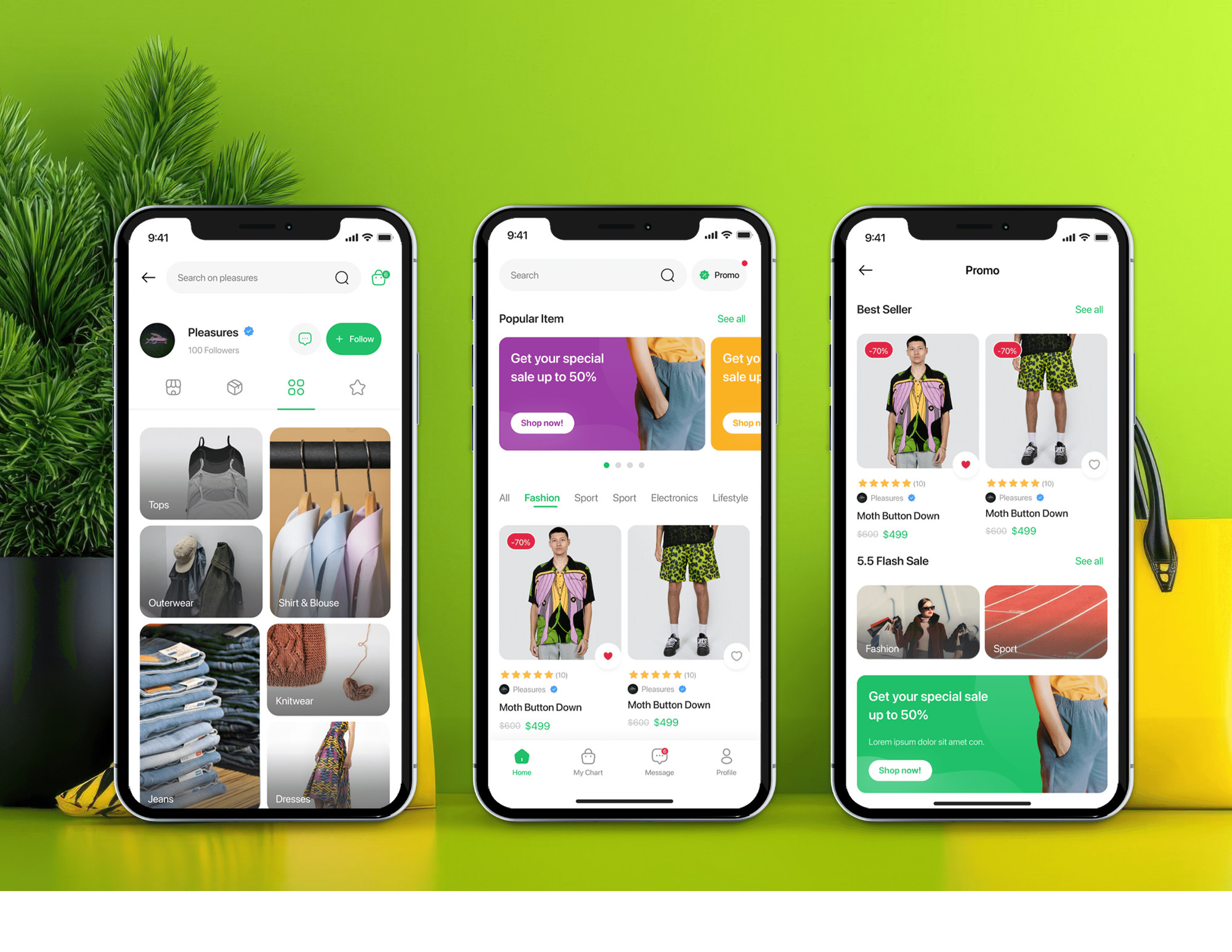
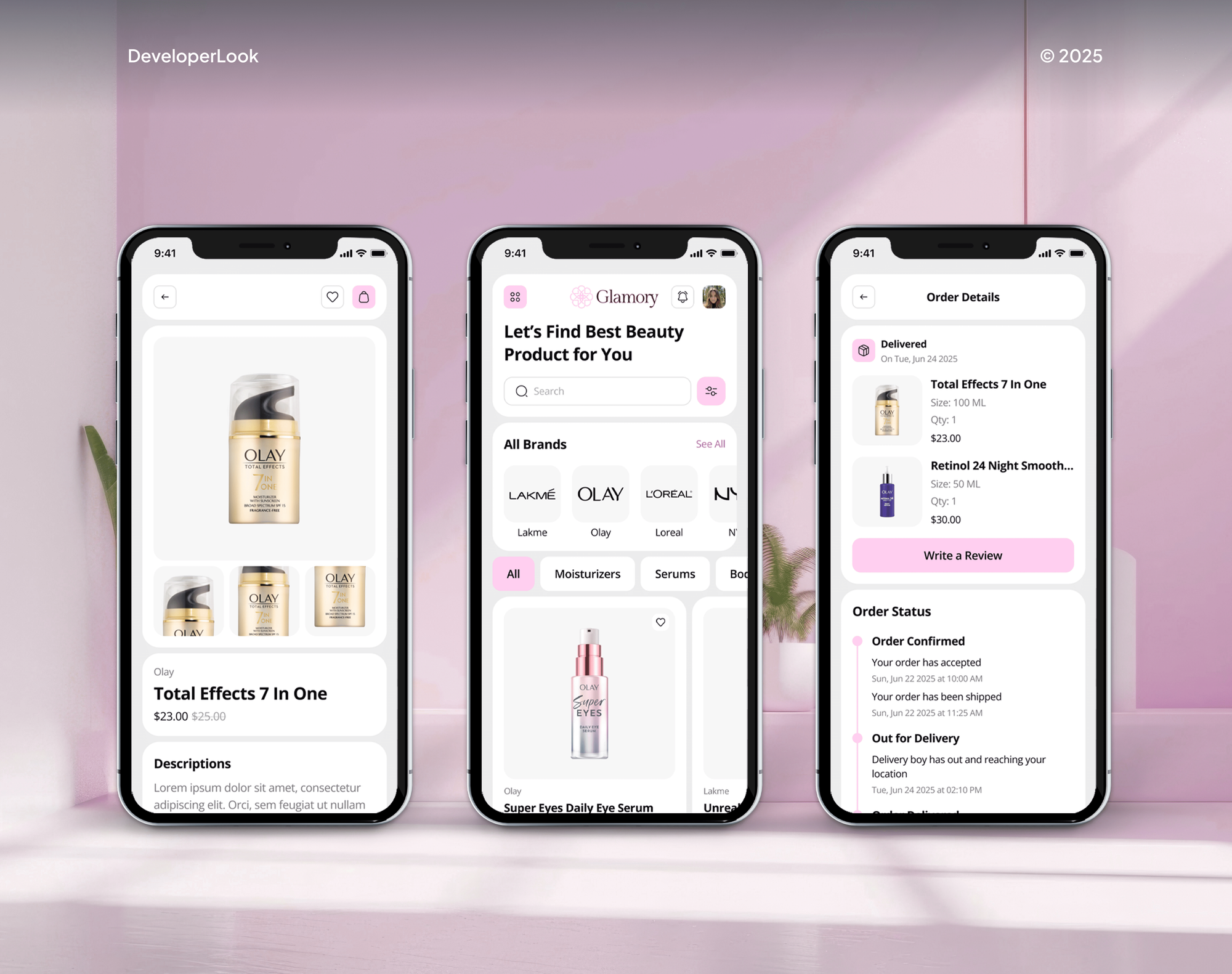
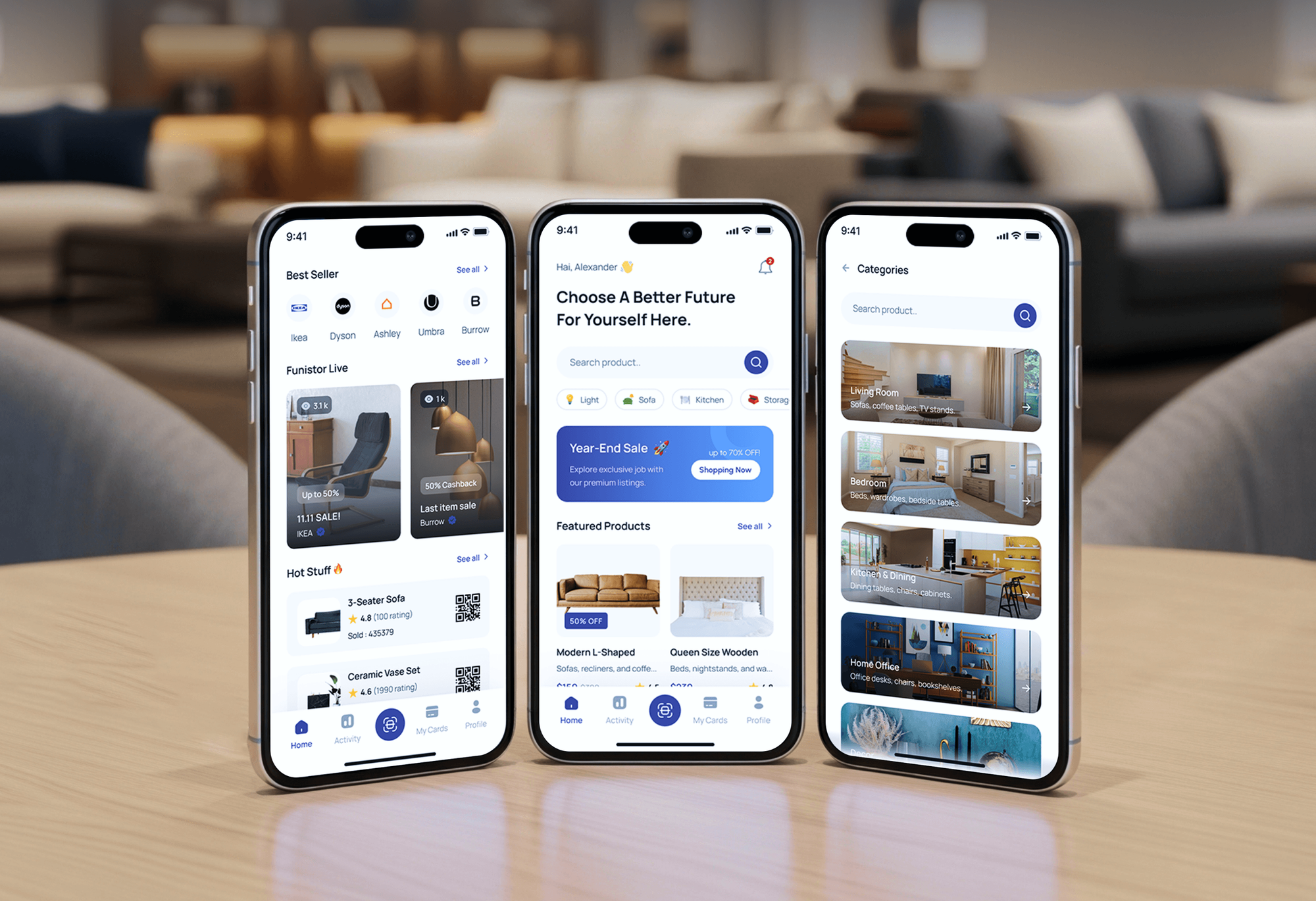
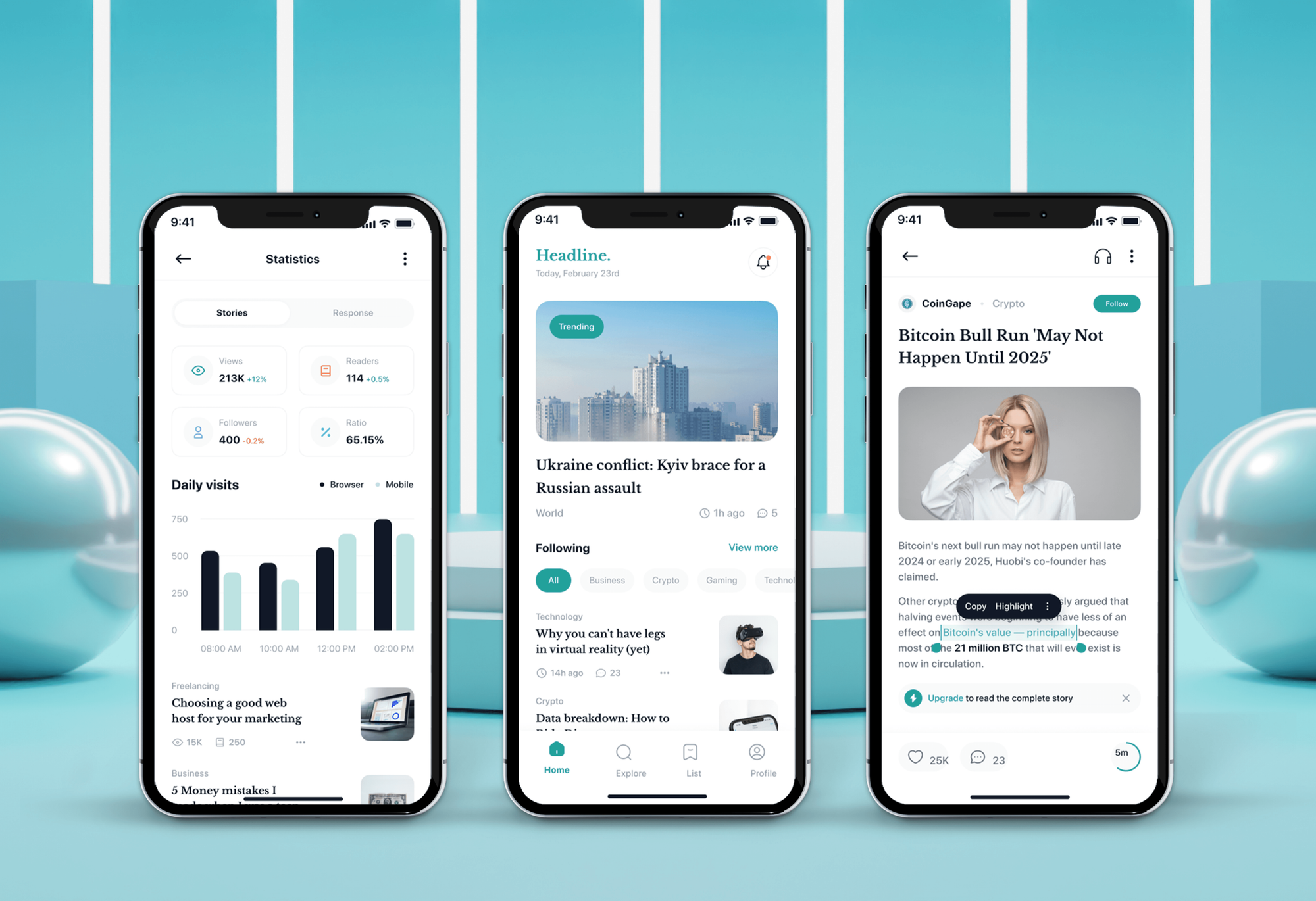
Fashion, beauty, furniture, and news apps with admin dashboards from our portfolio. Each app and dashboard reads shared data in its own shape, but none is shown here as a GraphQL build.
What Our Clients Say
Feedback from teams we have built apps and APIs for.
We had a pretty specific idea of what we wanted our website to become, but I wasn’t sure how easily we could explain all of it to a development team. There were quite a few moving parts, and we were working toward a deadline, so I expected a few things to get lost along the way. That never really happened. They understood what we were trying to achieve, kept us updated throughout the process, and got everything ready within the agreed timeline. The final site feels much easier to navigate, works beautifully on mobile, and is noticeably smoother for our customers. It was a huge relief seeing the original idea actually turn into the website we had in mind.
The mobile experience is probably my favourite part of the new site. We had spent a lot of time making sure the desktop version looked right, and the team kept pushing us to think about how everything would actually feel on a phone too. They were right. The navigation is clean, the interactions feel natural, and everything we’ve tested so far works exactly as it should. They also went through the links, forms, integrations, and other details more than once before launch, which I really appreciated. And even after going live, we could still reach out when something came up. The whole process felt friendly, organised, and surprisingly straightforward.
What I appreciate most is that the website is actually easy for us to manage now. We can update content ourselves instead of sending a developer a message every time we need to change something small. They also paid attention to the technical SEO side, which mattered to us because we didn’t want a new website to create problems for the traffic we already had. I’ve probably asked more questions than I should have since launch, but every question has been handled patiently and without any fuss. The team is easy to work with, they explain things clearly, and when we need something changed, they focus on getting it done rather than making the process complicated.
1,250+
Projects shipped
10+
Years of experience
Top 3%
Upwork Top Rated Plus
5 stars
Average review score

Want results like these?
Tell us what you are building. You get a reply within 24 hours on business days, then a written estimate.
Work Culture
A GraphQL schema is a contract with every app you've shipped. These habits keep yours fast, safe, and easy to change after you hire GraphQL developers from us.
We design the schema from the screens your apps show, not from the database layout. Your schema then survives the next database change instead of leaking it to every client.
Old fields get the @deprecated directive and stay until no client still asks for them. Users on last year's app version keep working while the schema moves on.
Access rules sit on types and fields and live in one place. A missing check on one nested field can leak data, so our tests query every protected field.
We log the real queries your apps send and measure what each one costs. Limits get set from that data, so your own screens stay well under them.
GraphQL isn't the answer for file downloads, webhooks, or one simple client. When REST fits better, we'll say so and help you keep both.
The schema, resolvers, and CI checks live in your repositories from day one. Any GraphQL developer can pick them up later without needing us.
Overview
DeveloperLook lets product teams hire GraphQL developers for a schema-first API that web, mobile, and partner apps share. We design the schema with your client teams, add DataLoader batching, query cost limits, and field-level permissions, and set up federation only when several teams own the graph. Prices start at $1,050, a GraphQL layer takes 2 to 3 weeks, and a full API 6 to 14 weeks.
DEVELOPERLOOK
Project facts · GraphQL API Development Services
Reviewed 11 Oct 2026 by Saimul Islam
Good fit
Teams with web and mobile clients
Your web, iOS, and Android apps need the same data shaped differently, and you'd rather hire GraphQL web developers than queue more endpoint tickets.
Companies hiring for a new API
You need to hire GraphQL developer capacity for one new API this quarter, and a full-time search would take months you don't have.
Teams with a slow GraphQL API
Your GraphQL API already exists, but nested queries time out and nobody added batching, query limits, or permissions on individual fields.
Several teams sharing one schema
Your GraphQL server has three teams editing one schema, and every release needs everyone's sign-off before anything ships.
Agencies needing GraphQL capacity
Your agency sold a headless build with a GraphQL API, and you need to hire dedicated GraphQL developers to deliver it under your brand.
Not a fit
REST is enough
You have one web app and a handful of endpoints that rarely change. A REST API fits better, and our API Development Services page covers that build.
Whole backend needed
You need the whole backend built, not only an API layer on top. Our Node.js Development Services page covers the database, jobs, and API together.
Shopify store APIs
Your GraphQL work is on Shopify's Storefront or Admin API. That's platform work for a Shopify developer, not a custom GraphQL server.
Budget under $1,050
Your budget is under $1,050, or a hosted platform's generated API already covers your prototype. If it does, we'll tell you before we quote.
Not sure we're the right fit?
Book a free call or message us. We'll tell you honestly whether we're the right team.
Pricing
These are starting points in USD. Your final price depends on your schema size and data sources, and you get a fixed proposal after a free schema review.
For teams with a working REST API who want one GraphQL layer in front of it. About 2 to 3 weeks.
$1,050one-time, USD
For a new GraphQL API behind web and mobile apps, with login and permissions. About 6 to 9 weeks.
$3,650one-time, USD
For products where several teams own parts of one graph. About 10 to 14 weeks.
$7,700one-time, USD
For Agencies
You own the client relationship. We supply the GraphQL engineering behind it: schema design, resolvers, query limits, and federation when it's needed, delivered under your brand with code in your client's repositories.
White label: your client only ever sees your brand
Send the client's screens, data sources, and the apps that will call the API.
You get a schema outline and a fixed price you can resell.
We build, test, and deploy the API in your client's cloud accounts.
Your client deals with you, and we stay behind your brand.
SDL schema drafts your team can walk the client through as its own.
Apollo, GraphQL Yoga, and Strawberry work from experienced backend developers.
Staging endpoints your client can query at the end of each sprint.
The Right Technology for Your Project
GraphQL servers in Node.js or Python, the data sources behind them, the client apps that query them, and the tools that test every schema change.
 GraphQL
 Node.js
 NestJS
 Python
 PostgreSQL
 MongoDB
 React
 Next.js
 Flutter
FAQ
Straight answers on GraphQL costs, when GraphQL beats REST, and when federation is worth the extra parts.
Saimul IslamFounder & CEO, DeveloperLookStill have questions?
Send a message or book a call with the team.
Hiring GraphQL developers from DeveloperLook starts at $1,050 for a GraphQL layer over your existing REST API, with batching and query limits. A new GraphQL API with login, field permissions, and persisted queries starts at $3,650. A federated graph with up to 3 subgraphs starts at $7,700. Each is a fixed price after a free schema review.
GraphQL is a query language for APIs and a runtime that answers those queries from a typed schema. Facebook created it in 2012 and open-sourced it in 2015, and the GraphQL Foundation now looks after the specification. A client sends one query naming the fields it wants, and the server returns exactly that shape.
Use GraphQL to stop over-fetching and endpoint sprawl when several apps read the same data. Each screen asks for exactly its fields in one request, which helps mobile apps on slow connections most. The typed schema also documents itself, and tools generate client types from it, so front-end teams catch mismatches before release.
Use GraphQL when several clients need the same data in different shapes, or when one screen combines data from several services. It also suits products whose front end changes faster than the backend team can add endpoints. For one simple client and stable data, REST is usually less work to build and run.
Choose GraphQL over REST when your apps keep stitching several REST calls into one screen, or keep receiving fields they never show. REST stays the better pick for file downloads, webhooks, and public APIs that lean on HTTP caching. Plenty of teams run both, with GraphQL facing their own apps.
GraphQL can replace REST for the data your own apps read and write, but rarely everywhere. Webhooks, file uploads, OAuth flows, and partner integrations that expect REST usually stay REST. We often put GraphQL in front of existing REST services, so nothing has to be rewritten at once.
You probably don't need GraphQL if one web app talks to a few stable endpoints. You likely do if several clients ask for new endpoints every sprint, or mobile screens chain call after call to draw one view. If plain REST already covers your case, we'll tell you before we quote.
GraphQL federation joins several GraphQL services, called subgraphs, into one supergraph behind a router. Each team owns its subgraph and deploys it on its own schedule, while clients still query one endpoint. Apollo Federation is the best-known approach, and types shared across subgraphs are linked with the @key directive.
Yes, GraphQL federation is usually overkill for one small team. It adds a router, schema composition, and more deploys to look after. A single well-organized GraphQL server with a module per domain serves most single-team products. Federation starts paying off when separate teams keep colliding in one schema.
You migrate gradually, one domain at a time. First, the existing GraphQL server becomes a subgraph behind a router. Then each domain moves into its own subgraph while clients keep querying the same endpoint. Composition checks in CI stop two subgraphs from defining the same field in conflicting ways.
Saimul IslamFounder & CEO, DeveloperLookStill have questions?
Send a message or book a call with the team.
Free 30-min callGoogle Meet
Book a call
In 30 minutes on Google Meet we walk you through how we would build it, how long it takes and what it costs. Then you get a written estimate.
Calendar not showing? Book on cal.com or send a brief.