
A feed path that fits
Provider plugin, provider API, or RESO Web API feed, chosen from the MLS's terms, your budget, and platform.

IDX integration for agent and brokerage sites: fast listing pages on your domain, RESO Web API feeds, and CRM routing. From $850.
2X
More buyer registrations
100%
Listing pages on your domain
Teams we have built for:














The Problem
Framed IDX search looks fine until you check. Buyers wait on a second site loading inside yours, and none of those homes count as pages on your site.
01 · Framed search
Your IDX search loads inside a frame with the provider's scripts.
Listing and area pages render on your own site, each with its own title.
02 · Borrowed URLs
Each home opens on the provider's server, not your domain.
Each home gets a URL and structured data on your domain.
03 · Vendor inbox
Sign-ups go to a vendor inbox nobody checks.
Registrations reach your CRM with the home, saved search, and source.
04 · MLS flags
Your MLS flagged a listing missing the broker name.
Listing firm, refresh timing, and disclaimers get checked before launch.
A buyer taps your listing link from Instagram and waits. Your IDX search loads inside a frame, with the provider's scripts in tow. Photos stall on a phone signal. Each home opens at an address on the provider's server, so your domain gets no page of its own for it. The sign-up form mails a vendor inbox nobody checks. Last month your MLS flagged a listing that was missing the broker name. You pay for the feed every month. Someone else's site keeps the credit.
We start with your data license and the site you already have. Then we pick the lightest path that works: your provider's plugin, its API, or a RESO Web API feed in your own database. Listing and area pages render on your own site, each with its own title and schema. Registrations reach your CRM with the listing attached. Your site earns the traffic, not your vendor's.
Listings on your own domain
Each home gets a page on your site with its own URL, title, and structured data.
Rules the MLS will accept
The listing firm, refresh timing, and disclaimers are built in and checked before launch.
Sign-ups with the listing attached
Every registration reaches your CRM with the home, the saved search, and the source.
Our IDX Integration Process
You approve each step before we move on. You see the feed path, the page designs, and the sign-up rules before any listing goes live.
We review your data license, IDX provider, site, and how registrations reach your CRM. You get a recommended feed path and a fixed quote. If your provider's standard search already covers you, we'll tell you before we quote.
What's Included
Every plan gives each home a page you own, sets registration rules, and routes sign-ups to your CRM. Larger plans add API feeds and several MLSs.
Compare Options
A provider plugin or an agent platform is often the cheaper start. Here is where each one holds up and where it stops.
| Feature | DeveloperLookBest fit | Provider IDX plugin | Agent website platform |
|---|---|---|---|
| Where listings live | Your own site | Provider-hosted pages | Platform-hosted site |
| Listing page SEO | URL, title, schema per home | Varies by provider | Shared template pages |
| Speed on phones | 90+ mobile target | Provider scripts decide | Template decides |
| Registration rules | Set per action | Provider presets | Platform presets |
| CRM routing | Any CRM, listing attached | Selected CRM connectors | Built-in CRM first |
| MLS rule upkeep | Built in and monitored | Handled by the provider | Handled by the platform |
| Time to launch | 2 to 12 weeks | A few days | A few days |
| Cost model | Fixed project price | Low monthly fee | Monthly platform fee |
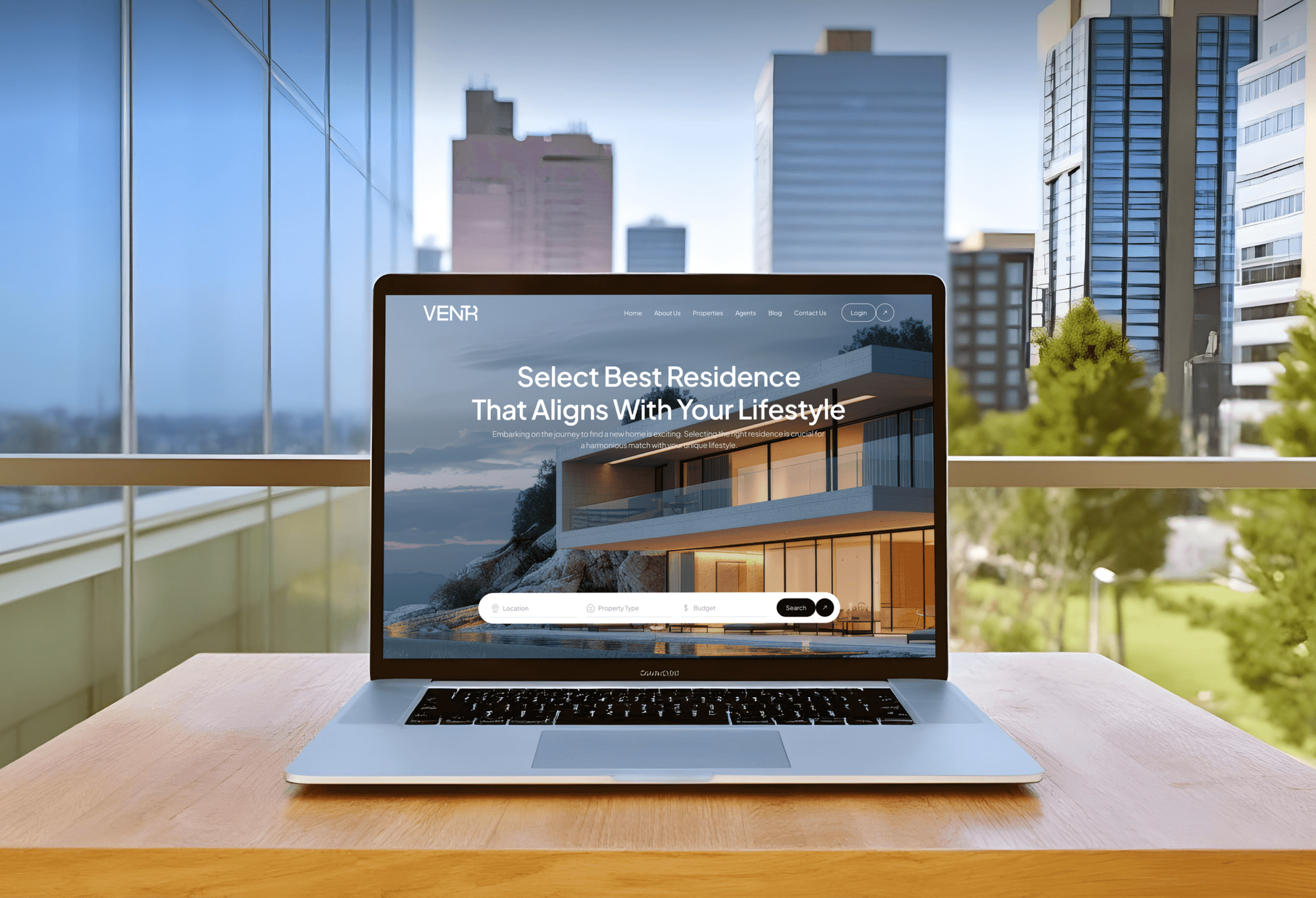
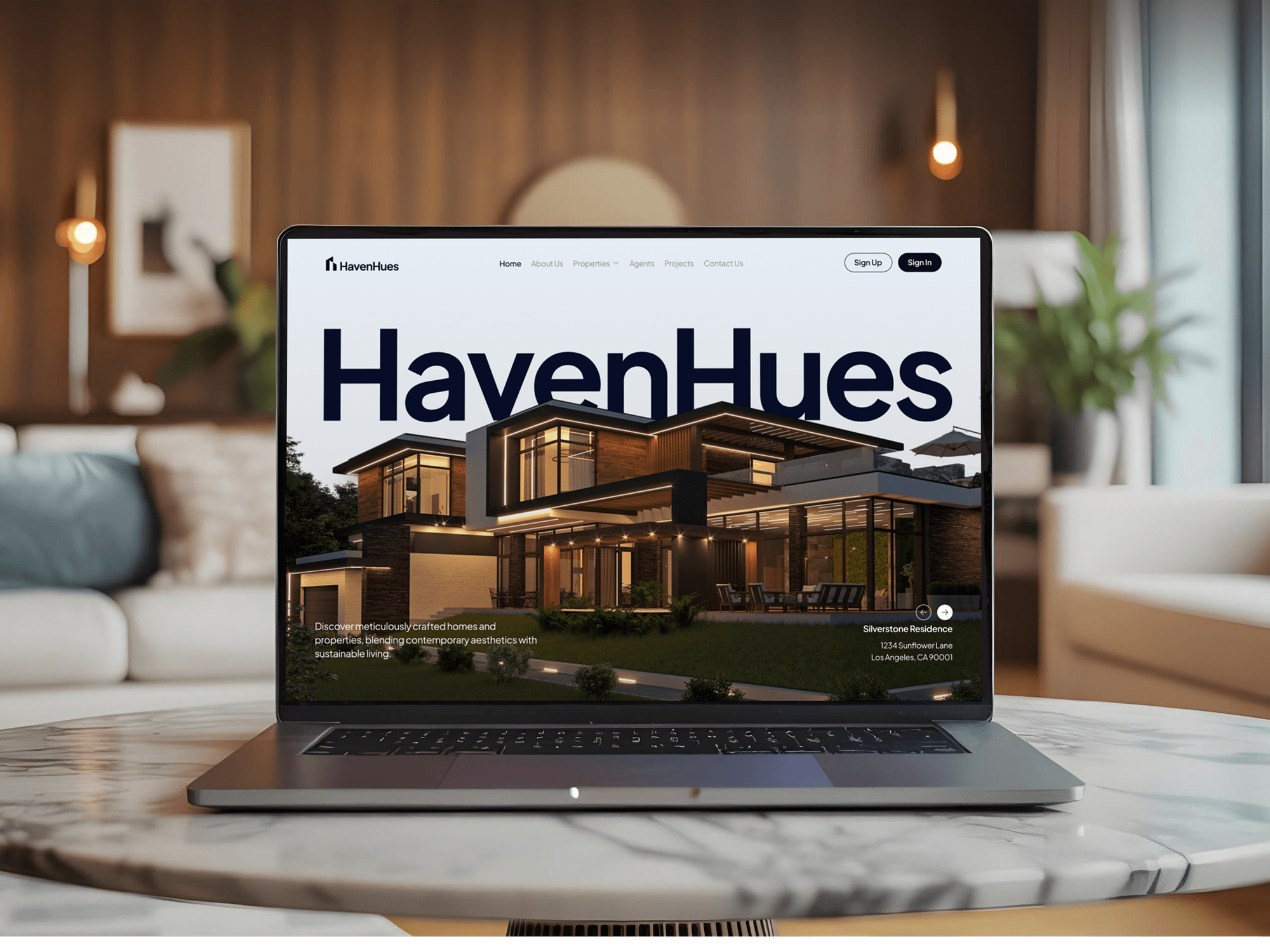
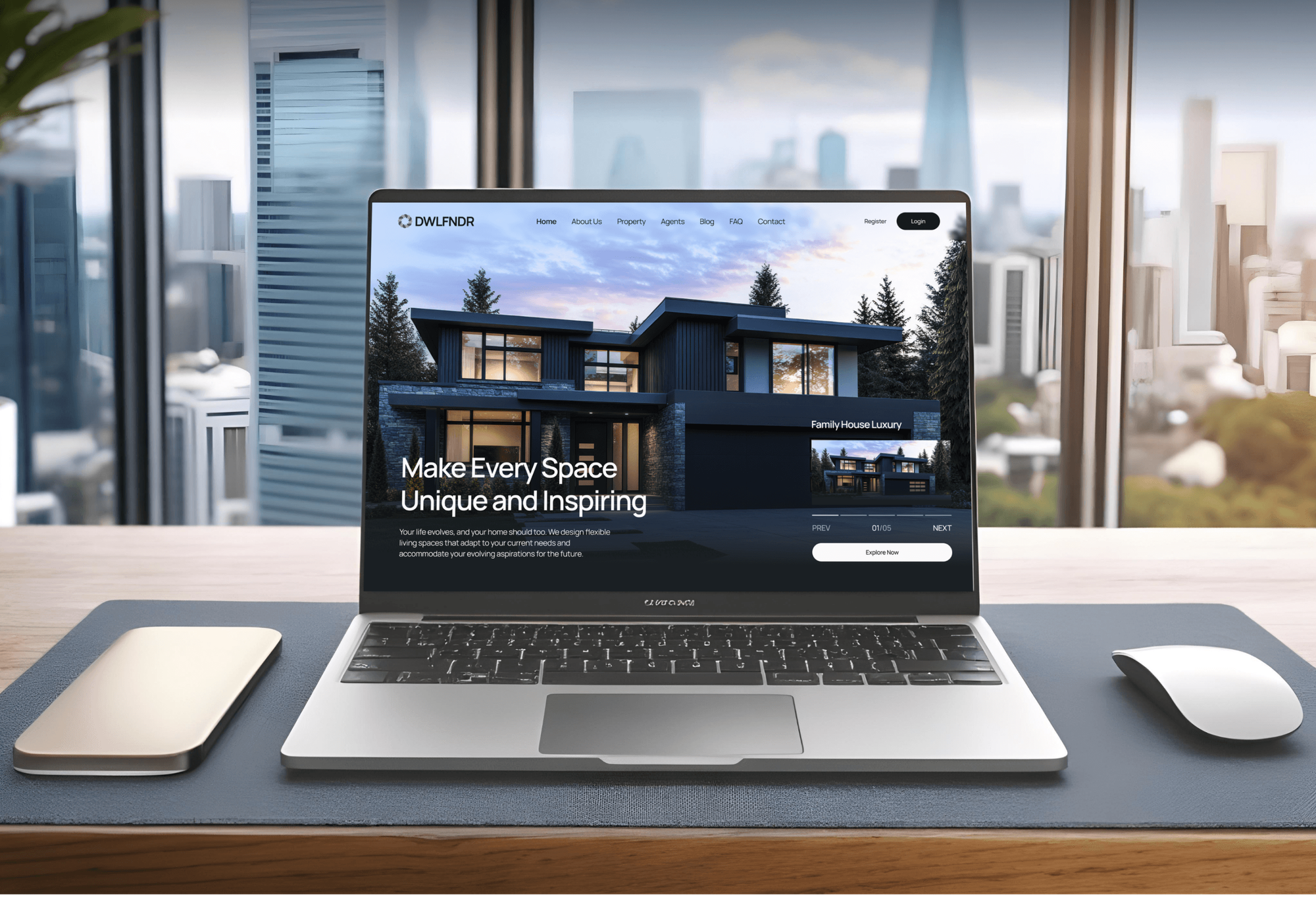
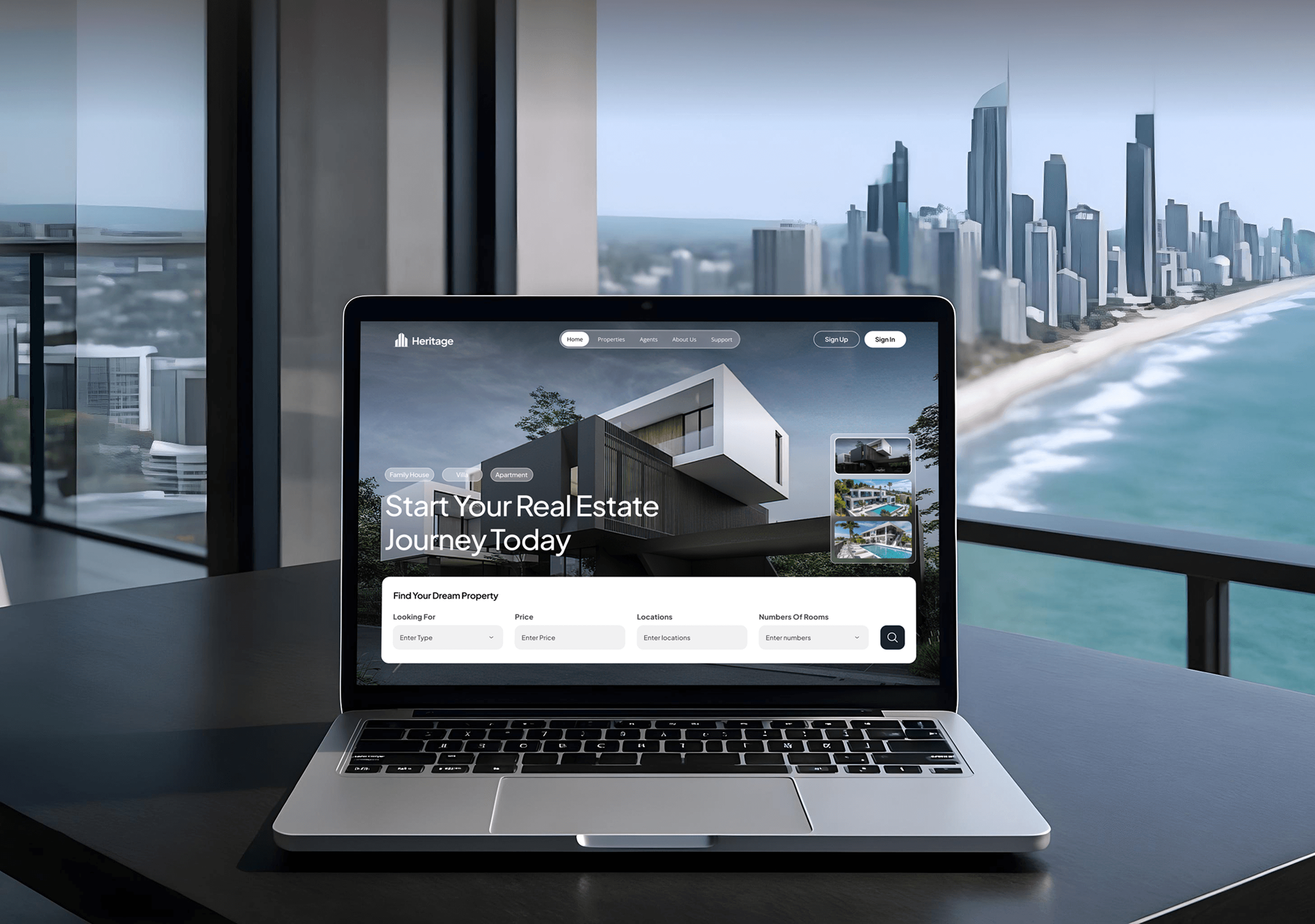
Projects We've Built
Property websites and app designs from our portfolio. Listing search, area pages, and sign-up flows like these are where feed work plugs in.
What Our Clients Say
Feedback from teams we have built websites and integrations for.
We had a pretty specific idea of what we wanted our website to become, but I wasn’t sure how easily we could explain all of it to a development team. There were quite a few moving parts, and we were working toward a deadline, so I expected a few things to get lost along the way. That never really happened. They understood what we were trying to achieve, kept us updated throughout the process, and got everything ready within the agreed timeline. The final site feels much easier to navigate, works beautifully on mobile, and is noticeably smoother for our customers. It was a huge relief seeing the original idea actually turn into the website we had in mind.
The mobile experience is probably my favourite part of the new site. We had spent a lot of time making sure the desktop version looked right, and the team kept pushing us to think about how everything would actually feel on a phone too. They were right. The navigation is clean, the interactions feel natural, and everything we’ve tested so far works exactly as it should. They also went through the links, forms, integrations, and other details more than once before launch, which I really appreciated. And even after going live, we could still reach out when something came up. The whole process felt friendly, organised, and surprisingly straightforward.
What I appreciate most is that the website is actually easy for us to manage now. We can update content ourselves instead of sending a developer a message every time we need to change something small. They also paid attention to the technical SEO side, which mattered to us because we didn’t want a new website to create problems for the traffic we already had. I’ve probably asked more questions than I should have since launch, but every question has been handled patiently and without any fuss. The team is easy to work with, they explain things clearly, and when we need something changed, they focus on getting it done rather than making the process complicated.
1,250+
Projects shipped
10+
Years of experience
Top 3%
Upwork Top Rated Plus
5 stars
Average review score

Want results like these?
Tell us what you are building. You get a reply within 24 hours on business days, then a written estimate.
Work Culture
An MLS can switch off a feed that breaks its display rules. These habits keep your listings live, fast, and credited to your own site.
Feed approval often takes longer than the build itself. We file the data license and vendor forms in week one, so approval runs while we design.
MLS rules based on NAR's IDX policy require the listing firm on each listing. We build it into every template, so a compliance check doesn't cost you the feed.
A framed search loads a second site inside yours and gives you no pages of your own. We render listings on your site, so speed and search credit stay with you.
NAR's IDX policy requires listing data to refresh at least every 12 hours. We log every sync and alert you when one fails, before buyers see stale homes.
Some sites only need their provider's plugin set up well. When that's your case, we say so and quote the smaller job.
The code, database, and hosting sit in your accounts from day one. The data license stays with your broker, so switching developers doesn't take your pages down.
Overview
DeveloperLook provides IDX integration for agents, teams, and brokerages that want listings on their own domain. We connect your MLS through a provider plugin, the provider's API, or a RESO Web API feed, then add fast property pages, sign-up rules, and CRM routing. Projects start at $850 and take 2 to 12 weeks plus MLS approval, at a fixed price.
DEVELOPERLOOK
Project facts · IDX & MLS Integration Services
Reviewed 28 Sep 2026 by Saimul Islam
Good fit
Agents with a framed IDX search
Your IDX search opens in a frame. Buyers wait for it on phones, and every listing lives on your provider's server.
Brokerages moving off RETS feeds
Your MLS told vendors to move off RETS, and your site needs a RESO Web API integration before the old feed goes dark.
Teams running WordPress sites
Your team runs WordPress, and the IDX plugin installed years ago slows every page and ignores your registration rules.
Brokers who route leads by agent
Your agents work leads in Follow Up Boss or kvCORE, and site registrations arrive late, unassigned, or without the listing viewed.
Web agencies with realtor clients
Your agency builds realtor sites and needs a partner who handles MLS paperwork, feed rules, and search pages under your brand.
Not a fit
New site first
You need a new site, not only the feed. Our Real Estate Website Design Company page covers real estate IDX website design from scratch.
Lead follow-up gaps
Your main problem is follow-up after the lead arrives. Our Follow Up Boss Integration Services page covers routing, action plans, and ad leads.
Provider search works
Your budget is under $850, and your provider's standard search already works for you. Keep it, and we'll tell you so on the free call.
No IDX agreement yet
Your broker hasn't joined the MLS's IDX program yet. We can't pull listing data until that agreement is signed, so start there.
Not sure we're the right fit?
Book a free call or message us. We'll tell you honestly whether we're the right team.
Pricing
These are starting points in USD. Your final price depends on the feed path the MLS allows, the number of MLSs, and your site platform, and you get a fixed proposal after a free feed review.
For agents whose approved IDX provider needs proper setup on their current site.
$850one-time, USD
For teams that want every listing and area page built on their own site.
$2,450one-time, USD
For brokerages that pull listings from several MLSs into one search.
$5,400one-time, USD
For Agencies
You own the client relationship. We supply the feed work behind your realtor sites: MLS paperwork, property pages, registration rules, and CRM routing. Your client sees your brand and a launch date that holds.
White label: your client only ever sees your brand
Send the client's MLS, IDX provider, site platform, and CRM details.
You get the feed path, a timeline, and one fixed price.
We build, test with live listings, and document it under your brand.
Your name goes on the work, and your client deals only with you.
We guide your client's broker through data license and vendor forms.
Senior developers build every feed, with code review before launch.
Add feed builds for new clients without hiring an MLS specialist.
The Right Technology for Your Project
We match the feed path to the MLS and your site, then add the search, caching, and tracking that keep every page fast.
 WordPress
 Webflow
 Next.js
 React
 Node.js
 PostgreSQL
 Algolia
 Cloudflare
 PageSpeed Insights
 Google Search Console
 Google Analytics (GA4)
FAQ
Straight answers on cost, timelines, feed options, speed, registration rules, and MLS display rules.
Saimul IslamFounder & CEO, DeveloperLookStill have questions?
Send a message or book a call with the team.
An IDX setup on your current provider starts at $850, with registration rules and CRM routing. Indexable listing pages from an API or RESO feed start at $2,450. A multi-MLS platform with its own database starts at $5,400. MLS and vendor fees are separate, and you get a fixed quote after the free feed review.
Most MLS feed projects take 2 to 12 weeks. A provider setup takes 2 to 3 weeks, indexable pages 4 to 6, and a multi-MLS platform 8 to 12. MLS approval can outlast the build, so the license forms go in during week one while design starts on sample data.
RETS is an older, real estate only standard that RESO has deprecated, while the RESO Web API runs on common web standards. It uses OData, OAuth sign-in, and JSON, and certified feeds follow the RESO Data Dictionary's field names. If your MLS still offers RETS, plan the move now.
The method depends on the platform. For IDX MLS integration in WordPress, we set up your provider's plugin or render pages from a feed. Webflow limits CMS items by plan, so larger feeds run from a listing database beside it. React and Next.js sites read that database directly. Listings refresh as often as your data vendor allows, and at least every 12 hours under NAR's IDX policy.
Each listing becomes its own page on your domain, with a unique URL, title, description, and structured data. Area pages pull live listings for each neighborhood you serve, so they stay current. A framed search can't do this, because its pages sit on the provider's server. Rankings still depend on content and competition, so we don't promise positions.
We replace the frame with pages rendered on your own server, so buyers don't wait for a second site to load inside yours. Photos are resized for phones and load as the buyer scrolls. Results come from a fast search index. We measure mobile PageSpeed before and after, against a 90+ target.
You pick when buyers must sign up: after set listing views, on a save, or on a showing request. We avoid a wall on the first click, because buyers haven't seen anything worth an email yet. Sold prices often fall under your MLS's VOW rules, which require a verified email and accepted terms of use first.
Yes, when the site sends each registration with its listing, search, and source. Follow Up Boss takes them through its events API, and kvCORE runs new contacts through its routing rules. A real estate CRM integration with MLS IDX data shows each agent what the buyer viewed before the first call.
Your MLS's IDX rules, based on NAR's IDX policy, set most of the display requirements. Each listing shows the listing firm in a prominent spot, and data refreshes at least every 12 hours. Confidential fields such as showing instructions and seller contact details stay hidden, and the MLS disclaimer appears beside the listings.
You own the code, hosting, database, and CRM connections, all in your accounts. The listing data stays licensed to your broker under the MLS agreement. Fixes are included for 30, 60, or 90 days by plan, and a care plan can cover feed changes after that.
Saimul IslamFounder & CEO, DeveloperLookStill have questions?
Send a message or book a call with the team.
Free 30-min callGoogle Meet
Book a call
In 30 minutes on Google Meet we walk you through how we would build it, how long it takes and what it costs. Then you get a written estimate.
Calendar not showing? Book on cal.com or send a brief.