Staffic Time Tracking and Employee Monitoring Software
- HR & Staffing
- SaaS Platform
- Dashboard

For plant and maintenance teams running older machines and mixed controllers: live machine data, condition alerts, and dashboards on a platform you own, with no rip and replace.
24/7
Live machine monitoring
100%
Machine data you own
How your project runs
01 · FreeIndustry leaders we work with
 Python
 Docker
 AWS IoT CoreAWS IoT SiteWise
 Azure IoT Hub
 PostgreSQL
 React
The Problem
It shows up once your plant runs equipment from several decades and brands. Each machine knows its own state, but the only way to see it is walking up to the panel.
Clipboards
Operators log readings by hand once a shift, if they remember.
Clipboards
Gateways read each machine's tags continuously and store them in a historian.
Old PLCs
Your older machines can't talk to anything newer than their panel.
Old PLCs
We read them over OPC UA, Modbus TCP, or a protocol driver.
Late warnings
Bearings fail between inspections with no warning anyone saw.
Late warnings
Vibration and temperature rules alert maintenance when a reading starts drifting.
Vendor portals
Each machine maker sells its own portal with its own login.
Vendor portals
One platform in your account collects every machine's data in one place.
A gearbox on your packaging line starts running hot on Tuesday. Nobody notices, because the only temperature reading is on the panel display, and the operator copies it onto a clipboard once a shift. By Thursday the line is down, a technician is waiting on parts, and the order behind it slips. Your newer machines each have a vendor portal with its own login. Your older ones have nothing. When your plant manager asks for downtime by cause, someone spends a day stitching spreadsheets together.
We start with a tag list: the handful of signals on each machine that someone will act on. Then we collect them read-only through an edge gateway over OPC UA, Modbus TCP, or MQTT. They land in a historian, with dashboards and alert rules on top. That gearbox now warns maintenance when its temperature trend climbs. You see every machine on one screen, not one portal per vendor.
Reads the PLCs you own
We connect older and newer controllers over OPC UA, Modbus TCP, or MQTT, read-only first.
Alerts tied to maintenance
Condition rules on vibration, temperature, and current warn the technician who owns that asset.
Data that survives outages
Edge gateways buffer your readings when the network drops and send them once it's back.
Our Industrial IoT Development Services Process
You approve the tag list and the alert rules before anything gets installed. Then your maintenance team checks live readings against the panel until they trust the dashboard.
We walk your line on a video call with maintenance and controls staff and list each machine's controller, protocol, and network path. You get a tag list, a note on network risks, and an honest view on whether an off-the-shelf kit covers it.
Projects We've Built
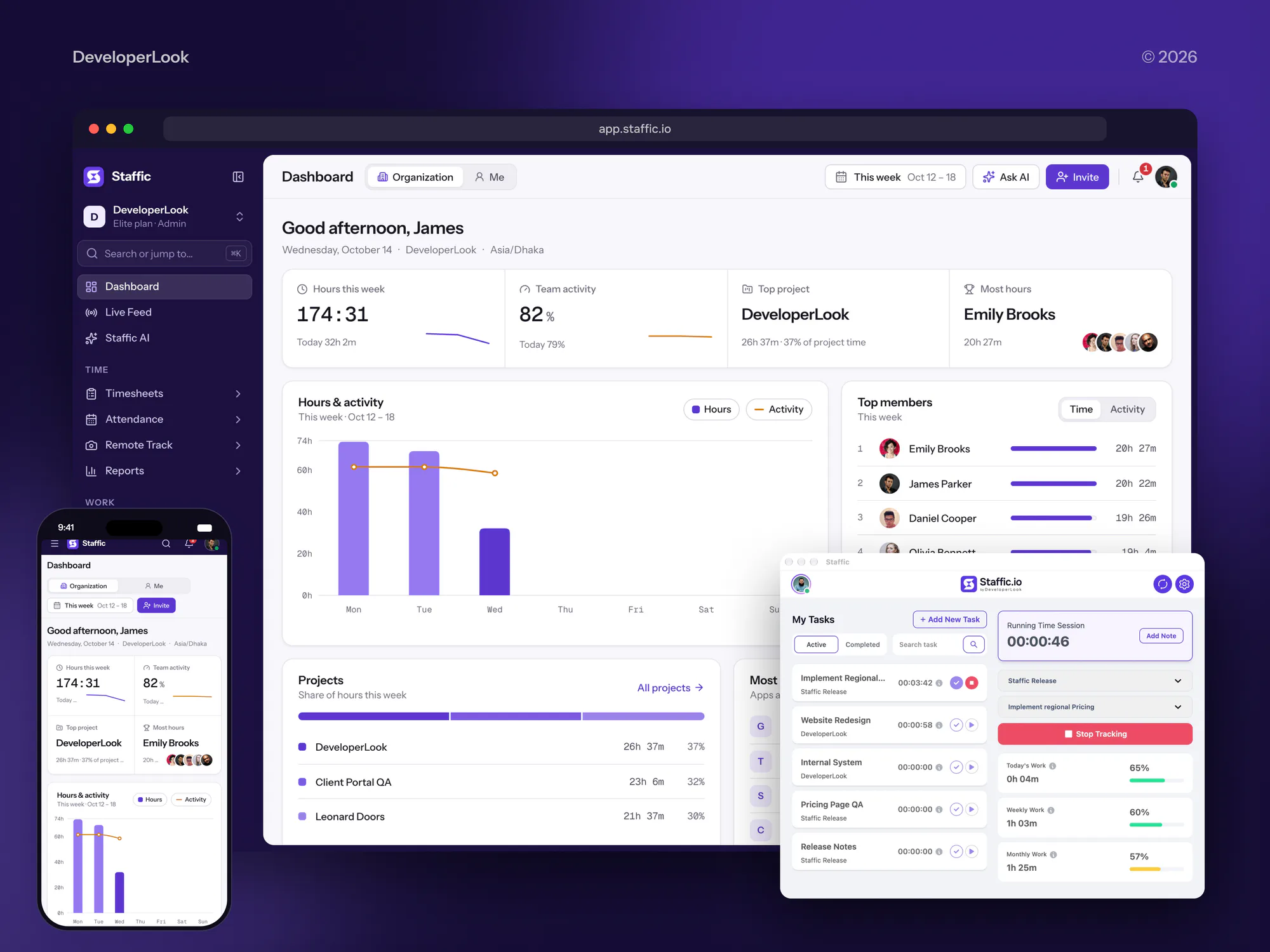
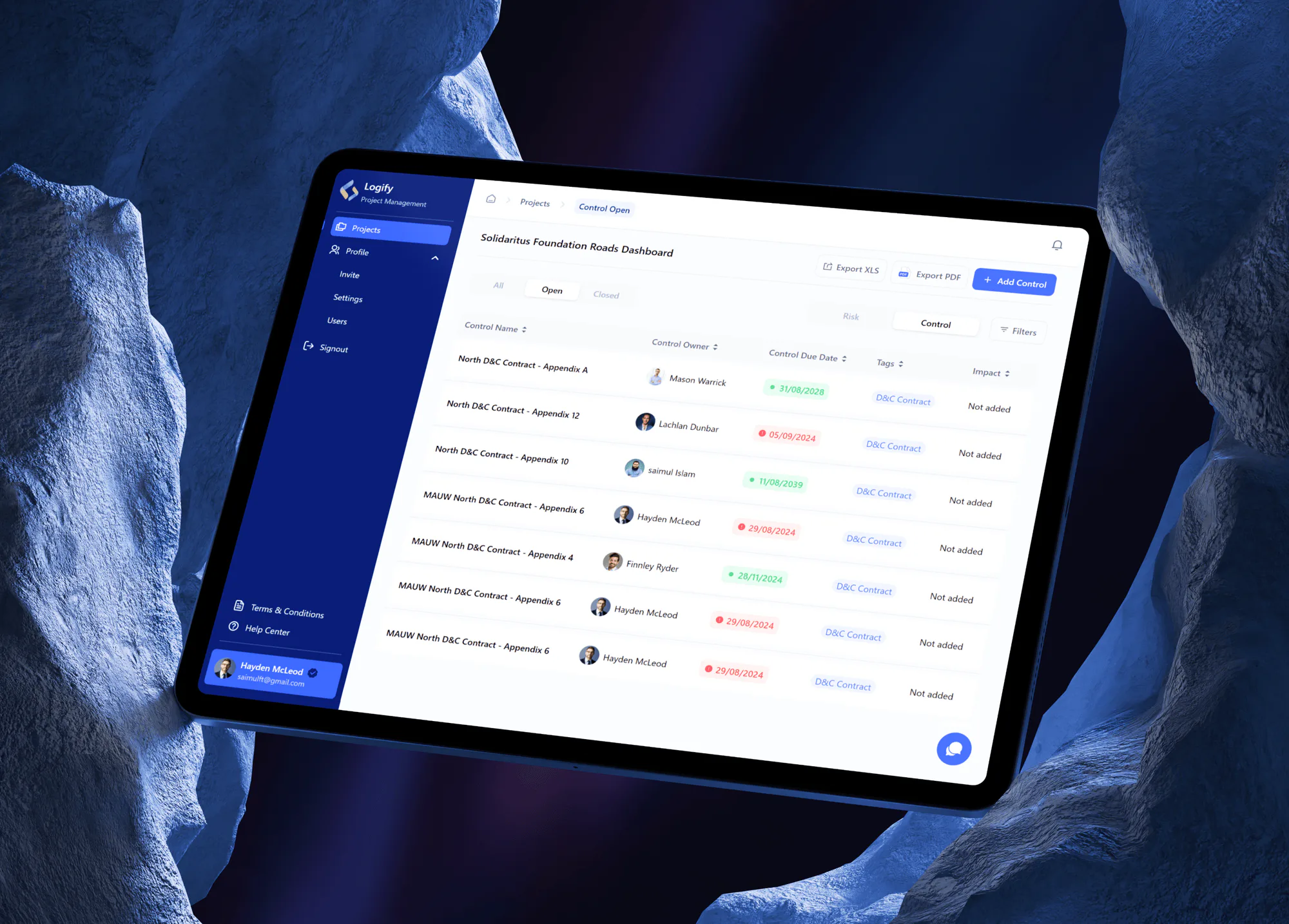
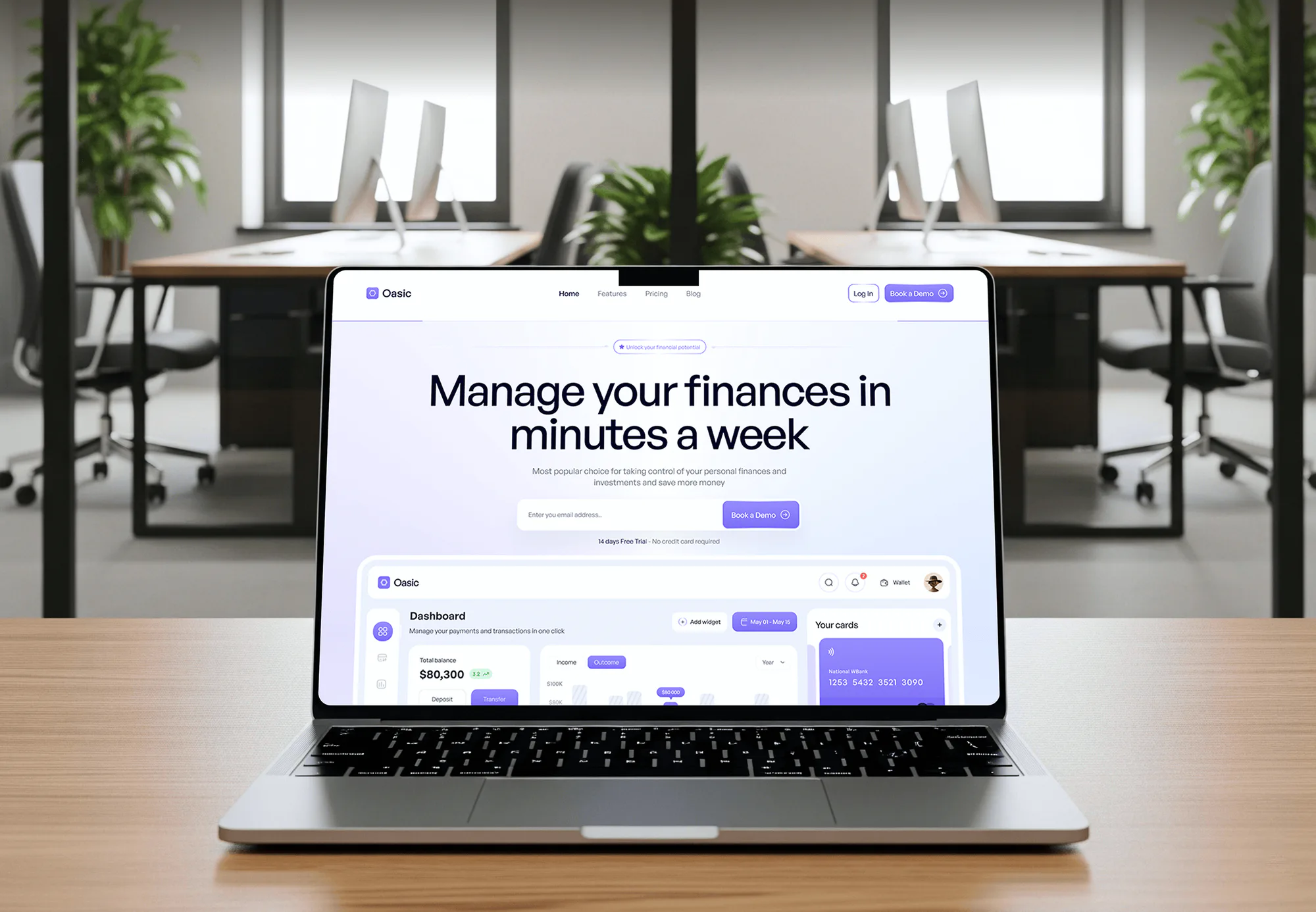
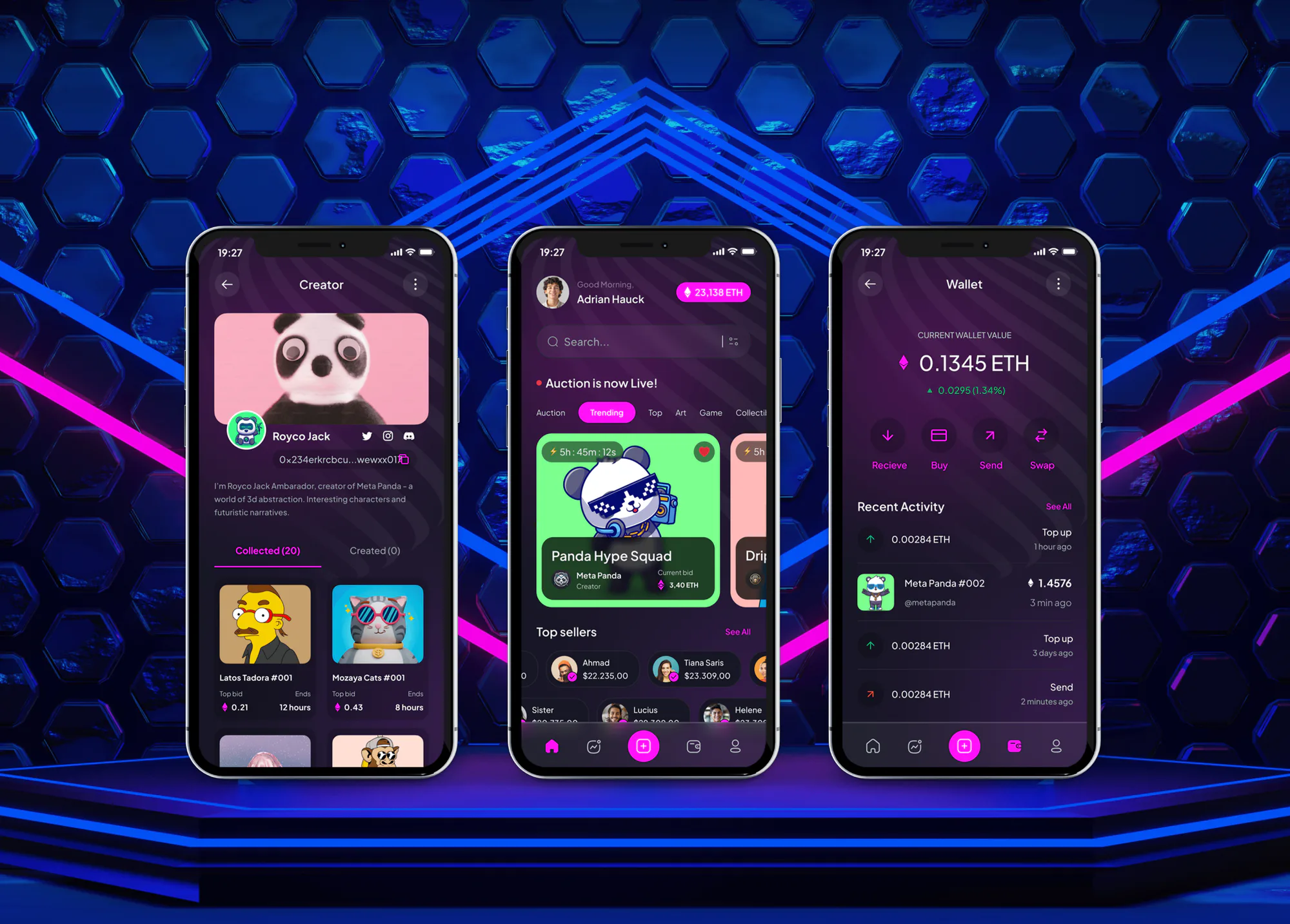
Dashboards we have built that turn streams of activity into live views. None reads factory machines, but the path from collector to screen matches.
What's Included
Machine connectivity, edge software, a historian, dashboards, and maintenance alerts, built in your cloud account and handed over with the code.
Compare Options
Packaged industrial IoT solutions install fast, and machine vendor portals come free with the equipment. Here is where each fits and where a mixed plant outgrows them.
| Feature | DeveloperLookBest fit | IIoT platform | Vendor portal |
|---|---|---|---|
| Planning | Tag list from your real machines | Template asset models | One machine brand only |
| Mixed machines | Any brand over standard protocols | Its supported connector list | Only that vendor's equipment |
| Time to start | 4 to 18 weeks to go-live | Days with supported devices | Included with new machines |
| Data ownership | Your cloud account, your data | Stored in the vendor's cloud | Stored by the machine maker |
| Alerts | Rules tuned per asset | Built-in rule templates | That machine's fault codes |
| Offline sites | Store-and-forward at the edge | Depends on the gateway used | Varies by machine model |
| Support | 90 days of fixes, then optional | Vendor support plans | Machine service contract |
| Cost | Fixed build price, no per-tag fees | Subscription per device or tag | Free with the machine |
What Our Clients Say
Feedback from teams we have built internal dashboards and business software for.
We had a pretty specific idea of what we wanted our website to become, but I wasn’t sure how easily we could explain all of it to a development team. There were quite a few moving parts, and we were working toward a deadline, so I expected a few things to get lost along the way. That never really happened. They understood what we were trying to achieve, kept us updated throughout the process, and got everything ready within the agreed timeline. The final site feels much easier to navigate, works beautifully on mobile, and is noticeably smoother for our customers. It was a huge relief seeing the original idea actually turn into the website we had in mind.
The mobile experience is probably my favourite part of the new site. We had spent a lot of time making sure the desktop version looked right, and the team kept pushing us to think about how everything would actually feel on a phone too. They were right. The navigation is clean, the interactions feel natural, and everything we’ve tested so far works exactly as it should. They also went through the links, forms, integrations, and other details more than once before launch, which I really appreciated. And even after going live, we could still reach out when something came up. The whole process felt friendly, organised, and surprisingly straightforward.
What I appreciate most is that the website is actually easy for us to manage now. We can update content ourselves instead of sending a developer a message every time we need to change something small. They also paid attention to the technical SEO side, which mattered to us because we didn’t want a new website to create problems for the traffic we already had. I’ve probably asked more questions than I should have since launch, but every question has been handled patiently and without any fuss. The team is easy to work with, they explain things clearly, and when we need something changed, they focus on getting it done rather than making the process complicated.
1,250+
Projects shipped
10+
Years of experience
5 stars
Clutch rating
5 stars
GoodFirms rating
Excellent
Trustpilot rating
Top 3%
Upwork Top Rated Plus
1,250+
Projects shipped
10+
Years of experience
5 stars
Clutch rating
5 stars
GoodFirms rating
Excellent
Trustpilot rating
Top 3%
Upwork Top Rated Plus

Want results like these?
Tell us what you are building. You get a reply within 24 hours on business days, then a written estimate.
Work Culture
Software that touches a production line has to respect the people and controls already there. These habits keep your line safe while the data starts flowing.
We start by only reading data from your controllers. Any write to a setpoint goes through your controls engineer and a change process you approve.
We place gateways where your IT and controls teams agree, following the zones and conduits idea in ISA/IEC 62443. Plant traffic stays off the office network unless there's a reason.
We collect the signals someone will act on, not every tag a PLC exposes. A lean tag list keeps your storage cheap and your dashboards readable.
If an off-the-shelf sensor kit or your machine vendor's portal covers the job, we'll tell you before we quote. A build makes sense only when it doesn't.
You get a fixed price for each site before any gateway is ordered. Adding machines later gets its own written quote, so your budget holds.
The code, gateway configs, and cloud accounts sit in your company's name. You don't pay us per device, per tag, or per month to keep your data.
Overview
DeveloperLook provides industrial IoT services for plants and field sites that want data from the machines they already own. We connect PLCs and sensors over OPC UA, Modbus TCP, or MQTT, then build edge gateways, a historian, dashboards, and condition alerts. Projects start at $1,250, take 4 to 18 weeks, and you own the platform.
DEVELOPERLOOK
Project facts · Industrial IoT Development Services
Reviewed 29 Oct 2026 by Saimul Islam
Good fit
Plants with older machines and mixed PLCs
Your floor runs machines from several decades and brands, and you want their run, idle, and fault states on one screen without replacing controllers.
Maintenance managers chasing surprise failures
Your bearings and gearboxes fail between inspections, and you want vibration and temperature alerts before your line stops.
Plant managers who need industrial IoT consulting
You're weighing several IIoT platforms and want industrial IoT consulting from someone who looks at your machines before your budget.
Oil, gas, and water operators
Your tanks, pumps, and wellheads sit far apart, and someone still drives the route to read gauges a cellular gateway could report.
Machine builders and controls integrators
Your firm sells equipment or controls work, and your customers now ask for remote monitoring you'd rather not build in-house.
Not a fit
Budget under $1,250
You want one temperature reading on a phone. An off-the-shelf wireless sensor kit with its own app costs less than any build.
Need sensors or wiring
You need sensors mounted, panels wired, or PLC programs changed. That's a job for a controls integrator, and we build the software once data is reachable.
OT network not mapped
Your plant network is flat and nobody has mapped what talks to what. Our OT Security Services should segment it before new devices go online.
Want predictions only
You already have years of clean sensor history and want failure prediction models. Our Predictive Analytics Services team builds those models on data you have.
Not sure we're the right fit?
Book a free call or message us. We'll tell you honestly whether we're the right team.
Pricing
These are starting points in USD, without sensors or gateway hardware. Your final price depends on the number of machines and sites, the protocols involved, and the alert and integration work. You get a fixed proposal after a free site review.
For Agencies
You own the relationship with the plant or the machine buyer. We supply the software behind it: the tag plan, the edge gateway, the historian, and the dashboards. It's delivered under your brand while your controls team keeps the panels.
White label: your client only ever sees your brand
Send the machine list, controllers, and a network sketch, and we scope the software in writing.
You get a fixed quote and timeline to mark up and take to the plant.
We build against your test rig or site, you review, and we hand over clean code.
Send the machine list, controllers, and a network sketch, and we scope the software in writing.
You get a fixed quote and timeline to mark up and take to the plant.
We build against your test rig or site, you review, and we hand over clean code.
The Right Technology for Your Project
Tools we use to read machine protocols, run software at the edge, move data to your cloud, and turn readings into dashboards and alerts.
 PythonDockerAWS IoT CoreAWS IoT SiteWiseAzure IoT HubPostgreSQLReact
FAQ
Straight answers on IIoT basics, cost, timelines, maintenance alerts, protocols, and choosing a platform or partner.
Saimul IslamFounder & CEO, DeveloperLookStill have questions?
Send a message or book a call with the team.
Industrial IoT is the use of connected sensors, machines, and software in plants and field sites to collect operating data and act on it. It links the PLCs and sensors on your floor to historians, dashboards, and business systems. Your goal is fewer surprises: earlier warnings, less manual logging, and decisions made from real readings.
IIoT stands for the industrial internet of things, the industrial side of IoT. It differs from smart home IoT in what's at stake. Devices sit next to machines with safety interlocks, run for decades, and speak protocols such as OPC UA and Modbus. So IIoT projects favor read-only access, local buffering, and network segmentation.
Our industrial IoT services start at $1,250 for a line pilot that connects up to 5 machines to a historian, a dashboard, and alerts. A plant monitoring platform with condition-based maintenance and OEE starts at $3,900, and a multi-site platform starts at $8,200. Sensors and gateway hardware are bought separately, and you get a fixed quote after a free site review.
A line pilot takes 4 to 6 weeks, and a plant or multi-site platform takes 8 to 18 weeks. Your first weeks go to the tag list: which signals each machine exposes, and over which protocol. Gateway or sensor lead times can add time, so we help you order hardware in the first week.
Sensors enable condition-based maintenance by triggering work when your readings show wear, not when the calendar says so. Vibration, temperature, and motor current feed rules per asset type, so one rule set covers hundreds of similar motors. At scale the hard part is tuning thresholds per machine and routing each alert to the right person on your team.
IoT has mainly replaced manual readings and guesswork with continuous data. Plants see downtime as it happens, utilities read meters remotely, and fleets track equipment hours for service. The benefit depends on someone acting on the data, so we design your alerts around the person who has to respond.
IoT technology lets oil and gas operators watch remote assets without driving to them. Tank levels, wellhead and pipeline pressure, and pump health arrive over cellular or satellite links. If your sites already run SCADA, new software usually reads from it or fills its gaps. Field gateways need store-and-forward, because remote connections drop.
Buy a platform when its connectors and dashboards cover your machines and the per-device fees fit your budget. Build when you need to own the data model, connect unusual equipment, or stop paying per tag. Many of our builds sit on AWS IoT SiteWise or Azure IoT Hub, so you get managed plumbing with software you own.
Most of it reads machines through OPC UA, Modbus TCP, or MQTT. Newer PLCs often include an OPC UA server, while older ones speak Modbus or need a vendor driver. Edge gateways then publish readings over MQTT, often in the Sparkplug B format. AWS IoT SiteWise Edge, for example, reads OPC UA servers directly from your plant network.
Look for partners that ask about your network and safety before your dashboards. A good partner starts read-only, plans for dropped connections, names the protocol for each machine, and hands you the code and data. If a proposal keeps your tag data inside their platform, ask what leaving would cost before you sign.
Saimul IslamFounder & CEO, DeveloperLookStill have questions?
Send a message or book a call with the team.
Free 30-min callGoogle Meet
Book a call
In 30 minutes on Google Meet we walk you through how we would build it, how long it takes and what it costs. Then you get a written estimate.
Calendar not showing? Book on cal.com or send a brief.