
Scope statement
What the management system covers, written so a certification body can audit it without guessing.

For SaaS and service companies whose customers ask for ISO 27001: a lean management system built from how you already work, ready for an accredited audit.
93/93
Annex A controls decided
100%
Mandatory clauses gap-checked
How your project runs
01 · FreeTeams we have built for:














The Problem
It shows up in an enterprise deal or a tender, when the buyer wants a certificate and your team owns a template kit nobody has opened.
Templates
A bought kit holds dozens of policies nobody follows.
Templates
Only the documents the clauses require, written around how your team works.
Annex A
Nobody knows which controls apply to a cloud-only company.
Annex A
Every Annex A control decided in the Statement of Applicability, with reasons.
Risk register
The risk register is a tab with three rows.
Risk register
A real risk assessment with owners, treatment choices, and review dates.
Internal audit
The person who built the controls plans to audit them.
Internal audit
An internal auditor independent of the build, so findings stay objective.
An enterprise buyer's security review says ISO 27001 certificate, or explain why not. Your team bought a template kit with dozens of policies written for a bank. Nobody knows which of the 93 Annex A controls apply to a cloud-only SaaS with no office. The risk register is a spreadsheet tab with three rows. And the person who sold the kit offered to run your internal audit too, which defeats the point of an internal audit.
We start with scope and risk, not documents. We define what the management system covers, assess the real risks, and decide each Annex A control in a Statement of Applicability, with a reason for every exclusion. Then we write only the documents the clauses require and arrange an internal audit by someone who didn't build the controls. You walk into Stage 1 with a system that runs, not a binder that sits.
Scope and risk first
What the system covers and what can go wrong come first, before anyone writes a policy.
Only the documents you need
Mandatory documents and the policies your risks call for, instead of a kit written for a bank.
Independent internal audit
The internal audit is run by someone who didn't build your controls, as clause 9.2 expects.
Our ISO 27001 Consulting Process
You approve the scope, the risk treatment choices, and every document, and you choose the certification body from our shortlist and reasoning.
We ask what your customers need, which products and locations to cover, and which tools you run. You get a draft scope, a realistic timeline to audit, and a fixed quote.
What's Included
Each project covers scope, a gap assessment, the Statement of Applicability, risk work, the documents the standard requires, and the audit support your plan includes.
Compare Options
Template kits and ISO 27001 documentation consultants cost less, and large consultancies suit global groups. Here is where each one fits a growing company.
| Feature | DeveloperLookBest fit | Template kit | Large consultancy |
|---|---|---|---|
| Scope and risk | Set with your team first | Left to you | Thorough, workshop-heavy |
| Annex A decisions | All 93 decided with reasons | Generic answers to edit | Thorough, often generic |
| Documents | Only what the clauses need | Dozens of files to trim | Long policy sets |
| Technical fixes | Done in your cloud tools | Not included | Often handed to others |
| Internal audit | Run by an independent auditor | Not included | Strong, separate team |
| Cost | Fixed price from $1,300 | Cheapest upfront | High day rates |
| Speed to start | Scoping call within days | Download it today | Weeks to staff a team |
| Global groups | Best for one or two sites | Not suited | Strong across many sites |
Projects We've Built
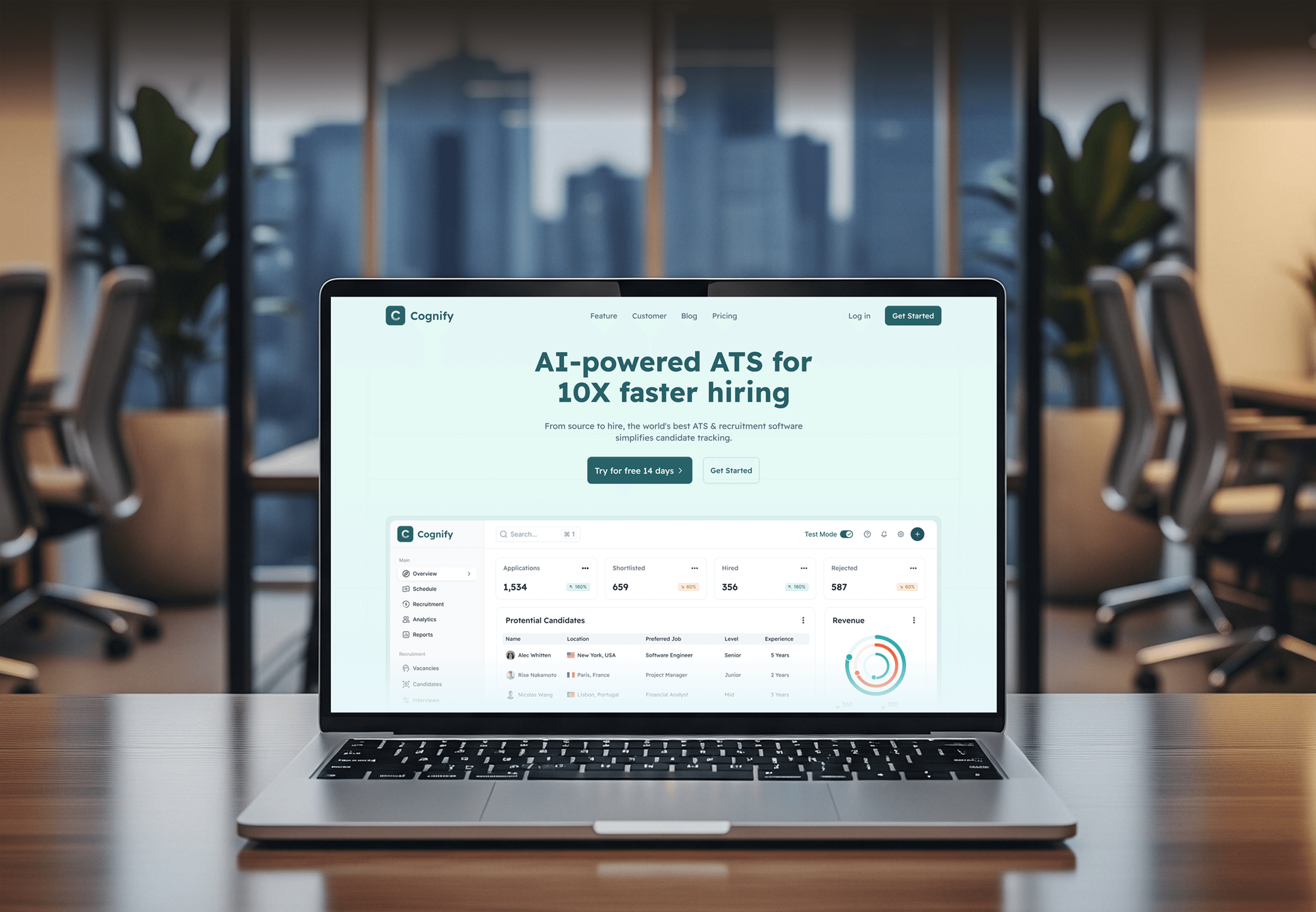
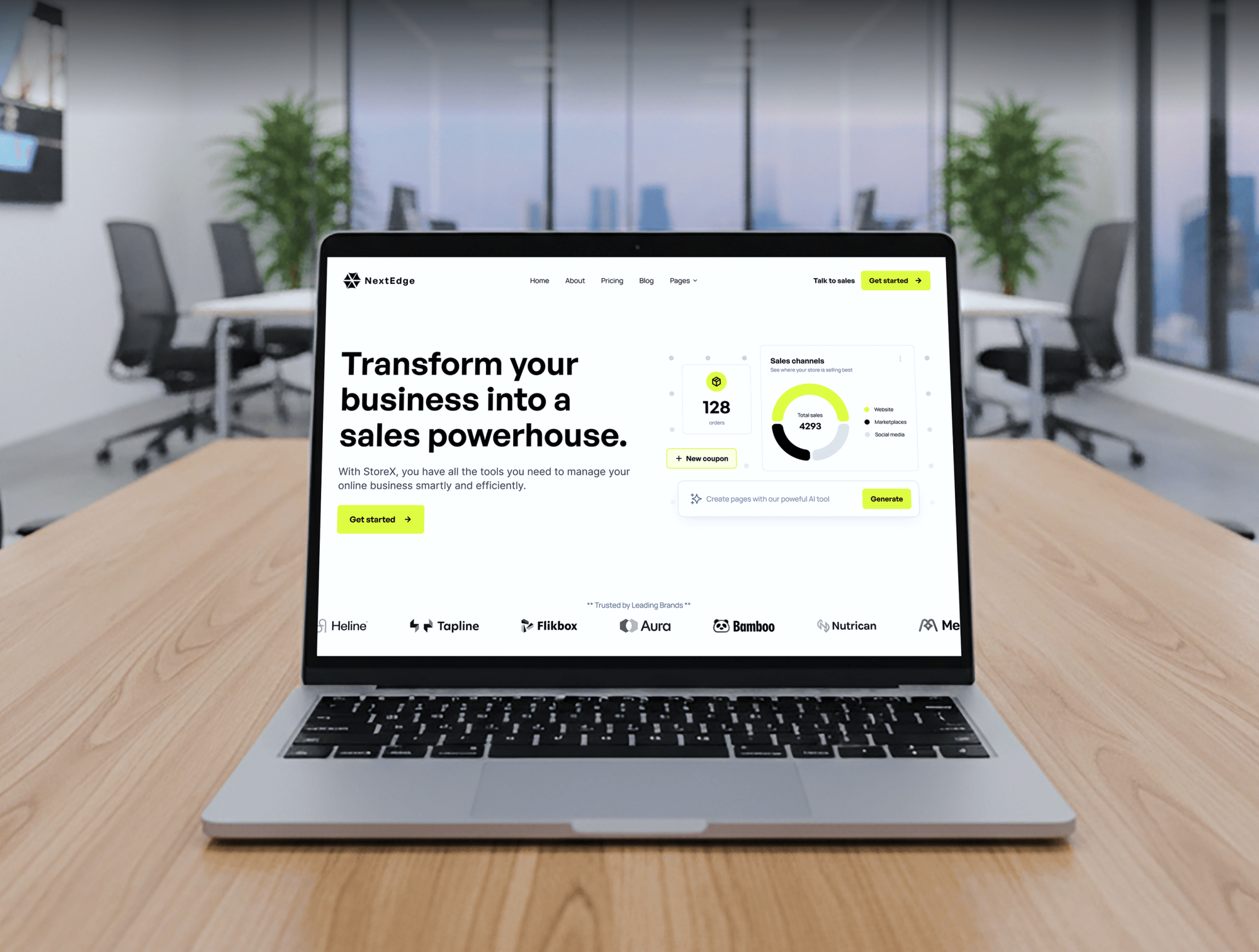
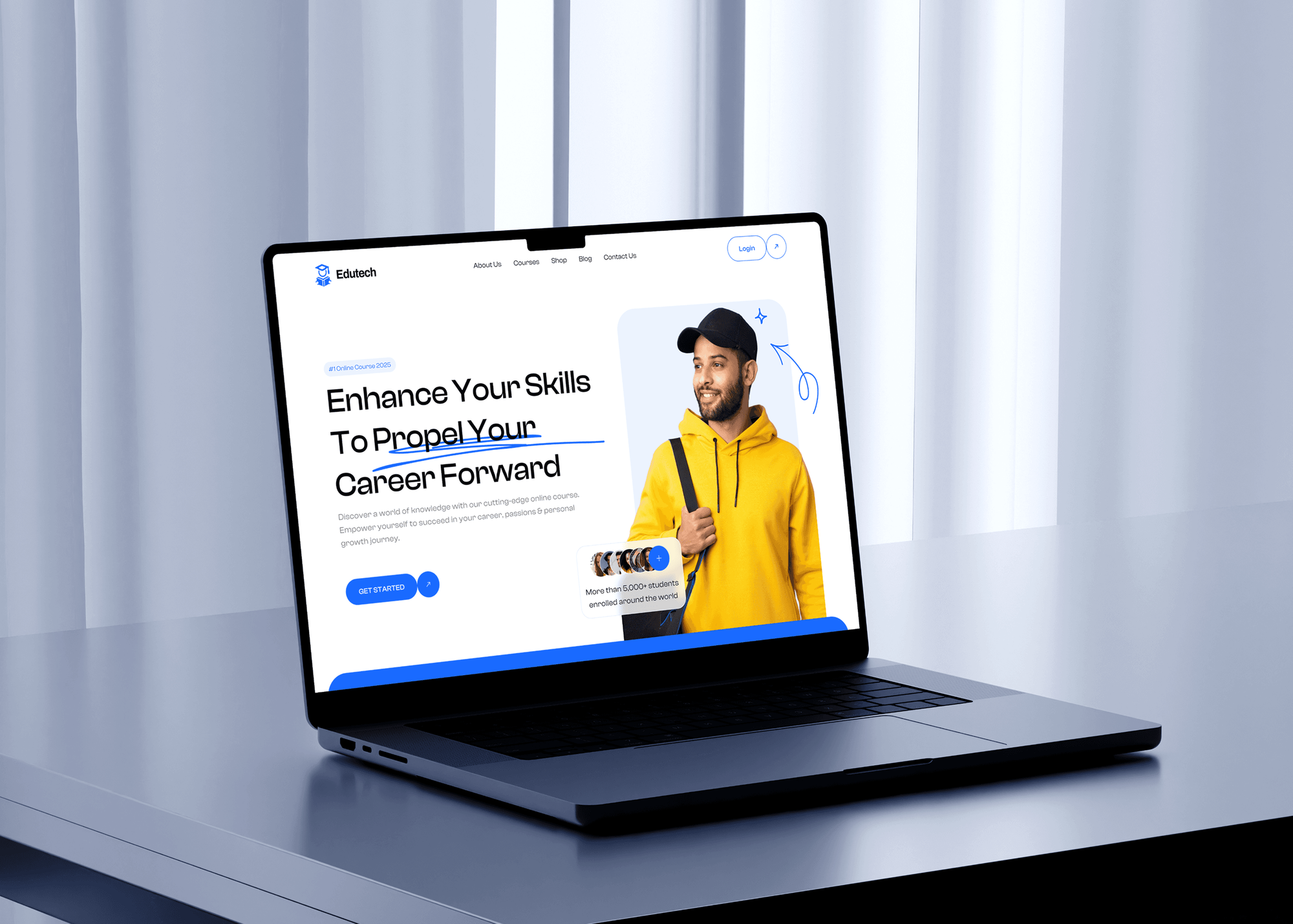
Recruiting, startup, e-learning, and medical platforms we designed and built. They show our engineering on live products, not past ISO 27001 projects.
What Our Clients Say
Feedback from teams we have built platforms, apps, and websites for.
We had a pretty specific idea of what we wanted our website to become, but I wasn’t sure how easily we could explain all of it to a development team. There were quite a few moving parts, and we were working toward a deadline, so I expected a few things to get lost along the way. That never really happened. They understood what we were trying to achieve, kept us updated throughout the process, and got everything ready within the agreed timeline. The final site feels much easier to navigate, works beautifully on mobile, and is noticeably smoother for our customers. It was a huge relief seeing the original idea actually turn into the website we had in mind.
The mobile experience is probably my favourite part of the new site. We had spent a lot of time making sure the desktop version looked right, and the team kept pushing us to think about how everything would actually feel on a phone too. They were right. The navigation is clean, the interactions feel natural, and everything we’ve tested so far works exactly as it should. They also went through the links, forms, integrations, and other details more than once before launch, which I really appreciated. And even after going live, we could still reach out when something came up. The whole process felt friendly, organised, and surprisingly straightforward.
What I appreciate most is that the website is actually easy for us to manage now. We can update content ourselves instead of sending a developer a message every time we need to change something small. They also paid attention to the technical SEO side, which mattered to us because we didn’t want a new website to create problems for the traffic we already had. I’ve probably asked more questions than I should have since launch, but every question has been handled patiently and without any fuss. The team is easy to work with, they explain things clearly, and when we need something changed, they focus on getting it done rather than making the process complicated.
1,250+
Projects shipped
10+
Years of experience
Top 3%
Upwork Top Rated Plus
5 stars
Average review score
1,250+
Projects shipped
10+
Years of experience
Top 3%
Upwork Top Rated Plus
5 stars
Average review score

Want results like these?
Tell us what you are building. You get a reply within 24 hours on business days, then a written estimate.
Work Culture
A certificate is only useful if the system behind it keeps running after the audit. These habits keep yours small enough to maintain.
The person who builds your controls doesn't run your internal audit. That keeps findings honest and matches what clause 9.2 asks for.
We write the documents the clauses require and the policies your risks need. Your team reads what exists instead of skipping a binder.
If you aren't ready for Stage 1, we tell you before you book it. A failed or delayed audit costs more than a short wait.
We shortlist accredited certification bodies on price, sector experience, and audit dates. You make the final choice and sign that contract directly.
Cloud-only companies have little physical estate to protect. We scope physical controls honestly instead of inventing a server room to secure.
Once the scope is agreed, the price is fixed. Extra sites, products, or entities are quoted before we touch them.
Overview
DeveloperLook provides iso 27001 consulting for SaaS and service companies that need certification without a template pile. We set the scope, run the risk assessment, decide all 93 Annex A controls in the Statement of Applicability, and prepare you for Stage 1 and Stage 2. Projects start at $1,300, take 2 to 16 weeks, and we don't act as your certification body.
DEVELOPERLOOK
Project facts · ISO 27001 Consulting
Reviewed 27 Oct 2026 by Saimul Islam
Good fit
SaaS companies in enterprise deals
Your enterprise prospect's security review asks for an ISO 27001 certificate, and the deal stalls until you can name a certification date.
Startups choosing their first framework
Your startup sells to European customers who prefer ISO 27001, and you need help that keeps the management system small.
Companies after a failed template attempt
Your team bought a policy kit last year, edited a third of it, and now nobody can say which version is current.
Teams that already hold SOC 2
Your company passed SOC 2, and a customer now wants ISO 27001 too, so you need to map existing controls instead of starting over.
Firms with one office and a cloud stack
Your firm runs one office and a cloud platform, and you want ISO 27001 consultancy sized to that, not to a global group.
Not a fit
Need the certificate itself
You need the certificate itself. Only an accredited certification body can issue it, and we prepare you for that audit rather than performing it.
Only need SOC 2
Your customers only ask for SOC 2 reports. Our SOC 2 Compliance Services page covers that attestation instead.
Want a compliance platform
You want Vanta or Drata set up to track ISO 27001 tests. Our Compliance Automation Setup page covers that platform rollout.
Budget under $1,300
Your budget is under $1,300 and no customer has asked for a certificate yet. A security baseline from our Cybersecurity Services page is a better start.
Not sure we're the right fit?
Book a free call or message us. We'll tell you honestly whether we're the right team.
Pricing
These are starting points in USD. Your final price depends on scope, sites, products, and the security work already in place, and you get a fixed proposal after a free scoping call.
For Agencies
You own the client relationship. We supply the gap assessments, risk work, and Statement of Applicability under your brand, so your clients get ISO 27001 support without you hiring an implementer.
White label: your client only ever sees your brand
Send the client's products, sites, customer requests, and any existing policies or SOC 2 report.
We run the gap assessment and draft the Statement of Applicability for your review.
We build the system, arrange the internal audit, and hand over a white-label evidence set.
Send the client's products, sites, customer requests, and any existing policies or SOC 2 report.
We run the gap assessment and draft the Statement of Applicability for your review.
We build the system, arrange the internal audit, and hand over a white-label evidence set.
The Right Technology for Your Project
We build the management system in tools your team already uses, and keep evidence where an auditor can follow it.
 AWS
 Microsoft Azure
 Google Cloud
 Cloudflare
 Google Sheets
Related Services
Teams often pair ISO 27001 with a SOC 2 report, a compliance platform, a policy set, faster questionnaire answers, or NIS2 duties.
This page
ISO 27001 Consulting
Pairs with the 6 services around it
FAQ
Straight answers on cost, timing, choosing a consultant, internal audits, and certifying on your own.
Saimul IslamFounder & CEO, DeveloperLookStill have questions?
Send a message or book a call with the team.
Our ISO 27001 work starts at $1,300 for a gap assessment, a draft Statement of Applicability, and a roadmap. Building the full management system with an independent internal audit starts at $4,400. Certification-ready projects with technical fixes and Stage 1 and Stage 2 support start at $9,200. Certification body fees are paid separately.
It mostly removes false starts. An experienced consultant scopes tightly, skips documents the clauses don't need, and knows what auditors ask for. Our projects usually reach audit readiness in 12 to 16 weeks. The internal audit and management review must happen before Stage 2, so some calendar time is fixed.
ISO 27001 certification consultants help you build the management system an auditor will certify. That covers scope, risk assessment, the Statement of Applicability, required documents, control fixes, and audit preparation. They don't issue the certificate: only an accredited certification body can, after Stage 1 and Stage 2 audits.
Yes. Nothing in ISO/IEC 27001 requires a consultant, and teams with security experience certify on their own. The cost is time: learning the clauses, deciding 93 controls, and finding out what auditors expect. For a capable team, a gap assessment alone can be enough outside help.
There's no official ranking of ISO 27001 consulting firms, and lists online are usually advertising. Judge firms on what they'll do for you: tight scoping, fixed prices, fewer documents, an independent internal auditor, and no tie to the certification body that audits you. Ask each one for a sample Statement of Applicability.
The right consultant knows your kind of company, keeps the system small, and is open about what auditors will check. Look for someone who works inside your cloud and identity tools, not only in documents. Be wary of anyone who offers to certify you, because consultants can't issue certificates.
Choose them separately. The consultant helps you build and prepare, while the auditor must be an accredited certification body with no stake in your implementation. Compare auditors on accreditation, sector experience, day rates, and available dates. Ask consultants for fixed scopes and how they keep internal audits independent.
A startup should pick a consultant who scopes small: one product, one cloud account, and no invented office controls. Ask how many documents they plan to write and why, and whether they work in tools like AWS, GitHub, and Okta. A tight scope also keeps the yearly surveillance audits affordable.
They can, but not on work they built. Clause 9.2 asks for auditors chosen to keep the audit objective and impartial, so the person who implemented your controls shouldn't audit them. We arrange an internal audit by someone outside your build team and record the findings and corrective actions.
Your certificate usually runs for three years, with yearly surveillance audits and a recertification audit before it expires. You get 90 days of questions and audit support after handover, plus a calendar for internal audits, management reviews, and risk reviews. Ongoing help after that is quoted separately.
Saimul IslamFounder & CEO, DeveloperLookStill have questions?
Send a message or book a call with the team.
Free 30-min callGoogle Meet
Book a call
In 30 minutes on Google Meet we walk you through how we would build it, how long it takes and what it costs. Then you get a written estimate.
Calendar not showing? Book on cal.com or send a brief.