
Top-level security policy
One page leadership signs: scope, goals, responsibilities, and how exceptions and violations are handled.

For IT and operations leads facing audits or security questionnaires: policies your staff can read, owners can keep current, and your settings back up. From $950.
7
Core policies ready to share
1page
Top policy staff will read
How your project runs
Teams we have built for:














The Problem
It shows up when a customer's security review or an auditor asks for your policies, and the only file you have was copied from a template years ago.
01 · Templates
The policy names roles and tools your company doesn't have.
Policies are written from interviews with your team and your real tool list.
02 · Settings
Documents promise controls your systems don't actually enforce.
Each statement is checked against your admin settings, and gaps go on a list.
03 · Ownership
Nobody knows who updates the policy, or when.
Every policy names one owner and the date of its next review.
04 · Sign-off
Staff never saw the policy they're expected to follow.
A sign-off form records who read which policy, ready for auditors.
A prospect's security questionnaire lands on Tuesday with a Friday deadline. One question asks for your information security policy and the date it was last approved. The file you find came from a template site. It names a CISO you've never had and promises access reviews nobody runs. It says laptops are encrypted, but half of them aren't. Sending it is risky, and writing a new one by Friday isn't realistic. Either way, the deal waits.
We start with how your company really works, not with a template. We interview the people who run IT, HR, and finance, then check each policy statement against your Microsoft 365 or Google Workspace settings. You get a one-page top-level policy, topic policies with owners, and procedures for the risky tasks. Where a policy and a setting disagree, you decide which one changes. Your policies describe what happens, not what a template hoped would happen.
Checked against your settings
Each policy statement is compared with your real admin settings before anyone approves it.
A top policy on one page
Your leadership signs a short policy, and the detail lives in topic policies and procedures.
An owner and review date
Every policy names the person who keeps it current and when it's next reviewed.
Our Information Security Policy Development Process
You approve the policy list and owners before we write, redline every draft, and sign off the final set with your leadership team.
Send us what you have, even an old template, and tell us who is asking: a customer, an auditor, or an insurer. You get a written scope and a fixed price. If the free SANS templates already cover a team your size, we'll tell you before we quote.
What's Included
Each engagement covers interviews, a settings check, a one-page top-level policy, topic policies, procedures on larger plans, framework mapping, and a staff sign-off with a review calendar.
Compare Options
A template pack is cheap and fast, and a compliance tool bundles policy templates with evidence tracking. Here is how policies written around your own settings compare.
| Feature | DeveloperLookBest fit | Template pack | Compliance tool |
|---|---|---|---|
| Planning | Interviews with your team | Find and replace | Setup questionnaire |
| Fit to your company | Written for your tools and roles | Generic roles and tools | Template text you edit |
| Settings check | Checked against admin settings | Not included | Automated checks on connected tools |
| Framework mapping | SOC 2, ISO 27001, PCI DSS, HIPAA | Sometimes labeled | Built in for supported frameworks |
| Staff sign-off | Sign-off form and records | Up to you | Built-in acknowledgment tracking |
| Speed | 2 to 4 weeks | Same day | Days, once tools connect |
| Ownership | Editable files you keep | Yours to edit | Lives in the subscription |
| Cost | Fixed price from $950 | Free to low cost | Yearly subscription |
Projects We've Built
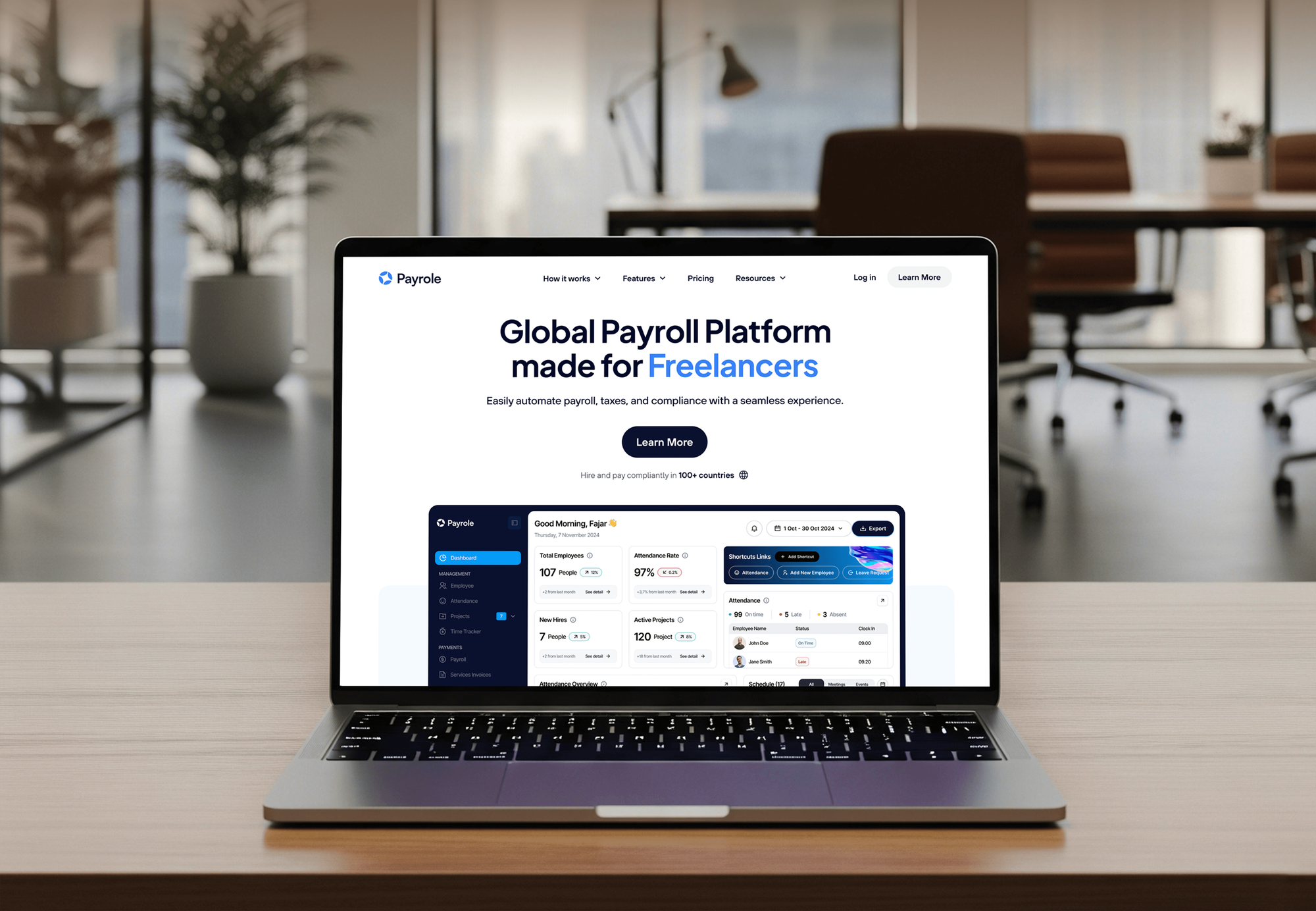
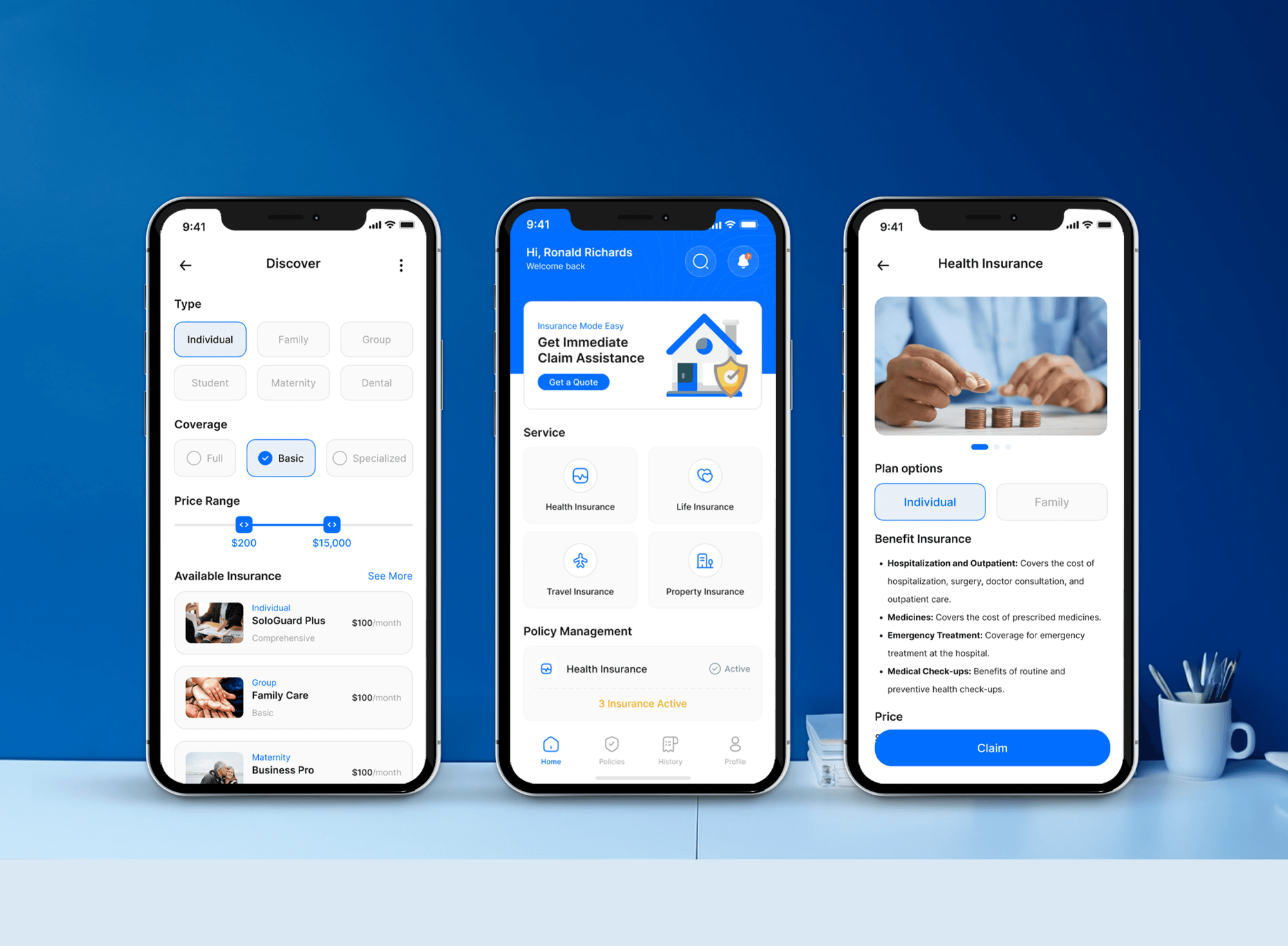
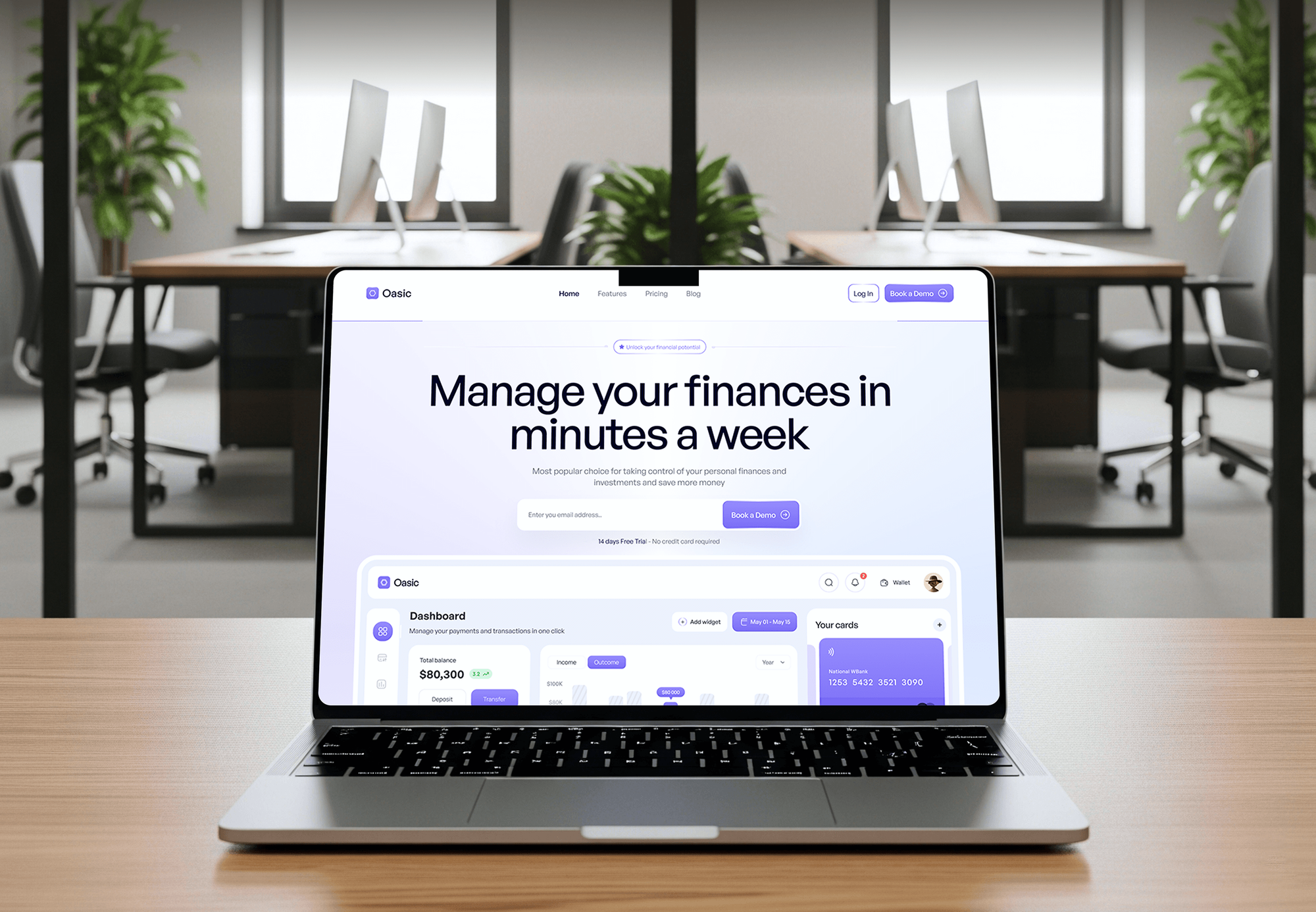
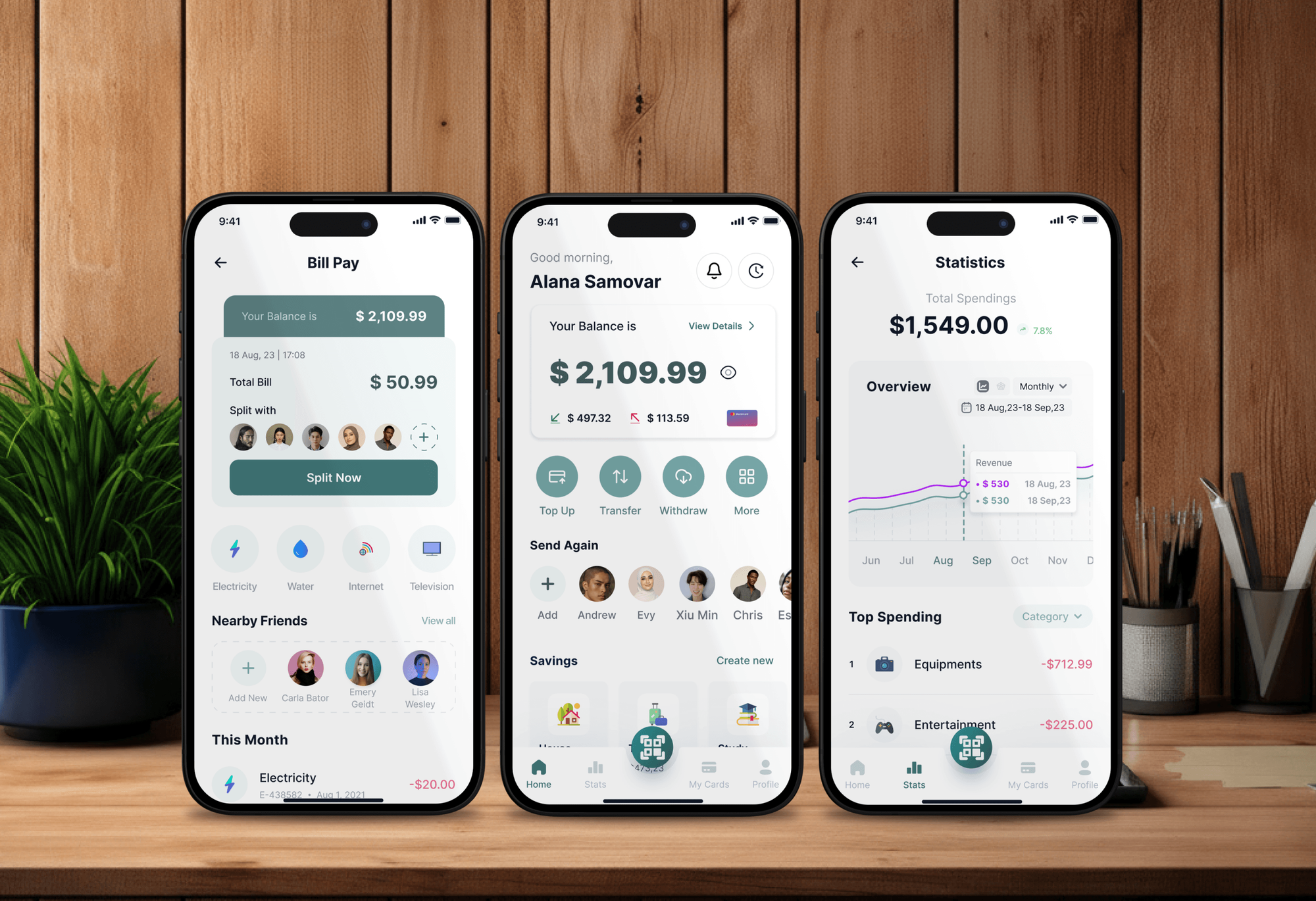
Apps and platforms we built for teams that hold payroll, insurance, and financial data. Companies like these need written policies before customers trust them.
What Our Clients Say
Feedback from teams we have built apps, platforms, and websites for.
We had a pretty specific idea of what we wanted our website to become, but I wasn’t sure how easily we could explain all of it to a development team. There were quite a few moving parts, and we were working toward a deadline, so I expected a few things to get lost along the way. That never really happened. They understood what we were trying to achieve, kept us updated throughout the process, and got everything ready within the agreed timeline. The final site feels much easier to navigate, works beautifully on mobile, and is noticeably smoother for our customers. It was a huge relief seeing the original idea actually turn into the website we had in mind.
The mobile experience is probably my favourite part of the new site. We had spent a lot of time making sure the desktop version looked right, and the team kept pushing us to think about how everything would actually feel on a phone too. They were right. The navigation is clean, the interactions feel natural, and everything we’ve tested so far works exactly as it should. They also went through the links, forms, integrations, and other details more than once before launch, which I really appreciated. And even after going live, we could still reach out when something came up. The whole process felt friendly, organised, and surprisingly straightforward.
What I appreciate most is that the website is actually easy for us to manage now. We can update content ourselves instead of sending a developer a message every time we need to change something small. They also paid attention to the technical SEO side, which mattered to us because we didn’t want a new website to create problems for the traffic we already had. I’ve probably asked more questions than I should have since launch, but every question has been handled patiently and without any fuss. The team is easy to work with, they explain things clearly, and when we need something changed, they focus on getting it done rather than making the process complicated.
1,250+
Projects shipped
10+
Years of experience
Top 3%
Upwork Top Rated Plus
5 stars
Average review score

Want results like these?
Tell us what you are building. You get a reply within 24 hours on business days, then a written estimate.
Work Culture
A policy only helps when people can read it and your systems back it up. These habits keep each document short, honest, and current.
We write for the person who has to follow the policy, not for a lawyer. Short sentences get read, so the rules get followed.
We check what your admin consoles enforce before anyone signs. That way you don't approve a policy your own systems contradict.
Each policy covers one topic and stays as short as it can. Detail moves into procedures your team uses every week.
Every policy names a single owner and a review date. When a system or a rule changes, everyone knows who updates the document.
You get a fixed price once the policy list is agreed. Any extra policy is quoted before we write it.
You get Word or Google Docs files with no subscription behind them. Your team can update a policy without calling us.
Overview
DeveloperLook writes an information security policy set your team can follow and your auditors can map. We deliver a one-page top-level policy, topic policies for access, devices, and data, procedures for risky tasks, and a check against your real settings. Plans start at $950, take 2 to 8 weeks, and include staff sign-off and a review calendar.
DEVELOPERLOOK
Project facts · Information Security Policy Development
Reviewed 23 Oct 2026 by Saimul Islam
Good fit
SaaS teams answering security questionnaires
Your enterprise prospect's security questionnaire asks for your corporate information security policy, the date it was approved, and proof that staff acknowledged it.
Companies preparing for SOC 2 or ISO 27001
Your auditor will ask for information security policies and procedures that match your controls, and the template pack you bought describes a different company.
Teams with a policy nobody follows
Your IT security policy promises encrypted laptops and quarterly access reviews, but nobody has checked in years whether either one actually happens.
Firms handling health or card data
You answer to HIPAA or PCI DSS, and your assessor wants written policies with owners, review dates, and records kept for the required period.
MSPs and IT providers
Your clients need a policy set for insurance renewals or audits, and you want a partner who writes them quietly under your brand.
Not a fit
Getting SOC 2 audit-ready
You need policies plus evidence collection and auditor readiness for a SOC 2 report. Our SOC 2 compliance services cover that whole path, policies included.
Staff training is the gap
Your policies are current, but staff don't know them. Our security awareness training runs short monthly lessons and collects policy sign-offs for you.
Need legal terms reviewed
You need contract clauses, privacy notices, or legal advice. A lawyer should handle those. We write security policies and flag the parts your counsel should review.
Budget under $950
Your budget is under $950 and you're a handful of people on one platform. The free SANS policy templates, edited carefully to match your setup, are a fair start.
Not sure we're the right fit?
Book a free call or message us. We'll tell you honestly whether we're the right team.
Pricing
These are starting points in USD. Your final price depends on the number of policies, the procedures, and the frameworks to map, and you get a fixed proposal after a free policy review call.
For small teams that need a written policy set for a questionnaire or an insurer.
$950one-time, USD
For companies facing audits or customer reviews that need procedures and mapping too.
$2,250one-time, USD
For regulated or fast-growing teams that need a full policy library across frameworks.
$4,300one-time, USD
For Agencies
You own the client relationship. We interview the client's team, check their settings, and write the policy set in your template and tone. Your clients get policies they can follow, and you don't need a policy writer on staff.
White label: your client only ever sees your brand
Tell us the client's size, tools, and who is asking them for policies.
You get a policy list, the people to interview, and a fixed price per client.
We interview the client's team, write in your template, and hand over editable files.
Your logo and template on every policy, with our writers in the background.
Start each client from tested policies, rewritten around that client's own tools.
Policies mapped to the framework your client's auditor or insurer uses.
Each client's policy set is priced up front, so your margin stays predictable.
The Right Technology for Your Project
Policies live where your team already works, sign-offs land in a record you can show auditors, and the settings check uses the admin consoles you have.
 AWS
FAQ
Straight answers on cost, what a policy covers, how often to review it, and how policies map to audits.
Saimul IslamFounder & CEO, DeveloperLookStill have questions?
Send a message or book a call with the team.
A policy set from DeveloperLook starts at $950 for a one-page top-level policy, 6 topic policies, a settings spot-check, and staff sign-off. Up to 12 policies with procedures, a full settings review, and one framework mapping cost $2,250. A 20-document library mapped to two frameworks starts at $4,300. You get a fixed price after the free policy review call.
A core set takes 2 to 4 weeks, and most of that time is your owners reviewing drafts. Sets with procedures and a full settings review take 4 to 6 weeks. A 20-document library mapped to two frameworks takes 6 to 8 weeks, because each procedure gets checked with the people who will run it.
It's the document where your leadership states how your company protects its data and systems, and who is responsible for what. A good one is short: scope, goals, roles, and how exceptions and violations are handled. ISO/IEC 27001 calls it the information security policy, and topic-specific policies on access, devices, or data sit underneath it.
Its primary purpose is to turn leadership's intent into rules that people and systems follow, with someone accountable for each. It also gives your auditors, insurers, and customers one place to check what you've committed to. Without it, every security decision becomes a one-off argument, and nobody can show what the standard is.
It's a written rule for one area of your security, such as passwords and MFA, remote work, or reporting incidents. Many companies use the term for the whole set. NIST Cybersecurity Framework 2.0 places this work in its Govern function, under a Policy category that expects policies to be communicated and enforced.
They're the topic policies that sit under your top-level policy, each covering one risk area. Most growing companies like yours start with acceptable use, access control and MFA, data classification, device security, incident reporting, and vendor security. Regulated firms add backup, logging, change management, and secure development. We pick your list from your risks, not from a template's table of contents.
Review them at least once a year, and again whenever your systems, people, or rules change significantly. PCI DSS v4.0 requires the security policy to be reviewed at least once every 12 months, and ISO/IEC 27001 expects reviews at planned intervals and after significant changes. Every plan includes a review calendar, so each owner gets a dated reminder.
Your policies say what must happen and who is accountable, while procedures say how to do it, step by step. A policy might require removing access on an employee's last day. The offboarding procedure then lists the accounts, the order, and who confirms it. Keeping them apart keeps policies short and lets procedures change without a leadership signature.
Yes. We map each policy to the rules you answer to: SOC 2 Trust Services Criteria, ISO/IEC 27001 Annex A, PCI DSS requirement 12, or the HIPAA Security Rule. HIPAA also expects you to keep policy records for 6 years. The Policies and Procedures plan maps one framework, and the Policy Program maps two. Your auditor still decides whether you pass.
Your named owners do, and the review calendar reminds each of them when a review is due. You keep editable Word or Google Docs files, with no subscription to cancel. You get 30 days of support for questions and small edits after handover, and the Policy Program plan adds a full review and update after 12 months.
Saimul IslamFounder & CEO, DeveloperLookStill have questions?
Send a message or book a call with the team.
Free 30-min callGoogle Meet
Book a call
In 30 minutes on Google Meet we walk you through how we would build it, how long it takes and what it costs. Then you get a written estimate.
Calendar not showing? Book on cal.com or send a brief.