
Platform and license review
A written comparison of the platforms that fit, with the monthly per-user cost for your team.

For operations teams stuck in spreadsheets and email approvals: one working app on the right low-code platform, built around your process, from $1,250.
2X
Faster launch than custom code
1
App in place of spreadsheets
How your project runs
Teams we have built for:














The Problem
It starts as one shared file and grows until edits collide, approvals stall in inboxes, and reports take a morning to build. A custom build feels too big, so nothing changes.
01 · Edit clashes
Two people edit one row and a change disappears.
Each record lives in one database with roles, history, and locked fields.
02 · Slow approvals
Requests wait in someone's inbox until they remember them.
Approvals run inside the app, with alerts and a status everyone can see.
03 · Manual reports
Someone rebuilds the weekly report by hand from several tabs.
Dashboards read live data, so the report is ready when leadership asks.
04 · Big quotes
Custom software quotes came back too large to approve.
We build on a platform that supplies the plumbing, so you pay for your process.
Your team runs orders, requests, or inspections out of a shared spreadsheet that has grown tab by tab. Two people edit the same row, and one change quietly disappears. Approvals wait in someone's inbox, so a small purchase takes a week. New hires learn which columns not to touch by breaking them. Every Monday, someone spends the morning stitching tabs into a report leadership half trusts. The custom software quote came back far above budget, so the spreadsheet stays.
We start with the process, the people who use it, and the licenses you already pay for. Then we pick the low-code platform that fits: Power Apps for Microsoft 365 teams, Zoho Creator for Zoho users, Retool for data-heavy internal tools, Bubble for customer-facing apps. We model your data, build the screens and approvals, and import the spreadsheet once. Your team gets one app with roles and history, not another file to babysit.
License costs checked first
We count users and connectors before choosing a platform, so monthly fees don't surprise you later.
Built around real users
Screens follow how your team works today, tested with the people who'll use them daily.
Data you can export
Your records sit in a database you control, with an export path if you ever switch.
Our Low Code Development Services Process
You approve the platform, the data model, and every sprint before the next one starts, so there are no surprises in the app or the invoice.
We look at your spreadsheets, forms, and approval steps, plus the Microsoft, Google, or Zoho licenses you already pay for. You get a short note on which platform fits, what each user will cost per month, and whether low code fits at all.
What's Included
A platform and license review, a data model, screens and forms, workflows and approvals, tool connections, and testing, training, and admin notes.
Compare Options
A DIY build suits one simple form, and custom code suits products with thousands of users. Here is where each option fits an internal app, and where it breaks down.
| Feature | DeveloperLookBest fit | DIY build | Custom code |
|---|---|---|---|
| Upfront cost | From $1,250, fixed | Your team's time only | Highest of the three |
| First working version | 2 to 4 weeks | Days, if it stays simple | Often several months |
| Platform choice | Picked by users and licenses | Whatever someone already knows | No platform needed |
| Data model | Designed before any screens | Grows one column at a time | Designed by engineers |
| Monthly license fees | Counted before you commit | Often found later | No per-user fees |
| Testing | Real users test each sprint | Tested on live data | Formal QA process |
| Changes later | Your admin edits screens | Only whoever built it | A developer for each change |
| Ownership | Your tenant, your data | Yours, with no notes | Yours, if the contract says so |
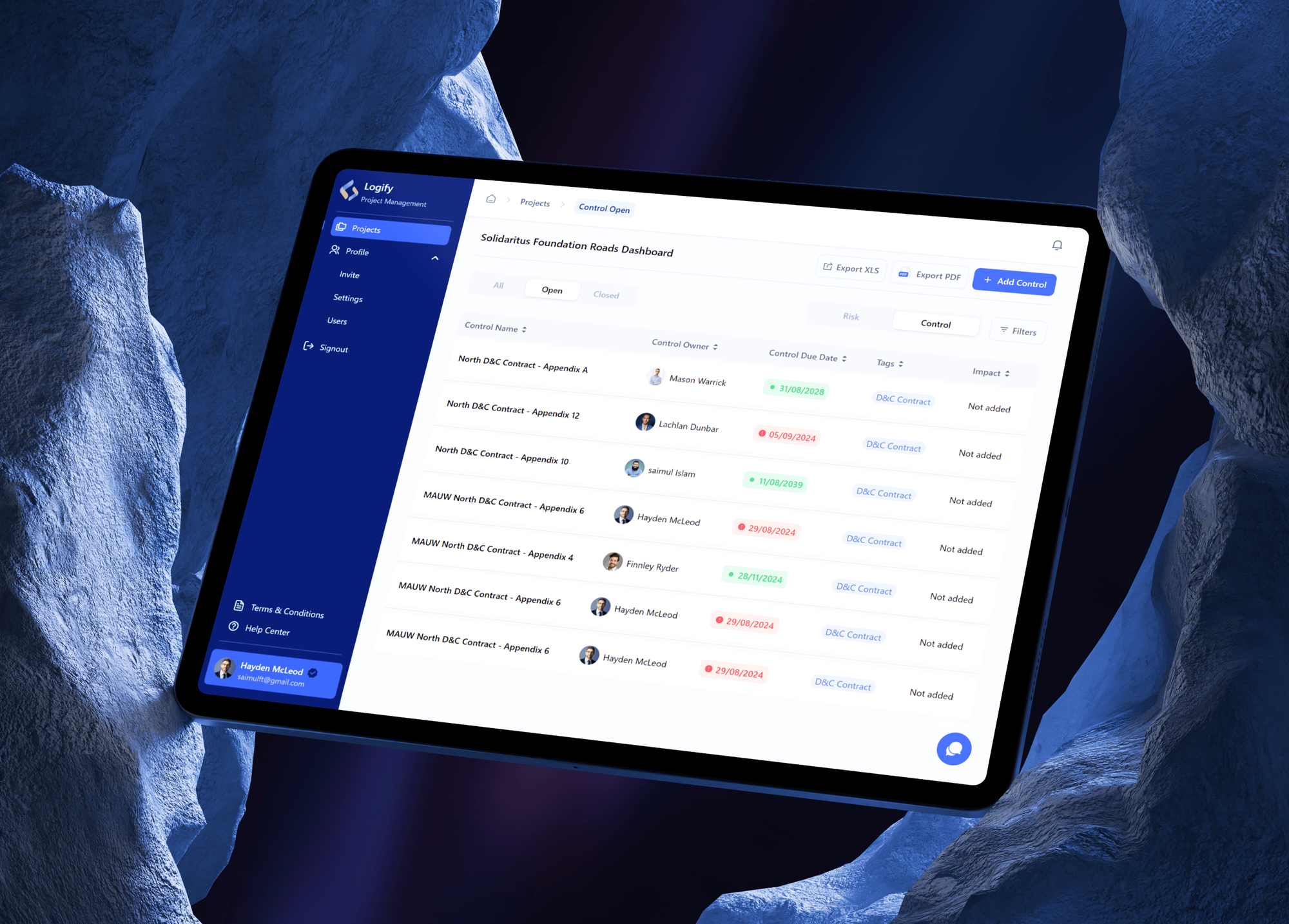
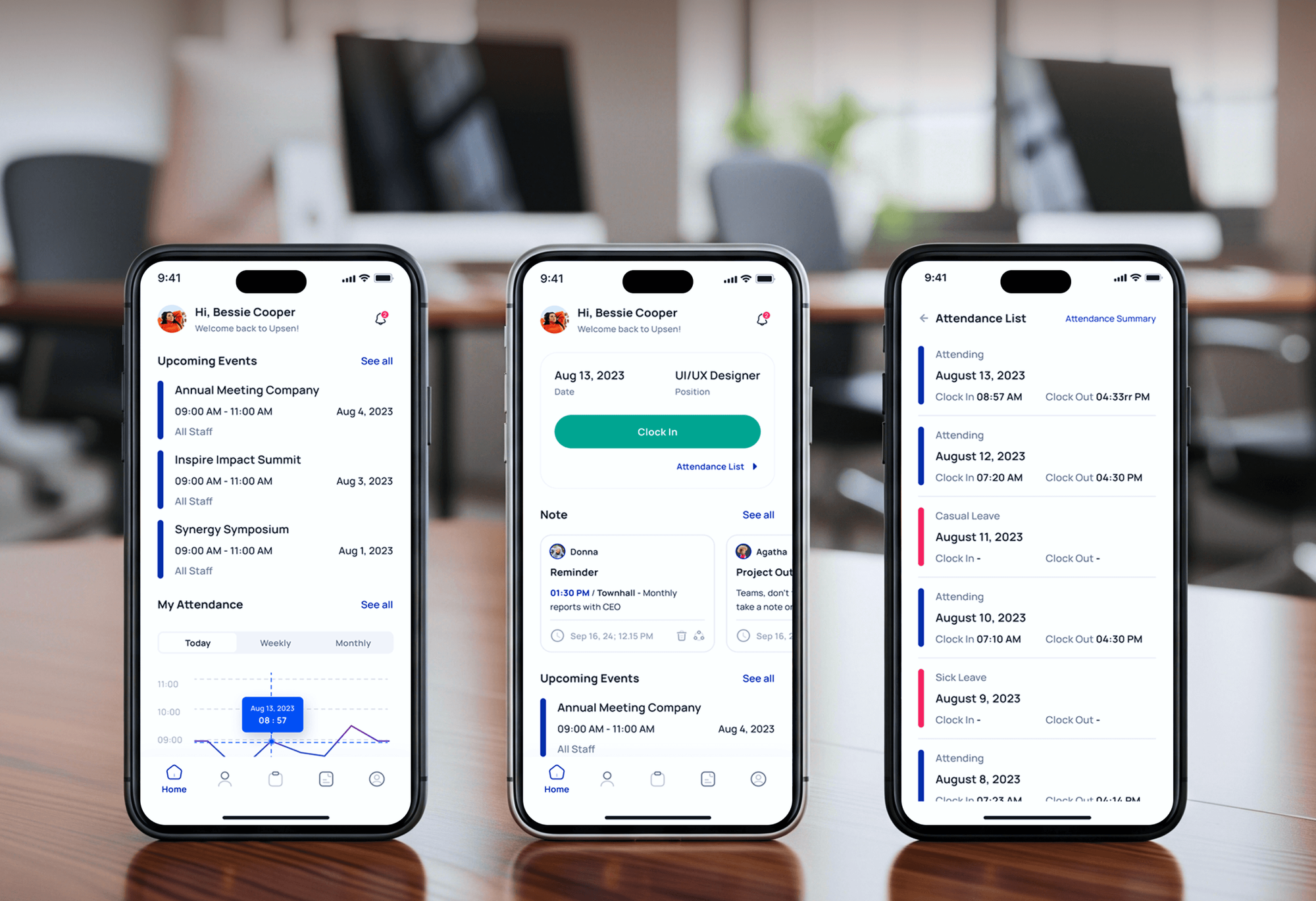
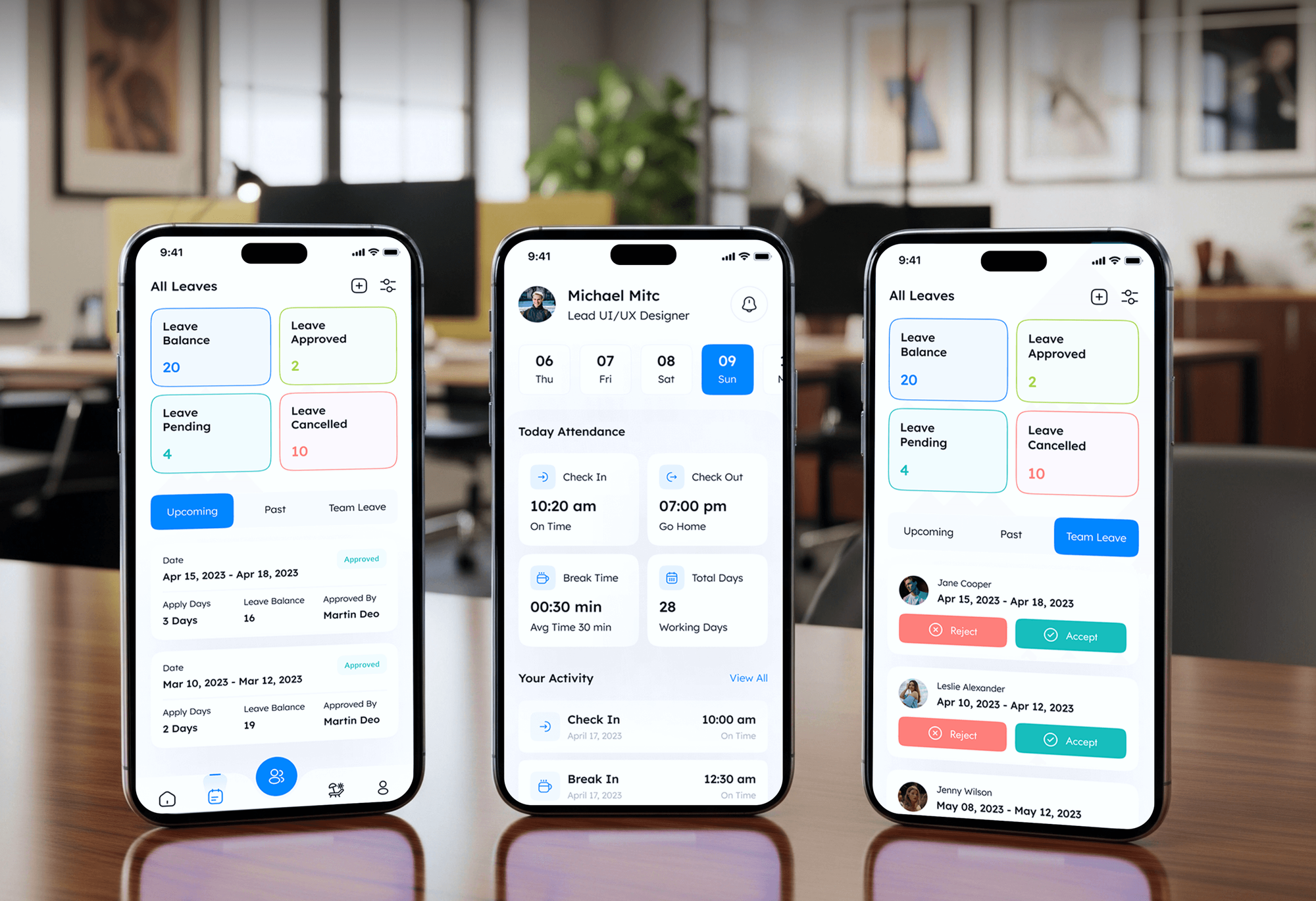
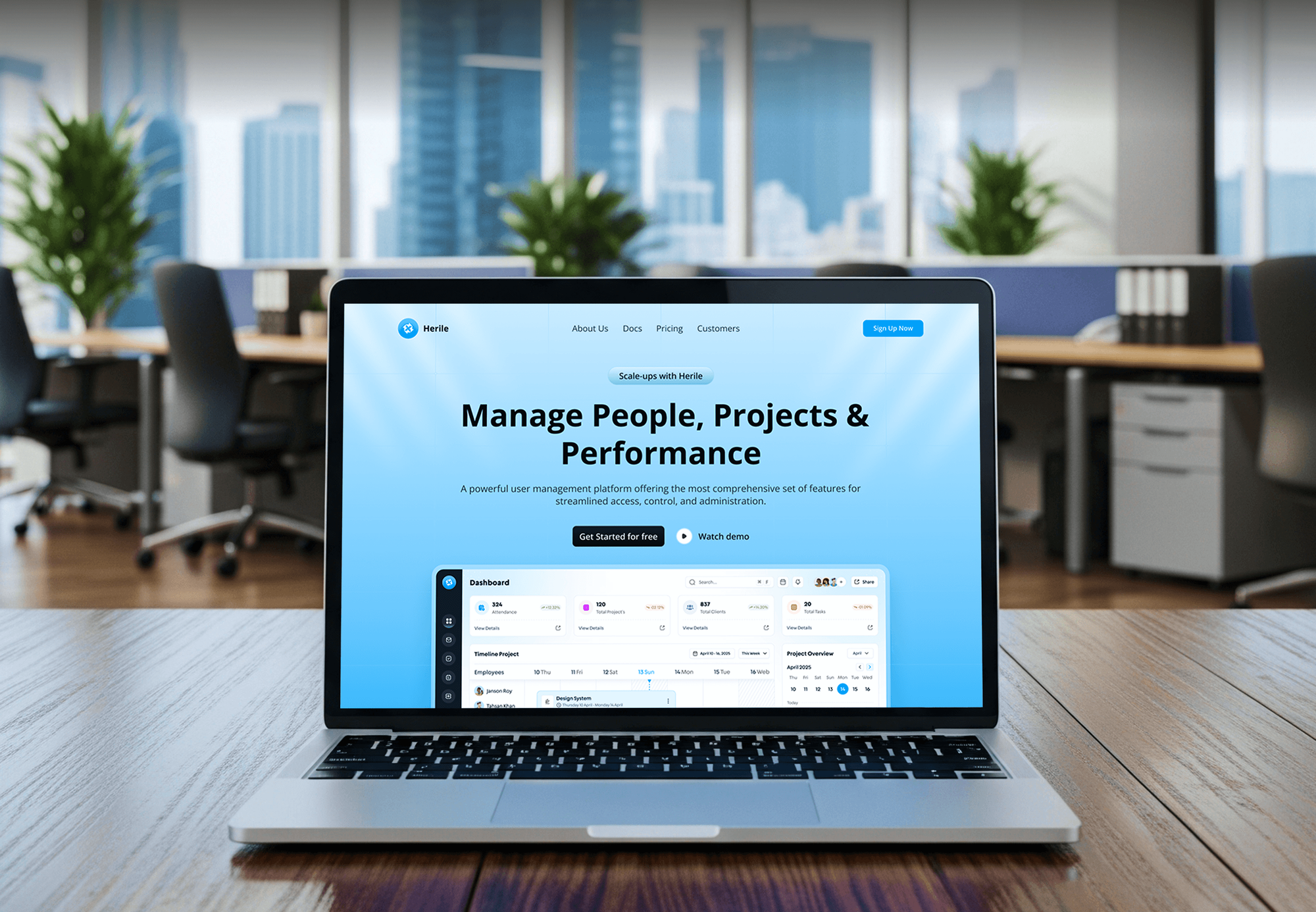
Projects We've Built
Business web apps and dashboards our team designed and built. They show the screens, roles, and data flows an internal app needs, whatever platform it runs on.
What Our Clients Say
Feedback from teams we have built business apps and software for.
We had a pretty specific idea of what we wanted our website to become, but I wasn’t sure how easily we could explain all of it to a development team. There were quite a few moving parts, and we were working toward a deadline, so I expected a few things to get lost along the way. That never really happened. They understood what we were trying to achieve, kept us updated throughout the process, and got everything ready within the agreed timeline. The final site feels much easier to navigate, works beautifully on mobile, and is noticeably smoother for our customers. It was a huge relief seeing the original idea actually turn into the website we had in mind.
The mobile experience is probably my favourite part of the new site. We had spent a lot of time making sure the desktop version looked right, and the team kept pushing us to think about how everything would actually feel on a phone too. They were right. The navigation is clean, the interactions feel natural, and everything we’ve tested so far works exactly as it should. They also went through the links, forms, integrations, and other details more than once before launch, which I really appreciated. And even after going live, we could still reach out when something came up. The whole process felt friendly, organised, and surprisingly straightforward.
What I appreciate most is that the website is actually easy for us to manage now. We can update content ourselves instead of sending a developer a message every time we need to change something small. They also paid attention to the technical SEO side, which mattered to us because we didn’t want a new website to create problems for the traffic we already had. I’ve probably asked more questions than I should have since launch, but every question has been handled patiently and without any fuss. The team is easy to work with, they explain things clearly, and when we need something changed, they focus on getting it done rather than making the process complicated.
1,250+
Projects shipped
10+
Years of experience
Top 3%
Upwork Top Rated Plus
5 stars
Average review score

Want results like these?
Tell us what you are building. You get a reply within 24 hours on business days, then a written estimate.
Work Culture
Low-code platforms make building fast, and that makes building the wrong thing fast too. We slow down at the start, on users, data, and licenses, so the app lasts.
Per-user fees decide what a low-code app really costs over 3 years. We price that out with you before choosing a platform, not after launch.
Every app we build keeps its records in a database with an export path. If you change platforms later, your data comes with you.
Low code isn't always the cheaper route. If your app needs thousands of outside users or heavy custom logic, we'll say custom code fits better before you sign.
We test every sprint with the staff who'll use the app daily, not only the manager who bought it. Adoption decides whether the project paid off.
Each role sees only the records and buttons it needs. That keeps sensitive data private and stops the accidental edits spreadsheets allowed.
Every table, screen, and workflow is described in plain language. Your in-house admin can change a field or a form later without calling us.
Overview
DeveloperLook provides low code development services for teams replacing spreadsheets, email approvals, and manual reports. We review your process and licenses, pick the platform, model your data, build the app and its workflows, and train your users. Projects start at $1,250, one app takes 2 to 4 weeks, and your data stays exportable.
DEVELOPERLOOK
Project facts · Low Code Development Services
Reviewed 7 Oct 2026 by Saimul Islam
Good fit
Operations teams running on spreadsheets
Your orders, requests, or inspections live in a shared spreadsheet, and edits now collide often enough that nobody trusts the totals at month end.
Microsoft 365 or Zoho companies
You already pay for Microsoft 365 or Zoho One and want low code application development that uses those licenses before you buy another tool.
Field teams still on paper forms
Your technicians or inspectors still fill in paper forms, and you want low code mobile app development so they send photos and checklists from their phones.
Founders proving an internal tool
You need low code software development to prove an internal tool works with real staff before you pay for a fully custom build.
Agencies selling low-code builds
Your agency sells low code no code development services to clients and needs a team that delivers the builds quietly under your brand.
Not a fit
Budget under $1,250
Your budget is under $1,250 and the process fits one form and one sheet. A form tool and a shared spreadsheet will do for now.
Public SaaS product
You're launching a product for thousands of paying users. Our Web Application Development Services page covers custom builds without per-user platform fees.
Only data syncs
You need data moved between Microsoft apps, not an app people open. Our Power Automate Consulting Services page covers flows on their own.
Data already in Airtable
Your data already lives in Airtable and mostly needs better structure. Our Airtable Consultant for Custom Workflows page covers that work.
Not sure we're the right fit?
Book a free call or message us. We'll tell you honestly whether we're the right team.
Pricing
These are starting points in USD. Your final price depends on the number of apps, your data sources, and your integrations, and you get a fixed proposal after a free platform review.
For teams replacing one spreadsheet or paper process with a working internal app.
$1,250one-time, USD
For departments that need connected apps with approvals, alerts, and integrations.
$3,450one-time, USD
For companies opening an app to clients or partners, or building on several data sources.
$6,900one-time, USD
For Agencies
You own the client relationship. We supply the low code developer work behind it: platform reviews, data models, app builds, and integrations. Your client talks to your team, and every app lives in their own Microsoft, Zoho, or Retool account.
White label: your client only ever sees your brand
Send the client's process, current spreadsheets, and the licenses they already hold.
You get a platform recommendation and a fixed quote to share with your client.
We build, test, and train, then hand the app over under your brand.
You run the client calls while we build inside their account.
Each app is priced up front, so your project margin holds.
Power Apps, Retool, Zoho Creator, and Bubble builds from one team.
Extra builders for busy months without another hire on payroll.
The Right Technology for Your Project
The platforms we build on, the places your records live, the automation tools that move them, and the code we add when a platform reaches its limit.
 Bubble
 PostgreSQL
 Google Sheets
 Power Automate
 n8n
 JavaScript
 Node.js
FAQ
Straight answers on low-code costs, timelines, platform choice, and how low code compares with no-code tools and custom builds.
Saimul IslamFounder & CEO, DeveloperLookStill have questions?
Send a message or book a call with the team.
A low-code app from DeveloperLook starts at $1,250 for one internal app with up to 6 screens and one data source. A suite of up to 3 connected apps with workflows and integrations costs $3,450, and client portals start at $6,900. Platform licenses are separate and paid to the vendor, usually per user per month.
One app usually takes 2 to 4 weeks from the free review to launch. App suites and client portals take 6 to 12 weeks, mostly because of data cleanup, integrations, and user testing. We plan the build in weekly sprints, so you see working screens from the second week.
Low code development is building software with visual designers, ready-made connectors, and small amounts of code. It matters because the people who know a process can see it working within weeks instead of waiting months for a custom build. A developer still designs the data, the security, and anything the platform can't do alone.
The main benefit is a working app sooner, at a lower build cost. Platforms supply logins, hosting, forms, and connectors, so your budget goes into your process instead of plumbing. The trade-off is per-user licensing, which can outgrow a custom build's hosting bill once hundreds of people use the app every day.
It's building a working app for desktop, phone, or both on a platform such as Power Apps, Zoho Creator, or Retool. Typical results are inspection forms, request trackers, inventory tools, and approval apps. Field staff open the same app on their phones, and office staff see the same records on a dashboard.
No-code tools build only with drag-and-drop settings, while low-code platforms also accept formulas, scripts, and custom code. That makes low code a better fit for business rules, integrations, and roles. For simple directories or client lists, low code no code app development on Glide or Softr can be enough. If one already covers your case, we'll tell you before we quote.
Using low code means building on a platform that already supplies hosting, logins, screens, and connectors, while traditional development writes those pieces from scratch. Low code reaches a first version faster and costs less up front. Traditional code wins when you need full control, unusual logic, or thousands of users without per-user fees.
Enterprises use it to clear the backlog of small internal apps that IT doesn't get to. Business teams get approved apps inside the company's own tenant, with single sign-on, data rules, and audit history, instead of shadow spreadsheets. IT keeps control through separate environments, data policies, and a review step before anything goes live.
The best platform is usually the one your company already licenses and your IT team already governs. Microsoft 365 companies tend to start with Power Apps, Zoho One companies with Zoho Creator, and data-heavy teams with Retool. OutSystems, Mendix, and Appian suit large app portfolios with strict governance, and their pricing is aimed at those programs.
Choose by 4 tests: how many people will log in, where the data lives, which integrations you need, and what each user costs per month. Then check the platform's record and query limits against your largest table. A platform that feels fast for one team can slow down company-wide, so we test with realistic data volumes first.
Saimul IslamFounder & CEO, DeveloperLookStill have questions?
Send a message or book a call with the team.
Free 30-min callGoogle Meet
Book a call
In 30 minutes on Google Meet we walk you through how we would build it, how long it takes and what it costs. Then you get a written estimate.
Calendar not showing? Book on cal.com or send a brief.