Cyber device check
Your device compared against the three-part section 524B definition, with every connection path that counts.

For connected device and SaMD teams heading into a 510(k), De Novo, or PMA: the cybersecurity file FDA asks for, written and tested by engineers, from $1,450.
4/4
FDA architecture views covered
100%
Software components in the SBOM
How your project runs
01 · FreeTeams we have built for:














The Problem
It shows up late in a submission. The regulatory team asks engineering for a threat model, a full SBOM, and test evidence that nobody planned for during design.
Threat model
A two-page risk table stands in for the threat model.
Threat model
A system threat model covering device, app, cloud, and update path.
Partial SBOM
The SBOM lists only your own code.
Partial SBOM
A machine-readable SBOM with third-party components and their support dates.
Missing views
No diagram shows how one attack could reach many patients.
Missing views
Global System, Multi-Patient Harm, Updatability, and Security Use Case views drawn.
Disclosure plan
Nobody knows who answers when a researcher reports a flaw.
Disclosure plan
A postmarket plan with coordinated vulnerability disclosure and patch timelines.
Your infusion pump app pairs over Bluetooth, syncs to a cloud dashboard, and takes firmware updates over USB in the field. The regulatory team needs a cybersecurity section for the 510(k), and engineering has a two-page risk table and an SBOM that lists only your own code. Nobody drew how an attacker could reach more than one patient. The open-source libraries have no end-of-support dates. Leave it, and an FDA request for more information can stall the review for months.
We start with the device system as FDA sees it: the device, its app, the cloud, the update path, and every interface that can connect. Then we build the threat model, draw the four architecture views, generate a machine-readable SBOM, and test the software interfaces against the threats. Each finding traces to a fix and a test result. Your file then argues security with evidence, not with adjectives.
Threats traced to tests
Every threat in the model links to a control and a test result reviewers can follow.
SBOM with support dates
Each component listed with its version, support level, and end-of-support date, in a machine-readable format.
Written for FDA reviewers
Documents follow the structure of FDA's premarket cybersecurity guidance, section by section.
Our Medical Device Cybersecurity Consulting Process
You approve the system scope first, then review the threat model, each architecture view, the SBOM, and every test finding before anything goes into the submission.
We go over the device, its software, connections, intended use, and target submission. You leave with the likely scope and a fixed quote. If your regulatory consultant's existing cybersecurity section already covers the device, we'll tell you before we quote.
What's Included
The software security evidence a premarket submission needs: a cyber device check, a system threat model, four architecture views, a machine-readable SBOM, test results, and a postmarket plan.
Compare Options
A regulatory consultant and a general pen test firm each handle part of a cybersecurity submission well. Most device teams still need someone to join the engineering evidence to the documents.
| Feature | DeveloperLookBest fit | Regulatory consultant | Pen test firm |
|---|---|---|---|
| Planning | Free call, fixed scope per device | Submission strategy and filing | Scope by test days |
| Threat model | Device, app, cloud, update path | Usually asks engineering for it | Rarely written |
| Architecture views | All four drawn and explained | Reviews what you provide | Not covered |
| SBOM | Machine-readable with support dates | Checks it is attached | Not covered |
| Testing | Traced to each threat | Not covered | Strong, test report only |
| Postmarket plan | Monitoring and disclosure written | Template often supplied | Not covered |
| Cost | Fixed price from $1,450 | Hourly, across the submission | Day rate, often lower |
| Ownership | Every document and model yours | Yours, in the submission | Report yours, tools theirs |
Projects We've Built
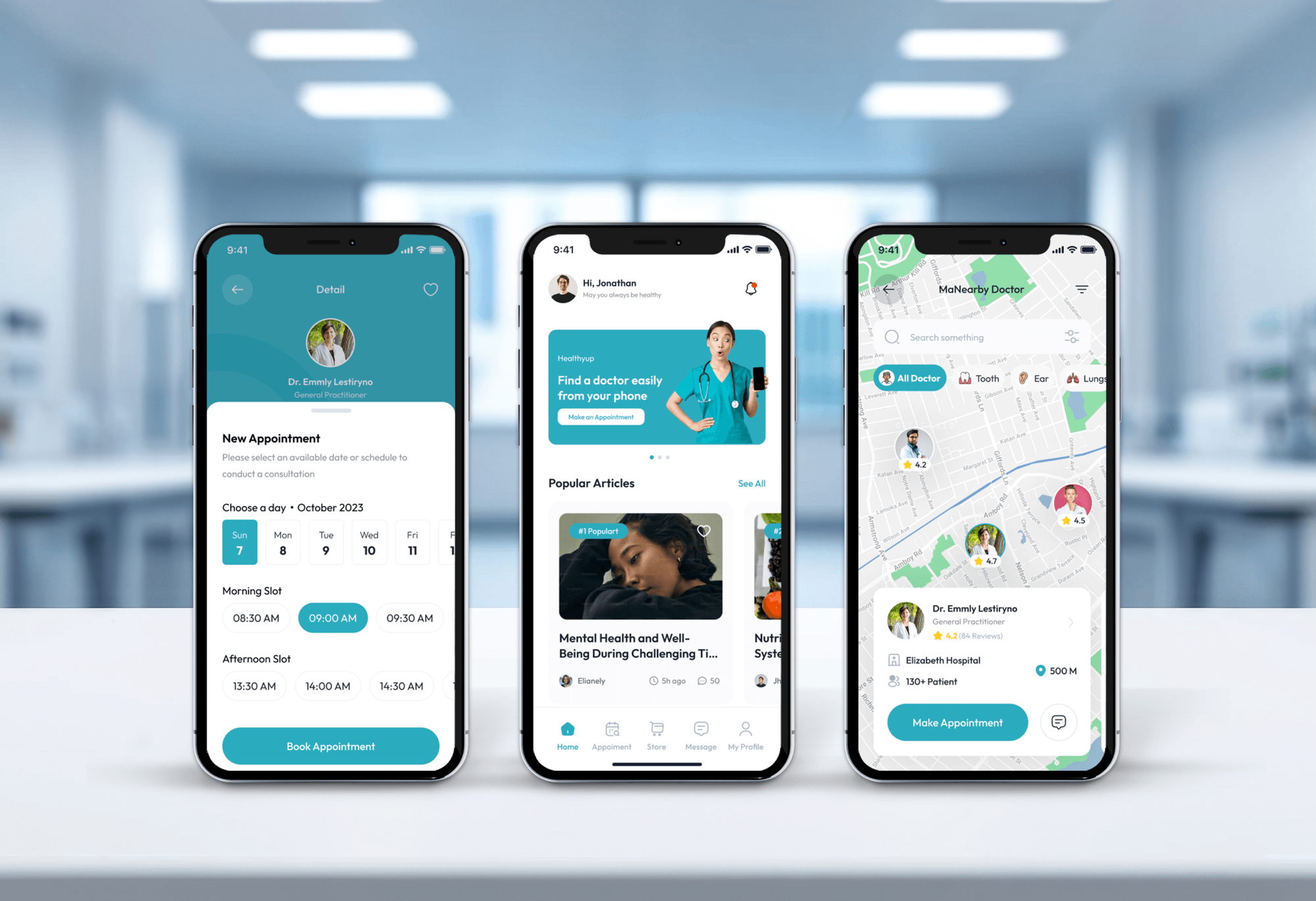
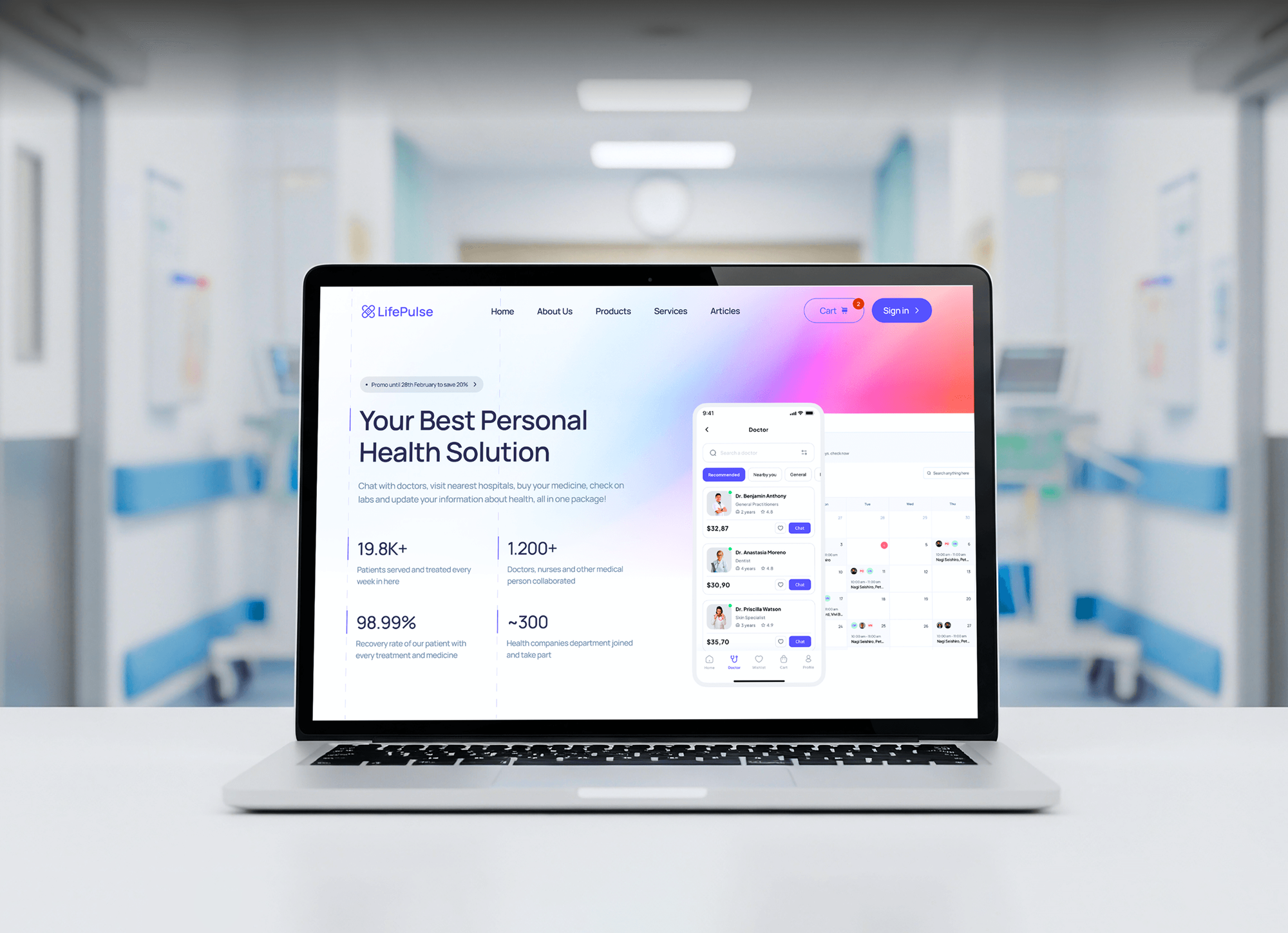
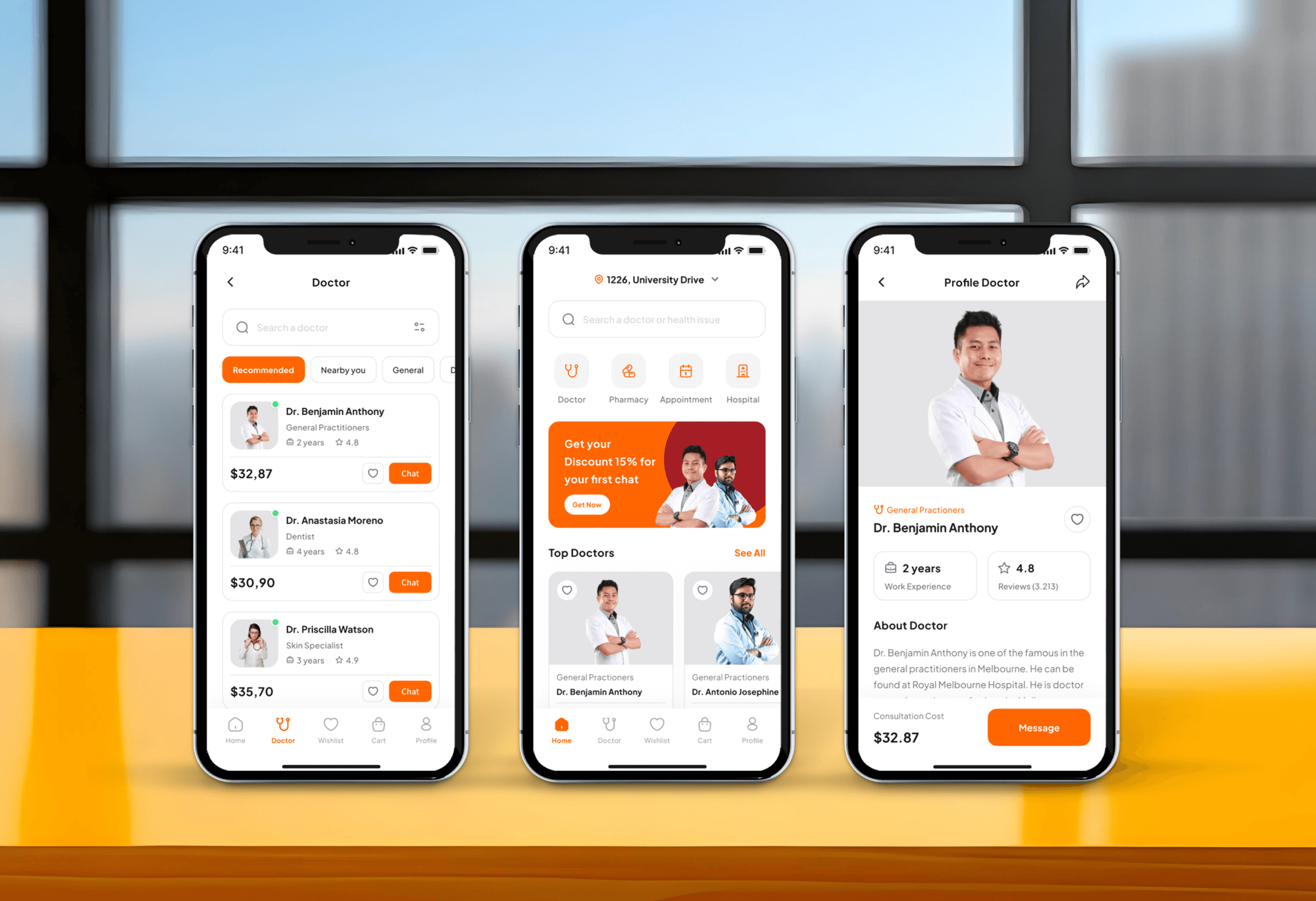
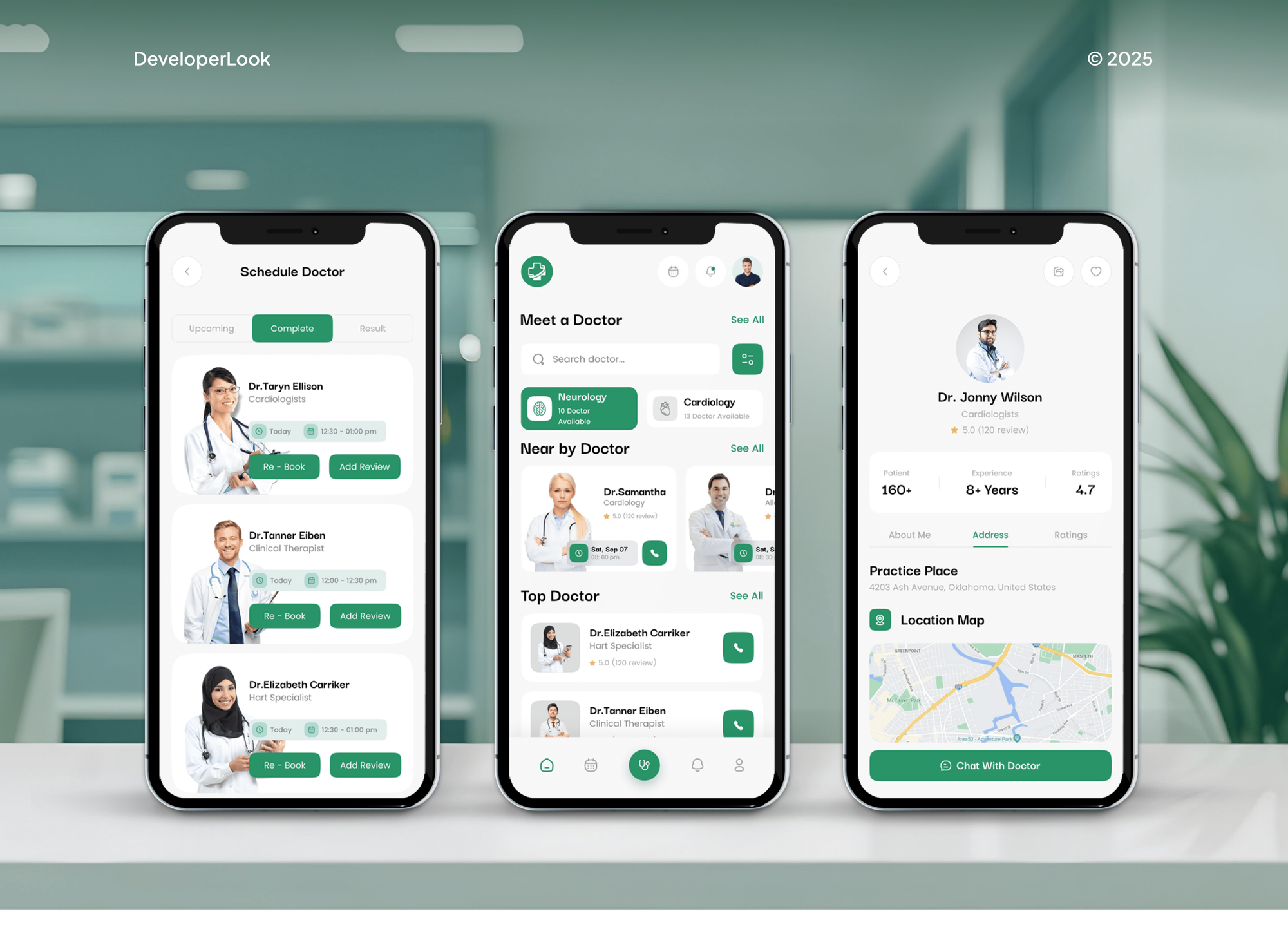
These medical apps were design and build projects with patient accounts, bookings, and dashboards. None was an FDA submission or a device security engagement.
What Our Clients Say
Feedback from teams we have built apps, portals, and platforms for.
We had a pretty specific idea of what we wanted our website to become, but I wasn’t sure how easily we could explain all of it to a development team. There were quite a few moving parts, and we were working toward a deadline, so I expected a few things to get lost along the way. That never really happened. They understood what we were trying to achieve, kept us updated throughout the process, and got everything ready within the agreed timeline. The final site feels much easier to navigate, works beautifully on mobile, and is noticeably smoother for our customers. It was a huge relief seeing the original idea actually turn into the website we had in mind.
The mobile experience is probably my favourite part of the new site. We had spent a lot of time making sure the desktop version looked right, and the team kept pushing us to think about how everything would actually feel on a phone too. They were right. The navigation is clean, the interactions feel natural, and everything we’ve tested so far works exactly as it should. They also went through the links, forms, integrations, and other details more than once before launch, which I really appreciated. And even after going live, we could still reach out when something came up. The whole process felt friendly, organised, and surprisingly straightforward.
What I appreciate most is that the website is actually easy for us to manage now. We can update content ourselves instead of sending a developer a message every time we need to change something small. They also paid attention to the technical SEO side, which mattered to us because we didn’t want a new website to create problems for the traffic we already had. I’ve probably asked more questions than I should have since launch, but every question has been handled patiently and without any fuss. The team is easy to work with, they explain things clearly, and when we need something changed, they focus on getting it done rather than making the process complicated.
1,250+
Projects shipped
10+
Years of experience
Top 3%
Upwork Top Rated Plus
5 stars
Average review score
1,250+
Projects shipped
10+
Years of experience
Top 3%
Upwork Top Rated Plus
5 stars
Average review score

Want results like these?
Tell us what you are building. You get a reply within 24 hours on business days, then a written estimate.
Work Culture
We work like an extension of your engineering team and hand clean evidence to your regulatory lead. These habits keep the security work accurate, traceable, and easy for reviewers to follow.
You decide every risk acceptance and what goes in the submission. We supply the analysis and evidence, because the file stays your company's responsibility.
We work under your regulatory consultant's plan instead of around it. They keep the filing strategy, and we fill the cybersecurity section.
The people who write your threat model also test the app, API, and cloud. Findings come from running systems, not only from diagrams.
We don't tell you FDA will clear a device, because only FDA decides that. We tell you where reviewers usually push back and why.
You get one price per device system before work starts. A second device or a new interface gets its own quote.
Threat models, diagrams, the SBOM, and test data come to you in editable formats. Your next submission starts from them.
Overview
DeveloperLook provides medical device cybersecurity consulting for connected device makers and SaMD teams. We check section 524B, build the threat model, draw the four architecture views, produce a machine-readable SBOM, test the app, API, and cloud, and write the postmarket plan. Projects start at $1,450, take 2 to 12 weeks, and every document stays yours.
DEVELOPERLOOK
Project facts · Medical Device Cybersecurity Consulting
Reviewed 27 Oct 2026 by Saimul Islam
Good fit
Startups preparing a first 510(k)
Your connected device or SaMD heads toward its first 510(k), and your regulatory consultant says the cybersecurity section needs threat models you don't have.
Teams answering an FDA information request
You received an FDA request asking for architecture views or a fuller SBOM, and the response deadline is already running.
Devices adding an app or cloud
Your device gained a mobile app, Bluetooth pairing, or a cloud dashboard, so the change needs new cybersecurity documentation before release.
Makers with aging software platforms
Your device runs a third-party operating system nearing end of support, and the SBOM and patch plan must show that honestly.
Regulatory and engineering consultancies
You support device makers and need medical device cybersecurity companies' depth on threat models and testing, delivered quietly under your brand.
Not a fit
Hardware or RF lab testing
You need radio, firmware extraction, or side-channel testing on the device hardware itself. A specialist hardware security lab fits that work, and we test the software interfaces.
Hospital securing its devices
You run a hospital or clinic and need the devices you bought inventoried, patched, and segmented. Healthcare Cybersecurity Services covers the provider side.
Secure coding every sprint
You want security built into daily engineering rather than submission documents. Secure Software Development covers code review habits, pipelines, and training.
Budget under $1,450
Your budget is under $1,450, or your app falls under FDA's general wellness policy rather than device rules. Mobile App Penetration Testing fits that better.
Not sure we're the right fit?
Book a free call or message us. We'll tell you honestly whether we're the right team.
Pricing
These are starting points in USD. Your final price depends on the device's interfaces, how much documentation exists, and the testing depth, and you get a fixed proposal after a free device call.
For Agencies
You own the device maker and the regulatory relationship. We supply the security engineering behind it: threat models, architecture views, SBOMs, and test evidence, written in your branding for your client's engineers and regulatory lead to approve.
White label: your client only ever sees your brand
Share the device, interfaces, and filing date, and we scope it in 3 business days.
One fixed white-label price and a named security lead per device.
Documents and test evidence arrive under your brand for client sign-off.
Share the device, interfaces, and filing date, and we scope it in 3 business days.
One fixed white-label price and a named security lead per device.
Documents and test evidence arrive under your brand for client sign-off.
The Right Technology for Your Project
These are the modeling, SBOM, testing, and platform tools behind a device security file. We use what fits your device's software rather than one fixed toolchain.
 OWASP Threat DragonOWASP Dependency-Track
 Burp Suite
 Python fuzzing scripts
 AWS
 Microsoft Azure
Related Services
Device teams that finish this work often add a disclosure program, supply chain controls, or deeper app testing. Each page below covers one of them.
This page
Medical Device Cybersecurity Consulting
Pairs with the 6 services around it
FAQ
Straight answers on cost, timing, FDA requirements, imaging device risks, standards, and choosing a supplier.
Saimul IslamFounder & CEO, DeveloperLookStill have questions?
Send a message or book a call with the team.
Our work starts at $1,450 for a premarket gap review of your existing documents against FDA's guidance. A full security file for one device system, with threat model, four architecture views, SBOM, and postmarket plan, costs $3,800. Adding software interface testing, labeling drafts, and a retest moves you to $7,700.
A gap review takes 2 to 3 weeks. A full file with testing takes 6 to 12 weeks, depending on the number of interfaces and how quickly your engineers confirm SBOM details. Plan it alongside design verification, because test findings may need fixes before the submission is frozen.
For cyber devices, section 524B requires 3 things in the premarket submission. You need a plan to monitor and address postmarket vulnerabilities, including coordinated disclosure, and processes that give reasonable assurance of cybersecurity with updates and patches. You also need an SBOM. FDA's guidance adds the threat model, architecture views, and test evidence it expects.
It is FDA's view that cybersecurity is part of device safety, reviewed in 510(k), De Novo, PMA, PDP, and HDE submissions. The current guidance, Cybersecurity in Medical Devices: Quality Management System Considerations and Content of Premarket Submissions, was issued February 3, 2026. It is the FDA premarket cybersecurity guidance medical devices are reviewed against, and it ties security to the QMSR.
It is protecting a device, its software, and its connections so attackers can't change therapy, steal data, or disable care. That covers authentication, encrypted communication, signed updates, logging, and a plan for flaws found after release. The cybersecurity medical devices need grows with each interface added, from Bluetooth pairing to cloud dashboards.
The biggest risks are outdated operating systems on imaging workstations, default or shared passwords, and DICOM services open on hospital networks without authentication. Vendor remote service tools and unencrypted image transfers to PACS add more. One compromised workstation can also expose many patients' studies, which is why the Multi-Patient Harm view matters.
Ask for the SBOM, the MDS2 form, the coordinated disclosure policy, patch timelines, and the end-of-support date for each software component. Then check whether the supplier answers vulnerability reports and ships signed updates. Manufacturers should ask the same questions of their own component suppliers, because third-party software sits inside your file too.
The main advantage is patient safety: a device that resists tampering keeps delivering correct therapy and data. Designed-in security also tends to mean fewer reviewer questions, easier hospital procurement reviews, and cheaper patches, because the update path was planned. Retrofitting security after launch usually costs more than building it in during design.
The guidance points to AAMI TIR57 and ANSI/AAMI SW96 for security risk management and IEC 81001-5-1 for the software lifecycle. It names ANSI/ISA 62443-4-1 for vulnerability testing and builds on the IMDRF principles. We map your documents to the ones your regulatory lead chooses, so the file reads consistently.
They differ mainly in whether they test, write documents, or sell a platform. Pen test firms deliver reports, regulatory firms assemble submissions, and SBOM platforms track components. Our medical device cyber security work joins testing to the documents. You keep every model, diagram, and test file in editable formats after the 30 days of handover support.
Saimul IslamFounder & CEO, DeveloperLookStill have questions?
Send a message or book a call with the team.
Free 30-min callGoogle Meet
Book a call
In 30 minutes on Google Meet we walk you through how we would build it, how long it takes and what it costs. Then you get a written estimate.
Calendar not showing? Book on cal.com or send a brief.