
Complete vendor register
Every vendor with its owner, data, access, and contract dates, built from finance and login records.

For growing companies whose data lives in other people's software: every vendor listed and tiered, critical ones reviewed properly, and a program you can run. From $800.
100%
Vendors listed and tiered
3tiers
Review depth by risk
How your project runs
Teams we have built for:














The Problem
The gap shows up when a customer asks for your vendor list, an auditor samples a vendor review, or a supplier reports a breach. Many teams find out they have no list at all.
01 · Data held
Nobody knows what data a breached supplier held.
Each vendor record lists the data, access, and internal owner behind it.
02 · Shadow tools
A tool bought on a card connects with an admin key.
Finance and login records reveal every tool before it gets tiered and reviewed.
03 · Prospect asks
A prospect asks for your third-party list.
You keep a current vendor register ready for customer security reviews.
04 · Same form
Every vendor gets the same long questionnaire.
Questionnaire depth follows the tier, so critical vendors get the real scrutiny.
A supplier emails to say they had a security incident last month. Your first question is what data they held, and nobody knows. Marketing signed up for the tool with a company card, and it connects to your CRM with an admin API key. Your last enterprise prospect also asked for your third-party list, and finance turned up dozens of subscriptions nobody had reviewed. Meanwhile, every vendor that does get checked receives the same long form, so the payroll provider gets the same light touch as the stock photo site.
We start by building the vendor list from finance records and single sign-on logs, then tier each vendor by the data and access it holds. Critical vendors get a real review: their SOC 2 report, its exceptions, and the controls it expects you to run. Low-risk vendors get a short check. Your vendor risk management effort goes where the risk is, not spread evenly across every subscription.
Every vendor found
Finance records and login logs reveal tools nobody registered, including free trials still connected.
Three review tiers
Critical, moderate, and low-risk vendors each get a review depth that fits their risk.
SOC 2 reports read properly
We check scope, dates, exceptions, and the controls each report expects you to run.
Our Vendor Risk Management Process
You approve the tier rules and the critical vendor list before reviews start, and you sign off on every risk decision we suggest.
We look at your vendor count, the data types involved, and why you need a program now. You get a scope, a data request, and a fixed price. If a shared spreadsheet and a yearly check of your top 5 vendors would cover your case, we'll tell you before we quote.
What's Included
A complete vendor register, risk tiers, reviews of your critical vendors, contract checks, and a calendar that keeps the program running after we leave.
Compare Options
A TPRM platform suits companies with hundreds of vendors and a team to run it, and a spreadsheet is fine for a handful. Here is how each compares.
| Feature | DeveloperLookBest fit | TPRM platform | DIY spreadsheet |
|---|---|---|---|
| Planning | Scope call and data request | Vendor onboarding project | Start any time |
| Vendor discovery | Finance and login records | Integrations you connect | Whoever you remember |
| Tiering | By data, access, and replaceability | Built-in scoring rules | Your own judgment |
| Report review | SOC 2 exceptions and controls read | Document storage and alerts | Often skipped |
| Scale | Up to 300 vendors per plan | Hundreds or thousands of vendors | A few dozen at most |
| Speed | 2 to 6 weeks to running | Faster once configured | Fastest to begin |
| Support | 30 days of follow-up | Vendor's support team | |
| Cost | Fixed price from $800 | Yearly license fees | Free to start |
Projects We've Built
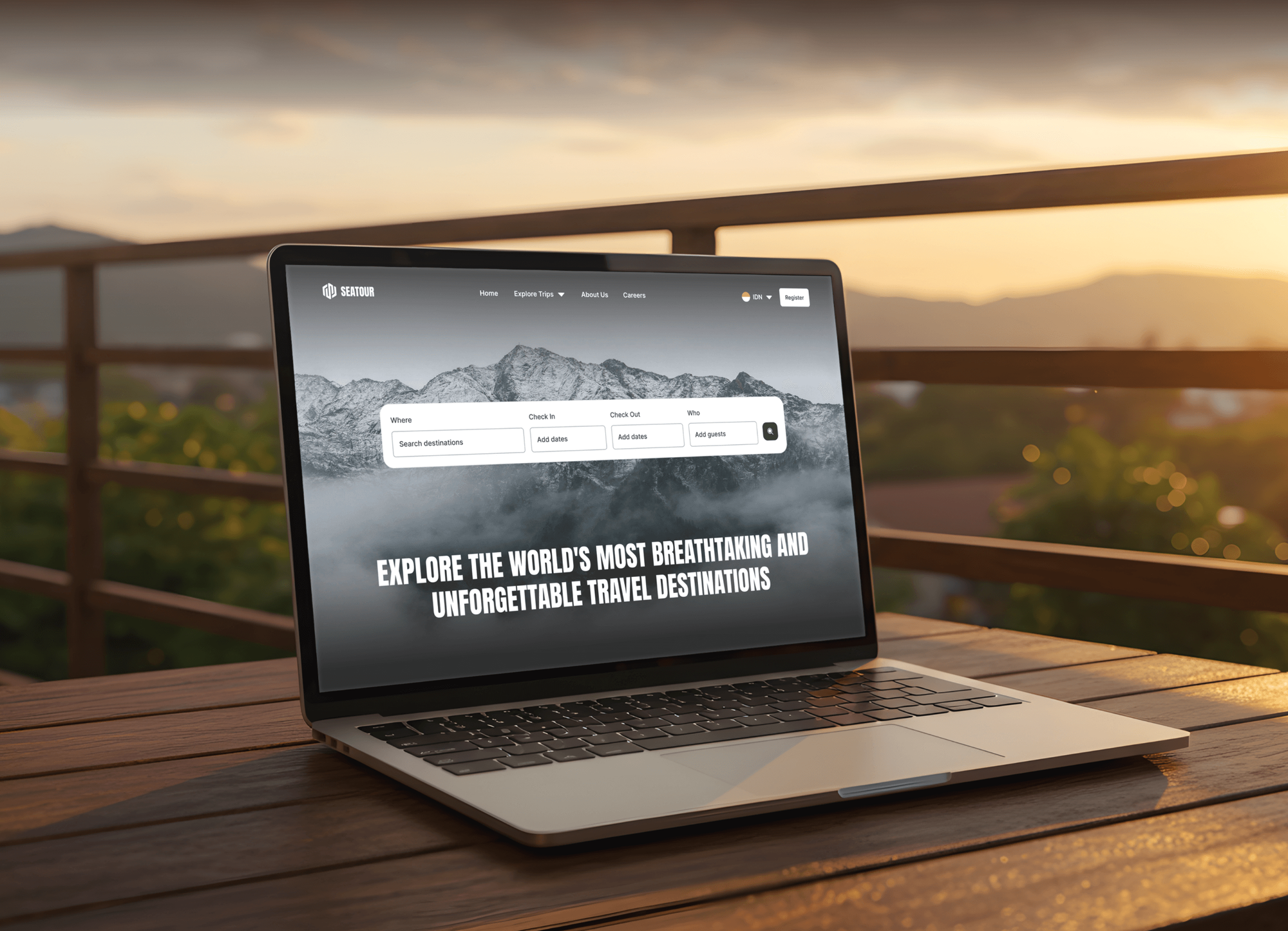
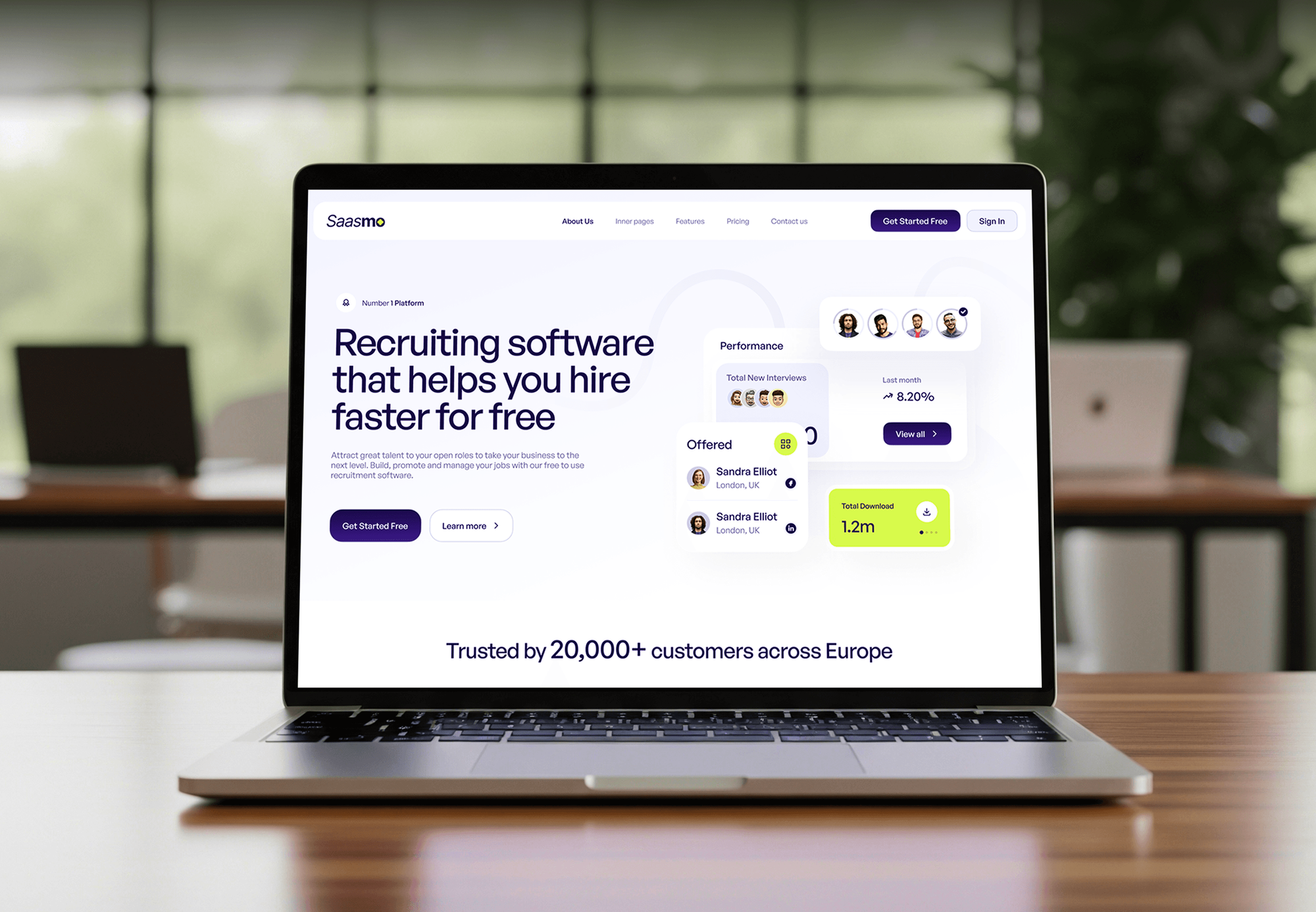
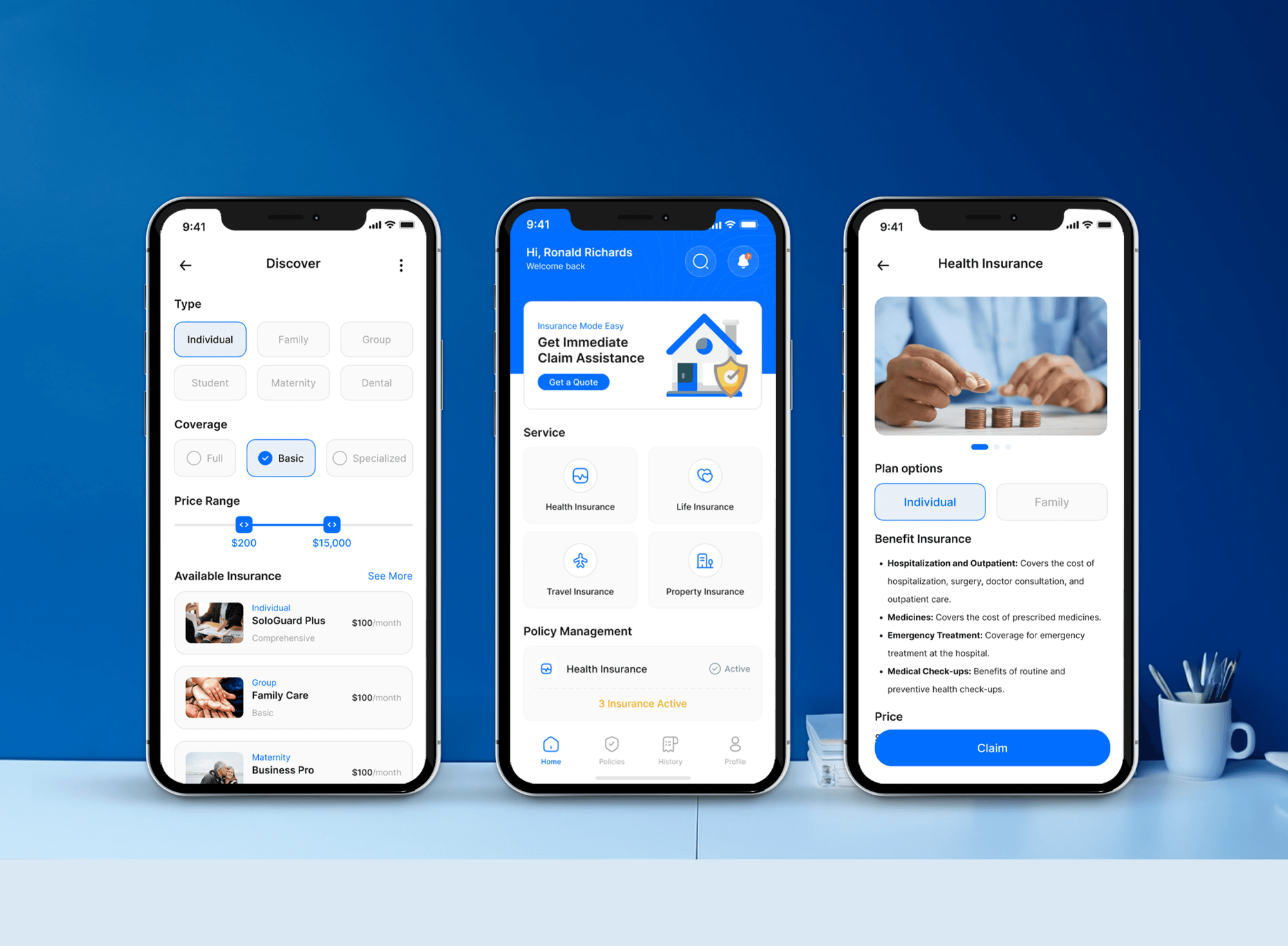
Platforms we built that rely on payment, booking, and data vendors. Every one of those connections is a vendor relationship worth tracking.

What Our Clients Say
Feedback from teams we have built apps, platforms, and websites for.
We had a pretty specific idea of what we wanted our website to become, but I wasn’t sure how easily we could explain all of it to a development team. There were quite a few moving parts, and we were working toward a deadline, so I expected a few things to get lost along the way. That never really happened. They understood what we were trying to achieve, kept us updated throughout the process, and got everything ready within the agreed timeline. The final site feels much easier to navigate, works beautifully on mobile, and is noticeably smoother for our customers. It was a huge relief seeing the original idea actually turn into the website we had in mind.
The mobile experience is probably my favourite part of the new site. We had spent a lot of time making sure the desktop version looked right, and the team kept pushing us to think about how everything would actually feel on a phone too. They were right. The navigation is clean, the interactions feel natural, and everything we’ve tested so far works exactly as it should. They also went through the links, forms, integrations, and other details more than once before launch, which I really appreciated. And even after going live, we could still reach out when something came up. The whole process felt friendly, organised, and surprisingly straightforward.
What I appreciate most is that the website is actually easy for us to manage now. We can update content ourselves instead of sending a developer a message every time we need to change something small. They also paid attention to the technical SEO side, which mattered to us because we didn’t want a new website to create problems for the traffic we already had. I’ve probably asked more questions than I should have since launch, but every question has been handled patiently and without any fuss. The team is easy to work with, they explain things clearly, and when we need something changed, they focus on getting it done rather than making the process complicated.
1,250+
Projects shipped
10+
Years of experience
Top 3%
Upwork Top Rated Plus
5 stars
Average review score

Want results like these?
Tell us what you are building. You get a reply within 24 hours on business days, then a written estimate.
Work Culture
A vendor program fails when it turns into paperwork nobody reads. These habits keep reviews short where they can be and thorough where they must be.
SOC 2 reports list exceptions and the complementary controls you're expected to run yourself. We read those sections, because that is where the real risk hides.
A payroll provider and a stock photo site don't get the same review. Your team's time goes to the vendors that actually hold your data.
We ask vendors for existing reports and trust center links before sending any questionnaire. They answer faster, and your relationships with key suppliers stay friendly.
Every review ends in accept, accept with conditions, or replace, with the reason in one line. Leaders can sign off without reading the full report.
New vendors get tiered at purchase, through the tools your finance and IT teams already use. The program keeps itself current that way.
The register, policy, and reviews stay in your own tools. You don't need a platform subscription to keep the program running.
Overview
DeveloperLook provides vendor risk management services for growing companies that rely on SaaS and outsourced vendors. We build your vendor register, tier vendors by data and access, review critical ones through SOC 2 reports, and set up contract checks and a review calendar. Programs start at $800 with a fixed price and take 2 to 6 weeks.
DEVELOPERLOOK
Project facts · Vendor Risk Management Services
Reviewed 23 Oct 2026 by Saimul Islam
Good fit
SaaS companies with enterprise customers
Your customers ask for your subprocessor list and how you review vendors, and you want a vendor risk management process you can show them.
Teams preparing for SOC 2 or ISO 27001
Your auditor will sample vendor reviews, and you need IT vendor risk management that produces evidence, not just a list.
Fintech and healthcare companies
Your partners or regulators expect third-party oversight, and you need reviews of the vendors that touch payments or patient data.
Companies after a supplier breach
Your supplier just reported an incident, and you realized nobody knew what data they held or who should call them.
MSPs and compliance consultancies
You manage compliance for clients and want a partner to build their vendor programs under your brand.
Not a fit
You're the vendor under review
You need to answer your customers' security questionnaires, not review your own vendors. vCISO Services keeps a questionnaire library and answers them.
Need a SOC 2 report
You need a SOC 2 report of your own for customers. SOC 2 Compliance Services prepares you for that audit, while this page covers your suppliers.
Hundreds of vendors, full team
You have several hundred vendors and staff who review them daily. A dedicated platform, or one of the larger vendor risk management companies, will serve you better.
Budget under $800
Your budget is under $800 and your vendor list is short. A shared spreadsheet and a yearly look at your top vendors' SOC 2 reports is enough for now.
Not sure we're the right fit?
Book a free call or message us. We'll tell you honestly whether we're the right team.
Pricing
These are starting points in USD. Your final price depends on your vendor count and how many need a full review, and you get a fixed proposal after a free vendor list review.
For teams that need every vendor found and the critical few reviewed.
$800one-time, USD
For companies that need a documented program to show customers and auditors.
$2,250one-time, USD
For teams that want the full program set up and their first round of reviews done.
$4,400one-time, USD
For Agencies
You own the client relationship. We build each client's vendor register, run the reviews, and write the program documents in your template, while your team stays the face of the work. Clients get a working program without you hiring a TPRM specialist.
White label: your client only ever sees your brand
Send the client's vendor exports, frameworks, and the deadline driving the work.
You get a tier plan, a list of critical vendors, and a fixed price.
We run the reviews and deliver the program in your template, ready to hand over.
Registers, reviews, and policies carry your name and format.
Common SaaS vendors reviewed once can inform reviews for other clients.
Reassessment calendars create steady yearly work for your team.
Each program is quoted up front, so you can price your own margin.
The Right Technology for Your Project
We pull vendor data from the systems that already pay for and sign in to your tools, and keep the program where your team works.
 QuickBooks
 Google Sheets
FAQ
Straight answers on cost, timelines, TPRM basics, automation, and running the program after setup.
Saimul IslamFounder & CEO, DeveloperLookStill have questions?
Send a message or book a call with the team.
DeveloperLook's vendor reviews start at $800 for a 60-vendor register with risk tiers and 5 critical reviews. A documented program for up to 150 vendors with 15 reviews costs $2,250. The $4,400 plan covers up to 300 vendors, 35 reviews, and 90 days of new-vendor reviews. You get a fixed price after the free vendor list review.
Setting up a vendor program takes 2 to 6 weeks, depending on the plan. The register and tiers take about 2 to 3 weeks, and policies and reviews add the rest. The pace depends mostly on how quickly vendors share their SOC 2 reports. Short, specific requests from us usually get faster replies than a long questionnaire.
Vendor risk management is how a company finds, rates, and watches the risks its suppliers create, from data breaches to outages. It covers choosing vendors, checking them before signing, monitoring them during the contract, and ending the relationship safely. In practice, it's a register, risk tiers, reviews, and contract terms that someone keeps current.
It matters because your vendors hold your data and access, so their weaknesses become yours. A breach at a payroll or CRM vendor can expose your customers even when your own systems are fine. That makes vendor risk management a cyber security issue as much as a purchasing one, and NIST CSF 2.0 now has a whole category for it.
Third party vendor risk management covers every outside company you depend on, not only software vendors: payment processors, contractors, agencies, and their subprocessors. Regulators often call it TPRM. The goal stays the same: know who has your data or access, how much risk each one carries, and what happens if they fail.
The TPRM process is the life cycle of a third-party relationship: planning, due diligence, contract negotiation, ongoing monitoring, and termination. US banking regulators set out these five stages in their June 2023 interagency guidance, and most programs follow a similar flow. We build each stage into your register, so offboarding is planned before a vendor starts.
A vendor risk management program is the written, repeatable version of vendor reviews: a policy, tier rules, questionnaires, a register, and a review calendar. It names who approves new vendors and who checks them each year. Auditors ask for the program as well as the reviews, because it shows the work will continue after this year.
You automate it by connecting vendor intake to systems that already see new vendors: purchase approvals, single sign-on, and finance tools. A new tool then triggers an intake form, tiering questions, and a review task. Full TPRM platforms automate more, but for most growing companies a form, a tracker, and a few alerts cover it.
A vendor management risk assessment checks a vendor's data access, security evidence, and contract terms before you rely on it. For critical vendors, we read the SOC 2 report's exceptions and its complementary user entity controls, the settings you must run for the vendor's controls to work. Each review ends in accept, accept with conditions, or replace.
Yes, the top plan includes new-vendor reviews for 90 days after handover, and every plan includes 30 days of follow-up questions. After that, most teams run the program themselves with the tiers and questionnaires we set up. If you'd rather hand it off, vCISO Services can take on vendor reviews each month.
Saimul IslamFounder & CEO, DeveloperLookStill have questions?
Send a message or book a call with the team.
Free 30-min callGoogle Meet
Book a call
In 30 minutes on Google Meet we walk you through how we would build it, how long it takes and what it costs. Then you get a written estimate.
Calendar not showing? Book on cal.com or send a brief.