
NIST CSF 2.0 profile
Current and target scores for all six functions, written so examiners can follow your reasoning.

For community banks, credit unions, and lenders that need a security program examiners can follow now that the FFIEC CAT is retired. From $1,150.
6/6
CSF 2.0 functions scored
1page
Risk summary for your board
How your project runs
Teams we have built for:














The Problem
The gap shows up at exam planning or when a vendor has an outage. It also shows up when the board asks what changed since last year and nobody has a scored answer.
01 · Framework gap
The retired CAT left no framework in the exam binder.
Controls are scored against NIST CSF 2.0 and mapped to your exam areas.
02 · Vendor reports
Vendor SOC reports sit unread in a shared folder.
Each critical vendor is rated, and gaps in its SOC report are logged.
03 · Notice deadlines
Nobody knows which incidents trigger a regulator notice.
The playbook spells out notice triggers, deadlines, and who files.
04 · Board reporting
Board updates list firewall counts instead of real risks.
A one-page summary shows top risks, owners, and decisions needed.
Your examiner used to see a finished FFIEC Cybersecurity Assessment Tool in the exam binder. The CAT was retired in August 2025, and nobody decided what replaces it. Meanwhile, your core processor, digital banking provider, and card processor each hold customer data, and their SOC reports sit unread in a shared folder. The board gets a security update that lists firewall counts. Then a vendor has an outage, and nobody is sure whether it starts your regulator notice clock. You need a program, not another spreadsheet.
We start by scoring your controls against all six NIST CSF 2.0 functions, including Govern. Each result is mapped to GLBA safeguards and the exam areas you're asked about. Then we rate the vendors that hold customer data, read their SOC reports, and write an incident playbook with your notice deadlines built in. Your board gets a one-page summary in plain English. You walk into the next exam with a framework and evidence, instead of a retired tool.
CSF 2.0 replaces the CAT
All six functions scored, including Govern, with results mapped to GLBA and exam areas.
Vendors rated by risk
Core, card, and digital banking providers ranked, with their SOC reports actually read.
A board summary directors read
One page in plain English: top risks, owners, and the decisions you need from them.
Our Financial Services Cybersecurity Process
You approve the scope, review each score with us, and sign off the playbook and board summary before they reach your examiners or directors.
We ask about your charter or license, your core and digital banking providers, and your last exam findings. You get a written scope and a fixed price. If your existing framework and vendor program already cover it, we'll tell you before we quote.
What's Included
The full scope covers a NIST CSF 2.0 assessment, exam mapping, vendor risk, an incident playbook, board reporting, and a testing calendar for larger institutions.
Compare Options
GRC software keeps vendor questionnaires moving, and an IT audit firm gives the independent opinion examiners like to see. Here is where each fits a bank or lender.
| Feature | DeveloperLookBest fit | GRC software | IT audit firm |
|---|---|---|---|
| Framework | NIST CSF 2.0, scored with you | Framework library to fill in | Tested against your chosen framework |
| Vendor risk | Critical vendors rated and reviewed | Vendor questionnaires automated | Sampled during the audit |
| Incident planning | Playbook with notice deadlines | Policy templates | Reviewed, not written |
| Fixing gaps | Fixed in Microsoft 365 or Google | Not included | Not included, for independence |
| Independence | Advisor, not your auditor | Not applicable | Independent opinion for the board |
| Board reporting | One-page plain-English summary | Dashboards for staff | Formal audit report |
| Speed | 2 to 10 weeks, fixed scope | Fast setup once licensed | Booked around audit season |
| Cost predictability | Fixed price from $1,150 | Yearly subscription | Quoted per engagement |
Projects We've Built
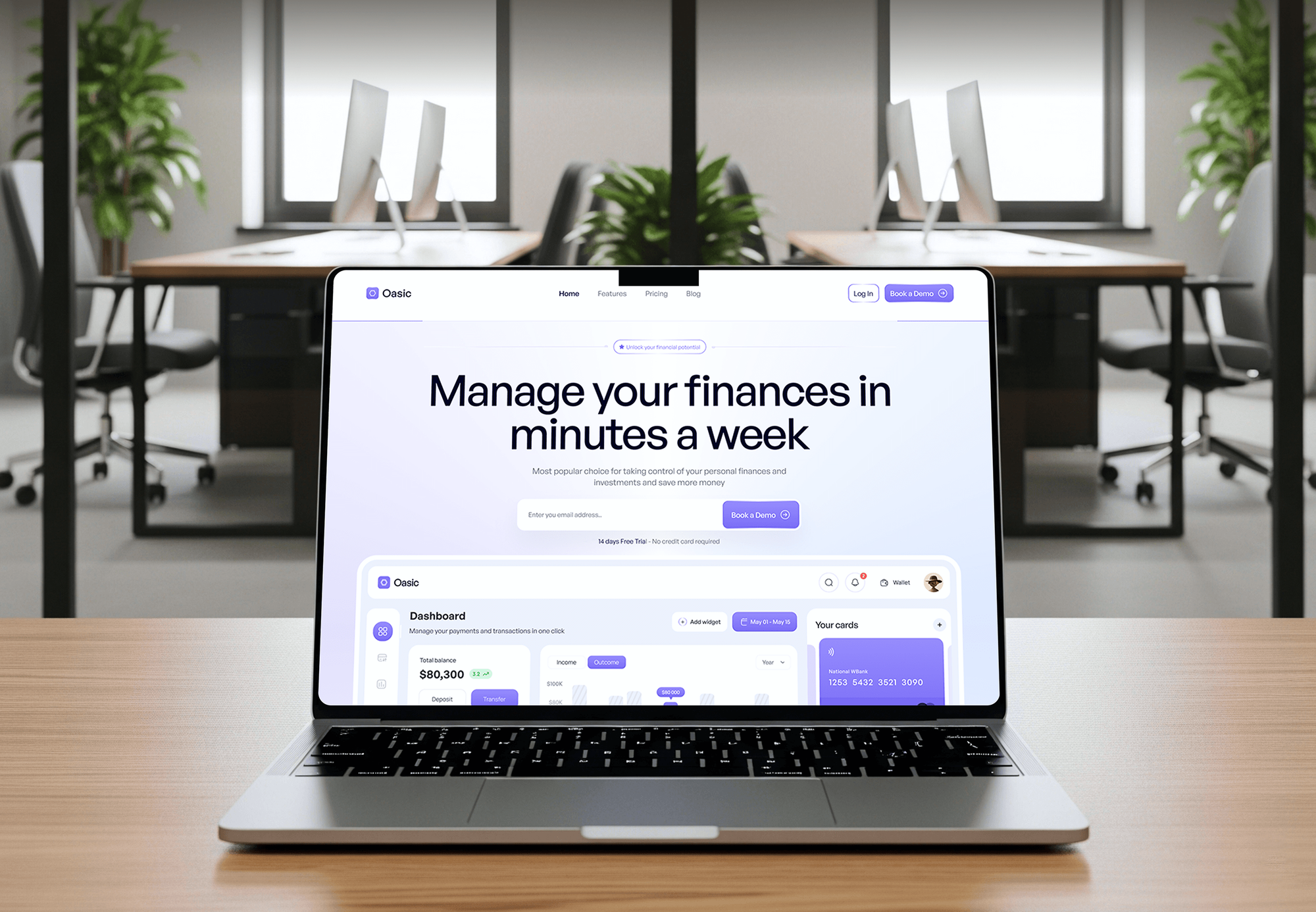
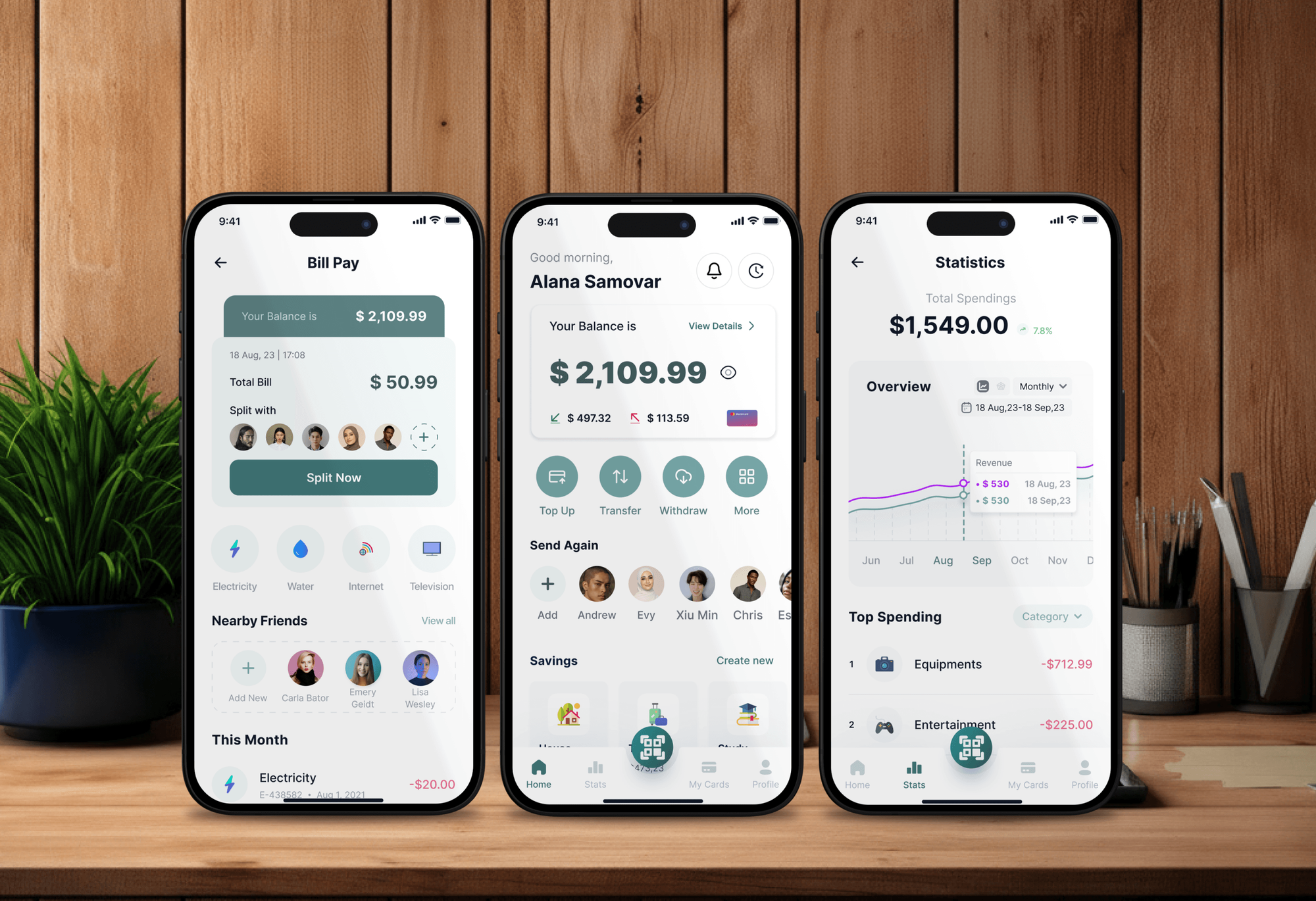
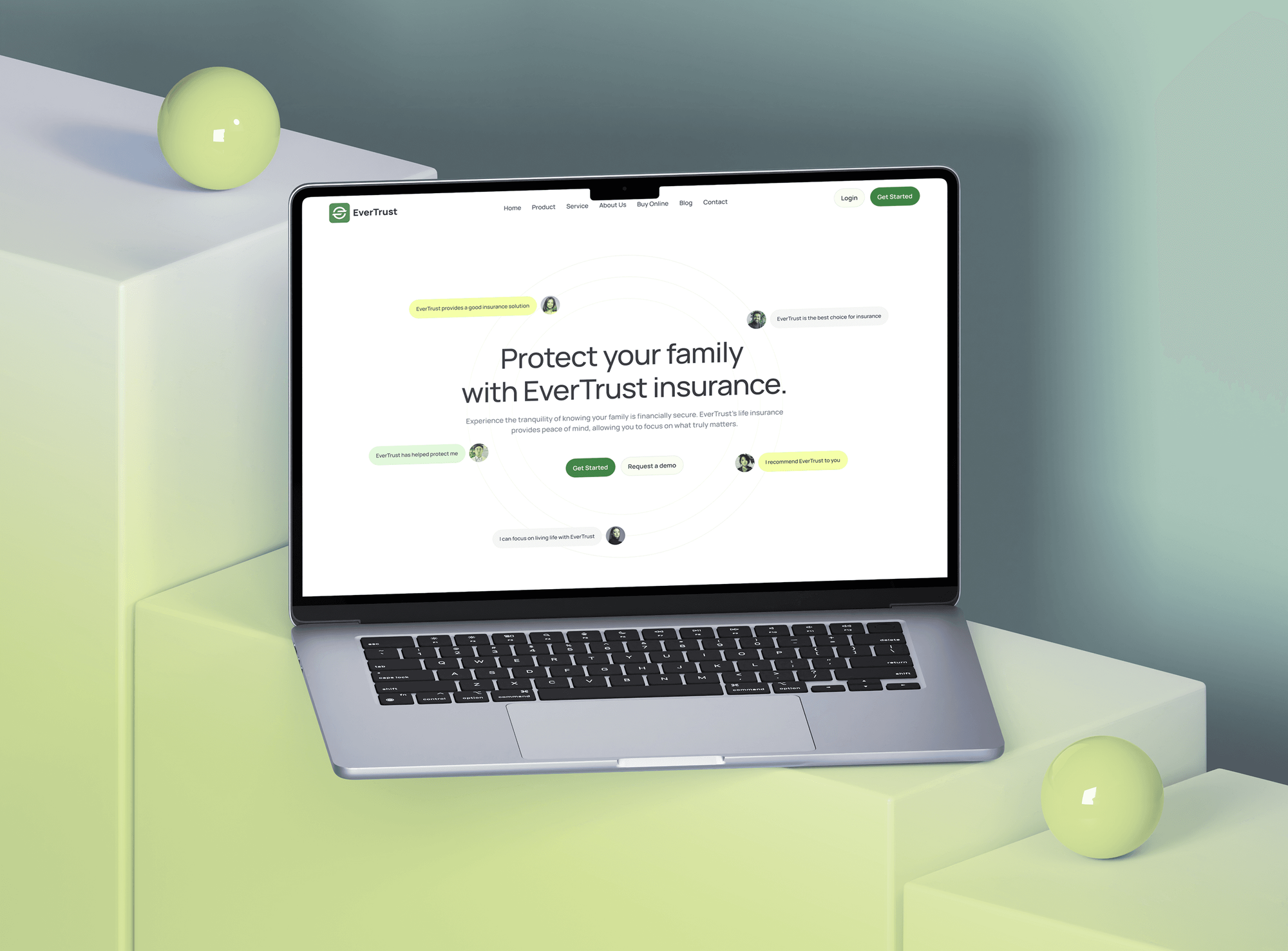
Fintech, finance SaaS, and insurance products we designed and built. Platforms like these hold the customer data a financial security program protects.

What Our Clients Say
Feedback from teams we have built apps, platforms, and websites for.
We had a pretty specific idea of what we wanted our website to become, but I wasn’t sure how easily we could explain all of it to a development team. There were quite a few moving parts, and we were working toward a deadline, so I expected a few things to get lost along the way. That never really happened. They understood what we were trying to achieve, kept us updated throughout the process, and got everything ready within the agreed timeline. The final site feels much easier to navigate, works beautifully on mobile, and is noticeably smoother for our customers. It was a huge relief seeing the original idea actually turn into the website we had in mind.
The mobile experience is probably my favourite part of the new site. We had spent a lot of time making sure the desktop version looked right, and the team kept pushing us to think about how everything would actually feel on a phone too. They were right. The navigation is clean, the interactions feel natural, and everything we’ve tested so far works exactly as it should. They also went through the links, forms, integrations, and other details more than once before launch, which I really appreciated. And even after going live, we could still reach out when something came up. The whole process felt friendly, organised, and surprisingly straightforward.
What I appreciate most is that the website is actually easy for us to manage now. We can update content ourselves instead of sending a developer a message every time we need to change something small. They also paid attention to the technical SEO side, which mattered to us because we didn’t want a new website to create problems for the traffic we already had. I’ve probably asked more questions than I should have since launch, but every question has been handled patiently and without any fuss. The team is easy to work with, they explain things clearly, and when we need something changed, they focus on getting it done rather than making the process complicated.
1,250+
Projects shipped
10+
Years of experience
Top 3%
Upwork Top Rated Plus
5 stars
Average review score

Want results like these?
Tell us what you are building. You get a reply within 24 hours on business days, then a written estimate.
Work Culture
Financial cybersecurity work sits between your IT team, your vendors, and your examiners. These habits keep it accurate, independent, and readable.
We write every finding the way an examiner reads it: control, evidence, owner, date. Your team spends less time translating our work for the exam.
We help build and fix your program, so we don't also audit it. When you need an independent opinion, we tell you to hire a separate firm.
We review settings, reports, and logs in your systems, not customer account data. Nothing from your core leaves your environment for our work.
We read each critical vendor's SOC report, including the complementary user entity controls. Those are the parts your own team must run, and they're often missed.
Directors need decisions, not jargon. Every summary we write says what the risk is, what fixing it involves, and who owns it.
You get one fixed price for the entities and vendors in scope. A new charter or an acquisition is quoted before we start on it.
Overview
DeveloperLook provides financial services cybersecurity for community banks, credit unions, lenders, and other regulated firms. We assess you against NIST CSF 2.0, map results to GLBA safeguards and exam areas, rate critical vendors, and build an incident playbook with regulator notice steps. Projects start at $1,150 and take 2 to 10 weeks.
DEVELOPERLOOK
Project facts · Financial Services Cybersecurity
Reviewed 23 Oct 2026 by Saimul Islam
Good fit
Community banks after the CAT retirement
Your examiners used to see a completed FFIEC CAT, and now you need a framework they'll accept for this year's IT exam.
Credit unions growing digital services
You added mobile banking, card controls, and a new loan platform, and each one brought a vendor your board hasn't reviewed.
Non-bank lenders and loan servicers
Your lending business falls under the FTC Safeguards Rule, and you need cybersecurity requirements for financial services companies turned into working controls.
Payment and money transfer firms
Your partner bank's due diligence questionnaire asks about information security for banks, and you need answers backed by evidence.
IT providers serving financial firms
You run IT for banks or credit unions and need cybersecurity for financial institutions documented in a way examiners can follow.
Not a fit
Advisory firm or RIA
You're an investment adviser preparing for Regulation S-P. Our cybersecurity for financial advisors and RIAs page covers that rule's incident and vendor duties.
Customers want SOC 2
Your enterprise customers want a SOC 2 report from your finance platform. Our SOC 2 compliance services page covers that readiness work.
New York DFS program
You need an annual NYDFS Part 500 certification program run end to end. A firm that specializes in that New York rule is the better first call.
Card data is the gap
Your real gap is card data in your payment flow and choosing the right SAQ. Our PCI compliance services page covers that scope.
Not sure we're the right fit?
Book a free call or message us. We'll tell you honestly whether we're the right team.
Pricing
These are starting points in USD. Your final price depends on your entities, critical vendors, and the fixes in scope, and you get a fixed proposal after a free risk review.
For community banks, credit unions, and lenders that need a framework to replace the retired CAT.
$1,150one-time, USD
For institutions that depend on core, card, and digital banking providers for daily operations.
$3,000one-time, USD
For holding companies and lenders with up to 3 regulated entities or charters.
$5,750one-time, USD
For Agencies
You own the bank or lender relationship. We supply the CSF 2.0 assessment, vendor ratings, and playbooks under your brand, and you stay the provider they call. Your clients get exam-ready security work without you hiring a banking specialist.
White label: your client only ever sees your brand
Send the institution's charter, core providers, and last exam findings.
You get a written scope and a fixed price for each institution.
We deliver the profile, vendor ratings, and playbook for you to present.
Profiles and playbooks written the way examiners read them.
Reports delivered in your format, with your logo and wording.
Core providers, card processors, and notice deadlines handled by people who know them.
Assess one institution first, then repeat the method across your book.
The Right Technology for Your Project
These are the frameworks examiners recognize and the identity, email, and logging tools most banks and lenders already license.
 AWS
 Microsoft Azure
 Google Cloud
FAQ
Straight answers on cost, timing, why it matters, the banking rules, and how to judge providers.
Saimul IslamFounder & CEO, DeveloperLookStill have questions?
Send a message or book a call with the team.
Financial services cybersecurity from DeveloperLook starts at $1,150 for a NIST CSF 2.0 assessment mapped to GLBA and your exam areas. Adding ratings for up to 25 critical vendors and an incident playbook with a tabletop is $3,000. Holding companies with up to 3 entities start at $5,750, with gap fixes and a testing calendar.
An assessment takes 2 to 3 weeks, and the full program takes 5 to 10 weeks. Vendor reviews usually set the pace, because SOC reports and contract copies take time to collect. Starting well before your exam leaves room for fixes and gives the board time to read the summary before examiners ask about it.
Because financial firms hold what attackers want most: money movement and identity data. A breach can mean fraudulent wires, account takeovers, and customer notices, plus regulator scrutiny under GLBA. Good cybersecurity in finance also keeps payments, lending, and deposits running when a vendor or system fails, which customers notice long before any regulator does.
The main benefits are fewer fraud losses, smoother exams, and faster recovery when something breaks. A scored framework lets you show progress instead of arguing about it. Vendor ratings cut surprises from core and card providers, and a practiced playbook means the right people call the regulator, the vendor, and customers in the right order.
In banking, cybersecurity means protecting deposit, lending, card, and payment systems under rules written for banks. Those include the Interagency Guidelines that implement GLBA, the FFIEC examination handbooks, and a 36-hour notice rule for significant computer-security incidents. Most risk now sits with third parties, so vendor oversight is a large part of information security for banks.
It matters because the financial system runs on trust and shared connections. One institution's outage or breach can spread through common processors, payment networks, and customers who bank in several places. That's why cyber security in financial sector institutions draws supervisory attention most industries don't, and why regulators expect boards to oversee it directly.
They fall into three groups. Core and digital banking providers build in security, managed security providers watch systems for banks and credit unions, and advisory firms build programs. Look for experience with GLBA, exam handbooks, and vendor oversight. We're in the third group and work alongside your core provider rather than replacing it.
There's no neutral ranking we'd stand behind, so judge providers by evidence instead. Ask for sample deliverables written for examiners, how they review SOC reports, and whether they fix gaps or only report them. Check independence too: the firm that builds your program shouldn't also audit it. We share sample deliverables on the first call.
The best solutions stop the most common losses: phishing-resistant MFA, email filtering, endpoint detection, reviewed logs, tested backups, and vendor oversight. Coverage matters more than brand, so we map what you already own in Microsoft 365 or Google Workspace before suggesting anything new. Often the fix is a setting, not a purchase.
No. We work alongside your IT provider and core vendor, and they keep running daily operations. We assess, write the program, and fix specific gaps in identity, email, and logging when your plan includes it. After handover you get 30 days of support, and most clients keep their IT provider for the ongoing work.
Saimul IslamFounder & CEO, DeveloperLookStill have questions?
Send a message or book a call with the team.
Free 30-min callGoogle Meet
Book a call
In 30 minutes on Google Meet we walk you through how we would build it, how long it takes and what it costs. Then you get a written estimate.
Calendar not showing? Book on cal.com or send a brief.