




Payment and transfer screens
Pay, send, request, and history screens for iOS, Android, or the web, built around your money flow.

For fintech founders and platforms: payment and money transfer apps built on licensed processors, with a ledger that matches every transaction. From $1,250.
24/7
Payments accepted in your app
100%
Payments matched to the ledger
Teams we have built for:














The Problem
Problems show up once real users and real money arrive. A double tap charges twice, a webhook goes missing, and your balance screen disagrees with the processor's report.
Double charges
A retried tap charges the customer twice.
Double charges
Idempotency keys make a retried payment request return the first result instead.
Missed webhooks
A failed webhook leaves a transfer stuck as pending.
Missed webhooks
Verified webhooks retry safely, and a daily job catches anything they missed.
Wrong balances
Balances live in several tables that don't agree.
Wrong balances
A double-entry ledger records every movement, so balances add up from entries.
Card data
Card numbers pass through your own servers.
Card data
Card details go straight to the processor's SDK, keeping your PCI scope small.
Your first users love the app. Then one taps Pay twice on a slow train and gets charged twice. A webhook fails overnight, so a transfer shows pending for days. Support asks finance why a balance is off by a few dollars, and nobody can say, because amounts live in three tables that don't agree. Then your bank partner asks who verified the sender. Each fix is a patch on a patch, and every patch makes the next payout riskier.
We start with the money model: who pays, who receives, who holds the funds, and which licensed provider moves them. Then we build on that provider's rails, with a double-entry ledger as your source of truth. Every payment call carries an idempotency key, every webhook is verified, and a daily job reconciles your ledger against the processor's reports. Balances get proven, not guessed.
A ledger you can trust
Double-entry records for every payment, refund, and payout, so your balances add up from entries.
Retries that pay once
Idempotency keys and verified webhooks stop double charges and stuck transfers.
Built on licensed rails
Stripe, Adyen, Braintree, or Dwolla move the funds, so raw card data stays off your servers.
Our Payment App Development Process
You approve the money flow, the provider, and the ledger design before code, then watch test payments reconcile before real customers pay.
We map who pays, who receives, who holds funds, and when fees apply, then match that to a licensed provider. You get a written scope, a provider shortlist, and the licensing questions your counsel should answer.
What's Included
Your build covers the payment screens, the provider integration, the ledger, webhooks, reconciliation, and the admin tools your support and finance teams need on day one.
Compare Options
No-code payment tools get you charging fast, and a freelancer can wire up a processor cheaply. Here is where each fits, and where a full payment app build makes more sense.
| Feature | DeveloperLookBest fit | No-code payments | Freelancer |
|---|---|---|---|
| Time to first payment | 5 to 15 weeks | Same day | 1 to 3 weeks |
| Custom money flows | P2P, wallets, and payouts | Standard checkout only | Depends on the person |
| Ledger and balances | Double-entry ledger | Processor dashboard only | Often a balance column |
| Retries and webhooks | Idempotent and verified | Handled by the tool | Varies by build |
| Reconciliation | Daily automated checks | Manual exports | Rarely included |
| PCI scope | Card data stays with processor | Card data stays with processor | Depends on the build |
| Upfront cost | Fixed price per release | Low or free | Lower day rate |
| Code ownership | You own the code | No code to own | Depends on the contract |
Projects We've Built
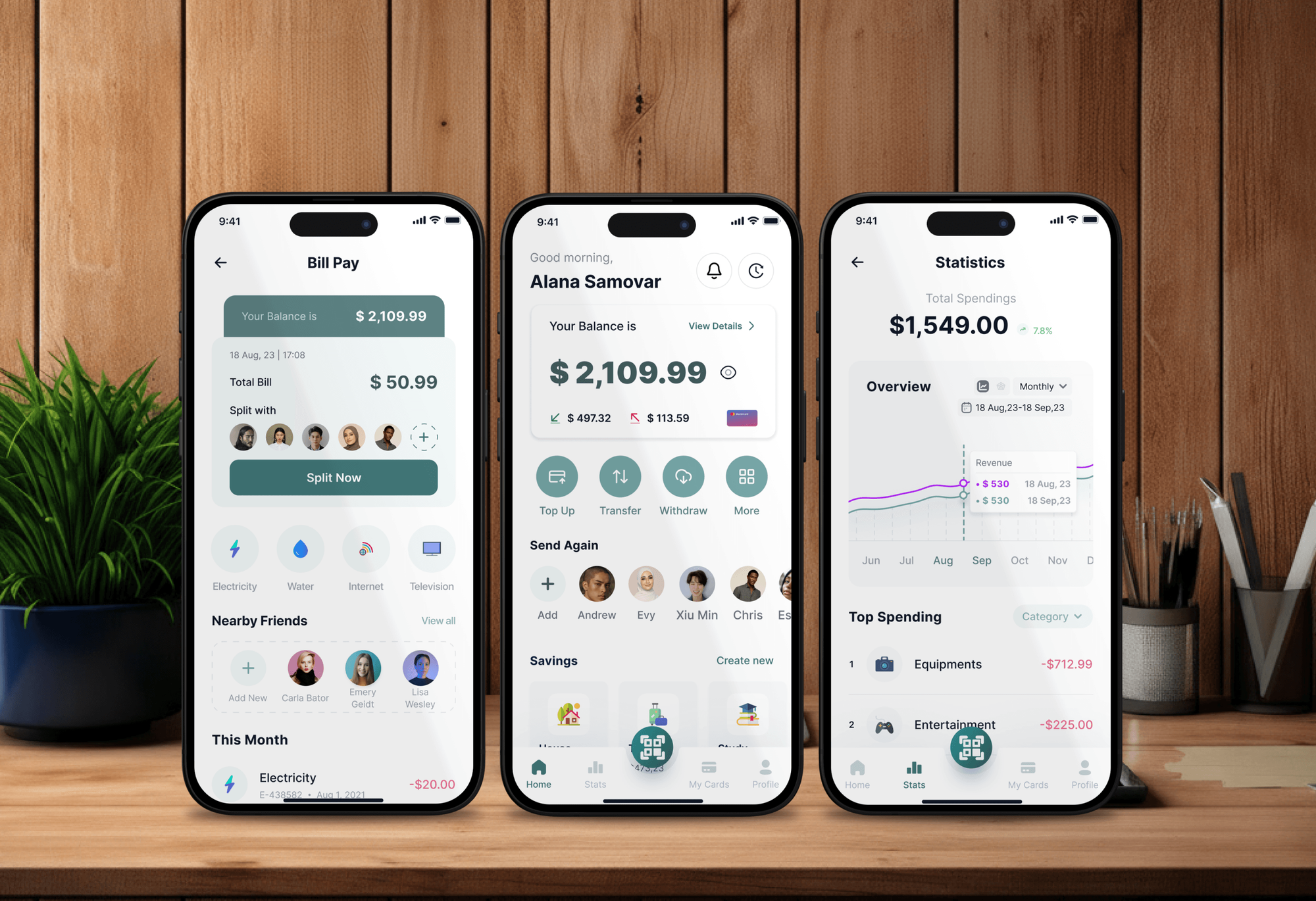
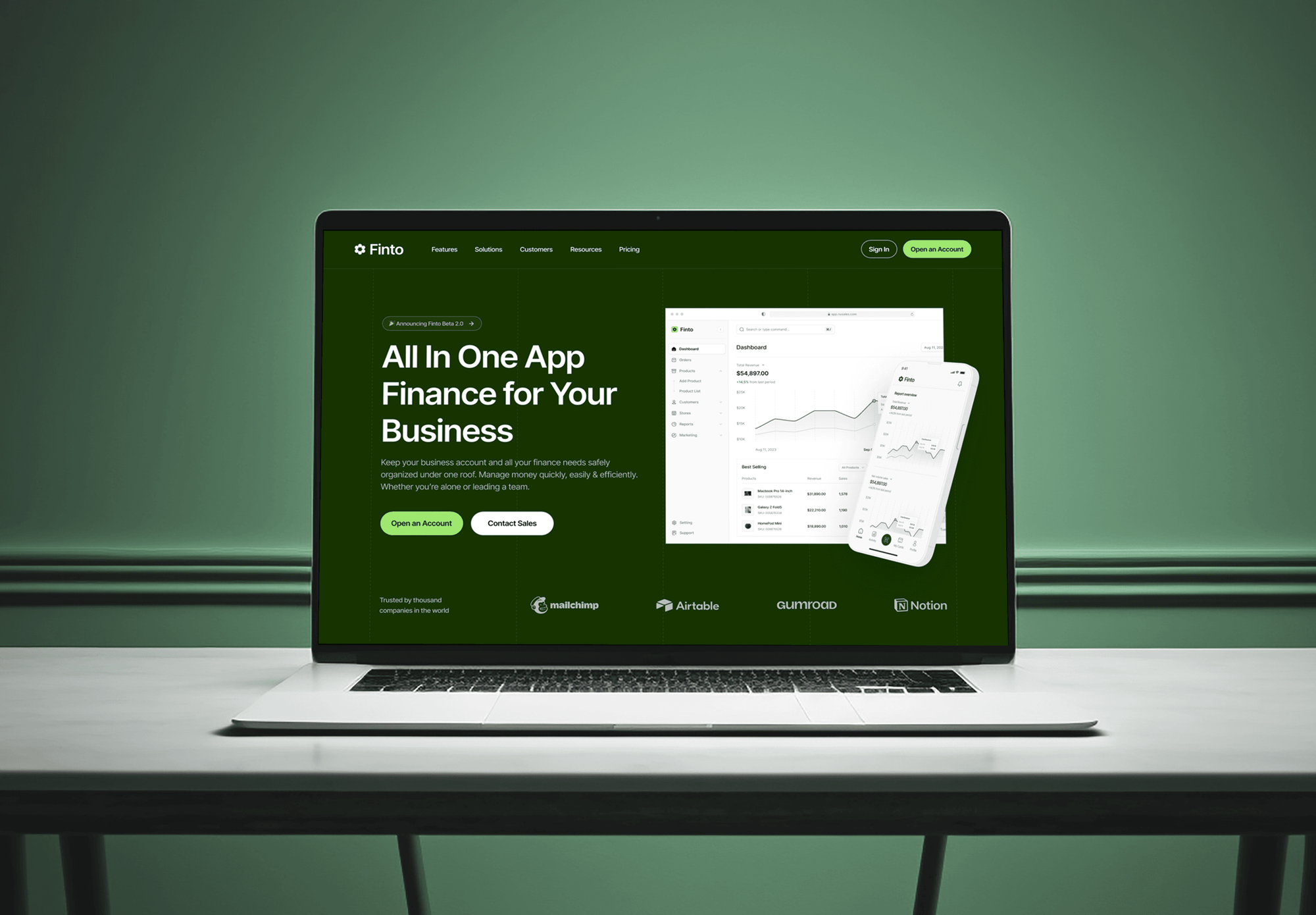
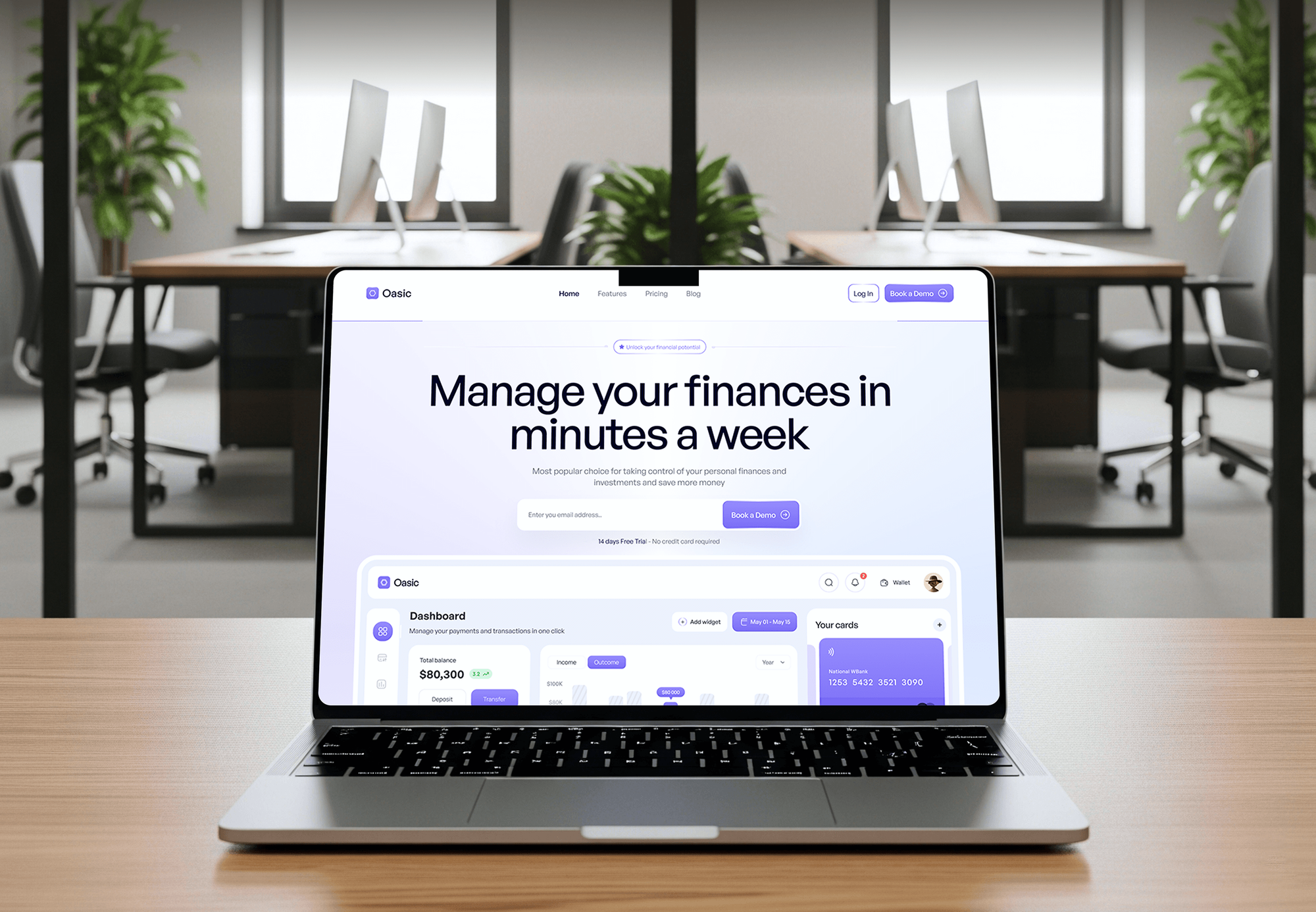
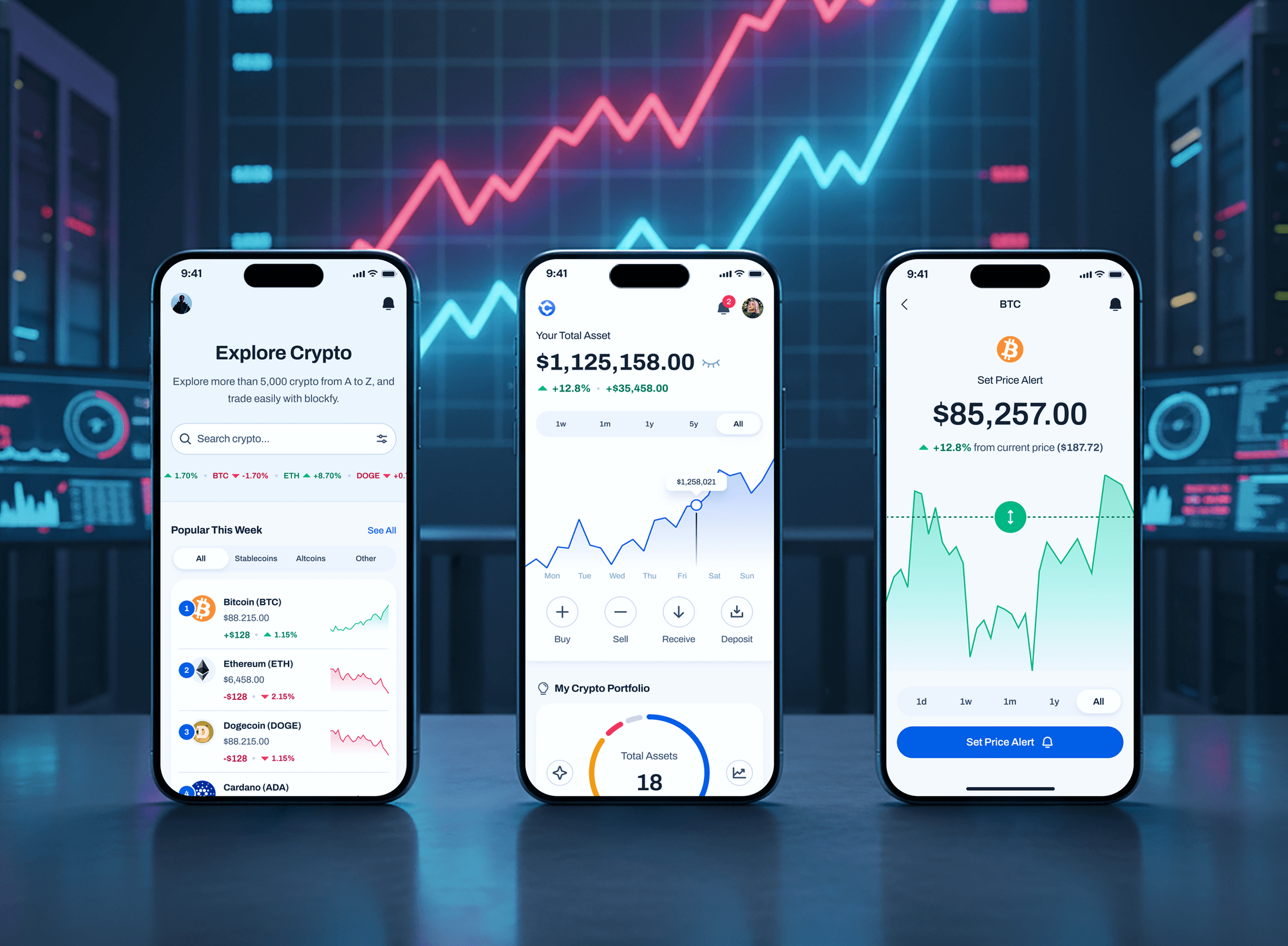
Moneywish, Finto, Oasic, and CoinSphere are finance products we designed and built, with money transfers, payment links, recurring billing, and deposit screens.
What Our Clients Say
Feedback from teams we have built finance apps, payment flows, and web products for.
We had a pretty specific idea of what we wanted our website to become, but I wasn’t sure how easily we could explain all of it to a development team. There were quite a few moving parts, and we were working toward a deadline, so I expected a few things to get lost along the way. That never really happened. They understood what we were trying to achieve, kept us updated throughout the process, and got everything ready within the agreed timeline. The final site feels much easier to navigate, works beautifully on mobile, and is noticeably smoother for our customers. It was a huge relief seeing the original idea actually turn into the website we had in mind.
The mobile experience is probably my favourite part of the new site. We had spent a lot of time making sure the desktop version looked right, and the team kept pushing us to think about how everything would actually feel on a phone too. They were right. The navigation is clean, the interactions feel natural, and everything we’ve tested so far works exactly as it should. They also went through the links, forms, integrations, and other details more than once before launch, which I really appreciated. And even after going live, we could still reach out when something came up. The whole process felt friendly, organised, and surprisingly straightforward.
What I appreciate most is that the website is actually easy for us to manage now. We can update content ourselves instead of sending a developer a message every time we need to change something small. They also paid attention to the technical SEO side, which mattered to us because we didn’t want a new website to create problems for the traffic we already had. I’ve probably asked more questions than I should have since launch, but every question has been handled patiently and without any fuss. The team is easy to work with, they explain things clearly, and when we need something changed, they focus on getting it done rather than making the process complicated.
1,250+
Projects shipped
10+
Years of experience
Top 3%
Upwork Top Rated Plus
5 stars
Average review score
1,250+
Projects shipped
10+
Years of experience
Top 3%
Upwork Top Rated Plus
5 stars
Average review score

Want results like these?
Tell us what you are building. You get a reply within 24 hours on business days, then a written estimate.
Work Culture
Your app moves other people's money, so a small bug becomes a support ticket and a finance problem. These habits keep your payments correct and auditable.
We design the ledger accounts before the screens. Every later feature, from tips to refunds, then has a correct place to write its entries.
We send idempotency keys on every payment request and handle duplicate webhooks. Your customers can tap twice on a bad connection and still pay once.
Holding or sending funds can need licenses, so we flag those questions in week one. Your counsel decides, and we build on a provider whose model fits.
Card details go from the app straight to the processor's SDK. Your PCI scope stays small, and full card numbers stay off your servers.
If Stripe Payment Links or a hosted checkout already covers your case, we'll tell you before we quote. Building pays off when your money flow is truly custom.
Processor, bank data, and app store accounts are opened in your company's name. You keep the keys, the code, and the customer relationship.
Overview
DeveloperLook handles payment software development for fintech founders and platforms. We build card payments, wallets, P2P transfers, and payouts on licensed processors like Stripe, Adyen, or Dwolla, with a double-entry ledger and daily reconciliation. Projects start at $1,250, take 5 to 15 weeks, and you own the code and provider accounts.
DEVELOPERLOOK
Project facts · Payment App Development
Reviewed 28 Oct 2026 by Saimul Islam
Good fit
Founders launching a P2P payment app
You want to build a p2p payment app for a community or niche, and need transfers, a balance screen, and sign-up checks done right.
Platforms paying out sellers or contractors
Your marketplace collects money from buyers and pays sellers or contractors, and payouts still run from a spreadsheet every Friday.
Fintechs adding send and request
Your product needs sending and requesting money, and you want money transfer app development that matches your partner bank's records.
Teams taking card payments in person
Your team takes cards at events or job sites, and you want mobile payment app development with Tap to Pay instead of rented card readers.
Agencies with a fintech client
Your agency signed a fintech client, and you need a payment app development company that has shipped ledgers, webhooks, and payouts.
Not a fit
Store checkout setup
You need a payment gateway added to an existing store or website, not a new payment app. Our Payment Gateway Integration page covers that.
Marketplace payouts only
Your marketplace runs fine and only needs seller payouts and split payments added. Our Stripe Connect Marketplace Payouts page fits that job.
Full banking features
You need deposit accounts, cards, and statements in a banking app. Our Banking App Development Company page covers that build.
Budget under $1,250
Your budget is under $1,250, or Stripe Payment Links already covers your case. If it does, we'll tell you before we quote.
Not sure we're the right fit?
Book a free call or message us. We'll tell you honestly whether we're the right team.
Pricing
These are starting points in USD. Your final price depends on your money flows, your provider, and payout needs. You get a fixed proposal after a free money mapping session.
For Agencies
You own the client relationship. We supply the payment engineering behind your fintech clients' apps: the ledger, provider integration, webhooks, and reconciliation. Your client sees your brand, and their finance team sees books that balance.
White label: your client only ever sees your brand
Send the client's money flow, provider, and launch date, and we map it with you.
We send a fixed proposal you can present as your own, with the team named.
We build, reconcile test payments, and hand over code and provider access.
Send the client's money flow, provider, and launch date, and we map it with you.
We send a fixed proposal you can present as your own, with the team named.
We build, reconcile test payments, and hand over code and provider access.
The Right Technology for Your Project
We build on processors with mature SDKs and webhooks, keep card data on their side, and store your money movements in a database built for exact amounts.
 Stripe
 Braintree
 Apple Pay
 Google Pay
 React Native
 Node.js
 PostgreSQL
 AWS
Related Services
Banking apps, identity checks, and lending flows that share your payment rails, plus marketplace payouts, gateway setups, and PCI compliance help.
This page
Payment App Development
Pairs with the 6 services around it
FAQ
Straight answers on payment app building, cost, timelines, P2P transfers, SDKs and APIs, PCI scope, licensing, and ownership.
Saimul IslamFounder & CEO, DeveloperLookStill have questions?
Send a message or book a call with the team.
You develop a payment app by choosing the money model and a licensed provider before writing code. Map who pays, who receives, and who holds your users' funds. Then design a double-entry ledger, build the screens on the provider's SDK, handle webhooks with idempotency keys, and reconcile test payments against the provider's reports. Launch to a small group first.
You develop a p2p payment app on a provider built for moving money between users, such as Dwolla for ACH transfers. Your users sign up, pass checks through your KYC provider, and link a bank with Plaid. Most p2p payment app development work is the ledger and the checks around each transfer. Whether you need money transmitter licenses is your counsel's call.
Payment software development with DeveloperLook starts at $1,250 for in-app card payments with Apple Pay, Google Pay, refunds, webhooks, and a ledger. A P2P transfer app with KYC, Plaid bank linking, and reconciliation starts at $4,200. A payments platform with payouts, Tap to Pay, and dispute handling starts at $8,800. You get a fixed quote after a free mapping session.
Payment app development takes 5 to 15 weeks with DeveloperLook. Card payments with a ledger take about 5 to 7 weeks. P2P transfers with KYC and bank linking take 9 to 12 weeks, and a payments platform with payouts up to 15. Your provider's review of your live account can add time, so that application starts in week one.
You develop a credit card payment app with an SDK by letting the processor's SDK collect the card. Stripe's iOS and Android SDKs offer PaymentSheet, a prebuilt payment screen that sends card details straight to Stripe. Your server creates the payment and confirms it by webhook. For in-person cards, Stripe Terminal adds Tap to Pay on iPhone and Android.
You develop a credit card payment app with an API by calling the processor from your server, not from the phone. Your backend creates each payment with an idempotency key, which Stripe keeps for at least 24 hours, so a retried request returns the first result. Webhooks then confirm success, failure, or refunds, and your ledger records each outcome.
Payment software keeps PCI scope small by keeping full card numbers off your servers. The processor's SDK, hosted fields, or hosted page collects the card and returns a token. Card-not-present merchants that fully outsource card data to a PCI DSS compliant provider can often validate with SAQ A. Your processor or assessor confirms which questionnaire applies.
It depends on who holds and moves the money, so your counsel makes that call. Apps that take card payments for their own goods usually rely on the processor. Apps that hold user balances or send money between users often run under a licensed partner's program or need their own licenses. We flag these questions in the first week.
Payment software needs a double-entry ledger because a balance column can't explain itself. In a ledger, every movement debits one account and credits another, so a user's balance is the sum of their entries. Your fees, refunds, and reversals each get their own entries. When support or an auditor asks why a balance changed, the answer is in the records.
You own the payment app code, the ledger data, and every provider account. Stripe, Dwolla, Plaid, and app store accounts are opened in your company's name from the start. At launch you receive the repository, secrets setup, and runbooks, plus 60 days of post-launch support for bugs, provider changes, and reconciliation.
Saimul IslamFounder & CEO, DeveloperLookStill have questions?
Send a message or book a call with the team.
Free 30-min callGoogle Meet
Book a call
In 30 minutes on Google Meet we walk you through how we would build it, how long it takes and what it costs. Then you get a written estimate.
Calendar not showing? Book on cal.com or send a brief.