











Borrower application flow
Online applications with save and resume, so your borrowers finish on their phone what they started at work.

For lenders, credit unions, and fintechs: loan software that takes applications, decides with clear reasons, and keeps the paper trail examiners ask for. From $1,350.
2X
Faster loan decisions
100%
Decisions with reason codes
How your project runs
01 · FreeTeams we have built for:














The Problem
The cracks show when volume grows or an examiner asks why one applicant was declined. Applications arrive as PDFs, decisions live in inboxes, and nobody can rebuild the trail.
PDF applications
Applications arrive as email attachments that staff rekey by hand.
PDF applications
Your borrowers apply online with save and resume, and data lands in fields.
Lost reasons
Nobody can say later why an applicant was declined.
Lost reasons
Each decision stores the rule results and reason codes behind it.
Manual checks
Underwriters copy bureau data from one tab into another.
Manual checks
Bureau and bank data pull into the file through your own accounts.
Missed payments
Autopay lives in a spreadsheet, so failed payments surface late.
Missed payments
Payment schedules and ACH autopay run in the system, with alerts on failures.
An applicant emails a PDF at 9 p.m. and calls at 9 a.m. to ask if it arrived. Your underwriter rekeys the numbers into a spreadsheet, checks a bureau report in another tab, and approves by reply-all. A month later, a declined borrower asks why. The reason sits in someone's inbox, if anywhere. Payments live in a second spreadsheet, and one failed autopay turns into a week of calls. Every new loan adds work, so growth means hiring before it means revenue.
We start with your credit policy, written down as rules your team can read and change. Then we build the flow around it: an online application, document checklists, bureau and bank data pulls, decisions with reason codes, staff approvals, e-sign, and servicing. Every step writes to an audit log. When a borrower or examiner asks why, the answer is one click away, not an inbox search.
Credit policy as rules
Your credit policy becomes readable rules your team can change without a developer.
Reason codes on decisions
Every approval and decline stores its reasons, ready for adverse action notices.
An audit trail by default
Each step, from application to payoff, records who did what and when.
Our Lending Software Development Process
You approve the credit rules, the screens, and the data sources before code is written, then test real loan scenarios before any borrower sees the system.
We read your credit policy, loan products, and current workflow, and note where applications stall. You get a written scope, the data sources each product needs, and the rules we'll turn into the decision engine.
What's Included
Your build covers the borrower application, document checklists, data pulls, the decision engine, staff review, e-sign, and servicing, with an audit log under every step.
Compare Options
Lending SaaS gets standard products live quickly, and spreadsheets cost nothing to start. Here is where each fits, and where a custom build pays off for you.
| Feature | DeveloperLookBest fit | Lending SaaS | Spreadsheets |
|---|---|---|---|
| Time to go live | 6 to 16 weeks | A few weeks | Already running |
| Loan products | Built around your products | Products the vendor supports | Anything, by hand |
| Credit rules | Your rules, editable | Vendor's rule builder | In people's heads |
| Reason codes | Stored on every decision | Varies by vendor | |
| Audit trail | Every step logged | Usually included | |
| Integrations | Your bureau, bank, and core | Vendor's partner list | Copy and paste |
| Cost model | Fixed price per release | Per-loan or seat fees | Staff hours |
| Code ownership | You own the code | Vendor owns the platform |
Projects We've Built
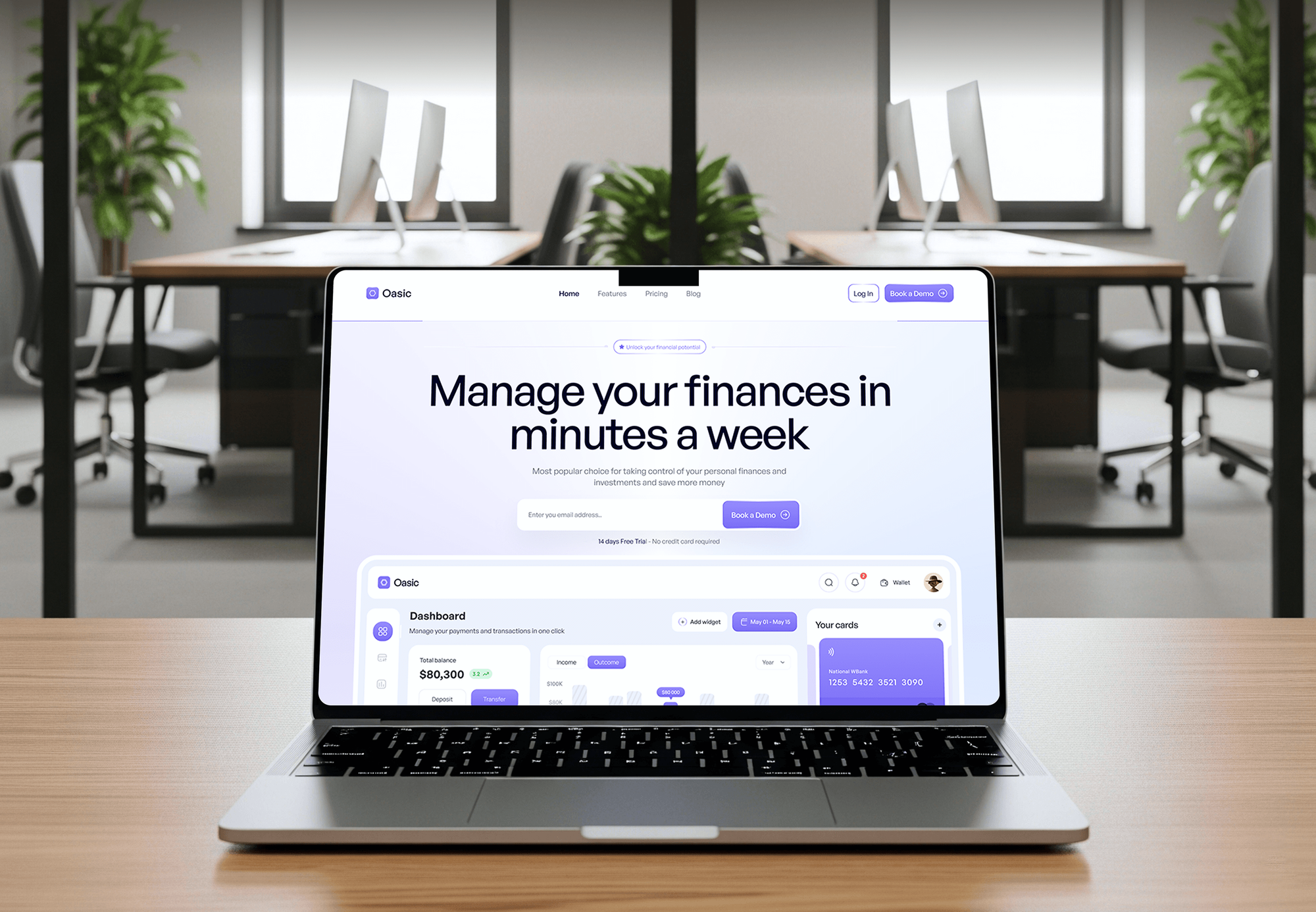
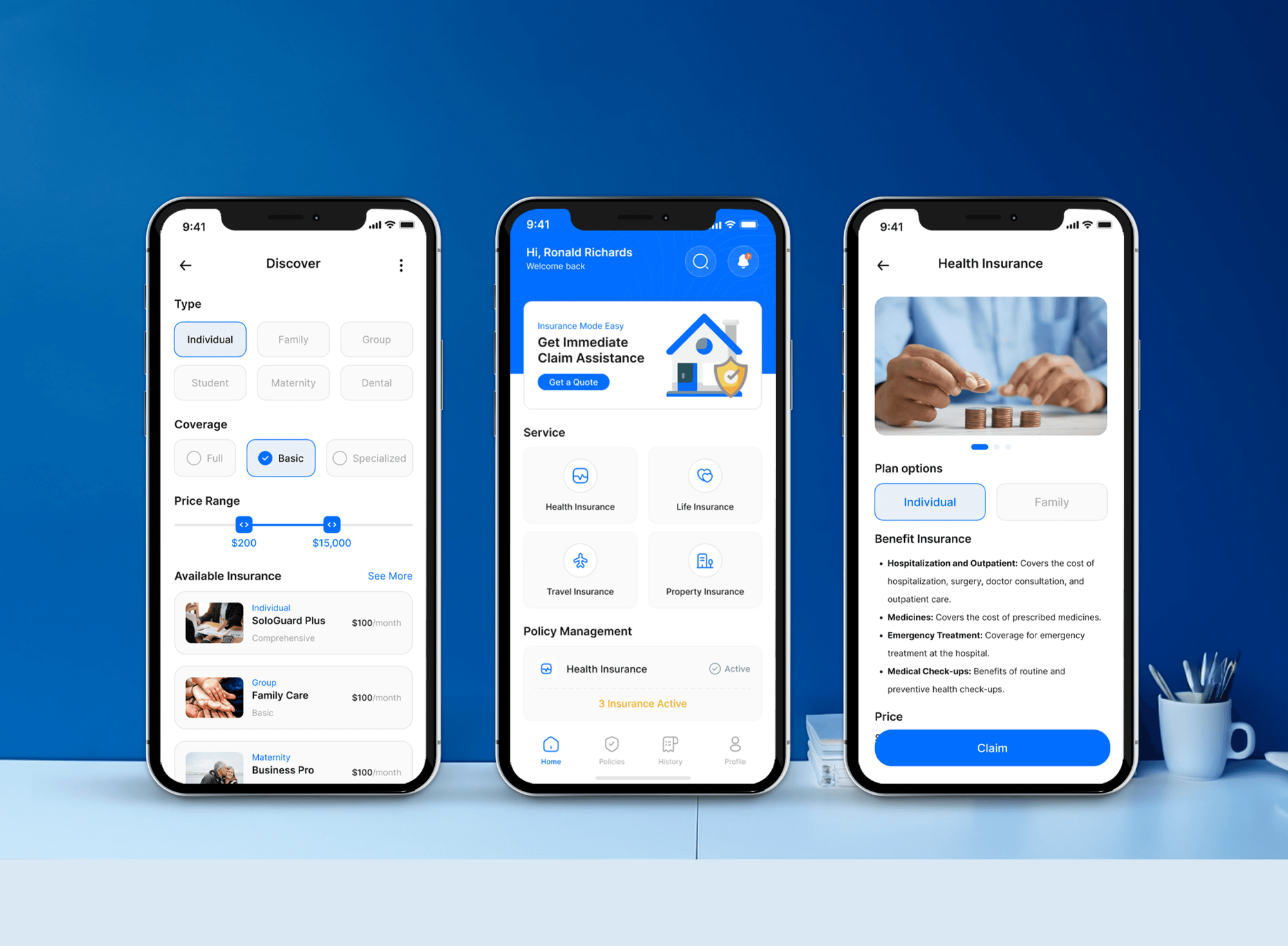
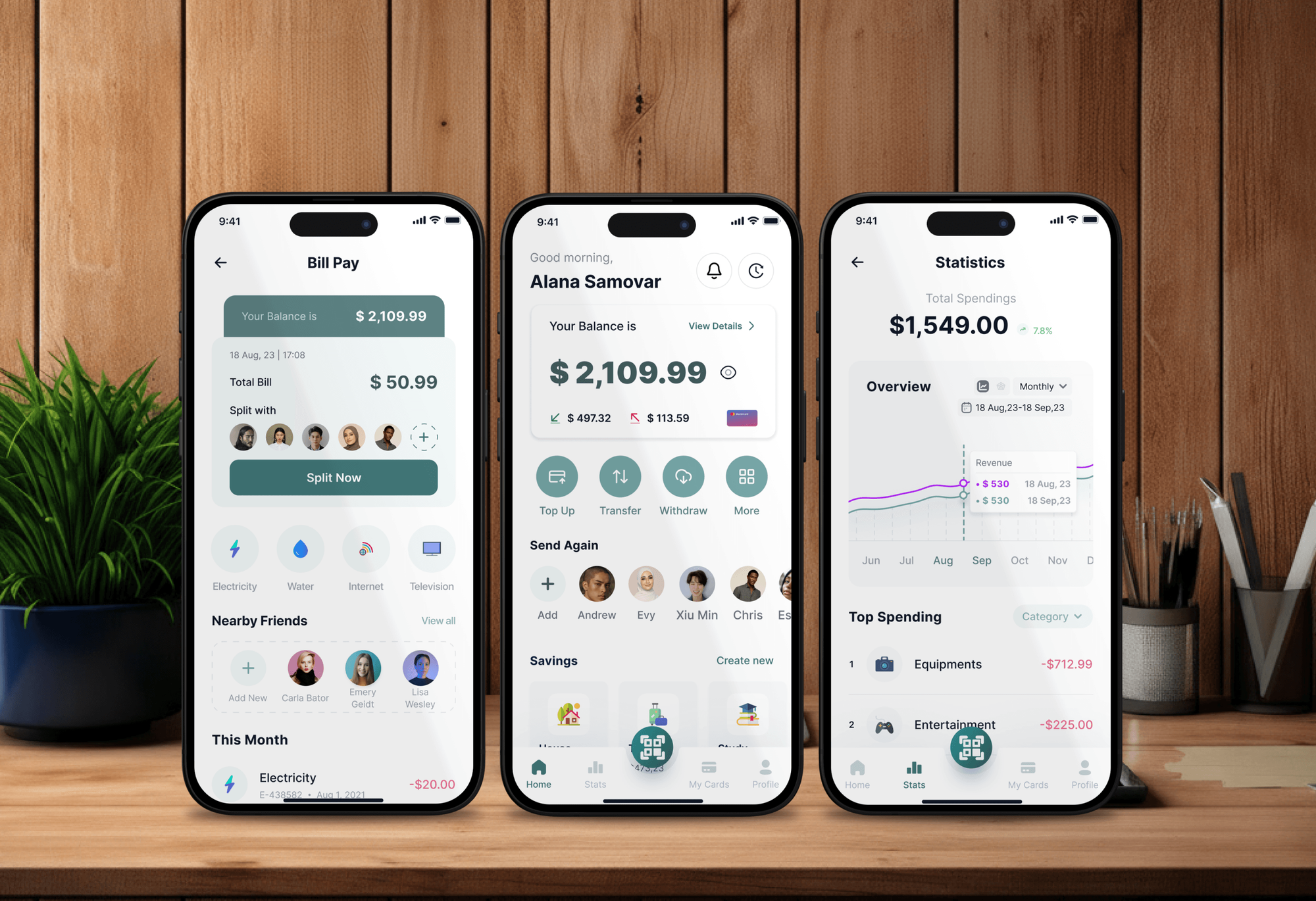
Oasic, Finto, Dualcare, and Moneywish are finance and insurance products we built, with applications, dashboards, and payment flows. None of them is a lending platform.

What Our Clients Say
Feedback from teams we have built finance dashboards, portals, and web products for.
We had a pretty specific idea of what we wanted our website to become, but I wasn’t sure how easily we could explain all of it to a development team. There were quite a few moving parts, and we were working toward a deadline, so I expected a few things to get lost along the way. That never really happened. They understood what we were trying to achieve, kept us updated throughout the process, and got everything ready within the agreed timeline. The final site feels much easier to navigate, works beautifully on mobile, and is noticeably smoother for our customers. It was a huge relief seeing the original idea actually turn into the website we had in mind.
The mobile experience is probably my favourite part of the new site. We had spent a lot of time making sure the desktop version looked right, and the team kept pushing us to think about how everything would actually feel on a phone too. They were right. The navigation is clean, the interactions feel natural, and everything we’ve tested so far works exactly as it should. They also went through the links, forms, integrations, and other details more than once before launch, which I really appreciated. And even after going live, we could still reach out when something came up. The whole process felt friendly, organised, and surprisingly straightforward.
What I appreciate most is that the website is actually easy for us to manage now. We can update content ourselves instead of sending a developer a message every time we need to change something small. They also paid attention to the technical SEO side, which mattered to us because we didn’t want a new website to create problems for the traffic we already had. I’ve probably asked more questions than I should have since launch, but every question has been handled patiently and without any fuss. The team is easy to work with, they explain things clearly, and when we need something changed, they focus on getting it done rather than making the process complicated.
1,250+
Projects shipped
10+
Years of experience
Top 3%
Upwork Top Rated Plus
5 stars
Average review score
1,250+
Projects shipped
10+
Years of experience
Top 3%
Upwork Top Rated Plus
5 stars
Average review score

Want results like these?
Tell us what you are building. You get a reply within 24 hours on business days, then a written estimate.
Work Culture
Your loan system decides who gets credit, and regulators can ask you to explain any decision. These habits keep your build explainable, testable, and yours.
We store the rule results behind each approval and decline. Your team can answer a borrower's question or an examiner's sample request in minutes.
Your compliance team or counsel sets disclosures, notice wording, and fair lending policy. We build what they approve and show them the tests.
We test thin files, joint applicants, and borderline scores, not only the happy path. Rules that misfire get caught before a borrower sees them.
Bank statements and IDs sit in encrypted storage, with access by role and every view logged. Your borrowers' files stay out of shared drives and inboxes.
If a lending SaaS already fits your products, we'll tell you before we quote. Custom software pays off when your products or workflow don't fit the box.
You own the code, the rule definitions, and the data. Changing developers later doesn't mean rebuilding your credit policy from scratch.
Overview
DeveloperLook offers lending software development for lenders, credit unions, and fintechs. We build online applications, document checklists, decision engines with reason codes, staff approvals, e-sign, and loan servicing. Projects start at $1,350, take 6 to 16 weeks, and every decision is stored with the reasons behind it.
DEVELOPERLOOK
Project facts · Lending Software Development
Reviewed 28 Oct 2026 by Saimul Islam
Good fit
Consumer lenders outgrowing spreadsheets
Your consumer lending software is a spreadsheet and a shared inbox, and your underwriters haven't had a quiet week since volume picked up.
Credit unions adding online loans
Your members want to apply for auto and personal loans online, and your core's loan module doesn't offer the flow they expect.
Fintechs launching a loan product
You're launching a loan product with a bank partner and need digital lending software built to the partner's credit and audit requirements.
Platforms embedding loans for users
Your SaaS or marketplace wants to offer loans to its own users, and you need to choose between an embedded lending partner and a build.
Founders building P2P lending products
You're planning a marketplace where investors fund borrowers, and you need p2p lending software development that keeps every note and repayment traceable.
Not a fit
Mortgage broker website only
You need a website that captures mortgage leads, not loan software. Our Mortgage Broker Website Design page covers that build.
Mobile banking app
You need a mobile app for deposit accounts, transfers, and cards. Our Banking App Development Company page covers that build.
Just identity checks
You only need to verify applicants' IDs inside an existing loan flow. Our KYC and Identity Verification Integration page fits that job.
Budget under $1,350
Your budget is under $1,350, or a lending SaaS already fits your products as they are. If it does, we'll tell you before we quote.
Not sure we're the right fit?
Book a free call or message us. We'll tell you honestly whether we're the right team.
Pricing
These are starting points in USD. Your final price depends on your loan products, data sources, and servicing needs. You get a fixed proposal after a free policy review.
For Agencies
You own the client relationship. We supply the engineering for the lending platforms your fintech and credit union clients launch. Decision rules, reason codes, and audit logs come documented for their compliance teams.
White label: your client only ever sees your brand
Send the client's loan products, credit policy, and launch date to start scoping.
Your agency gets a fixed quote under its own name, plus the engineers assigned.
We build, test every rule, and hand over code, rules, and documentation.
Send the client's loan products, credit policy, and launch date to start scoping.
Your agency gets a fixed quote under its own name, plus the engineers assigned.
We build, test every rule, and hand over code, rules, and documentation.
The Right Technology for Your Project
We build on mainstream web and data tools, connect to the credit and bank data services you already use, and keep every document in encrypted storage.
 React
 Next.jsReact Native
 TypeScript
 Node.js
 Python
 PostgreSQL
 AWS
Related Services
The banking app and identity checks your borrowers meet first, payment apps for repayments, Plaid bank data, and fintech security reviews.
This page
Lending Software Development
Pairs with the 6 services around it
FAQ
Straight answers on lending software cost, timelines, decisioning, compliance features, vendors, and ownership.
Saimul IslamFounder & CEO, DeveloperLookStill have questions?
Send a message or book a call with the team.
Lending software development with DeveloperLook starts at $1,350 for an application portal with checklists, prequalification rules, reason codes, and a staff queue. Origination with bureau pulls, approvals, and e-sign starts at $3,900. A full build from application to servicing and autopay starts at $8,600. You get a fixed quote after a free policy review.
Lending software takes 6 to 16 weeks to build with DeveloperLook. An application portal with prequalification rules takes about 6 weeks. Origination with bureau data and e-sign takes 10 to 12 weeks, and full servicing with autopay up to 16. Data access is usually the slowest part, so we request your sandbox accounts in week one.
Choose embedded lending software by deciding first who funds and carries the loans. If a lending partner does, you mostly need its API wired into your checkout or dashboard. If you fund loans yourself, you need your own decisioning, documents, and servicing. Compare partners on the approval data you can see, how fees appear to users, and their webhooks.
Hire a lending software development company when your products, rules, or integrations don't fit a platform's standard setup. Buy a platform when you offer standard loan types and need to launch within weeks. Many lenders combine them: a platform for the core, plus custom software for applications, decisioning, or reporting. We'll say which fits after the policy review.
Lending compliance software platforms offer controls around the loan, not the credit decision itself. Typical features are disclosure generation, adverse action workflows, audit logs, fair lending reports, and exports such as the HMDA loan/application register for mortgage lenders. We build these into your system or connect a compliance tool you already use. Your compliance team still sets the rules.
Evaluate vendor support for corporate lending software modules by testing it before you sign. Ask for named support contacts, response times in writing, and how upgrades reach your configuration. Request a sandbox and raise two real tickets during the trial. If the modules can't handle your covenant tracking or approval chain, plan a custom layer instead of workarounds.
Loan decisioning software reduces manual underwriting by settling clear cases automatically and sending only borderline files to people. Rules check income, debt-to-income, bureau attributes, and policy limits in seconds. Clean approvals and clear declines get reason codes and move on, while thin files land in a review queue. Your underwriters spend their time where judgment matters.
Reason codes matter because Regulation B requires lenders to give declined applicants specific reasons, or tell them how to get them. Notice of the decision is generally due within 30 days of a completed application. The CFPB's Circular 2022-03 adds that complex models get no exception. Storing reasons on every decision lets your notices come straight from the record.
Banks and credit unions evaluate fair lending analytics software on data quality, the tests it runs, and whether examiners can follow the results. Look for comparisons of approval rates and pricing across groups, plus clear methods where demographic data isn't collected. The software only analyzes your loan records, so clean decision data comes first. Your compliance team interprets the findings.
You own the code, the rule definitions, the borrower data, and every document the system stores. We work in your cloud account and your repository from the first sprint. At launch you get admin access, runbooks, and a walkthrough for your team. Then 60 days of post-launch support cover bugs, rule changes, and report tweaks.
Saimul IslamFounder & CEO, DeveloperLookStill have questions?
Send a message or book a call with the team.
Free 30-min callGoogle Meet
Book a call
In 30 minutes on Google Meet we walk you through how we would build it, how long it takes and what it costs. Then you get a written estimate.
Calendar not showing? Book on cal.com or send a brief.