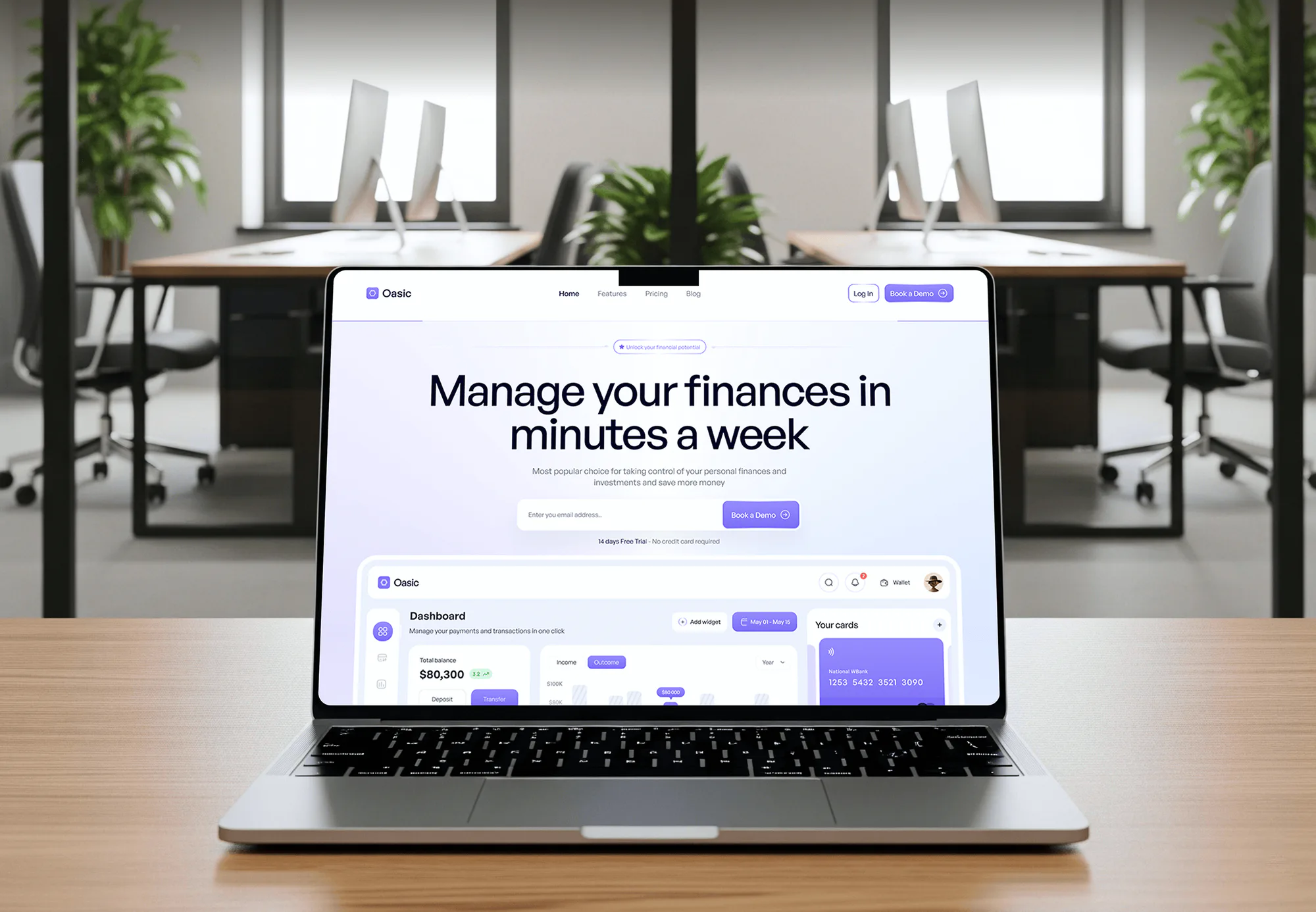
Oasic Finance SaaS Web Design & Development
- Finance
- SaaS Platform
- Dashboard
For contractors and vendors selling to US agencies: your site, app, and documents tested against Section 508, fixed in code, and documented in an ACR buyers can check.
38
WCAG 2.0 criteria tested
100%
Failures logged with a fix
How your project runs
01 · FreeIndustry leaders we work with
 Chrome DevTools
 Lighthouse
 HTML5
 CSS3
 JavaScript
 TypeScript
 React
The Problem
It shows up when a solicitation asks for an Accessibility Conformance Report, an agency reviewer flags your product during evaluation, or a federal user can't finish a form.
Scanner scores
A green automated score hides keyboard traps and unlabeled buttons.
Scanner scores
Keyboard and screen reader passes run on every sampled screen and flow.
Guessed ACR
Every row says Supports because nobody tested it.
Guessed ACR
Each conformance level comes from a logged test result with remarks.
Untagged PDFs
The user guide reads as one long block aloud.
Untagged PDFs
Documents in scope get checks for tags, reading order, and alt text.
Certificate myth
Sales promises a 508 certificate that doesn't exist.
Certificate myth
We explain what buyers accept: test results, fixes, and an honest report.
Your proposal is due in three weeks and asks for an Accessibility Conformance Report. Your team ran a free scanner, got a green score, and wrote Supports on every row. Then the agency's reviewer opens your app with a keyboard and gets stuck in the date picker. Your PDF user guide has no tags, so a screen reader reads it as one long block. Sales asks if you're 508 certified, and nobody knows. An ACR that overstates conformance follows you into the contract you win.
We start with the screens, flows, and documents your agency users actually touch. Each one is tested against the Revised 508 Standards by keyboard, screen reader, and code review. Every failure goes in your log with the criterion, the steps to reproduce, and a fix. On fix plans, we change your code, retest, and write the ACR from those results. Your reviewer gets evidence, not a scanner score.
Tested against Revised 508
Each of your sampled screens checked against the WCAG 2.0 A and AA criteria the 508 standards adopt.
Fixed in your code
We change the markup, components, and scripts, then retest, instead of adding an overlay.
An ACR built from evidence
Each conformance level and remark traces back to a test we ran and logged.
Our Section 508 Compliance Process
You approve the test sample, see each failure as it's logged, review every code fix, and read the ACR before it goes to the agency.
We look at what your agency asked for, your product, and your deadline. You get a list of screens, flows, and documents to test and a fixed price. If you only need an ACR for a product that's already tested, we'll tell you before we quote.
Projects We've Built
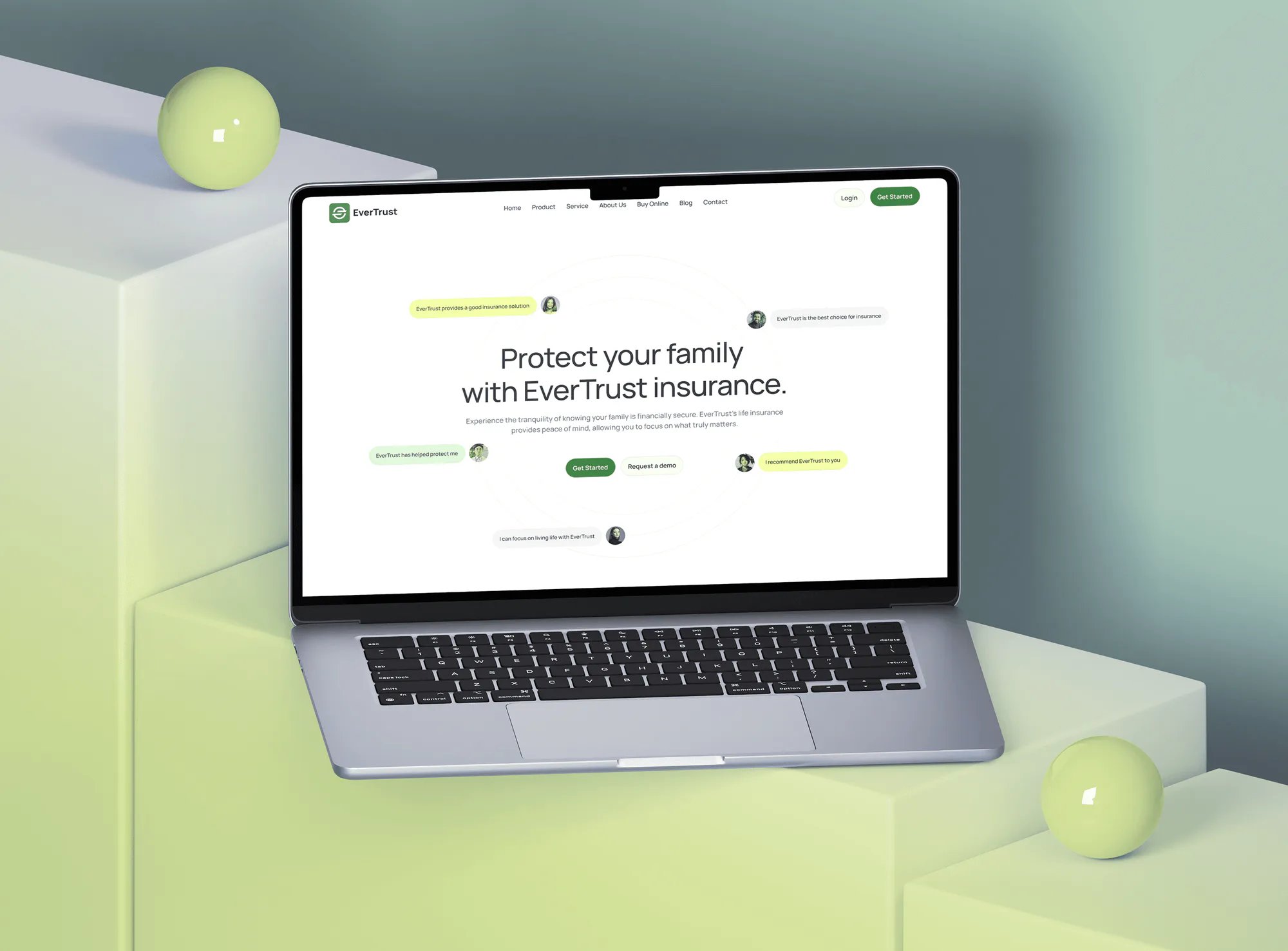
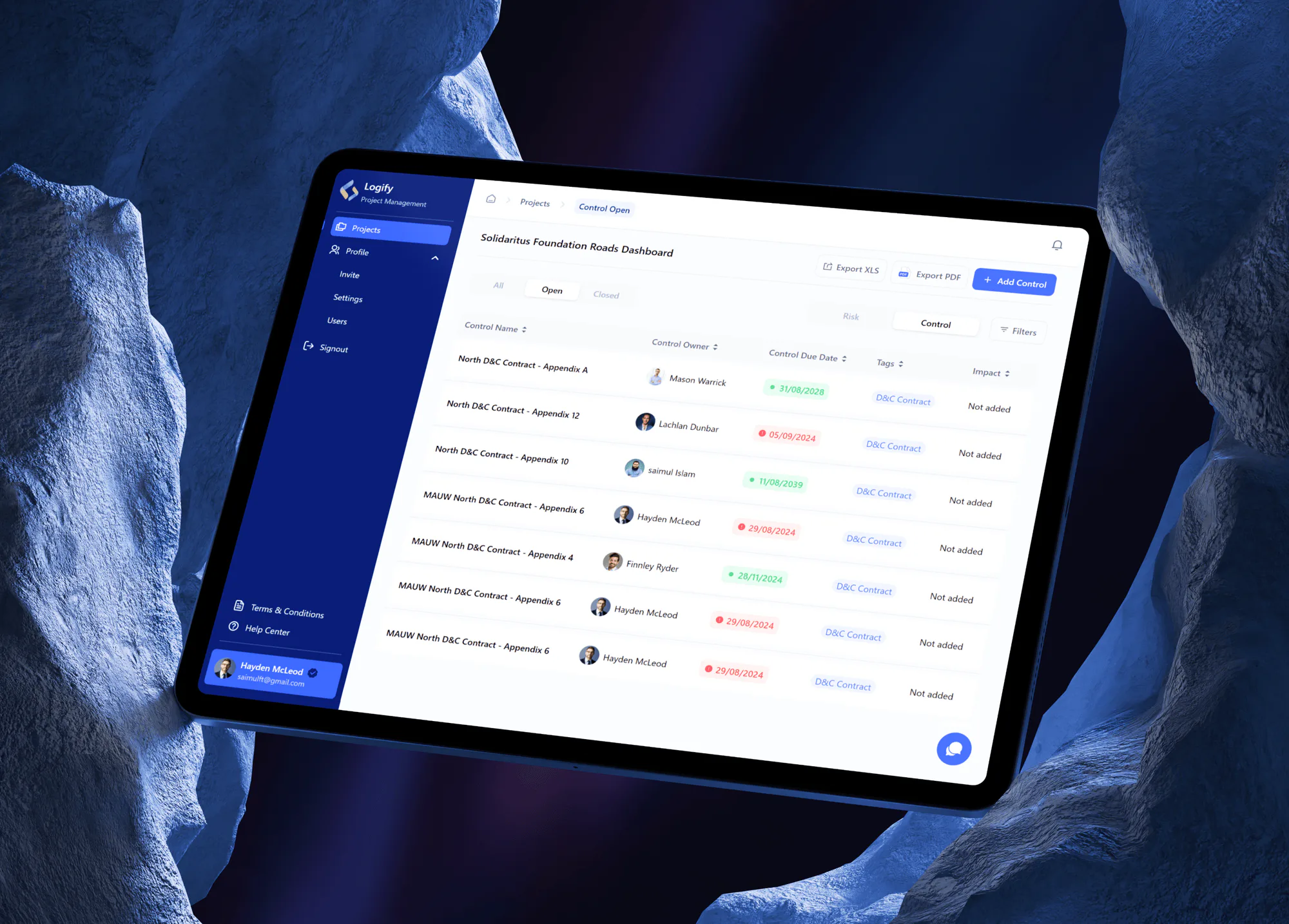
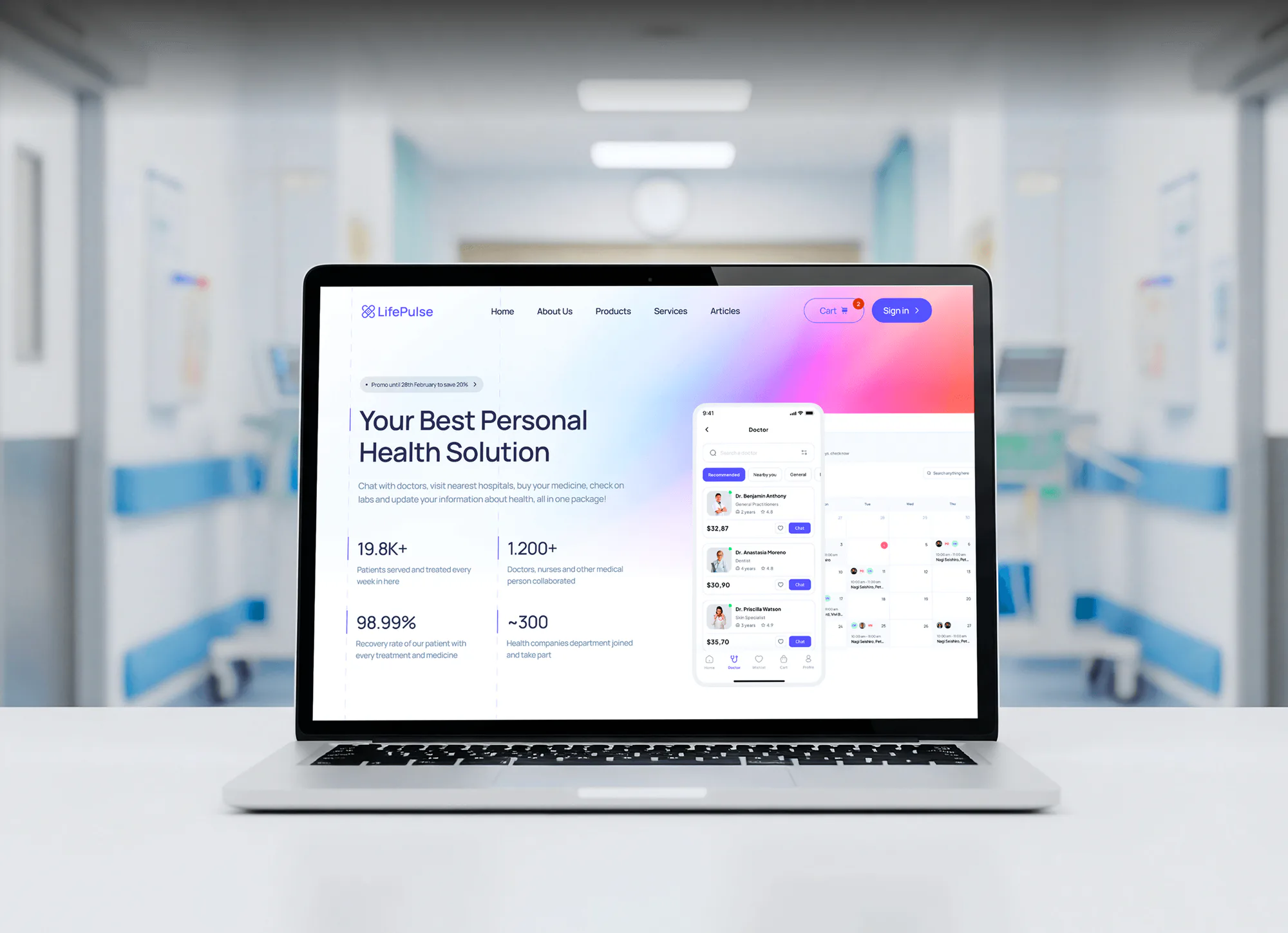
Dashboards, portals, and SaaS apps our team designed and built. They weren't 508 projects, but forms, tables, and logins like these are what 508 testing covers.
What's Included
A test plan, results for every sampled screen and document, code fixes with retests, and an ACR your agency buyer can review. One team does all of it.
Compare Options
A DIY self-test suits a small site with an in-house accessibility expert. A testing-only firm suits teams with developers ready to fix. Here is where each one breaks down.
| Feature | DeveloperLookBest fit | DIY self-test | Testing-only firm |
|---|---|---|---|
| Test method | Keyboard and screen reader passes | Free scanner plus spot checks | Manual testing, often thorough |
| Criteria covered | All 38 WCAG 2.0 A and AA | Whatever the scanner flags | All A and AA criteria |
| Software and documents | Included when in scope | Often skipped | Usually quoted separately |
| Code fixes | Included on fix plans | Your team, if time allows | |
| Retest after fixes | Rarely done | Often an extra fee | |
| ACR from test results | Included on plans 2 and 3 | Self-written, often optimistic | Often included |
| Cost | From $750, fixed scope | Free, plus staff time | Varies, often billed hourly |
| What you keep | Issue log, checklist, and ACR | Your own notes | A findings report |
What Our Clients Say
Feedback from teams we have built websites, platforms, and apps for.
We had a pretty specific idea of what we wanted our website to become, but I wasn’t sure how easily we could explain all of it to a development team. There were quite a few moving parts, and we were working toward a deadline, so I expected a few things to get lost along the way. That never really happened. They understood what we were trying to achieve, kept us updated throughout the process, and got everything ready within the agreed timeline. The final site feels much easier to navigate, works beautifully on mobile, and is noticeably smoother for our customers. It was a huge relief seeing the original idea actually turn into the website we had in mind.
The mobile experience is probably my favourite part of the new site. We had spent a lot of time making sure the desktop version looked right, and the team kept pushing us to think about how everything would actually feel on a phone too. They were right. The navigation is clean, the interactions feel natural, and everything we’ve tested so far works exactly as it should. They also went through the links, forms, integrations, and other details more than once before launch, which I really appreciated. And even after going live, we could still reach out when something came up. The whole process felt friendly, organised, and surprisingly straightforward.
What I appreciate most is that the website is actually easy for us to manage now. We can update content ourselves instead of sending a developer a message every time we need to change something small. They also paid attention to the technical SEO side, which mattered to us because we didn’t want a new website to create problems for the traffic we already had. I’ve probably asked more questions than I should have since launch, but every question has been handled patiently and without any fuss. The team is easy to work with, they explain things clearly, and when we need something changed, they focus on getting it done rather than making the process complicated.
1,250+
Projects shipped
10+
Years of experience
5 stars
Clutch rating
5 stars
GoodFirms rating
Excellent
Trustpilot rating
Top 3%
Upwork Top Rated Plus
1,250+
Projects shipped
10+
Years of experience
5 stars
Clutch rating
5 stars
GoodFirms rating
Excellent
Trustpilot rating
Top 3%
Upwork Top Rated Plus

Want results like these?
Tell us what you are building. You get a reply within 24 hours on business days, then a written estimate.
Work Culture
Your accessibility claims end up in proposals and contracts, so everything we hand you has to hold up. These habits keep your ACR, fixes, and deadline honest.
No federal program certifies a website or product as 508 compliant, so we won't sell you a badge. You get test results, fixes, and an ACR, which is what agency reviewers ask for.
Automated tools catch only part of the WCAG criteria, so every screen gets keyboard and screen reader passes. Scanners are our second check, not the verdict.
We fix accessibility in your codebase through pull requests with a note on each change. Your developers learn the pattern instead of inheriting a patch.
Every Supports, Partially Supports, or Does Not Support links to a test we ran. If a reviewer questions a row, you can show them the evidence.
Solicitations have fixed deadlines, so we plan your sample and ACR around yours. If the date is too tight for fixes, we say so on the first call.
Each issue says who it blocks and how, in words your product manager can act on. Criterion numbers stay for developers and reviewers.
Overview
DeveloperLook handles section 508 compliance for contractors and vendors that sell to US federal agencies. We test your website, app, or documents against the Revised 508 Standards, fix the failures in your code, retest, and write the ACR. Testing starts at $750, and most projects take 1 to 10 weeks with a fixed scope.
DEVELOPERLOOK
Project facts · Section 508 Compliance Services
Reviewed 27 Oct 2026 by Saimul Islam
Good fit
Contractors answering a federal solicitation
Your proposal is due soon and asks for an Accessibility Conformance Report, but nobody on your team has tested the product with a screen reader.
SaaS vendors entering government sales
You're selling a web app to your first federal agency, and its accessibility team wants test results before the pilot can start.
Teams that failed an agency review
Your product came back from an agency accessibility review with a list of failures, and you need them fixed and retested before renewal.
Vendors to states and universities
Your state or university customer writes 508 or WCAG 2.0 AA rules into your contract, and you need proof your portal meets them.
Agencies building for federal clients
You're building a site for a federal client and need independent 508 compliance testing and an ACR before launch.
Not a fit
Product already tested
You already have recent test results from another vendor and only need the report written. VPAT Services prices the ACR writing alone.
Only PDFs to fix
Your website holds up, but hundreds of PDF forms and reports don't. PDF Remediation Services is set up for document batches and costs less per file.
Private business, ADA risk
You run a private business worried about ADA claims and searched for ADA 508 compliance. ADA Website Compliance Services fits better, since 508 rules cover federal buying.
Budget under $750
Your site is a small brochure site and your budget is under $750. A free checker such as WAVE or ANDI, plus the guidance on Section508.gov, is a fair first step.
Not sure we're the right fit?
Book a free call or message us. We'll tell you honestly whether we're the right team.
Pricing
These are starting points in USD. Your final price depends on how many screens and documents we test and whether you need fixes and an ACR. You get a fixed proposal after a free scoping call.
For Agencies
You own the client relationship. We supply the 508 testing, code fixes, and ACR writing behind it, under your brand. Your client gets one report format and one point of contact: you.
White label: your client only ever sees your brand
Send the solicitation, product access, and deadline, and we scope the testing with you.
We test, log, and fix under your brand while you review every finding first.
Your client receives the report, the fixes, and the ACR from you, ready for the agency.
Send the solicitation, product access, and deadline, and we scope the testing with you.
We test, log, and fix under your brand while you review every finding first.
Your client receives the report, the fixes, and the ACR from you, ready for the agency.
The Right Technology for Your Project
Manual tools and screen readers first, then automated checks, the front-end code we fix, and the report formats agencies expect.
Chrome DevToolsLighthouseHTML5CSS3 JavaScriptTypeScriptReact
 Google Sheets
FAQ
Straight answers on cost, timelines, requirements, testing, remediation, and funding.
Saimul IslamFounder & CEO, DeveloperLookStill have questions?
Send a message or book a call with the team.
DeveloperLook's 508 work starts at $750 for testing up to 8 of your screens or templates. Every failure in your log comes with a fix. The $2,400 plan adds code fixes, a full retest, and an ACR for up to 15 screens. The $5,200 plan covers up to 30 screens, software provisions, up to 20 documents, and two ACR editions.
Testing alone takes 1 to 2 weeks for up to 8 screens. Fixes, a retest, and an ACR take 3 to 6 weeks for a typical web app, and products with software and documents take 6 to 10 weeks. If your solicitation is due sooner, we test the flows your agency reviewer will see first and tell you what can be fixed in time.
Section 508 is the part of the US Rehabilitation Act that covers accessible federal technology. It requires agencies to make the technology they develop, buy, maintain, or use accessible to people with disabilities, both employees and the public. You meet it through federal purchasing rules, which is why you hear about it at proposal time.
It matters to vendors because agencies must buy accessible technology, so accessibility becomes part of how your proposal is scored. Reviewers read your ACR, and some test your product themselves. It also matters to your users who rely on a keyboard, a screen reader, or captions to do their jobs.
Section 508 compliance means your website, software, or documents meet the Revised 508 Standards published by the US Access Board. For web pages and documents, those standards point to the WCAG 2.0 Level A and AA success criteria. You show compliance with test results and an ACR, not a certificate.
The core 508 compliance requirements are the 38 WCAG 2.0 Level A and AA success criteria for web pages. Documents and software follow the same criteria, minus 4 that only make sense on websites. Software must also work with assistive technology and respect user settings such as high contrast. Support documentation must be accessible too.
A 508 compliant website or app meets every Revised 508 requirement that applies to it. Keyboard, screen reader, and magnifier users can finish the same tasks as everyone else. Your agency buyer judges it from your ACR and their own spot checks. One untested modal or unlabeled form field can turn a Supports row into Partially Supports.
508 compliance testing checks each screen, flow, and document against the Revised 508 Standards with manual methods and automated tools. Manual work does most of it: keyboard-only use, NVDA and VoiceOver passes, and code inspection for names, roles, and states. Automated tools such as axe or ANDI catch repeatable errors quickly. The DHS Trusted Tester v5 process is one published, repeatable test method.
508 remediation is fixing the accessibility failures that 508 testing finds, in your code or documents themselves. For web apps, that means correct labels, focus order, keyboard support, color contrast, and ARIA only where native HTML falls short. For PDFs, it means tags and reading order. We retest each fix against the original failure, so your ACR can say Supports with evidence.
Not directly: Section 508 covers federal agencies and what they buy, while recipients of federal funding fall under Section 504 of the same act. Grants and contracts can still write 508 conformance into their terms, and many states apply 508 or WCAG rules to their own agencies and vendors. Check your contract or grant language, and ask your counsel about legal obligations.
Saimul IslamFounder & CEO, DeveloperLookStill have questions?
Send a message or book a call with the team.
Free 30-min callGoogle Meet
Book a call
In 30 minutes on Google Meet we walk you through how we would build it, how long it takes and what it costs. Then you get a written estimate.
Calendar not showing? Book on cal.com or send a brief.