
SSDF gap check
Your practices mapped to NIST SP 800-218, with each gap ranked by risk and the effort to close it.

For product teams whose security shows up only in a yearly pen test: checks on every pull request, threat models for risky features, and a process mapped to NIST SSDF. From $950.
4/4
NIST SSDF practice groups mapped
100%
Pull requests scanned before merge
How your project runs
Teams we have built for:














The Problem
It shows up when a pen test lands a week before launch with a long list of findings. Or a buyer's questionnaire asks how your team builds software.
01 · Late findings
Security problems surface in a pen test right before launch.
Scans on every pull request catch common issues while the code is fresh.
02 · Leaked secrets
API keys and passwords keep landing in the repository.
Push protection and secret scanning stop keys before they reach the main branch.
03 · No standard
Each developer decides alone what a secure upload looks like.
OWASP ASVS requirements in tickets define secure behavior before work starts.
04 · No answers
Buyers ask how you build securely, and nobody can show them.
An SSDF mapping shows each practice, its owner, and the evidence behind it.
Your team ships every 2 weeks, and security comes up once a year when a pen test report arrives. Half the findings trace back to design decisions made months ago. API keys have been committed to the repository more than once. Nobody wrote down what a secure login or file upload should look like, so each developer guesses. When an enterprise buyer asks how you build software securely, the honest answer is a shrug.
Secure software development means moving those checks into the work itself. We map your process to the NIST SSDF, then add scanning to every pull request, threat models for risky features, and security requirements in your tickets. A release gate catches what slips through, and a response process handles what's found later. Security becomes part of each sprint, not a yearly surprise.
Checks on every pull request
SAST, secret, and dependency scans run before merge, tuned to flag real issues instead of noise.
Threat models for risky features
Logins, payments, and uploads get a short threat model before anyone writes the code.
Mapped to NIST SSDF
Every practice ties to an SSDF task, so you can show customers how your team builds.
Our Secure Software Development Services Process
You approve the gap ranking, every scanner rule that can block a build, and each requirement before it reaches a ticket.
We talk through how your team plans, writes, reviews, tests, and releases code, and which customers or contracts ask about security. You get a short summary and a fixed price. If a few repository settings and free scanners cover what you need, we'll tell you before we quote.
What's Included
An SSDF gap check, pipeline checks, threat models, ASVS requirements, a release gate, and a vulnerability response process, built into tools your team already uses.
Compare Options
A yearly pen test gives an outside view, and scanning tools are cheap to switch on. Secure software development services work inside every sprint instead, and here is how they compare.
| Feature | DeveloperLookBest fit | Yearly pen test | Tools only |
|---|---|---|---|
| When issues surface | During design and pull requests | Once a year, near release | On every scan |
| Design flaws | Caught in threat models | Found late, costly to fix | Not detected |
| Noise level | Rules tuned with your team | Curated findings report | High until someone tunes it |
| Developer guidance | ASVS requirements in tickets | Fix advice per finding | Generic rule text |
| Secrets in code | Push protection and scanning | Sometimes noticed | Scanned if configured |
| Customer evidence | SSDF mapping and records | One report per year | Raw scan output |
| Outside attacker view | Doesn't replace a pen test | Independent attacker view | |
| Cost | From $950 one-time | Priced per test | Free to low license fees |
Projects We've Built
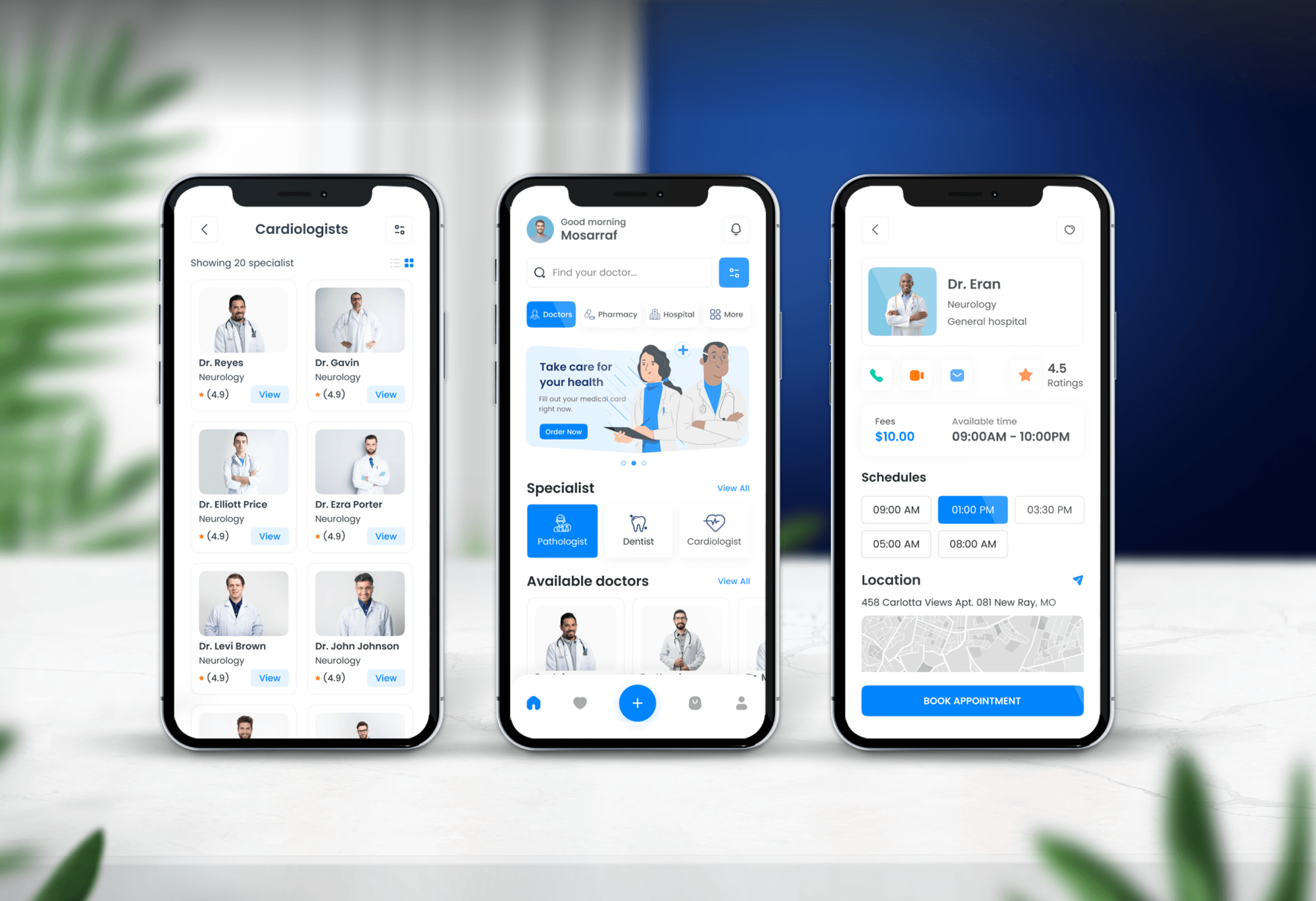
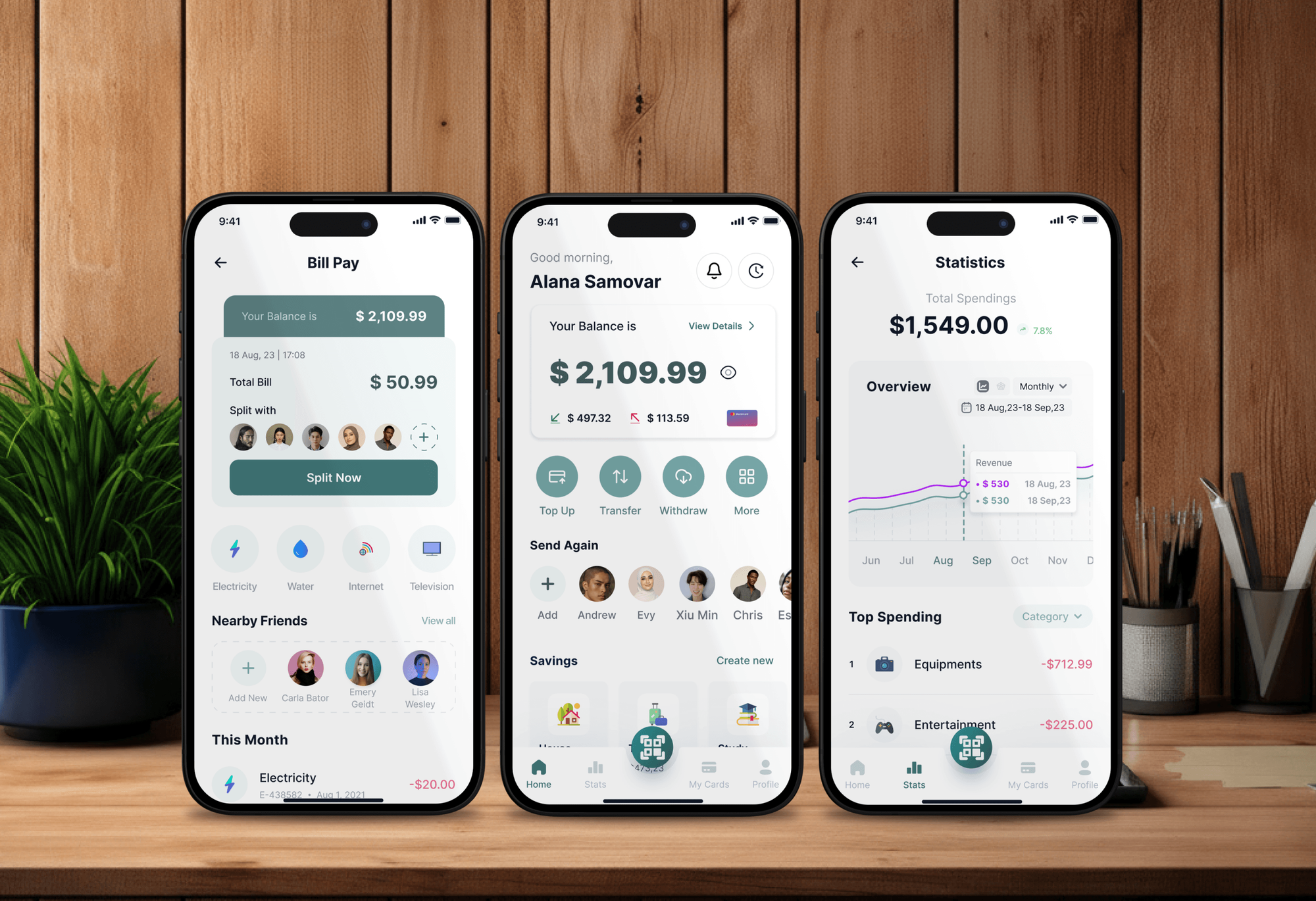
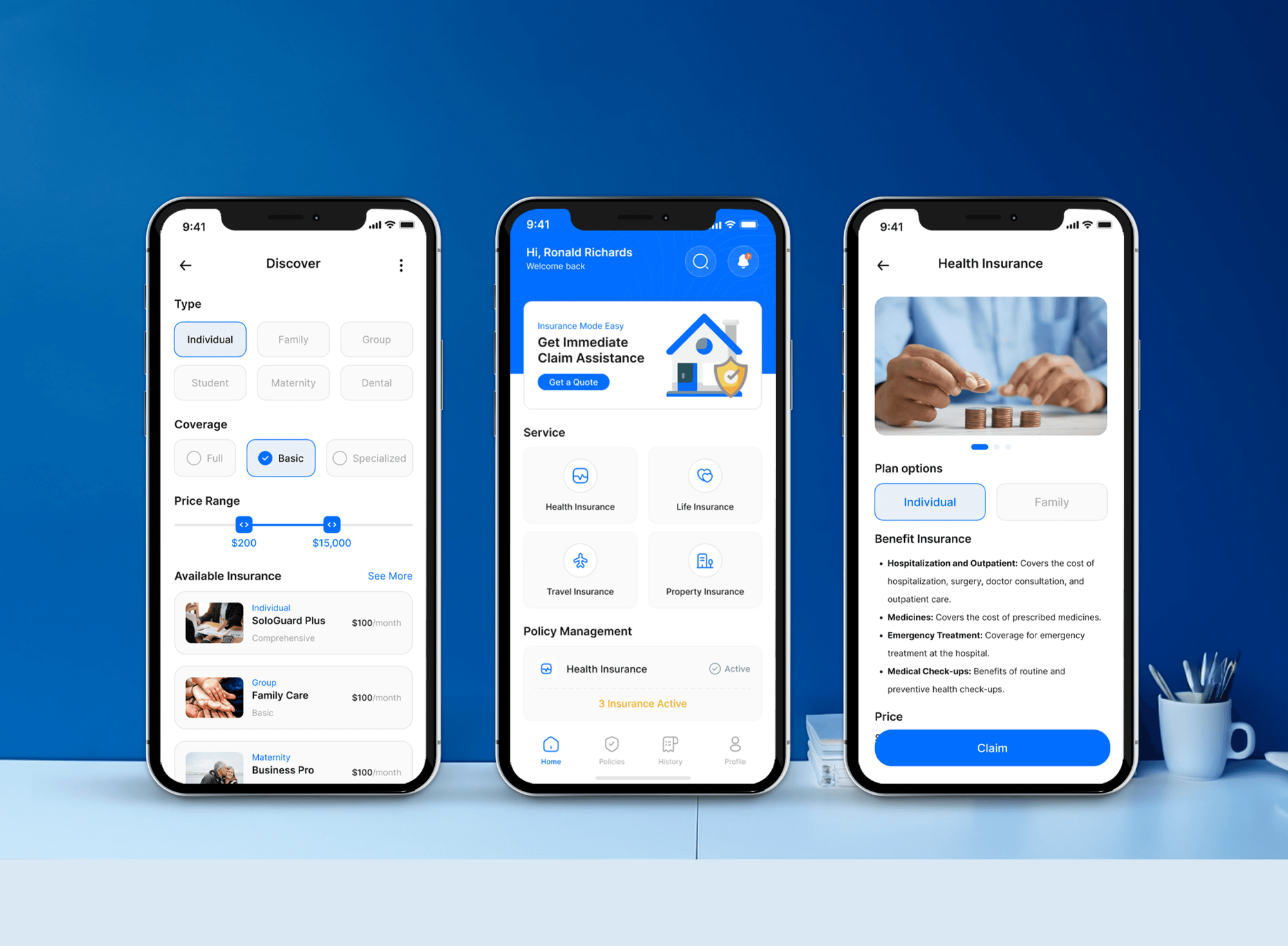
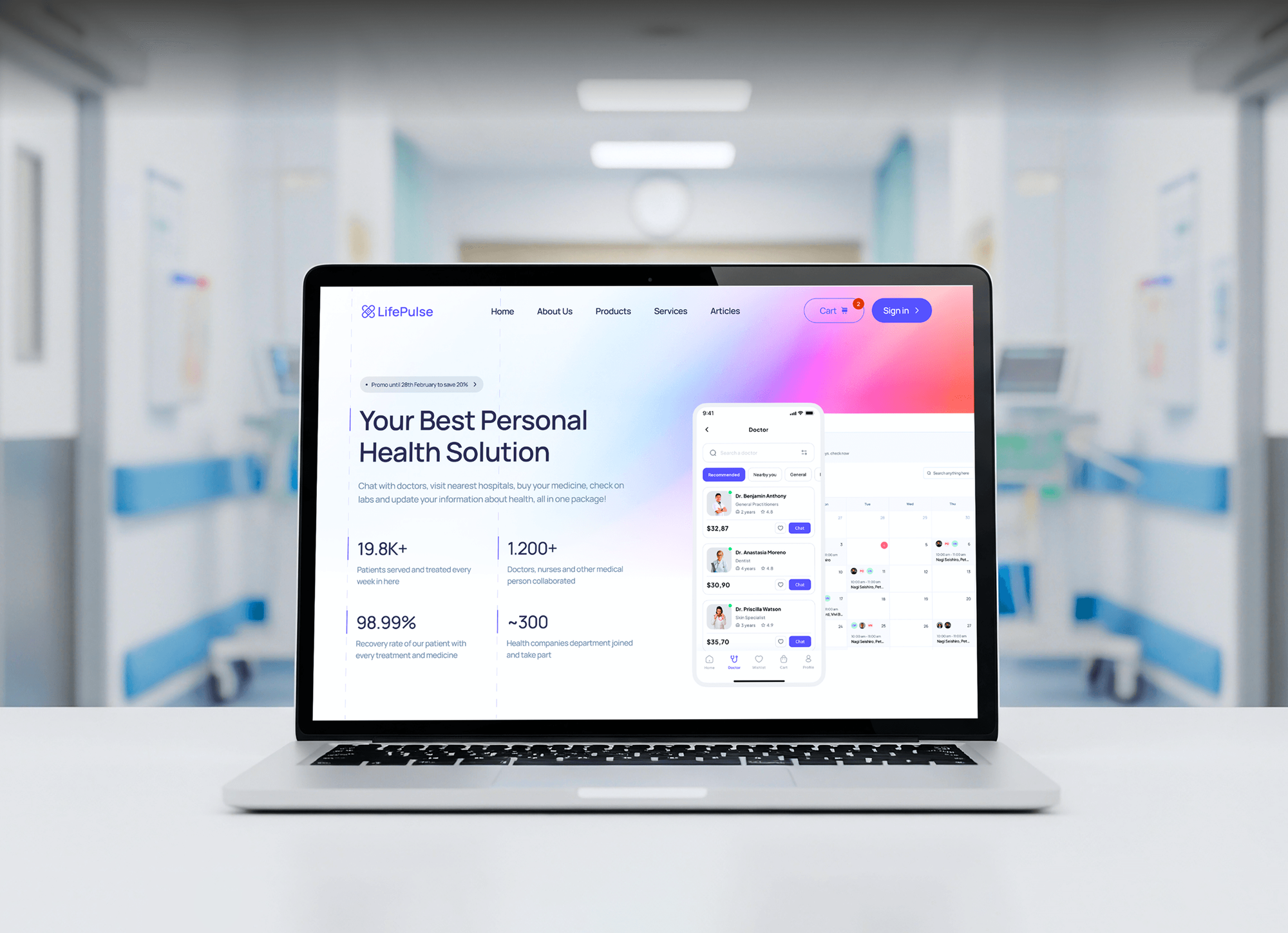
Patient apps, money management, and insurance claims we designed and built. Software like this handles sensitive data, so security has to be part of how it's built.
What Our Clients Say
Feedback from teams we have built apps, platforms, and websites for.
We had a pretty specific idea of what we wanted our website to become, but I wasn’t sure how easily we could explain all of it to a development team. There were quite a few moving parts, and we were working toward a deadline, so I expected a few things to get lost along the way. That never really happened. They understood what we were trying to achieve, kept us updated throughout the process, and got everything ready within the agreed timeline. The final site feels much easier to navigate, works beautifully on mobile, and is noticeably smoother for our customers. It was a huge relief seeing the original idea actually turn into the website we had in mind.
The mobile experience is probably my favourite part of the new site. We had spent a lot of time making sure the desktop version looked right, and the team kept pushing us to think about how everything would actually feel on a phone too. They were right. The navigation is clean, the interactions feel natural, and everything we’ve tested so far works exactly as it should. They also went through the links, forms, integrations, and other details more than once before launch, which I really appreciated. And even after going live, we could still reach out when something came up. The whole process felt friendly, organised, and surprisingly straightforward.
What I appreciate most is that the website is actually easy for us to manage now. We can update content ourselves instead of sending a developer a message every time we need to change something small. They also paid attention to the technical SEO side, which mattered to us because we didn’t want a new website to create problems for the traffic we already had. I’ve probably asked more questions than I should have since launch, but every question has been handled patiently and without any fuss. The team is easy to work with, they explain things clearly, and when we need something changed, they focus on getting it done rather than making the process complicated.
1,250+
Projects shipped
10+
Years of experience
Top 3%
Upwork Top Rated Plus
5 stars
Average review score

Want results like these?
Tell us what you are building. You get a reply within 24 hours on business days, then a written estimate.
Work Culture
Secure software development services fail when they slow teams down. These habits keep security inside the sprint, sized to the risk, and owned by your developers.
A scanner that cries wolf gets ignored within a month. We tune every rule with your developers, so a failed check means something.
A marketing page doesn't need a threat model, and a payment flow does. We spend review time where an attack would actually hurt.
Each requirement links to the attack it prevents. Your team gets better at security instead of just following a checklist.
DeveloperLook builds software as well as reviewing it. Our advice comes from shipping products, so it fits real deadlines and real codebases.
We map your practices to NIST SSDF and gather the evidence. Your own leadership signs any attestation, and we say so plainly from the start.
Rules, workflows, threat models, and checklists live in your repositories and tracker. Nothing depends on our accounts or tools after handover, so your team carries on alone.
Overview
DeveloperLook provides secure software development services for product teams that build their own software. We map your process to the NIST SSDF, add checks to every pull request, threat-model risky features, and set up a release gate. Engagements start at $950, and a gap check takes 1 to 2 weeks.
DEVELOPERLOOK
Project facts · Secure Software Development Services
Reviewed 23 Oct 2026 by Saimul Islam
Good fit
SaaS teams selling to enterprises
Your enterprise buyers send questionnaires about your secure software development lifecycle, and you want real practices behind your answers.
Startups on a new codebase
You're starting a product and want security for software development built in from the first sprint, not bolted on before the first audit.
Teams selling to government agencies
A public sector customer asks how you follow the NIST secure software development framework, and you need the mapping and evidence ready.
Teams after a rough pen test
Your last pen test came back with findings that trace to design choices, and you want them caught much earlier next time.
Agencies building client software
Your agency ships custom apps and wants secure software development life cycle services it can offer under its own brand.
Not a fit
Only dependencies and builds
Your gap is the packages you ship and how releases get built, not the whole SDLC. Our software supply chain security work covers that from $900.
Need a one-time pen test
You need an outside team to attack the finished app and prove what's exploitable. Our web application penetration testing services fit that better.
Need a security program
Your gaps are in policies, vendors, and leadership rather than code. Our cybersecurity consulting services cover that wider security program.
Want a signed attestation
You need a third party to certify or sign a secure development attestation for you. We prepare evidence, but your own leadership signs it.
Not sure we're the right fit?
Book a free call or message us. We'll tell you honestly whether we're the right team.
Pricing
These are starting points in USD. Your price depends on team count and design review needs, and you get a fixed proposal after a free SDLC review.
For one team that wants to see where security is missing from its process.
$950one-time, USD
For product teams that want security built into design, tickets, and releases.
$2,650one-time, USD
For organizations with several teams that need evidence for customer reviews.
$5,200one-time, USD
For Agencies
You own the client relationship. We supply the security engineering behind it: SSDF mappings, pipeline checks, threat models, and release gates set up in your client's repositories. Your developers keep shipping while the security work runs alongside them.
White label: your client only ever sees your brand
Send the client's repositories, stack, and any security questionnaires they received.
We map the process to NIST SSDF and give a fixed price per project.
We set up checks, run threat models, and hand the process to your team.
You talk to clients while we set up the process under your brand.
SSDF mappings and records your clients can hand to their own buyers.
Short sessions that teach your team the requirements, not only the rules.
Checks run in the client's existing GitHub, GitLab, or Azure DevOps pipelines.
The Right Technology for Your Project
We fit security into the tools your team already uses, choosing open source scanners first and tuning them so every failed check is worth reading.
 Burp Suite
 OWASP ASVS
FAQ
Straight answers on secure SDLC pricing, timelines, NIST SSDF, automation, and attestations.
Saimul IslamFounder & CEO, DeveloperLookStill have questions?
Send a message or book a call with the team.
A secure SDLC engagement at DeveloperLook starts at $950. That covers a gap check against NIST SSDF, pull request scanning on up to 3 repositories, and a security checklist. The $2,650 plan adds threat models, ASVS requirements, a release gate, and a response process. The $5,200 plan covers up to 3 teams with an evidence pack and a security champions program.
A secure SDLC gap check with pull request scanning takes 1 to 2 weeks. Adding threat models, ASVS requirements, and a release gate takes 3 to 5 weeks, because each piece is tried on real features first. A multi-team program takes 6 to 10 weeks, mostly to tune checks per repository and train security champions.
It's building software so it resists attack, by treating security as a requirement from the start. In practice that means threat models during design, secure coding standards, automated checks on every change, and a plan for vulnerabilities found after release. Best practices for secure software development come from NIST SSDF, OWASP ASVS, and OWASP SAMM.
The secure SDLC adds a security activity to every phase of building software. Requirements get security criteria, design gets a threat model, code gets reviews and scans, testing adds security tests, and release adds a gate. After launch, a response process handles new vulnerabilities, and each phase leaves evidence you can show customers.
The primary advantage is finding security flaws while they're cheap to fix. A threat model catches a broken permission design before it's built, and a pull request check catches leaked keys before they reach production. Fixing the same issue after a pen test or a breach means redesign, retesting, and sometimes customer notices. Buyers' security reviews get easier too.
You automate security by putting checks where code already flows: commits, pull requests, and builds. Push protection blocks secrets before they land, SAST tools such as CodeQL or Semgrep scan each change, and dependency checks flag vulnerable packages. DAST tools like OWASP ZAP then test staging before release. The key is tuning, so every failed check is a real problem.
Software development security protects the process and tools used to build software, not only the finished product. That covers developer accounts with MFA, branch protection, reviewed merges, scoped CI credentials, and secrets kept out of repositories. It's one part of the wider practice, alongside design reviews, secure coding, and security testing.
The NIST Secure Software Development Framework (SSDF) is a set of practices for building secure software, published as NIST SP 800-218. Version 1.1 groups them into four areas: prepare the organization, protect the software, produce well-secured software, and respond to vulnerabilities. NIST released a draft version 1.2 in December 2025. We map your practices to its tasks.
No. The CISA Secure Software Development Attestation Form is signed by the software producer's CEO or a designee, not by a consultant. We help you prepare by mapping practices to the SSDF and collecting evidence. Since OMB memo M-26-05 in January 2026, agencies may choose whether to use the form, so check what your customer actually requires.
You keep everything: scanner rules, CI workflows, threat models, ASVS requirements, the release checklist, and the SSDF mapping, all in your own repositories and tracker. We remove our access at handover. For 30 days after that, we review new findings with your team and adjust any rule that causes friction.
Saimul IslamFounder & CEO, DeveloperLookStill have questions?
Send a message or book a call with the team.
Free 30-min callGoogle Meet
Book a call
In 30 minutes on Google Meet we walk you through how we would build it, how long it takes and what it costs. Then you get a written estimate.
Calendar not showing? Book on cal.com or send a brief.