
SBOM for every release
CycloneDX or SPDX files generated in CI, attached to releases, and kept for every version you ship.

For SaaS and product teams facing SBOM requests or the next poisoned package: every release inventoried, CI locked down, and builds signed so customers can verify them. From $900.
100%
Releases shipped with an SBOM
1search
Finds every release with a bad package
How your project runs
Teams we have built for:














The Problem
It shows up when a widely used package turns out to be backdoored. A customer asks whether you're affected, and nobody can answer quickly.
01 · No inventory
Nobody can list which packages each release contains.
Every release ships with a stored SBOM your team can search.
02 · Floating tags
CI actions point at tags that can quietly change.
Actions are pinned to full commit hashes and updated through reviewed pull requests.
03 · Leaky tokens
Long-lived publish tokens sit in CI variables for years.
Short-lived OIDC credentials and trusted publishing replace stored tokens.
04 · Untraceable builds
Releases built on laptops can't be traced to a commit.
Hosted builds sign provenance that links each artifact to its source commit.
Your app pulls in a few dozen direct dependencies, which pull in hundreds more. A CI workflow uses a third-party action pinned to a tag that its owner could move at any time. Release builds sometimes run on a developer's laptop when the pipeline is slow. Then a popular package is reported compromised, and a customer emails asking if you're affected. Nobody can say which releases include it, because nobody keeps a list.
Software supply chain security starts with knowing what you ship. We generate an SBOM for every release and store it where you can search it. Then we close the common entry points: unpinned CI actions, long-lived tokens, unreviewed dependency updates, and builds nobody can trace. Every release gets signed provenance showing which commit built it. When the next bad package is reported, you search instead of guessing.
An SBOM for every release
Each release ships with a machine-readable list of every component, stored where you can search it.
CI actions pinned by SHA
Third-party actions are locked to full commit hashes, so a moved tag can't change your build.
Signed, traceable builds
Signed provenance shows which commit and workflow produced each release your customers install.
Our Software Supply Chain Security Process
Every change lands as a pull request you review, and you see the SBOM, the risk list, and the signing setup before anything reaches a customer.
We look at your repositories, lockfiles, CI workflows, and how releases get built and published. You get a short risk summary and a fixed price. If GitHub's built-in dependency alerts and a few settings already cover you, we'll tell you before we quote.
What's Included
An SBOM per release, a dependency audit, a hardened CI pipeline, signed builds, and intake rules for new packages: software supply chain security and SBOM work in one project.
Compare Options
A scanning tool is fast at flagging vulnerable packages, and your own team knows the codebase best. Software supply chain security also covers builds, tokens, and signing, so here is the full picture.
| Feature | DeveloperLookBest fit | SCA tool | In-house team |
|---|---|---|---|
| Vulnerable packages | Found and fixed by risk | Found and flagged quickly | Fixed when someone has time |
| SBOMs | Every release, stored and searchable | Often generated on demand | Rarely produced |
| CI pipeline | Pinned, scoped, and reviewed | Not covered | Depends on who set it up |
| Publish tokens | Short-lived OIDC credentials | Not covered | Often long-lived tokens |
| Build signing | Provenance and image signatures | Not covered | Rarely set up |
| Codebase knowledge | Learned during the review | No context on your code | Deepest over time |
| Ongoing alerts | Set up in your own tools | Continuous and built in | Manual checks |
| Cost | From $900 one-time | Per-seat yearly license | Engineering time |
Projects We've Built
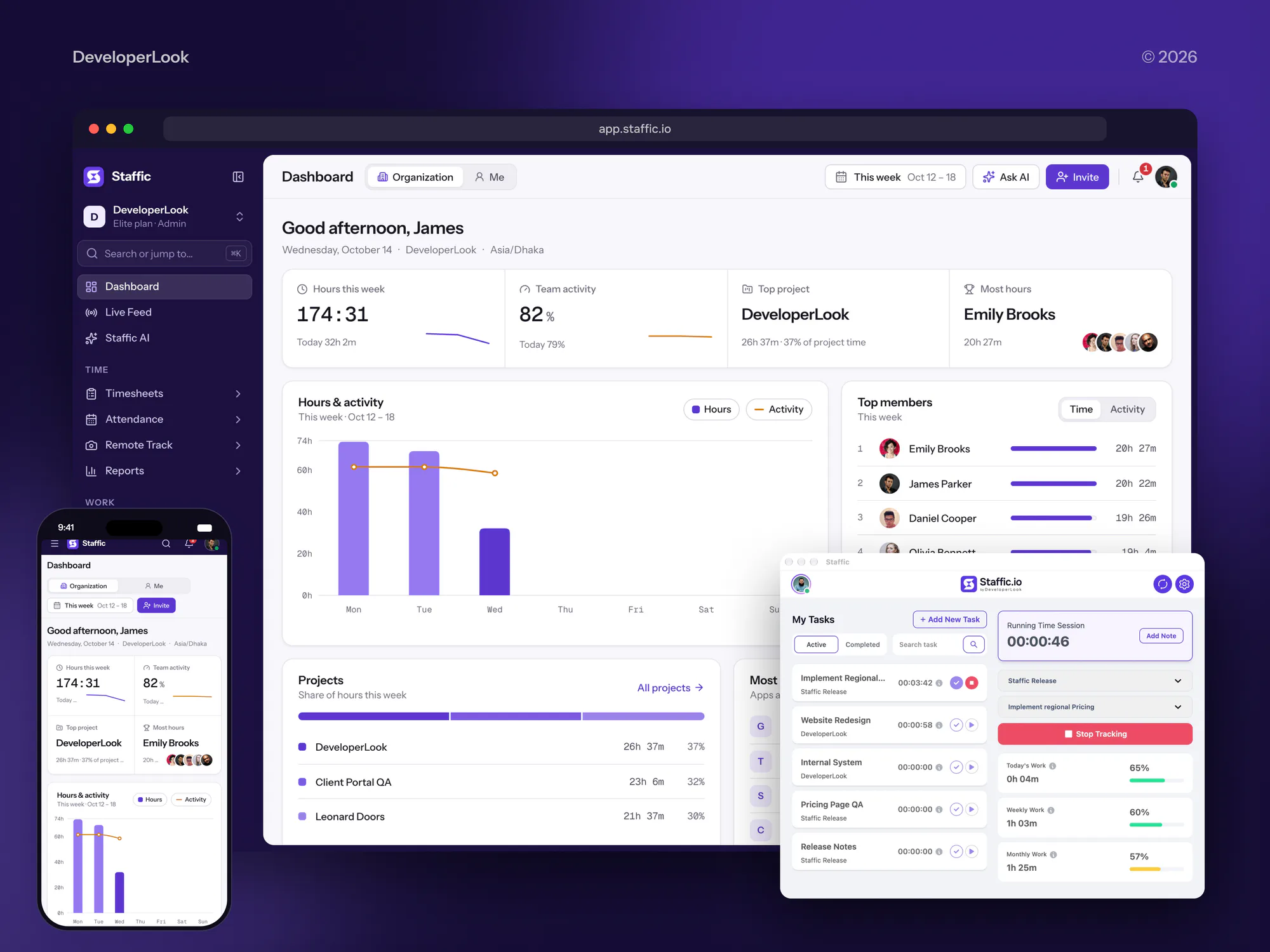
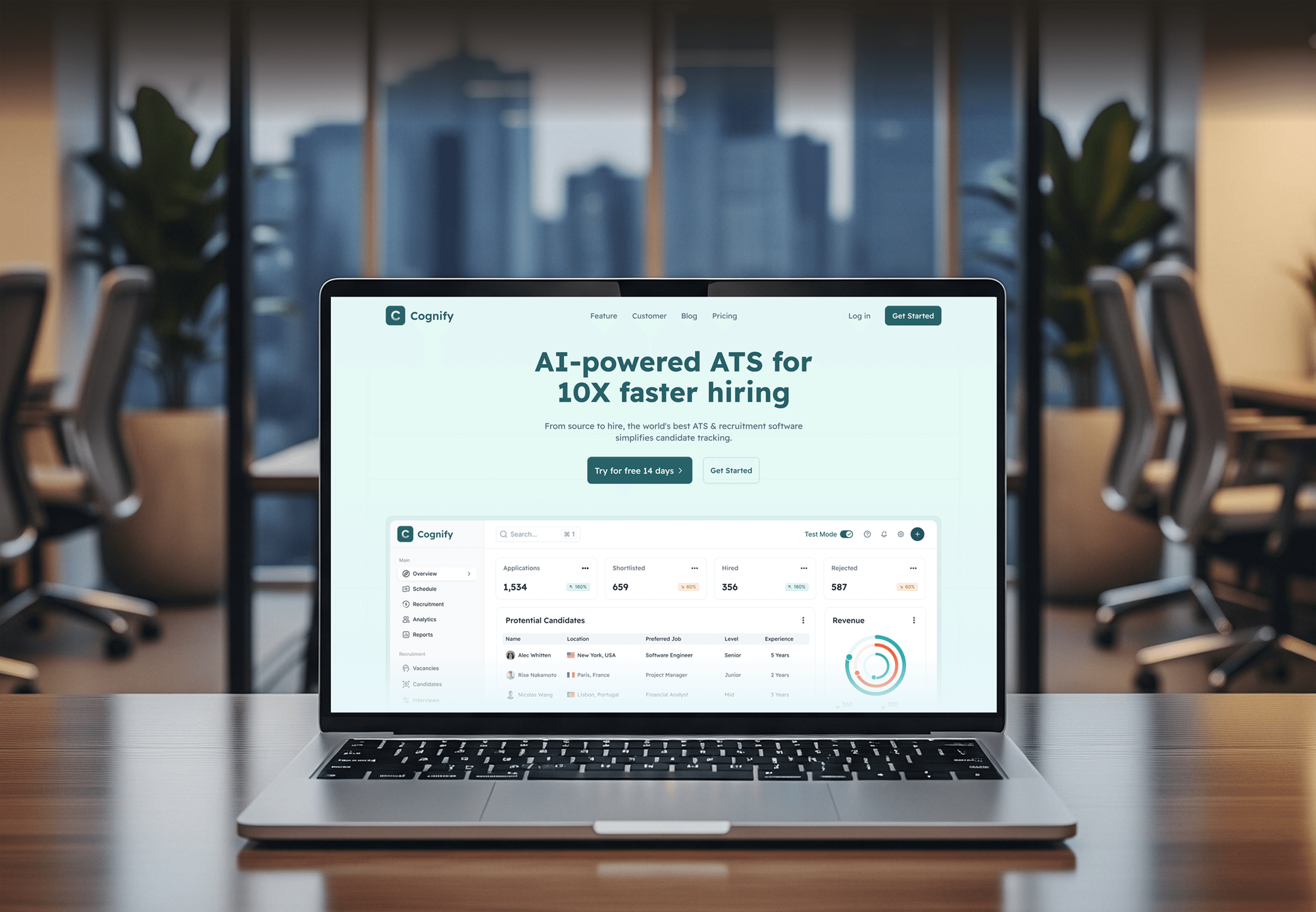
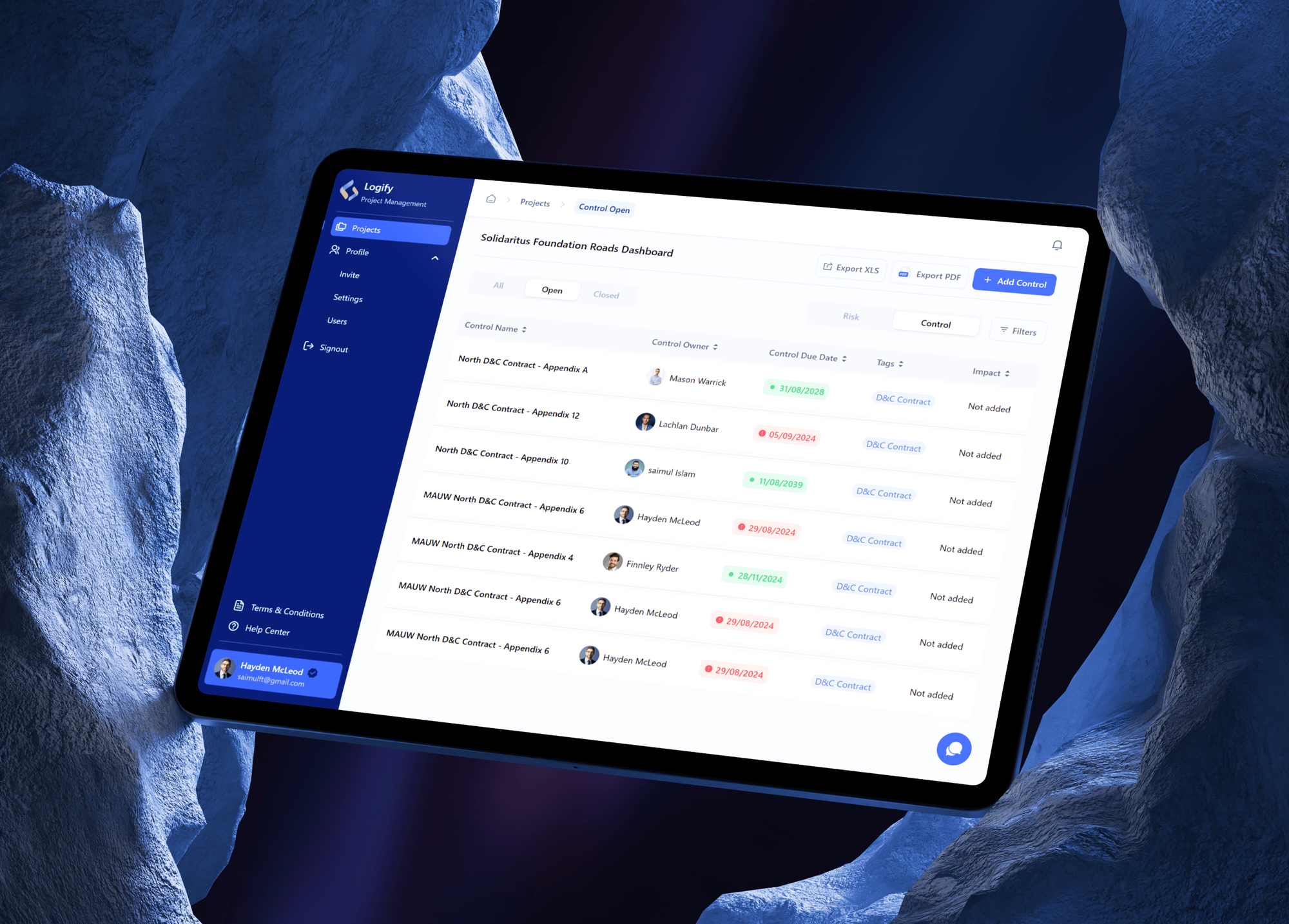
SaaS platforms, dashboards, and cross-platform desktop apps we designed and built. Products like these depend on large open source dependency trees and frequent releases.

What Our Clients Say
Feedback from teams we have built apps, platforms, and websites for.
We had a pretty specific idea of what we wanted our website to become, but I wasn’t sure how easily we could explain all of it to a development team. There were quite a few moving parts, and we were working toward a deadline, so I expected a few things to get lost along the way. That never really happened. They understood what we were trying to achieve, kept us updated throughout the process, and got everything ready within the agreed timeline. The final site feels much easier to navigate, works beautifully on mobile, and is noticeably smoother for our customers. It was a huge relief seeing the original idea actually turn into the website we had in mind.
The mobile experience is probably my favourite part of the new site. We had spent a lot of time making sure the desktop version looked right, and the team kept pushing us to think about how everything would actually feel on a phone too. They were right. The navigation is clean, the interactions feel natural, and everything we’ve tested so far works exactly as it should. They also went through the links, forms, integrations, and other details more than once before launch, which I really appreciated. And even after going live, we could still reach out when something came up. The whole process felt friendly, organised, and surprisingly straightforward.
What I appreciate most is that the website is actually easy for us to manage now. We can update content ourselves instead of sending a developer a message every time we need to change something small. They also paid attention to the technical SEO side, which mattered to us because we didn’t want a new website to create problems for the traffic we already had. I’ve probably asked more questions than I should have since launch, but every question has been handled patiently and without any fuss. The team is easy to work with, they explain things clearly, and when we need something changed, they focus on getting it done rather than making the process complicated.
1,250+
Projects shipped
10+
Years of experience
Top 3%
Upwork Top Rated Plus
5 stars
Average review score

Want results like these?
Tell us what you are building. You get a reply within 24 hours on business days, then a written estimate.
Work Culture
Supply chain work touches your builds and releases. These habits keep every change reviewed, reversible, and explained to the people who ship.
Pinning, permission changes, and new workflow steps arrive as pull requests your team reviews. Nothing changes in your pipeline without a visible diff.
Scanners flag hundreds of issues. We rank them by whether the vulnerable code is reachable and exposed, so your team fixes what matters first.
We prefer upgrading to forking, and we check maintainer activity before adding a package. Open source software supply chain security starts with choosing what to depend on.
GitHub, GitLab, and free open source tools cover most of the work. We suggest a paid platform only when your scale actually needs one.
Every policy, pipeline change, and signing step is written down in your repository. Your team can maintain it without calling us.
Workflows get only the permissions they need, and credentials expire quickly instead of living for years. A leaked token stops being useful fast.
Overview
DeveloperLook delivers software supply chain security for teams that ship web apps, packages, and containers. We generate an SBOM for every release, audit dependencies, lock down CI pipelines, and add signed build provenance. Projects start at $900 and take 1 to 2 weeks for one repository, and every policy stays in your repo.
DEVELOPERLOOK
Project facts · Software Supply Chain Security
Reviewed 23 Oct 2026 by Saimul Islam
Good fit
SaaS teams facing security reviews
An enterprise customer's security review asks for an SBOM and how you control dependencies, and you have neither written down.
Teams publishing npm packages
You maintain packages on npm and want trusted publishing and provenance instead of a long-lived token sitting in your CI settings.
Container teams on Kubernetes
You build Docker images in GitHub or GitLab, and you want only signed images from your own pipeline to reach the Kubernetes cluster.
Companies selling software in the EU
Your customers are in the EU, and you want an SBOM process running before the Cyber Resilience Act's main obligations apply in December 2027.
Agencies shipping client software
Your agency builds apps for clients who now ask for SBOMs, and you want one software supply chain security management process across projects.
Not a fit
Need secure coding practices
Your gap is how code gets designed, reviewed, and tested, not dependencies and builds. Our secure software development services cover the full secure SDLC.
No CI/CD pipeline yet
You deploy by hand and have no pipeline to harden yet. Our CI/CD pipeline setup services build one first, starting from $700.
Need a penetration test
You need testers to attack your running app and prove what's exploitable. Our web application penetration testing services fit that job better.
One static site
You run one static site with a handful of dependencies and no releases to customers. Your code host's dependency alerts may be all you need.
Not sure we're the right fit?
Book a free call or message us. We'll tell you honestly whether we're the right team.
Pricing
These are starting points in USD. Your price depends on how many repositories, images, and packages you ship, and you get a fixed proposal after a free dependency review.
For one repository that ships releases and has no SBOM or dependency rules yet.
$900one-time, USD
For teams with several repositories, container images, or published packages.
$2,300one-time, USD
For organizations with many repositories that deploy containers to Kubernetes.
$4,600one-time, USD
For Agencies
You own the client relationship. We supply the supply chain engineering behind it: SBOMs, pinned pipelines, signed releases, and policies written for your developers. Your clients get answers for their security reviews without you hiring a security engineer.
White label: your client only ever sees your brand
Send repo access, release targets, and any client security questionnaires you have.
We review dependencies and pipelines, then give a fixed price per project.
We land the changes as pull requests and hand over the written policies.
You talk to clients while we harden their pipelines under your brand.
Changes land as pull requests in your client's own repositories.
SBOMs and release notes ready for your clients' security reviews.
The same pinning, signing, and intake rules on every client project.
The Right Technology for Your Project
We start with what your code host already offers, then add open source tools for SBOMs, signing, and tracking, so you aren't tied to a license.
 Docker
 Kubernetes
 OWASP Dependency-Track
FAQ
Straight answers on supply chain security pricing, timelines, SBOMs, SLSA, attack prevention, and choosing a platform.
Saimul IslamFounder & CEO, DeveloperLookStill have questions?
Send a message or book a call with the team.
A supply chain project at DeveloperLook starts at $900 for one repository, covering SBOMs, a dependency audit, pinned CI actions, and signed provenance. The $2,300 plan covers up to 5 repositories with signed container images and trusted publishing. The $4,600 plan covers up to 20 repositories with Dependency-Track and signature checks before deploys.
Securing one repository's supply chain takes 1 to 2 weeks. The SBOM and dependency audit take 2 to 4 days, pipeline hardening up to a week, and signing a few days more. Five repositories take 3 to 4 weeks, and a 20-repository program takes 5 to 8 weeks, since each pipeline needs its own changes reviewed and merged.
Supply chain security protects everything between your developers and your users: dependencies, build systems, CI credentials, and release packages. Attackers increasingly target those steps instead of your own code, as the xz Utils backdoor (CVE-2024-3094) and the tj-actions/changed-files compromise showed. The goal is to know every component you ship and prove where each release came from.
You prevent most of them by limiting what can change your build without review. Pin CI actions to full commit SHAs, give workflows minimal permissions, and replace stored tokens with short-lived OIDC credentials. Review dependency updates before merging, and watch for new install scripts. The Shai-Hulud npm worm spread by stealing publish tokens, which is why trusted publishing beats stored tokens.
You improve it by measuring first, then raising one layer at a time. OpenSSF Scorecard checks a repository for risky practices such as unpinned dependencies and missing branch protection. The SLSA build levels then give a ladder for build integrity: provenance first, then signed provenance from a hosted platform, then hardened, isolated builds. We work through them in that order.
SBOMs turn the question of whether you're affected into a search. An SBOM lists every component and version in a release, in CycloneDX or SPDX format. When a new vulnerability lands, you query stored SBOMs instead of rebuilding old versions. CISA's 2026 minimum elements for an SBOM, which replace the 2021 NTIA list, add fields such as component hashes and licenses.
Choose a platform by the gap it closes, not by its feature list. Software supply chain security companies mostly sell dependency scanning, while signing, provenance, and pipeline hardening often come free with GitHub, GitLab, and Sigstore. Check that a platform reads your lockfiles, exports CycloneDX or SPDX, and fits your CI. Many teams need the free tools first and a paid platform later.
For most teams that ship software to customers, yes, because the basics are cheap and incidents are expensive to explain. Pinning actions, scoping tokens, and generating SBOMs take days, not months. Enterprise buyers increasingly ask for SBOMs, and the EU Cyber Resilience Act requires manufacturers to draw one up once its main obligations apply in December 2027.
SLSA is a software supply chain security framework from the OpenSSF that grades how trustworthy your builds are. Its build track runs from level 1, where provenance exists, to level 3, where builds run isolated on a hardened platform. GitHub artifact attestations reach Build Level 2 on their own and Level 3 with reusable workflows. The current spec is v1.2.
Yes. SBOMs live with your releases, and policies and workflows live in your repositories. Signing uses keyless Sigstore certificates tied to your CI identity, so there are no private keys for us to hold. At handover we remove our access. For 30 days after that, we help apply the process to new releases and answer questions.
Saimul IslamFounder & CEO, DeveloperLookStill have questions?
Send a message or book a call with the team.
Free 30-min callGoogle Meet
Book a call
In 30 minutes on Google Meet we walk you through how we would build it, how long it takes and what it costs. Then you get a written estimate.
Calendar not showing? Book on cal.com or send a brief.