
Access and ownership inventory
A list of every account, key, and license, moved into your name so no vendor can hold the project hostage.

For founders and product owners whose build stalled mid-project: your code and accounts back in your hands, a straight answer on what to keep, and a team that finishes the job.
10days
To a written rescue plan
100%
Repos and keys moved to you
How your project runs
Teams we have built for:














The Problem
Software development project rescue starts when deadlines keep moving and nobody can explain why. It often follows an agency handover, a freelancer who went quiet, or a launch date that passed twice.
01 · Access
The hosting and store logins belong to the old vendor.
We move every account and key into your name before touching code.
02 · Visibility
Nobody can say which parts of the app actually work.
We reproduce the build and grade each module: fix, rebuild, or stop.
03 · Estimates
Each new quote is bigger and vaguer than the last.
You get a re-baselined scope with a cost range for every module.
04 · Progress
Months pass with invoices but no usable release.
Weekly demos and a burn-down report show what shipped each week.
Your agency promised a launch in March. It's October, the demo still crashes on login, and the last invoice came with no release notes. The freelancer who built the backend stopped replying. Nobody on your side can deploy, because the hosting account and the app store login sit in someone else's name. Every new estimate is bigger than the last. Meanwhile you keep paying for a product your customers can't use, and your investors keep asking for a date.
We start with access, not code. Repos, hosting, domains, and third-party keys move into accounts you own. Then we reproduce the build, read every module, and tell you what to fix, what to rebuild, and what to stop. You get a re-baselined scope with honest costs, and we take over only if the numbers make sense. Your project moves on a plan you can check each week, not on promises.
Access back in your name
Repos, hosting, domains, and API keys are moved into accounts you control.
A call on every module
Each part of the app gets a fix, rebuild, or stop verdict with a cost.
Weekly proof of progress
You see working software in a demo every week instead of a status email.
Our Software Project Rescue Process
You see the access inventory, the triage report, and the rescue plan before any takeover starts. Each step ends with something you approve.
We talk through what was promised, what exists, and who holds the accounts. You leave the call knowing which logins to gather and whether a rescue is likely to pay off.
What's Included
Everything you need to regain control of a troubled build: your accounts, a clear verdict on the code, a working pipeline, tested fixes, and the release you were promised.
Compare Options
A fresh freelancer or a new hire can rescue some projects. Here is where each option works, and where a stalled build tends to beat it.
| Feature | DeveloperLookBest fit | Freelancer | In-house hire |
|---|---|---|---|
| First step taken | Access recovery, then a triage report | Starts coding where the last person stopped | Weeks of hiring before any work |
| Account recovery | Every login and key moved to you | Rarely part of the job | Possible once they settle in |
| Reading the old code | Every module graded before changes | Usually only the broken parts | Thorough, given enough months |
| Testing approach | Tests on key flows before release | Often manual clicking | Depends on the person hired |
| Hourly cost | Fixed price per phase | Often the cheapest hourly rate | Salary plus benefits and recruiting |
| Long-term knowledge | Runbooks and documented handover | Leaves with the freelancer | Stays in the company |
| Code ownership | Code and accounts in your name | Depends on the contract | Code and accounts in your name |
| Cost predictability | Fixed proposal for each phase | Open-ended hourly billing | Fixed salary, uncertain timeline |
Projects We've Built
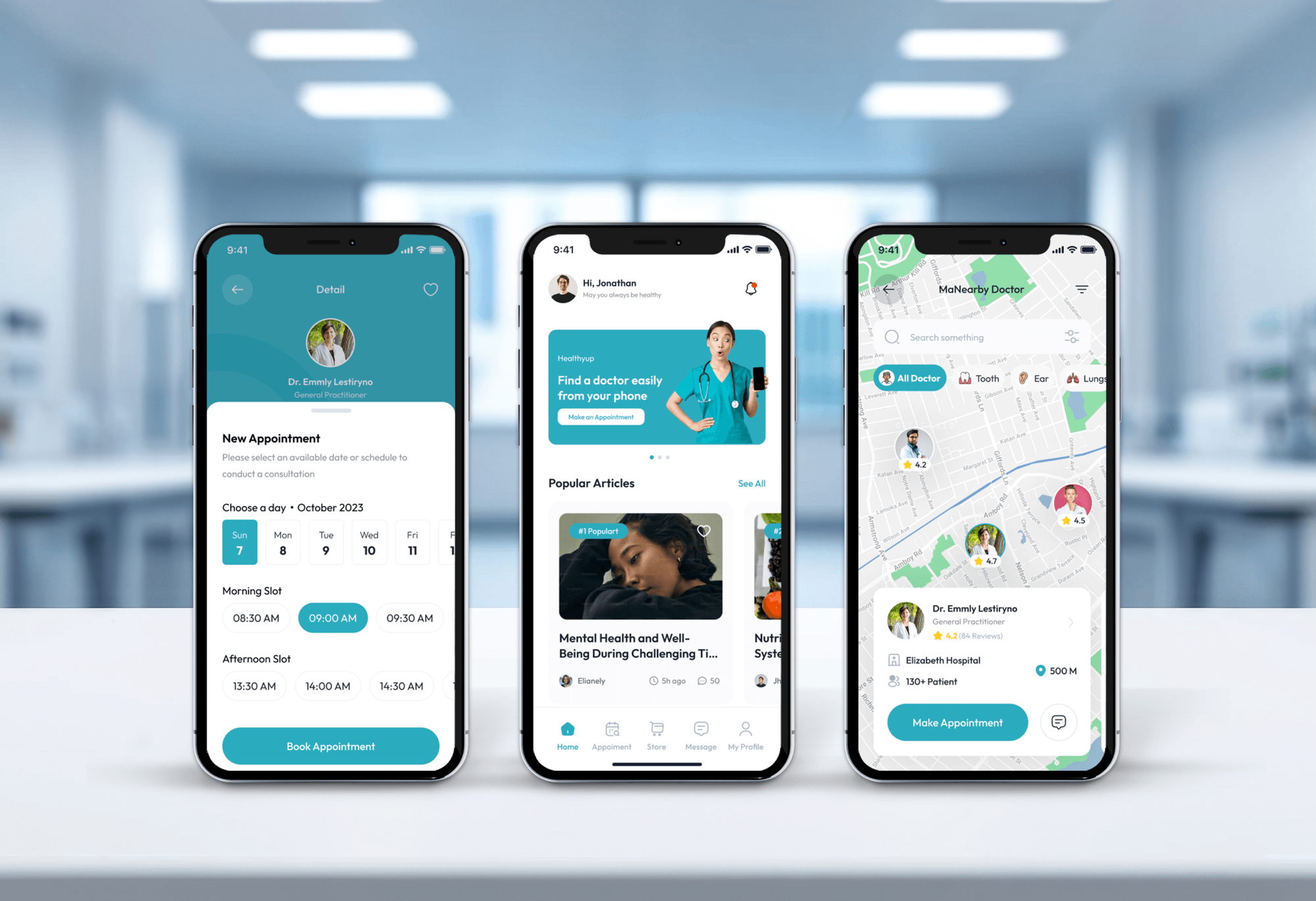
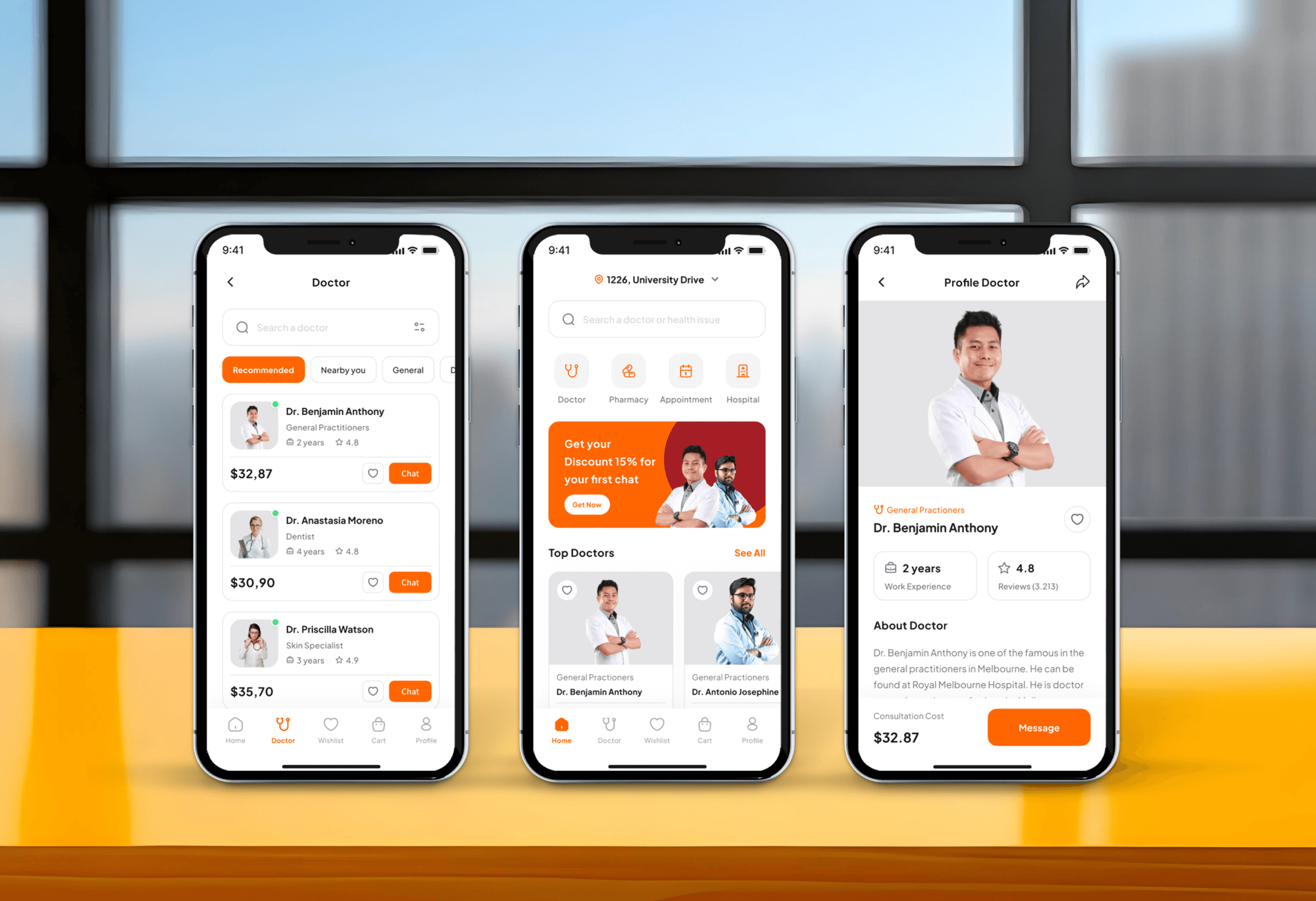
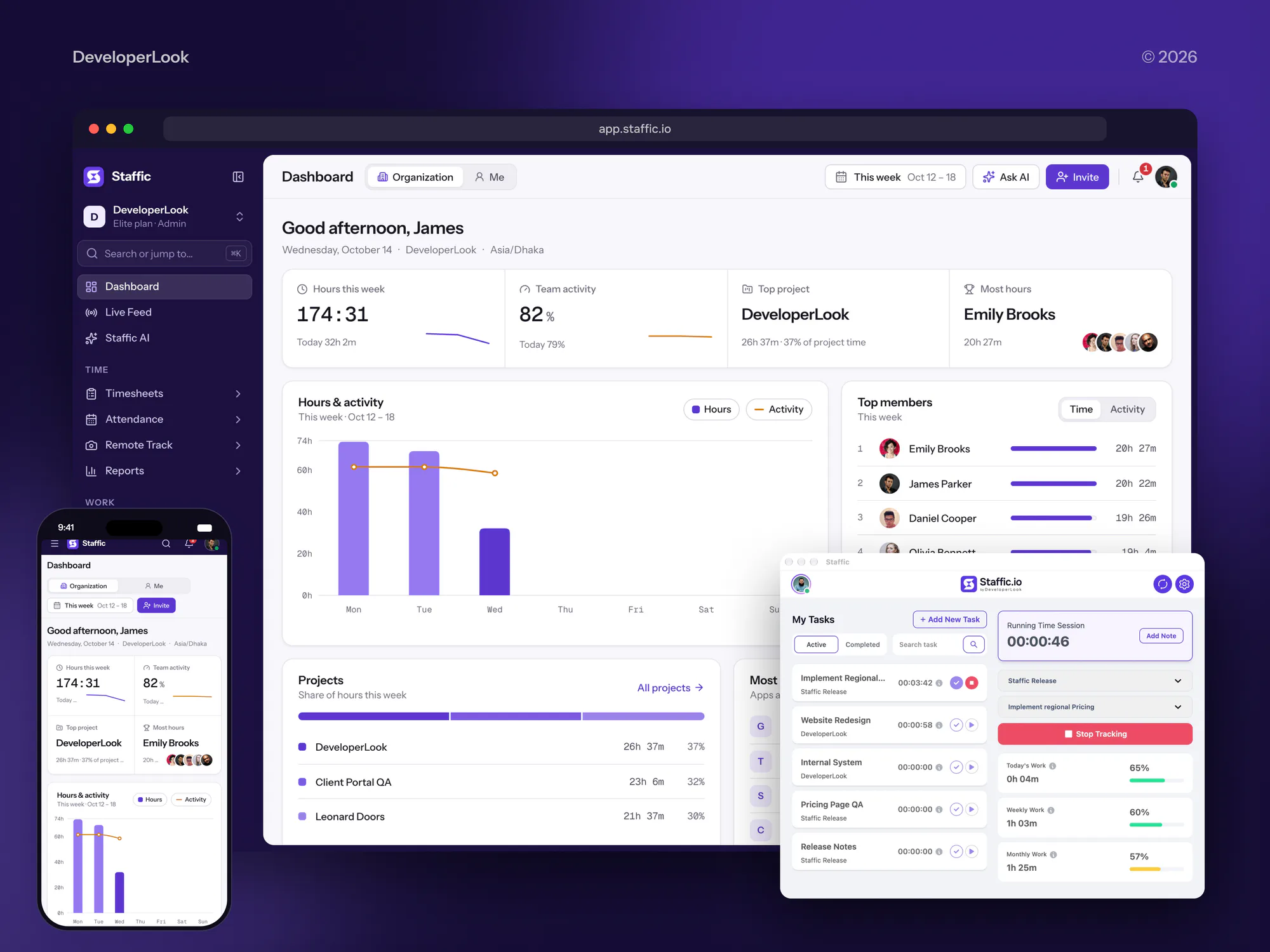
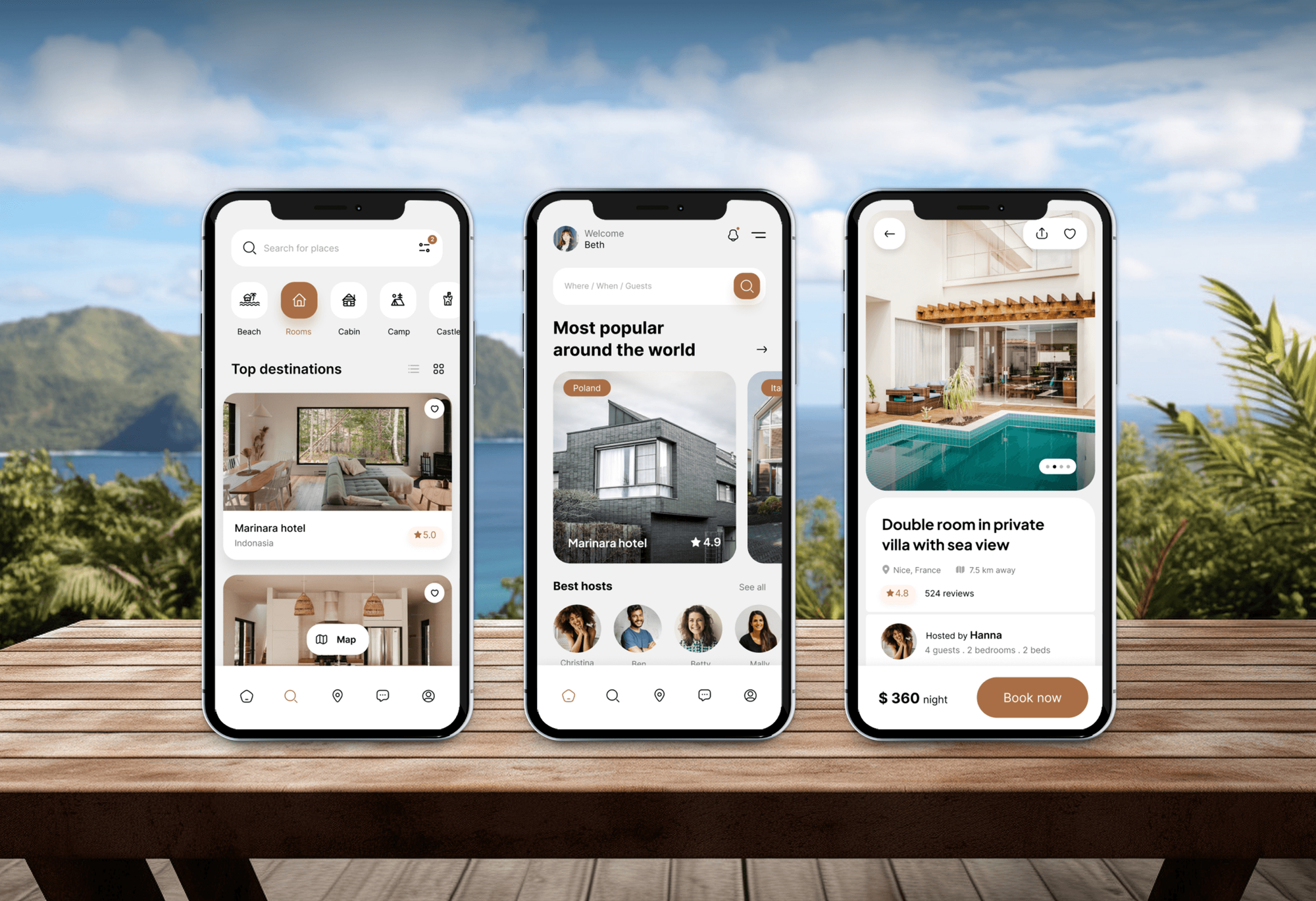
Healthcare apps and SaaS platforms we designed and built from scratch. They show the products we take over and finish, not rescue case studies.
What Our Clients Say
Feedback from teams we have built web and mobile apps for.
We had a pretty specific idea of what we wanted our website to become, but I wasn’t sure how easily we could explain all of it to a development team. There were quite a few moving parts, and we were working toward a deadline, so I expected a few things to get lost along the way. That never really happened. They understood what we were trying to achieve, kept us updated throughout the process, and got everything ready within the agreed timeline. The final site feels much easier to navigate, works beautifully on mobile, and is noticeably smoother for our customers. It was a huge relief seeing the original idea actually turn into the website we had in mind.
The mobile experience is probably my favourite part of the new site. We had spent a lot of time making sure the desktop version looked right, and the team kept pushing us to think about how everything would actually feel on a phone too. They were right. The navigation is clean, the interactions feel natural, and everything we’ve tested so far works exactly as it should. They also went through the links, forms, integrations, and other details more than once before launch, which I really appreciated. And even after going live, we could still reach out when something came up. The whole process felt friendly, organised, and surprisingly straightforward.
What I appreciate most is that the website is actually easy for us to manage now. We can update content ourselves instead of sending a developer a message every time we need to change something small. They also paid attention to the technical SEO side, which mattered to us because we didn’t want a new website to create problems for the traffic we already had. I’ve probably asked more questions than I should have since launch, but every question has been handled patiently and without any fuss. The team is easy to work with, they explain things clearly, and when we need something changed, they focus on getting it done rather than making the process complicated.
1,250+
Projects shipped
10+
Years of experience
Top 3%
Upwork Top Rated Plus
5 stars
Average review score

Want results like these?
Tell us what you are building. You get a reply within 24 hours on business days, then a written estimate.
Work Culture
Taking over someone else's code means hard conversations. These habits keep your rescue honest about cost and fair to the people who built it.
We secure your accounts and rotate old keys before we change a line of code. A rescue that leaves the old vendor holding your servers isn't a rescue.
Some projects cost more to save than to rebuild. If your triage says stop or rebuild, you hear it plainly, even when that means a smaller job for us.
The report describes the code, not the people who wrote it. You get facts you can use in any conversation with your old vendor.
Each critical flow gets a test before anyone changes it. Your users don't find new bugs while the old ones get repaired.
Every phase has a fixed price and a date. You see a demo each week, so a slipping date shows up early, not at the deadline.
Code, accounts, and documents stay in your name from day one. If you hand the project to another team later, nothing is missing.
Overview
DeveloperLook handles software project rescue for founders and product owners whose build stalled or lost its developers. We recover your accounts, triage every module, fix blockers, and finish a first usable release. A Rescue Assessment starts at $1,250, the written plan arrives in about 10 business days, and you can stop after it.
DEVELOPERLOOK
Project facts · Software Project Rescue Services
Reviewed 22 Oct 2026 by Saimul Islam
Good fit
Founders whose agency missed the launch
Your agency's launch date has slipped twice, the demo still breaks, and you need someone outside the contract to say what's finished.
Product owners whose freelancer disappeared
Your freelancer stopped answering halfway through the build, and nobody else knows how to run, deploy, or even log in to the app.
Healthcare and fintech product teams
Your app handles patient or payment data, the build is behind, and you need a takeover team that respects your compliance lead's access rules.
Investors protecting a portfolio company
Your portfolio company burned a year of runway on a product that isn't shipping, and your board wants an independent rescue plan.
Agencies inheriting a client's broken build
You've won a client whose last vendor left a half-finished app, and you need a white-label team to stabilize it before your relationship starts.
Not a fit
App is old but works
Your software runs fine for users but sits on aging, unsupported code. Application Modernization Services moves it to a current stack module by module.
Only want a second opinion
You want an independent review of code quality and no takeover at all. Code Audit Services gives you a scored report without a rescue engagement.
Needs steady upkeep, not rescue
Your app shipped and works, and you just need bugs fixed and updates applied each month. Application Maintenance Services is the cheaper, steadier fit.
Expert report for a lawsuit
You need an expert witness report for a dispute with your old vendor. We write technical findings, not litigation reports, so hire a forensic software expert.
Not sure we're the right fit?
Book a free call or message us. We'll tell you honestly whether we're the right team.
Pricing
These are starting points in USD. Your final price depends on codebase size, account recovery, and unfinished scope, and you get a fixed proposal after the triage.
For owners who need the facts and a go or no-go call before spending more.
$1,250one-time, USD
For teams that need hands-on software rescue support until the app is stable.
$3,900one-time, USD
For products that need the recovery scope finished and launched, about 6 to 12 weeks.
$7,900one-time, USD
For Agencies
You own the client relationship. We supply the takeover team: we recover the accounts, grade the inherited code, and stabilize the build under your brand, so your first months with a new client start with a working product.
White label: your client only ever sees your brand
Send repo access and the client's story, and we start the account inventory.
You get the triage report and a fixed phase price to present.
We fix and ship while you run the client conversation.
Triage reports and demos carry your brand, not ours.
Quote your client with confidence, phase by phase.
People who have read many inherited codebases do the triage.
Add a rescue team for one client without new hires.
The Right Technology for Your Project
The stacks we most often inherit and the tools that rebuild your release pipeline. We work in the code you already have before suggesting anything new.
 JavaScript
 TypeScript
 React
 Node.js
 PHP
 Laravel
 Python
 Flutter
 Docker
 AWS
 Microsoft Azure
 Vercel
 PostgreSQL
 MySQL
 Firebase
FAQ
Straight answers on rescue costs, timelines, account recovery, and what happens when a project can't be saved.
Saimul IslamFounder & CEO, DeveloperLookStill have questions?
Send a message or book a call with the team.
A software project rescue starts at $1,250 for the Rescue Assessment: access recovery, a reproduced build, and a triage report. Stabilizing and taking over the project starts at $3,900. Finishing the recovery scope to a launched release starts at $7,900. You get a fixed price for each phase after the triage, so you can stop at any point.
Most takeovers reach a written rescue plan in about 10 business days once we have access. Stabilizing a build usually takes 2 to 4 weeks after that. Finishing a release takes 6 to 12 weeks, depending on how much was left undone, and every phase has its own date.
DeveloperLook can, as a software project rescue company that takes over patient apps, booking platforms, and clinic tools. We work under your NDA and inside the access controls your compliance lead sets. Real patient data stays out of staging, and the HIPAA Security Rule's technical safeguards are setup steps, not legal advice.
You bring a project back on track by cutting the scope to a first usable release and resetting the timeline around it. We list every promised feature, mark what already works, and move the rest after launch. Then each week ends with a demo, so slips show up within days instead of at the deadline.
Start by deciding whether it's worth saving. Compare the cost to finish each module with the cost to rebuild it, and check that you own the code and accounts. If most modules can be fixed, a rescue usually pays off. If not, a smaller rebuild may be cheaper, and the triage tells you which.
Recovery runs in a fixed order: secure access, reproduce the build, triage the code, stabilize, then ship. In IT project recovery, skipping the access step is the classic mistake, because a vendor can switch off your servers mid-fix. Your inventory is done in week one.
We fix it by making it buildable and testable before adding features. That means a clean build from source, an automated pipeline, and a staging site. Next come tests that pin down how login, checkout, or booking behave today. Only then do we repair crashes and broken flows, one tested change at a time.
Give it one backlog, one decision maker, and one release rhythm. Your tasks are probably spread across email, chat, and three tools. A software rescue consultant merges them into one board, agrees who approves scope, and sets a weekly release cycle within your first two weeks.
Start with what you already control: your domain registrar, payment accounts, and cloud accounts in your company's name. We help you request the code formally and list anything missing. If source code can't be recovered, the triage prices a rebuild of those parts. Your vendor contract decides who owns the code, so check it early.
You get runbooks, documented code, and 30 days of fixes after handover or release. After that, you can keep us on a maintenance plan, hand the project to your developers, or bring in another team. Everything stays in your accounts, so you don't need our permission.
Saimul IslamFounder & CEO, DeveloperLookStill have questions?
Send a message or book a call with the team.
Free 30-min callGoogle Meet
Book a call
In 30 minutes on Google Meet we walk you through how we would build it, how long it takes and what it costs. Then you get a written estimate.
Calendar not showing? Book on cal.com or send a brief.