
Test plan and test cases
Written cases for each flow, ranked by risk and kept in TestRail or a sheet you reuse next release.

For product teams without a full-time tester: a risk-ranked test cycle on every release, with each bug logged, retested, and signed off before users see it.
100%
Release flows signed off
48hrs
From fix to retest
How your project runs
Teams we have built for:














The Problem
Bugs slip through when the people who wrote the code are the only ones testing it, the night before a deadline, with no written checklist.
01 · No checklist
Nobody had a written list of what to check.
A risk-ranked test plan lists every flow and case before testing starts.
02 · Same tester
Developers tested their own code on their own laptops.
A QA engineer who didn't write the code runs each test case.
03 · Old features
The export button broke, though nobody changed it.
The regression set reruns checks on features your release didn't touch.
04 · Roles
A member role could see invoices it shouldn't.
Each user role gets its own pass through permissions and data access.
Your developers tested the new billing screen on their own laptops, in Chrome, with their usual admin account. It worked. By Monday, support had 3 reports. The coupon field rejected valid codes. A member role could see invoices it shouldn't. The old export button returned a blank file. Nobody had a list of what to check, so nobody checked the old features at all. Now every hotfix competes with the next sprint.
We start with a risk-ranked test plan built from your release notes and most-used flows. A QA engineer who didn't write the code runs the cases across browsers, devices, and user roles, then reruns the regression set on untouched features. Each defect arrives with steps, a screenshot, and a severity. Releases ship on evidence, not on a developer's word.
Risk-ranked test plans
Test cases start with the flows that earn revenue or hold data, so the riskiest bugs surface first.
Every user role covered
Admins, members, and guests each get their own pass, because permission bugs hide behind the wrong login.
Regression on old features
We rerun checks on screens your release didn't touch, where shared code breaks most quietly.
Our Software Testing Services Process
You approve the test plan before testing starts, see each defect as it's logged in your tracker, and get a written sign-off for the release.
We review your app, your release notes, and where past bugs came from. You get a proposed scope, the roles and devices to cover, and a fixed price before any testing is booked.
What's Included
A full QA cycle for one release: planning, manual and regression testing, defect tracking, fix retests, and a written sign-off from testers outside your dev team.
Compare Options
A freelance tester runs a quick pass cheaply, and an in-house QA hire learns your product deeply. Here's how a software testing company compares when you need coverage without a hire.
| Feature | DeveloperLookBest fit | Freelance tester | In-house QA |
|---|---|---|---|
| Test planning | Risk-ranked plan you approve | Often works from a checklist | Builds plans over time |
| Coverage | Browsers, devices, and user roles | Usually one browser and device | Whatever devices the office has |
| Regression testing | Reusable set rerun each release | Rarely kept between jobs | Strong once the set exists |
| Automation option | Playwright or Cypress on larger plans | Depends on the person | Needs a dedicated hire |
| Defect reporting | Steps, video, and severity | Varies by tester | Built into your workflow |
| Availability | Booked per release cycle | Cheapest for a one-off pass | Full-time, knows your product |
| Ownership | Test cases and reports are yours | Often kept in their files | Yours, tied to one person |
| Cost | Fixed price from $1,200 | Lower hourly rate | Full salary and benefits |
Projects We've Built
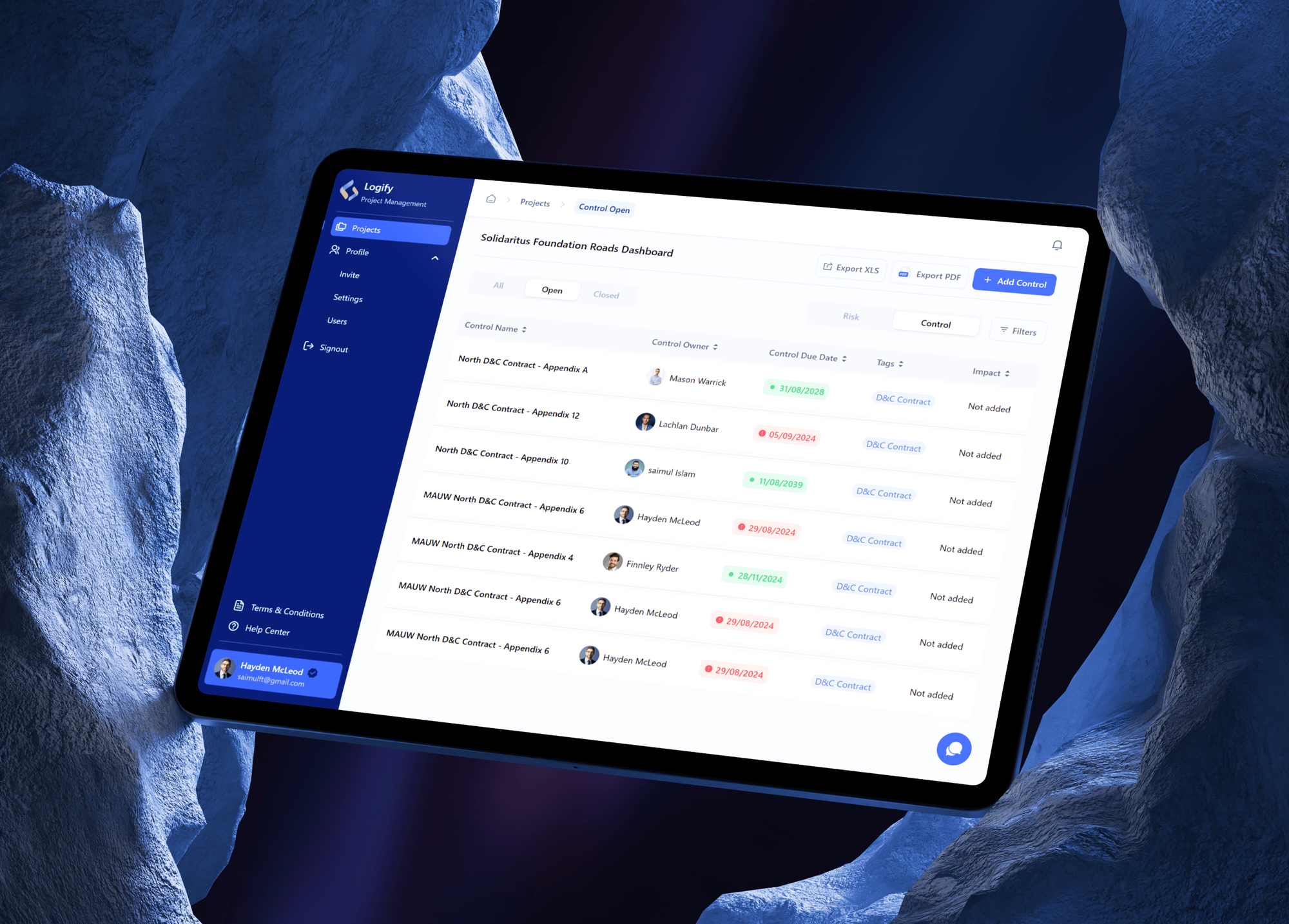
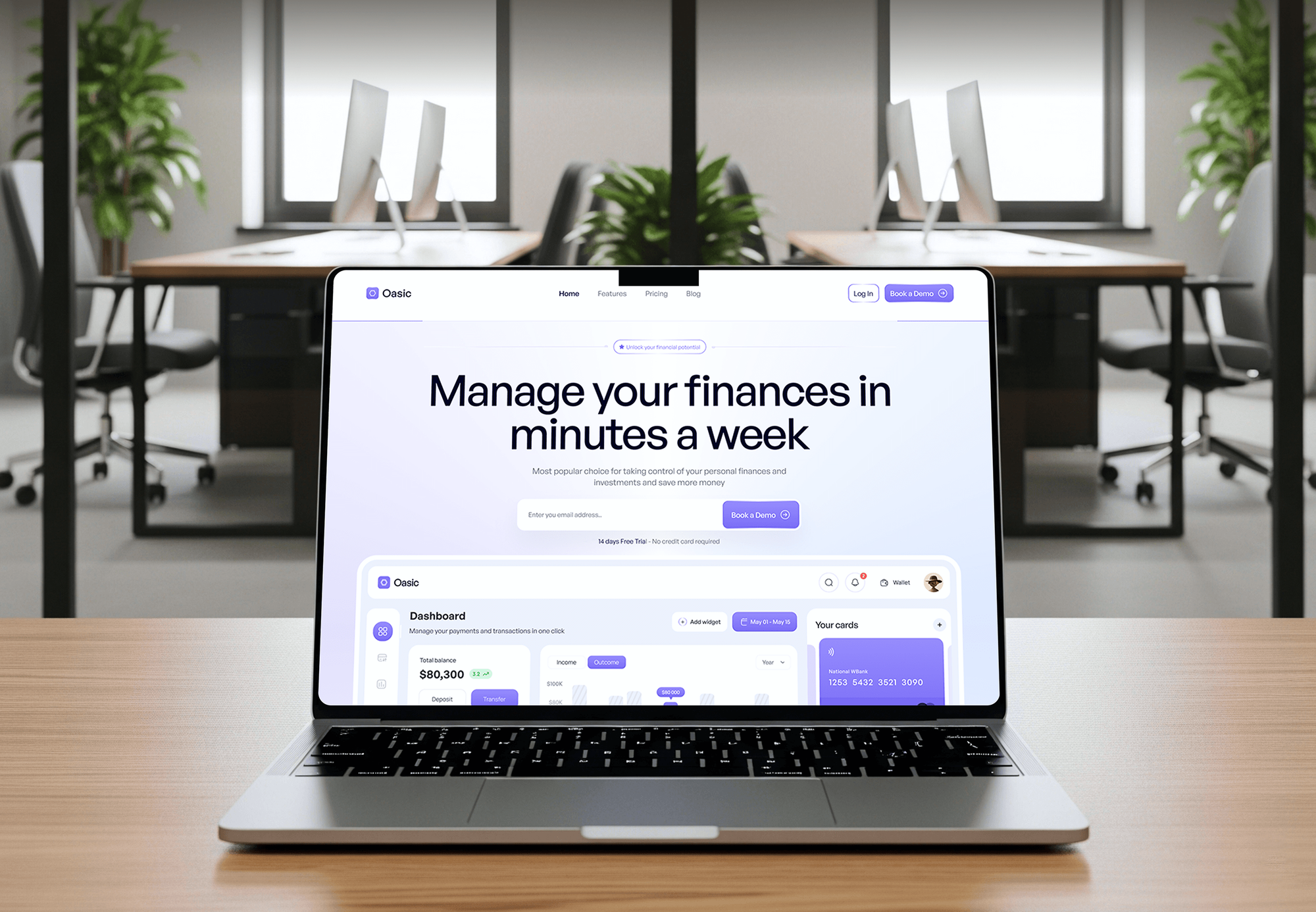
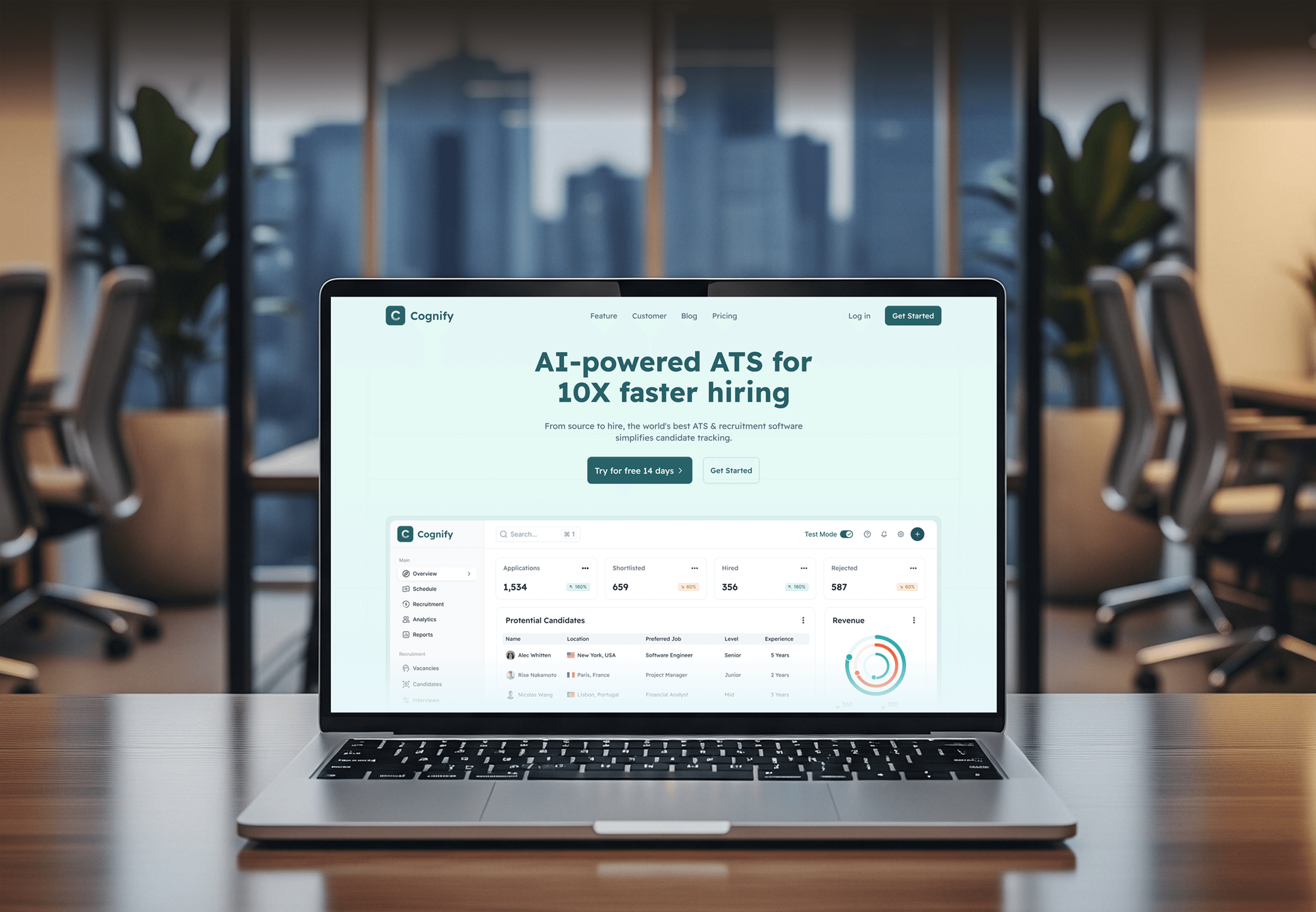
Risk management, finance SaaS, recruiting, and ecommerce products our team designed and built, with the roles, dashboards, and payments a release test cycle checks.

What Our Clients Say
Feedback from teams we have designed and built web and mobile products for.
We had a pretty specific idea of what we wanted our website to become, but I wasn’t sure how easily we could explain all of it to a development team. There were quite a few moving parts, and we were working toward a deadline, so I expected a few things to get lost along the way. That never really happened. They understood what we were trying to achieve, kept us updated throughout the process, and got everything ready within the agreed timeline. The final site feels much easier to navigate, works beautifully on mobile, and is noticeably smoother for our customers. It was a huge relief seeing the original idea actually turn into the website we had in mind.
The mobile experience is probably my favourite part of the new site. We had spent a lot of time making sure the desktop version looked right, and the team kept pushing us to think about how everything would actually feel on a phone too. They were right. The navigation is clean, the interactions feel natural, and everything we’ve tested so far works exactly as it should. They also went through the links, forms, integrations, and other details more than once before launch, which I really appreciated. And even after going live, we could still reach out when something came up. The whole process felt friendly, organised, and surprisingly straightforward.
What I appreciate most is that the website is actually easy for us to manage now. We can update content ourselves instead of sending a developer a message every time we need to change something small. They also paid attention to the technical SEO side, which mattered to us because we didn’t want a new website to create problems for the traffic we already had. I’ve probably asked more questions than I should have since launch, but every question has been handled patiently and without any fuss. The team is easy to work with, they explain things clearly, and when we need something changed, they focus on getting it done rather than making the process complicated.
1,250+
Projects shipped
10+
Years of experience
Top 3%
Upwork Top Rated Plus
5 stars
Average review score

Want results like these?
Tell us what you are building. You get a reply within 24 hours on business days, then a written estimate.
Work Culture
Testing helps only when developers trust the bug reports and product owners trust the sign-off. These habits keep both sides confident.
The engineer running your test cases didn't build the feature. Fresh eyes catch the assumptions the original developer can't see anymore.
Every defect comes with exact steps, the build number, and a screenshot or short video. Developers spend their time fixing, not asking what happened.
We rank defects by their impact on users and revenue, not by count. A short list of real blockers beats a long list nobody reads.
If a release isn't ready, we say so and show the blockers. If an issue is minor, we say that too, so you can decide to ship.
You get a fixed price for each release cycle before testing starts. Extra rounds are quoted before they begin, so the invoice matches the proposal.
Test cases, regression sets, and reports belong to you. Reuse them with your next hire, another vendor, or a future automation suite.
Overview
DeveloperLook provides software testing services for web apps, mobile apps, and APIs before each release. We write a risk-ranked test plan, run manual and regression test cases, log every defect with steps to reproduce, and retest the fixes. Release test cycles start at $1,200, take 1 to 2 weeks, and you keep every test case and report.
DEVELOPERLOOK
Project facts · Software Testing Services
Reviewed 8 Oct 2026 by Saimul Islam
Good fit
SaaS teams without a QA hire
Your developers test their own pull requests, and you want a software testing company to check each release before customers log in.
Startups before a public launch
You're launching to paying users in 3 weeks and need QA software testing services that cover signup, billing, and the core workflow on every browser.
Product owners preparing UAT
Your client must sign off on the release, and you need UAT scripts plus a clean regression pass before handing it over.
Teams with recurring regressions
Your last 3 releases each broke something old, and you need a regression set that's rerun before every deploy.
Agencies delivering client apps
Your agency builds apps for clients and wants QA and testing services under your brand, so handovers stop coming back with bug lists.
Not a fit
Only want automated tests
You already have manual coverage and only want automated regression in CI. Our Test Automation Services page covers building that suite with Playwright or Cypress.
Worried about traffic spikes
Your main worry is the app slowing down under heavy traffic, not functional bugs. Our Performance Testing Services page covers load and stress tests.
Need security testing
You need to know whether attackers can break in, not whether features work. Our Web Application Penetration Testing Services page covers that kind of test.
Budget under $1,200
Your budget is under $1,200 for one small release. Have someone outside the project click through your top 3 flows with a written checklist.
Not sure we're the right fit?
Book a free call or message us. We'll tell you honestly whether we're the right team.
Pricing
These are starting points in USD. Your final price depends on the number of flows, user roles, and browsers or devices to cover, and you get a fixed proposal after a free release review.
For one web or mobile app release that needs its core flows tested before users see it.
$1,200one-time, USD
For releases with several user roles that need regression and UAT before going live.
$2,900one-time, USD
For products releasing every sprint that need a test strategy and automation to keep up.
$5,400one-time, USD
For Agencies
You own the client relationship. We supply testers, test plans, and defect reports under your brand, so client apps reach handover already tested. Our QA engineers can work inside your Slack and tracker.
White label: your client only ever sees your brand
Send the staging link, release notes, user roles, and the client's must-work flows.
We plan, run the cases, and log defects in your tracker within days.
Present a tested build and a sign-off report under your agency's name.
Test plans, bug reports, and sign-offs carry your agency's name.
Releases reach your client already tested, so acceptance goes faster.
Add testers for a crunch week without hiring anyone permanent.
We work in your Jira, Slack, and staging setup from day one.
The Right Technology for Your Project
We test in the tools your developers already use, so defects, test runs, and automation results land where your team works.
 Google Chrome
 Slack
 Loom
FAQ
Straight answers on QA testing costs, timelines, test stages, and regression and acceptance testing.
Saimul IslamFounder & CEO, DeveloperLookStill have questions?
Send a message or book a call with the team.
A release test cycle from DeveloperLook starts at $1,200 and covers up to 3 core flows. A Full QA Cycle with regression and UAT scripts starts at $2,900, and a QA Program Setup with automated tests starts at $5,400. Your fixed price comes after a free release review.
One release usually takes 1 to 2 weeks of QA, from test plan to sign-off. A small release with 3 flows can finish in 5 business days, while a QA program with automation takes 3 to 6 weeks to set up. Fix retests land within 48 hours, so your developers' pace sets the final date.
Software testing is checking an application against its requirements to find defects before users do. It covers 3 things: whether features work, whether they work for every role and device, and whether old features survive a change. Testing is manual, with a person following cases, or automated, with scripts.
QA testing is the hands-on part of quality assurance: running test cases against a build and reporting what fails. A tester follows written cases, explores the edge cases those cases missed, and logs each defect with steps to reproduce. At DeveloperLook, that tester sits outside your development team.
QA in software testing means quality assurance: the process that prevents defects, while testing is the activity that finds them. QA covers how requirements are written, how code is reviewed, and when tests run. Small teams often start by testing each release, then add QA process as releases speed up.
It matters because developers test their own code with the same assumptions they used to write it. An outside tester tries wrong inputs, other user roles, and old features nobody touched. A bug found before release costs a fix. A bug your customers find also costs support time, refunds, and trust.
Software testing runs in 4 stages: unit (or component), integration, system, and acceptance testing, the test levels in the ISTQB glossary. Developers write unit and integration tests. System testing checks the whole app, and acceptance testing confirms it does what the business ordered. Our cycles cover the last 2 stages.
Regression testing is rerunning checks on existing features after a change, to confirm nothing that worked before is broken. Shared code is the usual cause: a billing change breaks an export 3 screens away. Our software regression testing services keep a reusable regression set and rerun it each release.
User acceptance testing (UAT) is the final stage, where the business or client confirms the software does what they asked for. Product owners or end users run it, not developers. We write plain-language UAT scripts with expected results, so your client can check each requirement and sign off quickly.
You own every test case, regression set, defect report, and sign-off from day one. They live in your Jira, TestRail, or shared drive. As a software testing services company, we'd rather you reuse them with your next tester than pay us to rewrite them. Retest support runs 14 to 30 days after sign-off.
Saimul IslamFounder & CEO, DeveloperLookStill have questions?
Send a message or book a call with the team.
Free 30-min callGoogle Meet
Book a call
In 30 minutes on Google Meet we walk you through how we would build it, how long it takes and what it costs. Then you get a written estimate.
Calendar not showing? Book on cal.com or send a brief.