
Automation strategy and coverage map
Which manual cases become automated, which stay manual, and why, agreed before any test code is written.

For teams whose manual regression eats a day per release: automated tests that run on every pull request and catch broken flows before they merge.
2X
Faster regression cycles
100%
Critical paths checked per pull request
How your project runs
Teams we have built for:














The Problem
Manual regression grows with every feature you ship. Past a certain size, teams start skipping checks or ignoring a flaky suite, and old bugs come back.
01 · Slow checklist
Manual regression takes 2 people most of a day.
Repeated cases become automated tests that finish while your team reviews code.
02 · Flaky suite
The old Selenium suite fails at random.
Auto-waiting, stable selectors, and quarantine rules tie each failure to a real bug.
03 · Skipped cases
The team skips the cases that seem safe.
Every pull request runs the full critical-path set, so nobody chooses what to skip.
04 · Ignored reds
Nobody trusts a red build, so people merge anyway.
Each failure posts a trace and screenshot to Slack showing exactly what broke.
Your regression checklist started as 20 clicks before each release. Now it's 180 cases in a spreadsheet, and running them takes 2 people most of a Thursday. So the team skips the cases that seem safe, and those are the ones that break. Someone tried automation last year: a Selenium suite full of fixed waits that fails at random. Now nobody trusts a red build, so people merge anyway.
We start with your manual cases and automate the ones you repeat every release on stable screens: login, checkout, billing, and permissions. Tests use page objects, seeded data, and auto-waiting instead of fixed sleeps, so they fail when something is actually broken. The suite runs on every pull request. Bugs get caught in code review, not in a Thursday spreadsheet session.
Automate what repeats
We pick high-repeat, stable checks first and leave one-off exploration to the people on your team.
Checks on every pull request
Tests run before code merges, so a broken flow is caught before it ever reaches staging.
Red builds you can trust
Flaky tests are quarantined and fixed, so a failure means a real bug, not bad timing.
Our Test Automation Services Process
You approve the coverage map before we write tests, review every test in a pull request, and watch the suite run in your own pipeline.
We look at your manual test cases, your release cadence, and any tests you already have. You get a shortlist of what's worth automating, the framework we'd use, and a fixed price.
What's Included
A suite your developers can extend: strategy, framework setup, automated tests, CI wiring, reporting, and a handover so the suite outlives the engagement.
Compare Options
Codeless tools cover simple flows fast, and an in-house automation engineer knows your stack best. Here's how an automation testing company compares on the suite you end up owning.
| Feature | DeveloperLookBest fit | Codeless tool | In-house hire |
|---|---|---|---|
| Setup speed | 1 to 2 weeks for a smoke suite | Hours for simple flows | Weeks to hire, then build |
| Test code | Playwright or Cypress in your repo | Stored in the vendor's platform | In your repo |
| Maintenance | Page objects limit breakage | Re-record when screens change | Handled by the hire |
| Complex logic | Data setup, APIs, and roles | Limited beyond recorded clicks | Full control |
| CI integration | Every pull request, in parallel | Depends on the plan | Whatever they set up |
| Flaky tests | Quarantine and fix rules | Varies by tool | Depends on experience |
| Ownership | Code and pipelines are yours | Locked to a subscription | Yours, until they leave |
| Cost | Fixed price from $1,100 | Monthly license per seat | Salary plus recruiting time |
Projects We've Built
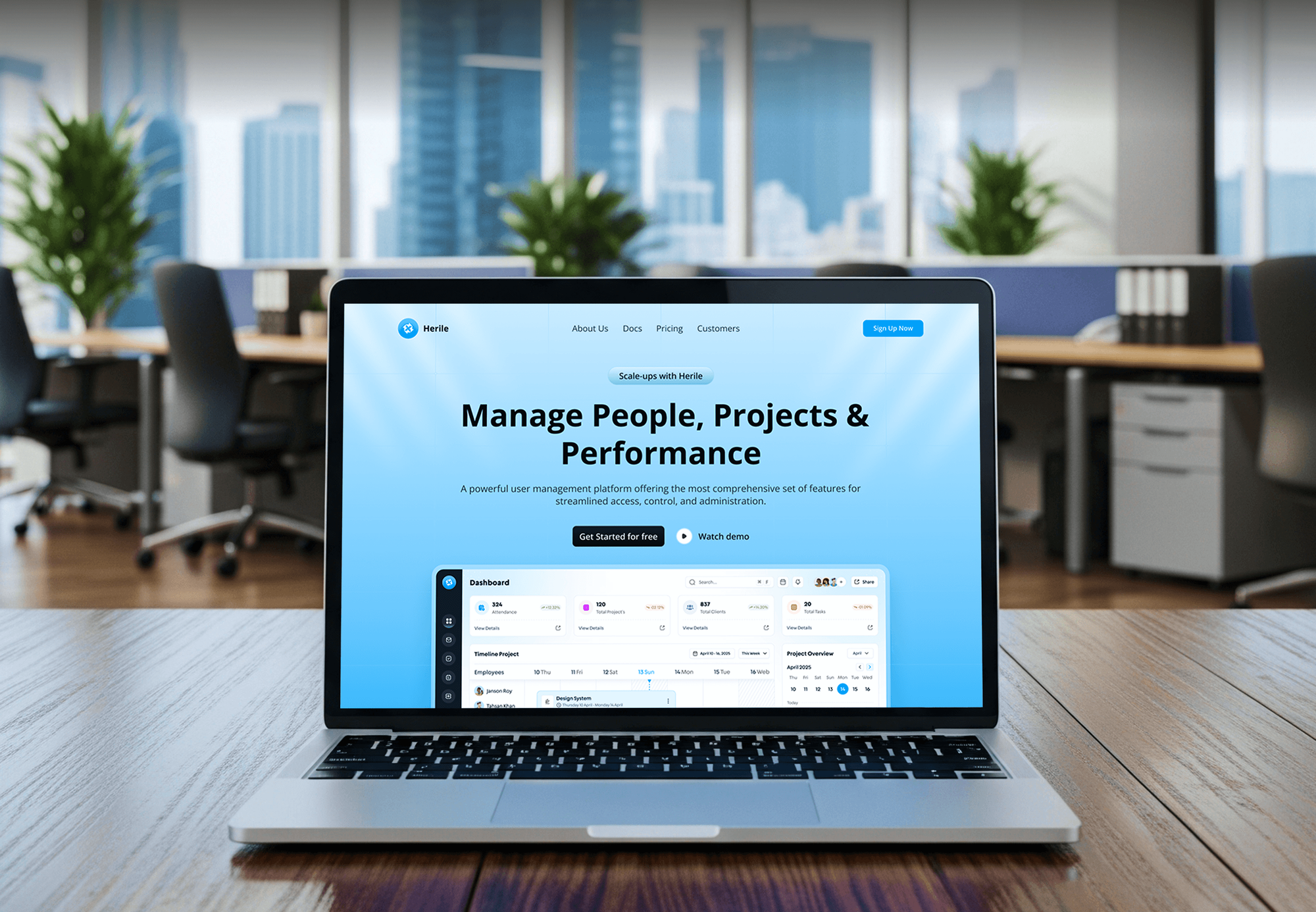
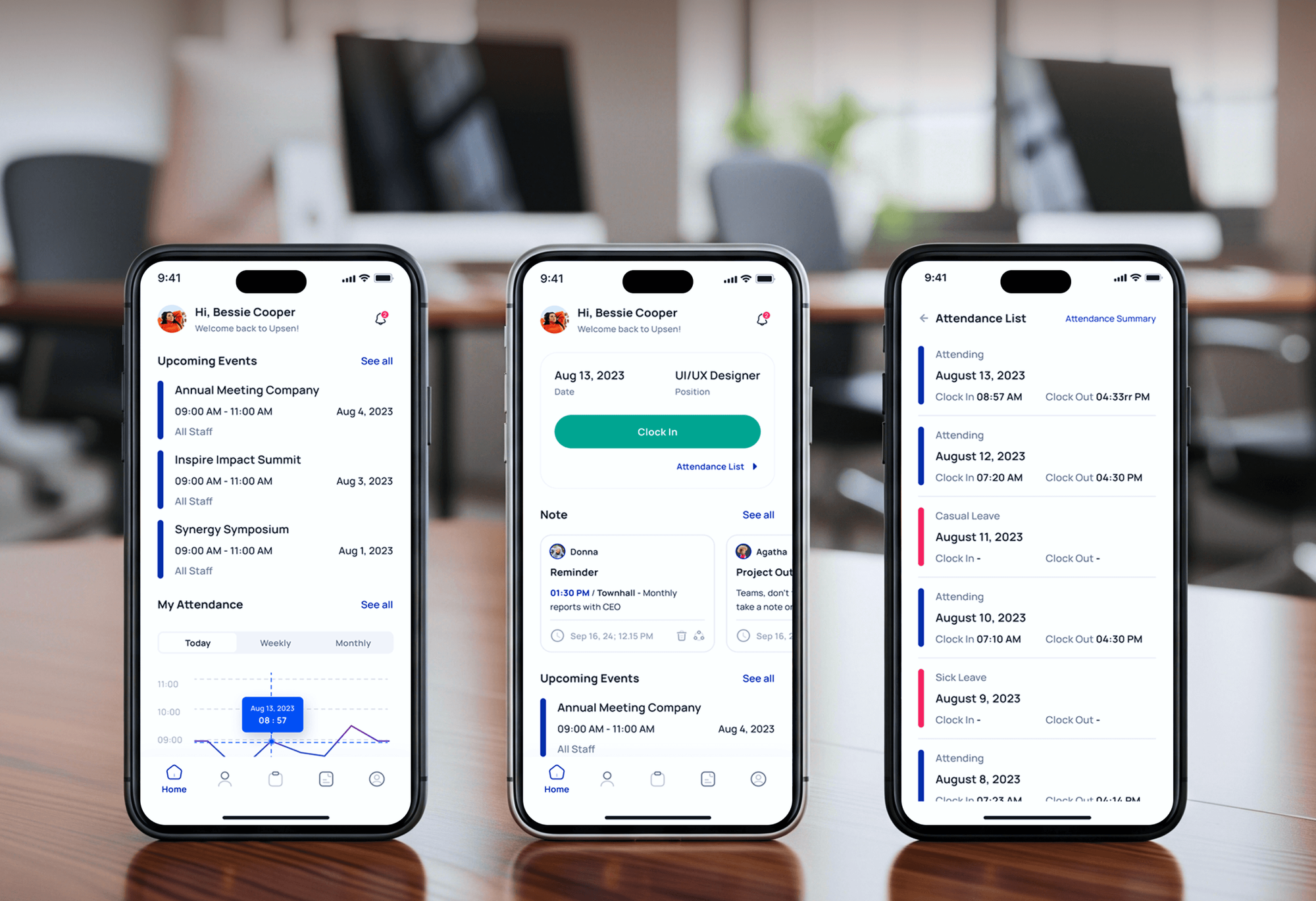
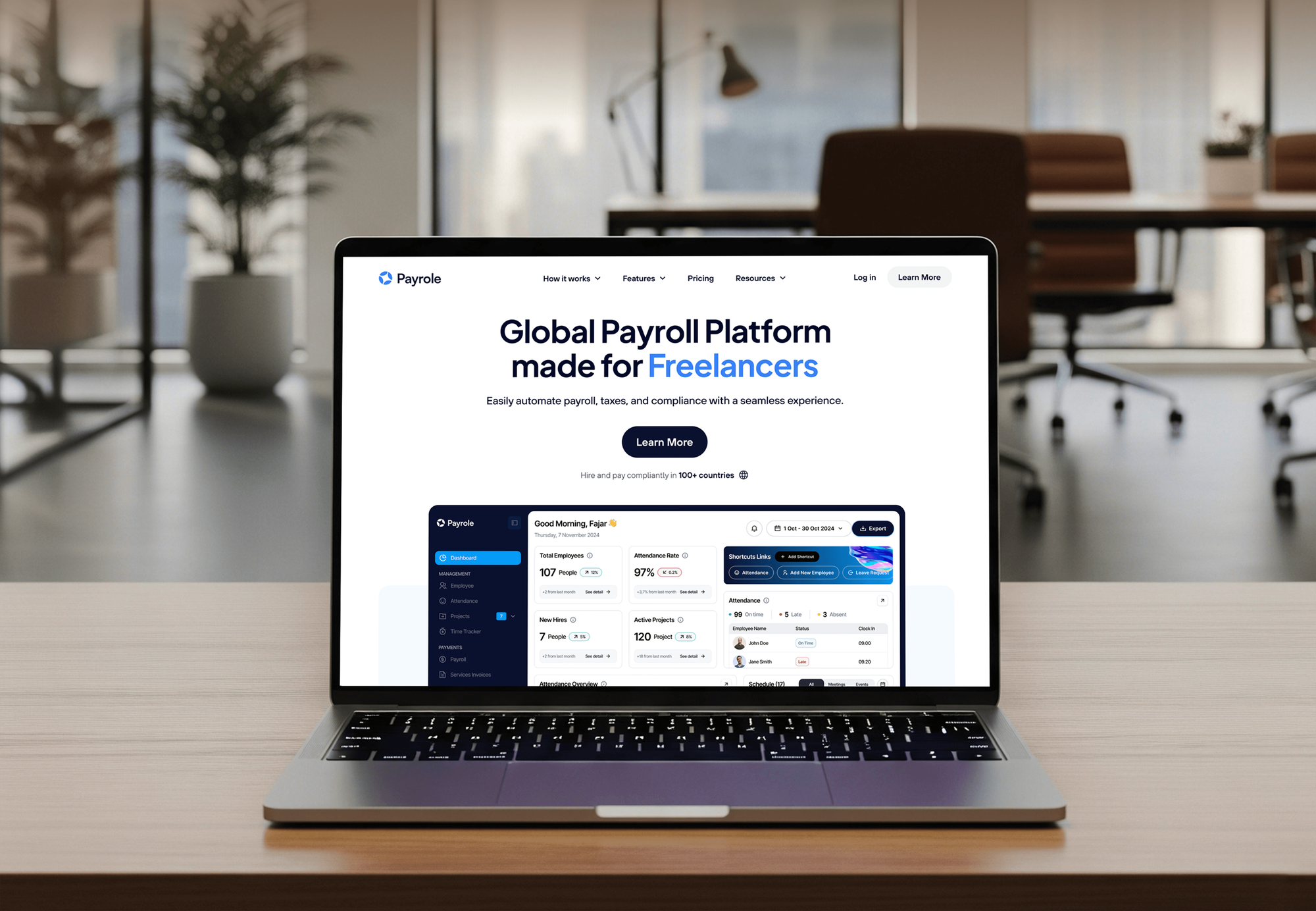
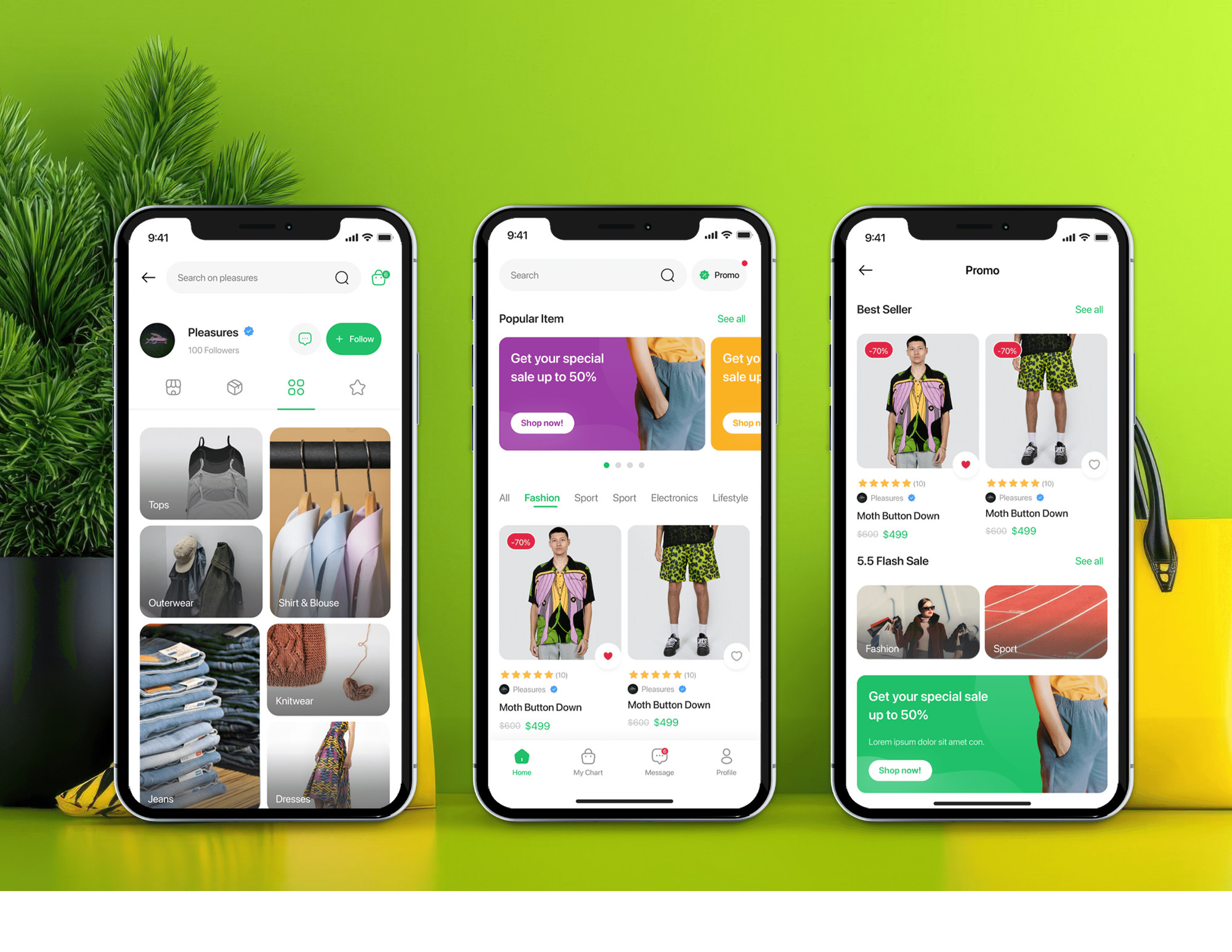
HR, payroll, and ecommerce products our team designed and built. Their logins, approvals, and checkout flows are the repeat paths a regression suite covers first.
What Our Clients Say
Feedback from teams we have designed and built web and mobile products for.
We had a pretty specific idea of what we wanted our website to become, but I wasn’t sure how easily we could explain all of it to a development team. There were quite a few moving parts, and we were working toward a deadline, so I expected a few things to get lost along the way. That never really happened. They understood what we were trying to achieve, kept us updated throughout the process, and got everything ready within the agreed timeline. The final site feels much easier to navigate, works beautifully on mobile, and is noticeably smoother for our customers. It was a huge relief seeing the original idea actually turn into the website we had in mind.
The mobile experience is probably my favourite part of the new site. We had spent a lot of time making sure the desktop version looked right, and the team kept pushing us to think about how everything would actually feel on a phone too. They were right. The navigation is clean, the interactions feel natural, and everything we’ve tested so far works exactly as it should. They also went through the links, forms, integrations, and other details more than once before launch, which I really appreciated. And even after going live, we could still reach out when something came up. The whole process felt friendly, organised, and surprisingly straightforward.
What I appreciate most is that the website is actually easy for us to manage now. We can update content ourselves instead of sending a developer a message every time we need to change something small. They also paid attention to the technical SEO side, which mattered to us because we didn’t want a new website to create problems for the traffic we already had. I’ve probably asked more questions than I should have since launch, but every question has been handled patiently and without any fuss. The team is easy to work with, they explain things clearly, and when we need something changed, they focus on getting it done rather than making the process complicated.
1,250+
Projects shipped
10+
Years of experience
Top 3%
Upwork Top Rated Plus
5 stars
Average review score

Want results like these?
Tell us what you are building. You get a reply within 24 hours on business days, then a written estimate.
Work Culture
A suite is only worth having if developers keep running it. These habits keep tests fast, readable, and trusted long after we hand them over.
We'd rather ship 40 tests your team trusts than 400 nobody maintains. Every test earns its place by covering a path you'd otherwise check by hand.
We keep the critical-path suite short and run it in parallel. A suite that takes an hour gets skipped, so speed is part of the design.
A test that fails at random is quarantined the same day and repaired before new tests are added. Trust in a red build is the whole point.
Tests read like the steps a person would follow, with clear names and shared page objects. Your developers can fix one without asking us.
Exploratory testing, usability, and one-off checks stay manual. We'll say when automating a flow would cost more to maintain than it saves.
Every test, fixture, and pipeline file lives in your repository from the first commit. There's no platform license and nothing to export when we finish.
Overview
DeveloperLook provides automation testing services for web apps, APIs, and mobile apps. We pick the manual cases worth automating, build a Playwright, Cypress, or Selenium suite, and run it in your CI on every pull request. Smoke suites start at $1,100, take 1 to 2 weeks, and the code lives in your repository.
DEVELOPERLOOK
Project facts · Test Automation Services
Reviewed 8 Oct 2026 by Saimul Islam
Good fit
Teams with a slow manual regression
Your manual regression takes a full day per release, and you want automated software testing services that run the same checks while your team reviews code.
Startups adding tests to CI
You've got GitHub Actions running builds with no tests behind them, and you want a smoke suite that blocks broken merges.
Teams with a flaky legacy suite
Your old Selenium suite fails at random, and you need someone to stabilize it or move the useful tests to Playwright.
QA leads scaling up
You run manual QA well and want QA automation testing services, so your testers can spend their time on exploratory work.
Agencies maintaining client apps
Your agency supports several client apps and wants software test automation services under your brand, so updates stop breaking old features.
Not a fit
One release, no repeats
You're testing a one-off release that won't change again. Manual testing is cheaper there, and our Software Testing Services page covers a single release cycle.
Mostly device coverage
You mainly need your app checked on many phones and OS versions. Our Mobile App Testing Services page covers device coverage and store release checks.
API layer only
You only need your endpoints and contracts tested, without browser tests. Our API Testing Services page covers that with Postman and contract tests.
Budget under $1,100
Your budget is under $1,100. Start by writing your 10 most-repeated manual checks as a checklist. Any future suite will be built from that list.
Not sure we're the right fit?
Book a free call or message us. We'll tell you honestly whether we're the right team.
Pricing
These are starting points in USD. Your final price depends on the number of tests, their platforms, and your test data, and you get a fixed proposal after a free suite review.
For teams that need their critical paths checked automatically before every merge.
$1,100one-time, USD
For products whose manual regression takes a day or more on every release.
$3,200one-time, USD
For teams shipping web and mobile apps weekly that want most regression automated.
$6,400one-time, USD
For Agencies
You own the client relationship. We build the automated test suites behind your client apps under your brand, so routine updates stop breaking features you shipped months ago. Every suite lives in the client's own repository.
White label: your client only ever sees your brand
Share the repository, staging access, and the flows your client cares about most.
We automate those flows and wire them into the client's CI pipeline.
Show the client a passing suite on every update, under your agency's name.
Test code and run reports carry your agency's name, not ours.
Plugin, framework, and content updates get checked before they go live.
A shared suite structure makes each new client faster to set up.
We repair tests when a client's screens change during the support period.
The Right Technology for Your Project
We use open-source frameworks your developers can run on their own laptops, so the suite doesn't depend on a platform we control.
 Slack
FAQ
Straight answers on what to automate, costs, strategy, and when manual testing still wins.
Saimul IslamFounder & CEO, DeveloperLookStill have questions?
Send a message or book a call with the team.
Automation testing services from DeveloperLook start at $1,100 for a CI smoke suite of 15 to 20 critical-path tests. A Regression Suite of up to 80 UI and API tests starts at $3,200, and an Automation Program with mobile and visual checks starts at $6,400. You get a fixed price after a free suite review.
Test automation is writing code that runs your software tests for you, instead of a person clicking through each step. A framework like Playwright opens the browser, performs the actions, and checks the results. Because scripts repeat exactly, they suit the regression checks that should run on every code change.
Test automation services are the planning, building, and upkeep of automated tests for your product by an outside team. That covers choosing which cases to automate, setting up the framework, writing tests, connecting them to CI, and training your developers to keep the suite healthy after handover.
Automate checks that repeat every release, run on stable screens, and cost money when they fail: login, checkout, billing, and permissions. Cases with many input combinations are strong candidates too. Leave one-off checks, fast-changing screens, and anything judged by eye to people, because those tests cost more to maintain than they save.
The expected benefits are faster regression cycles, earlier bug detection, and releases that don't wait on a manual checklist. Developers see a broken flow before merging, and testers move from repeating clicks to exploratory work. The trade-off is upkeep, so a suite has to stay small and well built.
Choose automated testing when a check repeats often, has a clear pass or fail result, and runs on a screen that rarely changes. A case you run every sprint pays back its build time within a few releases. A case you run twice a year usually doesn't, so it stays manual.
Use test automation once a feature is stable and part of every regression run, and manual testing while it's still changing or needs human judgment. Early in a product, most testing is manual. As releases speed up and the regression list grows, automation takes over the repeat work while people keep exploring new features.
A test automation strategy is a written plan for what gets automated, at which layer, with which tools, and who maintains it. Most follow the test pyramid: many fast unit tests, fewer API tests, and a small set of browser tests. Ours also covers test data, CI triggers, and rules for flaky tests.
No, automation testing can't fully replace manual testing. Scripts only check what someone told them to check, so they miss confusing layouts, odd edge cases, and new features nobody has scripted yet. Automation removes the repetitive regression work, which frees testers for exploratory testing, where people find the bugs scripts can't.
Your developers maintain it, and we set them up to do so. The suite lives in your repository with docs and a recorded walkthrough, and we stay on for 14 to 30 days to fix flaky tests and answer questions. Page objects keep upkeep small: when a screen changes, you usually edit one file.
Saimul IslamFounder & CEO, DeveloperLookStill have questions?
Send a message or book a call with the team.
Free 30-min callGoogle Meet
Book a call
In 30 minutes on Google Meet we walk you through how we would build it, how long it takes and what it costs. Then you get a written estimate.
Calendar not showing? Book on cal.com or send a brief.