
Watch list and requirements
Your systems, versions, suppliers, and domains, plus the questions each brief must answer for you.

For teams buried in security news and vendor alerts: a monthly brief that names what affects your systems and what to change about it. From $700 per month.
100%
Alerts tied to your systems
5
Groups profiled for your sector
How your project runs
Teams we have built for:














The Problem
It shows up when a vendor advisory sits unread for a week, then turns out to describe the exact VPN or firewall version you run.
01 · Unread advisories
Vendor advisories pile up unread until one turns critical.
Every advisory is matched to your versions, and only relevant ones reach you.
02 · Generic feeds
Paid feeds list thousands of indicators that don't reach your tools.
Indicators that fit your sector flow straight into your EDR or firewall.
03 · Lookalike domains
Someone registers a domain one letter off yours.
Domain and certificate watch flags imitations, and we file abuse reports.
04 · No owner
Threat reports end as reading, not as changes.
Each item in the monthly brief names one action and who owns it.
Your inbox gets vendor advisories, newsletters, and threat reports every day, each one marked urgent. Nobody has time to check which products, versions, and suppliers they mention against what you actually run. A critical VPN flaw lands on CISA's exploited list on a Tuesday, and you notice the next month. Meanwhile, someone registers a domain one letter off yours and emails your customers fake invoices. The feeds you pay for list thousands of indicators, and none of them reach your firewall.
We start by writing down what you need to know: your systems, versions, suppliers, domains, and the attacker groups that target your sector. Every item we report is matched to that list and comes with one named action. Indicators flow into your EDR, firewall, or email filter, and lookalike domains get flagged sooner. You read one brief a month instead of fifty newsletters.
Matched to your stack
Every item is checked against your systems, versions, and suppliers before it reaches you.
One action per item
Each finding names a change, an owner, and a reason, so nothing stays as reading.
Lookalike domains flagged
New domains that imitate yours get spotted before fake invoices or login pages spread.
Our Threat Intelligence Services Process
You approve the watch list, the sources we use, and which tools receive indicators, then review each brief and its actions with us every month.
We ask what you run, who supplies it, which domains you own, and which incidents worry you most. You get a draft watch list and a fixed monthly price. If free CISA alerts already cover you, we'll tell you before we quote.
What's Included
A watch list built from your systems, sourced intelligence matched to it, indicators fed into your tools, lookalike domain watch, and a monthly brief with actions.
Compare Options
Free government advisories cost nothing, and a feed subscription brings volume. Threat intelligence solutions differ most in how well they fit your systems. Here is how each compares.
| Feature | DeveloperLookBest fit | Free advisories | Feed subscription |
|---|---|---|---|
| Cost | From $700 per month | Free | License fee, often yearly |
| Matched to your stack | Every item | You check yourself | Rarely |
| Volume | Only what applies | Manageable | Thousands of indicators |
| Actions | One per item, with an owner | General guidance | Raw indicators |
| Feeds your tools | EDR, firewall, and email filter | Often, with setup work | |
| Lookalike domains | Watched and reported | Some vendors include it | |
| Source quality | Public and licensed, with citations | Official and authoritative | Vendor's own research |
| Leadership briefing | Quarterly, in plain language | None | Usually extra cost |
Projects We've Built
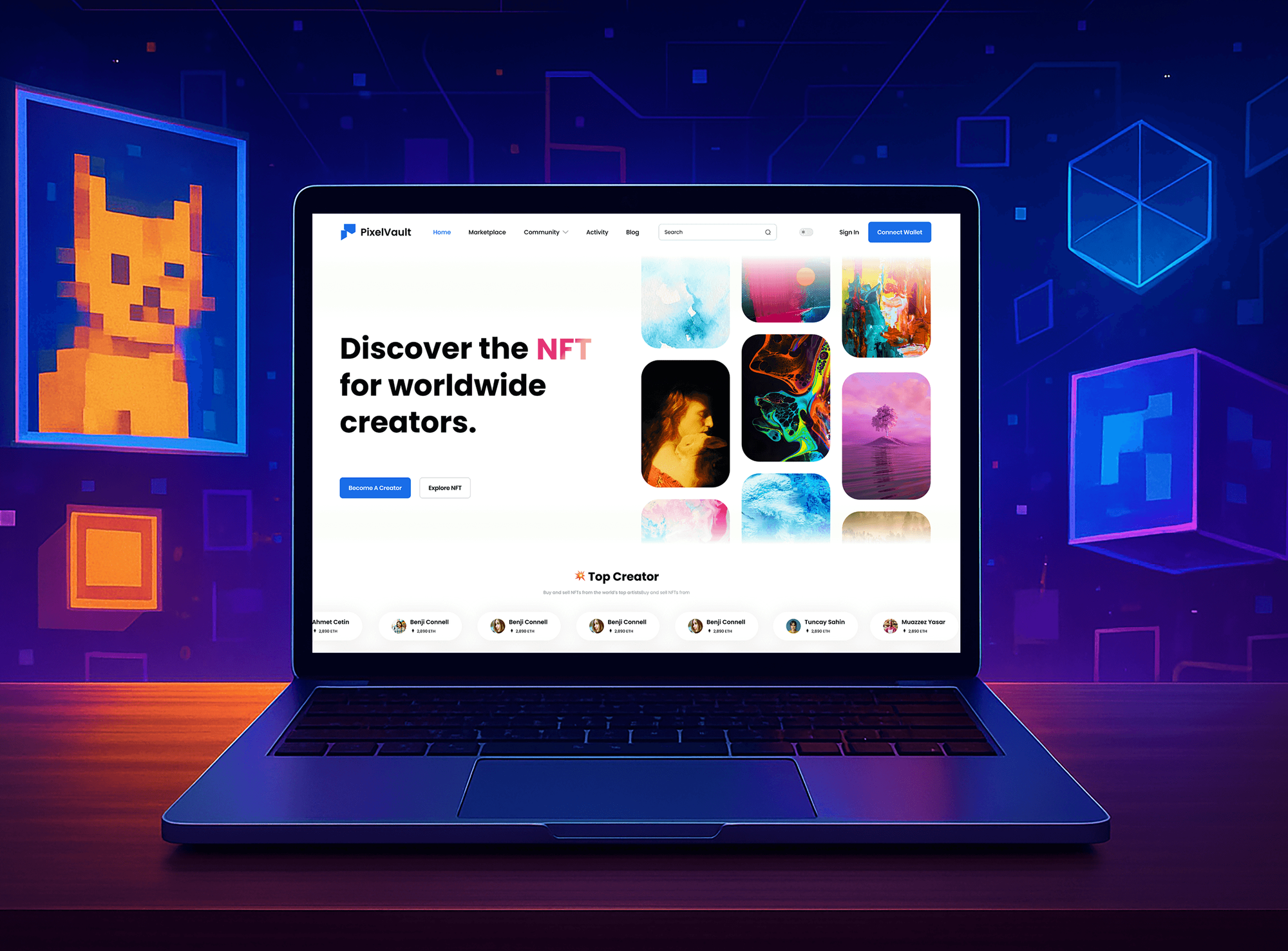
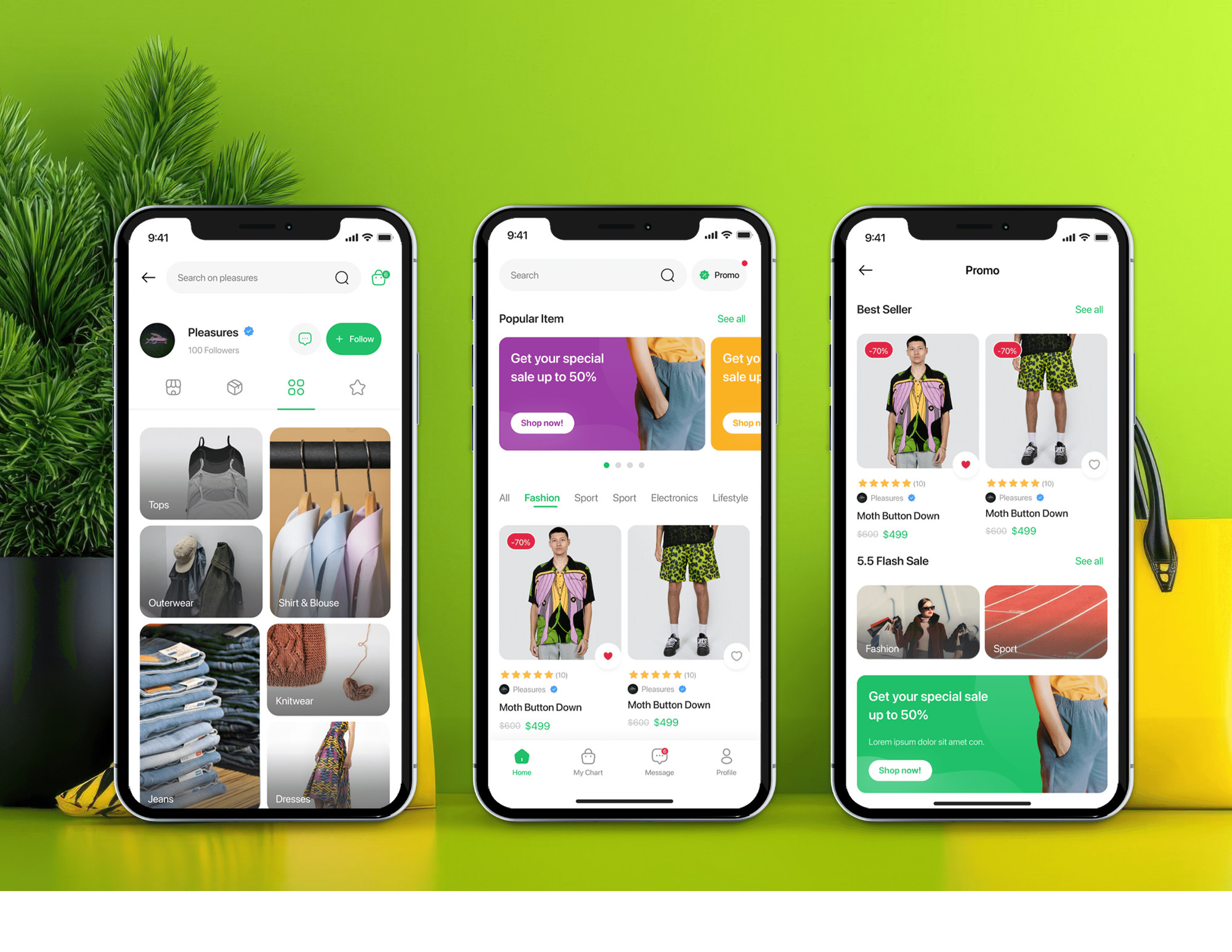
Online stores and an NFT marketplace we built. Brands like these are the ones lookalike domains, fake checkout pages, and phishing campaigns copy.


What Our Clients Say
Feedback from teams we have built apps, platforms, and websites for.
We had a pretty specific idea of what we wanted our website to become, but I wasn’t sure how easily we could explain all of it to a development team. There were quite a few moving parts, and we were working toward a deadline, so I expected a few things to get lost along the way. That never really happened. They understood what we were trying to achieve, kept us updated throughout the process, and got everything ready within the agreed timeline. The final site feels much easier to navigate, works beautifully on mobile, and is noticeably smoother for our customers. It was a huge relief seeing the original idea actually turn into the website we had in mind.
The mobile experience is probably my favourite part of the new site. We had spent a lot of time making sure the desktop version looked right, and the team kept pushing us to think about how everything would actually feel on a phone too. They were right. The navigation is clean, the interactions feel natural, and everything we’ve tested so far works exactly as it should. They also went through the links, forms, integrations, and other details more than once before launch, which I really appreciated. And even after going live, we could still reach out when something came up. The whole process felt friendly, organised, and surprisingly straightforward.
What I appreciate most is that the website is actually easy for us to manage now. We can update content ourselves instead of sending a developer a message every time we need to change something small. They also paid attention to the technical SEO side, which mattered to us because we didn’t want a new website to create problems for the traffic we already had. I’ve probably asked more questions than I should have since launch, but every question has been handled patiently and without any fuss. The team is easy to work with, they explain things clearly, and when we need something changed, they focus on getting it done rather than making the process complicated.
1,250+
Projects shipped
10+
Years of experience
Top 3%
Upwork Top Rated Plus
5 stars
Average review score

Want results like these?
Tell us what you are building. You get a reply within 24 hours on business days, then a written estimate.
Work Culture
Intelligence is only useful when it's accurate and leads somewhere. These habits keep our sources named, our claims checked, and every item tied to a change.
Each item cites where it came from: CISA, a vendor advisory, or a named research report. You can check any claim yourself.
We don't claim private sources or underground access. We use public and licensed intelligence well, and say plainly where its limits are.
Material marked under the Traffic Light Protocol stays within its label, from TLP:RED to TLP:CLEAR. Anything you share with us is handled the same way.
If an item doesn't touch your systems, suppliers, or sector, it stays out of your brief. A short brief that gets read beats a long one that doesn't.
When an item calls for a patch, a rule, or a blocked domain, our engineers can make the change. Intelligence turns into finished work, not a reading list.
The asset list, requirements, and past briefs are delivered to you as documents. If you stop, you keep everything and the history behind it.
Overview
DeveloperLook delivers threat intelligence services for growing companies that read security news but can't tell what applies to them. We match exploited flaws, vendor advisories, and active attacker groups to your systems, push blocklists to your tools, and send a monthly brief with one action per item. Plans start at $700 per month, with the first brief in 2 weeks.
DEVELOPERLOOK
Project facts · Threat Intelligence Services
Reviewed 23 Oct 2026 by Saimul Islam
Good fit
IT leads drowning in advisories
You get dozens of vendor advisories and security newsletters a week, and you can't tell which ones touch your firewall, VPN, or apps.
Brands copied by lookalike domains
Your customers received invoices from a domain one letter off yours, and you want cyber threat intelligence services that spot the next one sooner.
Teams with tools but no feeds
You run an EDR and a firewall that accept blocklists, and you want them fed with current indicators without exporting lists by hand.
Firms answering board questions
Your board asks which attacks target companies like yours, and you need a cybersecurity threat intelligence briefing written in plain language.
IT leads comparing vendors
You're comparing threat intelligence companies and want one that works from your asset list instead of selling a generic feed subscription.
Not a fit
Suspect someone is already in
You think an attacker may already be inside and want someone to search your systems. Our threat hunting services run that investigation, from $1,200.
Only leaked passwords worry you
Your main worry is staff passwords turning up in breach dumps. Our dark web monitoring service watches for exactly that, so start there instead.
No list of your systems yet
You don't know which systems, versions, and suppliers you run. Intelligence can't be matched to an unknown estate, so our cybersecurity services start with that inventory.
Budget under $700 a month
Your budget is under $700 a month. CISA's free advisories and exploited flaw catalog, plus your vendors' security mailing lists, give a small team a solid start.
Not sure we're the right fit?
Book a free call or message us. We'll tell you honestly whether we're the right team.
Pricing
These are monthly starting points in USD. Your plan depends on how many systems, domains, and tools are in scope, and you get a fixed proposal after a free intel call.
For small and midsize teams that want threats tied to their own systems, explained monthly.
$700/month
For growing companies with an EDR, firewall, or email filter ready to act on indicators.
$1,150/month
For companies with several brands, an industry sharing group, or a SIEM to feed.
$1,750/month
For Agencies
You own the client relationship. We supply the intelligence work behind it: watch lists, matched advisories, indicator feeds, and monthly briefs for each client, written in your format. Your clients get informed advice without you hiring an analyst.
White label: your client only ever sees your brand
Send the client's systems, suppliers, domains, and the tools that accept indicators.
You get a watch list, a source plan, and a fixed monthly price.
We match new threats to it and send monthly briefs under your brand.
You deliver the briefs while we research and write them.
Each client's systems and findings stay in their own files.
Monthly briefs written with your branding and your terms.
Start with one client and add more as demand grows.
The Right Technology for Your Project
We work from public and licensed sources and connect them to the tools you already run, using open standards so your feeds stay portable.
FAQ
Straight answers on pricing, setup time, what intelligence covers, ransomware, risk reduction, and running a program.
Saimul IslamFounder & CEO, DeveloperLookStill have questions?
Send a message or book a call with the team.
DeveloperLook's plans start at $700 per month for a watch list, matched exploited flaws, 5 group profiles, 1 watched domain, and a monthly brief. The $1,150 plan pushes indicators to your tools and adds business-day flash alerts. The $1,750 plan adds a SIEM feed, a MISP instance, and 10 watched domains.
Your first brief arrives about 2 weeks after kickoff. Week one builds the watch list and your priority intelligence requirements. Week two connects sources and, on the $1,150 plan and above, the tools that receive indicators. Flash alerts for critical matches start as soon as you approve the watch list.
Threat intelligence is information about attackers, their methods, and the flaws they exploit, analyzed so a specific organization can act on it. Raw data, such as a list of malicious IP addresses, becomes intelligence only after someone checks that it's relevant, reliable, and current. The goal is a better decision, not a bigger pile of data.
Cyber threat intelligence, often shortened to CTI, is the practice of collecting and analyzing evidence about digital attacks. Teams usually split it into four kinds: strategic for leaders, operational about campaigns, tactical about techniques, and technical indicators such as hashes and domains. Most small teams need the technical and tactical kinds first.
In cyber security, this intelligence is the input that tells defenders what to prioritize. It links outside events, such as a new ransomware campaign or an exploited VPN flaw, to the patches, controls, and detections inside a company. Without it, teams patch and tune in the order alerts arrive rather than by real risk.
It can't stop ransomware alone, but it closes many of the ways in. Ransomware crews often enter through known exploited flaws, stolen VPN logins, and phishing domains. Intelligence that flags those early gives you time to patch, reset, or block before anyone uses them. Backups, EDR, and MFA still do the stopping.
It reduces risk by pointing limited time at the threats most likely to hit you. Instead of patching everything at once, you fix the flaws attackers are actively exploiting in products you run. Blocklists cut off known bad infrastructure, and group profiles show which detections to test first.
A useful report ranks items by two things: whether the threat is active and whether it touches your systems. A flaw on CISA's Known Exploited Vulnerabilities list in your firewall outranks a theoretical flaw in software you don't run. Each item should end with an action, an owner, and a date.
It matters because attackers move faster than patch cycles and change tactics often. Knowing which flaws are exploited, which groups target your sector, and which domains imitate yours lets you act first. It also gives leaders a plain answer when boards, customers, or insurers ask what you're doing about current threats.
Start with requirements, not feeds: write down the decisions intelligence must support and the assets it covers. Then pick a few trusted sources, decide how findings reach tools and owners, and label sharing with the Traffic Light Protocol. Review requirements quarterly. Smaller teams often buy managed threat intelligence to run these steps.
Saimul IslamFounder & CEO, DeveloperLookStill have questions?
Send a message or book a call with the team.
Free 30-min callGoogle Meet
Book a call
In 30 minutes on Google Meet we walk you through how we would build it, how long it takes and what it costs. Then you get a written estimate.
Calendar not showing? Book on cal.com or send a brief.