
New setup or cleanup
A fresh deployment, or a cleanup of the platform you already pay for, with every source documented.

For IT teams that answer their own alerts: your log platform set up or rescued, every source flowing, the noise cut, and the bill kept in check. From $550 per month.
100%
Log sources parsed and searchable
24h
To flag a quiet source
How your project runs
Teams we have built for:














The Problem
It shows up when an alert should have fired and didn't, or when finance asks why the log platform costs more every quarter.
01 · Silent sources
A connector stops sending, and nobody notices for weeks.
Health rules flag any source that stops sending, so gaps get fixed quickly.
02 · Broken parsing
A vendor update changes the log format and fields stop matching.
Parser checks catch format changes, and we repair the field mapping.
03 · Alert noise
A few noisy rules bury real alerts under duplicates.
We tune or retire noisy rules each month, with your approval on every change.
04 · Rising bill
Bulky firewall and DNS logs sit in the priciest storage tier.
Low-value logs move to a cheaper tier, and costs are reported every month.
Your log platform went live after a burst of effort, then the person who built it moved on. A firewall update changed the log format, so those events stopped parsing months ago. The VPN connector died quietly. Three noisy rules raise hundreds of alerts a week, so the team mutes the channel. Meanwhile, chatty DNS and firewall logs fill the most expensive storage tier. When an auditor asks for a year of sign-in records, nobody can say the data is complete.
We start with a health check of every source: is it arriving, is it parsing, and what does it cost each month? Then we repair broken connectors, retire duplicate rules, tune the noisy ones, and move bulky logs to a cheaper tier. Health rules flag any source that stops sending. Your team keeps answering alerts, and now they can trust the ones that arrive instead of muting the channel.
Every source health-checked
Rules flag a source that stops sending, breaks its parser, or suddenly spikes in volume.
Noise tuned every month
Duplicate and noisy rules get fixed, so the alerts reaching your team are worth reading.
Log costs under control
Free data sources first, bulky logs on a cheaper tier, and the bill reported monthly.
Our Managed SIEM Services Process
You approve the source list, retention, and every rule change before we make it, then review health, noise, and costs with us each month.
We look at your current platform, log sources, monthly bill, and audit needs. You get a source list, a cost estimate for your cloud bill, and a fixed monthly price. If built-in alerts already cover you, we'll tell you before we quote.
What's Included
Setup or cleanup, parsing, rule tuning, health rules, cost control, and audit retention, run as a monthly service while your own team keeps handling the alerts.
Compare Options
An XDR platform covers its own vendor's tools well, and an in-house engineer knows your systems best. Here is where each one fits on log coverage, retention, upkeep, and cost.
| Feature | DeveloperLookBest fit | XDR only | In-house engineer |
|---|---|---|---|
| Log sources | Any system that writes logs | Mostly one vendor's tools | Any system that writes logs |
| Audit retention | Set to your framework | Short raw data window | Whatever you configure |
| Time to start | 2 to 3 weeks | Fastest to switch on | Months to hire and ramp up |
| Parser upkeep | Checked every month | Handled by the vendor | When there's time |
| Rule tuning | Monthly, with your approval | Vendor's built-in logic | Depends on one person |
| Ingestion costs | Reported and trimmed monthly | Often bundled in licenses | Often unmanaged |
| Alert triage | Your team or MSP | Automation plus your team | The same engineer |
| Cost | From $550 per month | Included in some licenses | A full-time salary |
Projects We've Built
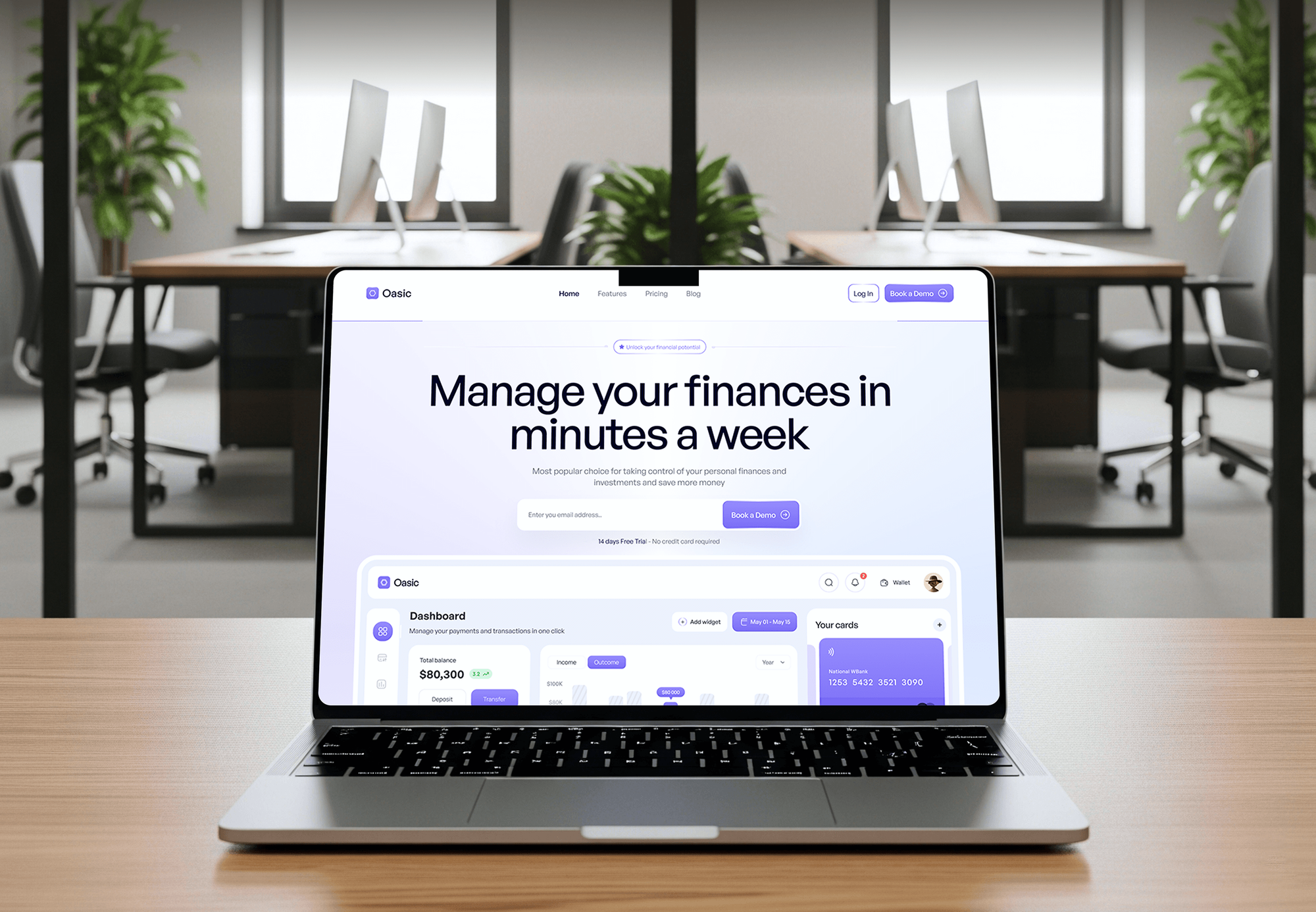
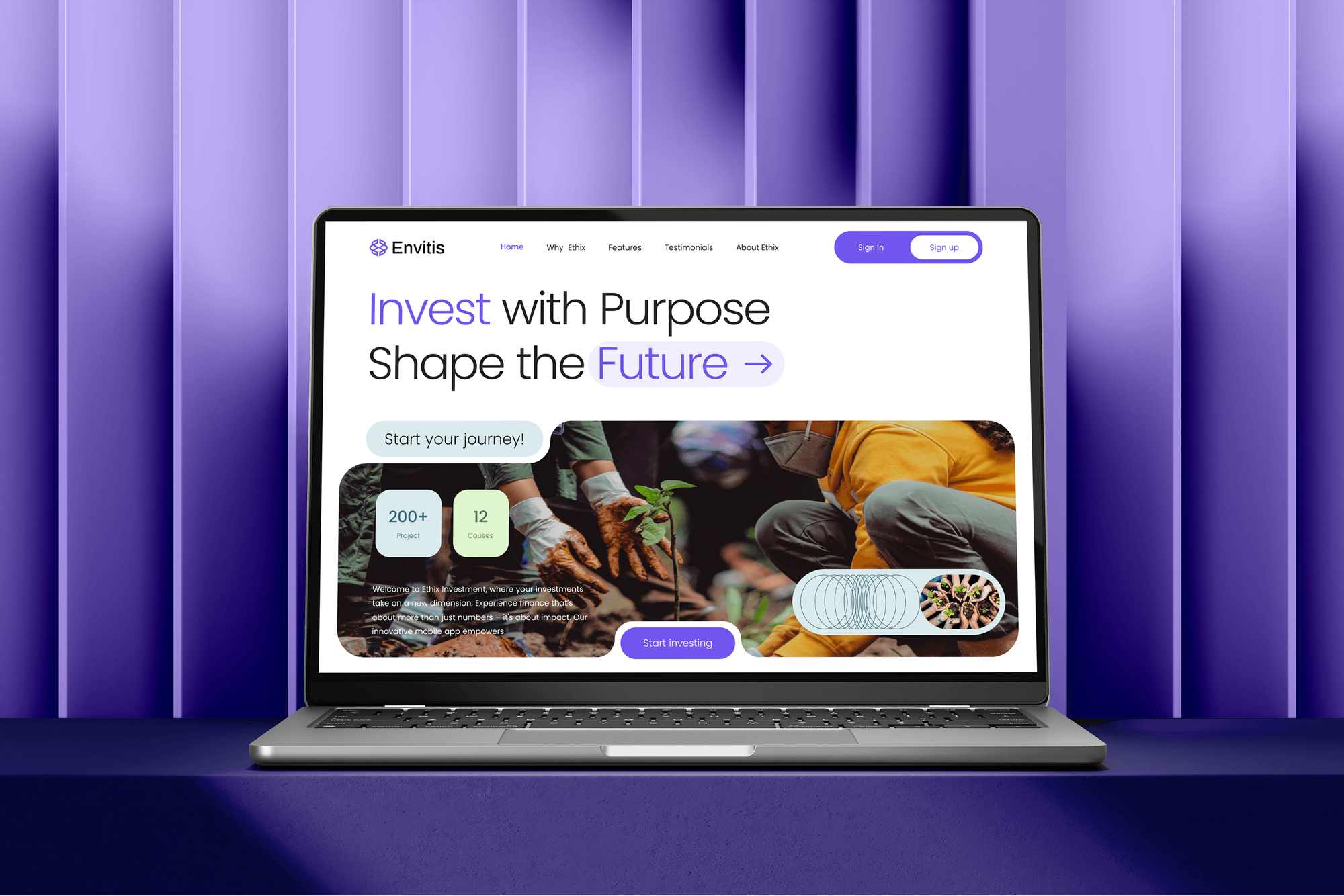
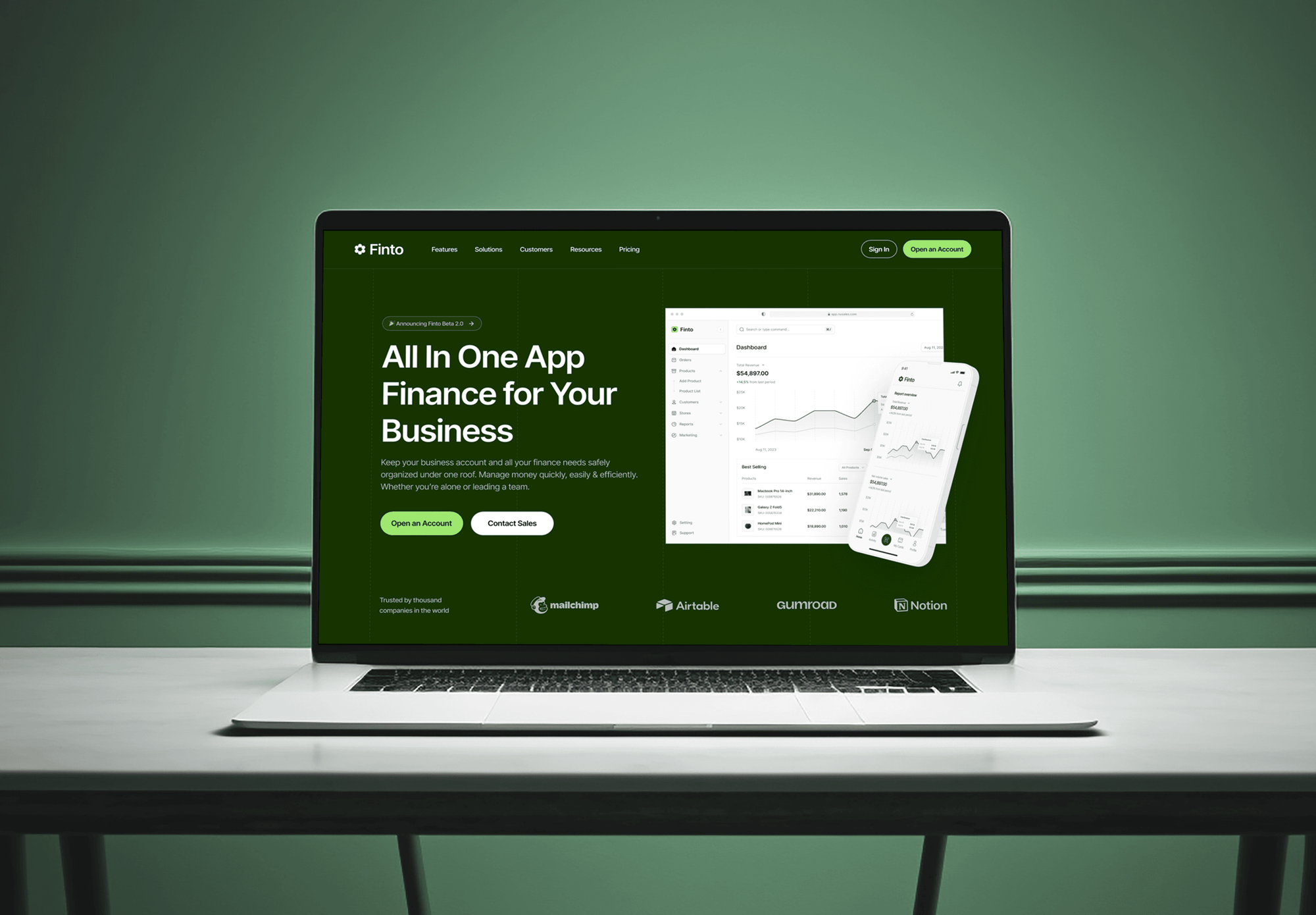
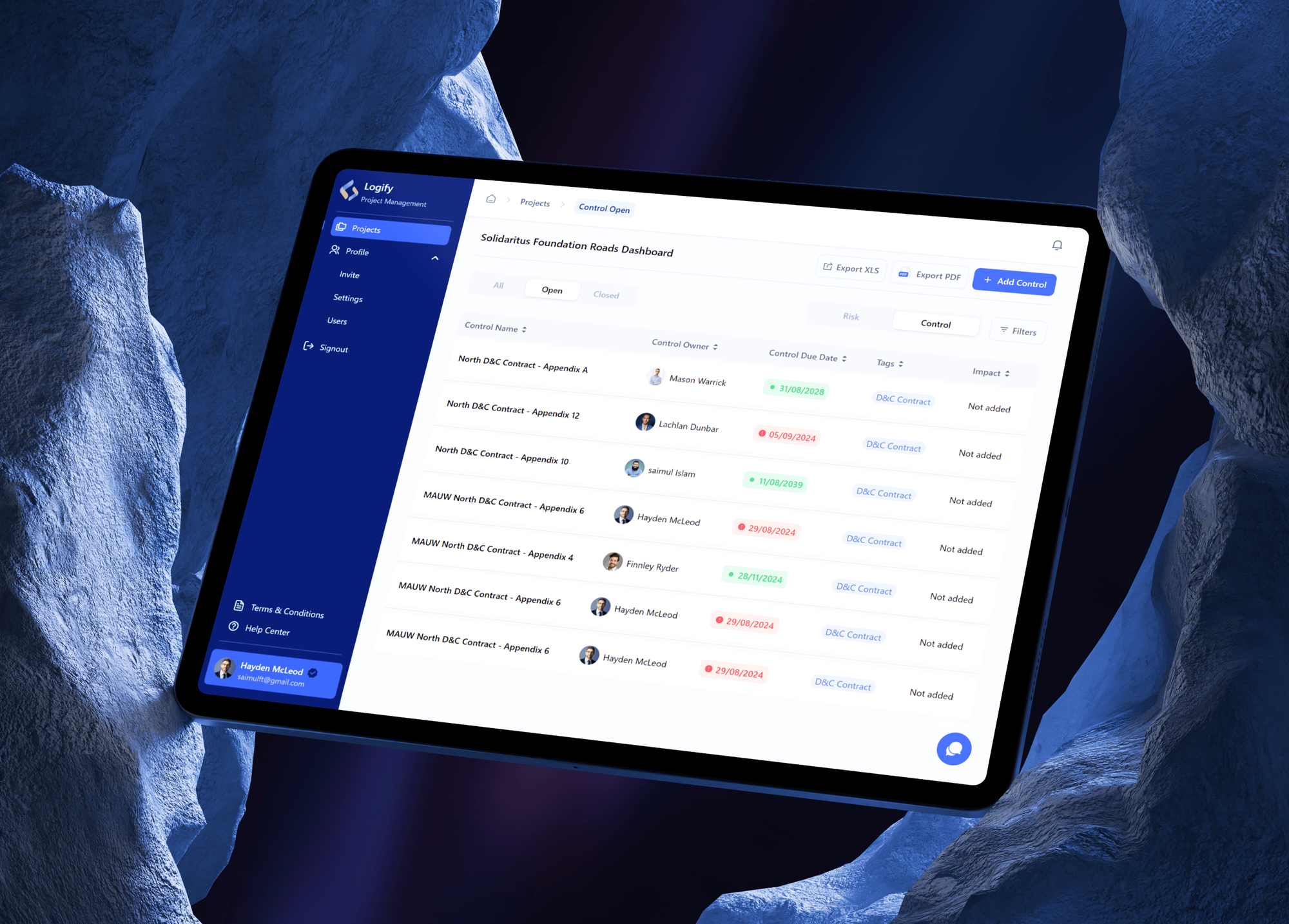
Finance platforms and a logistics web app we built. Systems like these write the sign-in, payment, and admin events a log platform collects.
What Our Clients Say
Feedback from teams we have built apps, platforms, and websites for.
We had a pretty specific idea of what we wanted our website to become, but I wasn’t sure how easily we could explain all of it to a development team. There were quite a few moving parts, and we were working toward a deadline, so I expected a few things to get lost along the way. That never really happened. They understood what we were trying to achieve, kept us updated throughout the process, and got everything ready within the agreed timeline. The final site feels much easier to navigate, works beautifully on mobile, and is noticeably smoother for our customers. It was a huge relief seeing the original idea actually turn into the website we had in mind.
The mobile experience is probably my favourite part of the new site. We had spent a lot of time making sure the desktop version looked right, and the team kept pushing us to think about how everything would actually feel on a phone too. They were right. The navigation is clean, the interactions feel natural, and everything we’ve tested so far works exactly as it should. They also went through the links, forms, integrations, and other details more than once before launch, which I really appreciated. And even after going live, we could still reach out when something came up. The whole process felt friendly, organised, and surprisingly straightforward.
What I appreciate most is that the website is actually easy for us to manage now. We can update content ourselves instead of sending a developer a message every time we need to change something small. They also paid attention to the technical SEO side, which mattered to us because we didn’t want a new website to create problems for the traffic we already had. I’ve probably asked more questions than I should have since launch, but every question has been handled patiently and without any fuss. The team is easy to work with, they explain things clearly, and when we need something changed, they focus on getting it done rather than making the process complicated.
1,250+
Projects shipped
10+
Years of experience
Top 3%
Upwork Top Rated Plus
5 stars
Average review score

Want results like these?
Tell us what you are building. You get a reply within 24 hours on business days, then a written estimate.
Work Culture
Your log platform holds sign-ins, admin actions, and mail logs. These habits keep our access narrow, every change approved, and your log bill visible.
Every rule we add, tune, or retire goes to you with the reason. Nothing leaves your detection coverage without a named person agreeing.
Ingestion and retention costs land on your own cloud bill, so we report them every month. When a source costs more than it's worth, we say so.
We keep the platform healthy and your team answers the alerts. If you'd rather have our engineers triage as well, our SOC service covers that.
Each source gets a short page: what it sends, how it's parsed, what it costs, and who owns it. A new engineer can take over without guessing.
The workspace, rules, and history live in your own account. If you change providers, the next team inherits a documented platform instead of a puzzle.
We work through named accounts with only the roles the job needs, and you can review every action we take. Our access ends when the contract does.
Overview
DeveloperLook provides managed SIEM for growing IT teams that have a log platform but no one to maintain it. We connect and parse your log sources, flag any source that goes quiet, tune noisy rules, and keep ingestion costs and audit retention under control. Plans start at $550 per month, with setup or cleanup in 2 to 3 weeks.
DEVELOPERLOOK
Project facts · Managed SIEM Services
Reviewed 23 Oct 2026 by Saimul Islam
Good fit
Teams with a SIEM nobody maintains
Your Microsoft Sentinel or Wazuh workspace went live two years ago, and half its connectors stopped sending data after updates nobody noticed.
Companies preparing for an audit
Your PCI DSS or SOC 2 audit is booked, and you need a SIEM deployment with the right sources and retention before evidence requests arrive.
IT leads watching the bill climb
Your log bill grows every quarter because firewall and DNS events land in the priciest tier, and nobody has time for SIEM optimization.
Teams adding new systems
You're adding a custom app, a second cloud account, or a new office, and you need SIEM integration that parses each new source properly.
Teams replacing a legacy SIEM
Your on-premises log platform needs new hardware or a costly renewal, and you want to weigh SIEM as a service options before you sign anything.
Not a fit
Need alerts triaged for you
You want engineers to read and investigate every alert, not only keep the platform healthy. Our SOC as a service adds business-day triage from $800 a month.
Laptops are the bigger gap
Your real gap is unprotected laptops and servers, not missing logs. Our managed endpoint security service puts EDR on every device from $300 a month.
Only Microsoft 365 to watch
You run Microsoft 365 and very little else. Its built-in audit log and alert policies cover a setup that small, and we'll say so on the call.
Budget under $550 a month
Your budget for log care is under $550 a month. Switching on the alerts already built into your firewall and cloud consoles is a sensible first step.
Not sure we're the right fit?
Book a free call or message us. We'll tell you honestly whether we're the right team.
Pricing
These are monthly starting points in USD. Your plan depends on the number of sources, custom parsers, and retention needs, and you get a fixed proposal after a free review call.
For teams with one log platform and up to 5 sources that need it kept healthy.
$550/month
For growing companies with up to 12 sources, custom apps, and audit reports to produce.
$900/month
For companies with up to 25 sources, several workspaces, or a legacy SIEM to replace.
$1,400/month
For Agencies
You own the client relationship. We supply the platform engineering behind it: setup, parsers, tuning, health rules, and cost reports for each client, written in your format. Your team keeps answering alerts, and nobody needs a full-time platform engineer.
White label: your client only ever sees your brand
Send the client's systems, current SIEM, audit needs, and cloud accounts.
You get a source plan, a cost estimate, and a fixed monthly price.
We connect, tune, and maintain it, then report monthly under your brand.
You present the reports while we maintain each client's platform quietly.
Every client gets a separate workspace under their own subscription.
Health and cost reports go out with your logo and wording.
Add clients and log sources without hiring a platform engineer.
The Right Technology for Your Project
We use log platforms that run in your own account and connect the systems you already have. Rules follow MITRE ATT&CK and Sigma, so coverage moves with you.
 AWS CloudTrail
FAQ
Straight answers on pricing, setup time, how log platforms work, XDR, and cloud options.
Saimul IslamFounder & CEO, DeveloperLookStill have questions?
Send a message or book a call with the team.
DeveloperLook's plans start at $550 per month for up to 5 log sources, health rules, monthly tuning, and cost tracking. The $900 plan covers 12 sources with custom parsers and ATT&CK-mapped detections. The $1,400 plan covers 25 sources, several workspaces, and a legacy migration. Ingestion and storage stay on your own cloud bill.
SIEM implementation services from DeveloperLook usually take 2 to 3 weeks. The first week connects and parses your core sources, and the second tunes rules and sets retention. Cleaning up an existing platform takes about as long, because broken connectors and noisy rules need the same review. Each custom app source can add a few days.
SIEM stands for security information and event management. It's software that gathers logs from many systems into one place, makes them searchable, and runs rules that raise alerts on suspicious patterns. Most platforms also keep logs for audits and support investigations after an incident. Examples include Microsoft Sentinel, Splunk, Elastic Security, and the open-source Wazuh.
In cyber security, security information and event management is the central record of what happened across your systems. It joins events that each tool sees alone, such as a risky sign-in, then a new mailbox forwarding rule, then a large download. That joined view is how teams spot attacks that cross systems, and how they prove what happened afterwards.
A security information and event management platform does four jobs: it collects logs, normalizes them into common fields, runs detection rules, and stores the history. Analysts then search that history during investigations, and auditors use it as evidence. On its own it doesn't block attacks. It tells people or automation where to look and what to act on.
The platform works by pulling events from sources through connectors, agents, or syslog, then parsing each event into fields such as user, device, and action. Scheduled rules run over those fields and raise alerts when a pattern matches. Parsing is the fragile part, because a vendor update that changes a log format can quietly break detections.
Not fully, for most teams with audits or mixed vendors. XDR joins data from one vendor's endpoint, email, and identity tools, and it's quick to switch on. Microsoft Defender XDR, for example, keeps 30 days of raw data for hunting. A security log platform takes logs from any system and keeps them as long as your audits require, so many teams run both.
The biggest challenges are cost, noise, and upkeep. Ingestion bills grow as you add sources, untuned rules flood the team with alerts, and parsers break when vendors change log formats. Staff turnover makes it worse, because the builder often leaves no notes. Monthly tuning with documented sources keeps all three under control.
A cloud SIEM is security log management delivered as a cloud service, so there are no servers or disks to maintain. Microsoft Sentinel and Google Security Operations are examples. You pay mainly for data ingested and kept. Microsoft says Sentinel will run only in the Defender portal after March 31, 2027, so Azure portal users should plan the move.
Yes. The workspace, connectors, parsers, rules, and log history stay in your own cloud account or server. When you leave, we hand over the source documentation and rule notes, then remove our named accounts. Your team or your next provider can keep running the same platform without rebuilding anything.
Saimul IslamFounder & CEO, DeveloperLookStill have questions?
Send a message or book a call with the team.
Free 30-min callGoogle Meet
Book a call
In 30 minutes on Google Meet we walk you through how we would build it, how long it takes and what it costs. Then you get a written estimate.
Calendar not showing? Book on cal.com or send a brief.