
Hypotheses for your setup
Specific attacker behaviors chosen for your tools and sector, each mapped to a MITRE ATT&CK technique.

For teams with EDR or log data but no time to dig through it: a hypothesis-led hunt for attackers your alerts missed, ending in new detection rules. From $1,200.
5+
Hypotheses tested per hunt
100%
Findings turned into detections
How your project runs
Teams we have built for:














The Problem
It shows up after a peer gets breached, an odd admin sign-in appears, or an insurer asks how you'd know if an attacker had been inside for weeks.
01 · Quiet alerts
An empty alert queue gets read as proof of safety.
Hypothesis hunts look for what rules miss, one technique at a time.
02 · Built-in tools
Attackers use PowerShell and admin tools that rarely trigger alerts.
We search command lines, scheduled tasks, and admin logins for misuse.
03 · Short data window
Raw endpoint data rolls off after a few weeks.
We hunt early in the window and add a collector where data is missing.
04 · Lessons lost
Hunts end as reports, and detection stays the same.
Each confirmed finding becomes a detection rule in your own tools.
Your EDR shows green and the alert queue is empty, so everything looks fine. But attackers who use stolen passwords and built-in tools like PowerShell don't always trip rules. A service account was created on a Sunday, and nobody remembers why. A mailbox quietly forwards copies of invoices to an outside address. Your raw endpoint data only goes back a few weeks, and nobody has searched it once. Quiet alerts tell you what your rules caught, not what they missed.
We start with hypotheses: specific ways an attacker would operate in your setup, each mapped to a MITRE ATT&CK technique. Then we search your own EDR and log data for traces of each one, adding a temporary collector where data is missing. Every confirmed finding becomes a detection rule, so the same trick raises an alert next time. You end with an answer and better coverage, not just a report.
Hypotheses, not guesswork
Each hunt tests a specific attacker behavior mapped to MITRE ATT&CK, chosen for your setup.
Your own data first
We search the EDR and logs you already have, adding a collector only where gaps exist.
Findings become detections
Every confirmed finding gets a rule, so the same technique alerts automatically next time.
Our Threat Hunting Services Process
You approve the hypotheses, the data we'll search, and how we escalate a live finding, then review results and new rules with us at the readout.
We ask what worries you, which tools and logs you have, and how far back the data goes. You get a hunt plan, a fixed price, and the escalation path for a live finding. If your MDR provider already hunts for you, we'll tell you before we quote.
What's Included
Written hypotheses, searches across endpoint, identity, email, and cloud data, a persistence and account review, new detection rules, and a report your team can rerun.
Compare Options
EDR alerts catch known attacks at no extra cost, and some MDR plans include hunting. Threat hunting solutions differ in depth, data coverage, and what you keep afterwards.
| Feature | DeveloperLookBest fit | EDR alerts alone | Bundled MDR hunts |
|---|---|---|---|
| What it finds | Attacks your rules missed | Known malicious behavior | Patterns seen across many clients |
| Driven by | Hypotheses for your setup | Vendor detection logic | Provider's own playbook |
| Data searched | Endpoint, identity, email, and cloud | Endpoint only | Usually endpoint data |
| Missing telemetry | Temporary collector added | Not addressed | Varies by provider |
| Output | Report, queries, and new rules | Alerts | Summary in a portal |
| Frequency | When you need it | Continuous | Continuous or monthly |
| You keep | Queries, rules, and documentation | Alert history | Depends on the contract |
| Cost | From $1,200 per hunt | Included in the license | Inside the MDR fee |
Projects We've Built
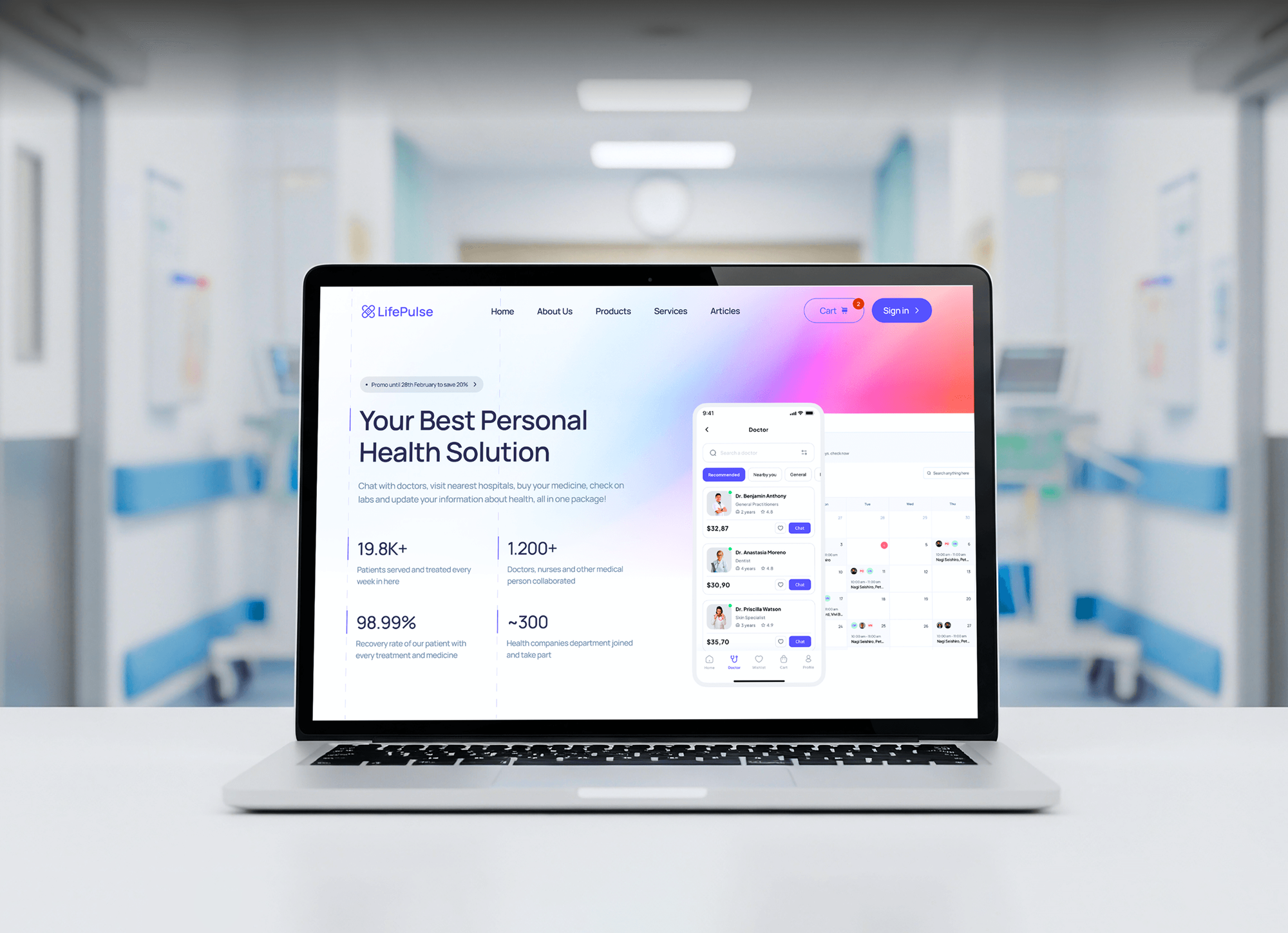
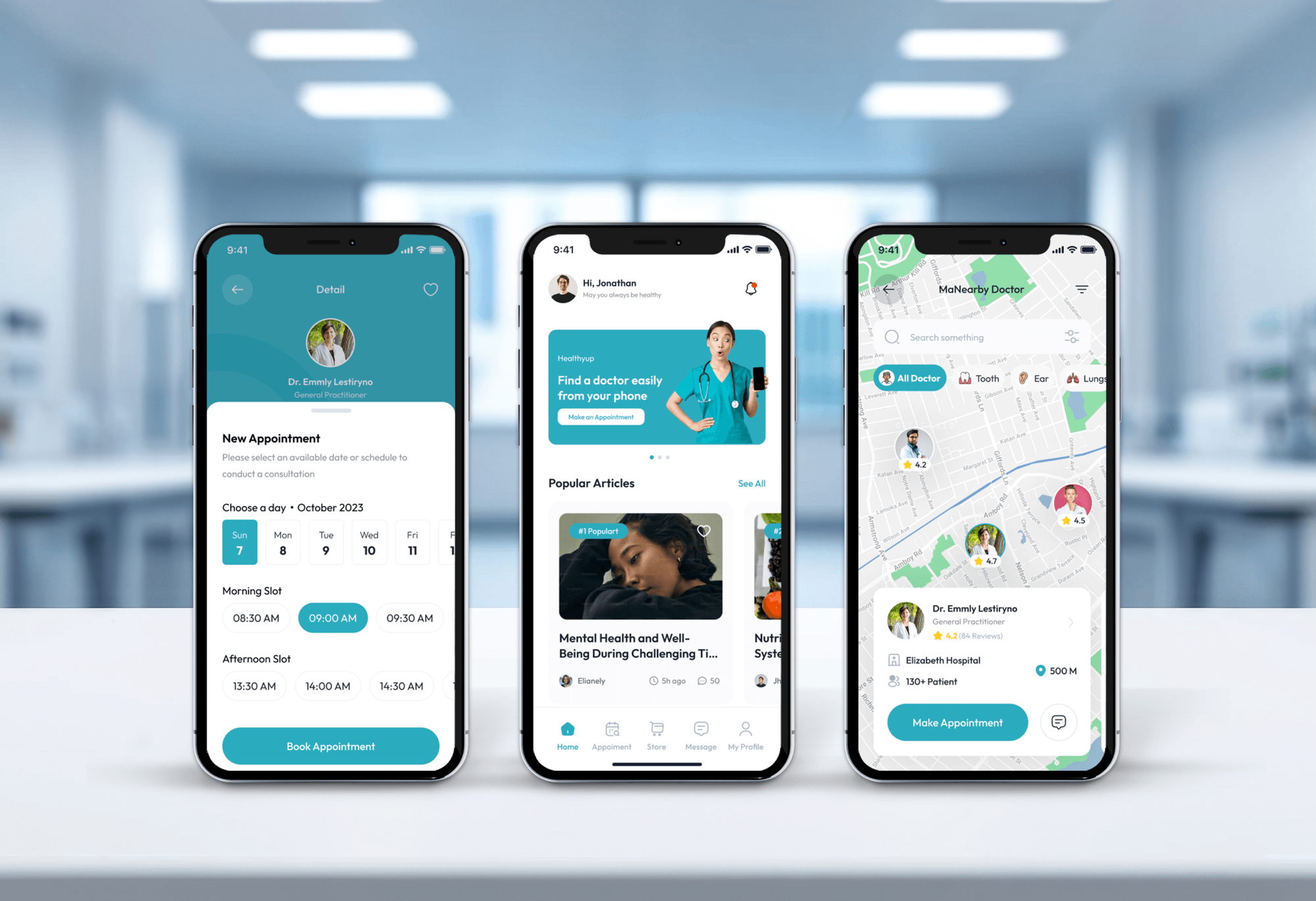
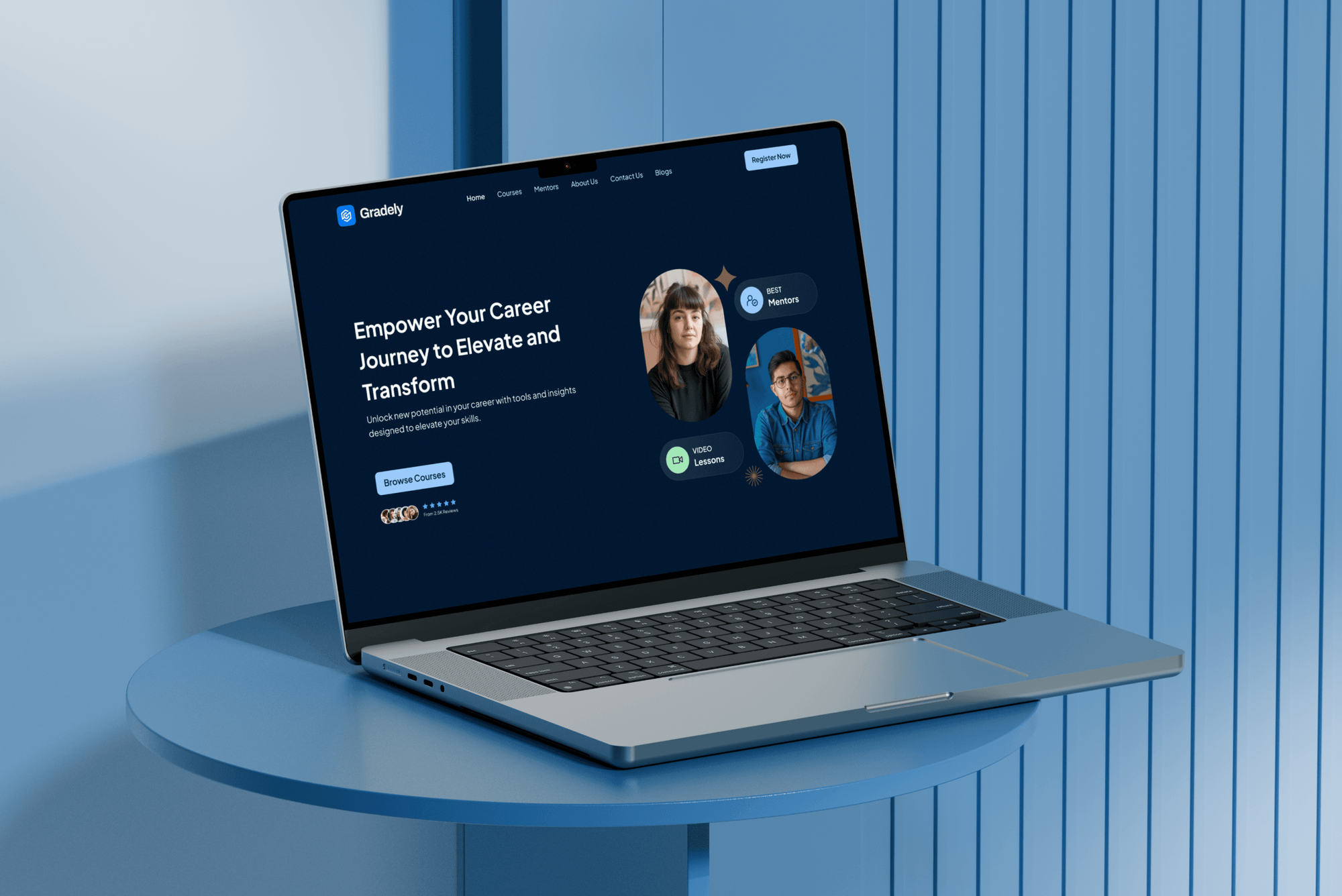
Medical and e-learning platforms we built that hold patient and student records, the kind of data attackers quietly go after.

What Our Clients Say
Feedback from teams we have built apps, platforms, and websites for.
We had a pretty specific idea of what we wanted our website to become, but I wasn’t sure how easily we could explain all of it to a development team. There were quite a few moving parts, and we were working toward a deadline, so I expected a few things to get lost along the way. That never really happened. They understood what we were trying to achieve, kept us updated throughout the process, and got everything ready within the agreed timeline. The final site feels much easier to navigate, works beautifully on mobile, and is noticeably smoother for our customers. It was a huge relief seeing the original idea actually turn into the website we had in mind.
The mobile experience is probably my favourite part of the new site. We had spent a lot of time making sure the desktop version looked right, and the team kept pushing us to think about how everything would actually feel on a phone too. They were right. The navigation is clean, the interactions feel natural, and everything we’ve tested so far works exactly as it should. They also went through the links, forms, integrations, and other details more than once before launch, which I really appreciated. And even after going live, we could still reach out when something came up. The whole process felt friendly, organised, and surprisingly straightforward.
What I appreciate most is that the website is actually easy for us to manage now. We can update content ourselves instead of sending a developer a message every time we need to change something small. They also paid attention to the technical SEO side, which mattered to us because we didn’t want a new website to create problems for the traffic we already had. I’ve probably asked more questions than I should have since launch, but every question has been handled patiently and without any fuss. The team is easy to work with, they explain things clearly, and when we need something changed, they focus on getting it done rather than making the process complicated.
1,250+
Projects shipped
10+
Years of experience
Top 3%
Upwork Top Rated Plus
5 stars
Average review score

Want results like these?
Tell us what you are building. You get a reply within 24 hours on business days, then a written estimate.
Work Culture
A hunt means reading sign-ins, command lines, and mailbox rules. These habits keep our access read-only, our findings backed by evidence, and your staff calm.
We hunt with read access and change nothing in your systems during the search. Any fix waits for your written approval.
Each finding comes with the log lines, timestamps, and queries that prove it. You can verify our conclusions without taking our word for them.
Before we start, we agree who to call if we find an active intruder. Your incident response plan, not panic, decides what happens next.
If a hypothesis finds nothing, we say so and show what we searched. A clean result is useful, and we don't inflate findings to justify the fee.
Every query we write is handed over inside your own tools. Your team, or ours, can rerun the same hunt in 6 months.
Temporary hunt agents come off your devices when the work ends. You get a removal check, so nothing of ours stays behind.
Overview
DeveloperLook runs threat hunting services for small and midsize companies that want to know whether an attacker is already inside. We test hypotheses mapped to MITRE ATT&CK against your EDR and log data, review persistence and admin accounts, and turn each confirmed finding into a detection rule. Hunts start at $1,200 and take 1 to 5 weeks.
DEVELOPERLOOK
Project facts · Threat Hunting Services
Reviewed 23 Oct 2026 by Saimul Islam
Good fit
Teams after a peer's breach
You just learned a company in your sector was breached through the VPN you also run, and you want a proactive search before assuming you're clean.
Firms with EDR nobody queries
You pay for an EDR with hunting features, but nobody on your team has time to write queries or knows what to look for.
Buyers checking an acquisition
You're about to acquire or merge with a company, and you want a hunt across its systems before you connect the networks.
IT leads after a strange event
Your admin saw an odd sign-in or a service account nobody created, and you want an expert search before deciding it's nothing.
Teams comparing hunt providers
You're comparing threat hunting companies and want one that hunts in your own tools and hands back every query and rule it wrote.
Not a fit
Attack in progress right now
Files are being encrypted or an attacker is active right now. Call your incident response provider or your insurer's hotline first, and hunt after containment.
Need daily alert handling
You need someone to work your EDR alerts every day, not a one-time search. Our managed detection and response team handles that, from $600 a month.
No EDR or logs yet
You have no EDR and keep very few logs, so there's little to search. Our managed endpoint security service puts EDR on every device first, from $300 a month.
Want threat news, not a search
You want to know which attacks target your sector each month. Our threat intelligence services cover that, from $700 a month.
Not sure we're the right fit?
Book a free call or message us. We'll tell you honestly whether we're the right team.
Pricing
These are starting points in USD. Your final price depends on the number of hypotheses, data sources, and environments, and you get a fixed proposal after a free scoping call.
For small teams that want one environment checked for signs of an intruder, in 1 to 2 weeks.
$1,200one-time, USD
For growing companies with endpoints, Microsoft 365 or Google Workspace, and cloud accounts to check.
$2,800one-time, USD
For companies with several sites or tenants, or a past incident they want fully ruled out.
$5,300one-time, USD
For Agencies
You own the client relationship. We supply the hunting behind it: hypotheses, searches across the client's data, new detection rules, and a report in your format. Your clients get an expert hunt without you hiring a specialist analyst.
White label: your client only ever sees your brand
Send the client's tools, logs, and what prompted the hunt in the first place.
You get hypotheses, a data plan, and a fixed project price.
We search, write new rules, and report under your brand.
You present the findings while we run the hunt quietly.
Every finding includes log evidence your client can check.
Hunt reports carry your logo, wording, and recommendations.
Book a hunt per client, after an incident or before a renewal.
The Right Technology for Your Project
We hunt in the tools you already run and add open-source collectors only where your data has gaps, so every query stays usable after we leave.
FAQ
Straight answers on pricing, hunt length, what hunters do, techniques, cloud hunting, and the role of AI.
Saimul IslamFounder & CEO, DeveloperLookStill have questions?
Send a message or book a call with the team.
A focused hunt with DeveloperLook costs $1,200 for up to 5 hypotheses in one environment, with new detection rules and a readout. The $2,800 hunt covers 12 hypotheses across endpoint, identity, email, and cloud. The $5,300 hunt adds attack simulation, a gap map, hardening fixes, and a repeat hunt 90 days later.
A focused hunt takes 1 to 2 weeks from access to readout. Hunts across endpoint, identity, email, and cloud take 3 to 5 weeks, mostly because every lead gets followed to an answer. We start soon after kickoff, because some EDR tools keep only a few weeks of raw data.
Threat hunting is a proactive search for attackers who have already slipped past your automated defenses. Instead of waiting for an alert, a hunter starts from a hypothesis about how an attacker might operate, then searches logs and device data for traces of it. A hunt ends with findings, or with evidence the behavior didn't happen.
In cyber security, hunting is the human layer on top of automated detection. Tools flag what matches known rules, and hunters look for what doesn't, such as legitimate admin tools used at odd hours. Findings feed back into detection rules, so each hunt makes the automated layer smarter.
Cyber threat hunting is the same practice applied across all digital systems: endpoints, identities, email, networks, and cloud accounts. The term is common in vendor and job listings. What matters is scope, so ask any provider which data sources their hunts cover and how far back that data goes.
Proactive hunting means searching before any alert or incident tells you to. The opposite is reactive investigation, which starts after something has gone wrong. Proactive hunts are usually prompted by intelligence or by change. Teams that want hunts on a schedule buy managed threat hunting, also sold as threat hunting as a service.
Cloud threat hunting searches cloud audit and sign-in logs for attacker activity. Sources include Microsoft Entra ID sign-ins, Microsoft 365 audit records, AWS CloudTrail, and Azure activity logs. Typical hypotheses include risky OAuth app consents, new access keys, and mailbox rules forwarding mail outside. Much of this data has short default retention, so timing matters.
The main techniques are hypothesis hunting, indicator searches, and baseline comparison. Hypothesis hunting tests one attacker behavior at a time. Indicator searches look for known bad hashes, domains, or IP addresses from intelligence. Baseline comparison finds what's rare in your environment, such as a program running on only one laptop.
A threat hunter writes hypotheses, queries endpoint and log data, and follows leads until each one is explained. They need to know how attackers work and how normal admin activity looks in your systems. When they confirm something, they document the evidence, turn it into a detection rule, and escalate active threats.
AI helps hunters work faster, but it doesn't replace their judgment. It can draft queries, summarize long event timelines, and group rare behavior for review. Its suggestions still need checking against raw evidence, because models can miss context or invent links. Treat it as a fast assistant and keep people confirming every finding.
Saimul IslamFounder & CEO, DeveloperLookStill have questions?
Send a message or book a call with the team.
Free 30-min callGoogle Meet
Book a call
In 30 minutes on Google Meet we walk you through how we would build it, how long it takes and what it costs. Then you get a written estimate.
Calendar not showing? Book on cal.com or send a brief.