
Program page template
Outcomes, cost, deadlines, faculty, and one apply link, built so each of your programs reads the same way.

For colleges and universities: program pages with one apply link, a site your departments can govern, and fast mobile loads, from $1,400.
1click
To apply from program pages
90+
Mobile PageSpeed score target
How your project runs
Teams we have built for:














The Problem
It shows up when a student compares programs on a phone between classes or shifts. Your pages load slowly, disagree with each other, and bury the apply button.
01 · Slow pages
Program pages take seconds to load on a phone.
Lighter templates, compressed images, and Core Web Vitals checks before every launch.
02 · Conflicts
Three offices publish three versions of each program.
One program template with a named owner replaces the duplicates.
03 · Hidden apply
The apply button hides inside an Admissions Resources menu.
Every program page carries one apply link in the same place.
04 · Search
Site search shows old news before current programs.
Search is tuned so programs and deadlines rank above archived stories.
A prospective student taps your ad and waits for a homepage carousel to load on a phone. Your nursing program has three pages, each written by a different office, with different deadlines. Tuition sits in a PDF on the bursar's site. The apply button hides in a menu called Admissions Resources. Your department editors keep adding pages, and nobody owns the old ones. When the student finally searches, an old news story comes up first. They close the tab and open a competitor's.
We start with your program pages, because that's where your students decide. Each program gets one template: outcomes, cost, deadlines, and one apply link. Then we audit your content, name an owner for every section, and archive what nobody maintains. Site search ranks programs above old news. Every template is tuned for speed and tested for accessibility. Students reach the apply page while they're still interested, not after they've closed the tab.
One template per program
Outcomes, cost, deadlines, and one apply link in the same order on each of your program pages.
Built for fast mobile loads
We target a 90+ mobile PageSpeed score and check Core Web Vitals before launch.
An owner for every section
Each section gets a named editor, a review date, and an approval step before changes go live.
Our Higher Education Website Design Process
You see the content audit and owner list first and approve program templates with your marketing team. Then you test speed, search, and apply links before launch.
We test your site the way a prospective student does: finding a program, its cost, and the apply link on a phone. You get a short report with speed and accessibility checks and a fixed quote. If a theme refresh on your current CMS would solve it, we'll say so first.
What's Included
Your project covers program pages, content governance, editor workflows, site search, speed tuning, and accessibility. Your team then keeps a large site current with the staff you have.
Compare Options
A large higher education website design agency or your own web office suits some colleges, especially with big budgets or deep staff. Here's how your options compare.
| Feature | DeveloperLookBest fit | Large agency | In-house team |
|---|---|---|---|
| Content governance | Owner named for every section | Strategy deck, light follow-up | Depends on staff turnover |
| Program pages | One template, one apply link | Custom design per program | Built as requests arrive |
| Site speed | Core Web Vitals checked at launch | Varies by build | Often slowed by plugins |
| WCAG testing | WCAG 2.1 AA tested templates | Usually included | Varies with training |
| Editor workflow | Roles, approvals, and training | Set up, then handed off | Already familiar to staff |
| Upfront cost | From $1,400, fixed scope | Large retainers and fees | Salaries already budgeted |
| Launch speed | 6 to 16 weeks | Months of discovery first | Shared with other duties |
| Site ownership | Your CMS and accounts | Yours after handover | Fully in-house |
Projects We've Built
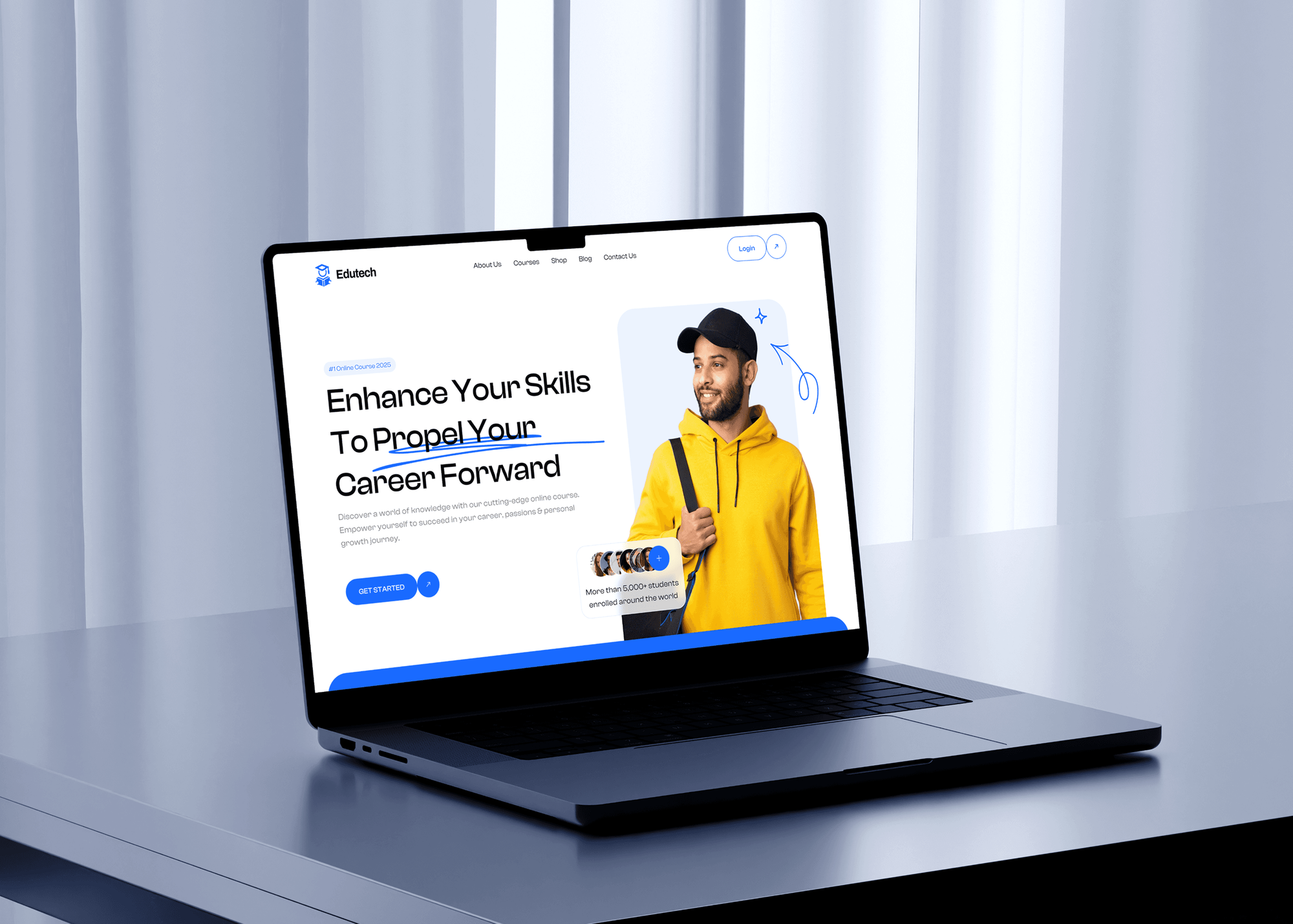
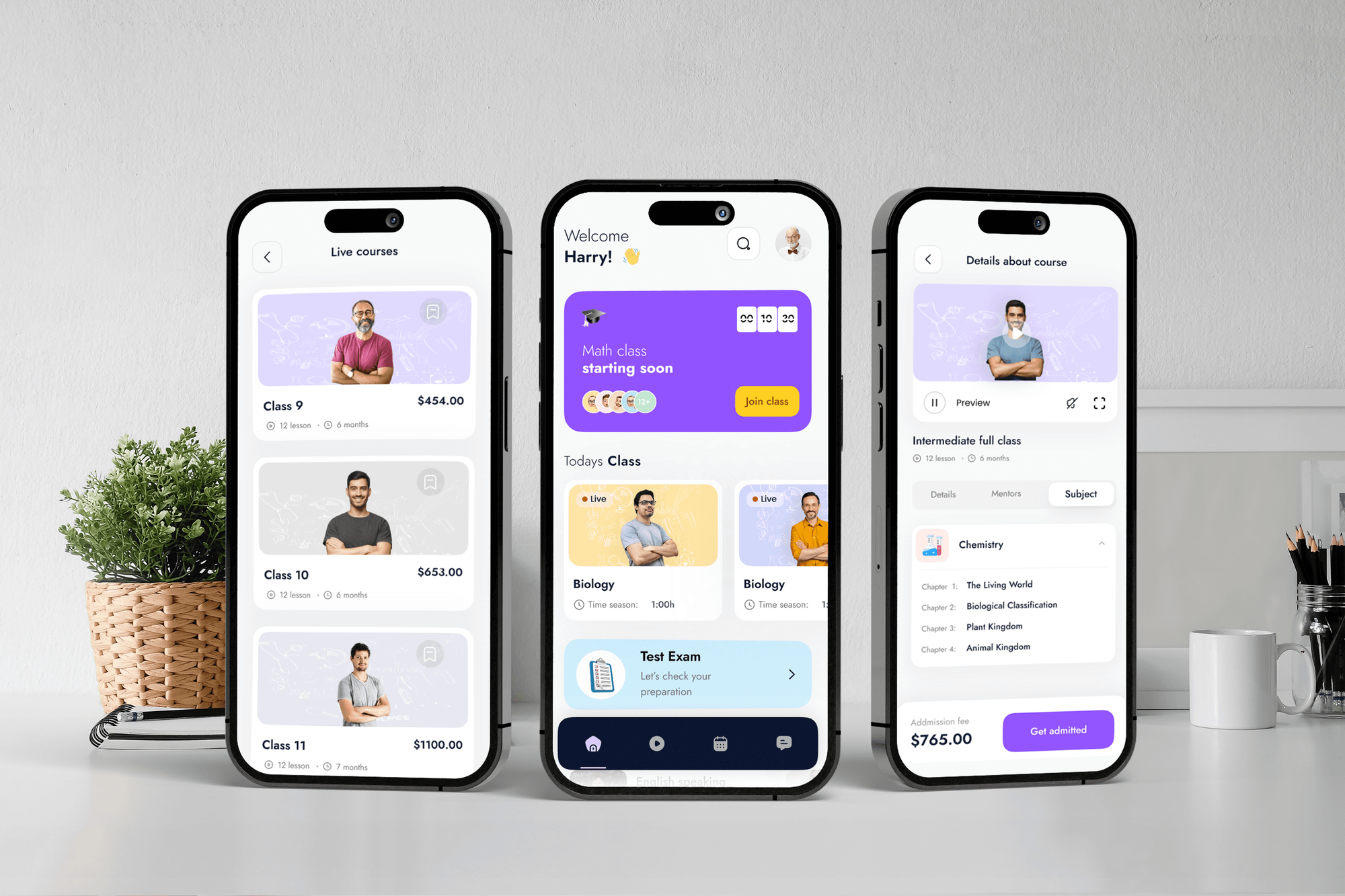
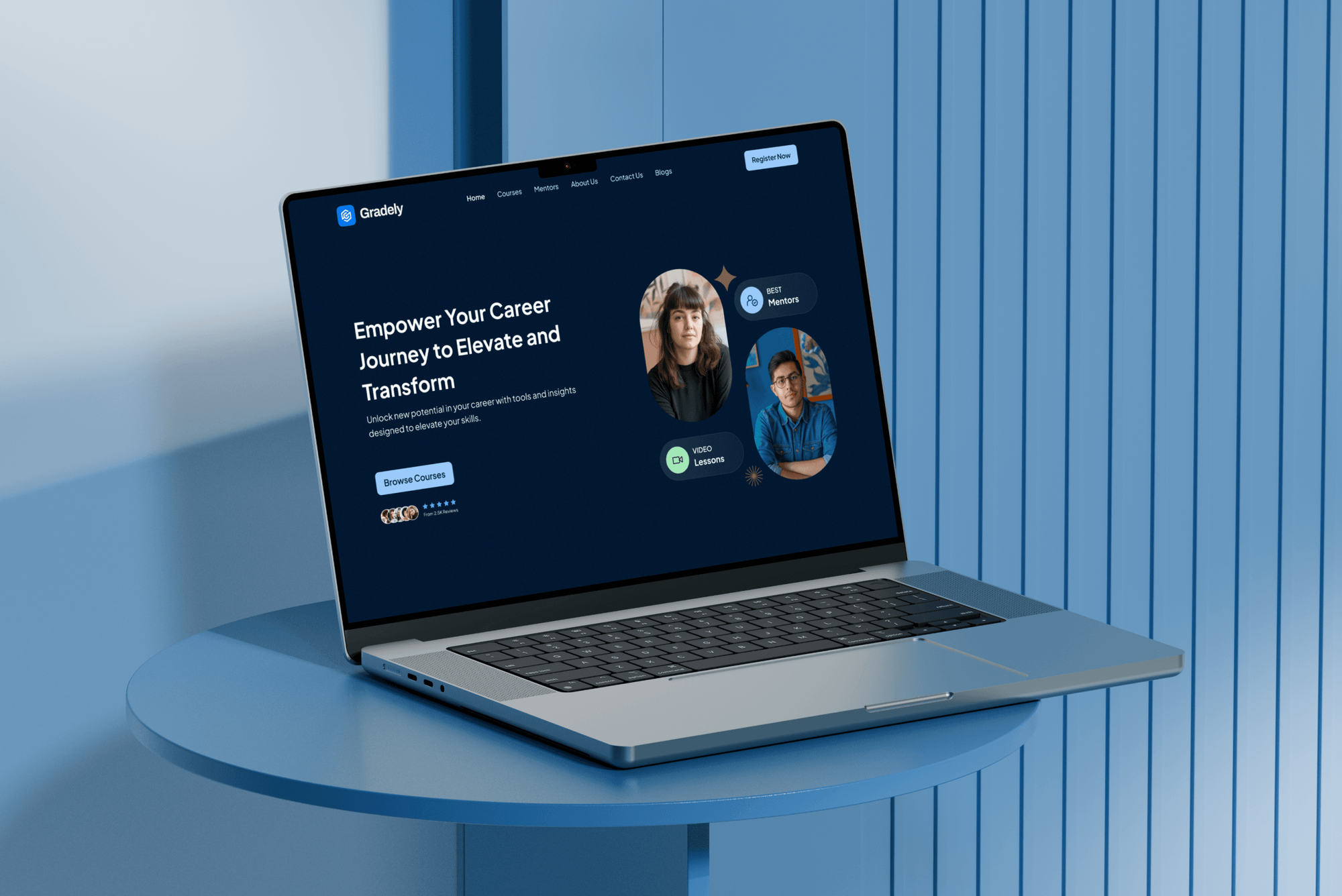
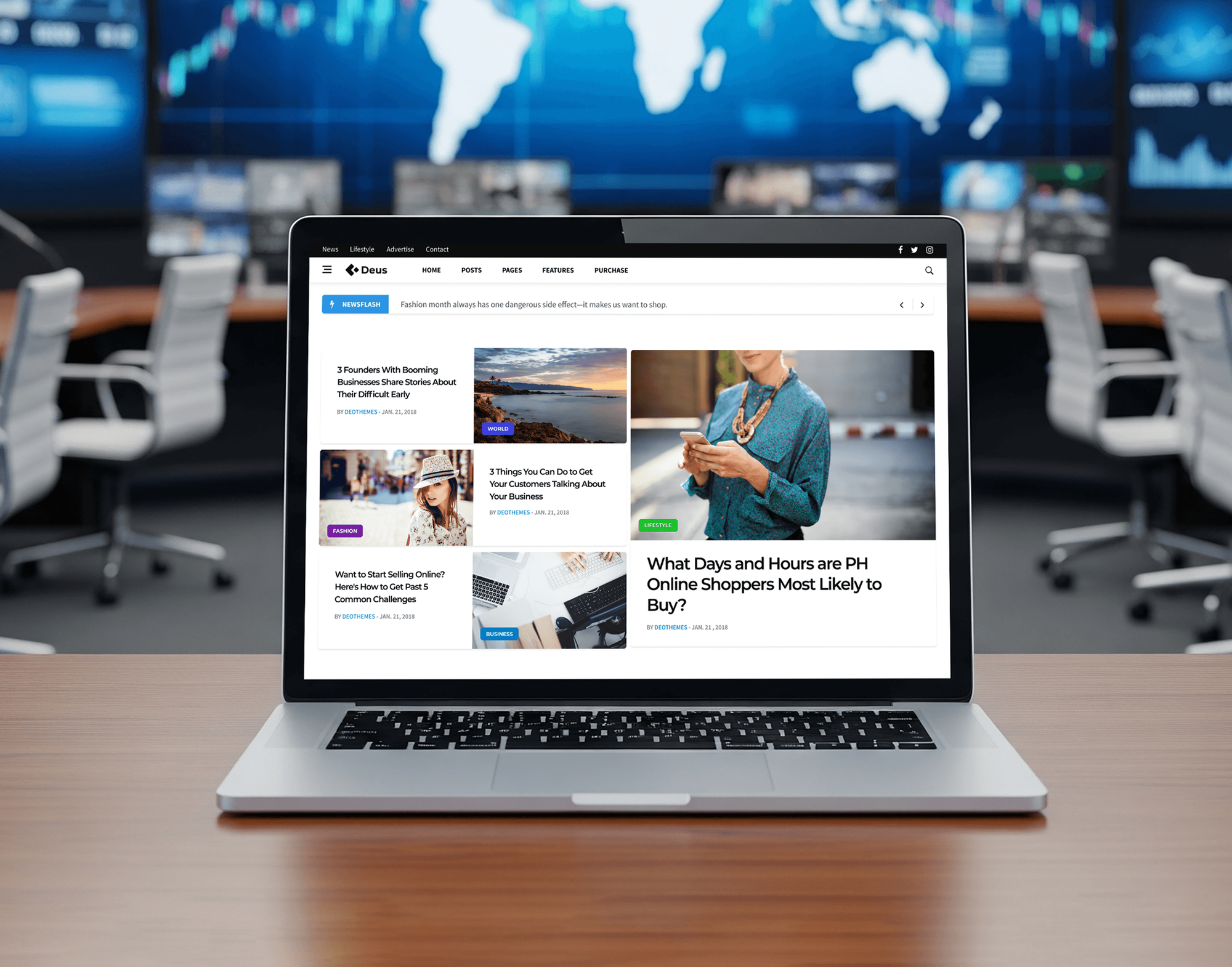
E-learning platforms and a large news archive our team built, with course catalogs, search, and filters. They're education and media work, not university sites.
What Our Clients Say
Feedback from teams we have designed and built websites for.
We had a pretty specific idea of what we wanted our website to become, but I wasn’t sure how easily we could explain all of it to a development team. There were quite a few moving parts, and we were working toward a deadline, so I expected a few things to get lost along the way. That never really happened. They understood what we were trying to achieve, kept us updated throughout the process, and got everything ready within the agreed timeline. The final site feels much easier to navigate, works beautifully on mobile, and is noticeably smoother for our customers. It was a huge relief seeing the original idea actually turn into the website we had in mind.
The mobile experience is probably my favourite part of the new site. We had spent a lot of time making sure the desktop version looked right, and the team kept pushing us to think about how everything would actually feel on a phone too. They were right. The navigation is clean, the interactions feel natural, and everything we’ve tested so far works exactly as it should. They also went through the links, forms, integrations, and other details more than once before launch, which I really appreciated. And even after going live, we could still reach out when something came up. The whole process felt friendly, organised, and surprisingly straightforward.
What I appreciate most is that the website is actually easy for us to manage now. We can update content ourselves instead of sending a developer a message every time we need to change something small. They also paid attention to the technical SEO side, which mattered to us because we didn’t want a new website to create problems for the traffic we already had. I’ve probably asked more questions than I should have since launch, but every question has been handled patiently and without any fuss. The team is easy to work with, they explain things clearly, and when we need something changed, they focus on getting it done rather than making the process complicated.
1,250+
Projects shipped
10+
Years of experience
Top 3%
Upwork Top Rated Plus
5 stars
Average review score

Want results like these?
Tell us what you are building. You get a reply within 24 hours on business days, then a written estimate.
Work Culture
Your site serves prospective students, current students, faculty, and alumni at once. These habits keep your large site fast, findable, and owned by the people who run it.
If a theme refresh on your current CMS would fix the problem, we'll say so before quoting. Not every college needs a full redesign.
We settle who owns each section of your site before we design anything. Without owners, your new site slowly drifts back to the old mess.
Prospective students often compare programs on a phone between classes or shifts. So we design your program pages for that screen first.
Heavy sliders and plugins slow big sites down over time. We measure each of your templates and set a page weight budget your editors can keep.
Applications and student records stay in your CRM and SIS. Your public site links to them and stores only what it needs.
Your domain, hosting, and CMS sit in your institution's accounts from day one. Our access ends whenever your IT team turns it off.
Overview
DeveloperLook offers higher education website design for colleges and universities whose sites have outgrown their governance. We audit content, build program templates with one apply link, set up editor roles and site search, and tune every template for speed and WCAG 2.1 AA. Projects start at $1,400, take 6 to 16 weeks, and run in your own CMS.
DEVELOPERLOOK
Project facts · Higher Education Website Design
Reviewed 8 Oct 2026 by Saimul Islam
Good fit
Public colleges under ADA Title II
Your college falls under the ADA Title II web rule, and your departments run hundreds of pages nobody has tested with a screen reader.
Universities with sprawling department sites
Your site has grown across dozens of departments. Nobody can say who owns half the pages or when they last changed.
Community colleges recruiting adult learners
You recruit working adults who browse on phones at night. They can't find costs, start dates, or how to apply.
Small private colleges
Your small college needs program pages that tell each story well, and your two-person marketing team has no developer on call.
Teams planning a redesign
You're planning a university website redesign and need a partner who can migrate content, keep redirects, and train your department editors.
Not a fit
K-12 school or district
You run a K-12 school or district rather than a college. Our School Website Design page covers calendars, closures, and enrollment for families.
Need a learning platform
You need course delivery, grades, or an LMS for enrolled students. Our eLearning Software Development service builds learning platforms.
Need SIS or CRM software
You need a new student information system or admissions CRM, not a website. That's a vendor selection project, and the new site can link to whatever you choose.
Budget under $1,400
Your budget is under $1,400. A fresh theme on your current CMS may be the sensible start until a full redesign is funded.
Not sure we're the right fit?
Book a free call or message us. We'll tell you honestly whether we're the right team.
Pricing
These are starting points in USD. Your final price depends on pages, programs, and content to migrate, and you get a fixed proposal after a free site and speed review.
For one department, school, or small college that needs program pages students can act on.
$1,400one-time, USD
For colleges with many programs, several offices publishing, and a site that needs governance.
$4,200one-time, USD
For universities replacing a large, aging site across several schools and departments.
$8,600one-time, USD
For Agencies
You own the client relationship. We supply the higher ed planning and build behind it: content audits, program templates, editor workflows, and speed and accessibility testing. Your client keeps its own accounts, and every file carries your brand.
White label: your client only ever sees your brand
Send the client's programs, departments, CMS access, and current analytics reports.
You get a content audit, an owner map, and a resale-ready fixed quote.
Templates built, speed tuned, and editors trained, all delivered under your agency's name.
Audits, templates, and test reports go out under your agency's name.
Content audits and redirect maps sized for large university sites.
Fixed prices that fit committee reviews and fiscal-year budgets.
Extra hands when a redesign must launch before application season.
The Right Technology for Your Project
We build on CMS platforms universities already run and add search that ranks your programs. Then we measure speed and accessibility on every template you use.
 Figma
 Adobe XD
 Hotjar
 WordPress
 PHP
 MySQL
 Algolia
 Cloudflare
 PageSpeed Insights
 Lighthouse
 Google Analytics
 Google Tag Manager
 Google Search Console
FAQ
Straight answers on university website costs, redesigns, governance, speed, conversion, and the ADA Title II rule.
Saimul IslamFounder & CEO, DeveloperLookStill have questions?
Send a message or book a call with the team.
A DeveloperLook department or small college site starts at $1,400 for up to 15 pages with program pages, site search, and accessibility testing. College sites with a content audit and editor approvals start at $4,200. Full university redesigns that move up to 150 pages start at $8,600. Your CMS hosting and CRM are billed separately.
A department or small college site usually launches in 6 to 8 weeks, and full redesigns take 10 to 16 weeks. Your content audit and committee approvals often take longer than the build. We set review dates up front and plan your launch around the application calendar.
You redesign a university website by auditing content first, then rebuilding program pages and navigation around what students need. We inventory your pages, agree on owners, and archive what nobody maintains. Then we design the templates, migrate what you're keeping, and redirect every retired URL so rankings and bookmarks keep working.
You make a university website by starting from audiences and programs, not from the org chart. List what prospective students, current students, faculty, and alumni need. Then build program pages, a clear apply path, and site search. Pick a CMS your departments can share, such as Drupal or WordPress, with roles and approvals.
Universities manage large websites with governance: a named owner for every section, editor roles with approval steps, and scheduled content reviews. A central web team sets templates and standards, and your departments edit inside them. Without that structure, your pages multiply, contradict each other, and clutter search results for everyone.
University websites go wrong because every office publishes, nobody owns old pages, and the menu mirrors the org chart. Your programs end up with conflicting pages, and your apply link moves around. Higher education web design fixes that with one program template, named owners, and navigation built around student tasks.
Start by measuring Core Web Vitals on your heaviest templates: the homepage, program pages, and news. Then cut what slows them, such as oversized images, sliders, unused plugins, and extra scripts. A CDN like Cloudflare and image compression help large sites most. We also set a page weight budget, so your editors keep pages light.
Put one clear next step on every program page: request info, visit, or apply. Show cost, deadlines, and outcomes before you ask for anything, and keep inquiry forms short. Track inquiry and apply clicks in GA4, so your team sees which programs lose students and fixes those pages first.
Organize your site around student tasks rather than departments: find a program, see the cost, apply, and get help. Test those tasks with real students on phones before you redesign anything. College website design that works this way also cuts the calls and emails your admissions staff answer.
Yes. The Department of Justice's ADA Title II rule covers public colleges and universities and requires WCAG 2.1 AA for web content. Under the April 2026 interim rule, larger public entities must comply by April 26, 2027, and smaller ones by April 26, 2028. Private colleges aren't covered by this rule, but we test their templates to the same standard.
Saimul IslamFounder & CEO, DeveloperLookStill have questions?
Send a message or book a call with the team.
Free 30-min callGoogle Meet
Book a call
In 30 minutes on Google Meet we walk you through how we would build it, how long it takes and what it costs. Then you get a written estimate.
Calendar not showing? Book on cal.com or send a brief.