

Stop import from your systems
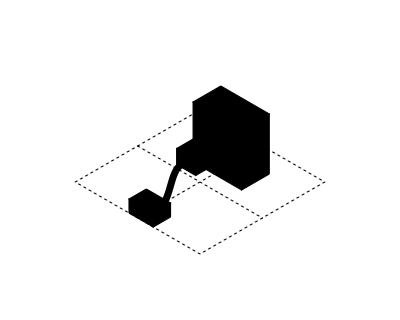
Orders, jobs, or CSV files become stops with addresses, time windows, service times, and sizes.

For delivery and field service teams planning stops by hand: routes for the whole fleet that respect time windows and capacity, sent to driver phones. From $950.
3X
Faster daily route planning
1tap
Routes sent to every driver
How your project runs
01 · FreeTeams we have built for:














The Problem
It shows up once you run more than a handful of vehicles. Every morning, someone sorts addresses, guesses which driver goes where, and starts over when a customer moves a window.
Hand planning
Routes get built one van at a time in Google Maps.
Hand planning
A solver plans every vehicle together, balancing stops across your whole fleet.
Missed windows
Time windows live only in the dispatcher's head.
Missed windows
Each stop carries its window, and routes are built to meet them.
Overloaded vans
Vehicles leave with more stops or weight than they fit.
Overloaded vans
Capacity by weight, volume, or stop count is part of every plan.
Late changes
One rescheduled job means replanning the whole morning.
Late changes
New or moved stops trigger a re-plan that keeps finished stops in place.
It's early, and today's stops sit in a spreadsheet. Your dispatcher pastes addresses into Google Maps one van at a time, guessing who should take which neighborhood. Time windows live in someone's head. Then a customer moves a delivery to the afternoon, and the plan unravels. Your drivers zigzag across town, finish late, and overtime climbs. Nobody can say whether a better plan existed, because nothing measured the routes you actually ran.
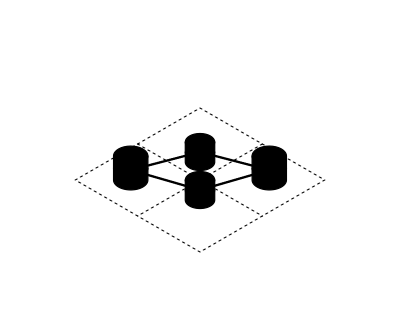
We start by modeling your real constraints: delivery windows, vehicle capacity, driver shifts, and depots. A solver, such as Google's Route Optimization API or the open-source OR-Tools, builds every route at once instead of van by van. Your dispatcher reviews the plan on a map, moves a stop if needed, and sends routes to drivers' phones. When a job changes, the plan updates without starting over.
Every route solved together
Your whole fleet is planned in one pass, so no van gets stuck with the leftover stops.
Windows and shifts respected
Customer time windows, driver shifts, and breaks shape each route before it goes out.
Routes on driver phones
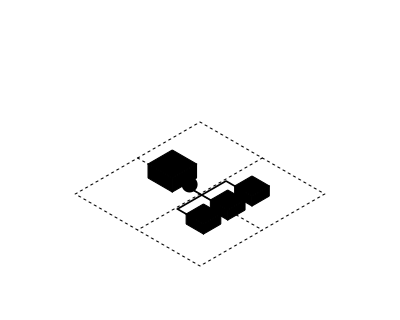
Your drivers open their stop list and navigation link from a text, with no paper sheets.
Our Route Optimization Software Development Process
You see your recent routes measured first, approve the rules and screens, then test optimized routes against your hand-built ones before the whole fleet switches.
We take a sample of your recent stops and routes and replay them through a solver. You get a short report comparing your planned miles and hours with an optimized version, plus the constraints we found.
What's Included
Your build covers stop import, the optimization engine, a dispatcher map, driver handoff, re-planning, and route reports, tuned on your own stops, vehicles, and rules.
Compare Options
Route planner apps suit many small fleets, and manual planning works for a few vans. Here is where custom routing software earns its cost, and where it doesn't.
| Feature | DeveloperLookBest fit | Planner app | Manual planning |
|---|---|---|---|
| Routing rules | Your windows, skills, and capacity rules | Common constraints built in | Dispatcher's memory |
| Solver quality | Tuned on your stop data | Good general-purpose solver | Depends on experience |
| System connections | Orders and jobs flow in | CSV upload or listed integrations | Retyped addresses |
| Mid-day changes | Re-plans with finished stops locked | Manual re-optimize on most plans | Start over by hand |
| Driver handoff | Text link or your own app | Vendor's driver app | Printed sheets or calls |
| Monthly cost | Hosting and map API usage | Per driver each month | Dispatcher hours |
| Time to start | 3 to 14 weeks | Same day | Already running today |
| Ownership | You own code and routing data | Vendor keeps the platform | Nothing to own |
Projects We've Built
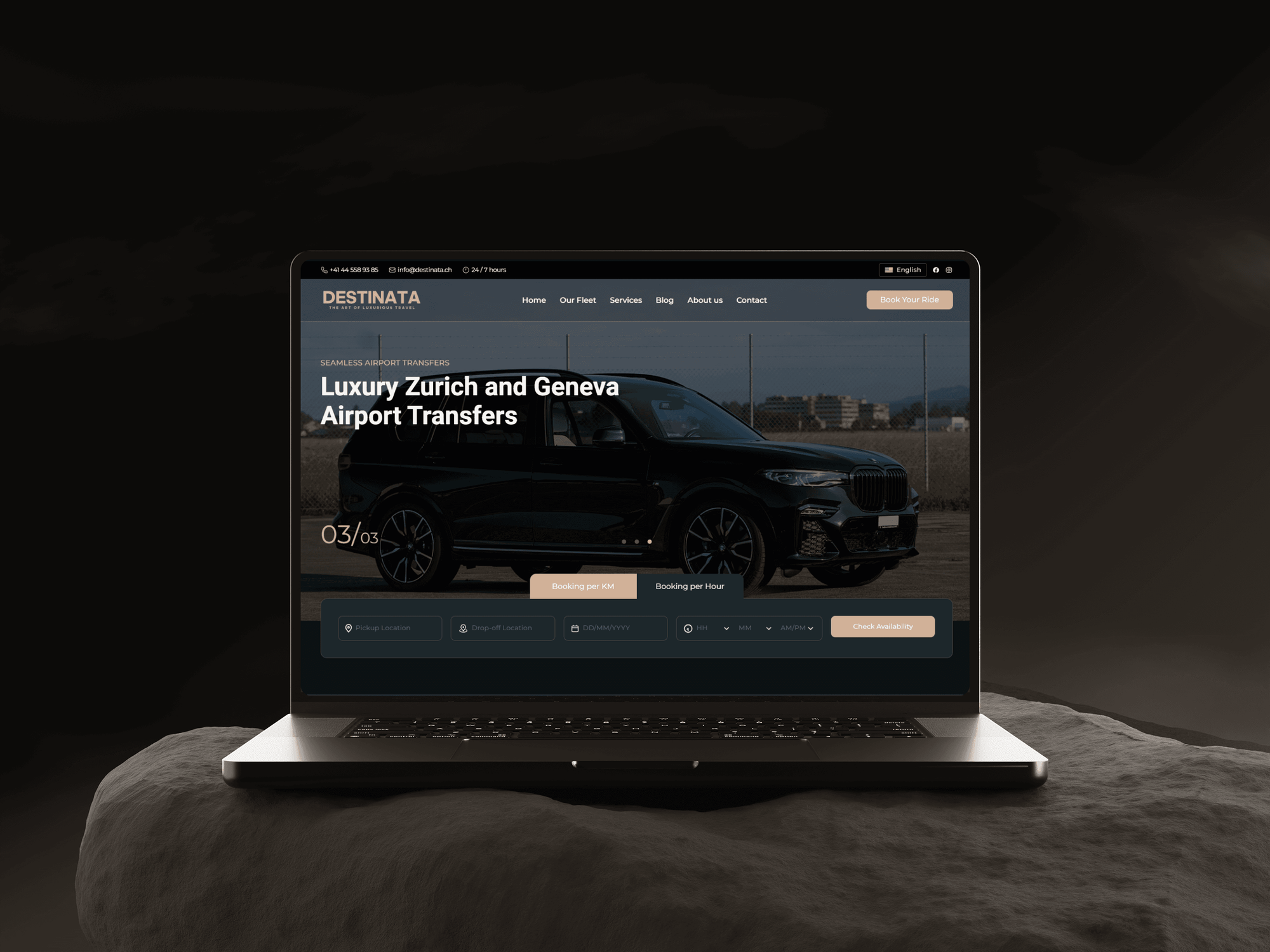
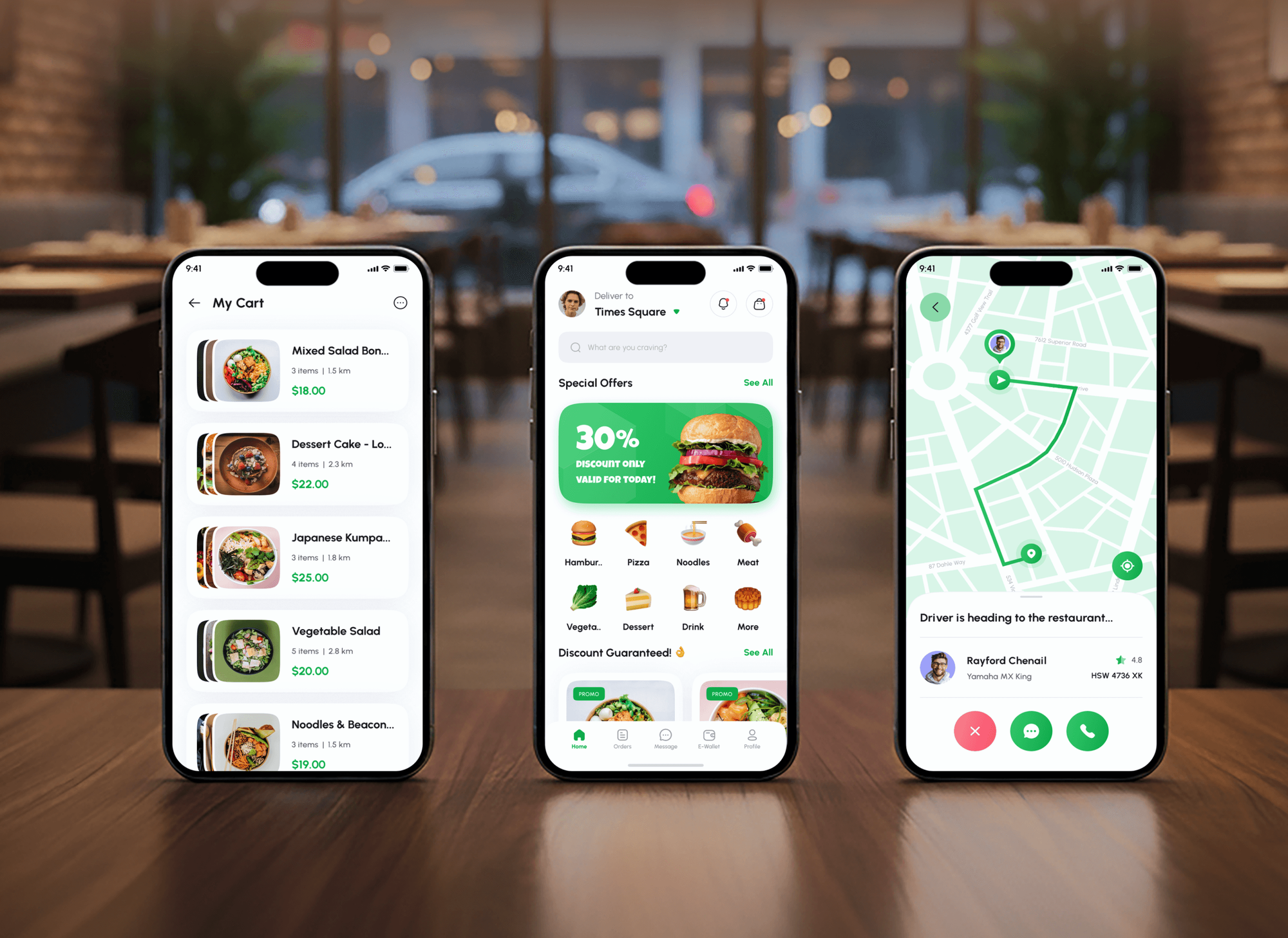
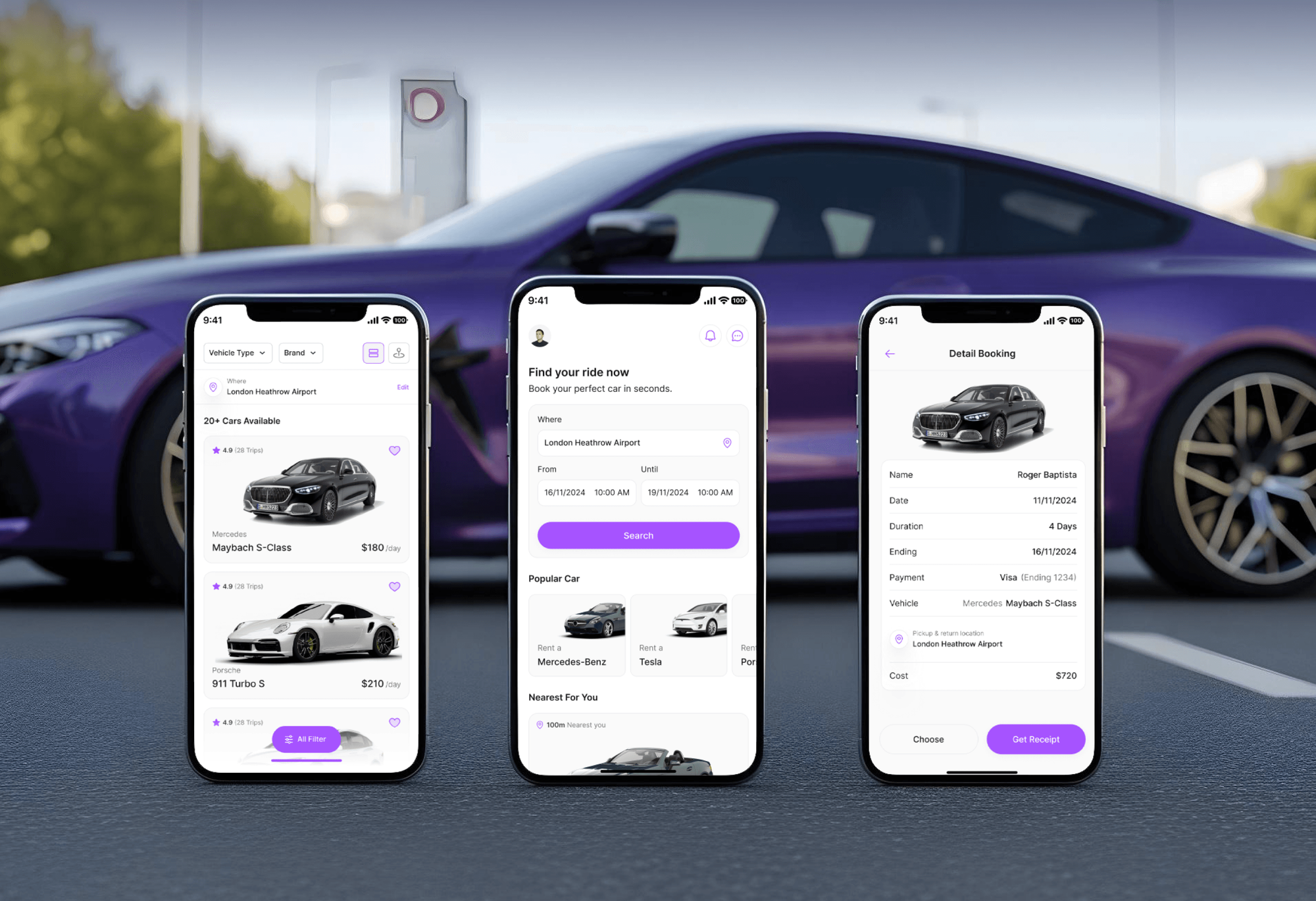
None of these is a routing system. They show the Google Maps pickups, live driver tracking, and map search we would build your planner around.

What Our Clients Say
Feedback from teams we have built map-based booking, tracking, and delivery apps for.
We had a pretty specific idea of what we wanted our website to become, but I wasn’t sure how easily we could explain all of it to a development team. There were quite a few moving parts, and we were working toward a deadline, so I expected a few things to get lost along the way. That never really happened. They understood what we were trying to achieve, kept us updated throughout the process, and got everything ready within the agreed timeline. The final site feels much easier to navigate, works beautifully on mobile, and is noticeably smoother for our customers. It was a huge relief seeing the original idea actually turn into the website we had in mind.
The mobile experience is probably my favourite part of the new site. We had spent a lot of time making sure the desktop version looked right, and the team kept pushing us to think about how everything would actually feel on a phone too. They were right. The navigation is clean, the interactions feel natural, and everything we’ve tested so far works exactly as it should. They also went through the links, forms, integrations, and other details more than once before launch, which I really appreciated. And even after going live, we could still reach out when something came up. The whole process felt friendly, organised, and surprisingly straightforward.
What I appreciate most is that the website is actually easy for us to manage now. We can update content ourselves instead of sending a developer a message every time we need to change something small. They also paid attention to the technical SEO side, which mattered to us because we didn’t want a new website to create problems for the traffic we already had. I’ve probably asked more questions than I should have since launch, but every question has been handled patiently and without any fuss. The team is easy to work with, they explain things clearly, and when we need something changed, they focus on getting it done rather than making the process complicated.
1,250+
Projects shipped
10+
Years of experience
Top 3%
Upwork Top Rated Plus
5 stars
Average review score
1,250+
Projects shipped
10+
Years of experience
Top 3%
Upwork Top Rated Plus
5 stars
Average review score

Want results like these?
Tell us what you are building. You get a reply within 24 hours on business days, then a written estimate.
Work Culture
Your routes decide fuel, overtime, and whether customers wait at home for nothing. These habits keep the planner honest about your roads, rules, and running costs.
We tune routes on your own stop history, not on demo data. Address quirks, service times, and parking delays only show up in real data.
Your dispatchers can change what matters most, such as fewer miles, earlier finishes, or balanced workloads. The plan follows your priorities without a code change.
Every optimized plan opens on a map for review before it goes out. Your dispatcher can move a stop, and the system re-checks windows and capacity.
Map and routing APIs charge by usage, so we estimate your monthly calls before the build. Where costs matter, open-source routing on your own server is an option.
The planner gets a written scope and set price before any app work begins. Each later phase is quoted separately, so you add the driver app when it pays off.
Stop history, routes, and driver logs live in your own database. You can export them, analyze them elsewhere, or move hosting whenever you like.
Overview
DeveloperLook provides route optimization software development for delivery and field service fleets. We build a planner that imports your stops, solves routes with time windows and vehicle capacity, sends each route to driver phones, and re-plans when jobs change. Projects start at $950 and take 3 to 14 weeks, and you own the code.
DEVELOPERLOOK
Project facts · Route Optimization Software Development
Reviewed 28 Oct 2026 by Saimul Islam
Good fit
Local delivery fleets planning by hand
Your dispatcher builds van routes in Google Maps each morning, and late changes mean redoing half the day's plan.
Field service companies with skilled technicians
You send HVAC or plumbing technicians to jobs that need specific skills and time windows, and your current tool ignores both.
Distributors running multi-stop trucks
Your trucks deliver to stores on fixed windows with weight limits, and the fleet routing software you tried can't model your docks.
Businesses outgrowing route planner apps
You pay per driver for a route planner app, yet it can't read your orders or follow your rules, so dispatch retypes every stop.
Agencies adding routing to client apps
Your agency is building a delivery or service app and needs route optimization software development services behind it, under your brand.
Not a fit
Need the whole delivery app
You need customer ordering, courier apps, and proof of delivery, not only routing. Our Delivery App Development page covers the full three-app build.
Few vans, budget under $950
You run a few vans with a budget under $950. A subscription route planner app costs less, and if one covers your stops, we'll tell you before we quote.
Long-haul freight lanes
You move truckload freight between cities rather than multi-stop local routes. Our TMS Software Development page fits lane planning and carrier choice.
Maintenance is the real issue
Your vans break down more often than they run late. Our Fleet Management Software Development page covers maintenance schedules and inspections.
Not sure we're the right fit?
Book a free call or message us. We'll tell you honestly whether we're the right team.
Pricing
These are starting points in USD. Your final price depends on stop volume, your routing rules, and whether drivers need an app, and you get a fixed proposal after a free route audit.
For Agencies
You own the client relationship. We supply the routing engine, planner screens, and driver handoff behind the delivery and field service apps you sell. Everything ships under your brand, with solver settings documented for your team.
White label: your client only ever sees your brand
Send the client's stop volume, vehicle types, and rules, and we scope the solver.
We send a fixed proposal under your name and assign routing engineers.
We build, run a side-by-side trial, and hand over code and settings.
Send the client's stop volume, vehicle types, and rules, and we scope the solver.
We send a fixed proposal under your name and assign routing engineers.
We build, run a side-by-side trial, and hand over code and settings.
The Right Technology for Your Project
We choose routing engines and map providers by your stop volume and budget, then build planner and driver screens that work on office monitors and phones.
 Python
 React
 Next.js
 Node.js
 PostgreSQLReact Native
 Flutter
 Twilio
 Firebase
Related Services
Delivery apps, fleet and transport software that feed your planner, plus the Google Maps integration work behind addresses, distances, and navigation.
This page
Route Optimization Software Development
Pairs with the 6 services around it
FAQ
Straight answers on what route optimization is, how it works, cost, timelines, field service dispatching, and choosing a routing engine.
Saimul IslamFounder & CEO, DeveloperLookStill have questions?
Send a message or book a call with the team.
Route optimization is finding the best order of stops for one or more vehicles under real constraints. It weighs distance, drive time, customer time windows, vehicle capacity, and driver shifts together. Mathematicians call it the vehicle routing problem, and it gets hard quickly as stops grow, which is why fleets use solvers instead of planning by eye.
Route optimization software is a tool that takes your stops, vehicles, and rules, then calculates routes for the whole fleet. It replaces hand planning in maps or spreadsheets. Good tools also send routes to drivers, show progress during the day, and re-plan when jobs are added or canceled.
It works by turning your stops into a travel-time matrix, then searching for the stop order that costs least under your constraints. A solver such as Google OR-Tools tests many assignments and sequences. It returns routes that respect time windows, capacity, and shifts, usually within seconds to a few minutes.
Use it when hand planning starts costing miles, overtime, or missed windows. A solver plans every vehicle at once, so stops are balanced across your fleet instead of piling onto one driver. You also get a record of planned versus actual routes, which shows where your time is really lost.
A route planner from DeveloperLook starts at $950: it imports stops, solves routes with time windows and capacity, and sends them to drivers. Adding a driver app, ETA texts, and re-planning starts at $3,200. Dynamic routing for multi-depot or field service fleets starts at $6,500. Map API usage is billed to you by the provider.
A route planner takes 3 to 5 weeks to build, including a week of side-by-side routing against your hand-built plans. With a driver app for iOS and Android, plan on 8 to 14 weeks in total. Most tuning time goes into service times and constraint weights from your real stops.
Optimize delivery routes by solving the whole day's stops together, not van by van. Give each stop its time window and service time, give each vehicle its capacity and shift, then let a solver assign and sequence them. Delivery route optimization software does this in one run and lets you adjust the result on a map.
Connect your job system to a solver that knows each technician's skills, shift, and start location. New jobs flow in, the solver assigns them to qualified technicians and orders the visits, and schedules update on each phone. Dynamic route optimization then re-plans when a job runs long or an urgent call arrives.
Either can work, and the right choice depends on your volume, rules, and budget. Google's Route Optimization API handles time windows, capacities, and shifts with Google Maps data, billed per use. Open-source OR-Tools or VROOM on your own server avoids per-call fees but needs its own road data, such as OpenStreetMap served through OSRM.
You own the route planner, its source code, and your stop and route history. API keys for Google Maps Platform or other services sit in your own accounts, so usage bills come to you directly. You also get documentation, admin access, and 30 days of post-launch support for fixes and rule changes.
Saimul IslamFounder & CEO, DeveloperLookStill have questions?
Send a message or book a call with the team.
Free 30-min callGoogle Meet
Book a call
In 30 minutes on Google Meet we walk you through how we would build it, how long it takes and what it costs. Then you get a written estimate.
Calendar not showing? Book on cal.com or send a brief.