Visual inspection station
Camera placement advice and a model trained on your defect photos that checks each passing part.

For plant managers and quality leads: AI that reads your production, quality, and maintenance data and proves its worth on one line before any rollout.
1line
Proven before plant rollout
100%
Read-only access to machines
How your project runs
01 · FreeTeams we have built for:














The Problem
It shows up after an escaped defect, an unplanned stop, or an owner asking about AI in manufacturing. The data that could prevent it already sits in your MES and historian.
Escaped defects
Visual checks miss hairline cracks late in a long shift.
Escaped defects
A camera model trained on your defect photos checks each part at the station.
Silent trends
Vibration data climbs in the historian while nobody watches.
Silent trends
Alerts compare each asset to its own normal and message maintenance early.
Slow reports
An 8D report takes a week of emails and spreadsheets.
Slow reports
An agent drafts the report from inspection, maintenance, and production records for review.
Vendor hype
AI pitches start with a platform, not with your line.
Vendor hype
We measure your baseline first and prove one use case before any rollout.
It's Tuesday, second shift. A customer calls about housings with hairline cracks that passed visual inspection on Friday. Your quality lead pulls the inspection sheets, maintenance checks the press, and the 8D report takes a week of emails. The press vibration had been climbing for days in the historian, and the defect photos sat in a shared folder. Every vendor pitch promises AI, but none starts with your line. Doing nothing means more sorting, more scrap, and more weekends on root cause.
We start with one line and the data it already produces: inspection photos, historian tags, and quality records. We pick the use case with the clearest payoff, measure today's baseline, and train on your own examples. Operators confirm or override every call, and results flow back to your MES or QMS. AI earns a second line after it proves itself on the first, not before.
Inspection trained on your parts
Models learn from your own defect photos, so they flag the flaws your customers actually reject.
Alerts from your historian
Read-only connections spot rising vibration or temperature trends on an asset before it stops the line.
Quality paperwork drafted for you
Agents draft NCRs and 8D reports from your records for an engineer to review and sign.
Our AI Solutions for Manufacturing Process
You see the data findings, the baseline, and test results on your own parts at each step, and nothing touches production until your team approves the shadow run.
We walk through one line with your team on a call: the defects, stops, and paperwork that cost the most. You get a short list of AI use cases ranked by data readiness and payoff.
What's Included
The full scope for one line: data connections, a trained model or agent, and an operator screen. Results flow back to your plant systems, and your engineers get a clean handover.
Compare Options
AI platforms are quick to try, and an in-house team knows your plant best. Here is where each one fits, and where each one breaks down on a real line.
| Feature | DeveloperLookBest fit | AI platform | In-house team |
|---|---|---|---|
| Starting point | Your line and its baseline | The vendor's feature list | Spare team time |
| Trained on your data | Your parts, photos, and tags | Generic models, some tuning | |
| Time to first result | 3 to 4 week pilot | Days for a demo | Months to hire and ramp up |
| Machine connections | Read-only via historian or gateway | Often needs machine software | Depends on team skills |
| Operator control | Confirm or override every call | Varies by product | Built if prioritized |
| Ongoing cost | No platform fee from us | Per-seat or per-asset subscription | Salaries plus tools |
| Model ownership | You own code and models | Vendor keeps the models | You own everything |
| Best for | One proven use case, then more | Standard needs, common equipment | Large plants, steady AI work |
Projects We've Built
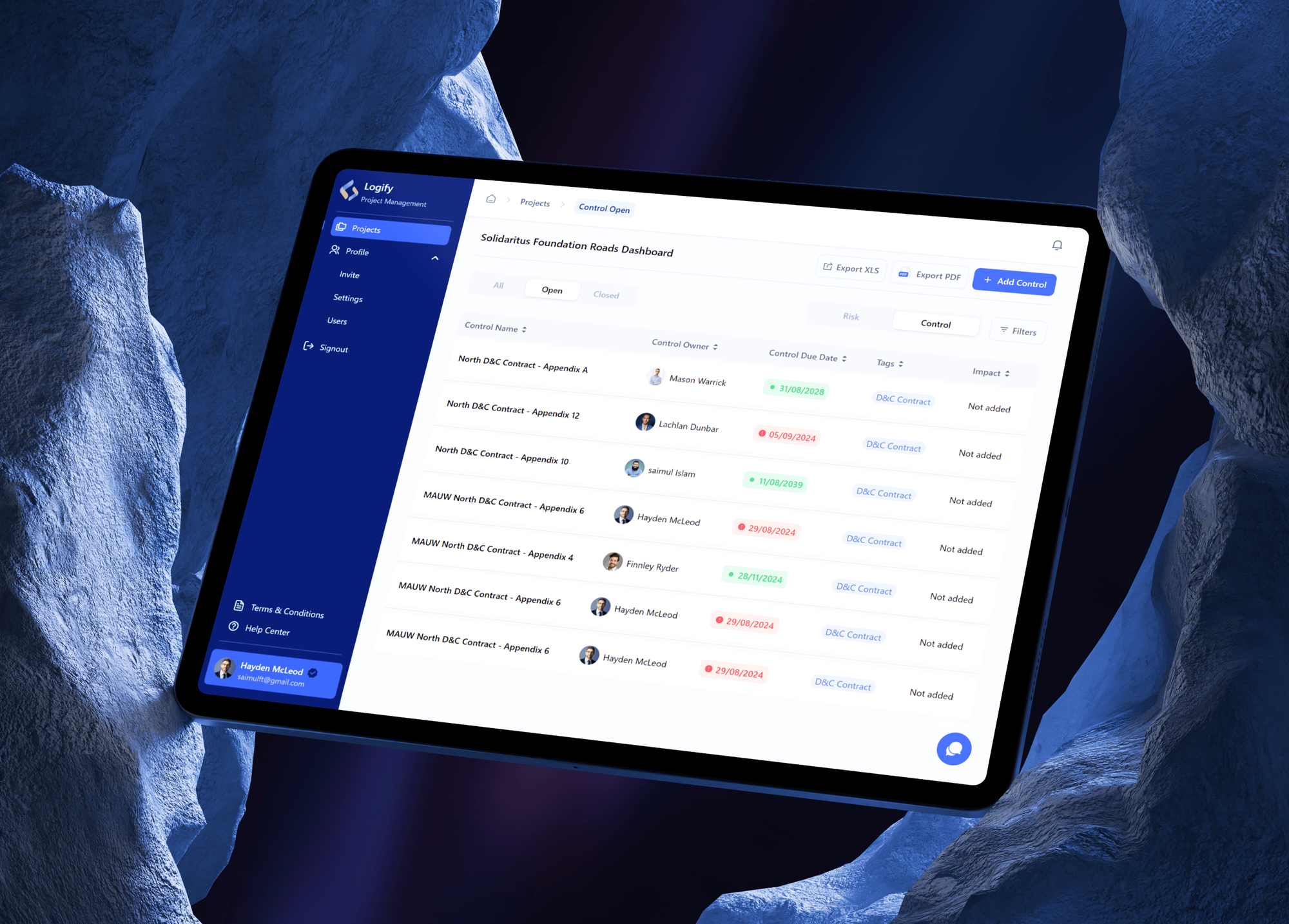
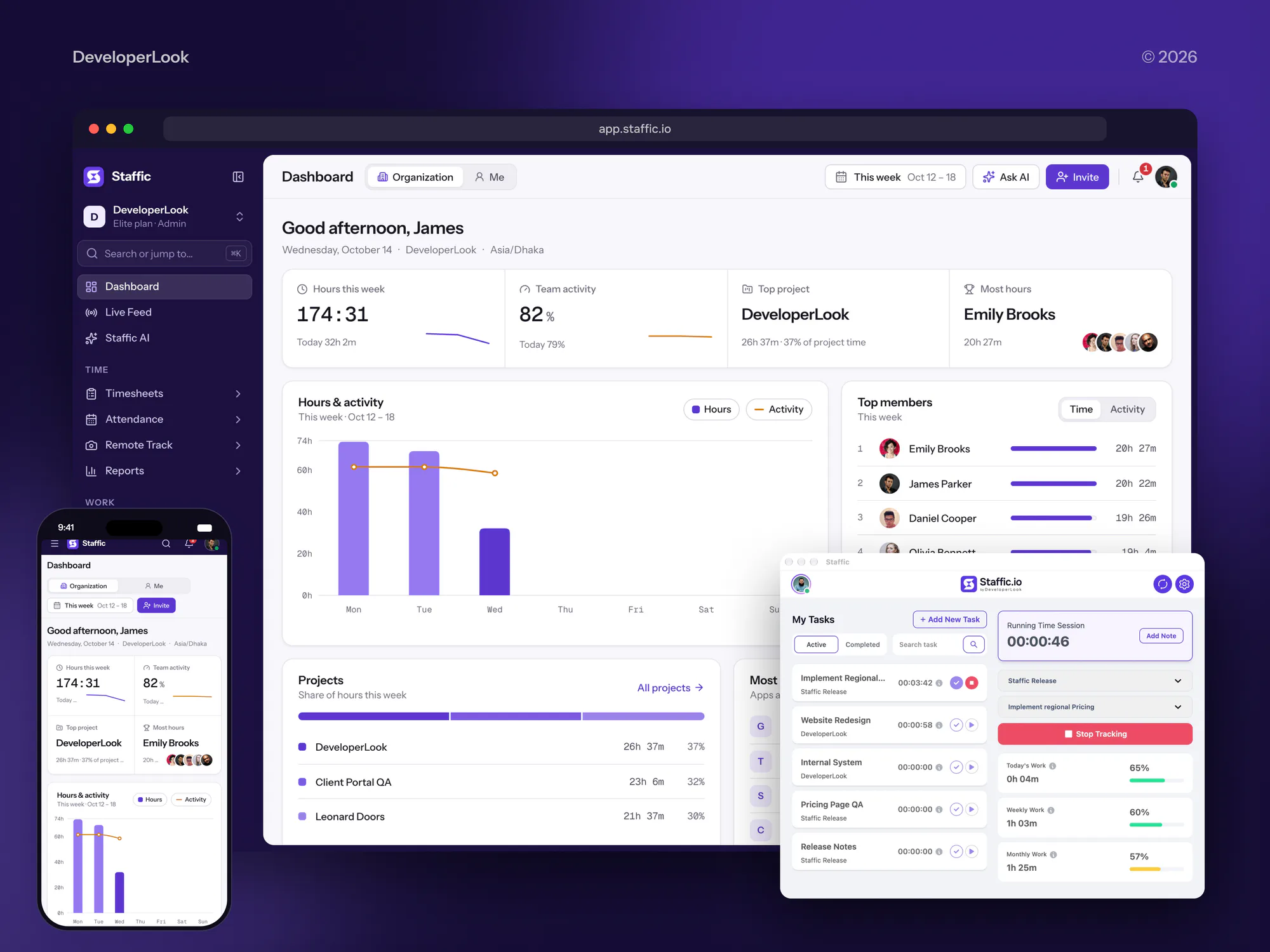
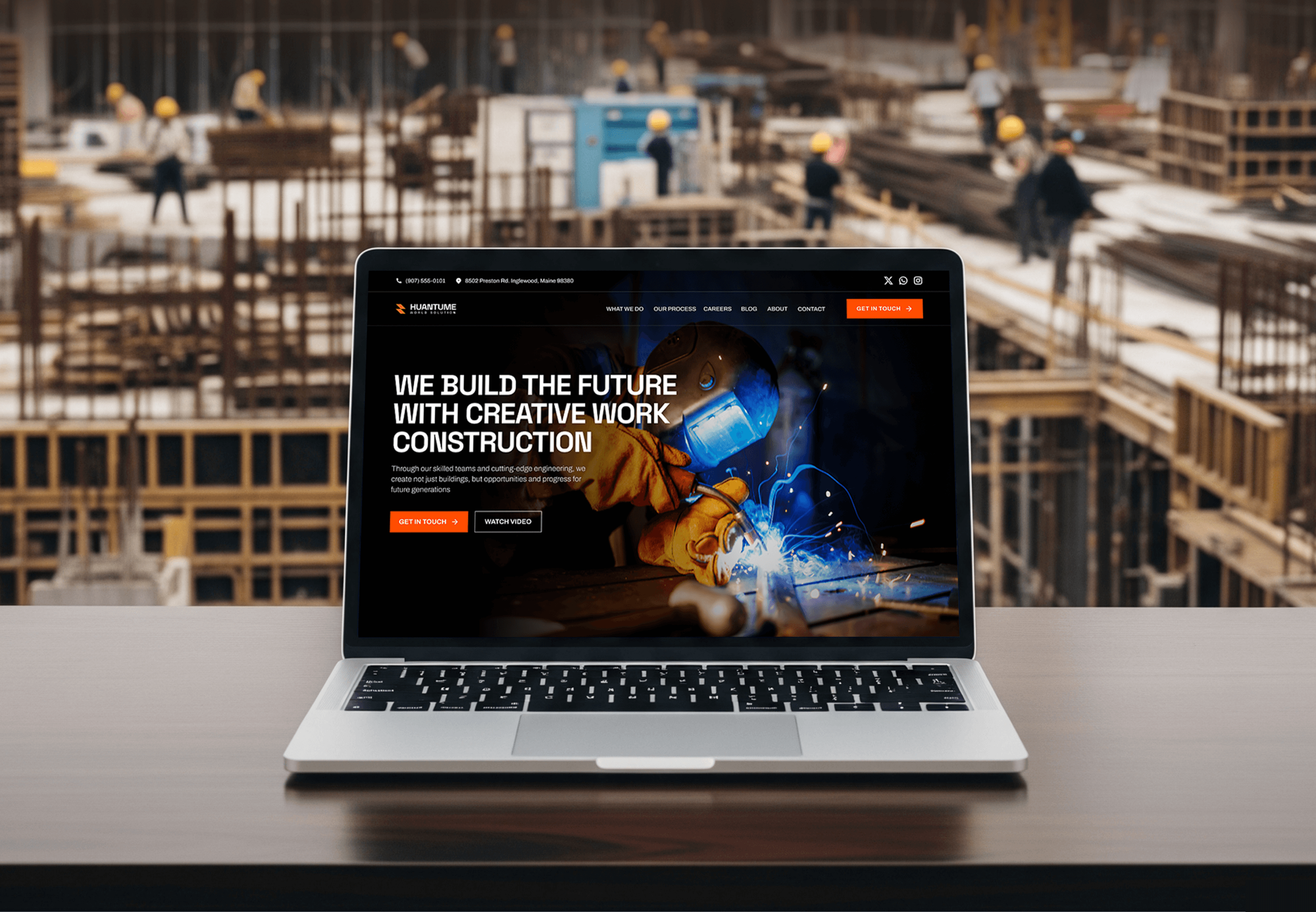
These projects show our dashboards, data apps, and industrial-sector websites. None of them is an AI manufacturing build, so judge them on build quality and data work.
What Our Clients Say
Feedback from teams we have built websites, apps, and platforms for.
We had a pretty specific idea of what we wanted our website to become, but I wasn’t sure how easily we could explain all of it to a development team. There were quite a few moving parts, and we were working toward a deadline, so I expected a few things to get lost along the way. That never really happened. They understood what we were trying to achieve, kept us updated throughout the process, and got everything ready within the agreed timeline. The final site feels much easier to navigate, works beautifully on mobile, and is noticeably smoother for our customers. It was a huge relief seeing the original idea actually turn into the website we had in mind.
The mobile experience is probably my favourite part of the new site. We had spent a lot of time making sure the desktop version looked right, and the team kept pushing us to think about how everything would actually feel on a phone too. They were right. The navigation is clean, the interactions feel natural, and everything we’ve tested so far works exactly as it should. They also went through the links, forms, integrations, and other details more than once before launch, which I really appreciated. And even after going live, we could still reach out when something came up. The whole process felt friendly, organised, and surprisingly straightforward.
What I appreciate most is that the website is actually easy for us to manage now. We can update content ourselves instead of sending a developer a message every time we need to change something small. They also paid attention to the technical SEO side, which mattered to us because we didn’t want a new website to create problems for the traffic we already had. I’ve probably asked more questions than I should have since launch, but every question has been handled patiently and without any fuss. The team is easy to work with, they explain things clearly, and when we need something changed, they focus on getting it done rather than making the process complicated.
1,250+
Projects shipped
10+
Years of experience
Top 3%
Upwork Top Rated Plus
5 stars
Average review score
1,250+
Projects shipped
10+
Years of experience
Top 3%
Upwork Top Rated Plus
5 stars
Average review score

Want results like these?
Tell us what you are building. You get a reply within 24 hours on business days, then a written estimate.
Work Culture
Plant teams judge AI solutions for manufacturing by uptime, safety, and audits, not demos. These habits keep the work useful on the floor and easy to defend.
We connect to historians, MES, and gateways in read-only mode and send no commands to PLCs. Your control systems run exactly as your engineers set them up.
We measure today's escape rate or inspection time before we start. You judge the pilot against your own numbers, not a vendor's case study.
Operators confirm or override every model call, during the shadow run and after launch. That keeps accountability with your team and improves the training data.
We prove a use case on one line before suggesting a second. If a pilot misses its target, you hear that plainly, with what the data showed.
Every model version, test set, and threshold change is logged with a date and owner. ISO 9001 or customer audits get a clear trail.
Model files, training scripts, and connectors are handed over at launch. Your engineers can retrain or extend them without asking us first.
Overview
DeveloperLook builds AI solutions for manufacturing that start from the data your plant already keeps. We deliver visual inspection at a station, maintenance alerts from historian data, and agents for quality paperwork. Pilots start at $1,400 and take 3 to 4 weeks, production use cases take 6 to 16 weeks, and every machine connection stays read-only.
DEVELOPERLOOK
Project facts · AI Solutions for Manufacturing
Reviewed 29 Oct 2026 by Saimul Islam
Good fit
Quality managers fighting escaped defects
Your inspectors check samples by eye, and a scratched part still reaches a customer, followed by a corrective action request.
Maintenance leads with unread sensor data
You log vibration and temperature in a historian, but nobody watches the trends until a motor or pump fails mid-shift.
Plant managers asked for an AI plan
Your owners want AI for manufacturing companies like yours, and you need one use case with a measured baseline, not a slide deck.
Engineers buried in quality paperwork
You spend hours writing NCRs and 8D reports and hunting for work instructions across shared drives and old ERP attachments.
Integrators and consulting firms
You advise plants as one of the AI consultants for manufacturing teams and need a build partner for vision models and historian links under your name.
Not a fit
Plant network security first
You need your OT network segmented and assessed before any new connection. Our OT Security Services page covers that, and it comes before AI.
ERP data doesn't match
Your real problem is ERP data that doesn't match the shop floor. ERP Integration Services fixes that first, and AI works better after.
Budget under $1,400
Your budget is under $1,400. Try the AI features in the ERP or CMMS you already pay for, and we'll tell you if they cover your case.
No usable data yet
Your machines have no sensors and your defects aren't photographed or logged. Collect data first; Computer Vision Development Services explains what to capture.
Not sure we're the right fit?
Book a free call or message us. We'll tell you honestly whether we're the right team.
Pricing
These are starting points in USD. Your final price depends on the use case, your data, and the number of lines, and you get a fixed proposal after a free line review.
For Agencies
You own the client relationship. We supply the model training, historian connections, and operator screens behind your proposal, so your firm can offer AI work without hiring a data team.
White label: your client only ever sees your brand
Send the line, the use case, and any data samples you have.
We return a fixed proposal, a data plan, and the assigned engineers.
We build, run the shadow test, and hand over under your brand.
Send the line, the use case, and any data samples you have.
We return a fixed proposal, a data plan, and the assigned engineers.
We build, run the shadow test, and hand over under your brand.
The Right Technology for Your Project
We pick tools by where the data lives on your floor: vision models at the station, historian connections for maintenance, and your ERP for context.
 PyTorch
 TensorFlow
 OpenAI
 Anthropic Claude
 SAP
 Microsoft Dynamics 365
 Power BI
 PostgreSQL
 Docker
 Microsoft Azure
 AWS
 Python
Related Services
These services cover what plants usually need next to AI: OT network security, clean ERP data, vision and forecasting builds, and logistics automation.
This page
AI Solutions for Manufacturing
Pairs with the 6 services around it
FAQ
Straight answers on cost, timelines, quality control, and where AI fits in a plant.
Saimul IslamFounder & CEO, DeveloperLookStill have questions?
Send a message or book a call with the team.
Start with one costly problem on one line, such as escaped defects, unplanned stops, or slow quality paperwork. Check that the data exists: defect photos, historian tags, or past reports. We build one model or agent on it, run it beside your process, and switch it on once operators trust its calls.
AI will shift plant work from watching gauges and typing reports toward making decisions. Inspectors review flagged parts, and engineers edit drafted reports. The AI in manufacturing industry projects we scope keep a person approving every call, which matters for safety, audits, and customer trust.
AI solutions for manufacturing from DeveloperLook start at $1,400 for a pilot on one line and $4,300 for one production use case. A program across up to 3 lines starts at $8,900. We charge no platform fee, so running costs are hosting, your cameras or edge hardware, and model API usage.
Putting AI on a production line takes 3 to 4 weeks for a pilot and 6 to 16 weeks for a production use case. Most of that time goes into labeling examples and a shadow run where operators confirm each call. Plants with organized photos and historian tags finish sooner.
AI helps automate tasks in manufacturing that involve looking, reading, or writing. Typical examples: checking parts against defect photos, sorting maintenance alerts by risk, and drafting NCR and supplier documents. AI agents for manufacturing teams prepare the work, and a person approves it before your MES or ERP changes.
Manufacturing companies use AI for quality control mainly through camera inspection at a station and pattern finding in quality records. A vision model learns from photos of good and bad parts, flags suspect ones, and an operator confirms each. Records then link defects to machine settings and shifts, so 8D work starts with evidence.
The best AI for manufacturing is the one trained on your own parts, machines, and records, not the one with the longest feature list. Inspection usually needs a custom vision model, and paperwork suits a language model reading your documents. If a feature in your ERP or CMMS already covers your case, we'll tell you before we quote.
The best AI solutions for manufacturers solve one measured problem: visual inspection, maintenance alerts, scrap forecasting, or document agents. Pick the one where you already have data and a clear cost, such as rework hours. A good vendor measures your baseline first. Anything sold as plant-wide AI on day one deserves a harder look.
Lower manufacturing costs with AI and ML by aiming models at your biggest cost lines: scrap, rework, downtime, energy, and inventory. Machine learning finds which settings or materials go with scrap, and forecasts flag failures early. Each model gets a baseline and a monthly check, so savings show on your books.
Cut costs in manufacturing with AI by starting where waste is visible and frequent, usually scrap, rework, or inspection hours. A pilot on one line with a measured baseline shows whether savings are real before you scale. After launch we support your team for 30 to 90 days by plan.
Saimul IslamFounder & CEO, DeveloperLookStill have questions?
Send a message or book a call with the team.
Free 30-min callGoogle Meet
Book a call
In 30 minutes on Google Meet we walk you through how we would build it, how long it takes and what it costs. Then you get a written estimate.
Calendar not showing? Book on cal.com or send a brief.