Image audit and labeling guide
Your images checked for coverage and quality, plus a guide that keeps every label consistent.

For product and operations teams who need software that sees: detection, inspection, or image recognition built and tested on your own photos and video.
2X
Faster visual inspections
100%
Classes scored before launch
How your project runs
01 · FreeTeams we have built for:














The Problem
It shows up when image volume outgrows the people reviewing it. Inspectors, moderators, or clerks look at every photo, mistakes rise late in the shift, and a vendor demo looked perfect on someone else's pictures.
Manual review
Inspectors check every photo by eye.
Manual review
A trained model flags likely defects, and people review only the uncertain images.
Demo accuracy
The vendor demo ran on someone else's pictures.
Demo accuracy
Precision and recall are scored per class on your own held-out images.
Messy labels
Annotators mark the same defect in different ways.
Messy labels
A labeling guide written with your experts keeps every label consistent.
Wrong place
The model runs far from where decisions happen.
Wrong place
We deploy to the cloud, the camera, or the phone, wherever the call is made.
Your inspectors open every photo from the line and mark defects by eye. By the end of a shift, small scratches slip through. You tried an off-the-shelf image API, and it tagged your product as a generic tool with high confidence. A vendor showed a polished demo, but it ran on their sample images, not your lighting, angles, or cameras. Nobody can tell you how often a model will be wrong on your images. So the manual checks continue.
We start with your images, not a model. We audit a sample, write a labeling guide with your experts, and test a pretrained baseline before training anything custom. Accuracy is scored per class on held-out images the model didn't train on. Then we deploy where the decision happens: a cloud API, a camera on the line, or the user's phone. Uncertain images go to a person. You get a model with measured accuracy instead of a vendor's promise.
Tested on your images
Accuracy comes from your photos, lighting, and cameras, not a vendor's sample set.
Labels your experts approve
A written labeling guide keeps every annotator marking defects the same way.
Uncertain images reviewed
Low-confidence results go to a person, so doubtful calls don't pass silently.
Our Computer Vision Development Services Process
You approve the labeling guide and the accuracy target before training starts. Then you see per-class scores and try the model on your own images.
We look at sample images or video, the decision you want automated, and where it happens. You get an honest read on feasibility, the data you'll need, and a fixed price for the test.
What's Included
The data work and the engineering in one team: images audited and labeled, a model trained and scored on your data, and deployment to wherever the decision happens.
Compare Options
A cloud vision API suits common objects and text, and an in-house hire suits companies with vision at their core. Here is how a computer vision development company compares on each point.
| Feature | DeveloperLookBest fit | Vision API | In-House Hire |
|---|---|---|---|
| Your objects | Trained on your exact classes | Common objects and labels only | Trained once the hire ramps up |
| Accuracy proof | Per-class scores on your images | General benchmarks from the vendor | Depends on one person's methods |
| Labeling | Guide and labeled data included | Not needed for stock labels | The hire also runs labeling |
| Deployment | Cloud, camera, or phone | Cloud only, priced per call | Whatever the hire knows best |
| Time to start | Feasibility test in 2 to 3 weeks | Same day for stock labels | Months to recruit |
| Starting cost | From $1,200, fixed scope | Pay per image, cheapest to try | Full salary plus tooling |
| Ongoing changes | Retraining plan and drift alerts | Vendor updates on its own schedule | Covered while employed |
| Ownership | Model and labeled data are yours | Vendor owns the model | Yours while the hire stays |
Projects We've Built
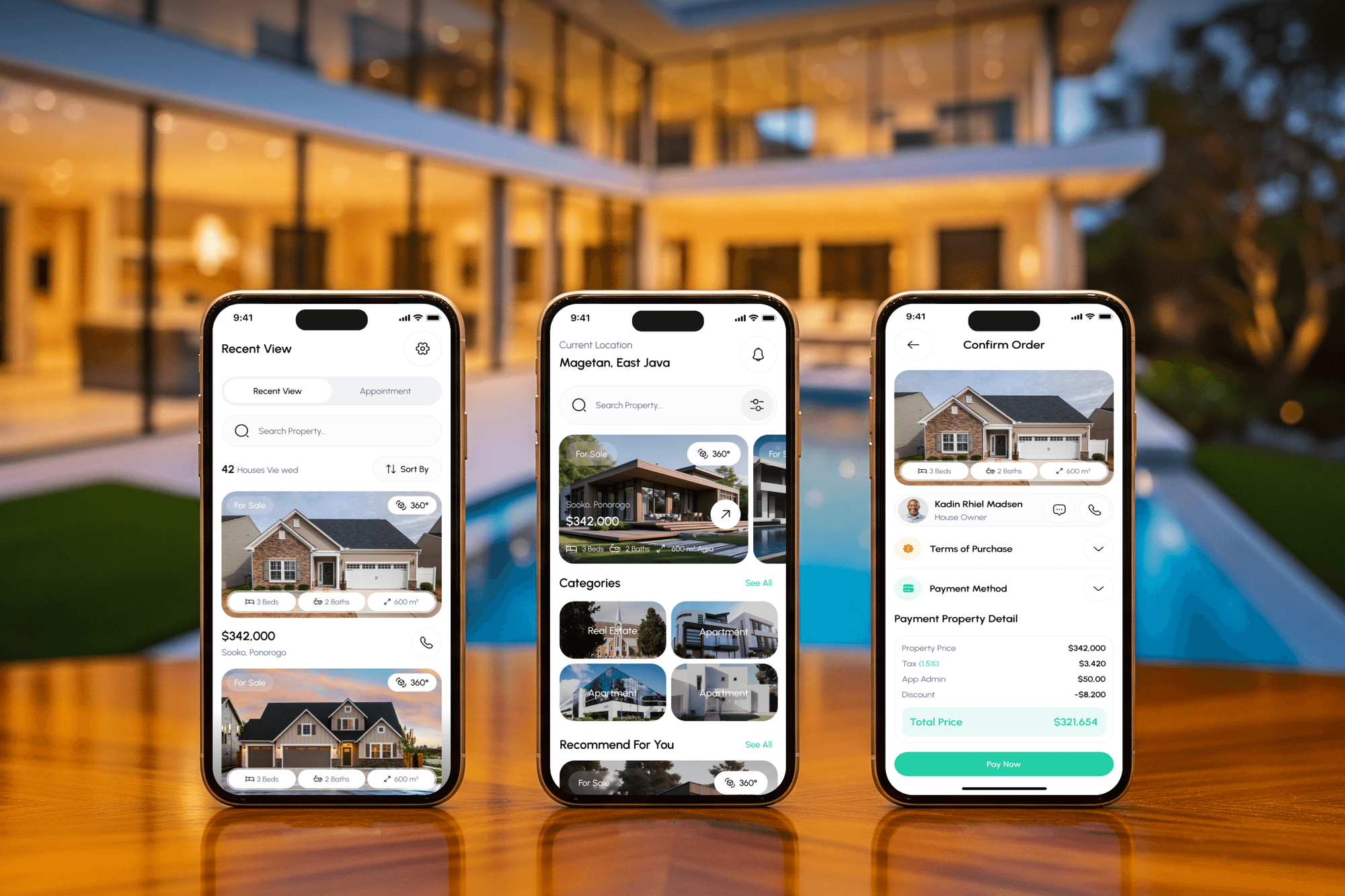
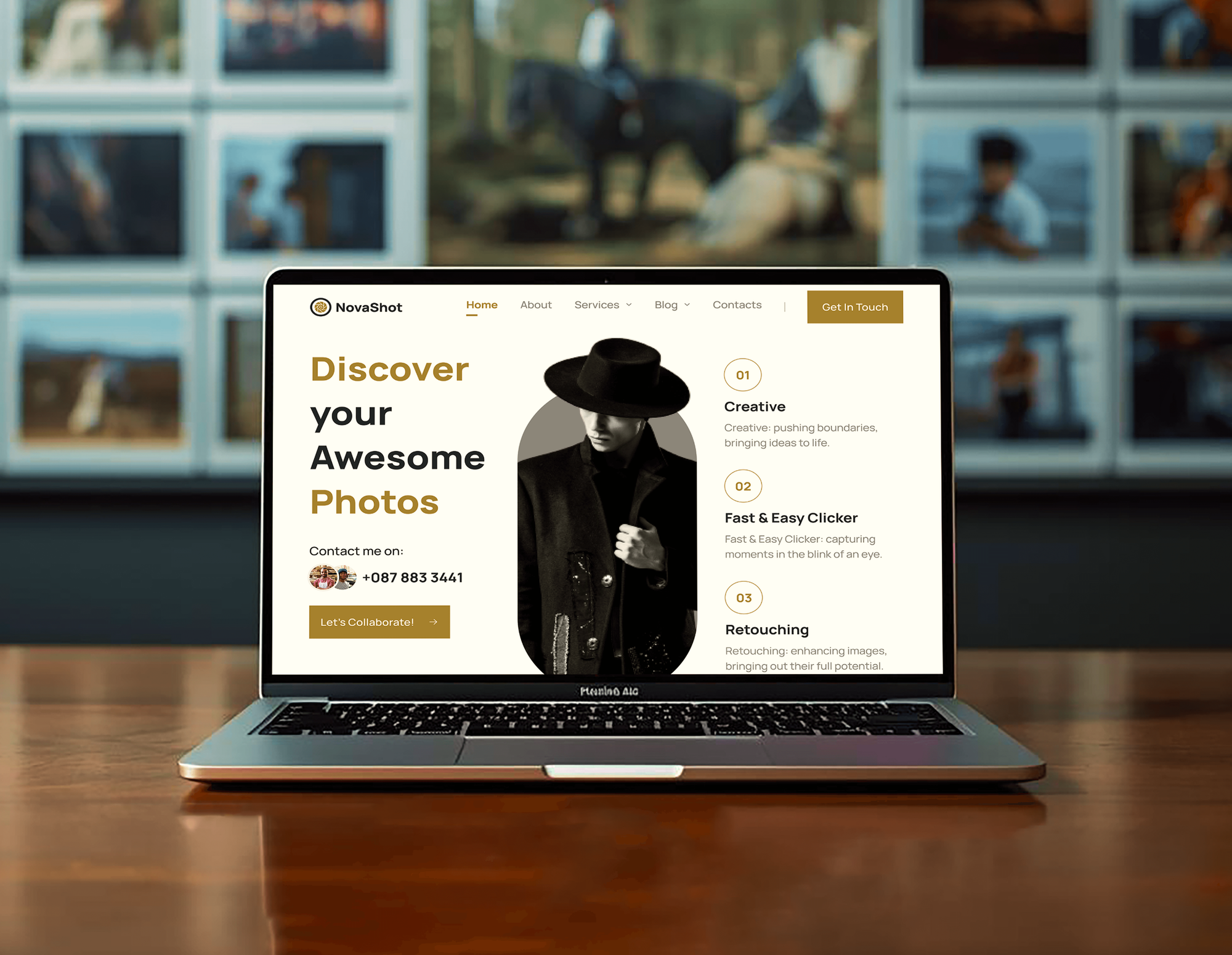
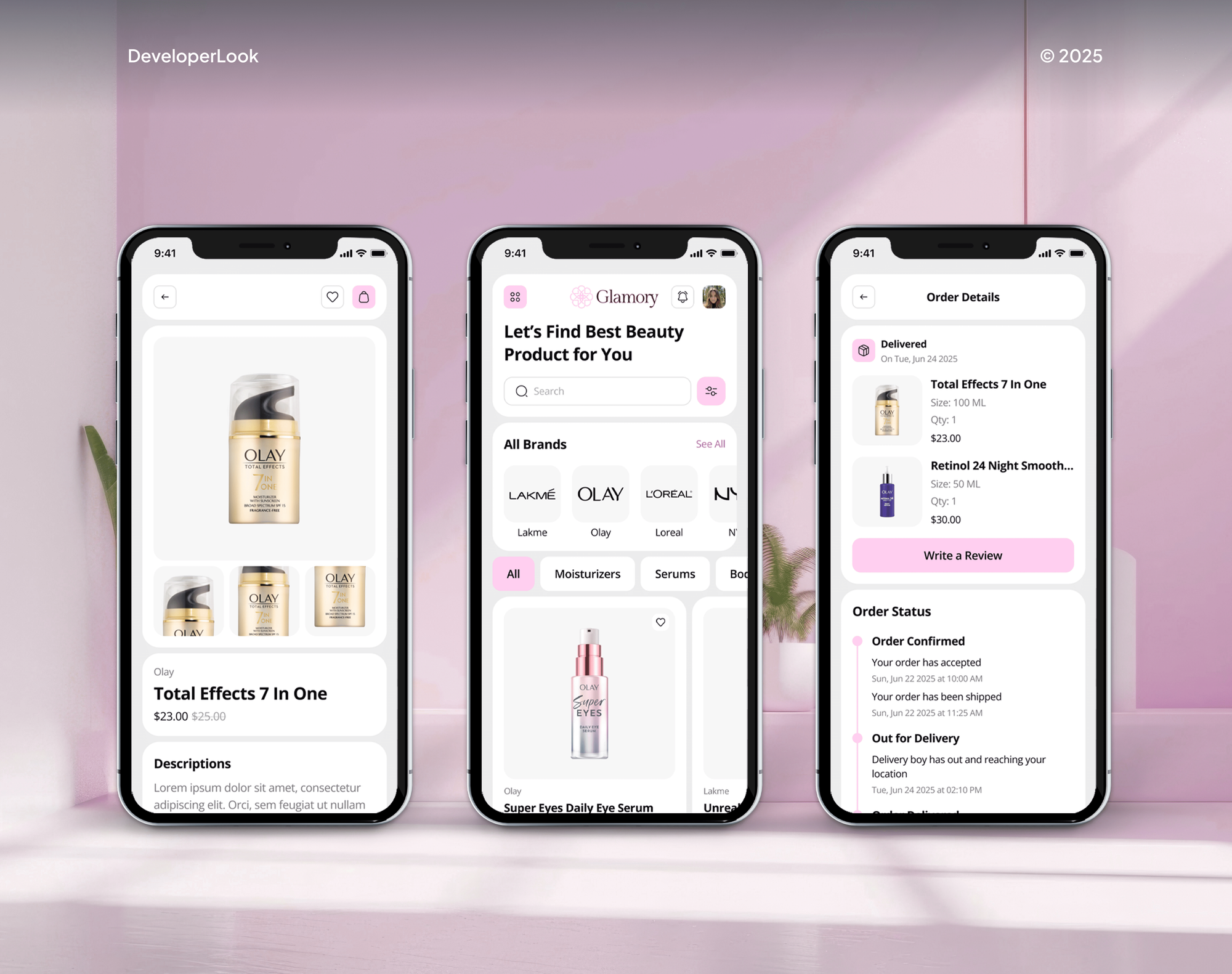
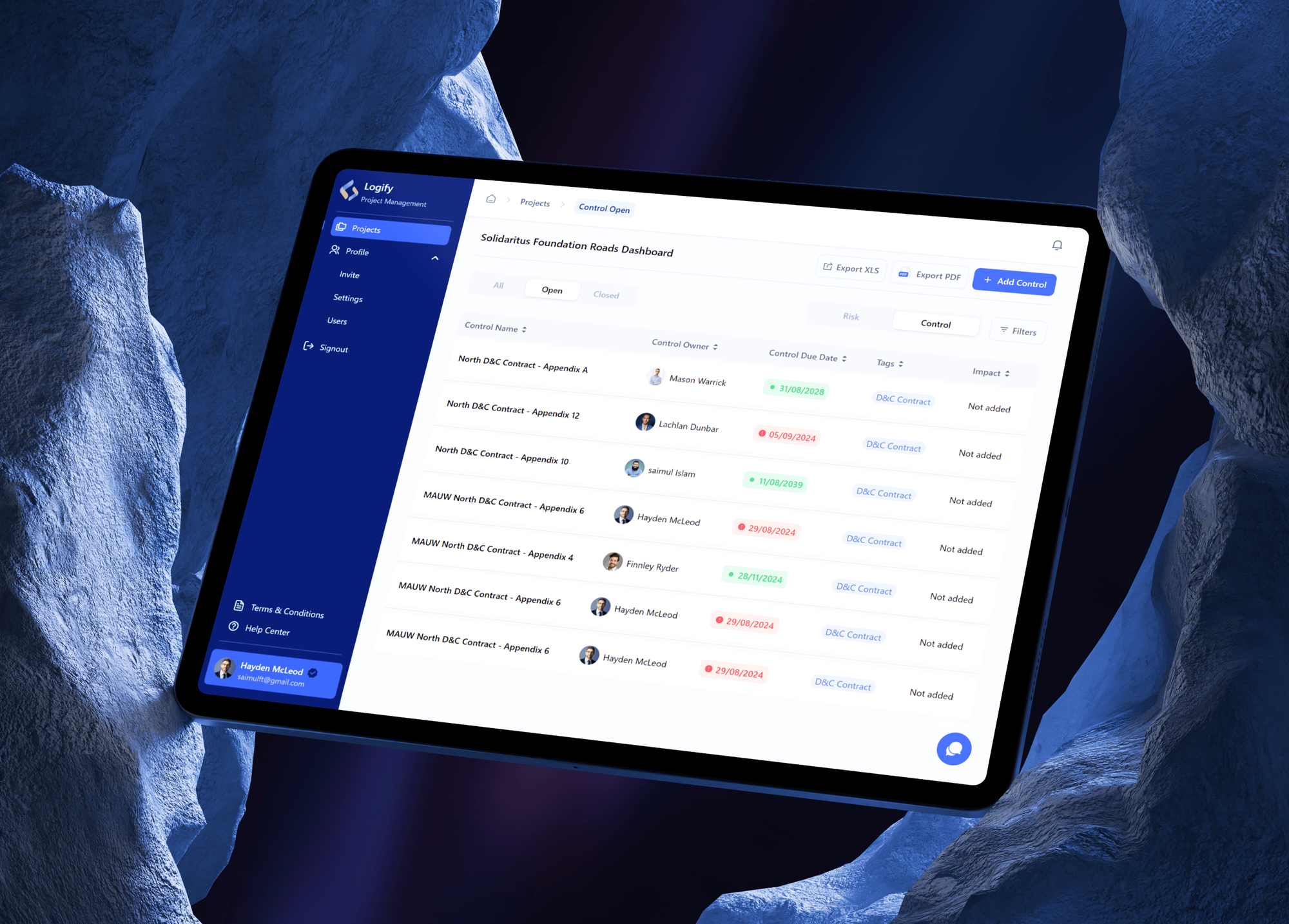
Image-heavy apps and platforms we designed and built, from 360-degree property tours to product galleries. They show our product work, not computer vision builds.
What Our Clients Say
Feedback from teams we have built apps, platforms, and websites for.
We had a pretty specific idea of what we wanted our website to become, but I wasn’t sure how easily we could explain all of it to a development team. There were quite a few moving parts, and we were working toward a deadline, so I expected a few things to get lost along the way. That never really happened. They understood what we were trying to achieve, kept us updated throughout the process, and got everything ready within the agreed timeline. The final site feels much easier to navigate, works beautifully on mobile, and is noticeably smoother for our customers. It was a huge relief seeing the original idea actually turn into the website we had in mind.
The mobile experience is probably my favourite part of the new site. We had spent a lot of time making sure the desktop version looked right, and the team kept pushing us to think about how everything would actually feel on a phone too. They were right. The navigation is clean, the interactions feel natural, and everything we’ve tested so far works exactly as it should. They also went through the links, forms, integrations, and other details more than once before launch, which I really appreciated. And even after going live, we could still reach out when something came up. The whole process felt friendly, organised, and surprisingly straightforward.
What I appreciate most is that the website is actually easy for us to manage now. We can update content ourselves instead of sending a developer a message every time we need to change something small. They also paid attention to the technical SEO side, which mattered to us because we didn’t want a new website to create problems for the traffic we already had. I’ve probably asked more questions than I should have since launch, but every question has been handled patiently and without any fuss. The team is easy to work with, they explain things clearly, and when we need something changed, they focus on getting it done rather than making the process complicated.
1,250+
Projects shipped
10+
Years of experience
Top 3%
Upwork Top Rated Plus
5 stars
Average review score
1,250+
Projects shipped
10+
Years of experience
Top 3%
Upwork Top Rated Plus
5 stars
Average review score

Want results like these?
Tell us what you are building. You get a reply within 24 hours on business days, then a written estimate.
Work Culture
Teams choose computer vision developers who can show the numbers. We share per-class scores, error examples, and the labeling rules behind every model we ship.
We train and score on photos from your cameras, lighting, and angles. Scores on public datasets say little about your production line.
We walk you through the images the model got wrong, class by class. You decide if the error rate is acceptable before launch.
If a cloud vision API already reads your images well, we'll tell you before we quote. Custom training happens only when the test shows it's needed.
We blur faces and plates the task doesn't need and keep images in your cloud. Where biometrics are involved, consent comes before collection.
We measure inference time on the actual camera, phone, or server. A model that's accurate but too slow for the line isn't finished.
Labeled images, model weights, and training code move to your accounts at handover. Your team can retrain or switch vendors later without starting over.
Overview
DeveloperLook provides computer vision development services that prove accuracy on your own images before a full build. Projects cover an image audit, labeling, a trained detection or classification model, per-class scores, and cloud or edge deployment. Feasibility tests start at $1,200 and run 2 to 3 weeks, and the model is yours.
DEVELOPERLOOK
Project facts · Computer Vision Development Services
Reviewed 28 Oct 2026 by Saimul Islam
Good fit
Manufacturers inspecting products for defects
Your inspectors check every part by eye, and you want custom computer vision development services that flag scratches and dents on the line.
Retail and ecommerce teams with big catalogs
You need custom image recognition software development services to tag product photos, spot duplicates, or match items shoppers photograph.
Health and wellness app founders
Your app asks users to photograph skin, food, or posture, and you need computer vision software development services built on expert-labeled images.
Property and insurance teams reviewing photos
Your adjusters or inspectors review thousands of property or vehicle photos, and you want likely damage flagged before a person looks.
Agencies that need vision engineers
Your client wants image recognition inside their app, and you need to hire computer vision developers who deliver under your brand.
Not a fit
Tables, not images
Your data is tables or events, not images or video. Machine Learning Development is the right page for that kind of model.
Text in documents
You mainly need to read invoices, forms, or IDs. Intelligent Document Processing handles text extraction better than a custom vision model.
Face ID without consent
You want to identify people by face without their written consent. Laws such as Illinois BIPA require that consent first, so we won't build it.
Budget under $1,200
Your budget is under $1,200. A cloud vision API from AWS, Google, or Azure may handle common labels at a low per-image price.
Not sure we're the right fit?
Book a free call or message us. We'll tell you honestly whether we're the right team.
Pricing
These are starting points in USD. Your final price depends on your classes, images to label, and where the model runs, and you get a fixed proposal after a free image review.
For Agencies
You own the client relationship. We handle the vision engineering behind it: image audits, labeling, model training, and deployment to a cloud, camera, or phone. Reports carry your brand, and your team leads every client conversation.
White label: your client only ever sees your brand
Send the client's images, the decision to automate, and any privacy limits.
You get feasibility results, a fixed price, and a delivery date.
We deliver the model and the accuracy report under your brand.
Send the client's images, the decision to automate, and any privacy limits.
You get feasibility results, a fixed price, and a delivery date.
We deliver the model and the accuracy report under your brand.
The Right Technology for Your Project
We pick models and hardware by the job: the accuracy you need, speed on the device, and where images may be stored. Everything ships in your accounts.
 PyTorch
 TensorFlow
 Python
 PostgreSQL
 AWS
 Google Cloud
 Microsoft Azure
 Docker
Related Services
Pair vision models with the MCP layer AI tools use, broader machine learning, document reading, AI apps, and the data pipelines that feed them.
This page
Computer Vision Development Services
Pairs with the 6 services around it
FAQ
Straight answers on how vision projects work, cost, data needs, deployment, and choosing a team.
Saimul IslamFounder & CEO, DeveloperLookStill have questions?
Send a message or book a call with the team.
Computer vision development is building software that understands images or video, such as spotting defects, counting items, or reading a scene. Most projects fine-tune proven model families like YOLO on your labeled images rather than inventing new ones. The real engineering is the data, the accuracy testing, and the deployment where the camera is.
You develop a computer vision app in four stages: label images, train and test a model, deploy it, and improve it with new hard cases. For phone apps, the model often runs on the device with Core ML or LiteRT, so photos stay private and results show without a network round trip.
Computer vision development services start at $1,200 for a Vision Feasibility Test on up to 500 of your images. A Production Vision Model with up to 3,000 labeled images is $3,900, and a Vision System Build with several models or a video pipeline starts at $8,400. You get a fixed quote after a free image review.
A feasibility test takes 2 to 3 weeks. A production model usually takes 6 to 10 weeks, and multi-model or video systems take up to 16 weeks. Labeling speed drives the schedule most, so we agree who reviews labels at kickoff and book those review sessions early.
It depends on how many classes you have and how different they look, so we measure instead of guessing. Fine-tuning a pretrained model usually needs hundreds of labeled images per class, not millions. The feasibility test shows how accuracy changes as images are added, which tells you whether more labeling will pay off.
Run it on the device for speed, offline use, or private images, and in the cloud for large models or batches of images. Phones use Core ML or LiteRT, and factory cameras often use an NVIDIA Jetson. We measure speed on the real hardware before choosing.
Look for a team that builds with dermatologist-labeled images and treats medical rules as part of the scope. We build dermatology features with images labeled by your clinical experts and test accuracy across skin tones. We sign a HIPAA business associate agreement when real patient data is involved. If the app diagnoses conditions, FDA medical device rules may apply.
Choose a company that tests on your images before quoting a full build and shows precision and recall per class, not one overall accuracy number. Ask who labels the data, how they handle privacy, where the model will run, and whether you keep the labeled dataset and the model weights.
Build an in-house vision team when vision is your core product and models need weekly work. A development company fits when you need one or two models shipped with labeling, deployment, and monitoring done right. Many teams start with a project, then hire once the model proves its value.
You do: the labeled dataset, model weights, training code, and deployment scripts move to your accounts at handover. Your images stay in your cloud storage during the project. You also get 30 days of fixes and questions after handover, plus a retraining plan so your team can add new images later.
Saimul IslamFounder & CEO, DeveloperLookStill have questions?
Send a message or book a call with the team.
Free 30-min callGoogle Meet
Book a call
In 30 minutes on Google Meet we walk you through how we would build it, how long it takes and what it costs. Then you get a written estimate.
Calendar not showing? Book on cal.com or send a brief.