







Tenants per environment
Separate development and production tenants, configured from one repo with the Deploy CLI or Terraform.

For SaaS and app teams that want Auth0 set up as code, existing users moved over, and business customers signing in through their own SSO.
2tenants
Dev and production kept apart
1repo
Holds every tenant setting
How your project runs
01 · FreeTeams we have built for:














The Problem
It shows up when a staging test locks out real users, a migration forces every customer to reset a password, or an enterprise buyer asks for SAML.
Shared tenant
Development and production share one Auth0 tenant.
Shared tenant
Separate tenants built from the same repo and promoted through code review.
Old Rules
Token logic sits in Rules and Hooks that Auth0 is retiring.
Old Rules
Actions rewritten and tested against every app that reads those claims.
Stuck users
Half your customers still live in the old user table.
Stuck users
Lazy or bulk migration that keeps supported password hashes.
Enterprise SSO
A prospect wants SAML through their own Okta.
Enterprise SSO
Organizations with per-customer SAML or OIDC connections and self-serve setup.
Someone set up Auth0 in a weekend two years ago. Development and production share one tenant, so testing a login change means testing on real customers. The rules that add roles to tokens use a format Auth0 is retiring, and nobody knows which app depends on them. Your old user table still holds half your customers. Now an enterprise prospect wants SAML through their Okta, and every change feels like it could lock everyone out.
We start by splitting your tenants and putting every setting in a repo, so changes go through review. Old Rules and Hooks become Actions, existing users migrate with their passwords where the hash format allows, and each app gets Auth0's SDK for its framework. Business customers get Organizations with their own SAML or OIDC connection. Login changes ship like code, not like a dare.
Tenants managed as code
Development and production tenants built from one repo, so every change is reviewed first.
Migration without mass resets
Users move over through lazy migration or a bulk import that keeps supported password hashes.
Enterprise customers onboarded
Organizations give each business customer its own SAML or OIDC connection and roles.
Our Auth0 Implementation Services Process
You approve the tenant design, the migration path, and each login flow, and you test every change in development before your customers see it.
We look at your apps, your current user database, and who signs in: consumers, business customers, or both. You get an Auth0 plan per app, a monthly active user estimate, and a migration path. If a simpler login library covers you, we'll tell you before we quote.
What's Included
Auth0 tenants built as code, Universal Login on your domain, Actions, user migration, SSO across your apps, and Organizations with enterprise connections for business customers.
Compare Options
Setting up Auth0 yourself is quick for one app, and writing your own login avoids monthly fees. Here is where each approach holds up and where it starts to cost you.
| Feature | DeveloperLookBest fit | DIY setup | Custom auth code |
|---|---|---|---|
| Cost to start | From $900, fixed scope | Your team's time | Weeks of engineering |
| Monthly fees | Auth0's plan, by active users | Auth0's plan, by active users | Hosting only |
| Time to first login | About 1 week | A day or two | Several weeks |
| Dev and production | Separate tenants as code | Often one shared tenant | Your own setup |
| Token logic | Actions, tested per app | Copied from examples | Written and kept by you |
| User migration | Hashes kept where supported | Often forced resets | No migration needed |
| Enterprise SSO | Organizations with self-serve setup | Configured case by case | Built from scratch |
| Security patches | Handled by Auth0 | Handled by Auth0 | Your responsibility |
Projects We've Built
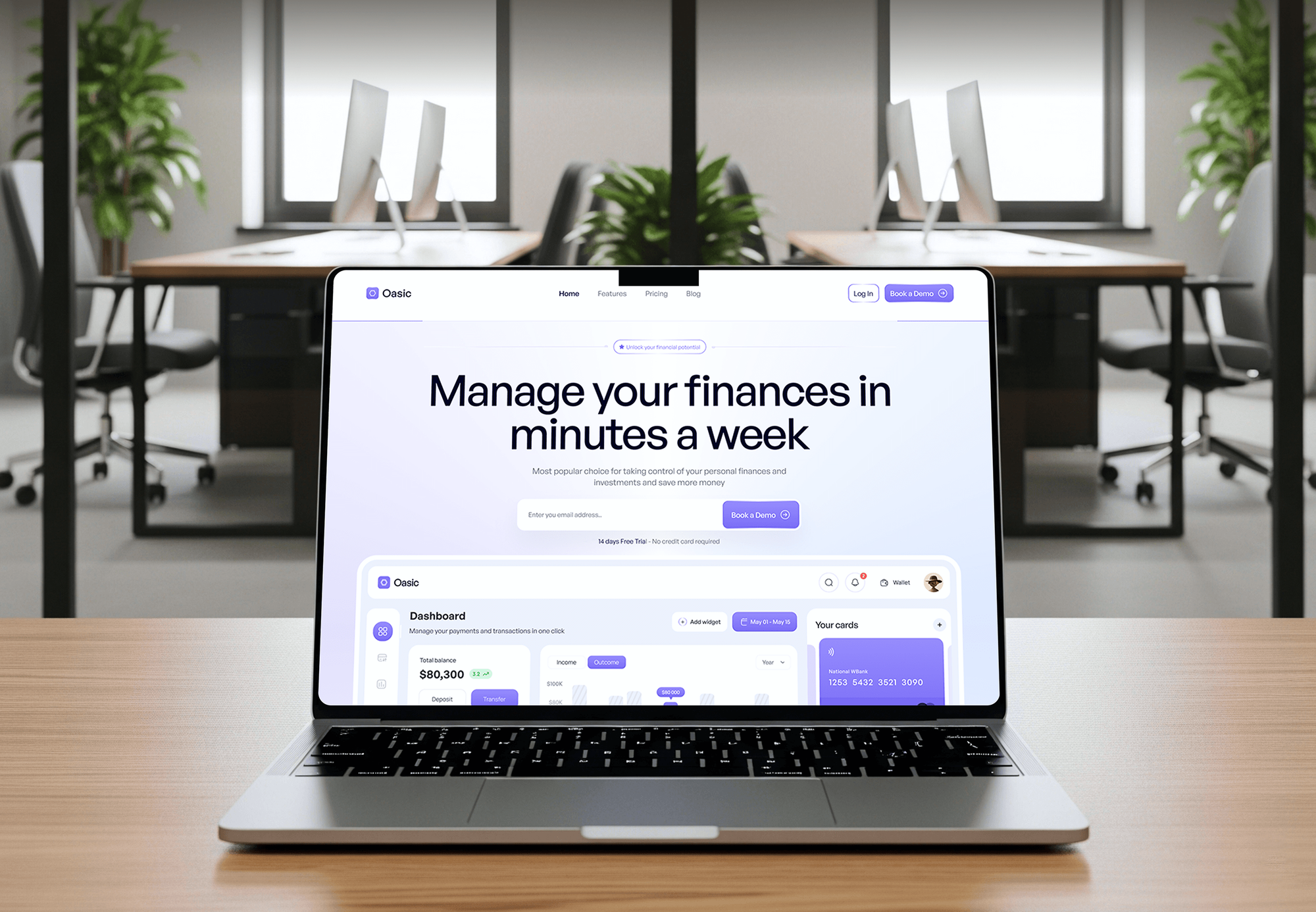
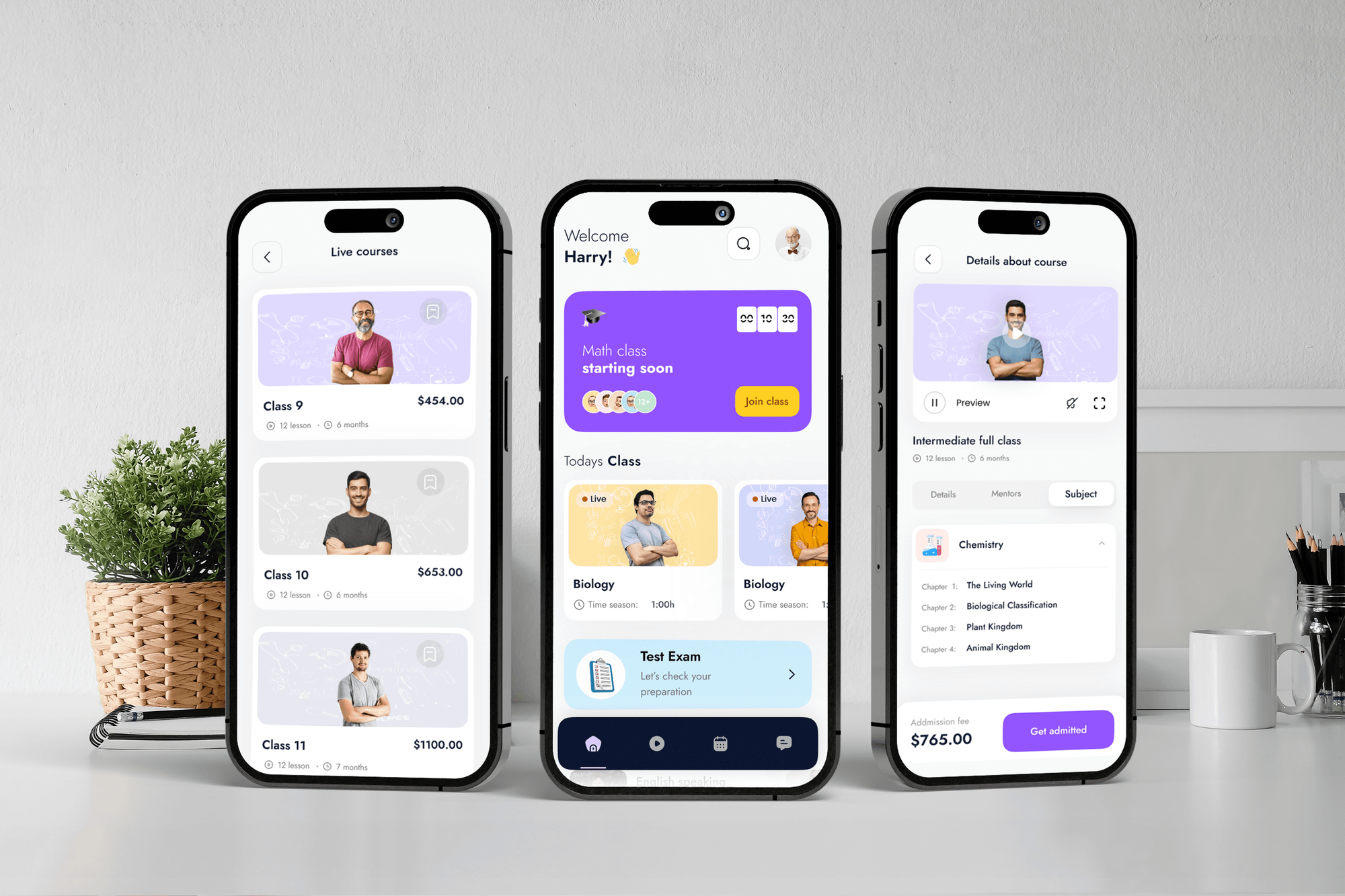
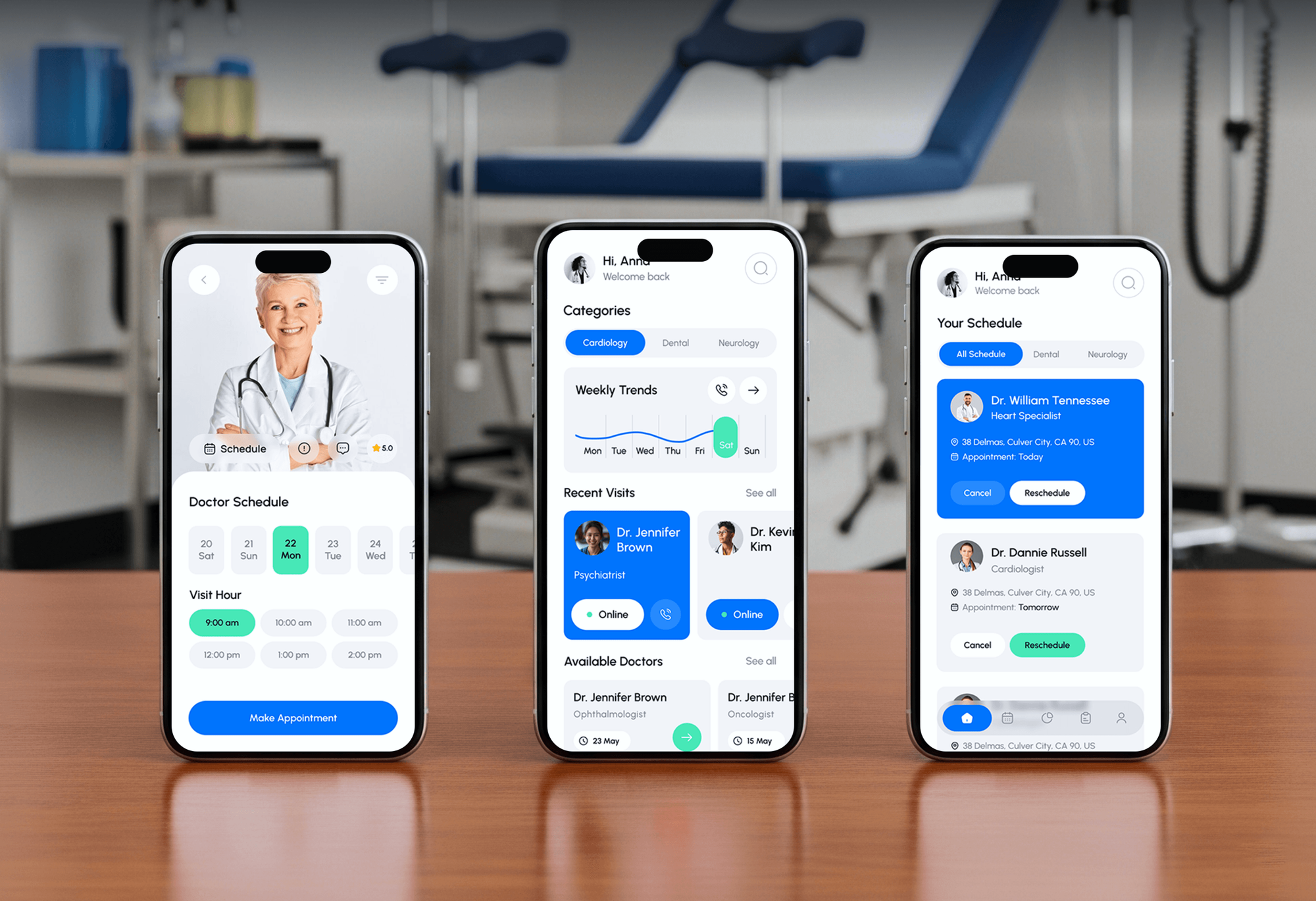
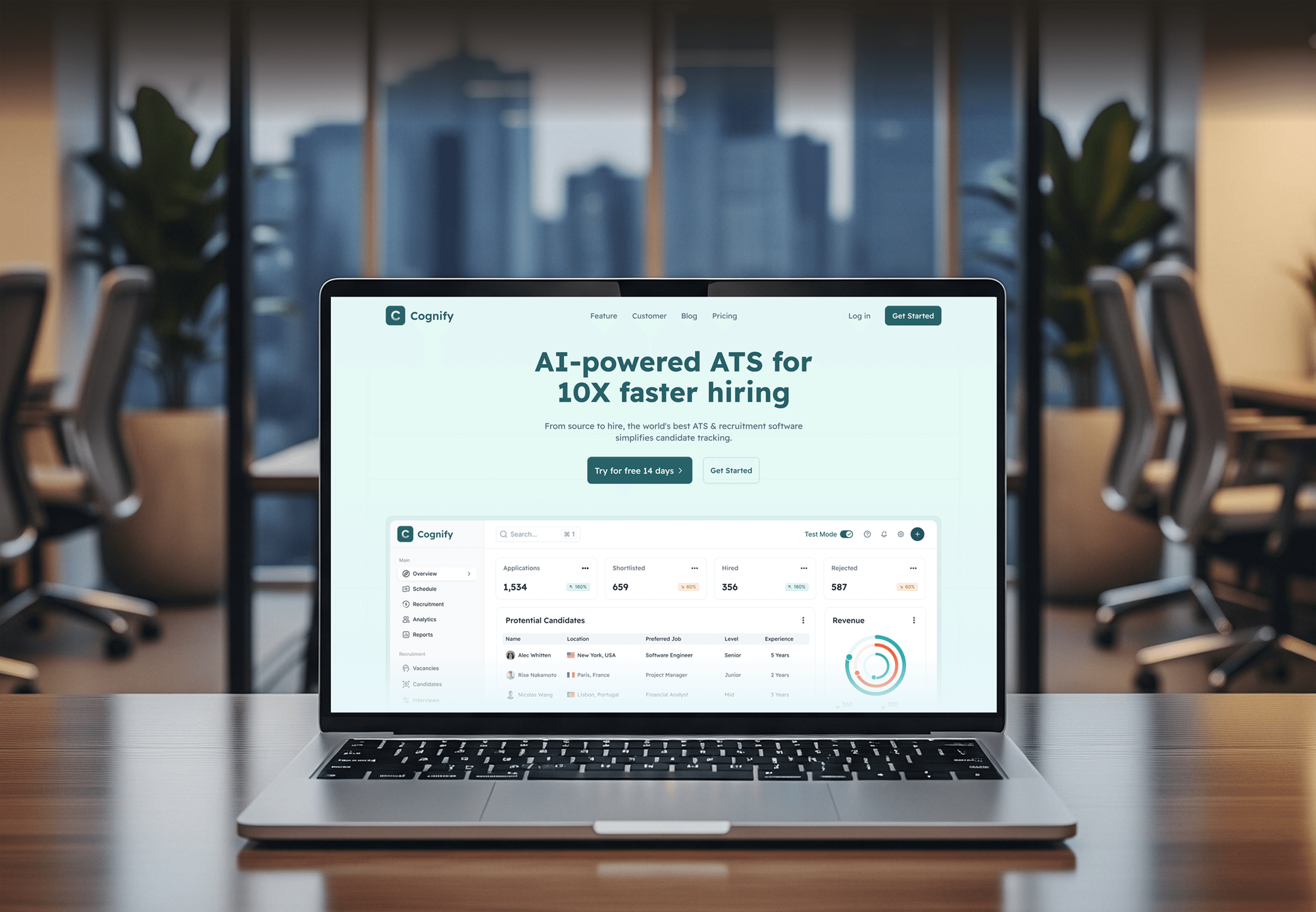
Finance SaaS, e-learning, recruiting, and doctor booking products we designed and built. Products like these need customer sign-up and login that grows with them.
What Our Clients Say
Feedback from teams we have built platforms, apps, and websites for.
We had a pretty specific idea of what we wanted our website to become, but I wasn’t sure how easily we could explain all of it to a development team. There were quite a few moving parts, and we were working toward a deadline, so I expected a few things to get lost along the way. That never really happened. They understood what we were trying to achieve, kept us updated throughout the process, and got everything ready within the agreed timeline. The final site feels much easier to navigate, works beautifully on mobile, and is noticeably smoother for our customers. It was a huge relief seeing the original idea actually turn into the website we had in mind.
The mobile experience is probably my favourite part of the new site. We had spent a lot of time making sure the desktop version looked right, and the team kept pushing us to think about how everything would actually feel on a phone too. They were right. The navigation is clean, the interactions feel natural, and everything we’ve tested so far works exactly as it should. They also went through the links, forms, integrations, and other details more than once before launch, which I really appreciated. And even after going live, we could still reach out when something came up. The whole process felt friendly, organised, and surprisingly straightforward.
What I appreciate most is that the website is actually easy for us to manage now. We can update content ourselves instead of sending a developer a message every time we need to change something small. They also paid attention to the technical SEO side, which mattered to us because we didn’t want a new website to create problems for the traffic we already had. I’ve probably asked more questions than I should have since launch, but every question has been handled patiently and without any fuss. The team is easy to work with, they explain things clearly, and when we need something changed, they focus on getting it done rather than making the process complicated.
1,250+
Projects shipped
10+
Years of experience
Top 3%
Upwork Top Rated Plus
5 stars
Average review score
1,250+
Projects shipped
10+
Years of experience
Top 3%
Upwork Top Rated Plus
5 stars
Average review score

Want results like these?
Tell us what you are building. You get a reply within 24 hours on business days, then a written estimate.
Work Culture
Auth0 implementation services touch every customer login, so we test each change in a separate tenant before it reaches production.
Every tenant setting lives in your repo and ships through pull requests. Nobody edits production login rules in the dashboard on a Friday.
Every Action, connection, and branding change runs in your development tenant before production. Your real customers aren't the test group for a login change.
We read your current hash format before planning the migration. Supported hashes move over, so customers keep signing in with what they know.
Auth0 prices by monthly active users. We show you how your login design affects that count before you commit to a plan.
Rules and Hooks are deprecated in favor of Actions. We move your logic over now, so a future removal date can't break sign-in.
Your tenants, repo, and runbook stay yours after handover. Any developer who knows Auth0 can pick up where we left off.
Overview
DeveloperLook handles Auth0 implementation for SaaS and customer-facing apps. We build separate tenants as code, put Universal Login on your domain, and move Rules and Hooks to Actions. Existing users migrate, and business customers get SSO through Organizations. Projects start at $900 and take 1 to 6 weeks.
DEVELOPERLOOK
Project facts · Auth0 Implementation Services
Reviewed 26 Oct 2026 by Saimul Islam
Good fit
SaaS teams starting on Auth0
You chose Auth0 to avoid writing login code, and you want tenants, connections, and Actions set up properly before your first 1,000 users arrive.
Teams with a messy Auth0 tenant
Your Auth0 implementation grew by hand, development shares a tenant with production, and old Rules still add the roles every API checks.
Products moving off homegrown login
You're replacing your own password table with Auth0 and need existing customers to keep signing in without a forced reset email.
B2B SaaS facing enterprise buyers
Your enterprise prospects want an Auth0 SAML integration with their own identity provider, set up by their IT team instead of yours.
Django and Python teams
Your Django app needs Auth0 login, and you want the Authlib setup, sessions, and role checks done once and documented.
Not a fit
Staff access to company apps
You want your own employees signing in to internal tools through Okta. Our Okta integration services cover that workforce access.
SSO built into your code
You'd rather own SAML and OIDC in your codebase with no per-user fees. Our SSO integration services build it on your servers.
Sign in with Google only
You only need Google or Apple sign-in buttons on one site. Our social login integration service covers that for less.
Budget under $900
Your budget is under $900 and one app needs basic login. Auth0's own quickstart for your framework may be enough to start.
Not sure we're the right fit?
Book a free call or message us. We'll tell you honestly whether we're the right team.
Pricing
These are starting points in USD. Your final price depends on how many apps share Auth0, whether existing users migrate, and whether business customers need their own connections, and you get a fixed proposal after a free Auth0 review.
For Agencies
You own the client relationship. We supply the Auth0 engineering in your client's product: tenants as code, Universal Login, Actions, migration, and enterprise connections. It's delivered under your brand while your team stays on features.
White label: your client only ever sees your brand
Send the apps, frameworks, user count, and any enterprise SSO requests.
You get a tenant plan, a migration path, and a fixed price under your brand.
We ship through your repo and hand over a runbook carrying your branding.
Send the apps, frameworks, user count, and any enterprise SSO requests.
You get a tenant plan, a migration path, and a fixed price under your brand.
We ship through your repo and hand over a runbook carrying your branding.
The Right Technology for Your Project
Auth0's SDKs for your framework and marketplace Auth0 integrations where they fit, Actions for token logic, and the Deploy CLI or Terraform for versioned settings.
Related Services
Auth0 sits beside single sign-on, OAuth token work, passwordless login, and workforce identity. These services cover the rest of your login stack.
This page
Auth0 Implementation Services
Pairs with the 6 services around it
FAQ
Straight answers on Auth0 SSO, Django, SAML, user migration, self-service SSO, retired Rules, and cost.
Saimul IslamFounder & CEO, DeveloperLookStill have questions?
Send a message or book a call with the team.
Auth0 SSO is single sign-on handled by Auth0: a customer signs in once and reaches every app connected to the same tenant. Auth0 keeps one session on its own domain with a browser cookie, so other apps skip the login screen. It also covers Auth0 SSO integrations with business customers, who sign in through their own identity provider.
You integrate with Auth0 by registering your app in an Auth0 tenant, adding the SDK for your framework, and sending users to Universal Login. Auth0 returns tokens after sign-in, and your app reads each user's roles from them. A solid Auth0 integration also keeps development and production tenants apart, with settings in code.
Auth0 implementation starts at $900 at DeveloperLook for one app on Universal Login with social connections, MFA, and separate tenants. The $2,400 plan adds SSO across 3 apps, Actions, user migration, and a custom domain. The $4,950 plan adds Organizations, enterprise connections, and self-service setup. Auth0's own plan, priced by monthly active users, is separate.
An Auth0 SSO setup takes 1 to 2 weeks for one app. Migrating existing users or adding Organizations stretches it to 3 to 6 weeks. Migration planning takes longest, because we test real password hashes before switching anyone. Promoting tenant settings through code keeps launch day short.
You integrate Auth0 with Django through the Authlib library, which Auth0's own Django quickstart uses. Authlib handles the redirect to Universal Login and the token exchange, and Django keeps the user in its session. We add role checks from token claims, a logout that clears both sessions, and tests for each protected view.
Auth0 SSO between applications works through one tenant and one session. When a customer signs in to your first app, Auth0 sets a session cookie on its domain. Your second app redirects to Auth0, finds that session, and gets tokens without a password prompt. Each app still checks its own tokens and roles.
An Auth0 SAML integration works in one of two directions. As a service provider, Auth0 accepts a business customer's SAML identity provider through an enterprise connection. As an identity provider, Auth0 signs users into a SAML-only app through its SAML2 Web App addon. We set up and test whichever direction your customers need.
Yes. Auth0's Self-Service Single Sign-On lets you send a customer's IT admin a setup link that expires after 5 days. They configure their SAML or OIDC connection in a guided assistant, and it attaches to their Organization in your tenant. Enterprise onboarding then stops waiting on your engineers.
Yes, when your current password hashes use a format Auth0 supports, such as bcrypt, argon2, or PBKDF2. Users move in a bulk import that keeps their hashes, or lazily at their next sign-in through a custom database connection. Unsupported formats need a reset, so we check yours during the free review.
Auth0 Rules and Hooks are deprecated, and Actions replace them. Tenants created since October 2023 can't use them, and Auth0 has announced their removal without a final date. We rewrite each Rule or Hook as an Action, test it against every app that reads its claims, then retire the old version.
Saimul IslamFounder & CEO, DeveloperLookStill have questions?
Send a message or book a call with the team.
Free 30-min callGoogle Meet
Book a call
In 30 minutes on Google Meet we walk you through how we would build it, how long it takes and what it costs. Then you get a written estimate.
Calendar not showing? Book on cal.com or send a brief.