
SAML 2.0 and OIDC support
Your app accepts both enterprise protocols, so each customer uses the one their IT team prefers.

For B2B SaaS and web app teams whose customers want to sign in with Okta, Entra ID, or Google Workspace instead of another password.
3IdPs
Okta, Entra ID, and Google Workspace tested
JIT
Accounts created at first company sign-in
How your project runs
Teams we have built for:














The Problem
It shows up in the security review, or when a customer's IT team asks why their staff still need a separate password for your product.
01 · Password only
Enterprise buyers can't use their company login.
SAML 2.0 and OIDC let each customer sign in through their own IdP.
02 · Manual setup
Engineers swap metadata files over email for days.
Customer admins upload metadata and test the connection themselves.
03 · Certificate expiry
A rotated IdP certificate quietly breaks a customer's login.
Expiry dates are stored, and your team is alerted before they lapse.
04 · New accounts
Admins create each user by hand before first login.
Accounts are created on first sign-in with roles from IdP attributes.
Your product wins the evaluation, then the buyer's IT team asks one question: does it support SAML with Okta? Today your app only knows email and password. The engineer who tried it last quarter connected one customer after days of swapping metadata files, and that connection broke when the customer's certificate rotated. Staff at your biggest account share a spreadsheet of passwords for your app. Every new enterprise deal now waits on a feature nobody owns.
We start with your user model and tenancy, then add SAML 2.0 and OpenID Connect behind one login flow. Each customer gets its own connection, set up from a page their IT admin can use. Users type a work email and land on their company login, accounts appear on first sign-in, and certificates get watched. The next security review gets a yes, not a delay.
Company login, first try
Users type their work email and go straight to their company's sign-in page.
Setup without tickets
Customer IT admins connect and test their identity provider from your settings page.
No lockouts
A break-glass login and certificate alerts keep customers in when an identity provider fails.
Our SSO Integration Services Process
You approve the protocols, account rules, and test matrix, and you see every identity provider connect before a customer does.
Adding SSO to website and app logins starts with your user model, tenancy, and the identity providers your customers use. You get a protocol plan. If a hosted login already covers your case, we'll tell you before we quote.
What's Included
SAML and OIDC sign-in in your app, per-customer connections, a self-serve setup page, accounts created on first login, emergency access, and tests against the IdPs your buyers use.
Compare Options
A hosted vendor gets the first connection live in days, and an open-source library costs nothing. Here is where each one fits and where it starts to cost you.
| Feature | DeveloperLookBest fit | SSO as a service | DIY with a library |
|---|---|---|---|
| Monthly fees | None after launch | Per connection fees | None |
| First connection live | 1 to 2 weeks | Days if already integrated | Depends on library experience |
| Customer setup page | Built into your app | Vendor-hosted admin portal | Usually missing |
| Protocols | SAML 2.0 and OIDC | Both, through the vendor | Whatever the library supports |
| Edge cases | Certificates, clock skew, IdP-initiated | Handled by the vendor | Found in production |
| Break-glass login | Planned from day one | Your responsibility | Often forgotten |
| Where logins run | Your servers | Through the vendor | Your servers |
| Switching later | Standard code you own | A migration project | Rewrite likely |
Projects We've Built
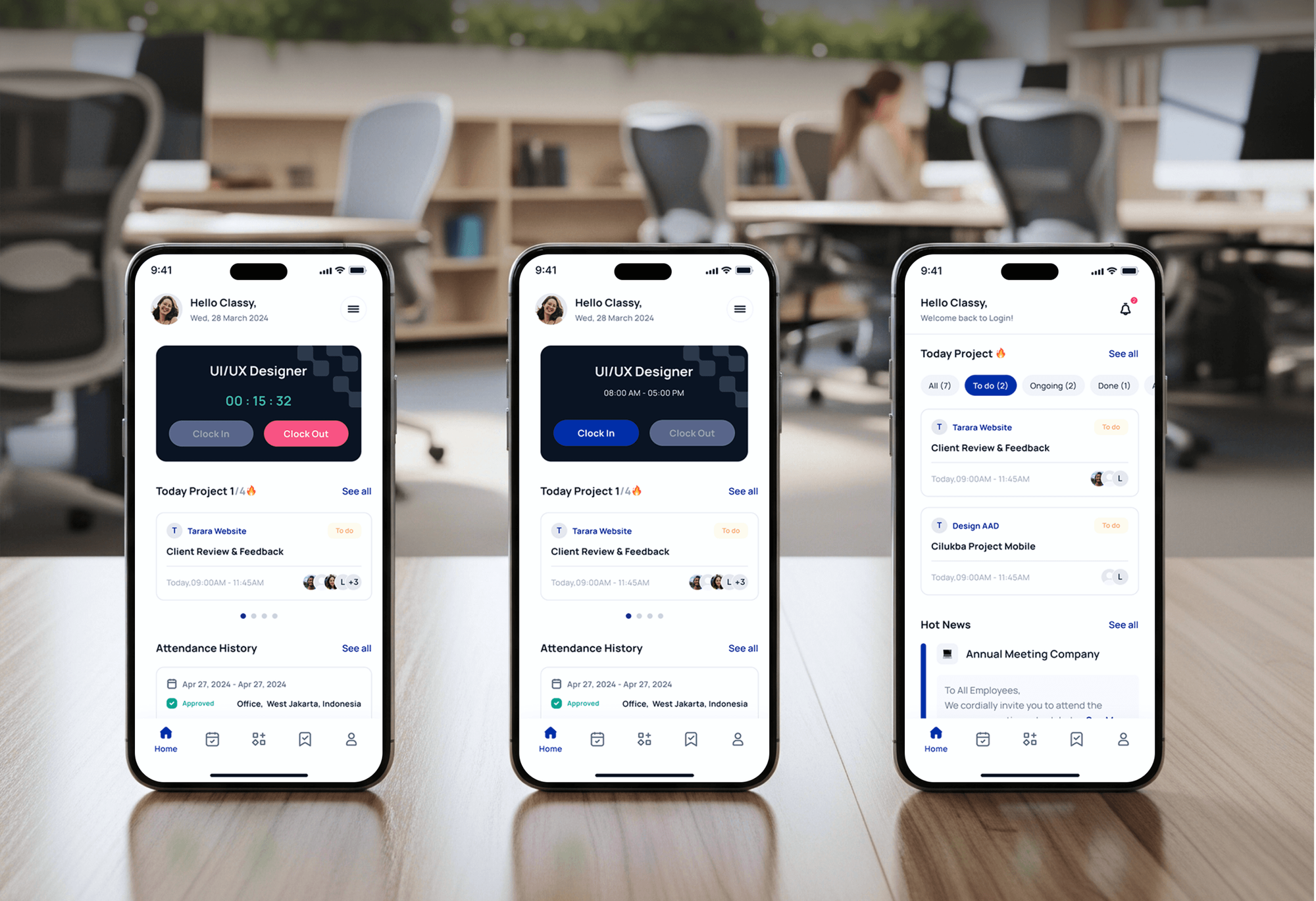
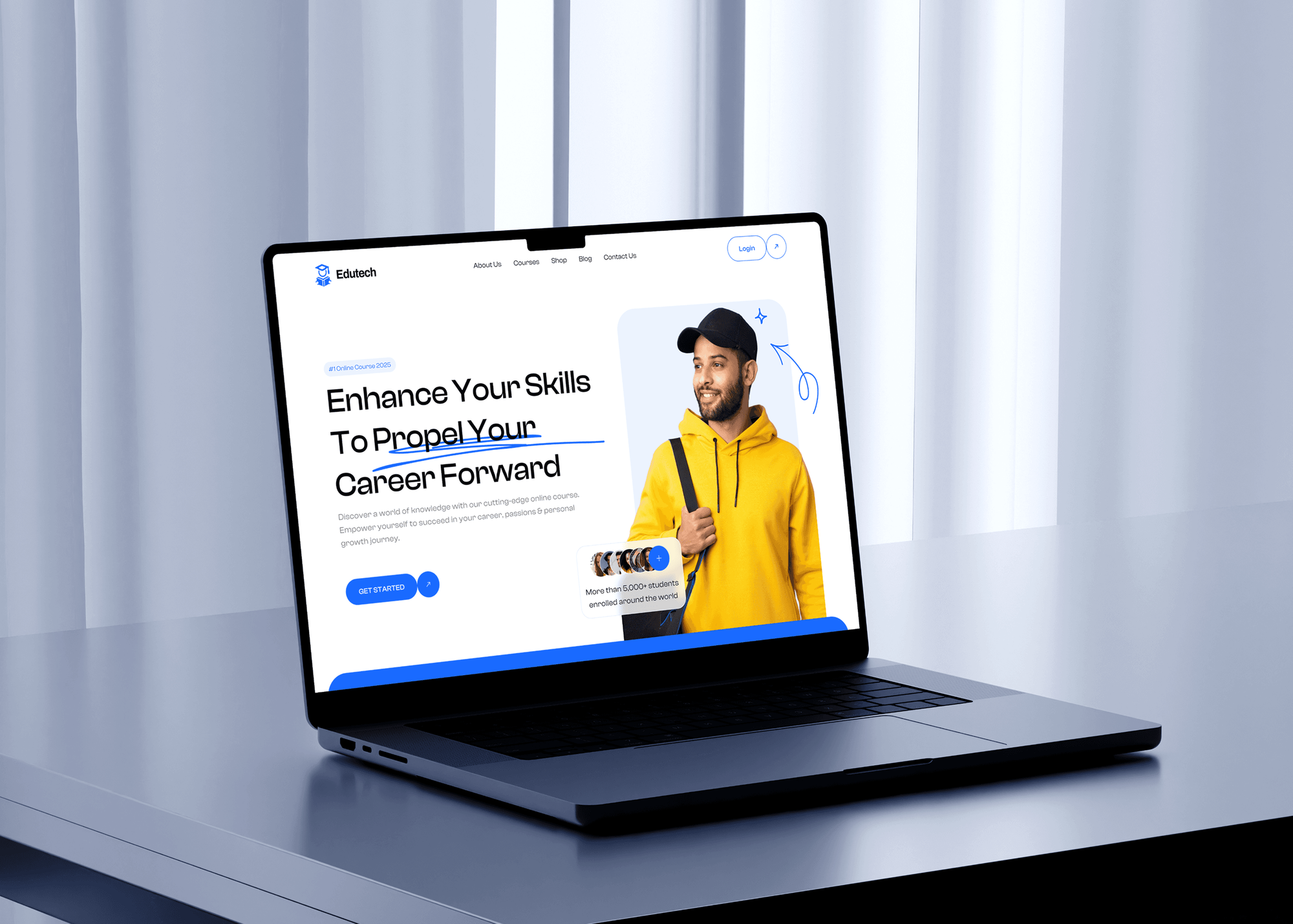
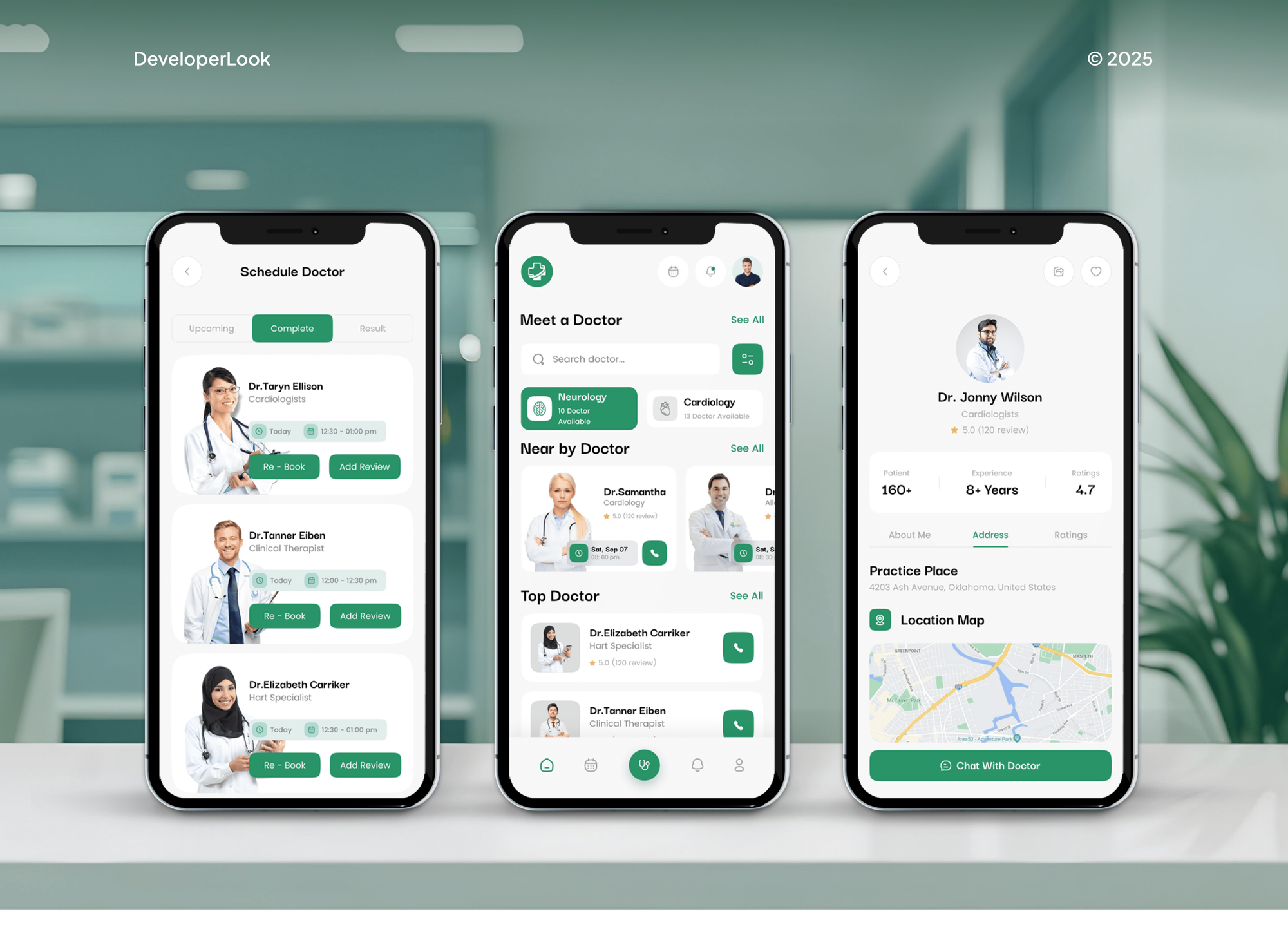
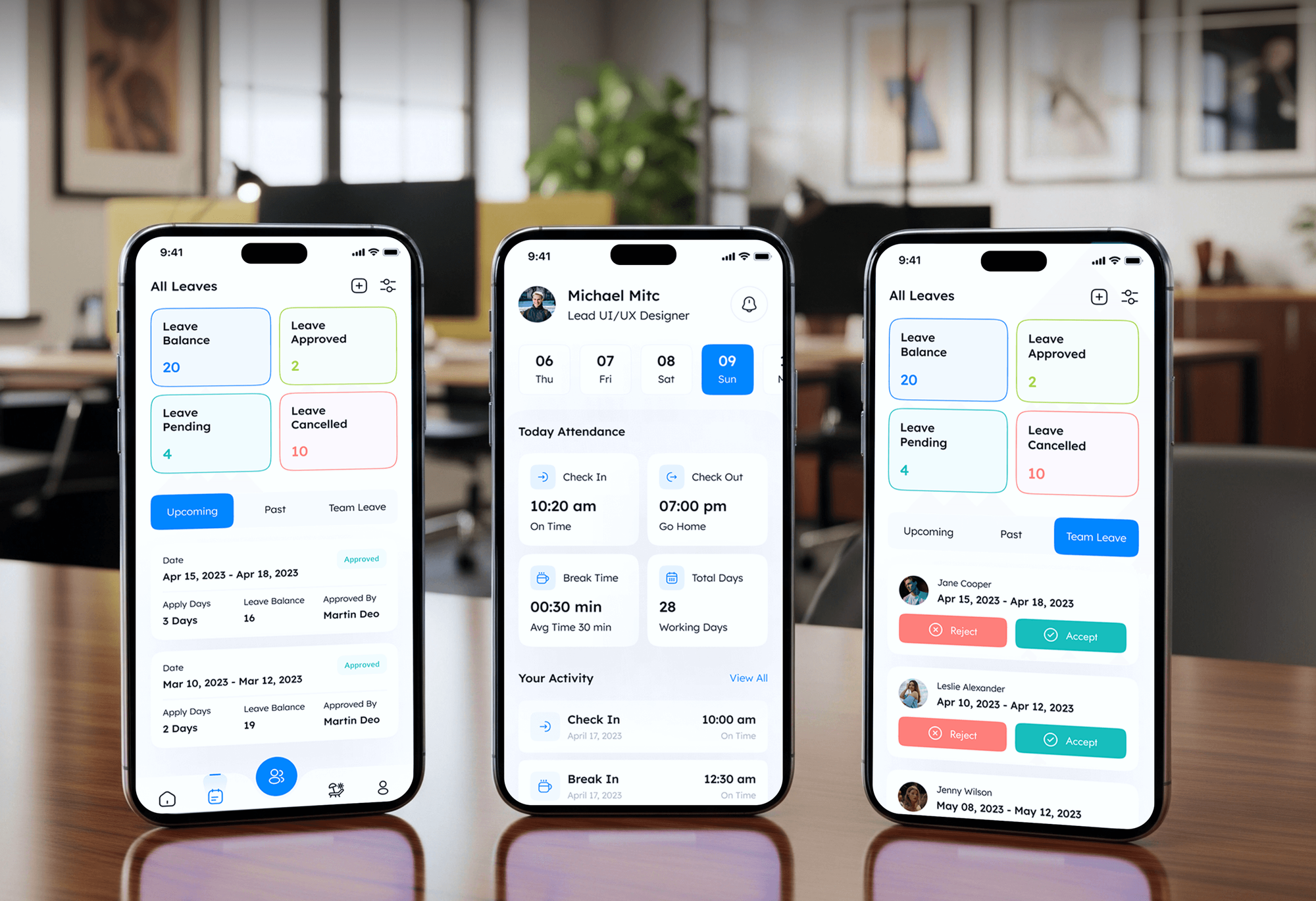
HR, staffing, learning, and medical apps with company accounts that we designed and built. Products like these are the ones business customers want behind their own login.
What Our Clients Say
Feedback from teams we have built platforms, apps, and websites for.
We had a pretty specific idea of what we wanted our website to become, but I wasn’t sure how easily we could explain all of it to a development team. There were quite a few moving parts, and we were working toward a deadline, so I expected a few things to get lost along the way. That never really happened. They understood what we were trying to achieve, kept us updated throughout the process, and got everything ready within the agreed timeline. The final site feels much easier to navigate, works beautifully on mobile, and is noticeably smoother for our customers. It was a huge relief seeing the original idea actually turn into the website we had in mind.
The mobile experience is probably my favourite part of the new site. We had spent a lot of time making sure the desktop version looked right, and the team kept pushing us to think about how everything would actually feel on a phone too. They were right. The navigation is clean, the interactions feel natural, and everything we’ve tested so far works exactly as it should. They also went through the links, forms, integrations, and other details more than once before launch, which I really appreciated. And even after going live, we could still reach out when something came up. The whole process felt friendly, organised, and surprisingly straightforward.
What I appreciate most is that the website is actually easy for us to manage now. We can update content ourselves instead of sending a developer a message every time we need to change something small. They also paid attention to the technical SEO side, which mattered to us because we didn’t want a new website to create problems for the traffic we already had. I’ve probably asked more questions than I should have since launch, but every question has been handled patiently and without any fuss. The team is easy to work with, they explain things clearly, and when we need something changed, they focus on getting it done rather than making the process complicated.
1,250+
Projects shipped
10+
Years of experience
Top 3%
Upwork Top Rated Plus
5 stars
Average review score

Want results like these?
Tell us what you are building. You get a reply within 24 hours on business days, then a written estimate.
Work Culture
SSO integration services decide who gets into your product, so we test every identity provider path and plan the way back in when one fails.
We support SAML 2.0 and OpenID Connect behind one login flow. Adding a customer on either protocol is configuration, not a new project.
Customer IT teams set up and test their own connection from your settings page. Your engineers stop trading metadata files over email.
SAML signing certificates expire on a schedule. We store their dates and alert your team before an expired one breaks a customer's login on a Monday morning.
Every tenant keeps a break-glass admin login outside single sign-on. An identity provider outage becomes an inconvenience, not a lockout.
Our SSO implementation best practices come from the OASIS SAML 2.0 and OpenID Connect specifications and tests against real identity providers. Provider-specific shortcuts stay out.
Sign-in runs on your servers with code in your repository. There are no per-connection fees and nothing to migrate if you change vendors.
Overview
DeveloperLook builds SSO integration into web apps and SaaS products so customers sign in through Okta, Microsoft Entra ID, or Google Workspace. We add SAML 2.0 and OIDC, per-customer connections, a self-serve setup page, and just-in-time accounts. Projects start at $950, take 1 to 6 weeks, and run on your own servers.
DEVELOPERLOOK
Project facts · SSO Integration Services
Reviewed 23 Oct 2026 by Saimul Islam
Good fit
B2B SaaS teams in enterprise deals
Your enterprise prospect requires SAML login through Okta before signing, and your app only supports email and password today.
Products with many customer IdPs
Your customers use Okta, Microsoft Entra ID, and Google Workspace, and each new connection costs your engineers days of back-and-forth.
Companies with several internal apps
You run several internal web apps with separate logins and want SSO authentication through the company identity provider you already pay for.
Teams weighing hosted SSO
You're comparing SSO as a service from a hosted platform with building it in, and want an honest view of fees and control.
Agencies building client portals
Your client wants their staff to reach a new portal with existing Microsoft or Google work accounts, and you need the login built properly.
Not a fit
Consumer sign-in buttons
You want shoppers or members to sign in with Google or Apple. That's consumer sign-in, covered by our social login integration service at a lower price.
Automatic user provisioning
You need users created and removed from the customer's directory, not only signed in. Pair this page with our SCIM provisioning service for SaaS apps.
Staff access to bought apps
You want your own staff signing in once to Salesforce, Slack, and other tools you buy. Our identity and access management services cover that.
Budget under $950
Your budget is under $950 and only one customer is asking. A hosted login service with built-in enterprise connections may be the cheaper start.
Not sure we're the right fit?
Book a free call or message us. We'll tell you honestly whether we're the right team.
Pricing
These are starting points in USD. Your final price depends on how many apps and customer connections you need and whether SSO runs across several products. You get a fixed proposal after a free SSO review.
For one app adding SAML or OIDC login for its first enterprise customer or its own staff.
$950one-time, USD
For B2B SaaS products connecting many customers, each with its own identity provider.
$2,600one-time, USD
For companies running several products that need one login and one session across them.
$5,300one-time, USD
For Agencies
You own the client relationship. We build the enterprise login layer behind it: SAML and OIDC connections, setup pages, and identity provider tests in your client's product. Your team stays on features while enterprise login gets done properly.
White label: your client only ever sees your brand
Send the stack, tenancy model, and which identity providers the client's buyers use.
You get a connection plan, a test matrix, and a fixed price under your brand.
We ship through your repo with customer setup guides under your brand.
You run the client calls while we build quietly under your brand.
Clients answer the single sign-on question in security reviews without a rewrite.
Pull requests that follow your conventions and your test setup.
Add a login sprint without hiring an identity engineer of your own.
The Right Technology for Your Project
Maintained SAML and OIDC libraries in your own stack, tested against the identity providers enterprise buyers actually run.
FAQ
Straight answers on how SSO is implemented, SAML versus OAuth, providers, best practices, and cost.
Saimul IslamFounder & CEO, DeveloperLookStill have questions?
Send a message or book a call with the team.
SSO integration starts at $950 at DeveloperLook for SAML or OIDC login in one app, tested with Okta, Entra ID, and Google Workspace. The $2,600 plan adds per-customer connections, a self-serve setup page, and email-domain routing. The $5,300 plan runs one login across up to 5 apps with an MFA policy. You get a fixed quote after a free SSO review.
An SSO rollout takes 1 to 2 weeks for one connection and 3 to 6 weeks for multi-tenant SSO with a setup page. Most of the time goes into account matching, role mapping, and identity provider testing, not the login screen. After launch, new customers connect from the settings page without engineering work.
SSO integration is the work of connecting your app to identity providers so users sign in with their company account. It covers the protocol (SAML 2.0 or OpenID Connect), account matching, role mapping, and the admin setup each customer needs. Done well, adding a new customer becomes a settings change rather than an engineering ticket.
You register your app as a service provider with an identity provider, then trust its signed responses for login. In practice: pick SAML 2.0 or OpenID Connect, exchange metadata, map attributes to accounts, test, then enforce it per customer. We add a break-glass login before enforcement, so a misconfigured identity provider can't lock everyone out.
For a company's own apps, it means connecting each app to the identity provider staff already use. Apps that support SAML or OIDC get set up as enterprise applications in Entra ID, Okta, or Google Workspace. Custom web apps need login code added. Older apps without either protocol may need a gateway or a password vault.
In a web application, single sign-on needs a service provider library, a callback endpoint, and a session created after the identity provider's response is verified. The library checks a SAML assertion's signature, audience, and timestamps, or an OIDC ID token's issuer and nonce. Your app then matches or creates the user and sets a secure session cookie.
An SSO provider, or identity provider, is the service that verifies users and vouches for them to other apps. Okta, Microsoft Entra ID, and Google Workspace are common choices in companies. Your app is the service provider: it trusts the identity provider's signed message instead of checking a password itself.
Not on its own: OAuth 2.0 handles authorization, so SSO needs OpenID Connect, the identity layer built on top of it. OIDC adds an ID token stating who the user is, which makes it a modern alternative to SAML. Many enterprise customers still ask for SAML, so most B2B apps support both protocols.
SSO is implemented as a redirect handshake between your app and the identity provider. Your app sends the user to the provider with a sign-in request. The provider signs them in, often with MFA, and returns a signed SAML assertion or an OIDC code. Your app verifies it and creates a session, with no password typed into your app.
You exchange metadata with the customer's identity provider. Your entity ID and assertion consumer service URL go to them, and their signing certificate and login URL come to you. Your app then validates each assertion's signature, issuer, audience, and time window. We also store the certificate's expiry date, because an expired certificate breaks every login for that customer.
Saimul IslamFounder & CEO, DeveloperLookStill have questions?
Send a message or book a call with the team.
Free 30-min callGoogle Meet
Book a call
In 30 minutes on Google Meet we walk you through how we would build it, how long it takes and what it costs. Then you get a written estimate.
Calendar not showing? Book on cal.com or send a brief.