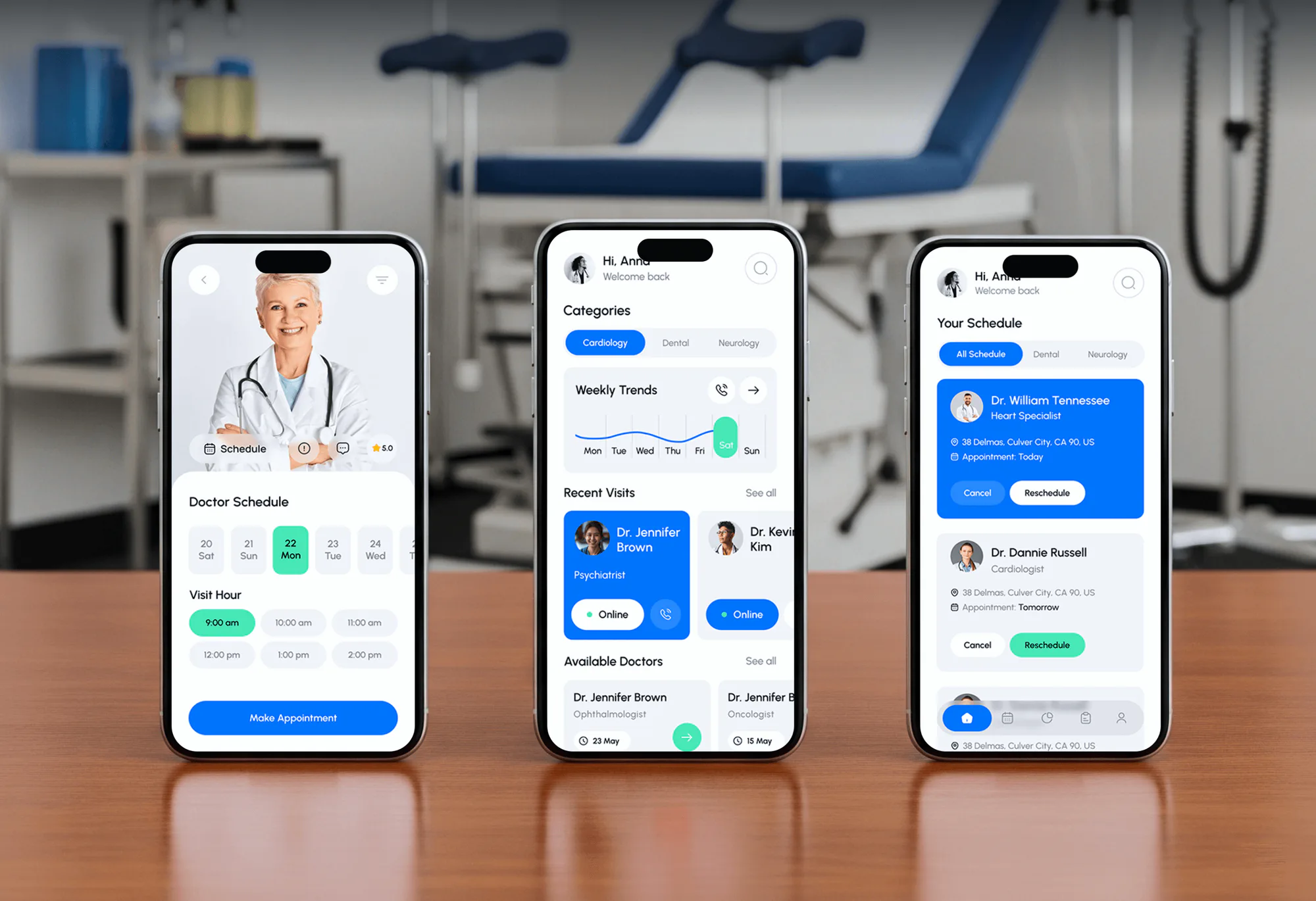
DocLink Doctor Booking App Design & Development
- Business
- Medical
- Booking System

For small CROs, site networks, and sponsors: one study operations system for sites, enrollment, visits, and payments, beside the EDC you use. From $1,200.
24/7
Live enrollment view by site
100%
Visits checked against protocol windows
How your project runs
01 · FreeIndustry leaders we work with
 Python
 Node.js
 React
 PostgreSQL
 Twilio SMS reminders
 AWS
 Microsoft Azure
 Docker
 Power BI
The Problem
It shows at every sponsor update. Enrollment lives in one spreadsheet, visit schedules in another, monitoring findings in email, and site payments in finance's own tracker.
Enrollment counts
Each site reports enrollment in a different format.
Enrollment counts
Sites enter screening and enrollment in one system that rolls up by site.
Visit windows
Rescheduled visits drift outside protocol windows unnoticed.
Visit windows
Windows recalculate from each participant's anchor date and flag visits at risk.
Monitoring findings
Monitoring findings live in email with no due dates.
Monitoring findings
Monitoring reports carry action items with owners, due dates, and closure notes.
Site payments
Sites wait weeks to be paid for completed visits.
Site payments
Completed visits create payment lines that finance approves in one batch.
Your sponsor update is this morning, and the enrollment numbers don't match. One coordinator updated the shared tracker, another emailed a screenshot, and a third site hasn't replied. A participant's follow-up visit drifted outside its window because nobody recalculated the schedule after a reschedule. Monitoring findings sit in a monitor's inbox with no due dates. Finance pays sites from yet another sheet, so a completed visit waits weeks for payment and the site coordinator stops answering your emails.
We start with your protocol's schedule of activities and your site list. Then we build one study operations system: site activation checklists, enrollment by site, and visit windows calculated from each participant's anchor date. Monitoring reports carry action items, and completed visits trigger site payments. Clinical data stays in your EDC, linked by subject ID instead of copied. Your sponsor update becomes a live dashboard rather than a weekend of reconciling trackers.
Visit windows from the protocol
Each participant's schedule follows your schedule of activities and updates when a visit moves.
Live enrollment by site
Screening, enrollment, and screen failures roll up by site, so sponsor updates come from one source.
Linked to your EDC, not copied
Subject IDs and visit status sync through your EDC's API or exports, while clinical data stays put.
Our Clinical Trial Software Development Process
You approve the protocol mapping before design and test every workflow with your study team. Your quality team runs acceptance testing before the first live study goes in.
We review your current trackers, a sample protocol, your EDC, and how sites and sponsors report today. You get a gap list, the systems to connect, and a written scope your quality team can review.
Projects We've Built
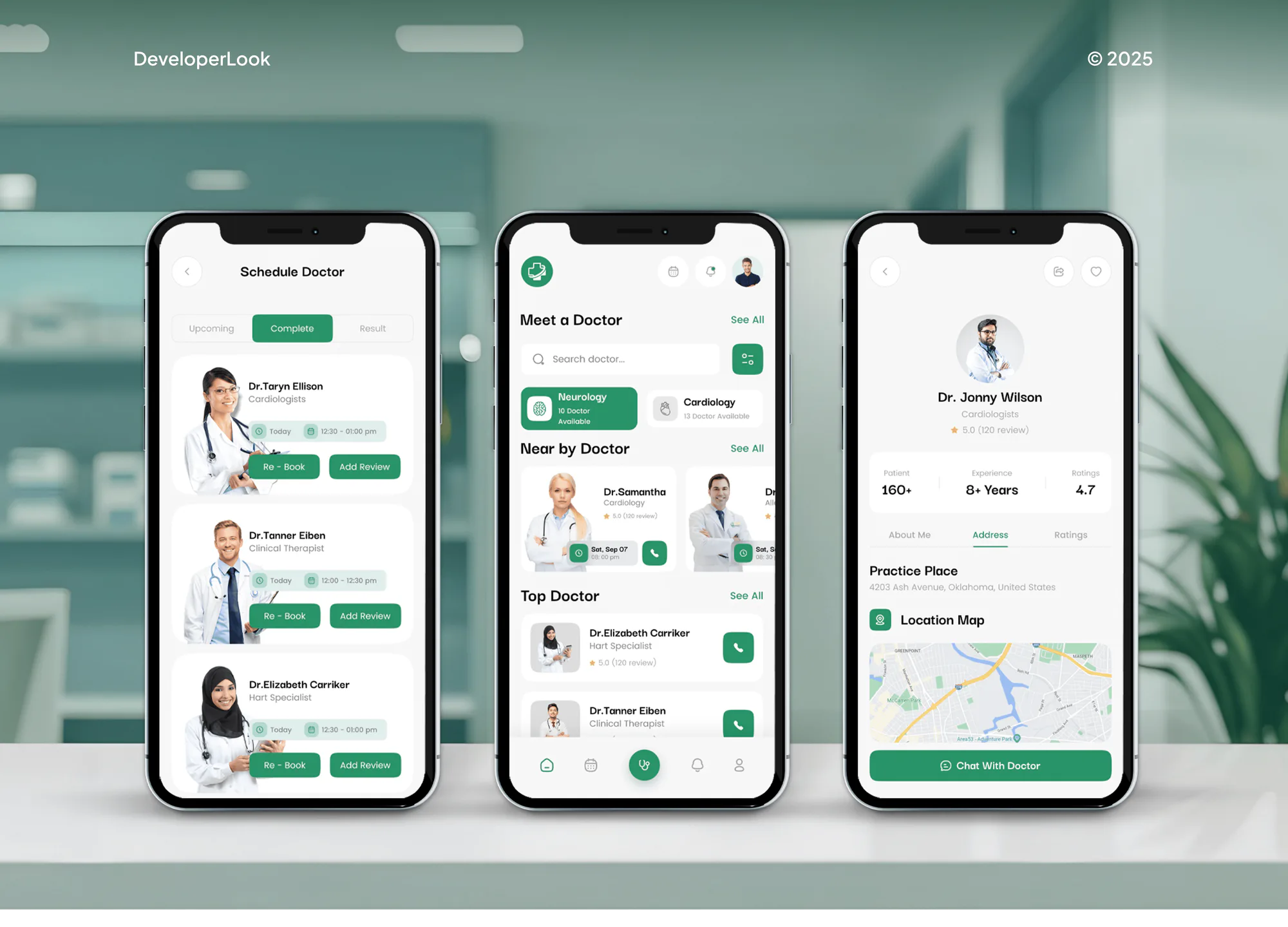
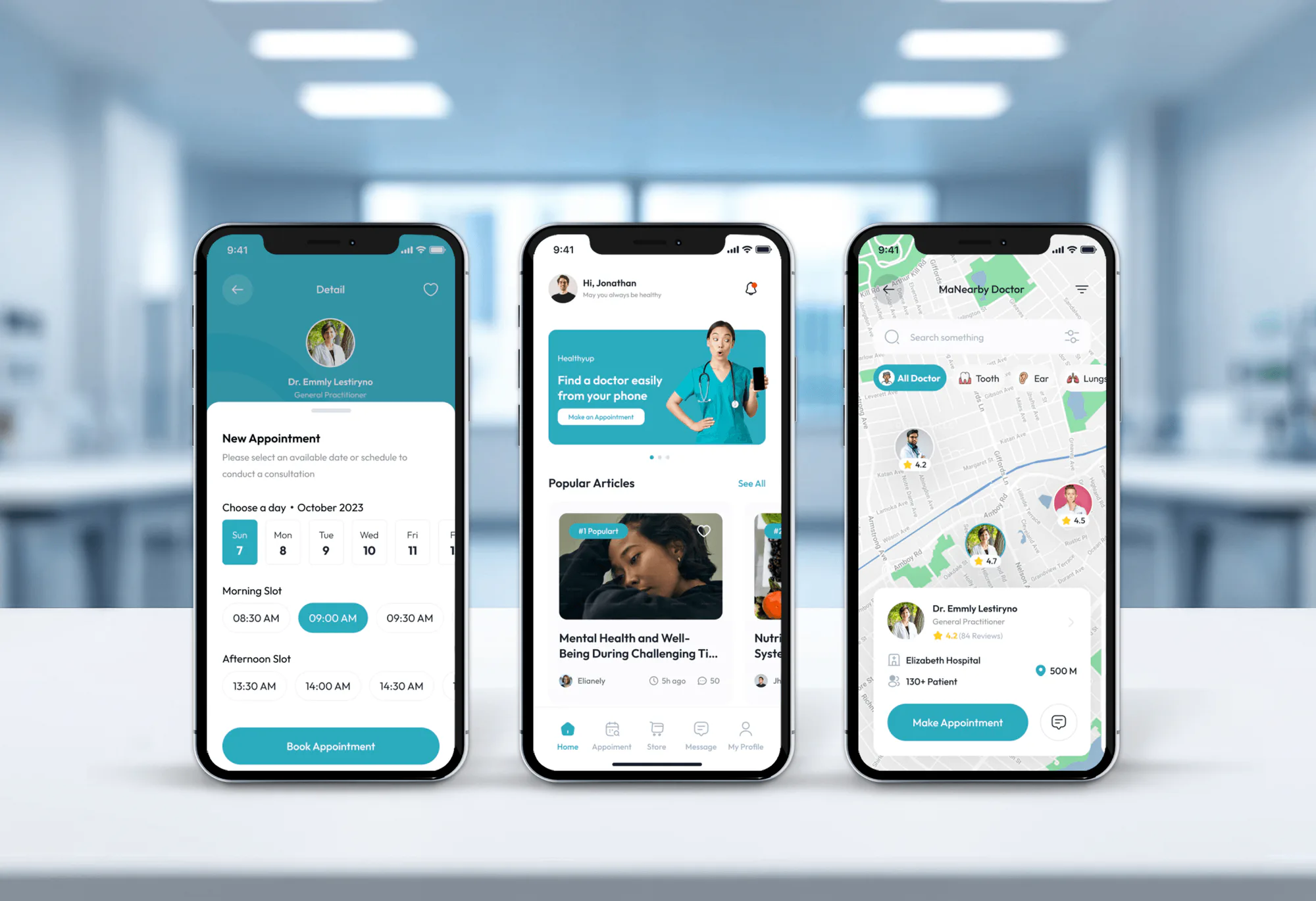
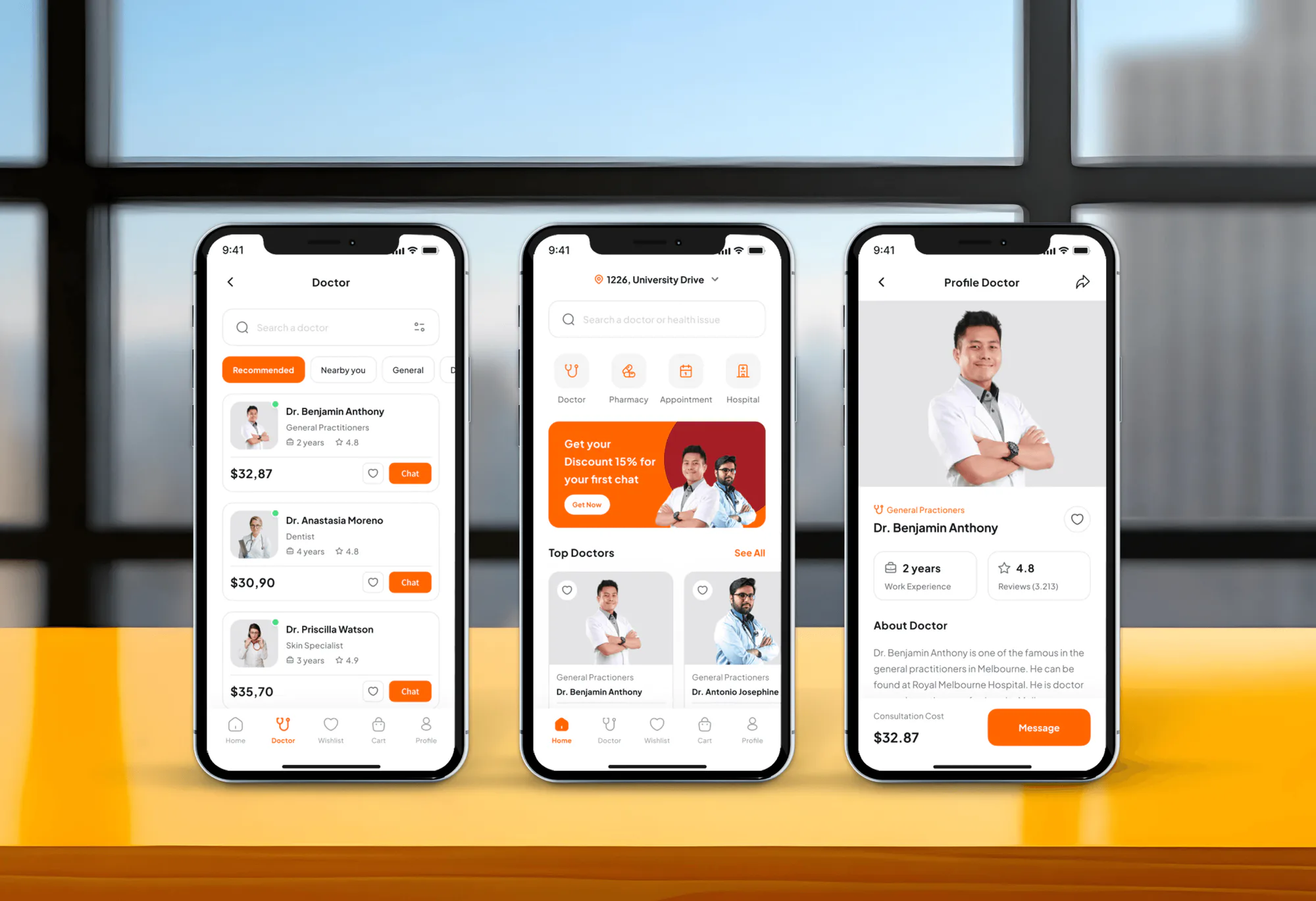
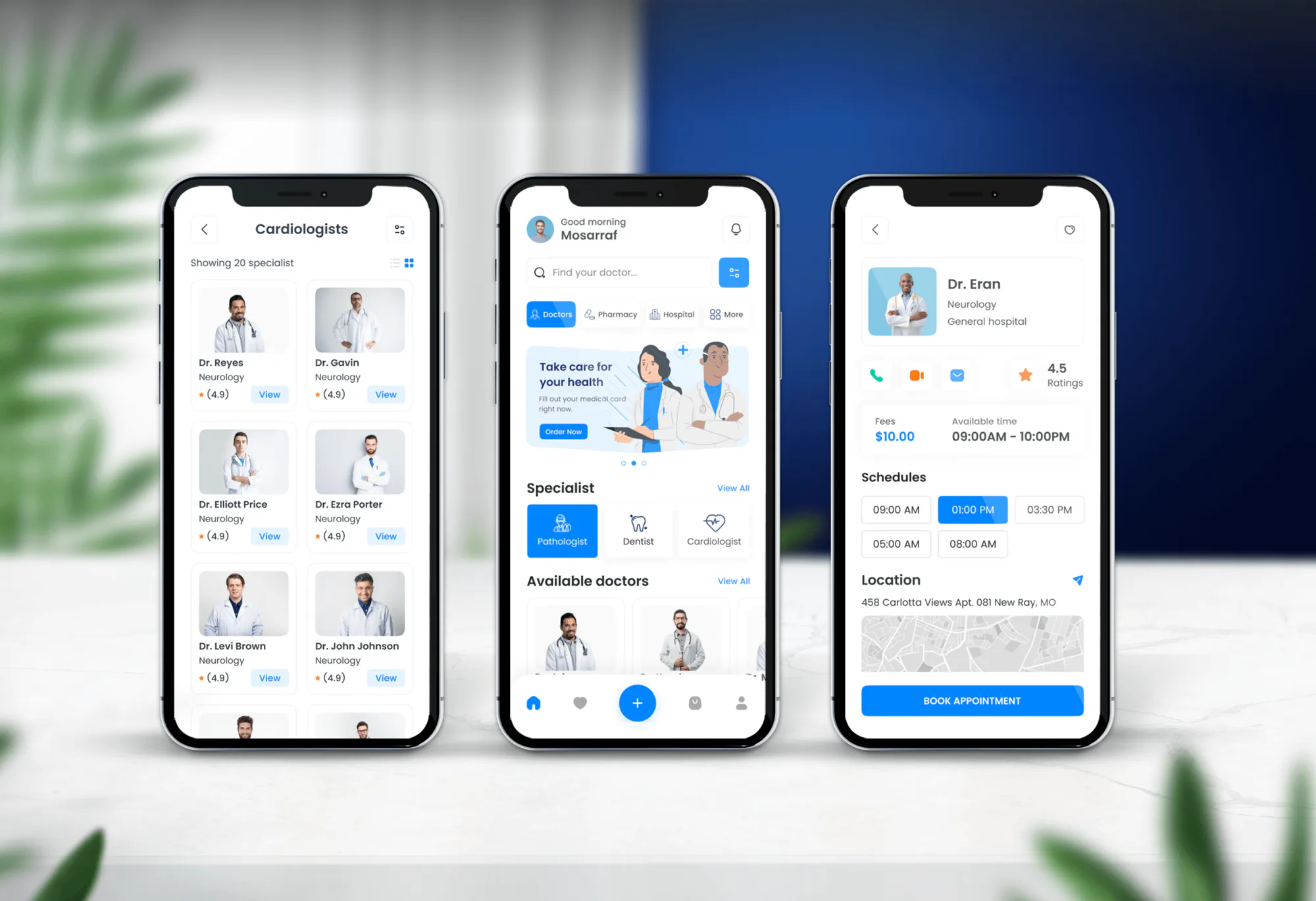
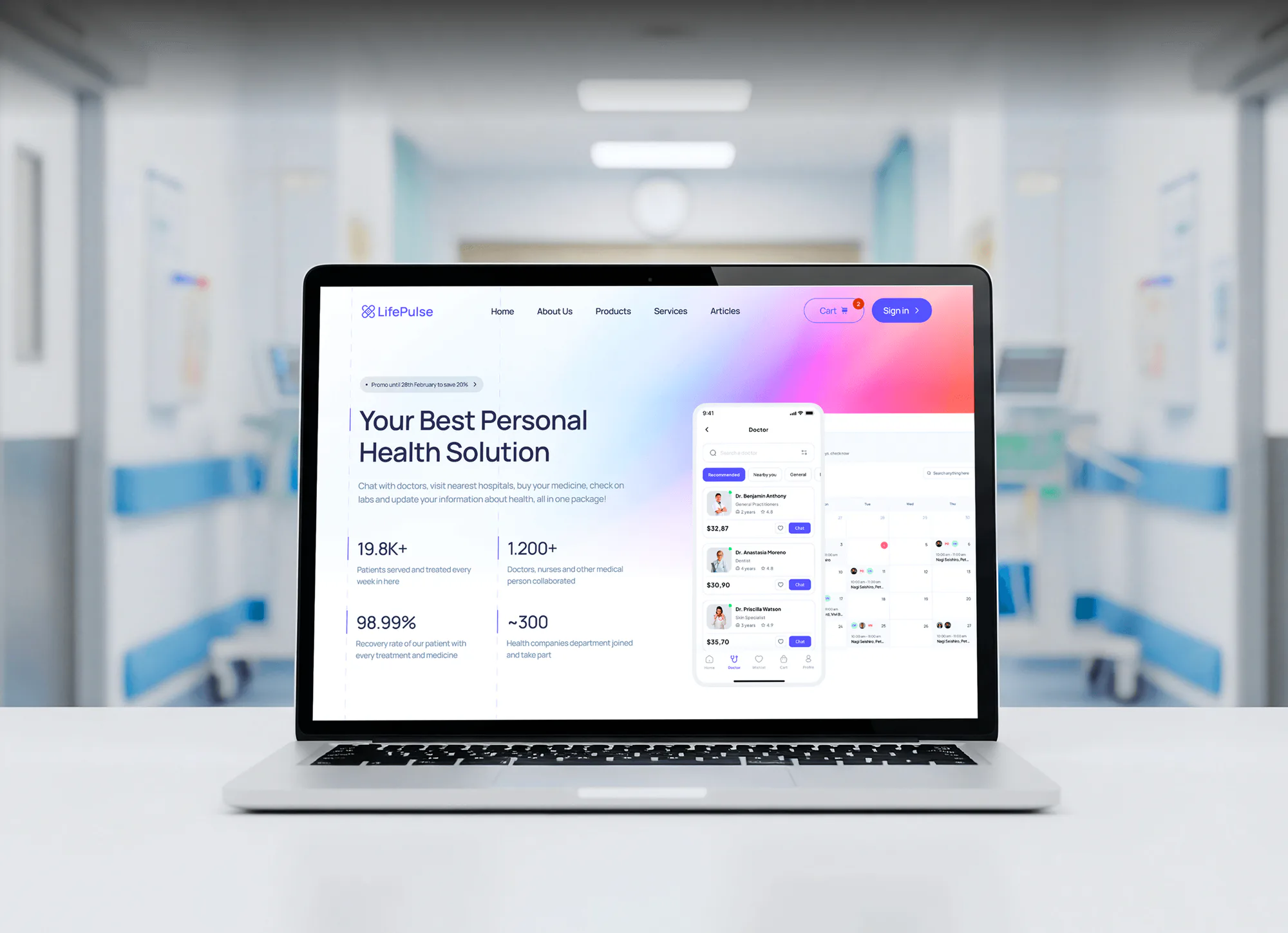
DocLink, Carepoint, MediPulse, and TruDoc are healthcare apps with scheduling and dashboards we designed and built. They show our scheduling work, not a clinical trial system.
What's Included
Your build covers study and site setup, enrollment, visit scheduling, monitoring, site payments, and reporting. Every record keeps an audit trail and links to the EDC you already license.
Compare Options
An enterprise CTMS suits large sponsors with many studies, and spreadsheets work for one small study. A clinical trial management software development company fits the gap in between.
| Feature | DeveloperLookBest fit | Enterprise CTMS | Spreadsheets |
|---|---|---|---|
| Fit to your studies | Built around your protocols | Configured to the vendor model | Rebuilt for each study |
| Visit windows | Calculated from anchor dates | Formulas someone maintains | |
| EDC connection | Linked by subject ID | Often the vendor's own EDC | Copied by hand |
| Site payments | Triggered by completed visits | Often a separate module | A separate finance sheet |
| Audit trail | On every record | Version history at best | |
| Time to first study | 8 to 17 weeks | Months of setup | A few days |
| Ongoing fees | No license fees | Per study or user fees | Office software only |
| Code ownership | You own the code | Vendor owns the code |
What Our Clients Say
Feedback from teams we have built healthcare apps, scheduling tools, and dashboards for.
We had a pretty specific idea of what we wanted our website to become, but I wasn’t sure how easily we could explain all of it to a development team. There were quite a few moving parts, and we were working toward a deadline, so I expected a few things to get lost along the way. That never really happened. They understood what we were trying to achieve, kept us updated throughout the process, and got everything ready within the agreed timeline. The final site feels much easier to navigate, works beautifully on mobile, and is noticeably smoother for our customers. It was a huge relief seeing the original idea actually turn into the website we had in mind.
The mobile experience is probably my favourite part of the new site. We had spent a lot of time making sure the desktop version looked right, and the team kept pushing us to think about how everything would actually feel on a phone too. They were right. The navigation is clean, the interactions feel natural, and everything we’ve tested so far works exactly as it should. They also went through the links, forms, integrations, and other details more than once before launch, which I really appreciated. And even after going live, we could still reach out when something came up. The whole process felt friendly, organised, and surprisingly straightforward.
What I appreciate most is that the website is actually easy for us to manage now. We can update content ourselves instead of sending a developer a message every time we need to change something small. They also paid attention to the technical SEO side, which mattered to us because we didn’t want a new website to create problems for the traffic we already had. I’ve probably asked more questions than I should have since launch, but every question has been handled patiently and without any fuss. The team is easy to work with, they explain things clearly, and when we need something changed, they focus on getting it done rather than making the process complicated.
1,250+
Projects shipped
10+
Years of experience
5 stars
Clutch rating
5 stars
GoodFirms rating
Excellent
Trustpilot rating
Top 3%
Upwork Top Rated Plus
1,250+
Projects shipped
10+
Years of experience
5 stars
Clutch rating
5 stars
GoodFirms rating
Excellent
Trustpilot rating
Top 3%
Upwork Top Rated Plus

Want results like these?
Tell us what you are building. You get a reply within 24 hours on business days, then a written estimate.
Work Culture
Your study records end up in front of sponsors, monitors, and inspectors. These habits keep our work easy to validate, careful with patient data, and simple to hand over.
We read your schedule of activities before we design a screen. Your coordinators get visit lists that match the protocol instead of a generic calendar.
We link to your EDC by subject and visit rather than copying clinical data into a second system. You keep one source of truth for every data point.
We build and test with dummy participants and sign a business associate agreement before we touch real patient data. Access is limited by study and site role.
We supply requirements, traceability, and draft test scripts, and we fix what your testers find. Your quality team decides when the system is validated and ready.
If a subscription CTMS already fits your studies, we'll tell you before we quote. Custom work pays off when your studies keep breaking the vendor's model.
The source code, database, and cloud hosting are registered to you from the first sprint. Your inspectors and future vendors can trace every record without asking us.
Overview
DeveloperLook is a clinical trial management software development company for small CROs, site networks, and sponsors. We build site activation, enrollment tracking, protocol-based visit windows, monitoring reports, and site payments, linked to the EDC you already use. Projects start at $1,200 and take 8 to 17 weeks, including support for your acceptance testing.
DEVELOPERLOOK
Project facts · Clinical Trial Software Development
Reviewed 28 Oct 2026 by Saimul Islam
Good fit
Small CROs outgrowing spreadsheets
Your CRO runs studies for several sponsors from shared spreadsheets, and you want CTMS software for clinical trials built around how your team works.
Site networks running many studies
Your network runs studies at several locations, and coordinators need one place for visits, enrollment, and the site payments your accounting team chases.
Sponsors of multi-site studies
You sponsor a multi-site study and want enrollment and monitoring by site from your own data, linked to your EDC, not from weekly CRO reports.
Academic research offices
Your research office tracks investigator-initiated studies in spreadsheets, and you need study tracking with an audit trail your sponsors can trust.
Agencies with a research client
Your agency built a research site's website, and the client now wants a patient prescreening pipeline tied to their study system.
Not a fit
Full EDC replacement
You want a new electronic data capture system for case report forms. A commercial EDC is the safer choice, and we connect our CTMS to it.
Lab samples and results
You need sample tracking, test results, and certificates for a lab. Our LIMS Development page covers that system.
Patient-facing health app
You need an app patients use for their care, not for study operations. Our Healthcare App Development page fits that build better.
Budget under $1,200
Your budget is under $1,200, or a subscription CTMS already fits your studies. If it does, we'll tell you before we quote.
Not sure we're the right fit?
Book a free call or message us. We'll tell you honestly whether we're the right team.
Pricing
These are starting points in USD. Your final price depends on the number of studies and sites, your EDC link, and payment rules, and you get a fixed proposal after a free study review.
For Agencies
You own the client relationship. We supply the study operations engineering behind the portals and trackers your research clients ask for, under your brand. Every build comes with requirements and test scripts their quality team can use.
White label: your client only ever sees your brand
Send the client's studies, sites, and EDC, and we shape the scope together.
You get a fixed proposal in your agency's name and a named team.
We build, support acceptance testing, and hand over code and documents.
Send the client's studies, sites, and EDC, and we shape the scope together.
You get a fixed proposal in your agency's name and a named team.
We build, support acceptance testing, and hand over code and documents.
The Right Technology for Your Project
We build on stacks your IT team can support, connect to your EDC through its API or exports, and keep the audit logic in the backend.
 PythonNode.jsReactPostgreSQLTwilio SMS remindersAWSMicrosoft AzureDockerPower BI
 QuickBooks Online
FAQ
Straight answers on cost, timelines, CTMS and EDC, multi-site studies, compliance, and patient data.
Saimul IslamFounder & CEO, DeveloperLookStill have questions?
Send a message or book a call with the team.
Clinical trial software development at DeveloperLook starts at $1,200 for one study with enrollment tracking, protocol visit windows, site access, and an audit trail. A multi-study CTMS with up to 10 studies, monitoring reports, and site payments starts at $3,700. A connected platform with an EDC link, prescreening, and finance integrations starts at $8,100. You get a fixed quote after a free study review.
Most builds take 8 to 17 weeks from study review to the first live study. A single study tracker takes about 8 to 10 weeks. A multi-study CTMS with monitoring and payments runs 12 to 14 weeks, and a connected platform up to 17. Your team's acceptance testing takes 2 to 3 of those weeks.
Clinical trial management software (CTMS) is the operations system for a study: sites, staff, participants, visits, monitoring, and payments. It tells you which sites are active, who is enrolled, which visits are due, and what each site is owed. The clinical data itself usually lives in a separate EDC system.
Clinical trial software is the umbrella term for every system used to plan, run, and report a study. A CTMS is one type, focused on operations. Others capture your case report form data, collect consent, or track safety events. When teams search for it, they usually mean whichever system their spreadsheet is failing to replace.
Your study likely uses an EDC for clinical data, a CTMS for operations, and an eTMF for essential documents. You may add eConsent, ePRO for patient-reported outcomes, randomization and trial supply tools, and a safety database. Clinical trial data management software, usually the EDC, holds the data regulators review, so sponsors validate it most carefully.
Choose it by testing how it handles your sites, not how the demo study looks. Check site-level roles, enrollment targets per site, visit windows that survive rescheduling, monitoring follow-up, and payments by visit. Ask any clinical trial management software development company how its system links to your EDC by subject ID. A demo using your own protocol shows more than any feature list.
Sponsors, CROs, research sites, and their quality teams use it to show a study followed the protocol and good clinical practice. ICH E6(R3), adopted in January 2025, expects quality to be built into the trial, so audit trails, training records, and deviation tracking matter. Inspectors read your records, so they need to be complete.
No, FDA's rules don't require EDC, and paper case report forms are still allowed. Most sponsors use EDC anyway, because it checks data at entry and keeps an audit trail. If you use electronic systems, FDA's October 2024 guidance on electronic systems, records, and signatures in clinical investigations explains what it expects of them.
Software helps most where your team reconciles trackers by hand today: enrollment by site, visit windows, monitoring follow-up, and site payments. A CTMS turns those into one live record, so your sponsor update takes minutes instead of a weekend. It also gives inspectors a complete trail of who did what and when.
You do. A clinical trial software development company should leave you able to run the system without them, so the code, database, and cloud accounts are yours from day one. We sign a business associate agreement before we handle real patient data. Post-launch support runs 60 days, and each later change goes through your change control.
Saimul IslamFounder & CEO, DeveloperLookStill have questions?
Send a message or book a call with the team.
Free 30-min callGoogle Meet
Book a call
In 30 minutes on Google Meet we walk you through how we would build it, how long it takes and what it costs. Then you get a written estimate.
Calendar not showing? Book on cal.com or send a brief.