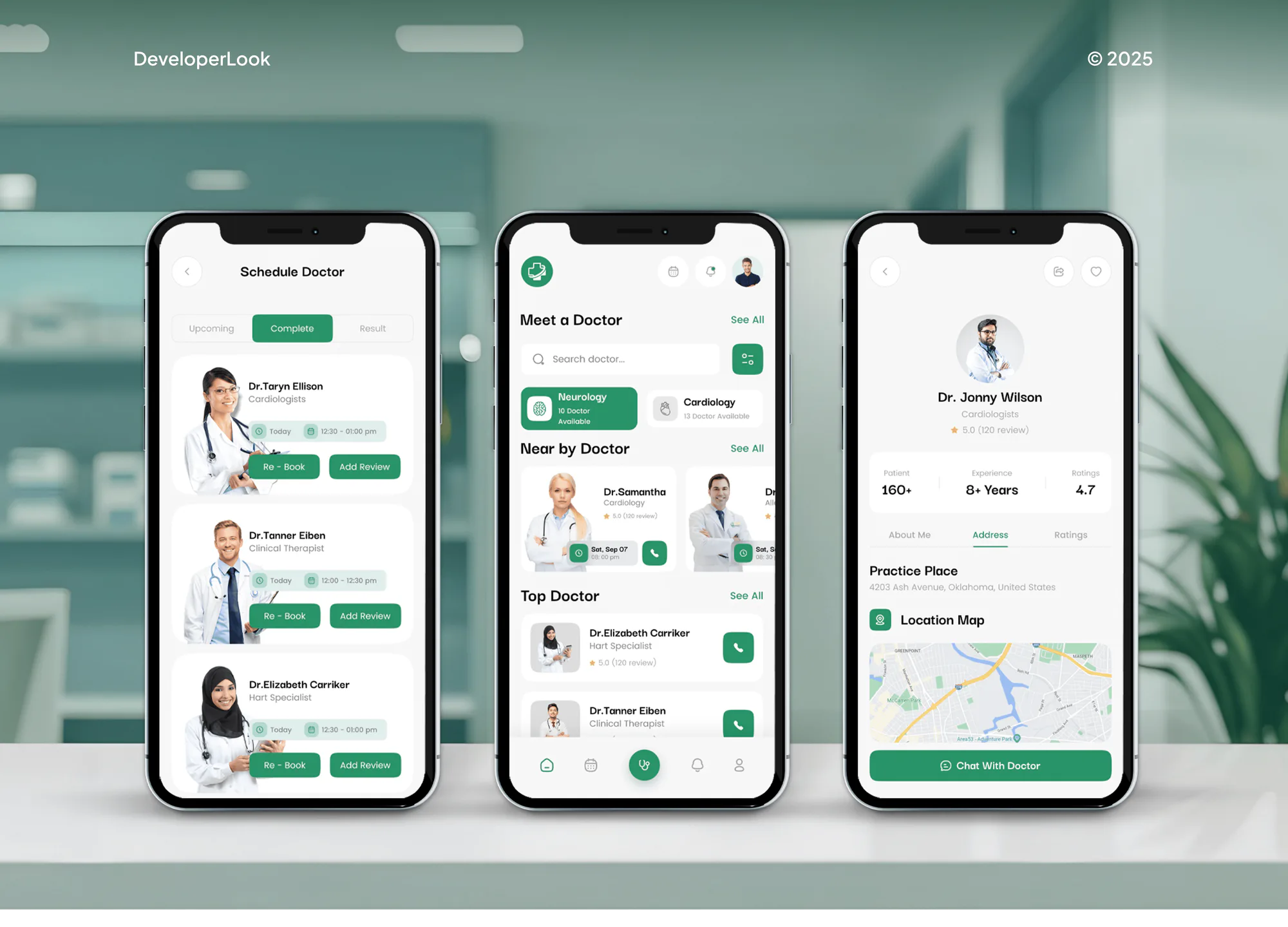
Carepoint Medical App Design & Development
- Medical
- Booking System
- Dashboard

For testing and QC labs: a LIMS built around your samples, methods, and instruments, from a barcode at intake to a signed certificate. From $1,300.
3X
Faster certificates of analysis
100%
Samples tracked by barcode
How your project runs
01 · FreeIndustry leaders we work with
 Node.js
 .NET
 React
 PostgreSQL
 AWS
 Microsoft Azure
 Docker
The Problem
It shows the moment a client calls for a result. Samples arrive with handwritten forms, results sit in instrument exports, and reports get typed by hand before anyone can send them.
Paper intake
Chain of custody lives on handwritten forms and smudged labels.
Paper intake
Barcode labels and an electronic custody record start at intake.
Retyped results
Instrument exports get copied into spreadsheets by hand.
Retyped results
A parser reads each instrument file and posts results to the right sample.
Missed limits
Out-of-spec results slip through until someone happens to notice.
Missed limits
Spec limits flag failures on entry, before any reviewer approves the result.
Status calls
Clients phone the lab to ask where their samples are.
Status calls
A client portal shows sample status and approved reports as they're released.
A cooler of samples arrives late on Friday with a handwritten chain of custody form, and one label is smudged. Your technician logs them in a spreadsheet the whole bench edits at once. Results come off the instrument as a CSV, get pasted into another sheet, then retyped into a Word report. A client calls for a result, and nobody can say whether it's run, reviewed, or waiting for sign-off. One transposed digit means a corrected report and an awkward email.
We start with your sample's path through the lab: intake, prep, testing, review, and reporting. Then we build the system around it: barcode labels at intake, test assignment by method, instrument files parsed into results, and limits that flag failures before review. Approved results generate the certificate of analysis on their own. Your clients check status and download reports in a portal instead of phoning your front desk.
A barcode at every hand-off
Each sample and aliquot gets a label at intake, and every scan adds to its custody record.
Instrument files parsed for you
Exports from your instruments are read and matched to samples, so nobody retypes a number.
Certificates from approved results
Once a reviewer approves the results, the certificate of analysis builds itself in your template.
Our LIMS Development Process
You walk us through a real sample before scope and approve each screen with your bench staff. Then you test it on live samples beside your old method before you switch.
We follow a sample from receiving to report with your lab manager and note every form, export, and hand-off. You get a map of your workflow, the instruments to connect, and a written scope.
Projects We've Built
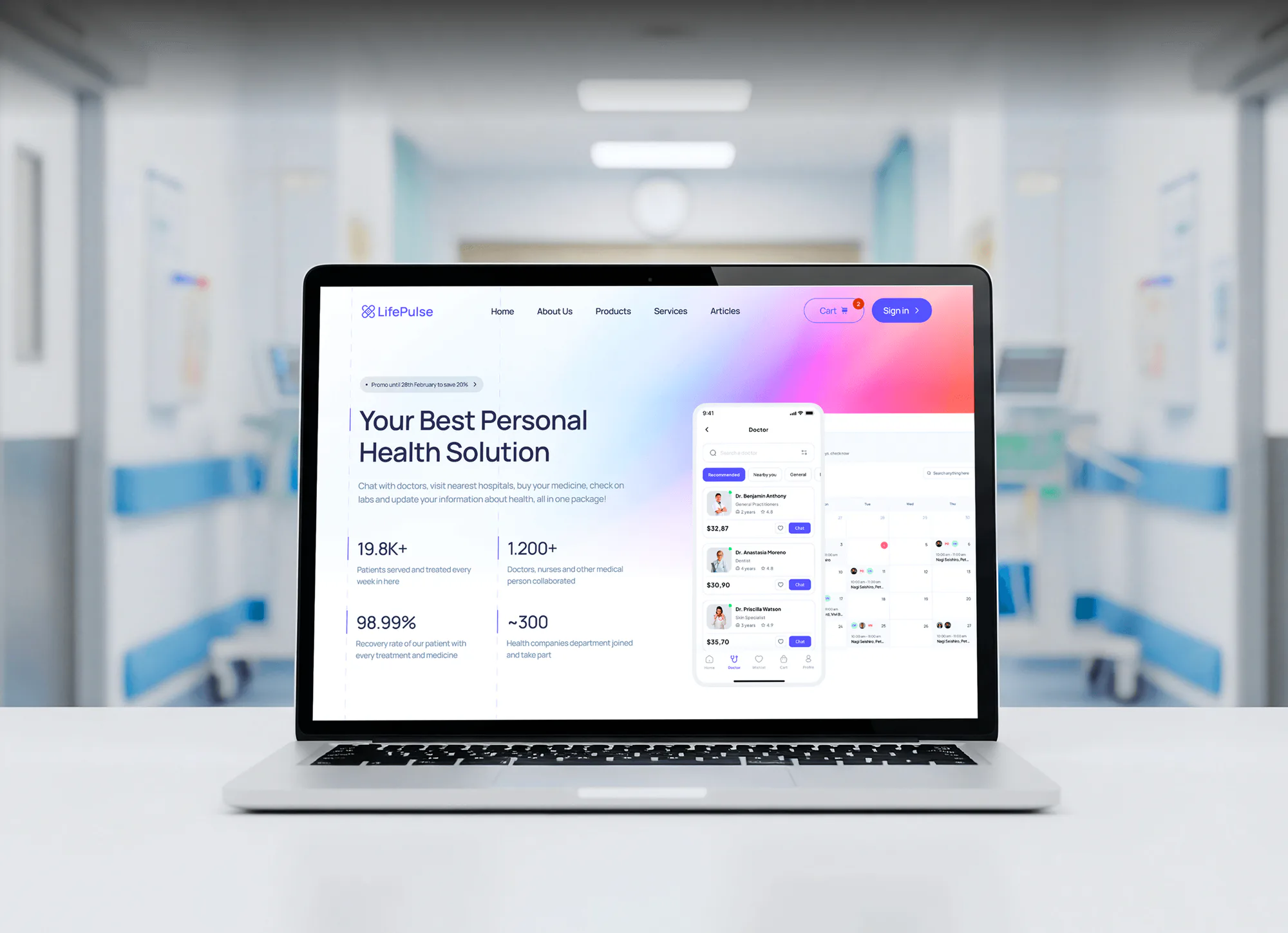
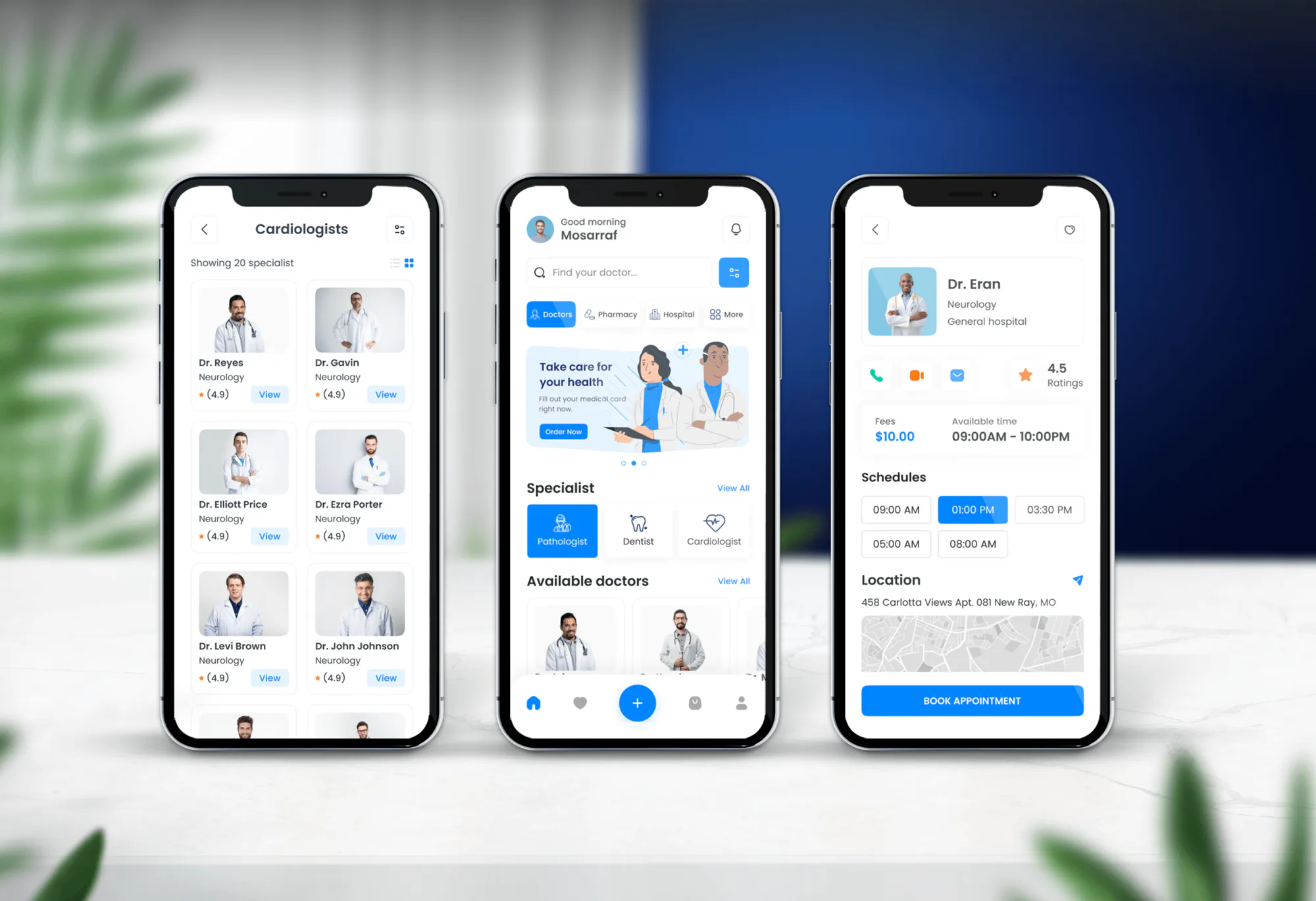
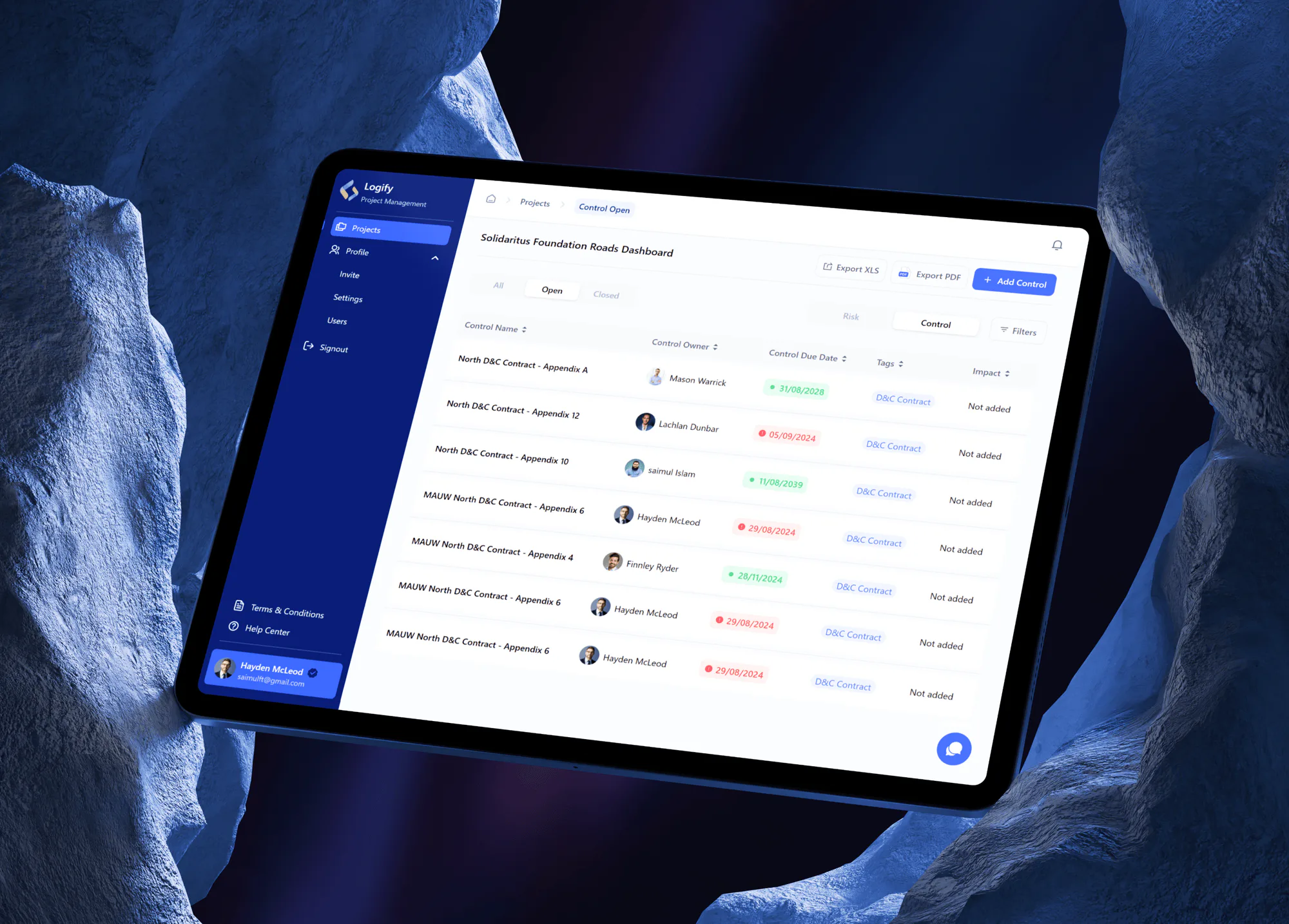
Carepoint, LifePulse, HealCon, and Logify are healthcare and tracking apps we designed and built. They show our records and workflow work, and none of them is a LIMS.
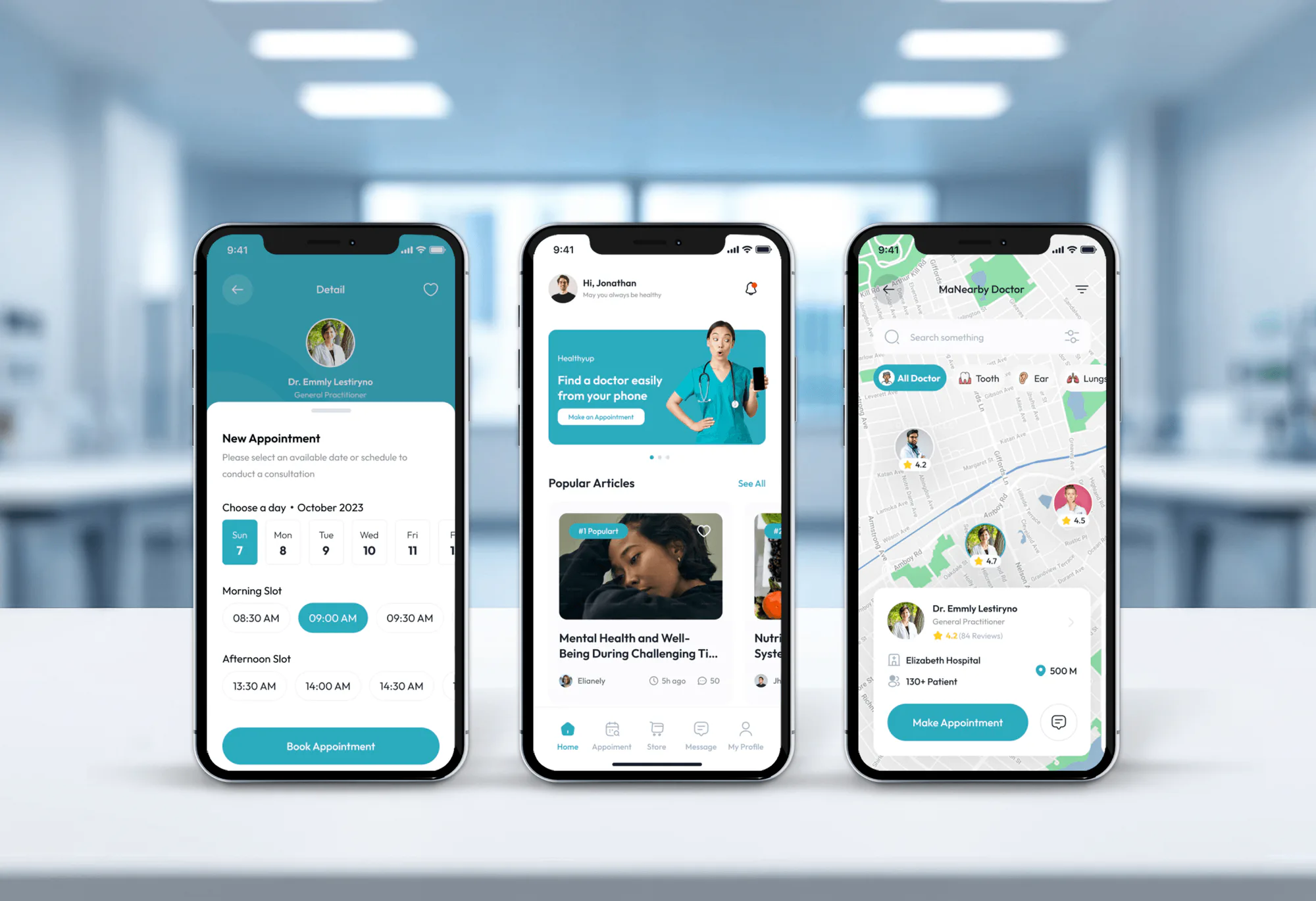
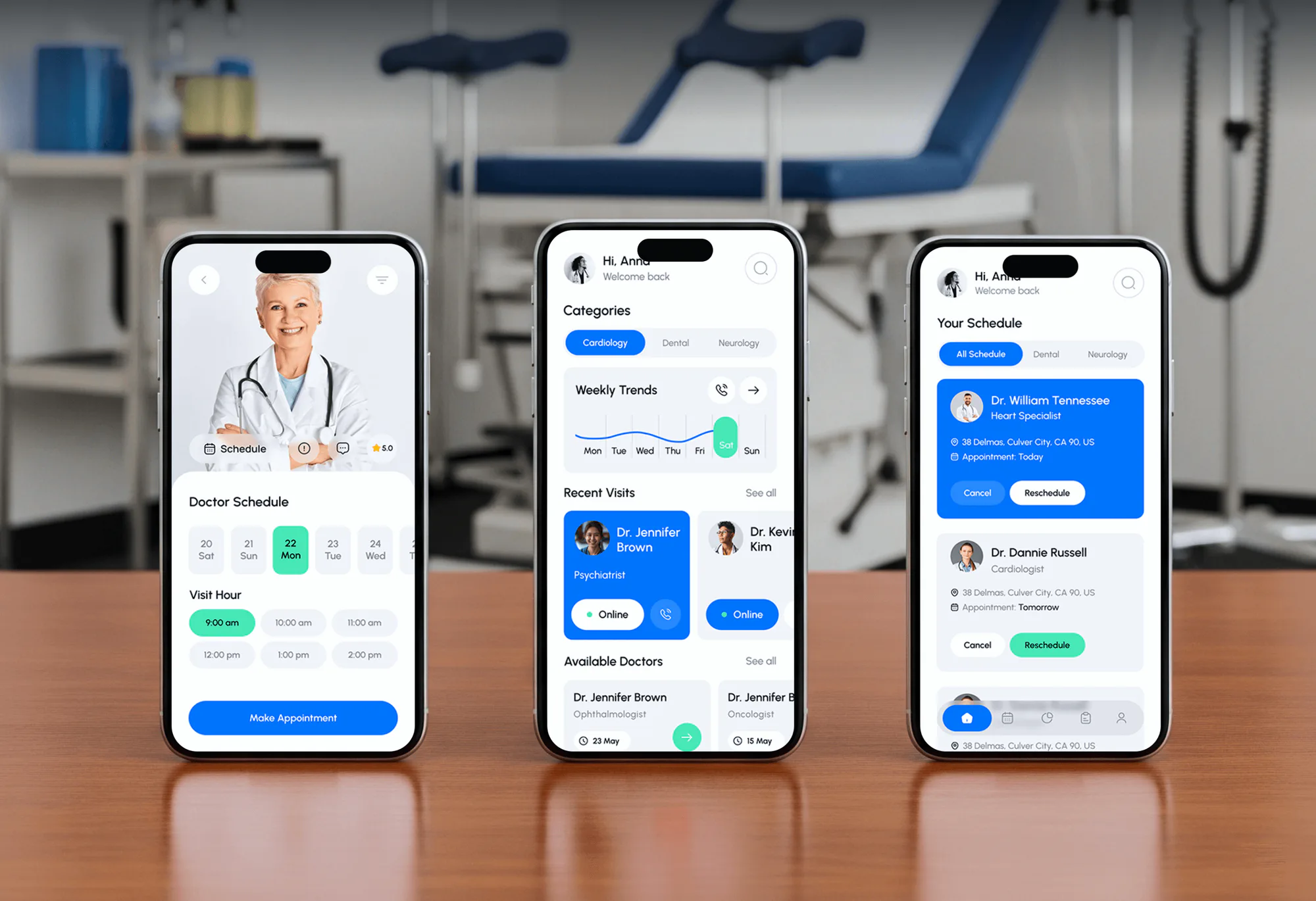
What's Included
Your build covers sample intake, testing workflows, instrument data, review and approval, reporting, and a client portal. It keeps the audit trail and access rules your quality manager needs.
Compare Options
Commercial LIMS solutions suit labs whose methods match the vendor's model, and spreadsheets work for a very small bench. Here is where each option fits.
| Feature | DeveloperLookBest fit | Commercial LIMS | Spreadsheets |
|---|---|---|---|
| Fit to your workflow | Built around your methods | Configured within the vendor model | Whatever the sheet allows |
| Instrument data | Parsers for your instruments | Vendor connectors, often extra cost | Copied by hand |
| Chain of custody | Barcode scans at every hand-off | Paper forms | |
| Certificates of analysis | Built from approved results | Template tools included | Typed by hand |
| Time to go live | 8 to 19 weeks | Months of configuration | A few days |
| Upfront cost | Fixed price per phase | License plus implementation | Close to nothing |
| Ongoing fees | No license fees | Annual fee per user | Office software only |
| Code ownership | You own the code | Vendor owns the code |
What Our Clients Say
Feedback from teams we have built healthcare apps, tracking tools, and dashboards for.
We had a pretty specific idea of what we wanted our website to become, but I wasn’t sure how easily we could explain all of it to a development team. There were quite a few moving parts, and we were working toward a deadline, so I expected a few things to get lost along the way. That never really happened. They understood what we were trying to achieve, kept us updated throughout the process, and got everything ready within the agreed timeline. The final site feels much easier to navigate, works beautifully on mobile, and is noticeably smoother for our customers. It was a huge relief seeing the original idea actually turn into the website we had in mind.
The mobile experience is probably my favourite part of the new site. We had spent a lot of time making sure the desktop version looked right, and the team kept pushing us to think about how everything would actually feel on a phone too. They were right. The navigation is clean, the interactions feel natural, and everything we’ve tested so far works exactly as it should. They also went through the links, forms, integrations, and other details more than once before launch, which I really appreciated. And even after going live, we could still reach out when something came up. The whole process felt friendly, organised, and surprisingly straightforward.
What I appreciate most is that the website is actually easy for us to manage now. We can update content ourselves instead of sending a developer a message every time we need to change something small. They also paid attention to the technical SEO side, which mattered to us because we didn’t want a new website to create problems for the traffic we already had. I’ve probably asked more questions than I should have since launch, but every question has been handled patiently and without any fuss. The team is easy to work with, they explain things clearly, and when we need something changed, they focus on getting it done rather than making the process complicated.
1,250+
Projects shipped
10+
Years of experience
5 stars
Clutch rating
5 stars
GoodFirms rating
Excellent
Trustpilot rating
Top 3%
Upwork Top Rated Plus
1,250+
Projects shipped
10+
Years of experience
5 stars
Clutch rating
5 stars
GoodFirms rating
Excellent
Trustpilot rating
Top 3%
Upwork Top Rated Plus

Want results like these?
Tell us what you are building. You get a reply within 24 hours on business days, then a written estimate.
Work Culture
Your results go to clients, regulators, and auditors with your name on them. These habits keep the system accurate, traceable, and easy for your team to run.
We watch real samples move through your lab before we design a screen. Your analysts get screens that follow their bench, not forms that fight it.
Each instrument gets its own parser, tested against real export files from your bench. A firmware update that moves a column gets caught in testing, not in a client report.
Live samples run through both systems until the numbers match. Your quality manager decides when the old method retires, not us.
We build the controls your quality manual describes and document how each one works. Validation and accreditation decisions stay with your lab and your assessor.
If a commercial LIMS already fits your methods, we'll tell you before we quote. A custom build pays off when your workflow keeps fighting the vendor's model.
The database, source code, and cloud accounts are yours from day one. Your results history stays with you, with no export fee to get it back.
Overview
DeveloperLook provides LIMS development for testing and quality control labs. We build barcode intake and chain of custody, test methods with spec limits, instrument data import, two-step review, certificates of analysis, and a client portal. Projects start at $1,300, take 8 to 19 weeks, and include parallel testing on live samples before you switch.
DEVELOPERLOOK
Project facts · LIMS Development
Reviewed 28 Oct 2026 by Saimul Islam
Good fit
Environmental and food testing labs
Your lab receives coolers of samples with paper chain of custody forms, and you want barcode intake and client reports without retyping.
Clinical and reference labs
Your lab faxes patient results to ordering practices, and you want results sent to their EHRs over HL7 with every value traceable.
QC labs inside manufacturers
You run release testing for your own products, and you want a LIMS system that ties results to batches in your ERP.
Labs replacing an aging LIMS
Your old LIMS software runs on an unsupported server, the vendor wants a full reimplementation, and you're weighing a custom build instead.
Agencies with a lab client
Your agency built a testing lab's website, and the client now wants a client portal tied to their sample data and reports.
Not a fit
Pharma records beyond the lab
You need logbooks, deviations, or review checklists outside the lab. Our Pharmaceutical Software Development page covers those records.
Clinical trial operations
You need site management, enrollment tracking, or study visit schedules. Our Clinical Trial Software Development page fits that work better.
Standard methods, small team
Your lab runs common methods that a commercial LIMS supports out of the box. A subscription will cost less, and we'll tell you before we quote.
Budget under $1,300
Your budget is under $1,300 for the whole system. A spreadsheet with locked templates may serve you better until your sample volume grows.
Not sure we're the right fit?
Book a free call or message us. We'll tell you honestly whether we're the right team.
Pricing
These are starting points in USD. Your final price depends on your sample types, the instruments to connect, and the reports you issue, and you get a fixed proposal after a free lab walkthrough.
For Agencies
You own the client relationship. We supply the engineering behind the lab portals and sample tracking your clients ask for, under your brand. You get instrument parsers, review workflows, and documents your client's quality manager can read.
White label: your client only ever sees your brand
Send the lab's sample types, instruments, and reports, and we shape the scope.
You get a fixed proposal in your agency's name and a named team.
We build, run parallel testing, and hand over the code and documents.
Send the lab's sample types, instruments, and reports, and we shape the scope.
You get a fixed proposal in your agency's name and a named team.
We build, run parallel testing, and hand over the code and documents.
The Right Technology for Your Project
We build on stacks your IT team can support, read instrument files in the formats they already export, and keep results in a database you own.
Node.js .NETReactPostgreSQLAWSMicrosoft AzureDocker
 Power BI
 QuickBooks Online
FAQ
Straight answers on cost, timelines, how a LIMS works, implementation, choosing a system, and data ownership.
Saimul IslamFounder & CEO, DeveloperLookStill have questions?
Send a message or book a call with the team.
LIMS development at DeveloperLook starts at $1,300 for one sample type with barcode intake, spec limits, an audit trail, and certificates of analysis. A lab workflow with up to 5 sample types, 3 instrument imports, two-step review, and a client portal starts at $4,050. A multi-site LIMS with up to 12 instruments and billing or ERP links starts at $8,800. You get a fixed quote after a free lab walkthrough.
A custom LIMS takes 8 to 19 weeks from walkthrough to go-live. A sample tracker for one sample type takes about 8 to 10 weeks. A lab workflow with instrument imports runs 13 to 16 weeks, and a multi-site system up to 19. Parallel testing on live samples takes 2 to 3 of those weeks, and it's where most surprises get caught.
LIMS stands for laboratory information management system: software that records every sample, the tests run on it, the results, and who approved them. It replaces paper logbooks and spreadsheets with one traceable record per sample. Most labs use it from the moment a sample arrives until the final report goes out.
It's used to run a lab's daily work: logging samples in, assigning tests, capturing results, reviewing them against limits, and issuing reports. Testing labs also use it to track turnaround, workload, and billing. Clinical labs use it to send results to the ordering practice's EHR, usually as HL7 messages.
It works by giving each sample a unique ID at intake and attaching every later event to it. Barcode scans record custody, test methods set which results are expected, and instrument files fill in the numbers. Reviewers approve results against spec limits, and approved results generate the report. Every change keeps its reason and author.
You implement it one workflow at a time, starting with sample intake. A good LIMS implementation maps a real sample's path, sets up sample types and methods, connects instruments, migrates open work, and runs parallel testing before the switch. Training each role on its own screens matters more than a long manual.
Start by listing your sample types, methods, instruments, reports, and the rules your accreditation or licensing body applies. Then score each option against that list in a demo using your own sample data. Compare commercial LIMS software, subscription tools, and a custom build on total cost over several years, not license price alone.
Most labs see fewer retyping errors and faster reports in the first weeks after go-live, because barcodes and instrument imports work from day one. Turnaround and workload reports become useful after a month or two of clean data. The full payoff depends on how many manual steps your old process had.
You build it around the sample record: a database where each sample, aliquot, test, and result links back to one ID. Intake screens, method and limit tables, instrument parsers, review steps, and report templates sit on top of it. Good LIMS software development starts with that data model, not with the screens.
You do. The database, source code, and cloud accounts are yours from day one, and you can export every result at any time. After go-live you get 90 days of post-launch support for fixes, new methods, and small changes. If your lab handles patient data, we sign a business associate agreement before we touch it.
Saimul IslamFounder & CEO, DeveloperLookStill have questions?
Send a message or book a call with the team.
Free 30-min callGoogle Meet
Book a call
In 30 minutes on Google Meet we walk you through how we would build it, how long it takes and what it costs. Then you get a written estimate.
Calendar not showing? Book on cal.com or send a brief.