
Hotspot analysis
Your files ranked by how often they change and how complex they are, straight from your git history.

For engineering teams whose code fights every change: the worst hotspots refactored behind tests, in small pull requests, while your features keep shipping.
2X
Faster changes in your hotspots
100%
Refactors covered by tests first
How your project runs
Teams we have built for:














The Problem
It shows up as estimates that keep growing, reviews that stall, and fixes that break something else. Refactoring code in the right places brings your change speed back.
01 · Estimates
Simple features take weeks because logic is scattered.
Duplicate logic gets merged into one tested place.
02 · Reviews
Pull requests touching core modules stall for days.
Small refactor-only pull requests make each review quick to read.
03 · Regressions
Fixes keep breaking unrelated screens.
Characterization tests catch behavior changes before they merge.
04 · Knowledge
Only one developer dares to change the billing code.
Clear names, smaller functions, and notes let your whole team work there.
Your team estimated the new pricing page at 3 days. It took 3 weeks, because pricing logic lives in 4 places and nobody trusts the tests. Every pull request that touches billing sits in review for days. Your senior developer is the only one who dares change that module, and they're on leave next month. Fixes keep breaking unrelated screens, so releases slow down even more. Meanwhile the roadmap assumes last year's speed.
We start with your git history, not a style guide. Files that change often and are hard to read are where refactoring pays, so those go first. Characterization tests pin down current behavior before any edit. Then each refactor lands as a small pull request through your CI, next to your feature work. You watch complexity drop in the files your team touches most, and the next feature takes less time.
Hotspots chosen from history
Refactoring targets come from the files your team changes most and struggles with most.
Behavior pinned by tests
Characterization tests record what your code does today before anyone edits a line.
Small pull requests, no freeze
Each refactor merges through your CI while your feature work carries on.
Our Code Refactoring Process
You approve which hotspots get refactored, review every pull request, and see before and after numbers for the code your team touches most.
You share read access, and we run a hotspot analysis on your git history: which files change most and how complex they are. You get the top candidates and a rough cost for each.
What's Included
Everything a safe refactor needs: a data-backed target list, tests that capture current behavior, small reviewed pull requests, measurable results, and notes your team can build on.
Compare Options
Your own team or a rewrite can fix messy code in some cases. Here is how each handles risk, speed, and the features you still need to ship.
| Feature | DeveloperLookBest fit | In-house cleanup | Full rewrite |
|---|---|---|---|
| Choosing targets | Hotspots from git history | Whatever hurts most this week | Whole codebase at once |
| Behavior safety | Characterization tests first | Depends on existing tests | New bugs in new code |
| Feature work | Continues alongside the refactor | Paused for the cleanup | Frozen until launch |
| System knowledge | Learned in the first week | Knows the code best | Starts again from requirements |
| Upfront cost | Fixed price per plan | Salaries already paid | Largest budget of the three |
| Design freedom | Improves the existing design | Improves the existing design | Clean slate, new design |
| Results measured | Before and after metrics | Rarely tracked | Not until launch |
| Cost predictability | Fixed proposal after a free look | Hidden in delayed features | Often grows mid-project |
Projects We've Built
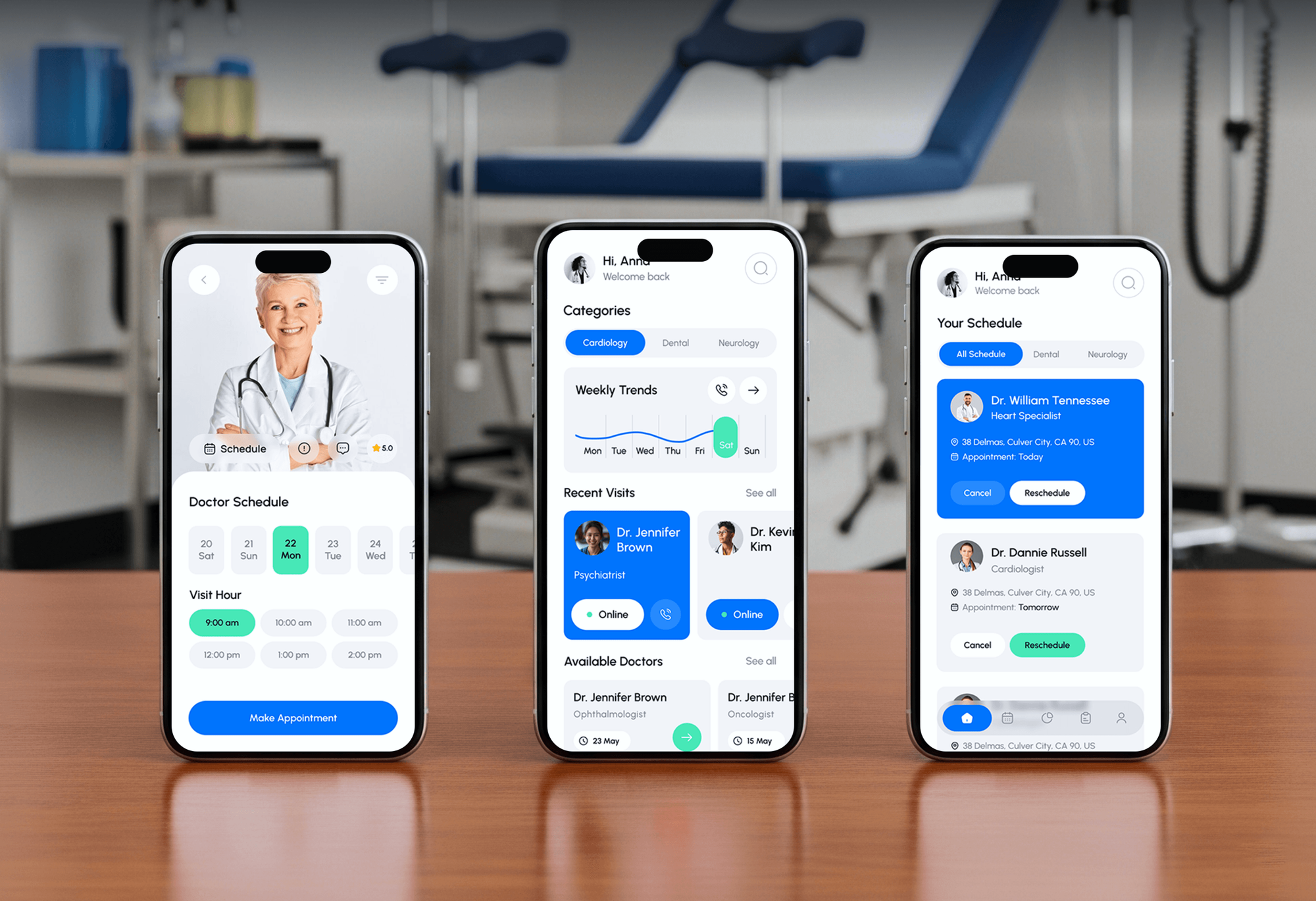
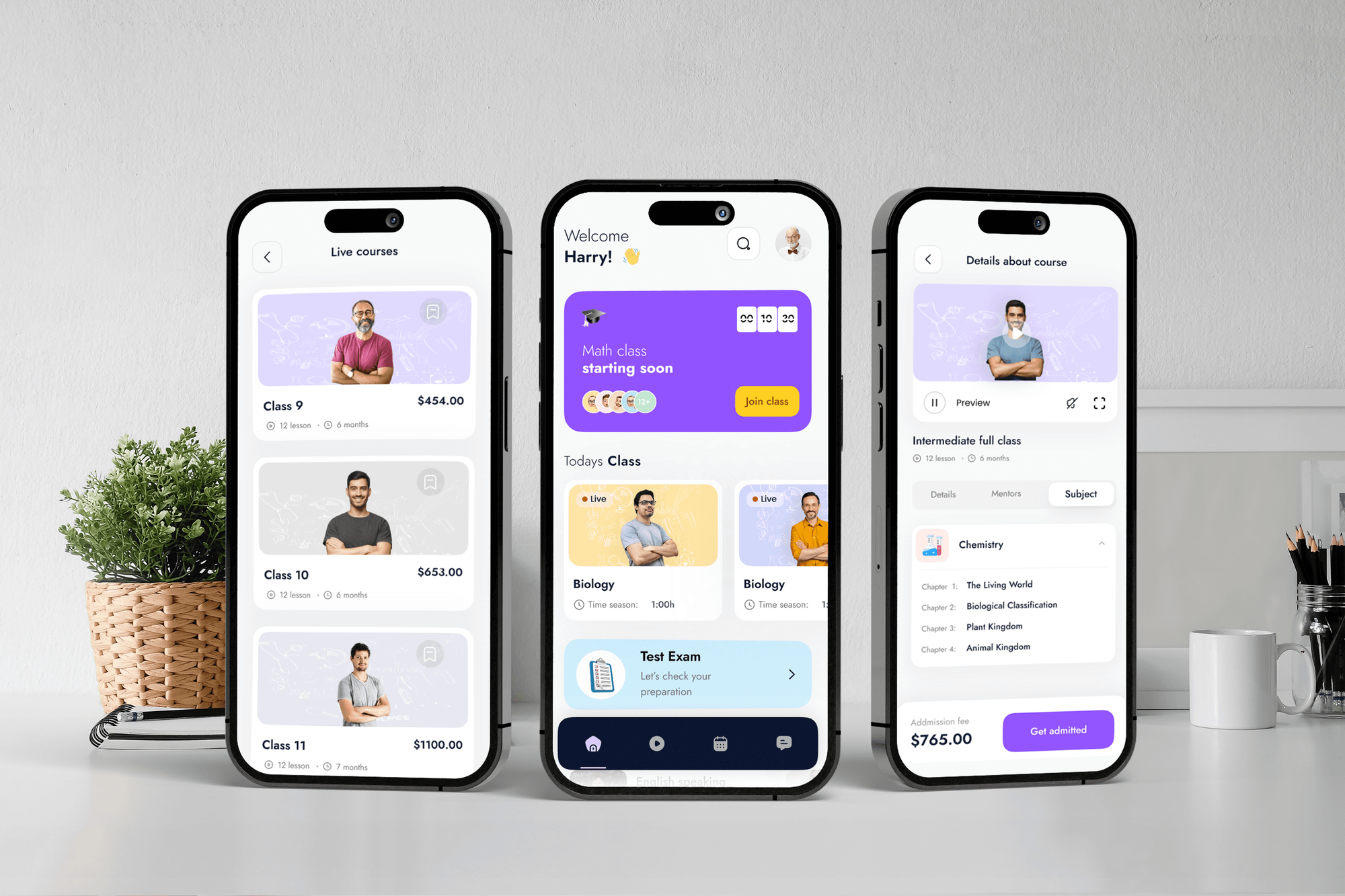
Apps we designed and built for healthcare, learning, fitness, and food delivery. They show the codebases we work in daily, not refactoring case studies.


What Our Clients Say
Feedback from teams we have built web and mobile apps for.
We had a pretty specific idea of what we wanted our website to become, but I wasn’t sure how easily we could explain all of it to a development team. There were quite a few moving parts, and we were working toward a deadline, so I expected a few things to get lost along the way. That never really happened. They understood what we were trying to achieve, kept us updated throughout the process, and got everything ready within the agreed timeline. The final site feels much easier to navigate, works beautifully on mobile, and is noticeably smoother for our customers. It was a huge relief seeing the original idea actually turn into the website we had in mind.
The mobile experience is probably my favourite part of the new site. We had spent a lot of time making sure the desktop version looked right, and the team kept pushing us to think about how everything would actually feel on a phone too. They were right. The navigation is clean, the interactions feel natural, and everything we’ve tested so far works exactly as it should. They also went through the links, forms, integrations, and other details more than once before launch, which I really appreciated. And even after going live, we could still reach out when something came up. The whole process felt friendly, organised, and surprisingly straightforward.
What I appreciate most is that the website is actually easy for us to manage now. We can update content ourselves instead of sending a developer a message every time we need to change something small. They also paid attention to the technical SEO side, which mattered to us because we didn’t want a new website to create problems for the traffic we already had. I’ve probably asked more questions than I should have since launch, but every question has been handled patiently and without any fuss. The team is easy to work with, they explain things clearly, and when we need something changed, they focus on getting it done rather than making the process complicated.
1,250+
Projects shipped
10+
Years of experience
Top 3%
Upwork Top Rated Plus
5 stars
Average review score

Want results like these?
Tell us what you are building. You get a reply within 24 hours on business days, then a written estimate.
Work Culture
Refactoring someone else's code takes care and humility. These habits keep your behavior intact and your developers in charge of their own codebase.
We protect what the code does before improving how it reads. A cleaner function that changes a total by one cent is a bug, not a refactor.
Refactor commits stay separate from behavior changes. Your reviewers can approve a rename or extraction without hunting for hidden logic edits.
AI assistants handle mechanical edits like renames and extractions. Every suggestion still passes your tests and a developer's review before it merges.
We refactor files your team changes often, not files that merely look ugly. Stable code that nobody touches can stay as it is.
We follow your linting rules, naming style, and architecture decisions. The refactored code should look like your best code, not like ours.
All work lands in your repository through your review process. Tests, notes, and CI checks stay with your team after we leave.
Overview
DeveloperLook provides software refactoring services for engineering teams whose code slows every change. We find hotspots in your git history, lock in current behavior with tests, and refactor in small pull requests while features keep shipping. A Hotspot Refactor starts at $1,200 and takes about a week, with before and after numbers.
DEVELOPERLOOK
Project facts · Code Refactoring Services
Reviewed 22 Oct 2026 by Saimul Islam
Good fit
Engineering leads with slowing velocity
Your team's estimates keep growing for features that used to take days, and every sprint review blames the same tangled modules.
SaaS teams after fast MVP growth
You shipped your MVP fast to win customers, and now the shortcuts in billing and permissions slow every new feature.
Teams inheriting someone else's code
You inherited a codebase from another team, and you want legacy code refactoring done carefully before you build on top of it.
CTOs about to grow the team
You're about to hire more developers, and you want the code clear enough that new people can contribute in their first weeks.
Agencies maintaining client codebases
You maintain several client apps and need refactoring legacy code services under your brand when one codebase starts slowing your team.
Not a fit
Framework is the real problem
Your code is fine, but it runs on AngularJS or old .NET Framework. AngularJS Migration Services or .NET Migration Services covers that move instead.
Want a report, not changes
You need an outside assessment before deciding anything. Code Audit Services scores your codebase without changing a single line.
Project stalled, team gone
Your build has stalled and nobody can deploy it. Software Project Rescue Services recovers access and triages the code first.
Small cleanup, under $1,200
Your team needs one small cleanup that a developer can finish in a day, and the budget is under $1,200. Doing it in-house costs less.
Not sure we're the right fit?
Book a free call or message us. We'll tell you honestly whether we're the right team.
Pricing
These are starting points in USD. Your final price depends on hotspot count, existing test coverage, and how tangled the dependencies are, and you get a fixed proposal after a free repo look.
For teams with one module that slows every change, done in about a week.
$1,200one-time, USD
For teams with several hotspots that need a focused 2-week push.
$3,500one-time, USD
For older codebases that need about 6 weeks of structural work across modules.
$6,900one-time, USD
For Agencies
You own the client relationship. We supply the refactoring engineers: hotspot analysis, tests, and small pull requests in your client's repository, under your brand, so a slow codebase stops eating into your margin.
White label: your client only ever sees your brand
Give read access, and we run a free hotspot analysis on it.
You get the target list and a fixed price to present to the client.
Pull requests land in the client's repo through their normal review.
Reports and pull requests go out under your name.
Quote clients a known price for each refactoring plan.
Engineers who untangle legacy code across many stacks.
Cleaner client code means faster delivery for your team.
The Right Technology for Your Project
The languages we refactor most, the tools that measure code quality, and the test and workflow tools that keep every change safe.
 JavaScript
 TypeScript
 PHP
 Python
 Java
 .NET
FAQ
Straight answers on what refactoring is, avoiding regressions, AI tools, costs, timelines, and fitting it into your workflow.
Saimul IslamFounder & CEO, DeveloperLookStill have questions?
Send a message or book a call with the team.
Refactoring is changing the internal structure of code without changing what it does for users. Typical refactors rename unclear variables, split long functions, remove duplicate logic, and untangle modules that depend on each other. The goal is code your team can read and change faster, with every behavior kept exactly as it was.
In practice, it means a series of small, safe edits, each one tested before the next. A very long checkout function might become several named functions, each with its own test. Nothing new ships to your users. What changes is how long your next feature takes, and how often a fix breaks something else.
Because code that's hard to read gets slower and riskier to change every month. Each shortcut adds a little friction until simple features take weeks and fixes break other screens. Regular refactoring keeps that cost flat. It also speeds up onboarding, since new developers can follow your code without a guide.
You prevent regressions by pinning down current behavior with tests before changing anything. These characterization tests record what your code does today, quirks included. Each refactor then lands as a small pull request that must pass them in CI. If a test fails, the change is wrong, unless you confirm the old behavior was a bug.
Yes, for mechanical changes, but not without tests and a human review. Tools such as GitHub Copilot can refactor code quickly: renames, extractions, and syntax upgrades. They also suggest edits that compile yet quietly change behavior. We use AI where it saves your budget, behind characterization tests, and a developer reads every diff before it merges.
Refactor right before a feature that touches messy code, not in a separate cleanup quarter. Code refactoring best practices also say to keep refactors and behavior changes in separate commits, keep pull requests small, and let CI tests gate every merge. Teams that work this way rarely need a big refactoring project again.
Software refactoring services start at $1,200 for a Hotspot Refactor: one module refactored behind tests, with a before and after report. A 2-week Refactoring Sprint covering up to 5 hotspots starts at $3,500. A 6-week Legacy Code Program starts at $6,900. You get a fixed price after a free look at your repository.
A focused code refactor of one hotspot takes about a week, tests included. A Refactoring Sprint runs 2 weeks, and a Legacy Code Program about 6 weeks. Your team keeps shipping features throughout, because each refactor merges as a small pull request instead of living on a long-running branch.
Refactor when the code mostly works and the pain is how slowly it changes. Rewrite when the design can't support what the business needs next. Refactoring legacy code keeps your working behavior and delivers value every week, while a rewrite restarts the clock. If a module is truly beyond saving, the hotspot analysis tells you so.
No, not when it happens in small steps. Each refactor merges through your normal review and CI, so your developers keep shipping on the same branch. The first week targets hotspots that your upcoming features depend on. Afterward, you get 14 or 30 days of regression fixes, depending on the plan you chose.
Saimul IslamFounder & CEO, DeveloperLookStill have questions?
Send a message or book a call with the team.
Free 30-min callGoogle Meet
Book a call
In 30 minutes on Google Meet we walk you through how we would build it, how long it takes and what it costs. Then you get a written estimate.
Calendar not showing? Book on cal.com or send a brief.