
Cohort baseline
Repeat rate, days to second order, and 12-month LTV by first-order month, from your store.

Ecommerce customer retention starts with a teardown of your repeat orders, then the fixes built in order of revenue. From $650.
2X
More customers who order again
100%
Retention gaps ranked by revenue
Teams we have built for:














The Problem
It slips quietly. Sales look healthy because ads keep bringing new buyers, while the people who already bought from you drift away.
01 · Silent follow-up
After a receipt and one discount email, a buyer hears nothing.
Second-order flows reach buyers with what fits what they bought.
02 · Paid win-backs
You pay for ads to win back your own customers.
Discounts go to buyers who need a reason to return, not everyone.
03 · Unseen points
Your loyalty app awards points nobody sees.
Emails, rewards, and subscriptions get reviewed together as one system.
04 · Repeat rate
Each tool reports wins, yet your repeat rate hasn't moved.
Gaps get ranked by repeat revenue, and the costliest gets fixed first.
A customer loved her first order in March. She got a receipt, one discount email, and then nothing about what she bought. In June, your Meta ad showed her the same product, and you paid to win her back. Your loyalty app awards points nobody sees. Your welcome flow links to last year's sale. Each tool reports its own wins, yet your repeat rate hasn't moved.
We start with a teardown of your own orders: who buys twice, how long they wait, and where the rest drop off. Then we check every email, reward, and subscription setting against that data. You get the gaps ranked by revenue, and we build the fixes in that order. The next discount goes to the buyer who needs a reason to return, not to everyone.
Your data before our advice
Repeat rates by cohort come from your store, so each fix answers a measured gap.
One view of every tool
Emails, rewards, and subscriptions get reviewed together, so no tool works against another.
Fixes built in revenue order
The gap costing the most repeat revenue gets fixed first, then the next.
Our Retention Process
You see the data behind each recommendation, approve the fix list, and test every change first. Results are measured against your own baseline.
We look at your order count, your tools, and what you've tried. You get a straight answer on whether a teardown is worth it, and a fixed quote if it is.
What's Included
Every plan starts with the teardown and a ranked fix list. Larger plans add the builds: emails, reward and subscription fixes, and a monthly cohort report.
Compare Options
A single-tool agency suits a gap you already know, and another app suits a quick test. A teardown fits when you don't know which gap costs most.
| Feature | DeveloperLookBest fit | Single-tool agency | Adding more apps |
|---|---|---|---|
| Starting point | Your cohort data | Their specialty | Feature lists |
| Tools reviewed | All retention tools together | One tool, in depth | One app at a time |
| Fix order | Ranked by lost revenue | Their service first | Fastest install first |
| Speed to start | Teardown in 1 to 2 weeks | Often this week | Same day |
| Upfront cost | From $650, fixed scope | Monthly retainer | Low monthly fees |
| How results are measured | Cohorts against your baseline | Their tool's dashboard | Each app's stats |
| Depth in one tool | Enough to fix gaps | Their strongest area | Varies by app |
| What you keep | Reports, flows, and data | Work in their account | Data inside each app |
Projects We've Built
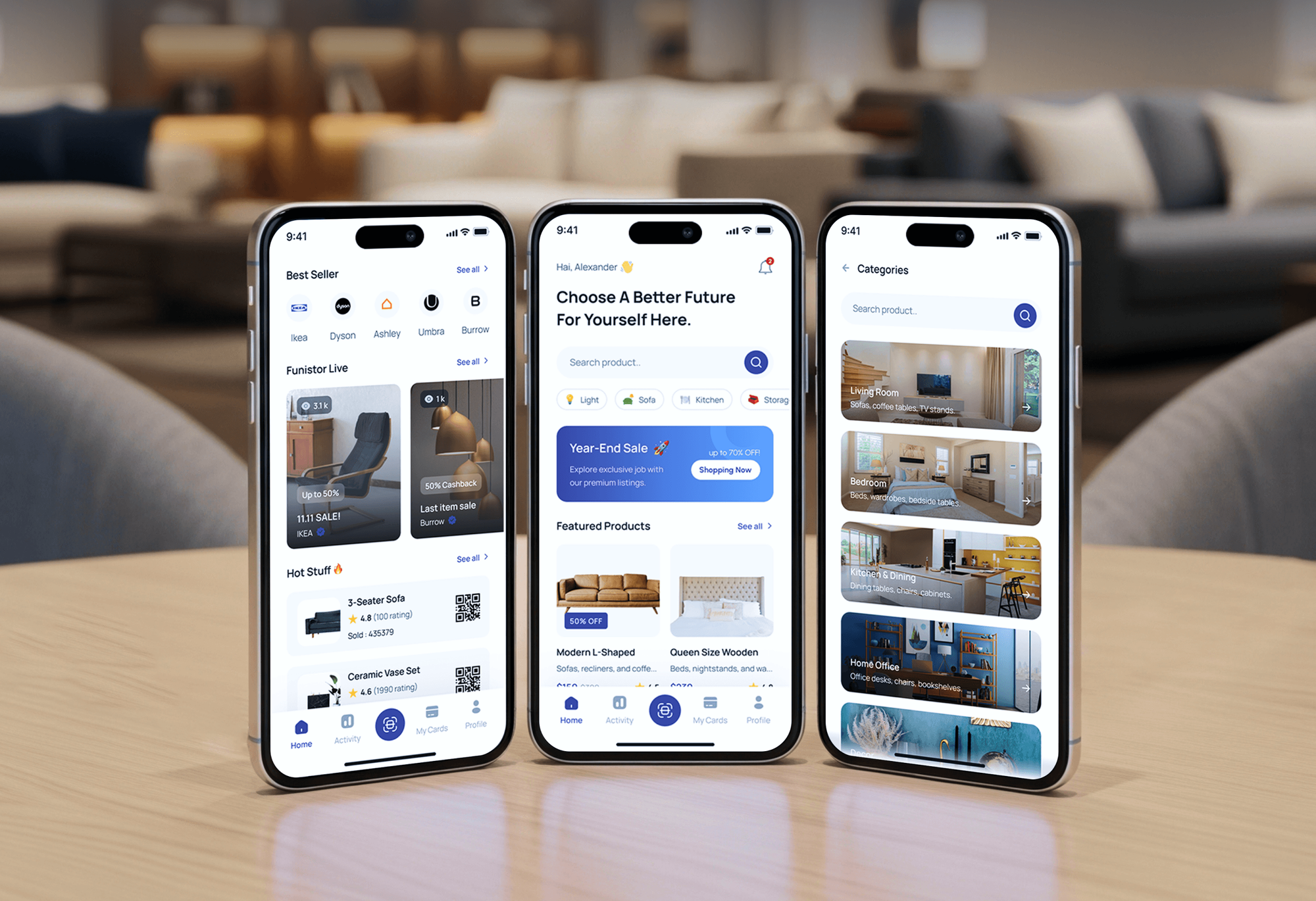
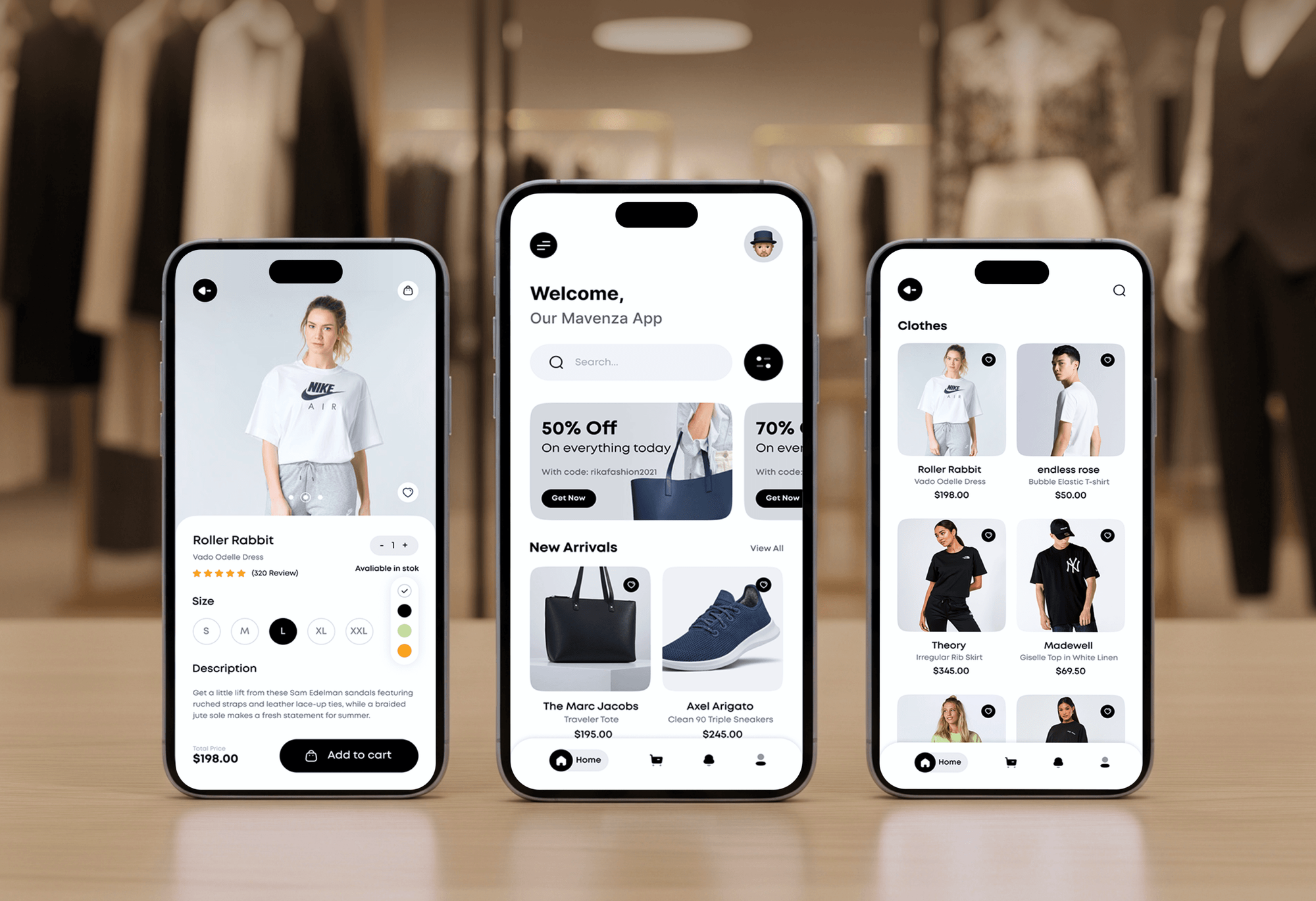
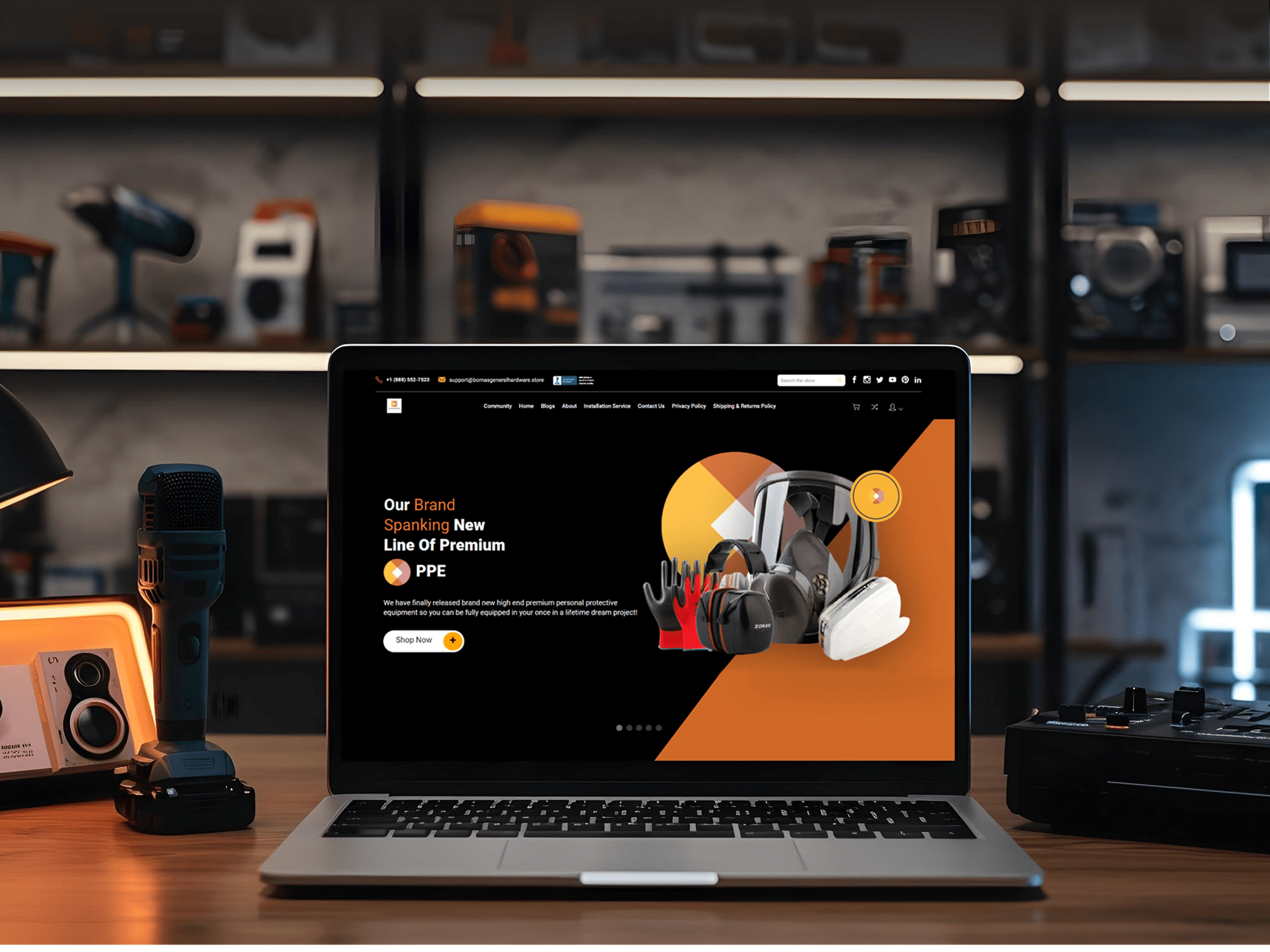
A selection of ecommerce stores and apps we've built. Retention work builds on the same base: clean order data, clear accounts, and emails that match the store.

What Our Clients Say
Feedback from ecommerce teams we have built stores, apps, and integrations for.
We had a different kind of problem. People were visiting the store, adding products to their carts, and then disappearing before they finished the order. We had tried a few apps and made changes here and there, but nothing really seemed to solve the bigger issue. The team went through the shopping experience with us and pointed out things we hadn't really noticed ourselves. They cleaned up the cart and checkout flow, made the mobile experience much smoother, and helped us make the store feel easier to shop. I’m not going to pretend we fixed everything overnight, but it finally feels like the store is helping the sale instead of getting in the way of it.
The mobile experience is probably my favourite part of the new site. We had spent a lot of time making sure the desktop version looked right, and the team kept pushing us to think about how everything would actually feel on a phone too. They were right. The navigation is clean, the interactions feel natural, and everything we’ve tested so far works exactly as it should. They also went through the links, forms, integrations, and other details more than once before launch, which I really appreciated. And even after going live, we could still reach out when something came up. The whole process felt friendly, organised, and surprisingly straightforward.
We had a pretty specific idea of what we wanted our website to become, but I wasn’t sure how easily we could explain all of it to a development team. There were quite a few moving parts, and we were working toward a deadline, so I expected a few things to get lost along the way. That never really happened. They understood what we were trying to achieve, kept us updated throughout the process, and got everything ready within the agreed timeline. The final site feels much easier to navigate, works beautifully on mobile, and is noticeably smoother for our customers. It was a huge relief seeing the original idea actually turn into the website we had in mind.
1,250+
Projects shipped
10+
Years of experience
Top 3%
Upwork Top Rated Plus
5 stars
Average review score

Want results like these?
Tell us what you are building. You get a reply within 24 hours on business days, then a written estimate.
Work Culture
Retention advice is easy to give and hard to prove, so we tie every recommendation to your own orders. These habits keep it measurable.
We read your orders before suggesting a tactic. Advice built on your own repeat data beats a checklist copied from another brand.
Every gap gets a revenue estimate before we build. Your budget goes to the fix that brings the most buyers back, not the easiest one.
Blanket discounts teach loyal customers to wait for a sale. We aim offers at buyers who need a nudge, so your margins hold.
Repeat rate and LTV are measured the same way before and after each change. You compare like with like, not a new metric each month.
If Klaviyo or your loyalty app can fix a gap with better settings, we'll say so before quoting anything new. New apps have to earn their fee.
The cohort sheets, flows, and settings stay in your accounts, so your team can keep measuring long after we finish.
Overview
DeveloperLook runs ecommerce customer retention services that start with a teardown of your repeat orders. We baseline repeat rate by cohort, audit your flows, loyalty, and subscriptions, rank the gaps by revenue, then build the top fixes. Teardowns start at $650, the first fixes go live in 3 to 5 weeks, and you keep every report.
DEVELOPERLOOK
Project facts · Ecommerce Customer Retention Services
Reviewed 28 Sep 2026 by Saimul Islam
Good fit
Stores buying the same customers twice
Your ad spend keeps climbing, but most buyers order once, and you retarget them later like strangers.
Brands unsure which retention fix comes first
You've heard loyalty, subscriptions, and win-back emails all work, and need to know which pays off first for your store.
Teams with retention tools that don't talk
Your loyalty app, Klaviyo, and subscription app each run alone, so nobody sees the full picture of a repeat buyer.
Founders reporting LTV to investors
You need a retention number you can defend: repeat rate and LTV to CAC by cohort, measured the same way every month.
Agencies with ecommerce clients
Your client asks why repeat revenue is flat, and you need a teardown delivered under your agency's name.
Not a fit
Points program decided
You already know you need a points or tiers program. Our Loyalty Program Development service builds that without a teardown.
Campaigns run for you
You want someone to write and send your campaigns every month. Our Klaviyo Agency for Shopify Stores service runs that as a monthly program.
Subscription cancels
Your churn comes from subscription cancels and failed cards. Our Subscription Churn Reduction and Failed Payment Recovery pages cover those problems.
Under about 200 orders
You have fewer than about 200 orders so far. Cohorts that small show no pattern, so focus on first buyers before a teardown.
Not sure we're the right fit?
Book a free call or message us. We'll tell you honestly whether we're the right team.
Pricing
These are starting points in USD. Your final price depends on your tools and which fixes rank first, and you get a fixed proposal after a free store review.
For stores that want to know why buyers don't return before spending on fixes.
$650one-time, USD
For stores that want the teardown and the 3 highest-value fixes built.
$2,200one-time, USD
For brands ready to fix every major gap across emails, rewards, and subscriptions.
$4,600one-time, USD
For Agencies
You own the client relationship. We supply the retention work behind it: the cohort teardown, the ranked fix plan, and each fix built and tested. Every report carries your agency's name.
White label: your client only ever sees your brand
Send the store, the tools it runs, and read access to its order data.
You get the teardown scope, delivery dates, and one fixed quote in your branding.
We deliver the teardown under your brand, then build the fixes your client approves.
We work under your brand, so the client relationship stays yours.
A fixed price and a teardown the client sees within 2 weeks.
Cohort charts and a ranked fix list that make the next project clear.
Bring us in for one teardown or a run of client stores.
The Right Technology for Your Project
We work inside the tools you already pay for. Klaviyo, your loyalty app, and your subscription app get audited and connected, not replaced.
 Shopify
 WooCommerce
 GraphQL
 Stripe
 Google Analytics (GA4)
 Google Sheets
 Power BI
 Hotjar
 Meta (Pixel, Conversions API)
 Google Tag Manager
 TikTok
 Twilio
 Gorgias
 Zendesk
 Help Scout
 Slack
SlackFAQ
Straight answers on retention costs, timelines, repeat rates, LTV to CAC, and which fix to build first.
Saimul IslamFounder & CEO, DeveloperLookStill have questions?
Send a message or book a call with the team.
A retention teardown costs $650, with a cohort baseline, a tool audit, and a ranked fix list. The $2,200 plan adds the 3 highest-value fixes, built and tested. Fixing up to 6 gaps starts at $4,600. You get a fixed quote after a free store review.
The teardown takes 1 to 2 weeks once we have read access to your store. Building the top 3 fixes adds 2 to 3 weeks, so most changes go live in 3 to 5 weeks. A program with 6 fixes takes 6 to 8 weeks, since each is tested separately.
Early signals show within one reorder cycle, and firm results take 2 to 3 cycles. If customers usually reorder after 45 days, a second-order flow shows movement in about 6 weeks. Loyalty changes are slower, since they work on customers who buy several times a year.
Ecommerce stores improve retention by fixing the step where buyers drop off, usually between the first and second order. Measure how long returning buyers wait. Then time an email to reach everyone else before that point, with a reason tied to the product they bought.
A good repeat purchase rate depends on how often your product runs out. Coffee and skincare should see far more second orders than furniture. So skip other brands' numbers: we measure how many first-time buyers reorder within your buying cycle, and whether each new cohort beats the last.
Your email flows usually come first, because they reach every buyer at a low cost. Of all customer retention strategies, ecommerce flows for the second order and win-back pay off fastest. Loyalty suits stores whose customers buy several times a year. Subscriptions only fit products people reorder on a schedule.
Repeat orders lower your blended acquisition cost because they add revenue without new ad spend. If a buyer returns twice, the cost of winning them spreads across 3 orders. We track it by cohort: each month's ad spend against the revenue those buyers bring back.
Yes, we run a retention teardown on Shopify and WooCommerce stores with read access only. We export your orders, build the cohort baseline, and review each retention tool in its own dashboard. Nothing on your store changes during the teardown, and you keep the full report.
We measure LTV to CAC by cohort, before and after each change. LTV is gross margin per customer over 12 months from their first order, and CAC is ad spend divided by new customers that month. Shopify's cohort analysis report gives the repeat side, and your ad accounts give the spend.
Yes, the fix plan is written so your own team can build it. Each gap lists the tool, the setting to change, and how to test it. Many stores build the simple fixes in-house and bring us the harder ones, like custom reward rules.
Saimul IslamFounder & CEO, DeveloperLookStill have questions?
Send a message or book a call with the team.
Free 30-min callGoogle Meet
Book a call
In 30 minutes on Google Meet we walk you through how we would build it, how long it takes and what it costs. Then you get a written estimate.
Calendar not showing? Book on cal.com or send a brief.