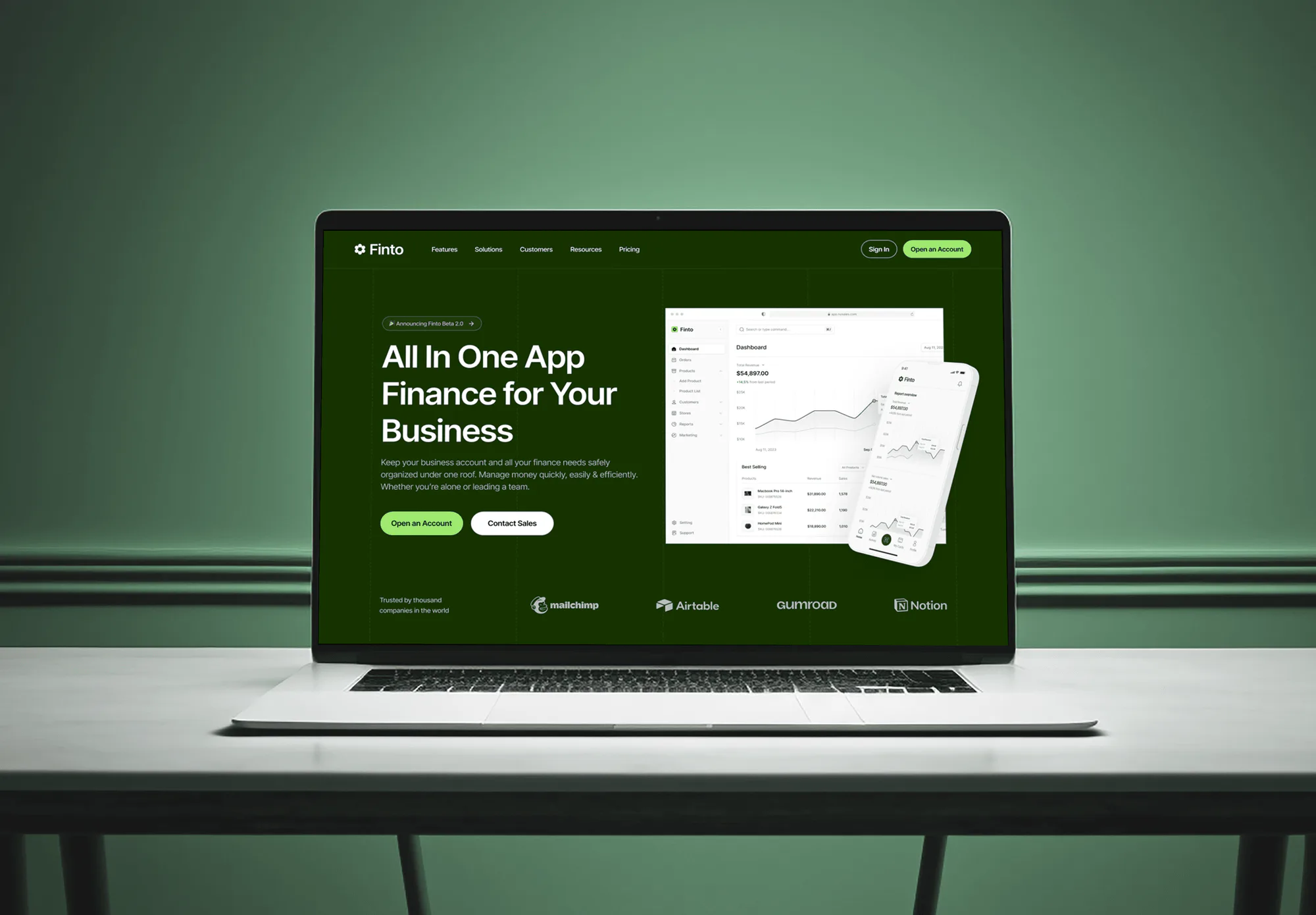
Finto Corporate Website Design & Development
- Finance
- Dashboard
- Website

For public companies and IPO candidates: an incident path that reaches the disclosure committee fast, and 10-K text your security team can back up.
100%
Item 106 claims checked
4-day
8-K clock mapped
How your project runs
01 · FreeIndustry leaders we work with
 Slack
The Problem
It shows up when a security alert turns serious and nobody can say who decides materiality, how fast, or what the 10-K promised.
Escalation
Legal learns about a serious incident days after IT does.
Escalation
A written escalation path with triggers that bring counsel in within hours.
Materiality
Nobody knows who decides materiality or which facts they need.
Materiality
A materiality worksheet and named decision owners, agreed before any incident happens.
10-K text
The annual report describes processes nobody can show evidence for.
10-K text
Each Item 106 claim mapped to minutes, policies, or logs, with gaps fixed.
Board
Board cyber briefings happen only when someone remembers them.
Board
A quarterly board reporting pack with the metrics your filing says you track.
It's Thursday night, and your security team flags ransomware on a file server that holds customer contracts. Legal hears about it on Monday, from a Slack thread. Nobody has written down who decides whether it's material, which facts they need, or when the four-business-day 8-K clock starts. Last year's 10-K says the audit committee gets regular cyber briefings. Nobody can find the minutes.
We start with your real escalation path: from the alert in your monitoring tools to the people who weigh materiality. Then we write a materiality process your counsel can use, an 8-K drafting playbook, and a board reporting rhythm that matches your Item 106 text. A tabletop runs the whole chain against the clock. You get a decision path tested in advance, not one invented during the incident.
Alert to committee, mapped
Who hears about an incident, in what order, and with which facts, from the first ticket onward.
Materiality steps written down
Quantitative and qualitative factors your counsel weighs, recorded the same way every time.
Annual report text that holds
Every Item 106 statement matched to a meeting, a policy, or a log you can produce.
Our SEC Cybersecurity Rules Compliance Process
You see the current state first, approve each document with your counsel, and watch the full path tested in a tabletop before anything is final.
We ask how incidents are handled today, who sits on the disclosure committee, and what your last 10-K said. You get a fixed quote and a short document request list.
Projects We've Built
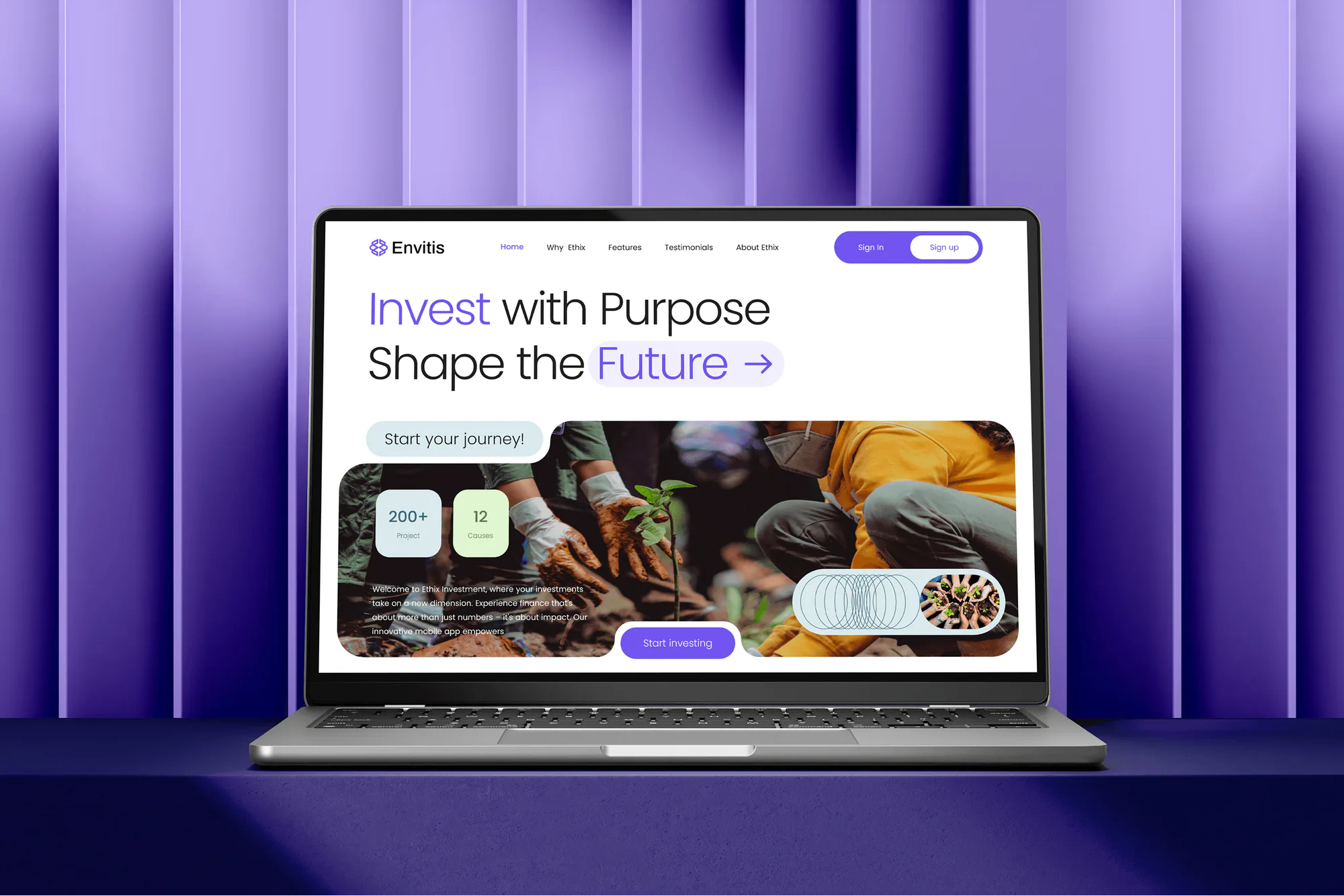
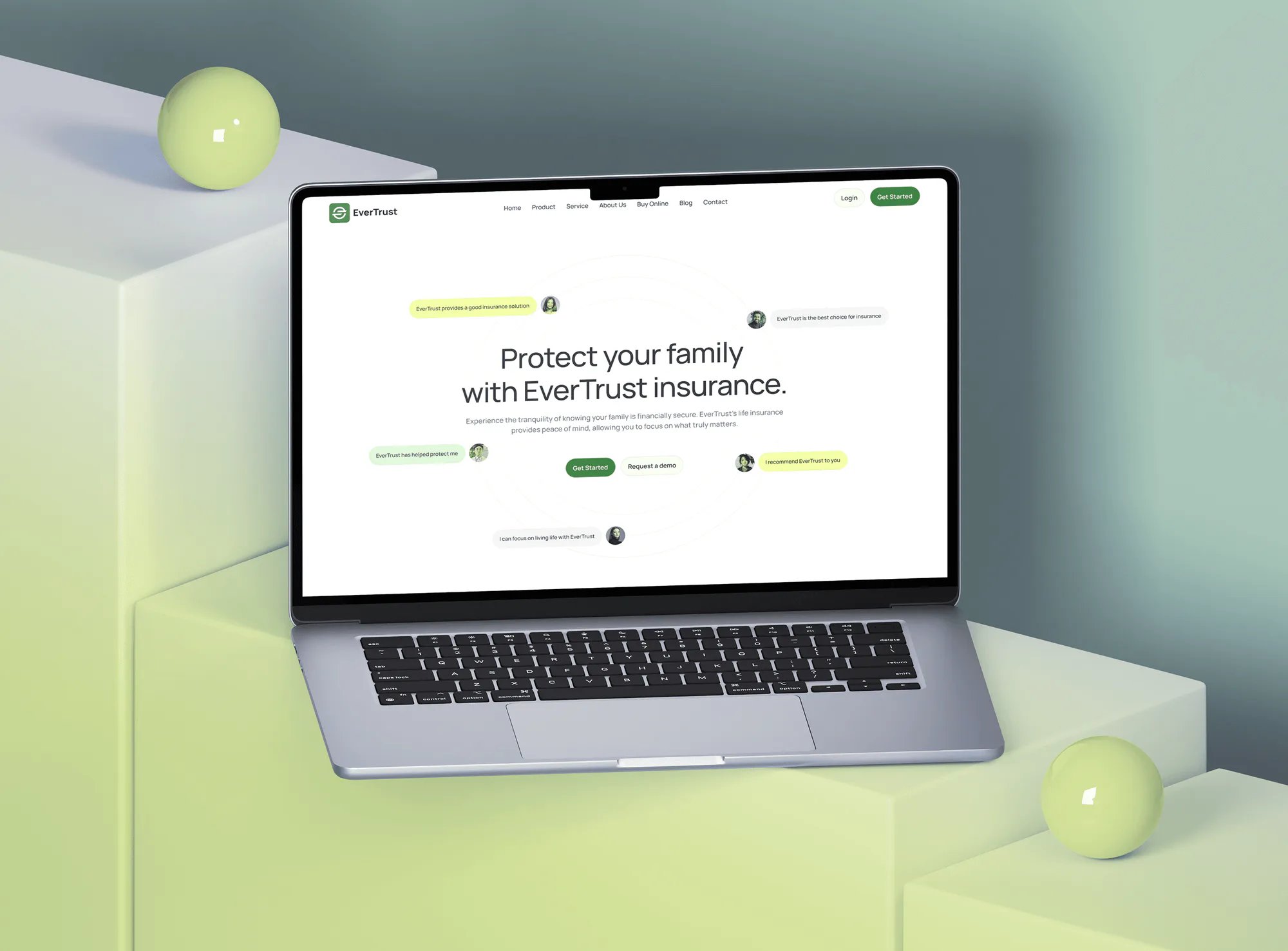
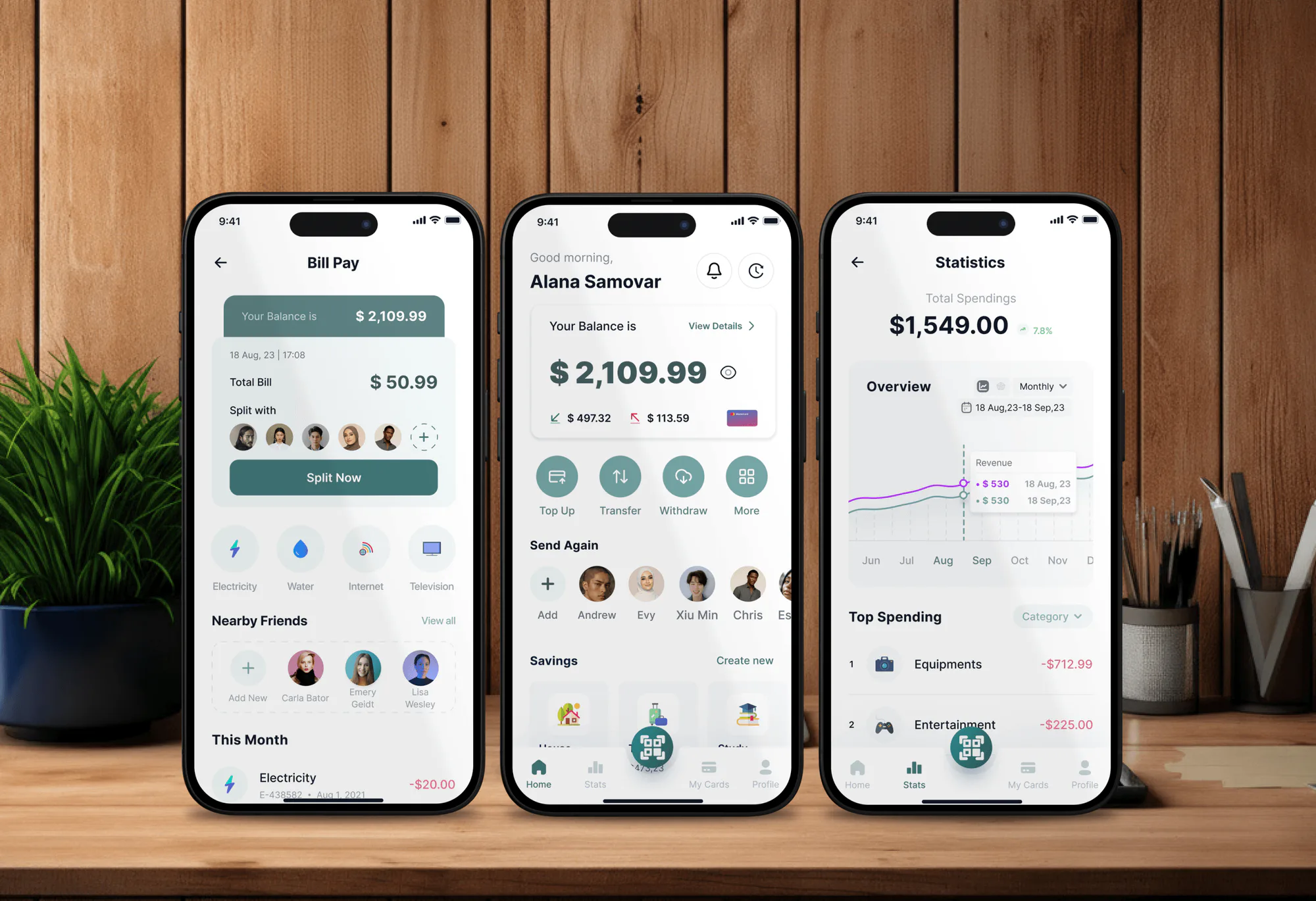
Investment, fintech, and insurance sites and apps we designed and built. They show our build work for regulated firms, not SEC disclosure projects.
What's Included
Each project covers a filing text review, an escalation path, a materiality process, an 8-K playbook, a board pack, and a timed tabletop.
Compare Options
Securities counsel and large advisory firms both have a real role. Here is where each fits when the disclosure process needs building and testing.
| Feature | DeveloperLookBest fit | Law firm only | Large consultancy |
|---|---|---|---|
| Materiality legal judgment | Facts and process, counsel decides | Their core strength | Usually paired with counsel |
| Escalation path build | Built in your own tools | Advice, not tooling | Designed, often handed off |
| Item 106 evidence check | Every claim matched to proof | Reviews the wording | Broad maturity assessment |
| Tabletop exercise | Alert to filing, every step timed | Sometimes, with legal focus | Yes, often large format |
| Cost | Fixed price from $1,250 | Hourly legal rates | Large engagement fees |
| Fit for smaller filers | Sized for small security teams | Strong for advice | Often built for large enterprises |
| Speed to start | After one free call | Fast for existing clients | Longer procurement cycles |
| Ongoing support | 30 days, then as needed | Retainers available | Managed programs available |
What Our Clients Say
Feedback from teams we have built platforms, apps, and websites for.
We had a pretty specific idea of what we wanted our website to become, but I wasn’t sure how easily we could explain all of it to a development team. There were quite a few moving parts, and we were working toward a deadline, so I expected a few things to get lost along the way. That never really happened. They understood what we were trying to achieve, kept us updated throughout the process, and got everything ready within the agreed timeline. The final site feels much easier to navigate, works beautifully on mobile, and is noticeably smoother for our customers. It was a huge relief seeing the original idea actually turn into the website we had in mind.
The mobile experience is probably my favourite part of the new site. We had spent a lot of time making sure the desktop version looked right, and the team kept pushing us to think about how everything would actually feel on a phone too. They were right. The navigation is clean, the interactions feel natural, and everything we’ve tested so far works exactly as it should. They also went through the links, forms, integrations, and other details more than once before launch, which I really appreciated. And even after going live, we could still reach out when something came up. The whole process felt friendly, organised, and surprisingly straightforward.
What I appreciate most is that the website is actually easy for us to manage now. We can update content ourselves instead of sending a developer a message every time we need to change something small. They also paid attention to the technical SEO side, which mattered to us because we didn’t want a new website to create problems for the traffic we already had. I’ve probably asked more questions than I should have since launch, but every question has been handled patiently and without any fuss. The team is easy to work with, they explain things clearly, and when we need something changed, they focus on getting it done rather than making the process complicated.
1,250+
Projects shipped
10+
Years of experience
5 stars
Clutch rating
5 stars
GoodFirms rating
Excellent
Trustpilot rating
Top 3%
Upwork Top Rated Plus
1,250+
Projects shipped
10+
Years of experience
5 stars
Clutch rating
5 stars
GoodFirms rating
Excellent
Trustpilot rating
Top 3%
Upwork Top Rated Plus

Want results like these?
Tell us what you are building. You get a reply within 24 hours on business days, then a written estimate.
Work Culture
Disclosure work sits between your security team and your lawyers. These habits keep facts moving between them without anyone guessing at the other side's job.
We gather facts, build the process, and draft checklists. Materiality and disclosure wording stay with your securities counsel, where they belong.
We check that a process exists before your 10-K describes it. Your filing then says what your team does, which is far easier to defend later.
If your counsel's playbook and one tabletop already cover a small company, we'll tell you before we quote. You won't pay for a program you don't need.
We review settings, tickets, and documents with read-only access. Draft filings and board materials stay in your systems, not in our shared drives.
Every hand-off has a time target, so the materiality decision isn't delayed and the filing fits four business days. We time each step in the tabletop.
You get a fixed quote based on your entities, tools, and filing status. Extra subsidiaries or a foreign private issuer variant are priced before work starts.
Overview
DeveloperLook prepares public companies for the SEC cybersecurity rules by building the path from a security alert to a disclosure decision. Each project covers an Item 106 gap review, an escalation path, a materiality worksheet, an 8-K playbook for counsel, and a timed tabletop. Projects start at $1,250 and take 2 to 8 weeks.
DEVELOPERLOOK
Project facts · SEC Cybersecurity Rules Compliance
Reviewed 27 Oct 2026 by Saimul Islam
Good fit
Newly public companies
Your first 10-K is due, and you need Item 106 text that describes a cyber risk process your team really runs.
Smaller reporting companies with lean teams
Your security team is two people and an MSP, and the SEC cybersecurity regulations still expect a clear path from incident to disclosure.
Companies preparing to go public
You plan to list within a year and want incident escalation and board reporting working before your first annual report describes them.
General counsel and disclosure committees
You chair the disclosure committee and want the SEC cyber disclosure rules turned into a worksheet, named owners, and a rehearsed timeline.
Teams comparing outside help
You're comparing expert cyber compliance firms to meet SEC cybersecurity rules and want people who build the escalation path inside your own tools.
Not a fit
Need securities legal advice
You need a legal opinion on whether an incident is material or how to word a filing. Your securities counsel owns that call, backed by our facts.
Active breach right now
You're in the middle of an active breach today. Our Incident Response Services page covers containment first, and disclosure readiness can follow.
NYDFS-licensed, not listed
You're a private company licensed by New York DFS, not an SEC registrant. Our NYDFS Cybersecurity Regulation Compliance page covers Part 500 instead.
Budget under $1,250
Your budget is under $1,250 and you only need one policy reviewed. Your counsel's checklist and current incident plan may be enough for now.
Not sure we're the right fit?
Book a free call or message us. We'll tell you honestly whether we're the right team.
Pricing
These are starting points in USD. Your final price depends on your entities, incident tooling, and filing type, and you get a fixed proposal after a free call.
For Agencies
You own the client relationship. We supply the escalation paths, evidence checks, and timed tabletops under your brand, so your issuer clients get a disclosure process that works on the day.
White label: your client only ever sees your brand
Send the filing status, current incident plan, committee charter, and main security tools.
We run the gap review and build the escalation path for your approval.
We run the tabletop under your brand and hand over the final documents.
Send the filing status, current incident plan, committee charter, and main security tools.
We run the gap review and build the escalation path for your approval.
We run the tabletop under your brand and hand over the final documents.
The Right Technology for Your Project
We build the escalation path in tools your teams already use, so alerts reach decision makers without a manual relay.
SlackFAQ
Straight answers on cost, timing, the 8-K clock, materiality, and what your 10-K must describe.
Saimul IslamFounder & CEO, DeveloperLookStill have questions?
Send a message or book a call with the team.
Readiness work with us starts at $1,250 for an Item 106 gap review and escalation map. Building the materiality process, 8-K playbook, board pack, and a timed tabletop starts at $3,450. Groups with subsidiaries or foreign private issuer filings start at $6,900. You get a fixed quote after a free call.
Most companies are ready in 2 to 8 weeks. The gap review takes 2 to 3 weeks. Building the escalation workflow, playbook, and board pack adds 3 to 5 weeks, and the tabletop closes it out. We schedule around quarter-end so your finance team isn't pulled away during the close.
The SEC cybersecurity rule took effect on September 5, 2023. Annual Item 106 disclosure applies to fiscal years ending on or after December 15, 2023. Form 8-K incident reporting started on December 18, 2023, and smaller reporting companies began on June 15, 2024. Foreign private issuers report on Forms 6-K and 20-F instead.
Item 1.05 of Form 8-K requires disclosure of a material cybersecurity incident within four business days of deciding it's material. You describe the nature, scope, and timing of the incident and its material or reasonably likely material impact. Technical detail that would hinder your response can stay out, and you amend the filing as new facts emerge.
The SEC rules don't define a material vulnerability, so materiality follows the usual securities-law test. Information is material if a reasonable investor would likely consider it important. Your counsel weighs financial impact next to qualitative factors such as reputation, customer trust, legal exposure, and operations. We build the worksheet that captures those facts, while the decision stays with counsel.
Item 106 asks you to describe your processes for assessing, identifying, and managing material cybersecurity risks. It also asks how the board oversees those risks and which managers are responsible, including their expertise. The text should match practice, which is why we check every statement against minutes, policies, and logs before you file.
The clock starts when the company determines an incident is material, not when it's discovered. The rule expects that determination without unreasonable delay after discovery, so a slow escalation path is a risk of its own. We design the path so facts reach decision makers within hours, and each decision is recorded with a date and reasons.
It can be, through Item 8.01 instead of Item 1.05. SEC staff said in May 2024 that Item 1.05 is meant for incidents determined to be material, and other incidents may be disclosed voluntarily under Item 8.01. Your counsel makes that call, and our playbook sets out both routes so nobody improvises mid-incident.
Smaller reporting companies follow the same rules, but their 8-K requirement started six months later, on June 15, 2024. Item 106 applies on the same schedule as larger filers. The real difference is capacity, so we size their escalation path and board pack for a lean team.
You keep every document in your own systems, from the escalation workflow to the after-action report. You also get 30 days of follow-up questions after handover. Most teams rerun the tabletop yearly and refresh the Item 106 review before each 10-K, which we quote as a new fixed-price project.
Saimul IslamFounder & CEO, DeveloperLookStill have questions?
Send a message or book a call with the team.
Free 30-min callGoogle Meet
Book a call
In 30 minutes on Google Meet we walk you through how we would build it, how long it takes and what it costs. Then you get a written estimate.
Calendar not showing? Book on cal.com or send a brief.