










API authorization testing
Money-movement and account endpoints tested against the OWASP API Security Top 10, object-level checks first.

For fintechs facing sponsor bank or enterprise security reviews: money-movement APIs tested, secrets locked down, and evidence mapped to SOC 2 and PCI DSS. From $1,250.
100%
Money-movement endpoints authorization tested
2
Frameworks mapped to evidence
How your project runs
01 · FreeTeams we have built for:














The Problem
The gap shows up when a sponsor bank starts due diligence or an enterprise buyer asks for a pen test. It also shows up when fraud losses grow faster than your rules can keep up.
Authorization
Users can read another account's data by changing an ID.
Authorization
Every money-movement endpoint is tested for object-level authorization before partners see it.
Webhooks
Processor webhooks are accepted without checking signatures.
Webhooks
Webhook signatures, timestamps, and idempotency keys are verified, so replays get rejected.
Back office
Staff share an admin role that can edit balances.
Back office
Back-office roles are split by duty, and every money action is logged.
Fraud flags
Nobody can explain why the model flagged a payment.
Fraud flags
Each rule and model output carries a reason code a reviewer can read.
Your partner bank's due diligence questionnaire has a section on information security, and the deadline is next Friday. Meanwhile, your transfers API checks that a user is logged in, but not that the account ID in the request belongs to them. Webhook calls from your processor aren't signature-checked. Back-office staff share an admin role that can edit balances, and nobody logs who changed what. The fraud model flags transactions, but no one can explain why to a chargeback reviewer.
We start with the endpoints that move money. We test authorization on every one, check webhook signatures and replay protection, and review how secrets and encryption keys are stored. Then we set up audit logs for admin and money actions. Each control is mapped to SOC 2 and PCI DSS, so your answers to the bank cite evidence. Your fraud rules and models get a review too. You go into diligence with proof, not promises.
Money-movement APIs tested
Every endpoint that moves funds checked for broken object and function level authorization.
Evidence the bank can read
Controls mapped to SOC 2 and PCI DSS, with screenshots, logs, and policies attached.
Fraud signals explained
Rules and models reviewed so each decline or flag has a reason a reviewer can follow.
Our Fintech Cybersecurity and Compliance Process
You approve the scope and test windows, review findings as we confirm them, and sign off every questionnaire answer before it reaches your bank partner or buyer.
We ask about your partner bank or buyer, your money-movement flows, and your stack. A written scope and fixed price follow the call. If your processor's hosted tools already meet the requirement, we'll tell you before quoting.
What's Included
The full scope covers API authorization testing, secrets and key management, webhook safeguards, audit logs, and partner evidence. The top plan adds fraud controls, vendor ratings, and an incident runbook.
Compare Options
Fintech and cybersecurity tools help in different ways. Compliance software tracks evidence across many frameworks, and a pen test firm finds flaws fast. Here is where each fits a fintech.
| Feature | DeveloperLookBest fit | Compliance software | Pen test firm |
|---|---|---|---|
| Focus | Product controls and partner evidence | Policies and evidence tracking | Finding vulnerabilities |
| API authorization | Money-movement endpoints tested first | Not tested | Tested within the test window |
| Fixing gaps | Fixes built with your engineers | Tasks assigned, not fixed | Report only, fixes extra |
| Framework mapping | SOC 2 and PCI DSS mapped | Many frameworks, tracked automatically | Usually not included |
| Fraud controls | Rules and models reviewed | Not covered | Not covered |
| Partner questionnaires | Answers drafted with evidence | Templates and a trust page | Report attached as evidence |
| Speed | 1 to 8 weeks, fixed scope | Fast setup, months of evidence | 1 to 3 weeks of testing |
| Cost predictability | Fixed price from $1,250 | Yearly subscription | Quoted per test |
Projects We've Built
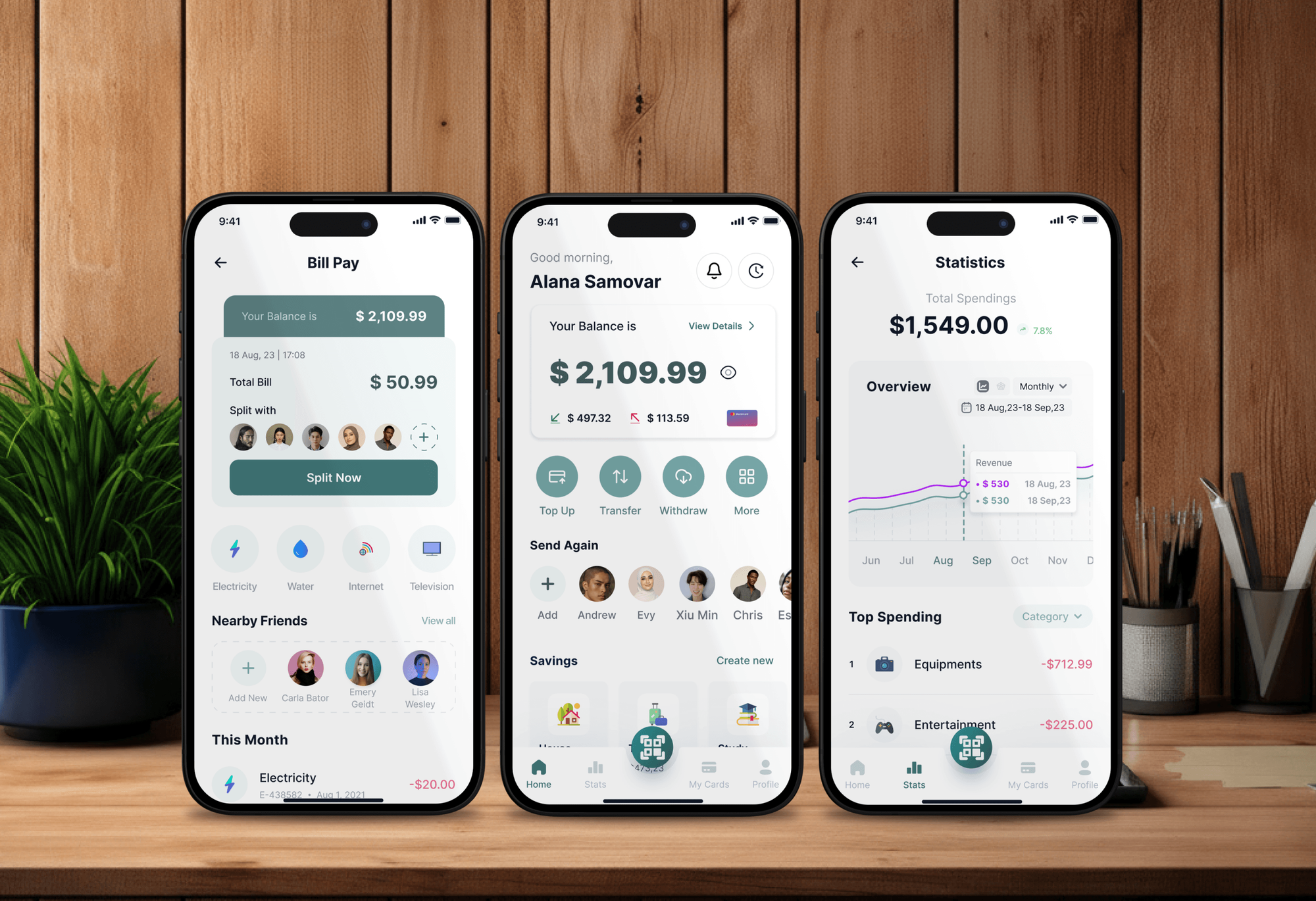
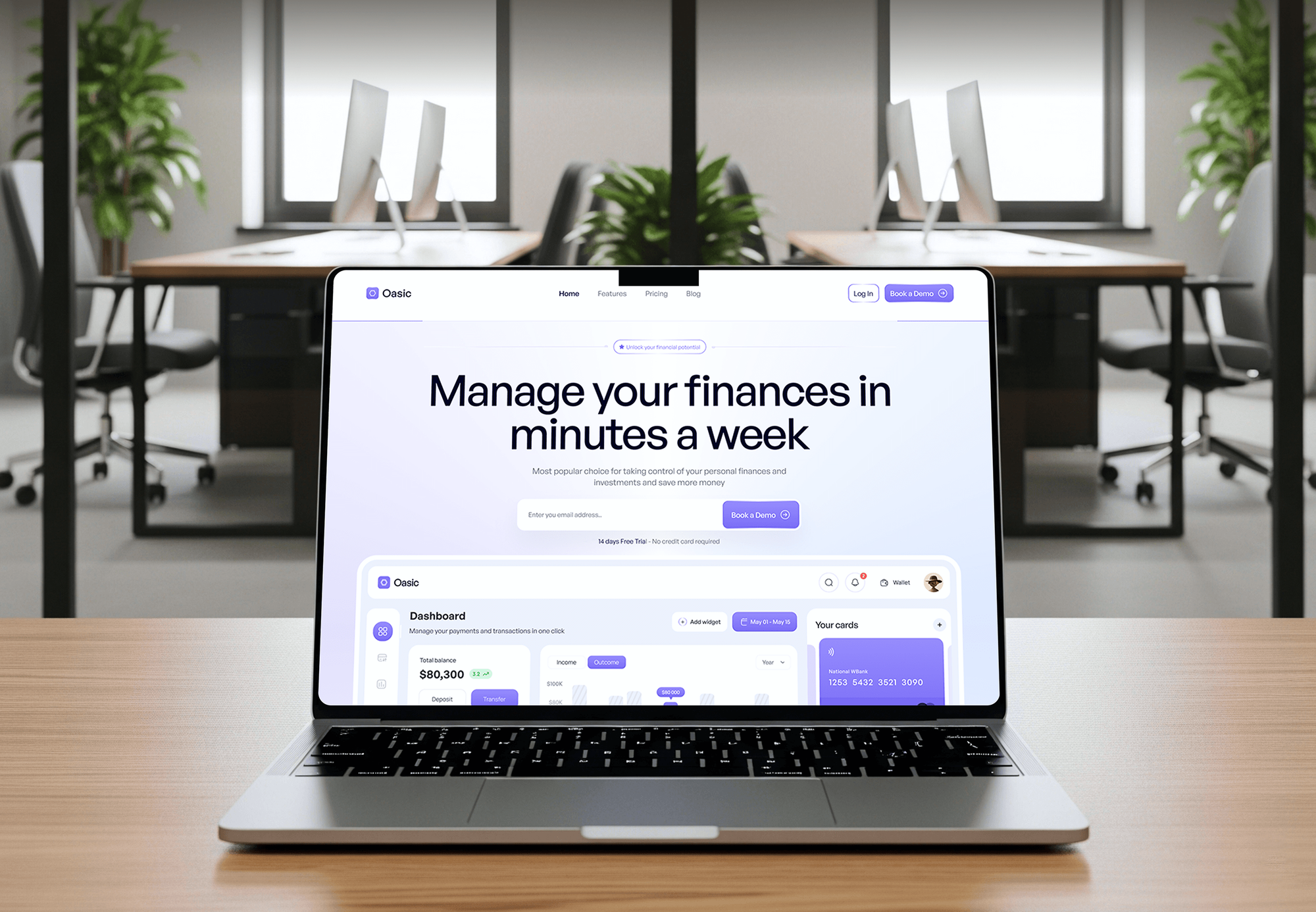
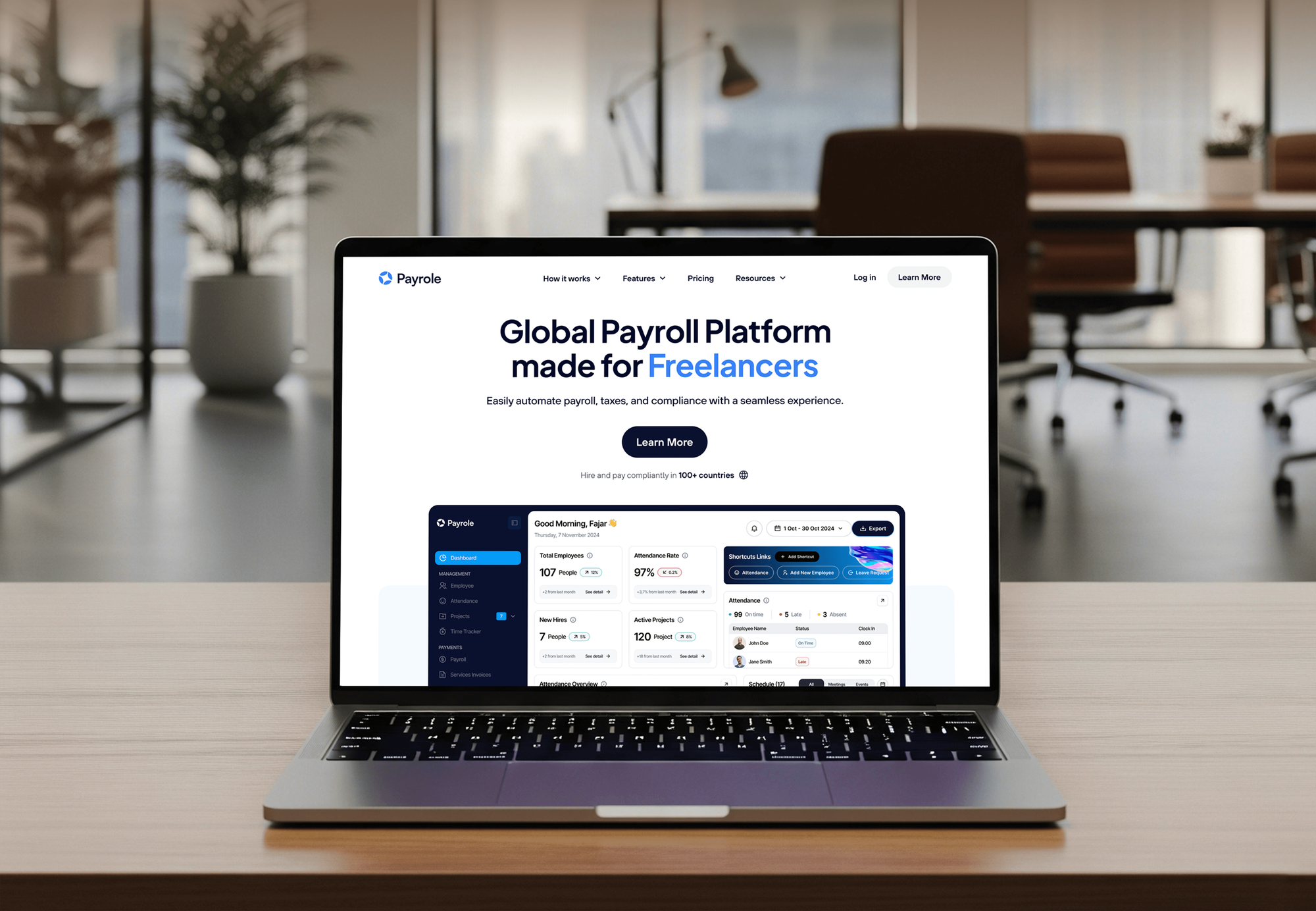
Finance apps, payroll platforms, and fintech websites we designed and built. They move or display the kind of financial data this security work protects.

What Our Clients Say
Feedback from teams we have built apps, platforms, and websites for.
We had a pretty specific idea of what we wanted our website to become, but I wasn’t sure how easily we could explain all of it to a development team. There were quite a few moving parts, and we were working toward a deadline, so I expected a few things to get lost along the way. That never really happened. They understood what we were trying to achieve, kept us updated throughout the process, and got everything ready within the agreed timeline. The final site feels much easier to navigate, works beautifully on mobile, and is noticeably smoother for our customers. It was a huge relief seeing the original idea actually turn into the website we had in mind.
The mobile experience is probably my favourite part of the new site. We had spent a lot of time making sure the desktop version looked right, and the team kept pushing us to think about how everything would actually feel on a phone too. They were right. The navigation is clean, the interactions feel natural, and everything we’ve tested so far works exactly as it should. They also went through the links, forms, integrations, and other details more than once before launch, which I really appreciated. And even after going live, we could still reach out when something came up. The whole process felt friendly, organised, and surprisingly straightforward.
What I appreciate most is that the website is actually easy for us to manage now. We can update content ourselves instead of sending a developer a message every time we need to change something small. They also paid attention to the technical SEO side, which mattered to us because we didn’t want a new website to create problems for the traffic we already had. I’ve probably asked more questions than I should have since launch, but every question has been handled patiently and without any fuss. The team is easy to work with, they explain things clearly, and when we need something changed, they focus on getting it done rather than making the process complicated.
1,250+
Projects shipped
10+
Years of experience
Top 3%
Upwork Top Rated Plus
5 stars
Average review score
1,250+
Projects shipped
10+
Years of experience
Top 3%
Upwork Top Rated Plus
5 stars
Average review score

Want results like these?
Tell us what you are building. You get a reply within 24 hours on business days, then a written estimate.
Work Culture
Fintech cybersecurity and compliance work touches live balances and partner trust. These habits keep testing safe, evidence honest, and your engineers in control of every fix.
We test money-movement endpoints on staging or sandbox accounts with test funds. Production testing happens only with your written approval and a rollback plan.
We prepare controls and evidence, but your auditor issues the SOC 2 report and your QSA or acquirer accepts PCI validation. We don't pose as either.
Your engineers ship fixes in your repo with our review, not in a black box. The controls stay maintainable after we leave.
We keep hard rules for clear-cut fraud and use models where patterns shift. Every decision keeps a reason code for disputes and partner reviews.
We test with synthetic accounts and masked data, not real customer records. KYC files and card numbers stay in your environment.
You get one fixed price for the products and APIs in scope. A new product line or card program is quoted first.
Overview
DeveloperLook provides fintech cybersecurity and compliance work for startups facing bank partner and enterprise reviews. We test money-movement APIs, lock down secrets and keys, add audit logs and access roles, and map every control to SOC 2 and PCI DSS. Projects start at $1,250 and take 1 to 8 weeks, at a fixed price.
DEVELOPERLOOK
Project facts · Fintech Cybersecurity and Compliance
Reviewed 27 Oct 2026 by Saimul Islam
Good fit
Fintechs entering a bank partnership
Your sponsor bank sent a due diligence questionnaire, and you need cybersecurity standards and frameworks for fintech companies turned into controls you can show.
Payment and money movement startups
Your API moves money over ACH or card rails, and one broken authorization check could let a user see or move another account's funds.
Lending and BNPL platforms
You decision loans with customer financial data, and you want cybersecurity for fintech products built in before your next funding round.
Fintechs selling to enterprises
Your enterprise buyers ask for SOC 2 status and pen test results, and you need the product evidence ready before their security team calls.
Teams adding AI fraud models
You're adding machine learning to fraud and chargeback review, and you need to know where it helps and where rules should still decide.
Not a fit
Bank or credit union
You're a chartered bank or credit union preparing for an IT exam. Our financial services cybersecurity page covers that program.
Need SOC 2 readiness
You need SOC 2 readiness and an auditor-ready control set as the main project. Our SOC 2 compliance services page covers that work.
Card data scope only
Your only question is which PCI DSS self-assessment questionnaire fits your checkout. Our PCI compliance services page covers that scoping.
Pre-launch, no live money
You're pre-launch with no partner bank or real money yet. Building to the OWASP API Security Top 10 in code review may be enough for now.
Not sure we're the right fit?
Book a free call or message us. We'll tell you honestly whether we're the right team.
Pricing
These are starting points in USD. Your final price depends on your products, your APIs, and your partner's requirements, and you get a fixed proposal after a free diligence call.
For Agencies
You own the fintech client relationship. We supply the API testing, evidence mapping, and fraud control review under your brand, and your team presents the results. Your studio can take on bank-partnered products without adding security engineers.
White label: your client only ever sees your brand
Share the client's money flows, partner bank, and technology stack.
You get a written scope and one fixed price per product.
We deliver findings and the evidence pack for you to present.
Share the client's money flows, partner bank, and technology stack.
You get a written scope and one fixed price per product.
We deliver findings and the evidence pack for you to present.
The Right Technology for Your Project
These are the testing tools we use on fintech APIs, plus the cloud, payment, identity, and logging systems where the controls get built.
 AWS
 Google Cloud
 Stripe
Related Services
Fintechs that finish this work often add SOC 2 readiness, PCI scoping, deeper app testing, or fraud prevention. These pages cover those next steps.
This page
Fintech Cybersecurity and Compliance
Pairs with the 6 services around it
FAQ
Straight answers on cost, timing, providers, standards, AI in fraud and payments, and what we do and don't certify.
Saimul IslamFounder & CEO, DeveloperLookStill have questions?
Send a message or book a call with the team.
Our work starts at $1,250 for a partner diligence review. That covers architecture and secrets, authorization tests on every money-movement endpoint, and a SOC 2 and PCI DSS mapping. Full API testing, webhook safeguards, audit logs, and an evidence pack cost $3,250. Programs adding a second product, fraud controls, and vendor ratings start at $6,500.
A diligence review takes 1 to 2 weeks. Adding full API testing, logging, and an evidence pack brings it to 4 to 6 weeks, and the full program takes 6 to 8 weeks. Start before the bank's questionnaire arrives if you can, because fixes need time to ship and to produce evidence a reviewer will accept.
There's no neutral ranking, so compare providers by what they test and what they hand you. Compliance platforms track evidence, pen test firms find flaws, and managed providers watch systems. For a fintech, look for API authorization testing, money-movement knowledge, and evidence mapped to SOC 2 and PCI DSS. We share a sample report on the first call.
No single standard covers every fintech. PCI DSS applies once you store, process, or transmit card data, and SOC 2 is what partner banks and enterprise buyers usually ask for. NIST CSF 2.0 or ISO/IEC 27001 often frame the wider program. Your sponsor bank adds its own requirements under the 2023 interagency guidance on third-party relationships.
Fix authorization on the APIs that move money first, because one missing ownership check exposes every account. Next, take secrets out of code, put MFA and least privilege on back-office tools, verify webhook signatures, and log every admin and money action. Those controls answer most of a bank's security questions and produce evidence you can attach.
AI is used mainly to spot unusual behavior faster than fixed rules can, such as odd logins, account takeovers, and drifting transaction patterns. Models also triage security alerts and flag synthetic identities at onboarding. They work best beside rules, because partner banks and chargeback reviewers expect each decision to carry a reason someone can explain.
AI scores each payment against the customer's normal behavior in real time, catching patterns static rules miss. Device, location, and velocity signals feed that score. It's still only one layer of cyber security in fintech payments, next to authorization and key management. We review thresholds, monitoring, and fallbacks so false declines stay low and every decline has a reason code.
Models flag likely fraud before settlement and help assemble evidence when a chargeback arrives, such as device history and delivery proof. The value comes from good data and clear reason codes, not the model alone. Our top plan reviews your fraud rules, model inputs, and chargeback evidence flow, then ranks the gaps by loss exposure.
Banks run exam-driven programs across a whole institution, while fintechs build products whose APIs move money. When it comes to cybersecurity, fintech teams hold most of the attack surface even though the bank holds the charter. So the work lives in code, cloud accounts, and partner contracts, and the bank checks it through due diligence rather than exams.
No. An independent CPA firm issues SOC 2 reports, and PCI DSS validation comes from a QSA or a self-assessment your acquirer accepts. We build and document the controls those reviewers test, and you get 30 days of support after handover to answer their follow-up questions about our work.
Saimul IslamFounder & CEO, DeveloperLookStill have questions?
Send a message or book a call with the team.
Free 30-min callGoogle Meet
Book a call
In 30 minutes on Google Meet we walk you through how we would build it, how long it takes and what it costs. Then you get a written estimate.
Calendar not showing? Book on cal.com or send a brief.