





Containment checklist
Clear first actions from the triage call, so your team can stop the spread before we even log in.

For IT leads and owners facing a live breach: we contain it without wiping the evidence, find how the attacker got in, and get you running again. From $1,100.
1st call
Ends with your containment steps
100%
Evidence kept before cleanup
How your project runs
01 · FreeTeams we have built for:














The Problem
Incidents rarely announce themselves. An antivirus alert, a server busy at 3 a.m., or a cloud bill that tripled is often the first sign anyone notices.
Early wipe
Reimaging first destroys the record of how they got in.
Early wipe
Disk images and logs are copied before any machine is cleaned or rebuilt.
Same door
The entry point stays open after the cleanup.
Same door
We trace the first foothold and close it before systems come back.
Hidden access
Attackers leave extra accounts and keys behind.
Hidden access
We hunt for added accounts, keys, scheduled tasks, and remote tools on every affected system.
No answers
Your insurer and customers ask questions nobody can answer.
No answers
You get a dated timeline and root cause report written for insurer and counsel.
Your cloud bill tripled overnight, and a server you barely use is running flat out. Or your antivirus flagged a remote access tool nobody installed on the bookkeeper's laptop. The instinct is to reimage the machine, change a password, and hope. That wipes the record of how the attacker got in, so the same door stays open. Meanwhile your insurer wants a timeline, your customers want answers, and your team wants to know whether they can work tomorrow.
We start by containing, not wiping. Affected machines are isolated through your EDR or network, exposed passwords and access keys are rotated, and disk images and logs are copied before anything is cleaned. Then we trace the entry point, remove what the attacker left, and bring systems back in a safe order. You get a written root cause your insurer and counsel can use. The door they used gets closed, not just painted over.
Contain without wiping
Affected machines and accounts are isolated while disks and logs are kept for the investigation.
Find the way in
We trace the first foothold, whether a phished login, an exposed service, or a leaked key.
Recover in a safe order
Identity comes back first, then critical systems, each checked before it rejoins the network.
Our Incident Response Services Process
Each step ends with something you can use: a containment checklist, a scope, a cleaned system, or a report. You approve every change to live systems.
We hear what you've seen, ask what changed recently, and check who holds admin access. The call ends with containment steps your team can take straight away, such as isolating a host or disabling an account, and a proposal for the next phase.
What's Included
Containment, investigation, cleanup, and recovery for servers, cloud accounts, and laptops, plus the written record your insurer, counsel, and board will ask for.
Compare Options
Your MSP knows your systems best, and the large firms bring insurer panels and round-the-clock staff. Here is where each one fits a live incident.
| Feature | DeveloperLookBest fit | Your MSP | Large IR firm |
|---|---|---|---|
| Working hours | US, UK, and AU business hours | Business hours, usually | Round the clock |
| Evidence handling | Imaged and hashed before cleanup | Often reimaged straight away | Imaged and hashed |
| Root cause work | Traced, written up, and closed | Varies by provider | Detailed and formal |
| Insurer panel firm | Often yes | ||
| Knows your systems | Learns them on day 1 | Yes, already | Learns them on day 1 |
| Recovery work | Included, staged and checked | Often handed back to IT | |
| Follow-up support | 30 days after the report | Covered by your contract | Billed per engagement |
| Cost predictability | Fixed price from $1,100 | Hourly, often the cheapest | Retainer or high hourly rates |
Projects We've Built
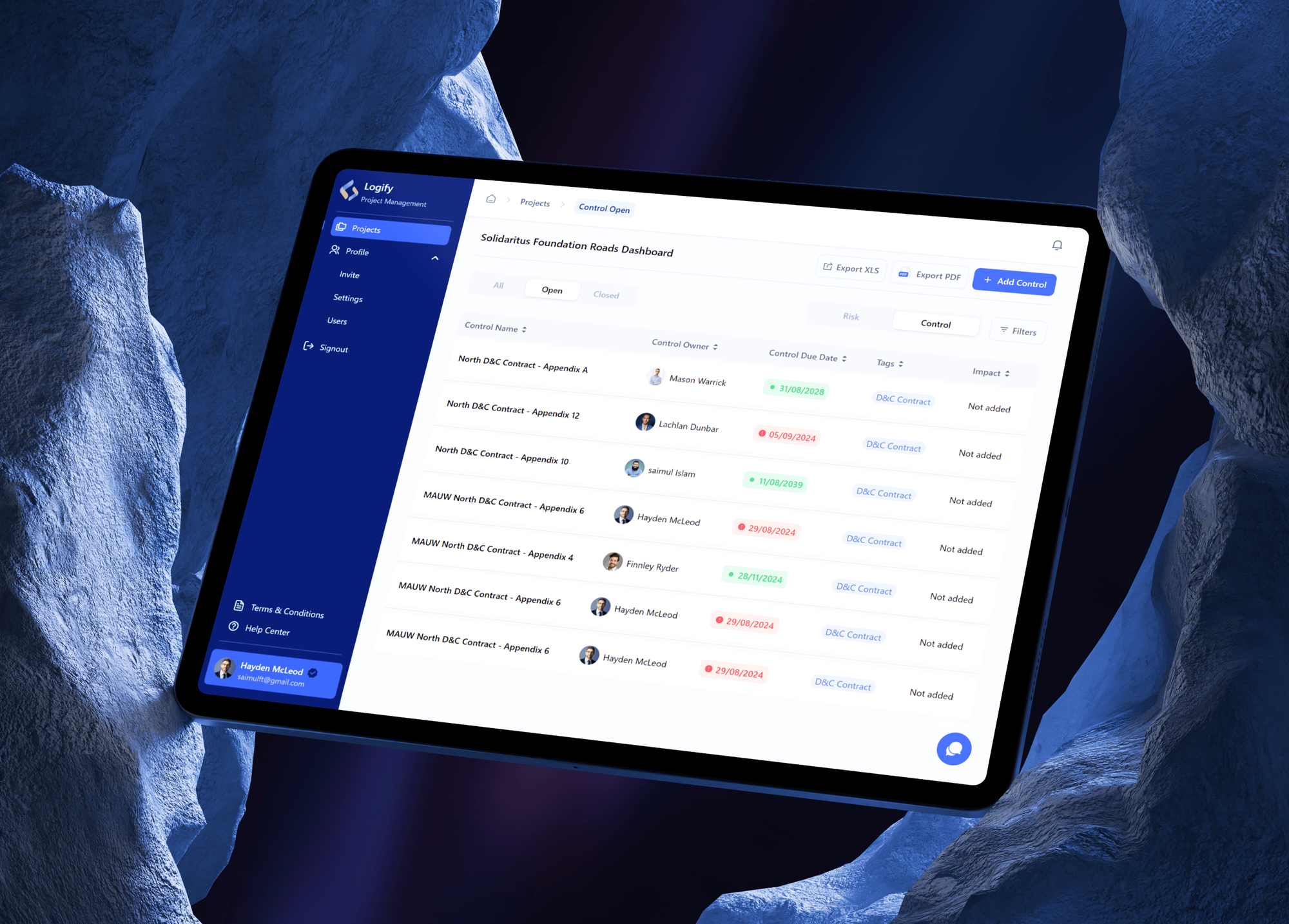
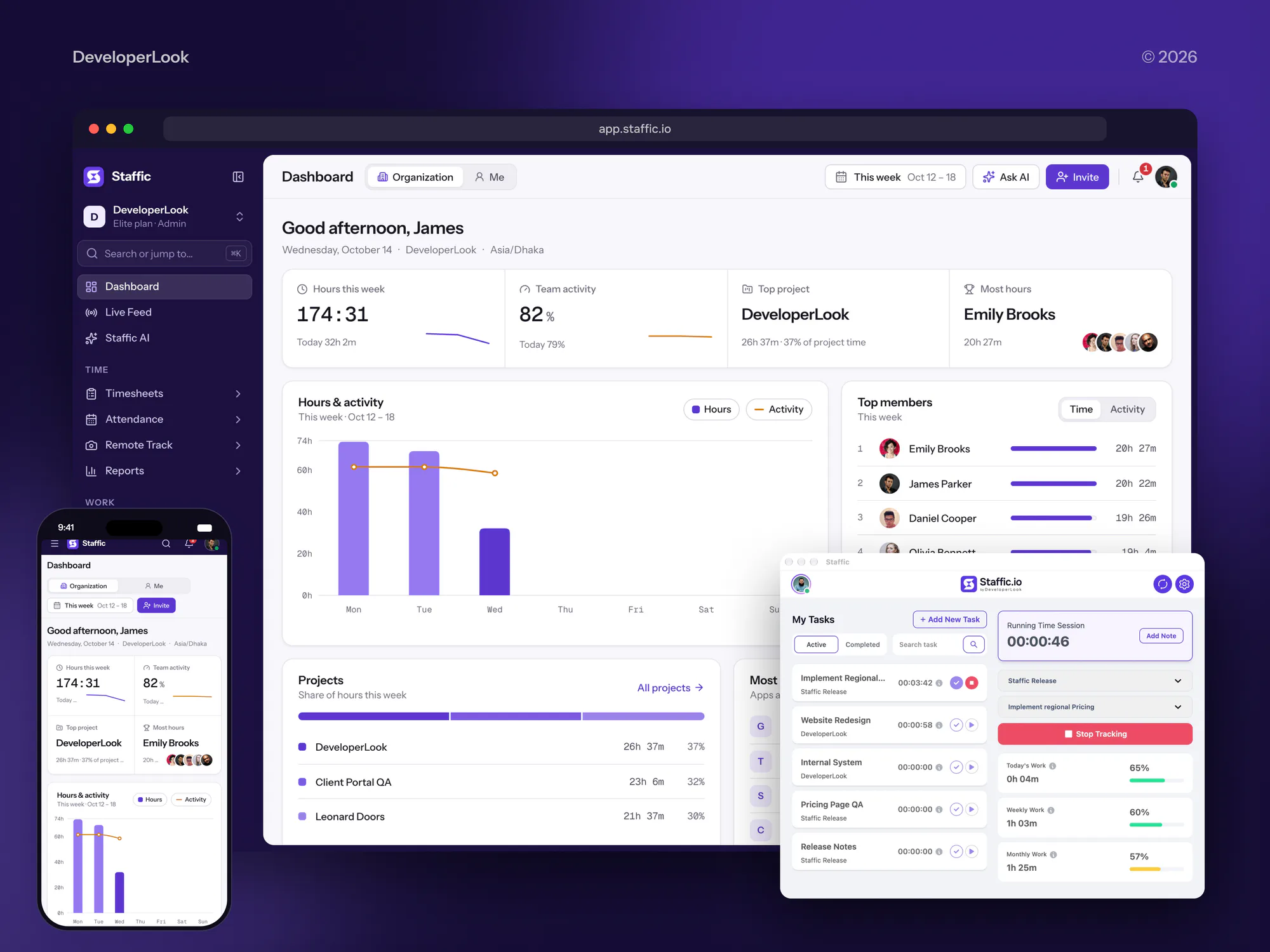
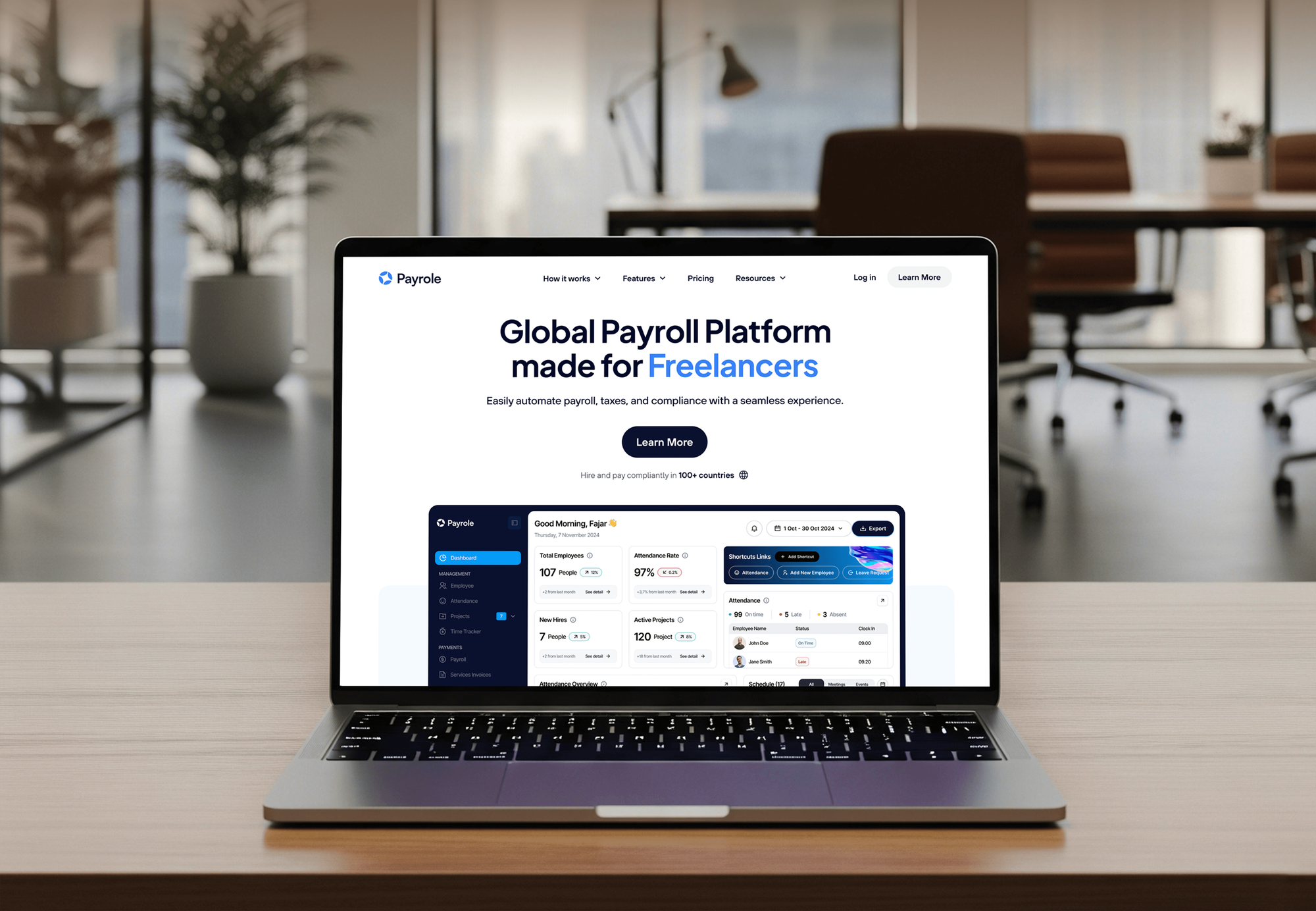
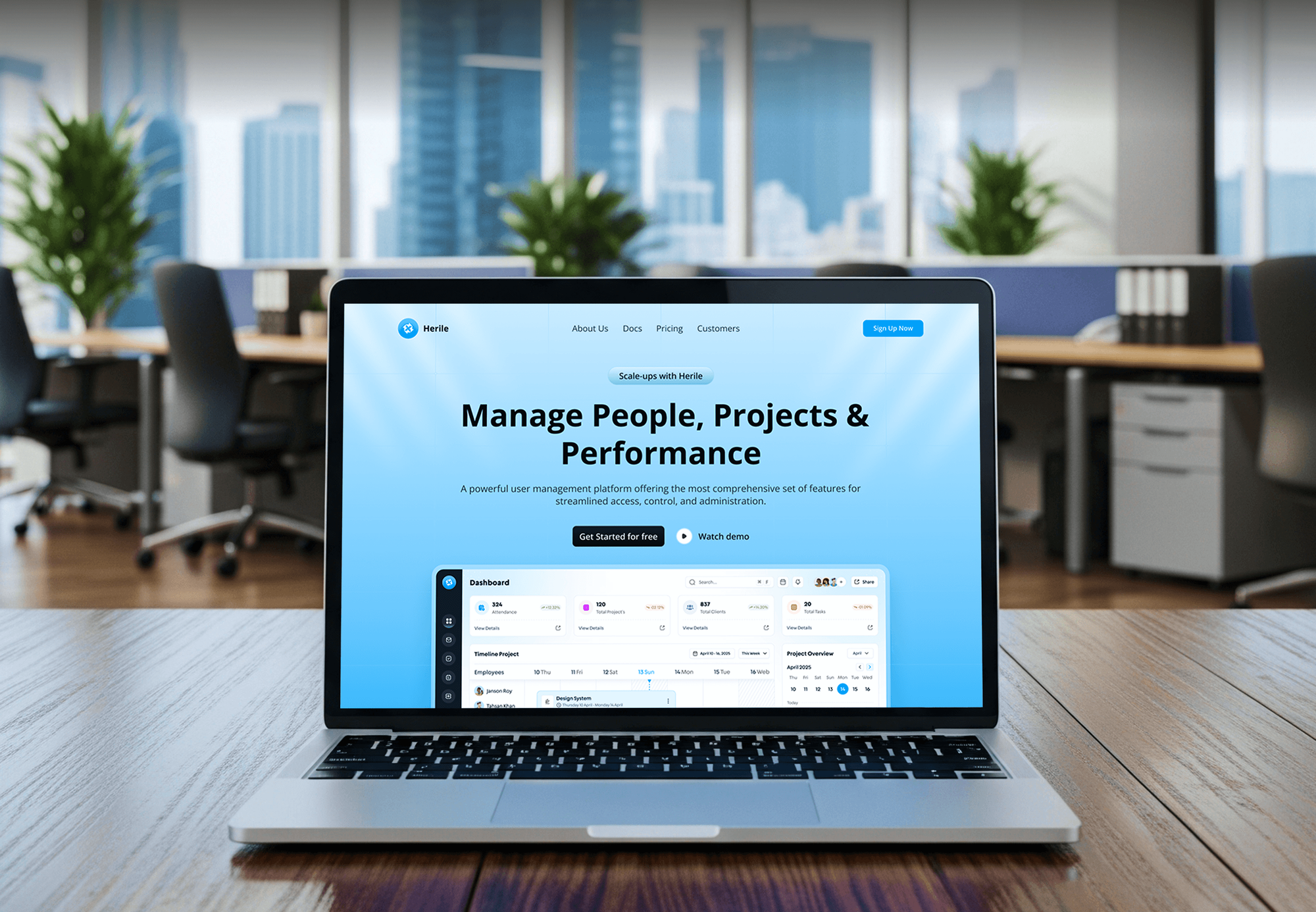
Platforms we built for logistics, HR, and payroll teams, the kind of systems an incident puts at risk. These are builds, not incident cases.
What Our Clients Say
Feedback from teams we have built websites, apps, and platforms for.
We had a pretty specific idea of what we wanted our website to become, but I wasn’t sure how easily we could explain all of it to a development team. There were quite a few moving parts, and we were working toward a deadline, so I expected a few things to get lost along the way. That never really happened. They understood what we were trying to achieve, kept us updated throughout the process, and got everything ready within the agreed timeline. The final site feels much easier to navigate, works beautifully on mobile, and is noticeably smoother for our customers. It was a huge relief seeing the original idea actually turn into the website we had in mind.
The mobile experience is probably my favourite part of the new site. We had spent a lot of time making sure the desktop version looked right, and the team kept pushing us to think about how everything would actually feel on a phone too. They were right. The navigation is clean, the interactions feel natural, and everything we’ve tested so far works exactly as it should. They also went through the links, forms, integrations, and other details more than once before launch, which I really appreciated. And even after going live, we could still reach out when something came up. The whole process felt friendly, organised, and surprisingly straightforward.
What I appreciate most is that the website is actually easy for us to manage now. We can update content ourselves instead of sending a developer a message every time we need to change something small. They also paid attention to the technical SEO side, which mattered to us because we didn’t want a new website to create problems for the traffic we already had. I’ve probably asked more questions than I should have since launch, but every question has been handled patiently and without any fuss. The team is easy to work with, they explain things clearly, and when we need something changed, they focus on getting it done rather than making the process complicated.
1,250+
Projects shipped
10+
Years of experience
Top 3%
Upwork Top Rated Plus
5 stars
Average review score
1,250+
Projects shipped
10+
Years of experience
Top 3%
Upwork Top Rated Plus
5 stars
Average review score

Want results like these?
Tell us what you are building. You get a reply within 24 hours on business days, then a written estimate.
Work Culture
In an incident, habits matter more than slogans. These are the ones that protect your evidence, your systems, and your team's time.
We image disks and export logs before we clean anything. Once a machine is reimaged, the record of how the attacker got in is gone for good.
Nothing on a production system changes without your written OK. You keep control of the business while we do the technical work.
We tell you how they got in and what they touched. Naming the group behind an attack is rarely possible, so we don't pretend it is.
Breach notification and police reports are legal decisions. We give your counsel the facts and the timeline they need to make them.
We work in US, UK, and AU business hours and don't sell a round-the-clock promise we can't keep. You know when we can start before you commit.
Containment and investigation are priced once the scope is clear. If the incident turns out bigger, you hear it from us before any extra work.
Overview
DeveloperLook provides incident response services for businesses facing a live attack on servers, cloud accounts, or laptops. We contain it without wiping evidence, trace the entry point, remove the attacker, and restore systems in order. Response starts from $1,100, with containment from day 1 and most incidents closed in 1 to 4 weeks.
DEVELOPERLOOK
Project facts · Incident Response Services
Reviewed 27 Oct 2026 by Saimul Islam
Good fit
Companies with a breached cloud account
Your AWS or Azure bill spiked and someone created resources you didn't. You need the keys rotated, the access traced, and the account cleaned up.
Small businesses with malware on laptops
Your antivirus flagged a remote access tool on several staff laptops. You need to know how it got there and whether anything left the network.
SaaS teams with a suspicious server
Your production server shows logins from unknown addresses and processes nobody started. You want it contained without taking the product down longer than needed.
Firms facing an insurer or client deadline
Your cyber insurer or a key client wants a root cause and a timeline. You need cyber incident response services that end in a report they can review.
MSPs that need a second responder
Your client has an active incident and your team is stretched thin. You want cybersecurity incident response help working inside your tools, under your name.
Not a fit
Planning ahead only
Nothing is happening right now, and you want roles, playbooks, and a first-hour checklist. Our IR plan development service fits that better.
Ransomware has encrypted systems
Your files are encrypted and there's a ransom note on the screen. Our ransomware recovery services are built for that case.
One-hour response required
Your contract or insurer requires a response within an hour at any time of day. A large IR firm or your EDR vendor's managed tier fits that.
Hacked mailbox only
Only one mailbox was taken over to send fake invoices. Our business email compromise response service handles that case for less.
Not sure we're the right fit?
Book a free call or message us. We'll tell you honestly whether we're the right team.
Pricing
These are starting points in USD. Your final price depends on how many systems and accounts are involved, and you get a fixed proposal after a free triage call.
For Agencies
You own the client relationship. We supply the responder: containment guidance, log and endpoint investigation, and a root cause report written in your format. Your client sees your name, and your team stays in the loop on every step.
White label: your client only ever sees your brand
Share what the client has seen and what admin access you hold.
You get containment steps and a fixed price for the response.
We contain, investigate, and recover, then hand you the report.
Share what the client has seen and what admin access you hold.
You get containment steps and a fixed price for the response.
We contain, investigate, and recover, then hand you the report.
The Right Technology for Your Project
We use the endpoint, identity, and cloud tools you already run, adding free forensic collectors only where coverage is missing.
 AWS
 Cloudflare
Related Services
Incidents rarely stay in one box. These services cover the evidence, the special cases, the plan for next time, and monitoring afterward.
This page
Incident Response Services
Pairs with the 6 services around it
FAQ
Straight answers on cost, timing, retainers, and what a response team actually does.
Saimul IslamFounder & CEO, DeveloperLookStill have questions?
Send a message or book a call with the team.
Our response work starts at $1,100 for one compromised server, cloud account, or a few laptops. Business-wide incidents covering up to 15 endpoints and 3 servers or cloud accounts start at $3,350. A 12-month retainer with readiness work and one covered incident is $5,400. You get a fixed price for each phase after a free triage call.
Most engagements close in 1 to 4 weeks. Containment starts on day 1 of the work, and the investigation usually takes 2 to 7 business days. Recovery runs 3 to 10 business days, depending on how many systems need cleaning. The report follows, with 30 days of support for follow-up questions.
It's the work of stopping an attack in progress, finding how it started, removing the attacker, and restoring systems. NIST's current guidance, SP 800-61 Revision 3, ties it to the six CSF 2.0 functions, so preparation and lessons learned count as much as the response itself. For a small business, that usually means one lead responder and clear decisions.
It's response aimed at deliberate attacks rather than ordinary outages: account takeovers, malware, data theft, and ransomware incident response. The difference matters because an attacker adapts. Cleanup has to remove every foothold they left, not just fix the visible symptom, or they come back through the same door a week later.
It contains the attack, investigates what happened, removes the attacker, and leads recovery. At a small business, that's usually a lead responder working with your IT person, plus counsel and the insurer on the business side. We fill the technical role and keep everyone else informed in writing, with a timestamp on every action.
In NIST's model, preparation comes first; once an attack is underway, the first step is confirming it and containing it without destroying evidence. Isolate affected machines through your EDR or network rather than powering them off, because memory and logs survive. Write down what you saw and when, since those notes anchor the timeline.
Handle it in order: contain, investigate, remove, recover, then learn. Keep one person in charge of decisions, log every action with a time, and change nothing on live systems without that person's OK. Call your insurer early if you have cyber cover, because many policies want approval before you hire outside help.
Reduce it before anything happens: know who decides, keep logs long enough to be useful, and make sure EDR covers every machine. In the incidents we see, delay comes from hunting for admin passwords, chasing log access, and arguing over who may isolate a server. Our retainer maps all of that ahead of time.
An incident response retainer is a prepaid agreement that has a responder ready before anything happens. Ours is $5,400 for 12 months: readiness onboarding, log and EDR checks, quarterly check-ins, and one business-wide incident covered. Unused time moves to a tabletop exercise or hardening work. It isn't a response-time promise, and we say so up front.
Usually yes, if you hold customer data or can't afford a week of downtime. A responder who keeps evidence and finds the entry point prevents repeat attacks and gives your insurer what it asks for. If you hold little data and can restore everything from backup in a day, a written plan may be enough on its own.
Saimul IslamFounder & CEO, DeveloperLookStill have questions?
Send a message or book a call with the team.
Free 30-min callGoogle Meet
Book a call
In 30 minutes on Google Meet we walk you through how we would build it, how long it takes and what it costs. Then you get a written estimate.
Calendar not showing? Book on cal.com or send a brief.