
Business impact analysis
Department interviews that rank processes by what an outage costs and how long each one can wait.

For operations and IT leads who need a plan that holds up on a bad day: agreed recovery targets, runbooks your team can follow, and a witnessed restore test. From $1,100.
100%
Critical systems with recovery targets
12months
Of tests already scheduled
How your project runs
Teams we have built for:














The Problem
It shows up during the first real outage: the server room floods, ransomware locks the file share, or a SaaS vendor goes dark, and every department asks IT to restore its system first.
01 · Untested restores
Backup jobs report success, but nobody has timed a restore.
A witnessed restore test times one critical system against its agreed target.
02 · Priorities
Every department wants its own system restored first.
Department heads agree the recovery order in writing before anything breaks.
03 · Stale owners
The old plan names people who left the company.
Every runbook names a current owner and a deputy, reviewed on a set calendar.
04 · Workarounds
Staff don't know how to keep working while systems are down.
The continuity plan gives each team a manual workaround for its key tasks.
Monday, 8:40 a.m.: the accounting server won't boot, and the backup software says last night's job finished. Nobody knows how long a restore takes, because nobody has tried one since setup. Sales wants the CRM back first, finance needs payroll out by Thursday, and the warehouse is writing orders on paper. The only written plan is an old PDF that names an IT manager who left. Every hour of guessing costs orders, overtime, and customer trust.
We start with the business, not the servers. A business impact analysis asks each department how long it can work without each system and how much data it can afford to lose. Those answers become recovery time and recovery point objectives, a recovery order, and runbooks your team can follow. Then a witnessed restore proves the numbers, so the plan gets tested before the outage, not during it.
Targets the business signs
Each department signs off how long it can wait and how much data it can lose.
A clear recovery order
Systems come back in the order leadership agreed, not whoever shouts loudest during the outage.
Restores proven in advance
A witnessed restore test checks that backups really come back inside the agreed time.
Our Disaster Recovery Planning Services Process
You approve the scope and every recovery target before we write the plan, then watch the restore test that proves those targets work.
We map your sites, teams, and the systems they depend on, from on-site servers to Microsoft 365 and SaaS tools. You get a written scope and a fixed price. If your backup provider's free planning template covers your case, we'll tell you before we quote.
What's Included
Each engagement covers the impact analysis, recovery targets, a gap check against your backups, the written plans, a witnessed restore test, and a calendar that keeps the plans current.
Compare Options
A downloaded template suits a small office with one system, and your backup provider knows its own product best. Here is where each option holds up and where it falls short.
| Feature | DeveloperLookBest fit | DIY template | Backup provider |
|---|---|---|---|
| Planning | Impact analysis with every department | Your own best guess | IT systems only |
| Recovery targets | Signed off for each system | Blank fields to fill in | Product restore times |
| Business processes | Manual workarounds for each team | Generic headings | Out of scope |
| Testing | Witnessed restore against the target | Left to you | Restore checks for their product |
| Vendor and SaaS links | Mapped in every runbook | Often missed | Their own product only |
| Support | 30 days of plan questions | No support included | Product help desk |
| Speed to start | Workshops within a week | Start today | Part of onboarding |
| Cost | Fixed price from $1,100 | Free to download | Bundled with some backup plans |
Projects We've Built
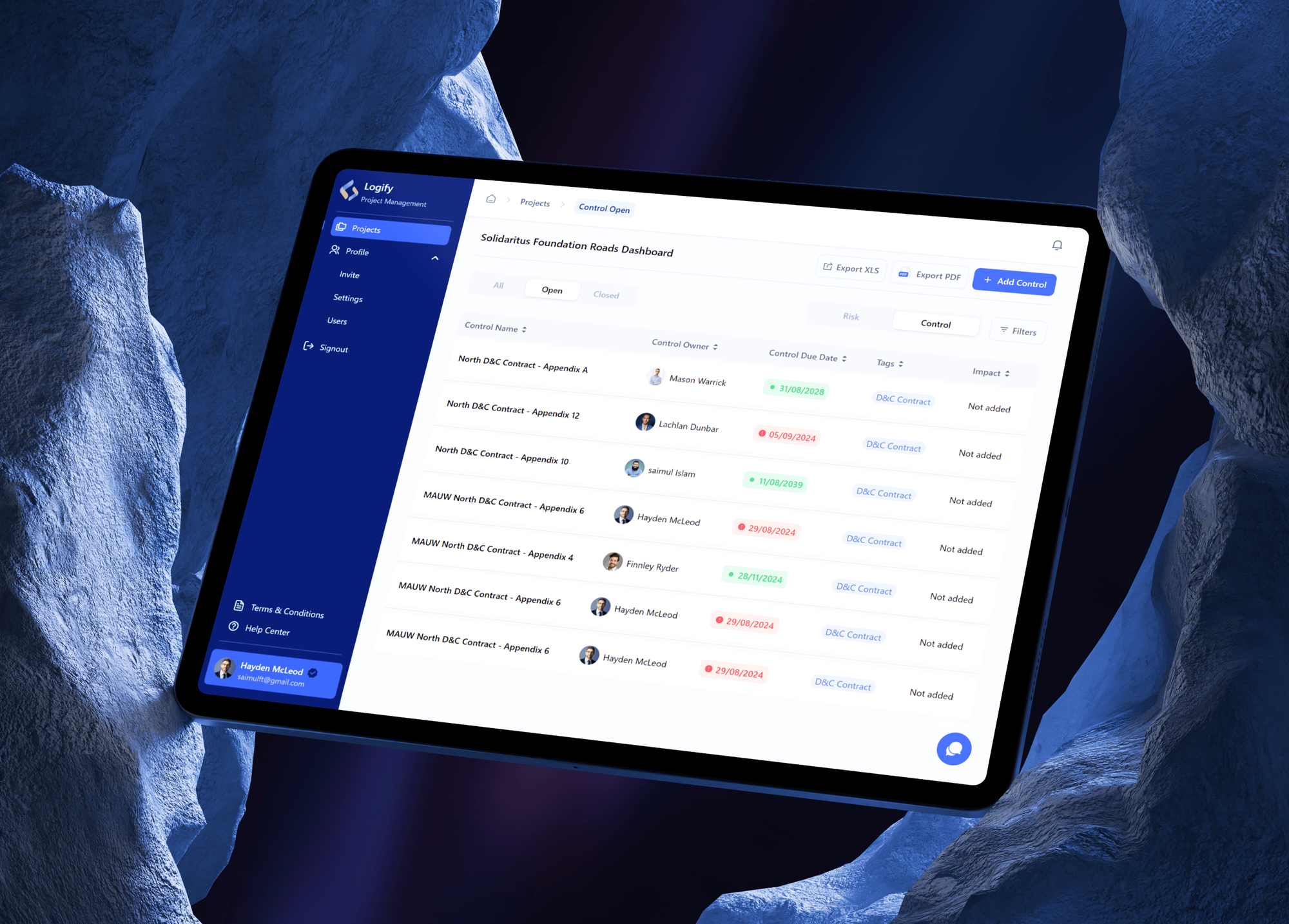
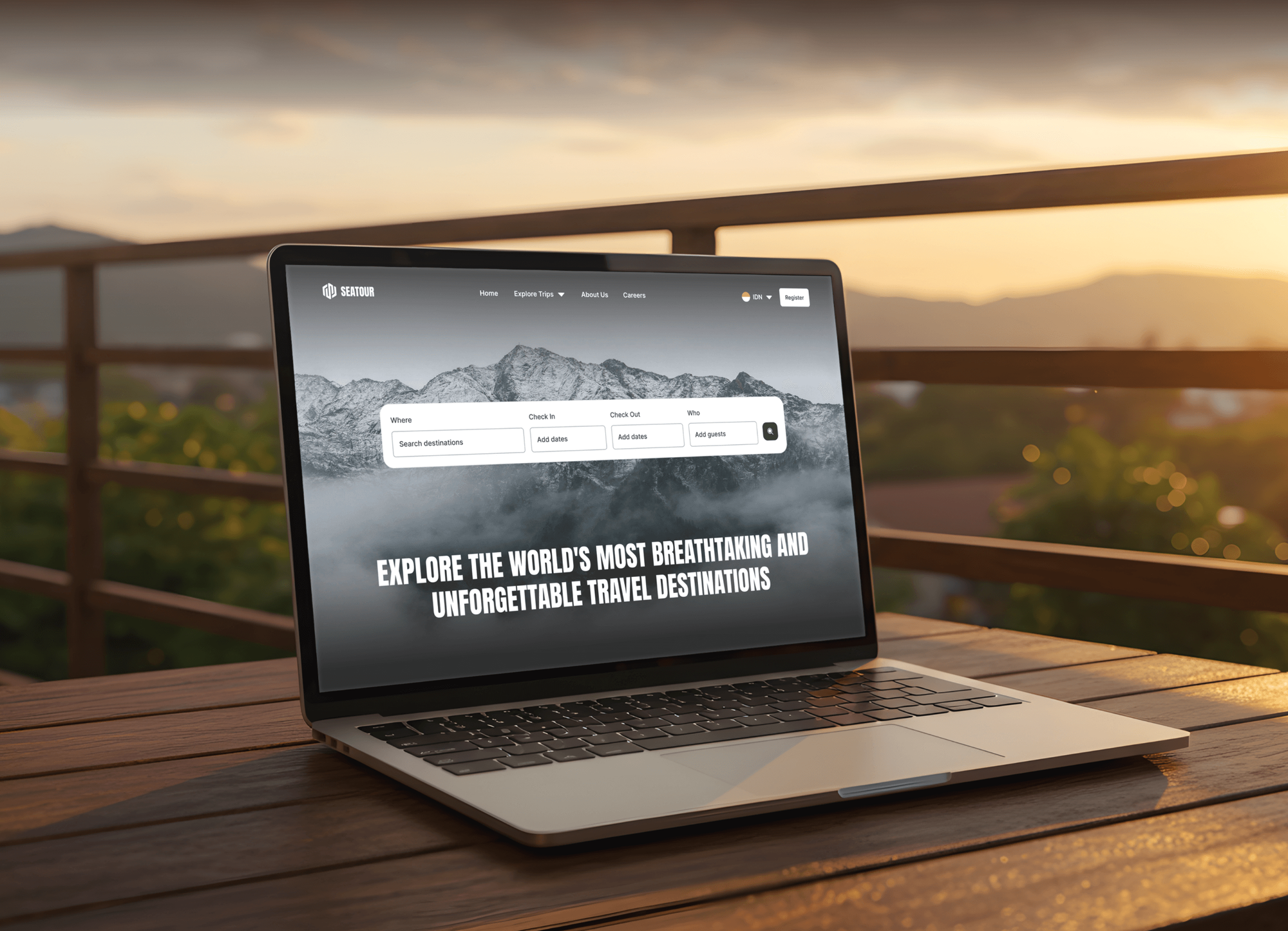
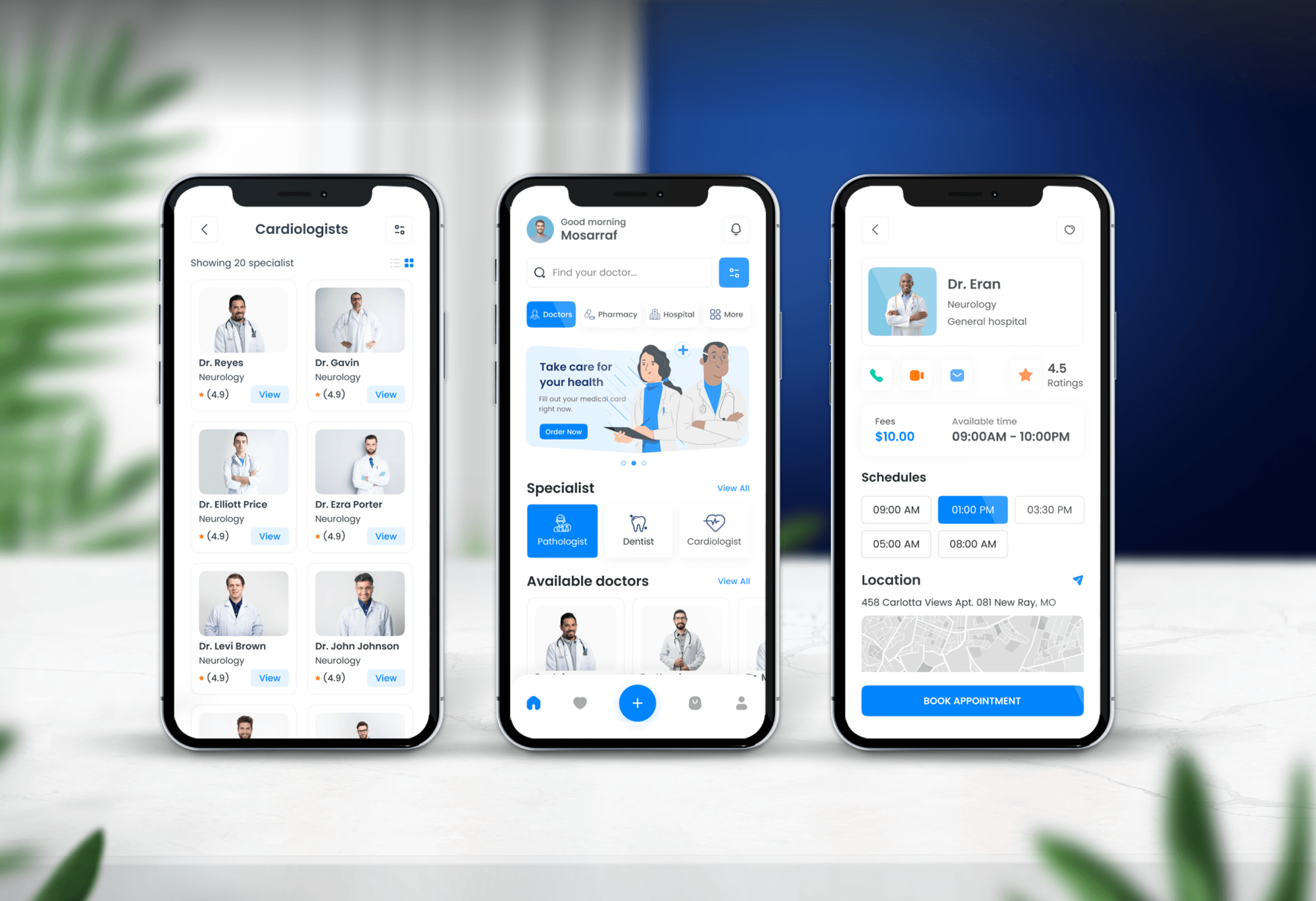
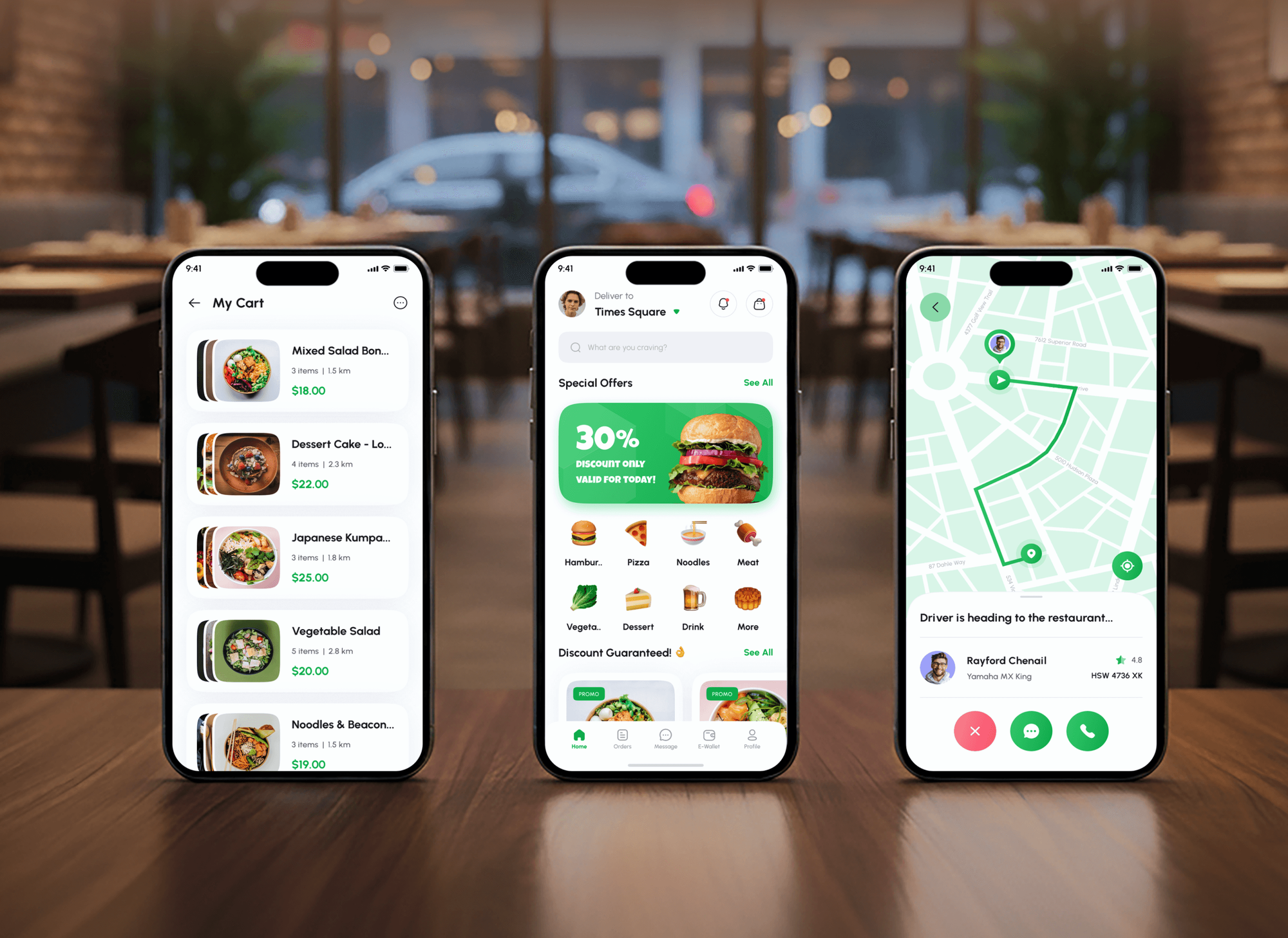
Platforms we built for logistics, travel, healthcare booking, and food delivery teams. When systems like these stop, the business stops, which is what recovery planning prepares for.
What Our Clients Say
Feedback from teams we have built apps, platforms, and websites for.
We had a pretty specific idea of what we wanted our website to become, but I wasn’t sure how easily we could explain all of it to a development team. There were quite a few moving parts, and we were working toward a deadline, so I expected a few things to get lost along the way. That never really happened. They understood what we were trying to achieve, kept us updated throughout the process, and got everything ready within the agreed timeline. The final site feels much easier to navigate, works beautifully on mobile, and is noticeably smoother for our customers. It was a huge relief seeing the original idea actually turn into the website we had in mind.
The mobile experience is probably my favourite part of the new site. We had spent a lot of time making sure the desktop version looked right, and the team kept pushing us to think about how everything would actually feel on a phone too. They were right. The navigation is clean, the interactions feel natural, and everything we’ve tested so far works exactly as it should. They also went through the links, forms, integrations, and other details more than once before launch, which I really appreciated. And even after going live, we could still reach out when something came up. The whole process felt friendly, organised, and surprisingly straightforward.
What I appreciate most is that the website is actually easy for us to manage now. We can update content ourselves instead of sending a developer a message every time we need to change something small. They also paid attention to the technical SEO side, which mattered to us because we didn’t want a new website to create problems for the traffic we already had. I’ve probably asked more questions than I should have since launch, but every question has been handled patiently and without any fuss. The team is easy to work with, they explain things clearly, and when we need something changed, they focus on getting it done rather than making the process complicated.
1,250+
Projects shipped
10+
Years of experience
Top 3%
Upwork Top Rated Plus
5 stars
Average review score

Want results like these?
Tell us what you are building. You get a reply within 24 hours on business days, then a written estimate.
Work Culture
A recovery plan earns its keep on the worst day of the year. These habits keep it accurate, usable without us, and honest about what your backups can really do.
We interview the people who run each process, not only IT. Recovery targets reflect what an outage really costs, so nobody argues about priorities mid-incident.
Every plan ships as a printable copy and an offline file, as well as a wiki page. Ransomware that locks the file share can't lock the plan with it.
If a backup can't meet the target a department chose, we say so in writing with the cost to close the gap. You decide whether to change the target or fund the fix.
Every runbook step has a named owner and a deputy who has walked through it. The plan still works when the person who wrote it is on holiday.
You get a fixed price once the number of systems, departments, and sites is known. Extra interviews or sites are quoted before any work starts.
The plans, spreadsheets, and diagrams are yours, in formats you can edit without us. We delete our working copies after the 30-day support window.
Overview
DeveloperLook delivers disaster recovery planning for growing businesses that need systems back in the right order after an outage. We run a business impact analysis, set an RTO and RPO for each critical system, and write the continuity plan and recovery runbooks. Plans start at $1,100, take 2 to 10 weeks, and include a witnessed restore test.
DEVELOPERLOOK
Project facts · Disaster Recovery Planning Services
Reviewed 22 Oct 2026 by Saimul Islam
Good fit
Businesses renewing cyber insurance
Your insurer's renewal form asks whether you have a tested disaster recovery plan, and the honest answer today is a backup job nobody has restored.
Healthcare practices handling patient records
Your practice needs a contingency plan under the HIPAA Security Rule, and you want written steps for when the EHR or office network goes down.
Companies with several offices or warehouses
You run more than one site and need business continuity planning that says where people work and which systems return first if one site is lost.
Teams without a continuity lead
You'd rather hire a business continuity consultant for a few weeks than add a full-time role, and the plan has to be finished before year end.
MSPs and IT agencies
Your clients now ask for business continuity and disaster recovery services, and you need a partner who writes the plans quietly under your brand.
Not a fit
Need backups set up
You need website backups configured, monitored, and restored, not a written plan. Our website backup and disaster recovery service runs that work for you.
Under attack right now
You're in the middle of a ransomware or breach incident today. Call your cyber insurer's hotline first, then see our incident response plan development page for next time.
Want a whole security program
You want identity, email, devices, and cloud secured, with recovery as one part of the work. Our cybersecurity services page covers that wider program.
Budget under $1,100
You're a small team with everything in Microsoft 365 or Google Workspace and a budget under $1,100. Your provider's free planning checklist is a sensible first step.
Not sure we're the right fit?
Book a free call or message us. We'll tell you honestly whether we're the right team.
Pricing
These are starting points in USD. Your final price depends on the number of critical systems, departments, and sites, and you get a fixed proposal after a free planning call.
For single-site teams that need recovery targets and runbooks for their critical systems.
$1,100one-time, USD
For businesses that need every department able to keep working while systems are down.
$2,650one-time, USD
For companies with several sites or regulated data that need deeper testing and mapping.
$4,900one-time, USD
For Agencies
You own the client relationship. We run the impact interviews, write the plans in your template, and join client calls only when you ask. Your clients get tested recovery plans without you hiring a continuity specialist.
White label: your client only ever sees your brand
Share the client's sites, systems, backup tools, and the questions their insurer asked.
You get a written scope, an interview list, and a fixed price for each client.
We run the interviews, write the plans in your template, and witness the restore.
You present the plans while we work quietly under your brand.
Plans and runbooks written in your format, with your logo and headings.
Every client gets a timed restore record they can show their insurer.
Run one client plan or a yearly review cycle across your whole client list.
The Right Technology for Your Project
Plain spreadsheets and wikis hold the plans so anyone can open them, and restore tests use the backup tools you already run.
 Google Sheets
 AWS
 Slack
FAQ
Straight answers on cost, what the plans contain, how they differ, and how often to test them.
Saimul IslamFounder & CEO, DeveloperLookStill have questions?
Send a message or book a call with the team.
A disaster recovery plan from DeveloperLook starts at $1,100 for one site and up to 8 critical systems, with runbooks and a witnessed restore test. Adding a business continuity plan for up to 6 departments moves you to $2,650. Multi-site programs with 3 restore tests start at $4,900. You get a fixed price after the free planning call.
Most single-site plans take 2 to 3 weeks from the first workshop to handover. Adding a continuity plan for several departments stretches that to 4 to 6 weeks, mainly because interviews depend on people's calendars. Multi-site programs take 6 to 10 weeks. We book the restore test early, since backup providers often need notice.
A disaster recovery plan is a written set of steps for restoring IT systems and data after an outage, cyberattack, or loss of a site. It lists each critical system, its recovery targets, the restore steps, and who performs them. NIST SP 800-34 Rev. 1 lists it among the plan types an organization keeps, next to the business continuity plan.
A business continuity plan explains how your business keeps serving customers while normal systems or premises are unavailable. It covers manual workarounds, alternate work locations, staff call trees, supplier contacts, and who makes decisions. ISO 22301 is the international standard for running business continuity as an ongoing management system rather than a one-off document.
Disaster recovery restores technology, while business continuity keeps the business operating until it is restored. A recovery runbook says how the ERP server comes back and in what order. A continuity plan says how the warehouse ships orders on paper in the meantime. Most businesses need both, sized to the same targets from one impact analysis.
It matters because outages force decisions under pressure, and guessed priorities cost hours. With agreed targets and runbooks, your team restores the right systems first and knows who to call. Cyber insurers and enterprise customers often ask to see one, and the HIPAA Security Rule requires a disaster recovery plan for systems that hold patient data.
Include an inventory of critical systems, an RTO and RPO for each, the recovery order, and step-by-step restore runbooks. Add owners and deputies, vendor and backup provider contacts, where the backups live, how to reach staff when email is down, and a test schedule. Keep a printed copy too, because ransomware can lock the file share that holds the plan.
It typically includes a business impact analysis, the critical processes and their tolerable downtime, manual workarounds, alternate sites or remote work arrangements, and crisis communication. It also names decision makers, supplier dependencies, and the triggers for putting the plan into action. We give each department its own section, so a team lead can act without reading the whole document.
Test it at least once a year and after any major change, such as a new ERP, a cloud move, or a new office. Rotate test types: a walkthrough of the runbooks, a restore of one critical system, then a fuller failover when budget allows. The HIPAA Security Rule lists testing and revision of contingency plans as an addressable specification.
No, our business continuity services cover planning and testing, while your IT team or backup provider runs the backups day to day. If your website's backups need setting up, our website backup and disaster recovery service handles that. After handover you get 30 days of support for plan questions, and the 12-month calendar tells your team when to test and review.
Saimul IslamFounder & CEO, DeveloperLookStill have questions?
Send a message or book a call with the team.
Free 30-min callGoogle Meet
Book a call
In 30 minutes on Google Meet we walk you through how we would build it, how long it takes and what it costs. Then you get a written estimate.
Calendar not showing? Book on cal.com or send a brief.