
Plain-language case stages
Each matter stage in words clients understand, with what happens next and what you need from them.

Law firm client portal on your domain: case stages, court dates, secure document sharing, and invoices, synced with Clio or MyCase. From $1,450.
50%
Fewer case status calls
100%
Files shared behind a login
How your project runs
Teams we have built for:













The Problem
It builds quietly. Every active matter creates questions, and with nowhere to look, clients call.
01 · Status calls
Your receptionist fields the same any-update call all morning.
Clients see their matter's stage and next step in plain words.
02 · Email attachments
Tax returns arrive as email attachments.
Encrypted uploads behind MFA replace attachments, and every view is logged.
03 · Unopened invoices
Invoices go out by email and sit unopened.
Invoices and payment links sit in the portal next to the case.
04 · Paralegal interruptions
Each status call pulls a paralegal away to check the file.
Dates, documents, and invoices sync from your case system, so your team updates one place.
Your receptionist answers the same call six times before lunch: "Any update on my case?" Each one pulls a paralegal away to check the file and call back. Meanwhile a client emails her tax returns as attachments, and a co-counsel asks for the latest filing through a personal inbox. Invoices go out by email and sit unopened. Nothing is wrong with the case. Your clients just can't see what your team already knows, so they ask.
We start with the questions your staff answer every week, then build a portal that answers them first. Each matter shows its stage in plain words, what happens next, and what you need from the client. Documents move through encrypted uploads instead of email, and every view is logged. Dates and invoices sync from your case system. Your team updates one place, and clients stop waiting on hold.
Status clients understand
Each stage explains where the matter stands and what happens next, in plain words.
Files that skip email
Encrypted uploads and downloads behind MFA replace attachments sent to personal inboxes.
One view across systems
Dates, documents, and invoices come from the tools you already use, without double entry.
Our Client Portal Process
You approve stage names, permissions, and screens before anything is built. A pilot group tries the portal before everyone gets an invite.
We look at the calls and emails your staff answer each week and the systems that hold the answers. You get a scope for the smallest portal that stops them. If your practice software's own portal covers it, we'll tell you before we quote.
What's Included
Every plan includes a branded, MFA-protected portal with case stages and secure files. Higher plans add dates, invoices, messages, two-way sync, and roles for co-counsel.
Compare Options
A built-in portal is the cheapest client portal for law firms already on that software, and shared drives cost nothing. Both suit some firms. Here's where each one stops.
| Feature | DeveloperLookBest fit | Built-in practice portal | Shared drive links |
|---|---|---|---|
| Branding and domain | Your domain and brand | The vendor's look | Provider pages |
| Case status | Plain-language stages | Depends on the vendor | Not available |
| Several systems | One combined view | One vendor's data | Manual folders |
| Access controls | Per matter and role | Vendor defaults | Link-level sharing |
| Audit trail | Every view logged | Varies by vendor | Basic activity |
| Setup cost | From $1,450, fixed scope | In your subscription | Free or low cost |
| Time to launch | 4 to 12 weeks | Ready now | Same day |
| Who owns it | You own the code | Vendor-hosted | The drive owner |
Projects We've Built
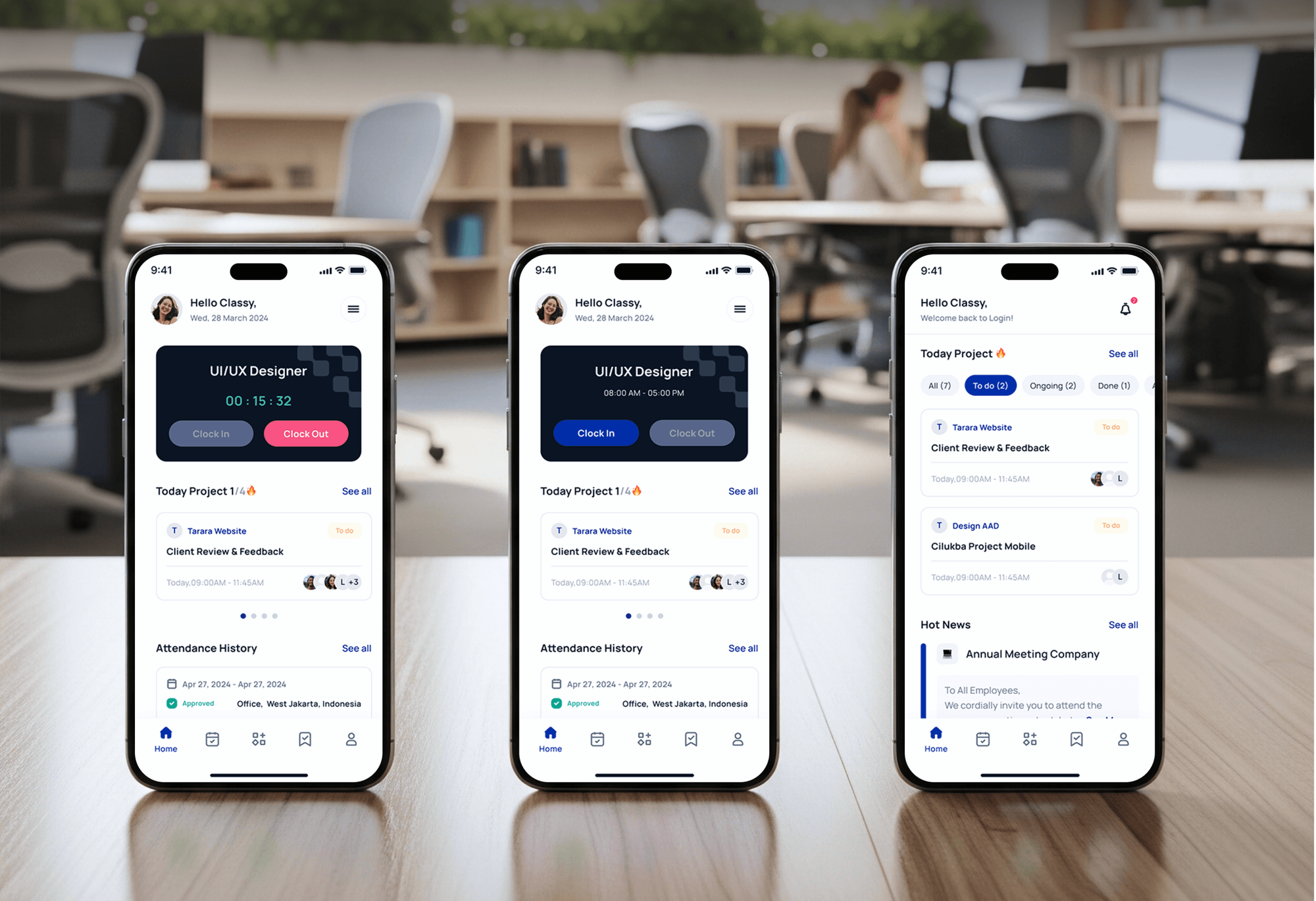
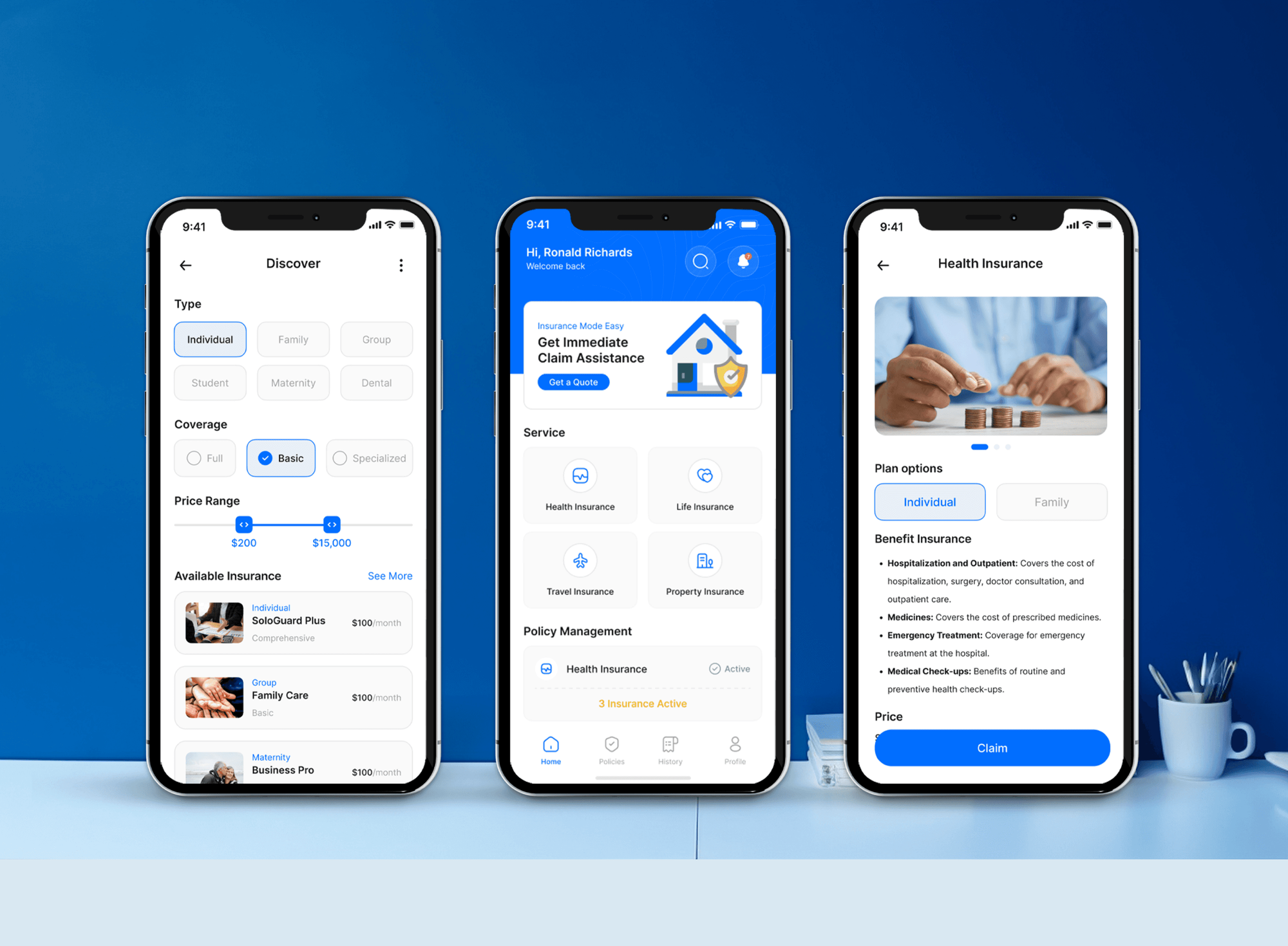
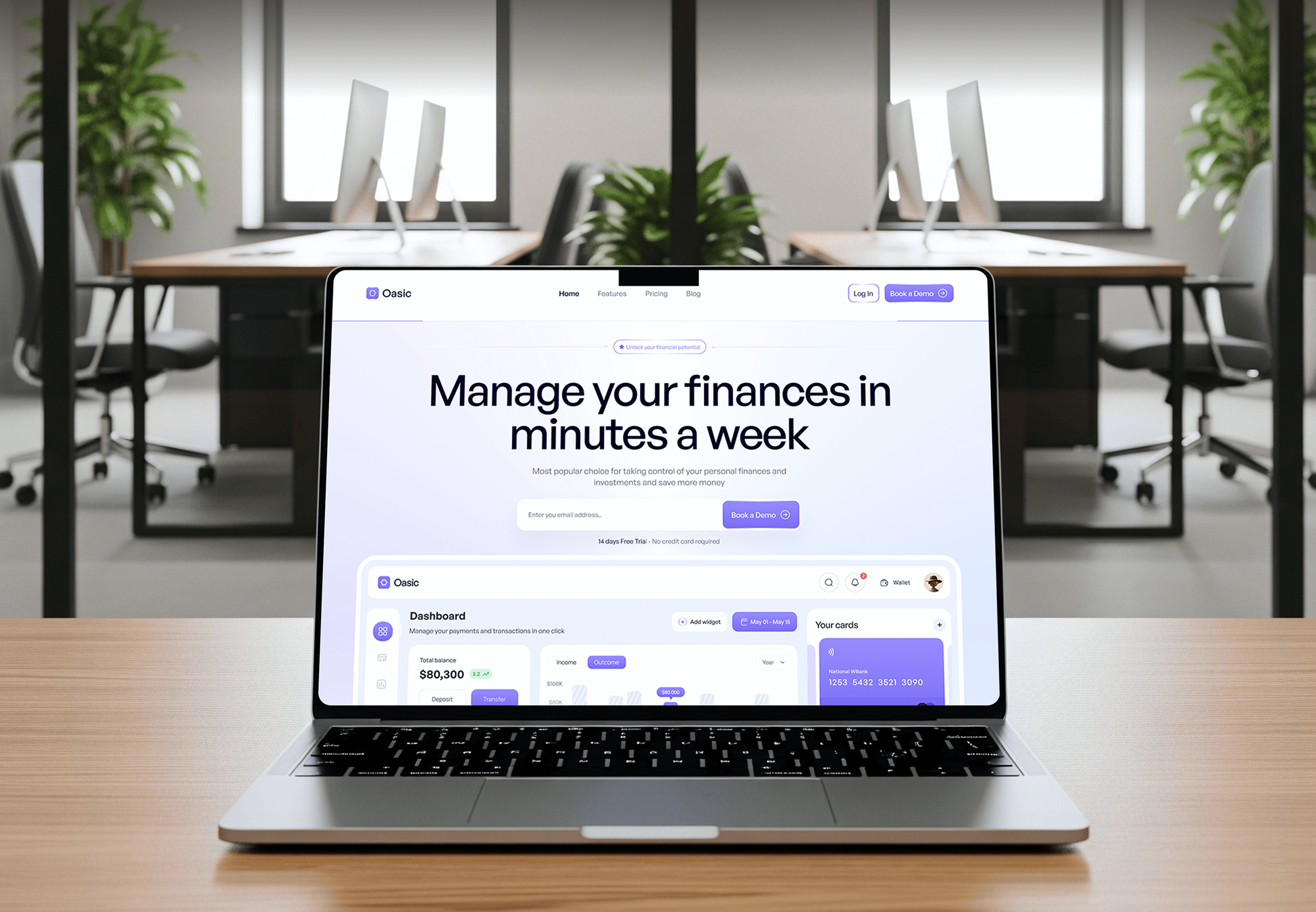
Portals, dashboards, and apps our team designed and built, where people log in to see their own records and nobody else's.

What Our Clients Say
Feedback from teams we have built websites, portals, and apps for.
We had a pretty specific idea of what we wanted our website to become, but I wasn’t sure how easily we could explain all of it to a development team. There were quite a few moving parts, and we were working toward a deadline, so I expected a few things to get lost along the way. That never really happened. They understood what we were trying to achieve, kept us updated throughout the process, and got everything ready within the agreed timeline. The final site feels much easier to navigate, works beautifully on mobile, and is noticeably smoother for our customers. It was a huge relief seeing the original idea actually turn into the website we had in mind.
The mobile experience is probably my favourite part of the new site. We had spent a lot of time making sure the desktop version looked right, and the team kept pushing us to think about how everything would actually feel on a phone too. They were right. The navigation is clean, the interactions feel natural, and everything we’ve tested so far works exactly as it should. They also went through the links, forms, integrations, and other details more than once before launch, which I really appreciated. And even after going live, we could still reach out when something came up. The whole process felt friendly, organised, and surprisingly straightforward.
What I appreciate most is that the website is actually easy for us to manage now. We can update content ourselves instead of sending a developer a message every time we need to change something small. They also paid attention to the technical SEO side, which mattered to us because we didn’t want a new website to create problems for the traffic we already had. I’ve probably asked more questions than I should have since launch, but every question has been handled patiently and without any fuss. The team is easy to work with, they explain things clearly, and when we need something changed, they focus on getting it done rather than making the process complicated.
1,250+
Projects shipped
10+
Years of experience
Top 3%
Upwork Top Rated Plus
5 stars
Average review score

Want results like these?
Tell us what you are building. You get a reply within 24 hours on business days, then a written estimate.
Work Culture
A portal holds privileged documents and client trust. These habits shape how we plan, build, and launch it.
We decide what each role can see before we design a single page. A co-counsel login shouldn't show another client's file, ever.
Email and text alerts say an update is waiting, not what it says. Details stay behind the login, away from shared inboxes.
Stages read like "Waiting for the other side's response," not internal codes. Clients who understand a wait call less often.
Logins, views, and downloads are recorded from day one. If a client disputes what they received, your firm has the record.
The code, hosting, and client data stay in accounts your firm controls. Changing vendors doesn't mean your clients' files pass through us.
We launch to a small group of clients first and fix what confuses them. Your full client list then gets a portal that already works.
Overview
DeveloperLook builds a law firm client portal on your own domain. It shows plain-language case stages, court dates, documents, messages, and invoice links, synced with Clio, MyCase, or your case system. Portals start at $1,450, take 4 to 12 weeks, and keep client data in accounts your firm controls.
DEVELOPERLOOK
Project facts · Law Firm Client Portal Development
Reviewed 28 Sep 2026 by Saimul Islam
Good fit
Firms buried in status calls
Your receptionist spends mornings answering "any update on my case?" calls that a status page could handle.
Firms running several systems
You keep matters in Clio, billing in another tool, and files in shared drives, and your clients need one place to look.
Firms sharing matters with others
Your matters involve co-counsel, guardians, or company contacts who each need different access to one case.
Firms on Smokeball or PracticePanther
Your practice software's client-facing options don't fit how your firm works, and you want a branded portal that reads from it.
Agencies serving law firms
Your agency sells digital projects to firms and needs a build partner who understands privilege and access rules.
Not a fit
Web leads into Clio
Your web leads need to reach Clio, not a portal. Our Clio Website Integration Services page fits that job for less.
MyCase portal is enough
Your clients mainly need the MyCase portal to be easier to find. Our MyCase Website Integration Services page links it into your site.
Intake comes first
You need screening questions and e-signed retainers before any portal. Our Legal Client Intake Automation & Software Setup service comes first.
A handful of matters
You have a handful of active matters or a budget under $1,450. The portal built into your case software is enough for now.
Not sure we're the right fit?
Book a free call or message us. We'll tell you honestly whether we're the right team.
Pricing
These are starting points in USD. Your final price depends on the systems we sync, the roles your clients need, and your security requirements, and you get a fixed proposal after a free review.
For small firms that want clients to check status and share files without calling.
$1,450one-time, USD
For growing firms that want status, dates, invoices, and messages in one place.
$3,900one-time, USD
For firms sharing matters with co-counsel, guardians, or company contacts under strict permissions.
$8,200one-time, USD
For Agencies
You own the client relationship. We supply the engineering behind the portal: case stages, secure files, practice software sync, and access logs. Your brand stays on everything, and the firm owns the code and data.
White label: your client only ever sees your brand
Matter types, systems in use, who needs access, and the questions clients keep asking.
You get a fixed price and portal screens to present to the partners.
We build and pilot under your brand, then transfer the code and hosting.
We stay invisible on calls, documents, and the launch itself.
Role design, MFA, and audit logs handled by people who build portals.
Screens, a pilot, and a launch date your client can plan around.
Reuse one secure foundation for other legal clients.
The Right Technology for Your Project
We build on well-supported tools, sync with the case software you already use, and keep security controls you can audit.
 Next.js
 React
React Node.js
 PostgreSQL
 Cloudflare
 AWS
AWS Twilio
FAQ
Straight answers on cost, timelines, privilege, bar guidance, practice software sync, and who owns the portal.
Saimul IslamFounder & CEO, DeveloperLookStill have questions?
Send a message or book a call with the team.
Custom portals start at $1,450 for a status portal with MFA login, plain-language stages, secure file sharing, and read-only sync from one tool. The $3,900 plan adds court dates, invoices, messaging, and two-way sync. Multi-party portals with roles and audit logs start at $8,200. Hosting runs on your accounts.
Most status portals launch in 4 to 6 weeks, and multi-party portals take up to 12. Stage mapping and design fill the first 2 to 3 weeks. Build and sync follow, and a pilot with a small group of clients adds about a week before everyone gets an invite.
Status calls drop when the portal answers what clients actually ask: where the case stands, what happens next, and what the firm needs from them. Add upcoming dates, recent documents, and a message button. Stage names must be plain words, since internal codes only trigger another call.
Yes, when the portal syncs with your case system. Status and dates update as your team changes them in Clio or MyCase, usually within minutes through webhooks, and invoices appear once billing shares them. Anything you mark internal stays hidden, so clients see only what you choose.
A portal protects privilege by controlling who sees each matter and keeping details out of email. We use MFA logins, encryption in transit and at rest, per-matter permissions, and audit logs. ABA Model Rule 1.6(c) asks lawyers for reasonable efforts against unauthorized access; your firm decides what that means.
Uploads go straight to encrypted storage tied to the matter, with file type checks and a virus scan before your staff open them. Retainer and invoice payments run through your processor's hosted payment page, such as LawPay, so card numbers stay off the portal entirely.
A custom portal connects through each vendor's API. Clio lets your firm build its own private app, and MyCase's Open API needs the Advanced tier. Smokeball grants API access to Prosper+ firms with their own or hired developers. We confirm your path during the free review.
There isn't one national rule. ABA Model Rules 1.1, 1.4, and 1.6(c) frame what counts as reasonable, along with ABA Formal Opinion 477R on securing client communications. Many state bars have issued technology opinions too. We build to support your review, and your firm confirms its own state's guidance.
Often, the built-in portal is enough. MyCase includes one with messages, documents, events, and billing, and other practice tools offer their own. A custom build earns its cost when you need your own domain, one view across several systems, or separate roles for co-counsel and families.
Your firm owns both. The code, hosting account, storage, and database sit in your firm's accounts from day one, and we document setup and permissions. Support runs 30 to 60 days by plan, and after that your IT provider or our team can maintain it.
Saimul IslamFounder & CEO, DeveloperLookStill have questions?
Send a message or book a call with the team.
Free 30-min callGoogle Meet
Book a call
In 30 minutes on Google Meet we walk you through how we would build it, how long it takes and what it costs. Then you get a written estimate.
Calendar not showing? Book on cal.com or send a brief.