





Strain identification
The ransomware family identified from the note and file samples, then checked against free decryptors.

For owners and IT leads locked out by ransomware: we find the last clean backup, rebuild on clean ground, and bring revenue systems back first. From $1,400.
3-2-1
Backups rebuilt, one copy offline
1st
Revenue systems back online
How your project runs
01 · FreeTeams we have built for:














The Problem
It often lands overnight or over a weekend: staff come in, nothing opens, and a ransom note explains how to pay. The backups may be encrypted too.
Paying up
Paying funds the attacker and may not return your files.
Paying up
We restore from clean backups and rebuilds, and we don't negotiate or pay.
Infected backup
Restoring an infected backup brings the attacker straight back.
Infected backup
Each backup is tested on an isolated network before anything is restored.
Old passwords
Stolen admin passwords still work after the rebuild.
Old passwords
Every credential is reset, including Active Directory's krbtgt account, twice.
Same setup
Backups sit where the next attack can reach them.
Same setup
Backups are rebuilt on the 3-2-1 pattern, with one copy offline or immutable.
Monday morning, the accounting files won't open, and every folder holds a text file with payment instructions. The file server is encrypted, and so is the backup drive plugged into it. Someone suggests paying, because the note sets a deadline. Someone else wants to wipe everything and start over, which destroys the record of how they got in. Meanwhile orders stop, staff sit idle, and nobody knows whether last month's cloud backup is clean or infected.
We start by isolating, not paying and not wiping. You report the attack to the FBI's IC3 or CISA while we identify the strain and check for free decryptors. Then we find the last clean backup, rebuild servers from known-good images on a separate network, reset every credential, and restore revenue systems first. Each restored system is scanned before it reconnects. You end with backups the attacker can't reach, not the same setup restored.
No ransom, no negotiation
We restore from backups and rebuilds, and we don't negotiate with or pay attackers.
Clean backup found first
Backups are tested in isolation, so a restore doesn't bring the attacker back with it.
Revenue systems back first
Order taking, invoicing, and email come back before the long tail of laptops.
Our Ransomware Recovery Services Process
You decide the restore order, see which backups are clean before we use them, and approve each system before it reconnects to your network.
We confirm what's encrypted, which backups exist, and whether the attack is still spreading. You get first steps: disconnect affected machines from the network, don't power them off or pay, and report to IC3 or CISA. Then you get a fixed price.
What's Included
Containment, a strain check, tested backups, a clean rebuild, credential resets, and backups the next attack can't reach, with a written plan for next time.
Compare Options
Negotiators work with insurers and attackers, and data recovery labs rescue damaged drives. Each suits some cases, so here is where each one fits a ransomware attack.
| Feature | DeveloperLookBest fit | Negotiator | Data recovery lab |
|---|---|---|---|
| Pays or negotiates | Yes, on your behalf | ||
| Restores from backups | Yes, tested first | Sometimes, from damaged media | |
| Rebuilds systems | Included, on clean ground | ||
| Resets credentials | Every account, krbtgt twice | ||
| Recovers damaged drives | |||
| Insurer process | Works with your breach coach | Yes, often insurer-appointed | Not usually |
| Hardens backups afterward | 3-2-1 with an offline copy | ||
| Cost predictability | Fixed price from $1,400 | Fee plus any ransom paid | Per drive, quoted after diagnosis |
Projects We've Built
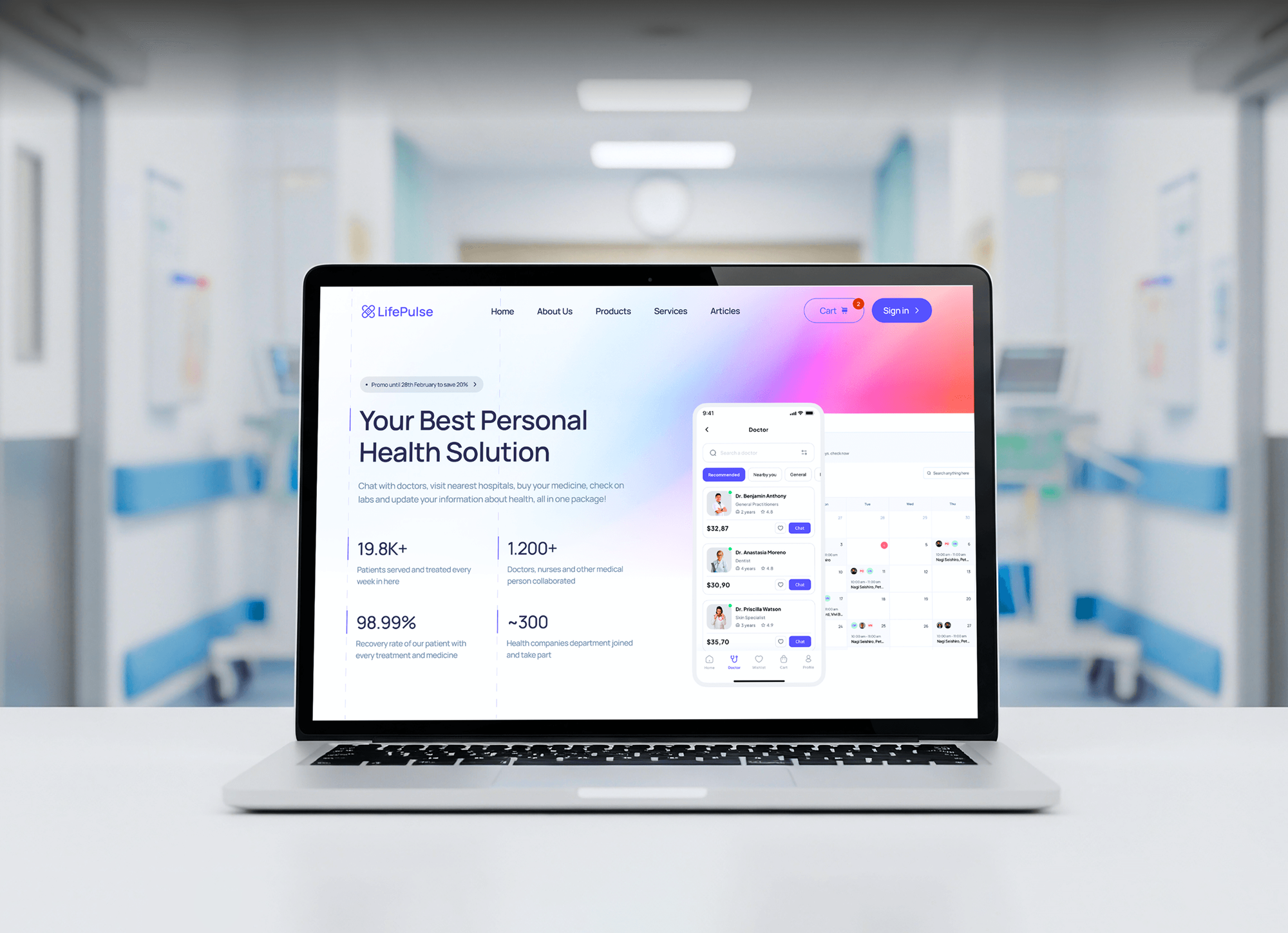
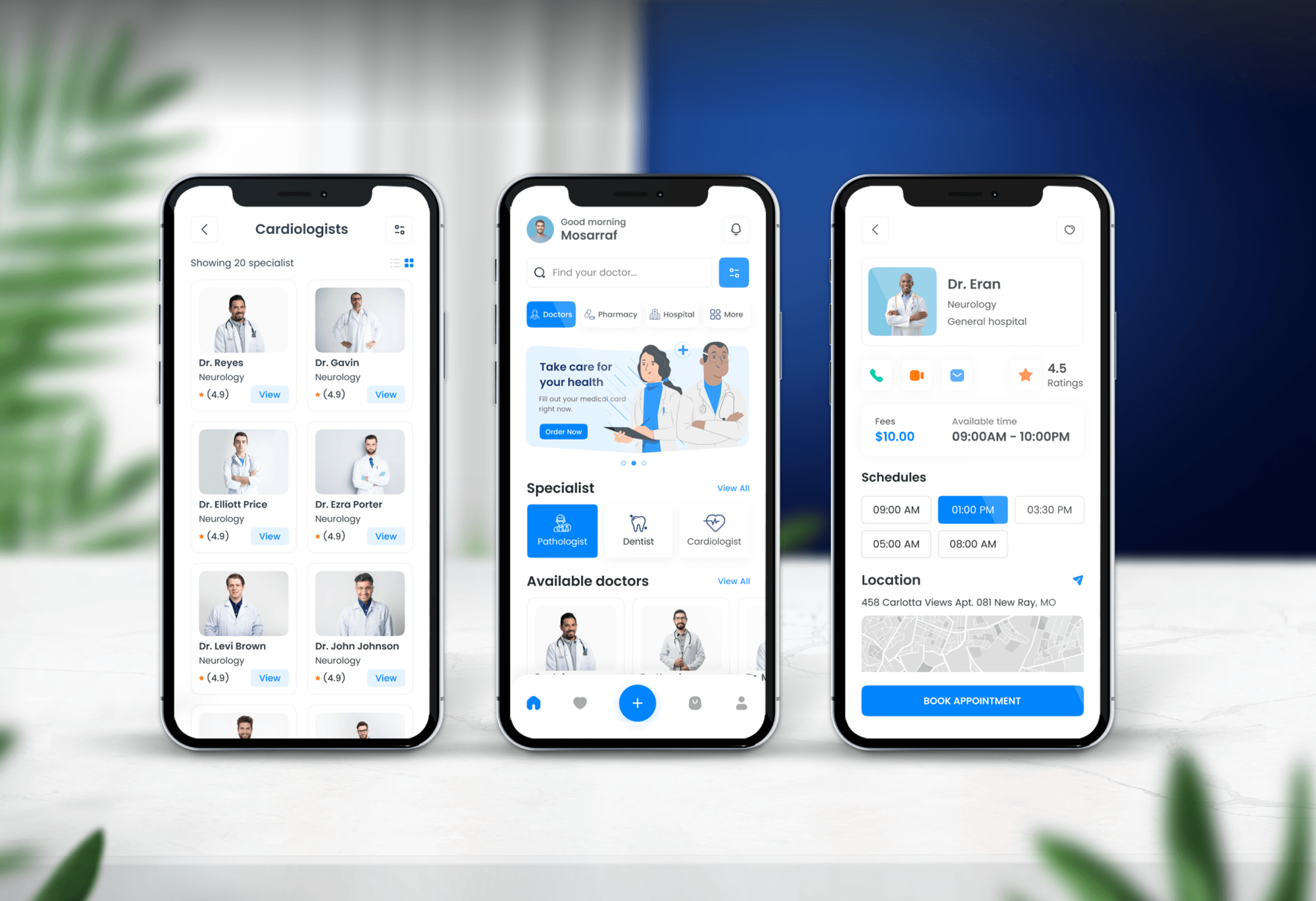
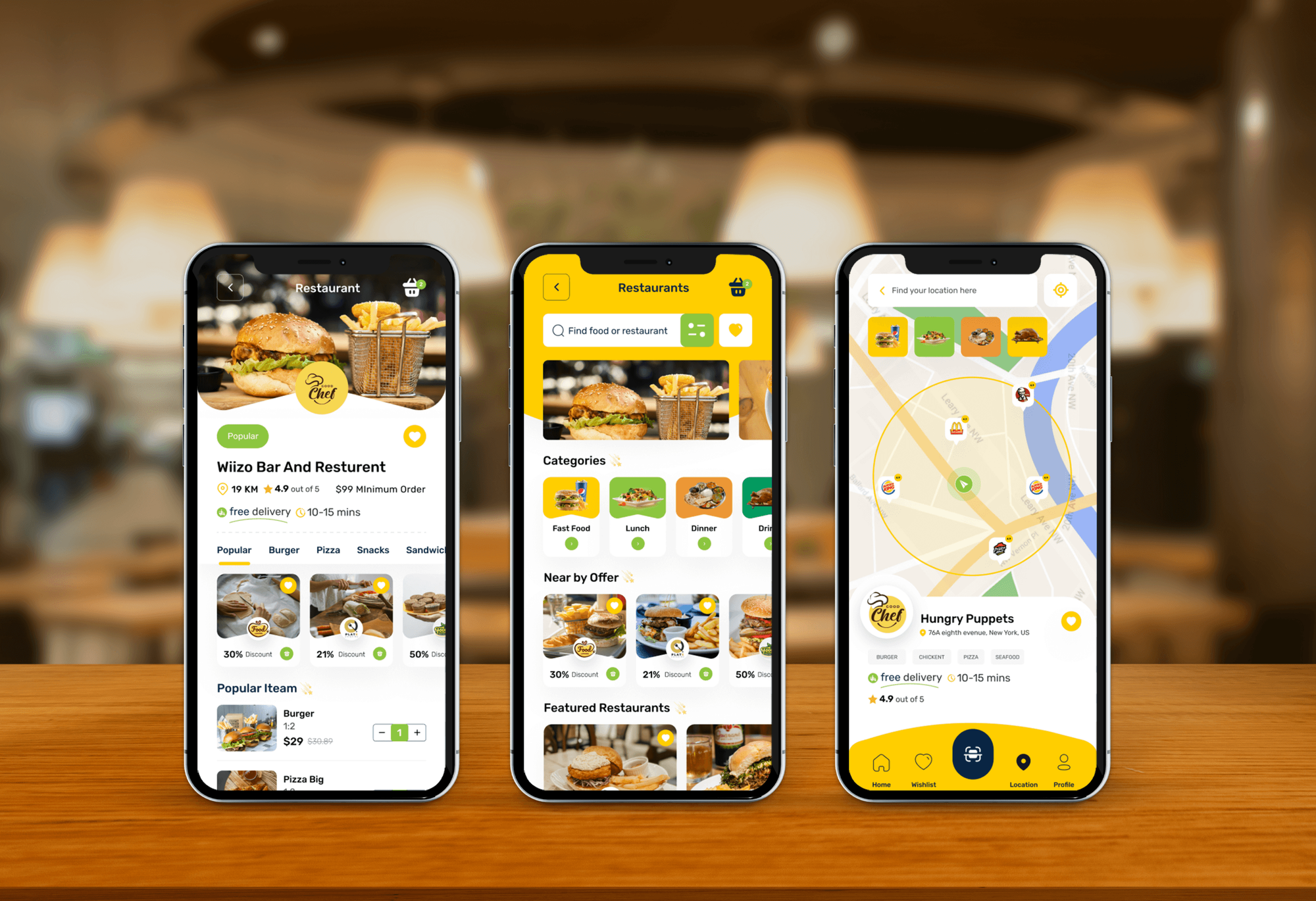
Systems we built for clinics and restaurants, where a day offline costs appointments and orders. These are builds, not ransomware cases.

What Our Clients Say
Feedback from teams we have built websites, apps, and platforms for.
We had a pretty specific idea of what we wanted our website to become, but I wasn’t sure how easily we could explain all of it to a development team. There were quite a few moving parts, and we were working toward a deadline, so I expected a few things to get lost along the way. That never really happened. They understood what we were trying to achieve, kept us updated throughout the process, and got everything ready within the agreed timeline. The final site feels much easier to navigate, works beautifully on mobile, and is noticeably smoother for our customers. It was a huge relief seeing the original idea actually turn into the website we had in mind.
The mobile experience is probably my favourite part of the new site. We had spent a lot of time making sure the desktop version looked right, and the team kept pushing us to think about how everything would actually feel on a phone too. They were right. The navigation is clean, the interactions feel natural, and everything we’ve tested so far works exactly as it should. They also went through the links, forms, integrations, and other details more than once before launch, which I really appreciated. And even after going live, we could still reach out when something came up. The whole process felt friendly, organised, and surprisingly straightforward.
What I appreciate most is that the website is actually easy for us to manage now. We can update content ourselves instead of sending a developer a message every time we need to change something small. They also paid attention to the technical SEO side, which mattered to us because we didn’t want a new website to create problems for the traffic we already had. I’ve probably asked more questions than I should have since launch, but every question has been handled patiently and without any fuss. The team is easy to work with, they explain things clearly, and when we need something changed, they focus on getting it done rather than making the process complicated.
1,250+
Projects shipped
10+
Years of experience
Top 3%
Upwork Top Rated Plus
5 stars
Average review score
1,250+
Projects shipped
10+
Years of experience
Top 3%
Upwork Top Rated Plus
5 stars
Average review score

Want results like these?
Tell us what you are building. You get a reply within 24 hours on business days, then a written estimate.
Work Culture
A ransomware week is chaotic. These habits keep the restore safe, the decisions yours, and the attacker out of the rebuilt network.
We don't negotiate with or pay ransomware groups. The FBI advises against paying, and Treasury's OFAC warns that some payments can break sanctions law.
No backup goes back into production until it's been scanned on an isolated network. A dirty restore costs more than a slow one.
You tell us which systems earn revenue and which can wait. We restore in that order and report progress against it every day.
You report to IC3 or CISA, and your counsel decides on breach notification. We give both the facts and the timeline they need.
If no clean backup covers the last few days, we say so on day 1. You plan around the gap instead of hoping for a decryptor.
The price is set by servers and endpoints, agreed after the free call. If the damage turns out wider, you hear it before any extra work.
Overview
DeveloperLook provides ransomware recovery services that restore your business from clean backups instead of a ransom. We isolate the damage, test backups, rebuild servers on clean ground, reset every credential, and rebuild backups with an offline copy. Recovery starts from $1,400, and critical systems usually return within days to 2 weeks.
DEVELOPERLOOK
Project facts · Ransomware Recovery Services
Reviewed 27 Oct 2026 by Saimul Islam
Good fit
Small offices with an encrypted file server
Your file server and the backup drive plugged into it are both encrypted. You need to know whether a clean copy exists and how fast you can work again.
Clinics locked out of their records
Your practice can't open patient schedules or billing. You need ransomware data recovery services that restore what patients notice first.
Distributors with orders stopped
Your order system and shared drives went dark overnight. You need ransomware attack recovery that puts order taking back before anything else.
Companies whose insurer has stepped in
Your cyber insurer has appointed a breach coach, and you need hands-on recovery work alongside them. You want a ransomware recovery service that fits their process.
MSPs with a client hit by ransomware
Your client is encrypted, and your team is busy keeping other clients running. You want extra hands for the restore, working under your name.
Not a fit
Ransom payment help
You want someone to contact the attackers and arrange payment. We don't do that, and your insurer's breach coach can advise on that path.
Attack not yet contained
The attacker is still active and spreading, and nothing is encrypted yet. Our incident response services contain that first.
Backups and planning only
Nothing has happened yet, and you want tested backups and a recovery plan. Our disaster recovery planning service is a better fit.
Physically damaged drives
Your drives failed or were physically damaged, with no attack involved. A data recovery lab is the right call for that.
Not sure we're the right fit?
Book a free call or message us. We'll tell you honestly whether we're the right team.
Pricing
These are starting points in USD. Your final price depends on how many servers and endpoints were hit and what backups survived, and you get a fixed proposal after a free recovery call.
For Agencies
You own the client relationship. We supply recovery engineers: backup testing, clean rebuilds, credential resets, and restore work, reported in your format. Your client sees your team bring them back, and your other clients keep their usual service.
White label: your client only ever sees your brand
Send what's encrypted, which backups exist, and the access you hold.
You get a restore order, a backup test plan, and a fixed price.
We test, rebuild, and restore, then hand back a hardened network.
Send what's encrypted, which backups exist, and the access you hold.
You get a restore order, a backup test plan, and a fixed price.
We test, rebuild, and restore, then hand back a hardened network.
The Right Technology for Your Project
We restore with the backup and identity tools you already own, adding immutable storage so the next attack can't reach your copies.
Related Services
Recovery gets you running again. These services find how they got in, plan the next restore, and keep endpoints watched afterward.
This page
Ransomware Recovery Services
Pairs with the 6 services around it
FAQ
Straight answers on cost, timing, decryption, paying the ransom, and what a recovery plan covers.
Saimul IslamFounder & CEO, DeveloperLookStill have questions?
Send a message or book a call with the team.
Ransomware recovery services start at $1,400 for one server and up to 10 computers with a usable backup. Business recovery with Active Directory, up to 3 servers, and 40 endpoints starts at $4,400. Multi-site or virtualized recoveries start at $8,600. You get a fixed price after a free recovery call.
Critical systems are usually back within days to 2 weeks, and full recovery takes 2 to 6 weeks. The biggest factor is your backups: a clean, recent copy shortens everything, while missing or encrypted backups mean rebuilding from scratch. We restore revenue systems first, so the business runs before the long tail finishes.
It's getting systems and data back after an attack without letting the attacker back in. That means isolating the damage, testing backups, rebuilding on clean ground, and resetting every credential. The work ends with backups the next attack can't reach, not only with files reopened.
Start with the FBI's IC3 or CISA, which take reports and may know of decryptors. For hands-on work, ransomware recovery companies like DeveloperLook restore systems, and your cyber insurer may appoint a breach coach. Check that any provider tests backups before restoring and won't push you toward paying.
Four kinds of help exist: containment of the attack, forensics to find how it started, recovery engineering to restore systems, and legal and insurance support. Negotiators exist too, but we don't offer that path. Most small businesses need containment and restoration first, with forensics when an insurer or regulator asks.
Data comes back from a clean backup, a free decryptor for the strain, or file versions the attacker missed, such as cloud sync history. We test each source on an isolated network first. If none exists, some data may be lost, and we tell you early.
Sometimes. The No More Ransom project, backed by Europol, national police forces, and security companies, offers free decryptors for some strains, mostly older ones or those with flawed encryption. Most current strains can't be decrypted without the attacker's key. That's why tested, offline backups matter more than any decryption tool.
No. Paying doesn't ensure a working decryptor, complete files, or that stolen data gets deleted, and the FBI advises against paying. Treasury's OFAC also warns that paying certain groups can break US sanctions law. We don't negotiate or pay; we restore from backups and rebuilds instead.
A ransomware recovery plan is a short document saying who decides, which systems come back first, where clean backups live, and who to call. It's written before an attack and tested with a real restore. We write one at the end of every recovery; planning without an incident is our disaster recovery planning service.
It can if the entry point stays open, so we close it before restoring. Credentials are reset, backups get an offline copy, and every restored machine is checked by EDR. For ransomware protection and recovery over time, pair this with endpoint monitoring, because no provider can promise an attack won't happen again.
Saimul IslamFounder & CEO, DeveloperLookStill have questions?
Send a message or book a call with the team.
Free 30-min callGoogle Meet
Book a call
In 30 minutes on Google Meet we walk you through how we would build it, how long it takes and what it costs. Then you get a written estimate.
Calendar not showing? Book on cal.com or send a brief.