Pipeline and field map
A map of every field between your website, CRM, Aurora, and operations, with one owner for each field.

For solar installers on Aurora: leads become projects on their own, proposal status reaches your CRM, and signed deals go straight to operations. From $750.
2X
Faster proposal turnaround
100%
CRM leads synced to Aurora
How your project runs
01 · FreeTeams we have built for:














The Problem
It shows up between the first call and the signed deal. Your solar sales proposal software, your CRM, and your operations tools each hold part of the job, and people carry data between them.
Retyped leads
Designers copy each address and bill from the CRM into Aurora.
Retyped leads
New CRM leads create Aurora projects with address and usage already filled in.
Stale stages
Deal stages say New long after the proposal went out.
Stale stages
Aurora webhooks move the deal stage when a design or proposal changes.
Lost hand-offs
Signed agreements reach operations as forwarded emails.
Lost hand-offs
A signed agreement creates the install project and alerts your operations team.
Blind pipeline
Nobody knows how many proposals went out or got signed.
Blind pipeline
Your CRM reports proposals sent, signed, and stalled from the synced status.
A homeowner books a site assessment from your website, and the lead lands in your CRM. Your designer copies the address and utility bill into Aurora by hand, then emails the rep when the design is ready. The rep sends the proposal, but the deal stage still says New. When the homeowner signs, someone forwards the agreement to operations and retypes the system size into a third tool. Nobody can say how many proposals went out last week.
We start with your pipeline as it runs today and decide which system owns each piece of data. Then we connect your website and CRM to Aurora through its API, so new leads become Aurora projects with the address and usage filled in. Aurora's webhooks push design and proposal status back to the deal, and a signed agreement starts the install hand-off. Your reps sell instead of copying fields.
Leads become Aurora projects
Each new lead creates a project in Aurora with the address and consumption from your CRM.
Status flows back on its own
Aurora webhooks update the CRM deal when designs finish or proposals change status.
Signed deals start the install
A signed agreement hands the system size and documents to your operations tools.
Our Aurora Solar Integrations Process
You approve the field map before we build, test with sample leads in Aurora's sandbox, and watch real leads sync with your sales team before full use.
We map how a lead moves today: from your website or CRM into Aurora, through design and proposal, to a signed agreement. You get a field map, the Aurora API access your plan needs, and a written scope.
What's Included
Your integration covers the field map, lead to project sync, status updates, the install hand-off, error handling, and testing. It runs on accounts and API keys in your name.
Compare Options
A pre-built connector suits standard CRM fields, and manual entry works when your solar quoting software handles only a few leads a week. Here is where each option fits.
| Feature | DeveloperLookBest fit | Pre-built connector | Manual entry |
|---|---|---|---|
| Field mapping | Every field you use | Standard fields only | Whatever the designer types |
| Custom CRM objects | Mapped to your setup | Often not supported | |
| Status updates | Webhooks to deal stages | Basic status sync | Rep updates by hand |
| Install hand-off | Ops project on signature | Usually not included | Forwarded emails |
| Setup time | 2 to 8 weeks | Hours to days | Nothing to set up |
| Upfront cost | Fixed one-time price | Often included in a plan | No setup cost |
| Error handling | Queue with alerts and retries | Vendor support ticket | Mistakes found later |
| Ownership | You own the code | Vendor maintains it |
Projects We've Built
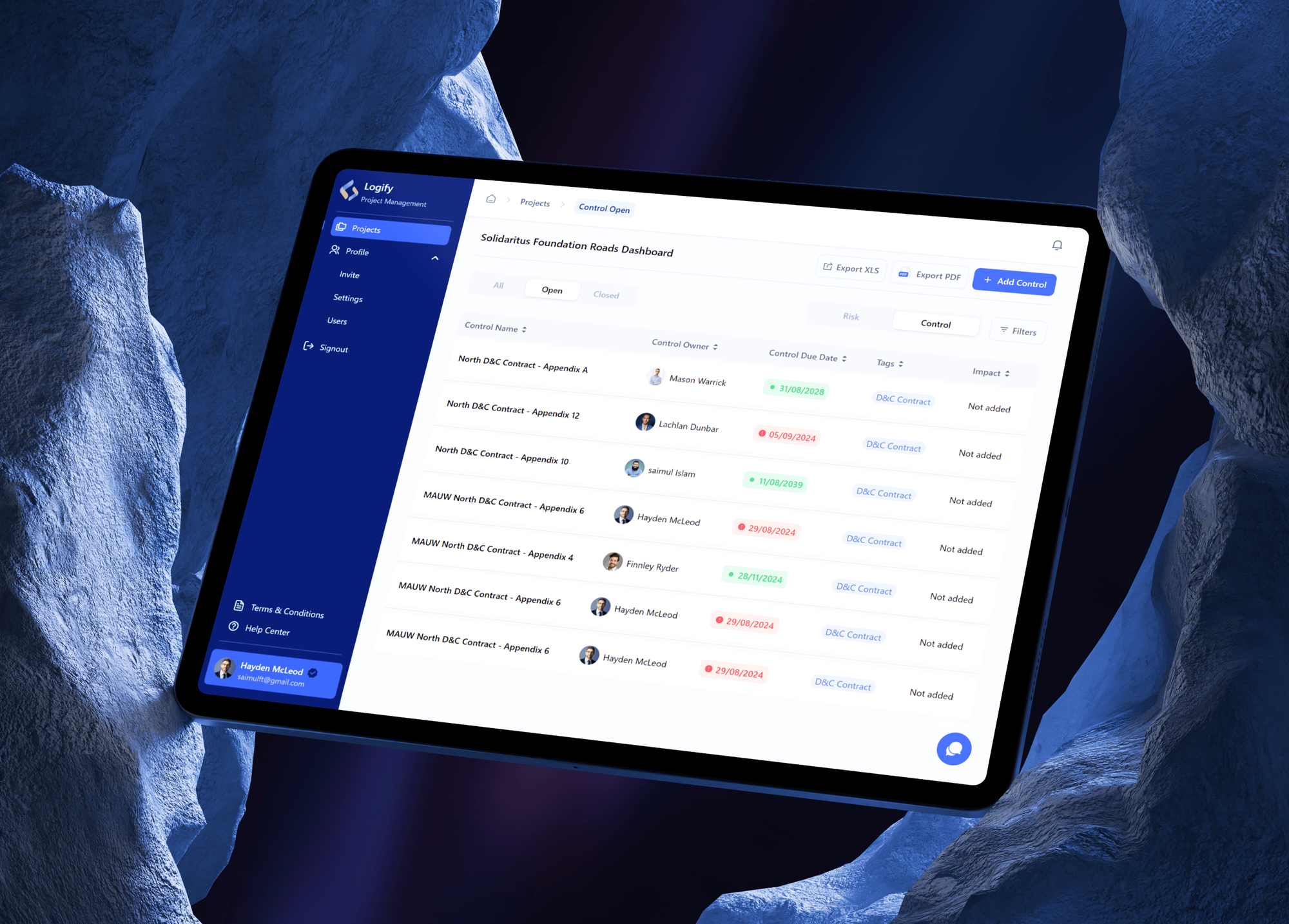
Logify, Saasmo, Oasic, and Herile are project tracking, pipeline, and dashboard products we built. None of them is an Aurora Solar integration.



What Our Clients Say
Feedback from teams we have built pipelines, dashboards, and integrations for.
We had a pretty specific idea of what we wanted our website to become, but I wasn’t sure how easily we could explain all of it to a development team. There were quite a few moving parts, and we were working toward a deadline, so I expected a few things to get lost along the way. That never really happened. They understood what we were trying to achieve, kept us updated throughout the process, and got everything ready within the agreed timeline. The final site feels much easier to navigate, works beautifully on mobile, and is noticeably smoother for our customers. It was a huge relief seeing the original idea actually turn into the website we had in mind.
The mobile experience is probably my favourite part of the new site. We had spent a lot of time making sure the desktop version looked right, and the team kept pushing us to think about how everything would actually feel on a phone too. They were right. The navigation is clean, the interactions feel natural, and everything we’ve tested so far works exactly as it should. They also went through the links, forms, integrations, and other details more than once before launch, which I really appreciated. And even after going live, we could still reach out when something came up. The whole process felt friendly, organised, and surprisingly straightforward.
What I appreciate most is that the website is actually easy for us to manage now. We can update content ourselves instead of sending a developer a message every time we need to change something small. They also paid attention to the technical SEO side, which mattered to us because we didn’t want a new website to create problems for the traffic we already had. I’ve probably asked more questions than I should have since launch, but every question has been handled patiently and without any fuss. The team is easy to work with, they explain things clearly, and when we need something changed, they focus on getting it done rather than making the process complicated.
1,250+
Projects shipped
10+
Years of experience
Top 3%
Upwork Top Rated Plus
5 stars
Average review score
1,250+
Projects shipped
10+
Years of experience
Top 3%
Upwork Top Rated Plus
5 stars
Average review score

Want results like these?
Tell us what you are building. You get a reply within 24 hours on business days, then a written estimate.
Work Culture
Your pipeline is where installs get won or lost. These habits keep your data in one place, your reps out of copy and paste, and your Aurora account safe.
We decide which system owns each field before we connect anything. Your CRM and Aurora then stop overwriting each other's addresses, owners, and stages.
We build and test against Aurora's sandbox and a copy of your CRM first. Real homeowners don't get a duplicate email or a broken proposal link while we work.
Some Aurora API calls use credits, so we only call what your workflow needs. You see the expected credit use in the scope before we build.
We build on Aurora's published API and webhooks, and we don't claim a partnership with Aurora. API access depends on your Aurora plan, so we confirm it with you first.
If a pre-built connector already covers your CRM and fields, we'll tell you before we quote. Custom integration earns its cost when your pipeline doesn't fit the standard map.
API keys, webhook endpoints, and the integration code sit in accounts you own. Changing CRMs or agencies later doesn't strand your data on someone else's server.
Overview
DeveloperLook builds Aurora Solar integrations for residential and commercial installers. We connect your website and CRM to Aurora's API and turn new leads into Aurora projects. Webhooks push design and proposal status back, and signed deals go to operations. Projects start at $750, take 2 to 8 weeks, and you own the integration code.
DEVELOPERLOOK
Project facts · Aurora Solar Integrations
Reviewed 29 Oct 2026 by Saimul Islam
Good fit
Residential installers on Aurora
Your designers retype every lead from the CRM into Aurora, and you want a project created the moment a homeowner books.
Commercial solar sales teams
You quote larger rooftops and carports, and your commercial solar proposal software needs to update the same CRM your sales team uses.
Installers comparing solar sales software
You're choosing solar sales software and want to know if Aurora plus your CRM can cover proposals, financing, and hand-offs together.
Sales ops leads fixing reporting
Your CRM can't tell you how many proposals went out or got signed, because nobody updates the deal stages by hand.
Agencies serving solar clients
Your agency runs a solar client's website and CRM, and that client now wants its web leads to reach Aurora without copying.
Not a fit
Website calculator first
You want homeowners to see a savings estimate on your website before they talk to anyone. Our Solar Calculator for Website page covers that lead tool.
Energy data after install
You need to track production, meters, or building energy after systems go live. Our Energy Management Software Development page fits that work.
Standard CRM, standard fields
Your CRM and fields fit a pre-built connector without changes. That route is cheaper, and we'll point you to it before we quote.
Budget under $750
Your budget is under $750 for the whole integration. Copying leads by hand stays cheaper until you send more than a few proposals a week.
Not sure we're the right fit?
Book a free call or message us. We'll tell you honestly whether we're the right team.
Pricing
These are starting points in USD. Your final price depends on your CRM, the fields and events to sync, and your ops tools, and you get a fixed proposal after a free workflow review.
For Agencies
You own the client relationship. We supply the engineering behind the Aurora and CRM integrations your solar clients ask for, under your brand. You get field maps, webhook setups, and runbooks your client's sales ops lead can follow.
White label: your client only ever sees your brand
Send the client's CRM, fields, and Aurora plan, and we shape the scope.
You get a fixed proposal in your agency's name and a named team.
We build in the sandbox, pilot with real leads, and hand over the code.
Send the client's CRM, fields, and Aurora plan, and we shape the scope.
You get a fixed proposal in your agency's name and a named team.
We build in the sandbox, pilot with real leads, and hand over the code.
The Right Technology for Your Project
We build on Aurora's published API and webhooks, connect the CRMs installers run, and host the sync on infrastructure you own.
 Salesforce
 HubSpot
 Zapier
 Make
 Node.js
 PostgreSQL
 AWS
 Docker
Related Services
The energy software hub, the solar calculator that feeds new leads, solar websites, Salesforce and HubSpot integrations, and our API integration services.
This page
Aurora Solar Integrations
Pairs with the 6 services around it
FAQ
Straight answers on cost, timelines, what Aurora does, HelioScope, batteries, proposals, and ownership.
Saimul IslamFounder & CEO, DeveloperLookStill have questions?
Send a message or book a call with the team.
Integrations at DeveloperLook start at $750 for one lead source that creates Aurora projects with address and usage filled in. Two-way CRM sync with webhooks and deal stage updates starts at $2,100. A full sales-to-install pipeline with financing status and document storage starts at $4,600. You get a fixed quote after a free workflow review.
An Aurora Solar integration takes 2 to 8 weeks from review to launch. A lead-to-project sync takes about 2 weeks. Two-way CRM sync runs 4 to 5 weeks, and a full pipeline to installs takes 6 to 8. Getting API access on your Aurora plan is the step that most often moves the start date.
Aurora Solar is cloud software that solar installers use to design systems, model production, and build sales proposals. Designers draw the array on a 3D model of the roof, and Aurora simulates the energy it will produce. Reps then turn that design into a priced proposal the homeowner can sign. It's built for residential and commercial projects.
It handles the sales and design side of a solar project. Aurora builds a roof model, lays out the panels, simulates production and savings, prices the system with incentives and financing, and produces the proposal and agreement. It works as a design tool and a solar proposal tool in one, and its API lets your CRM create projects.
Neither is better for every job, and both now belong to the same company. Aurora Solar is built for residential and commercial sales, with proposals and financing in one tool. HelioScope, which Aurora acquired in 2021, focuses on commercial and larger ground-mount design and production modeling. Pick by the projects you sell most.
Yes, for the setup and integration side. We connect Aurora to your website, CRM, and operations tools, map your fields, and handle the API and webhook work. The roof designs themselves stay with your designers or a design service, since they need site knowledge and sign-off from your team.
Yes. Aurora Solar models battery storage for backup, self-consumption, and time-of-use savings, and it has proposal templates for solar plus storage and for storage alone. Some battery features depend on your Aurora plan. Our integrations pass the battery choice and system details to your CRM and operations tools with the panels.
It builds the proposal from the design itself. The software takes the panel layout and simulated production, applies your pricing, incentives, and financing options, and fills a branded template with the system, savings, and terms. In Aurora Solar, the same project then holds the e-signature agreement, so nothing gets retyped between design and close.
The best solar proposal software with CRM and financing integration is the one your designers already use well, connected so status flows both ways. Aurora offers financing from several solar lenders inside the proposal and connects to CRMs through its API. We don't rank vendors, but we'll show you what each option connects to.
You do. The integration code, API keys, and webhook endpoints sit in accounts you own, and the runbook explains every sync. After launch you get 45 days of post-launch support for fixes and small changes. If Aurora changes its API later, the code and documents keep the update simple for us or your own developers.
Saimul IslamFounder & CEO, DeveloperLookStill have questions?
Send a message or book a call with the team.
Free 30-min callGoogle Meet
Book a call
In 30 minutes on Google Meet we walk you through how we would build it, how long it takes and what it costs. Then you get a written estimate.
Calendar not showing? Book on cal.com or send a brief.