
Terraform code for what you run
Existing networks, servers, databases, and permissions written as code and imported without rebuilding anything.

For teams whose AWS, Azure, or Google Cloud setup lives in one engineer's memory: we turn it into Terraform code you can review, repeat, and rebuild. From $850.
2+
Environments from one codebase
1review
Before every infrastructure change
How your project runs
Teams we have built for:














The Problem
It shows up when you need a second environment, an auditor asks who changed a firewall rule, or the engineer who built the account hands in their notice.
01 · Console changes
Production was built one console click at a time.
We import every resource into code, so the live setup is written down and reviewable.
02 · Environments
Staging drifts from production and nobody knows how.
Both environments come from the same modules, with only their settings different.
03 · Audit trail
Nobody can say who changed the database settings.
Every change goes through a pull request with its plan output attached.
04 · Key person
Only one engineer understands how the account was built.
Modules, a README, and runbooks let any engineer on your team make changes.
Your production account was built by clicking through the AWS console, one urgent fix at a time. Staging was supposed to match it, but nobody can say how it differs. A security group was opened for a vendor last year and never closed. When an auditor asks who changed the database settings, the answer is a shrug. Now a customer needs a new region, and the only person who knows the setup is booked for weeks.
We start by importing what you already run into Terraform, resource by resource, with no downtime and no rebuild. Then we split the code into modules, store state remotely with locking, and route every change through a pull request that shows the plan before anything applies. Staging and production come from the same code with different settings. Scheduled drift checks flag console changes the next morning, not at the next audit.
Import, don't rebuild
Existing resources come under Terraform in place, so production keeps running while the code catches up.
Every change has a plan
Pull requests show what will be created, changed, or destroyed before anyone approves the apply.
Drift caught overnight
Scheduled plans compare the code with the live cloud and flag manual changes the next morning.
Our Infrastructure as Code Services with Terraform Process
You see an inventory of what you run, approve the module layout, review each batch of imports, and decide when automated applies switch on.
We look at your cloud accounts, environments, and how changes happen today, using read-only access or a screen share. You get a list of what to import first, a recommendation between Terraform and OpenTofu, and a fixed price within 3 business days.
What's Included
Every plan covers importing what you run, remote state with locking, and a plan on every pull request. Larger plans add more environments, reusable modules, approved applies, drift checks, and policy checks.
Compare Options
Clicking in the console is fastest for a one-off test, and your own engineer knows the history. Here's where each holds up once you need repeatable environments and an audit trail.
| Feature | DeveloperLookBest fit | In-house engineer | Console and scripts |
|---|---|---|---|
| Starting point | Imports what you already run | Often starts from scratch | Nothing written down |
| Repeatable environments | Same modules, different settings | Depends on time available | Rebuilt by hand each time |
| Change review | Plan on every pull request | If the team sets it up | No review step |
| Drift detection | Scheduled checks with alerts | Rarely set up | Not possible |
| Quick one-off tests | Minutes once modules exist | Similar once set up | Fastest for a quick test |
| Tool choice | Terraform or OpenTofu, your call | Whatever they already know | Provider console only |
| Knowledge on the team | Docs and a walkthrough included | Stays with one person | Stays in memory |
| Cost predictability | From $850, fixed scope | Salary already budgeted | Free until something breaks |
Projects We've Built
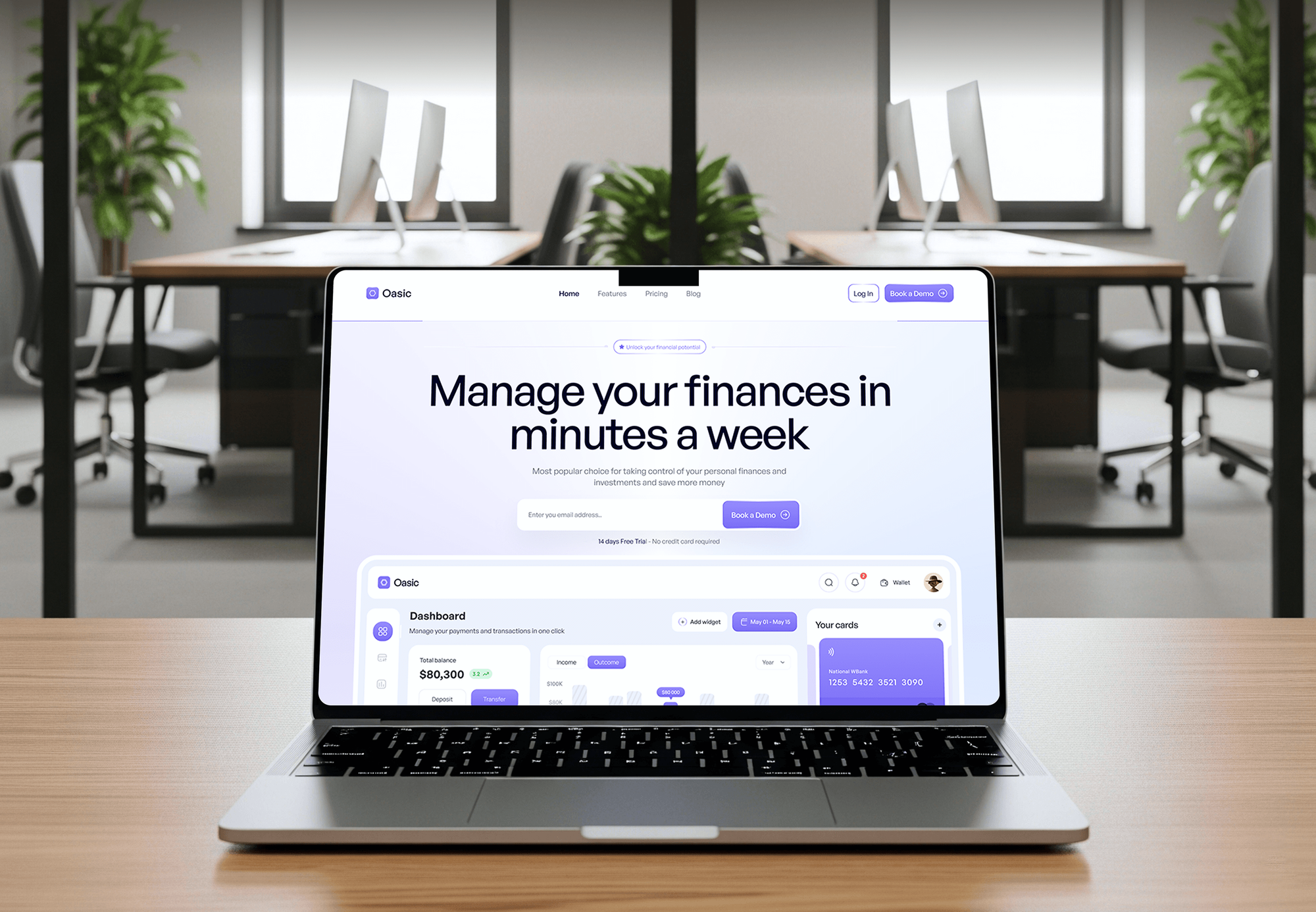
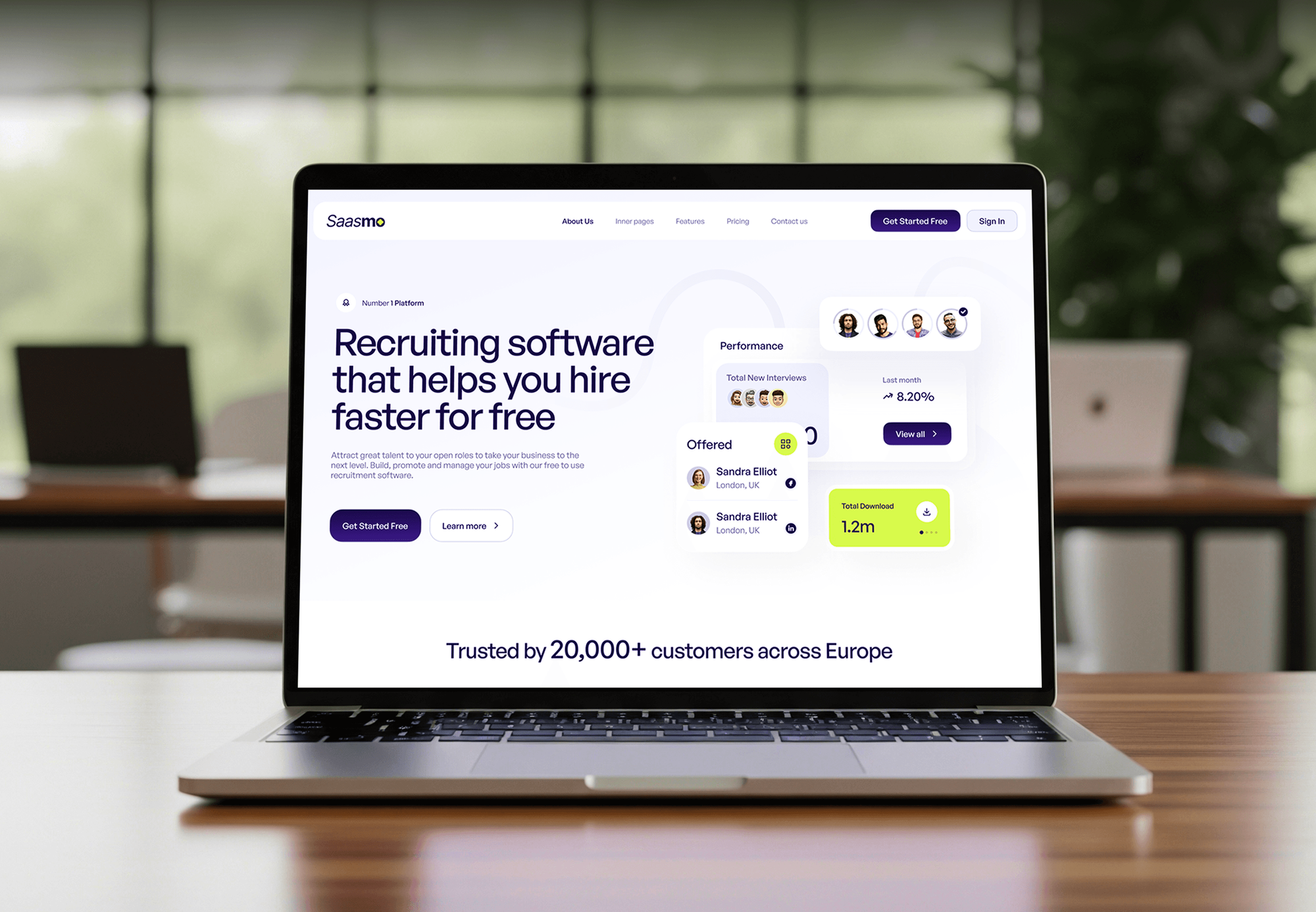
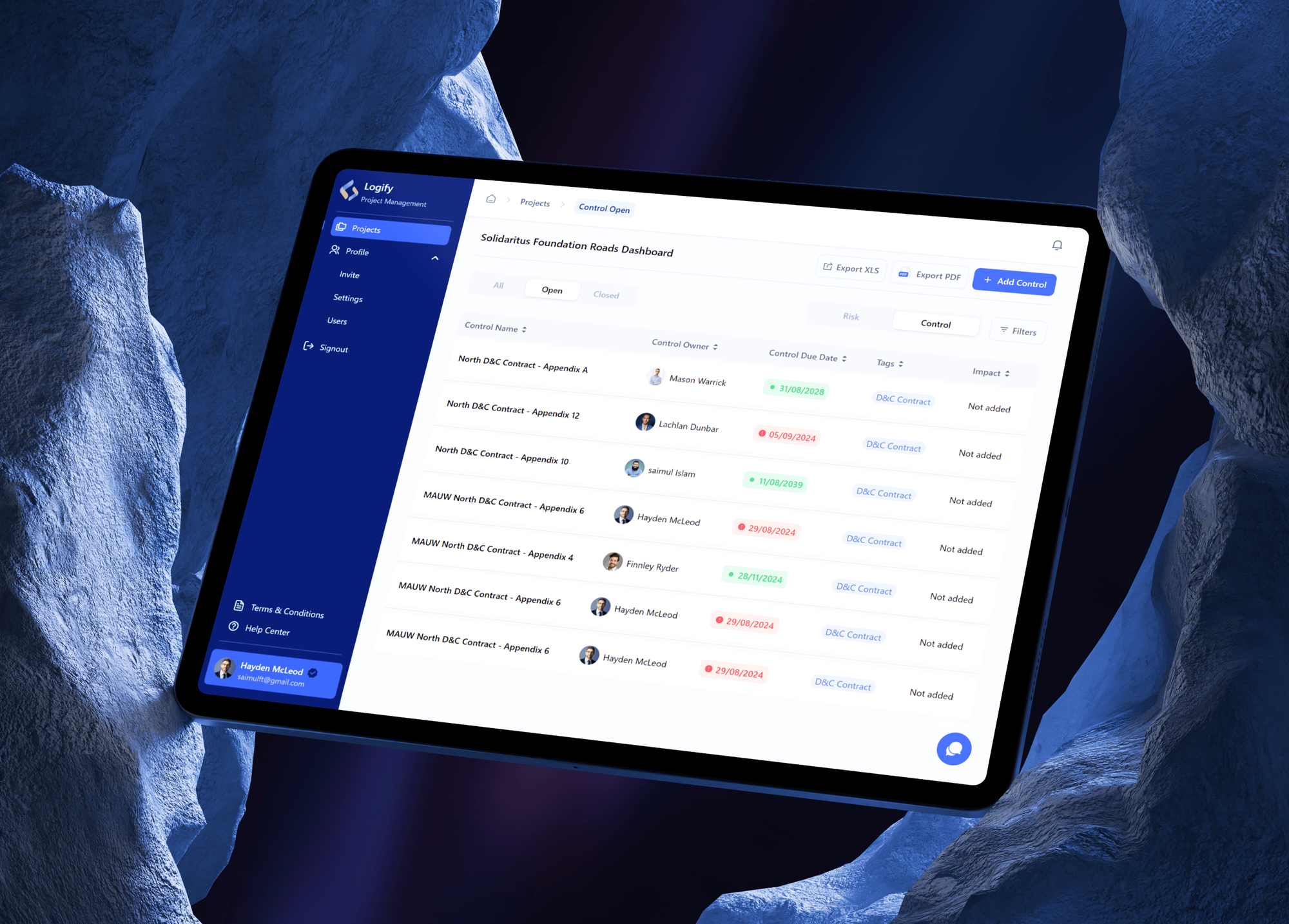
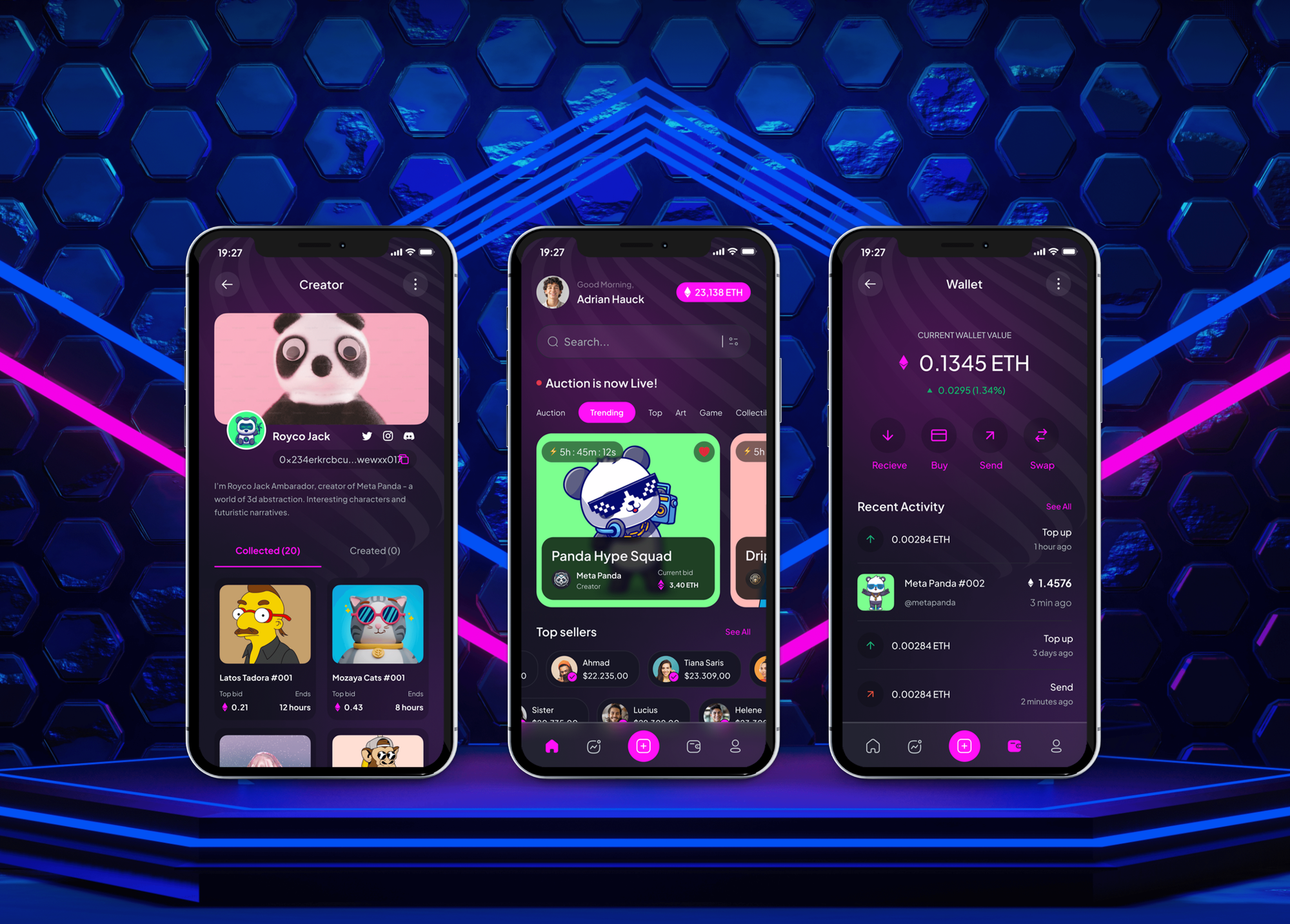
SaaS products and web apps our team built and shipped, including a finance SaaS and a recruiting platform. They show the kind of software whose cloud we write as code, not IaC-only case studies.
What Our Clients Say
Feedback from teams we have built web apps and websites for.
We had a pretty specific idea of what we wanted our website to become, but I wasn’t sure how easily we could explain all of it to a development team. There were quite a few moving parts, and we were working toward a deadline, so I expected a few things to get lost along the way. That never really happened. They understood what we were trying to achieve, kept us updated throughout the process, and got everything ready within the agreed timeline. The final site feels much easier to navigate, works beautifully on mobile, and is noticeably smoother for our customers. It was a huge relief seeing the original idea actually turn into the website we had in mind.
The mobile experience is probably my favourite part of the new site. We had spent a lot of time making sure the desktop version looked right, and the team kept pushing us to think about how everything would actually feel on a phone too. They were right. The navigation is clean, the interactions feel natural, and everything we’ve tested so far works exactly as it should. They also went through the links, forms, integrations, and other details more than once before launch, which I really appreciated. And even after going live, we could still reach out when something came up. The whole process felt friendly, organised, and surprisingly straightforward.
What I appreciate most is that the website is actually easy for us to manage now. We can update content ourselves instead of sending a developer a message every time we need to change something small. They also paid attention to the technical SEO side, which mattered to us because we didn’t want a new website to create problems for the traffic we already had. I’ve probably asked more questions than I should have since launch, but every question has been handled patiently and without any fuss. The team is easy to work with, they explain things clearly, and when we need something changed, they focus on getting it done rather than making the process complicated.
1,250+
Projects shipped
10+
Years of experience
Top 3%
Upwork Top Rated Plus
5 stars
Average review score

Want results like these?
Tell us what you are building. You get a reply within 24 hours on business days, then a written estimate.
Work Culture
We follow infrastructure as code best practices: small modules, remote state, reviewed plans, and no secrets in code. These habits keep your setup safe to change.
We bring your current setup under code as it is before suggesting improvements. Refactoring comes later in small reviewed steps, so production never depends on a big rebuild.
Nobody applies a change without reading its plan, including us. Destroy actions get called out in the pull request, so they never slip through as a side effect.
Passwords and keys stay in a secret manager, and state files are encrypted with restricted access. Your repository stays safe to share with every engineer on the team.
If CloudFormation, Pulumi, or a few scripts suit your setup better than Terraform, we'll tell you before we quote. The right tool is the one your team will keep using.
Terraform moved to the Business Source License with version 1.6, and OpenTofu is the open-source fork. We explain what that means for your use before you choose.
State files, repositories, and cloud credentials live in your accounts from day one. Removing our access is a settings change, not a migration.
Overview
DeveloperLook sets up infrastructure as code with Terraform or OpenTofu: your cloud is defined in files and changed only through reviewed pull requests. We import what you run without downtime, build modules, add remote state with locking, and set up drift checks. Projects start at $850 and take 1 to 9 weeks.
DEVELOPERLOOK
Project facts · Infrastructure as Code Services with Terraform
Reviewed 8 Oct 2026 by Saimul Islam
Good fit
Startups with a hand-built AWS account
Your AWS account grew one console click at a time, and a customer's security review now asks how changes are controlled.
Teams adding a second environment
You need a proper staging environment or a new region, and rebuilding it by hand would take weeks and still differ from production.
Engineering leads facing an audit
Your SOC 2 or customer audit asks who changed what in your cloud, and today the only record is someone's memory.
Teams with half-finished Terraform
Your team started with Terraform once, but state is local and modules are copied, so you want infrastructure as code consulting to finish it.
Agencies managing client clouds
Your agency runs cloud accounts for several clients and needs a partner to give each one the same reviewed, repeatable setup.
Not a fit
One small server
You run one small server that rarely changes. Writing it as code costs more than it saves, and a backup plus a runbook may be enough.
App not containerized yet
Your app still runs on a hand-configured server and needs packaging first. Docker Containerization Services is the better first step.
Still moving to the cloud
You haven't moved to the cloud yet. Cloud Migration Services covers the move, and Terraform comes with it for the new setup.
Budget under $850
Your budget is under $850. Terraform's own tutorials and importing a few key resources yourself may be a reasonable place to start.
Not sure we're the right fit?
Book a free call or message us. We'll tell you honestly whether we're the right team.
Pricing
These are starting points in USD. Your final price depends on how many resources, environments, and cloud accounts you run, and you get a fixed proposal after a free cloud review.
For small teams putting one existing app's cloud setup under Terraform.
$850one-time, USD
For products with several services that need reusable modules and reviewed, automated applies.
$2,600one-time, USD
For teams running several cloud accounts that need policy checks and a shared module library.
$5,800one-time, USD
For Agencies
You own the client relationship. We supply the infrastructure engineering: imports, modules, pipelines, and drift checks delivered under your brand. Your team keeps the client conversations, while we turn each client's cloud into code their engineers can review.
White label: your client only ever sees your brand
Give read-only access, the client's environments, and any compliance rules they follow.
We import resources, build modules, and set up plans, showing you each pull request.
You hand the repository, runbooks, and a walkthrough to the client's engineers.
Pull requests, plans, and handover docs arrive under your agency's name.
One reviewed set of modules reused across your client accounts.
Each client account gets a fixed price and date before work starts.
More hands when several client accounts need work at the same time.
The Right Technology for Your Project
The infrastructure code, cloud providers, pipelines, and policy tools we use to turn hand-built cloud setups into reviewed, repeatable code.
 AWS
 Cloudflare
FAQ
Straight answers on cost, timelines, Terraform versus CloudFormation, and whether IaC is worth it for your team.
Saimul IslamFounder & CEO, DeveloperLookStill have questions?
Send a message or book a call with the team.
Bringing one app's existing infrastructure under Terraform starts at $850 with DeveloperLook, covering up to 40 resources with staging and production. Several environments with reusable modules and approved applies cost $2,600. A multi-account platform with policy checks and a module registry starts at $5,800. You get a fixed price after a free cloud review.
One app's infrastructure takes 1 to 2 weeks, and several environments with modules take 3 to 5 weeks. A multi-account platform takes 6 to 9 weeks. Imports go in batches you review, and production keeps running throughout. Undocumented console changes are the usual cause of extra time.
IaC (infrastructure as code) means describing cloud resources in text files that a tool reads to create and change them. The files live in Git, so every change has an author, a review, and a history. Terraform, OpenTofu, AWS CloudFormation, and Pulumi are common tools, each with its own language.
IaC is used to create and change networks, servers, databases, DNS records, and access permissions in a repeatable way. Teams use it to spin up identical environments, recover from disasters by re-applying code, and show auditors a history of changes. It also covers services outside the big clouds, such as Cloudflare and GitHub settings.
Use IaC once your cloud has grown past what one person can remember or rebuild by hand. The usual triggers are a second environment, a new region, a security review, or a key engineer leaving. Code turns each of those from a multi-week scramble into a set of reviewed changes.
IaC matters because manual cloud changes are invisible: nobody reviews them, and nobody can reproduce them. Incidents and audit findings often trace back to a setting someone changed by hand. With code, every change is reviewed before it applies and recorded after it does, which gives auditors a clear trail.
The main benefits of IaC are repeatable environments, reviewed changes, a full change history, and quicker recovery after a failure. A new environment becomes a copy of existing modules with different settings. The cost is discipline: every change has to go through code, or drift creeps back in.
Yes. AWS CloudFormation creates AWS resources from JSON or YAML templates, and the AWS CDK generates those templates from languages such as TypeScript or Python. For AWS infrastructure as code alone, it works well. Terraform suits teams that also manage Azure, Google Cloud, Cloudflare, or GitHub from the same codebase.
Yes, for most teams with more than one environment or more than one engineer changing the cloud. It isn't worth it for a single small server that rarely changes, where a backup and a runbook cover the risk. If that's your setup, we'll say so on the free review call.
The strongest firms import what you already run instead of rebuilding it, and they leave your team able to make changes without them. Ask any firm, including us, for a sample pull request with its plan, their approach to state and secrets, and who owns the repository afterward. We don't publish rankings of other firms.
Saimul IslamFounder & CEO, DeveloperLookStill have questions?
Send a message or book a call with the team.
Free 30-min callGoogle Meet
Book a call
In 30 minutes on Google Meet we walk you through how we would build it, how long it takes and what it costs. Then you get a written estimate.
Calendar not showing? Book on cal.com or send a brief.