
Stakeholder interviews
Short calls with founders, sales, and support, so the study tests the assumptions your roadmap already rests on.

For founders and product teams about to fund a build or redesign: hear from real users first and get a ranked list of what to build, from $950.
5+
Real users interviewed per study
4
Evidence sources in every study
How your project runs
Teams we have built for:














The Problem
Most backlogs grow from requests, hunches, and old assumptions. Without fresh conversations with users, the team can't tell which items matter and which only sound urgent.
01 · Loud requests
One big prospect's request jumps to the top of the backlog.
Interviews across user groups show which needs are shared and which are one-offs.
02 · Old beliefs
The founder still plans around what users wanted years ago.
Stakeholder interviews list those assumptions, and user interviews test each one.
03 · No contact
Nobody has talked to a typical user since launch.
We interview 5 to 12 real users before any scope gets locked.
04 · Low usage
New features ship, and usage barely moves.
A ranked opportunity list shows what to build first, backed by quotes and data.
Your roadmap is full, and every item has a champion. Sales wants the feature a big prospect asked for. Support wants the fix for last month's angriest ticket. The founder still plans around what users wanted two years ago. Nobody has talked to a typical user since launch, so whoever argues hardest wins. Three months later the new feature ships, usage barely moves, and the team starts guessing again.
We start by writing down the assumptions behind your roadmap, then test them with the people who use your product. Interviews, analytics, and support tickets get compared side by side, so patterns show up that no single source reveals. You get journey maps and a ranked opportunity list, with quotes behind every point. Your roadmap follows what users need, not whoever argued hardest.
Quotes behind every insight
Each finding links to what users actually said, so nobody has to take the researcher's word for it.
Research before the roadmap
Studies run before scope is locked, while changing direction still costs a conversation instead of a rebuild.
Your team in the sessions
Designers and developers observe interviews, so the people building the product hear users firsthand.
Our UX Research Process
You agree on the research questions up front and can sit in on interviews. You leave with findings your designers and developers can act on the same week.
We talk through the decision you're facing, who your users are, and what you already know. You get the research questions, the methods we'd use, and a fixed price, or an honest note that a few customer calls will answer it.
What's Included
Every study combines what users say with what your data shows, then turns both into maps and priorities your product team can use straight away.
Compare Options
A freelance researcher costs less per day, and an in-house hire builds product knowledge over years. Here's where a UX research company fits when you need answers for one decision.
| Feature | DeveloperLookBest fit | Freelancer | In-house hire |
|---|---|---|---|
| Methods | Interviews, surveys, and card sorts | Often one specialty | Broad, once hired |
| Time to start | After a free scoping call | Often quick to book | Months of hiring first |
| Product context | Designers and developers join synthesis | Researcher works alone | Deep knowledge over time |
| Recruiting | Your users or a recruiting service | You often recruit yourself | Recruits from your customers |
| Deliverables | Journey maps and ranked opportunities | Report or slide deck | Ongoing insights and repository |
| Follow-through | Same team can design and build | Ends at the report | Stays for the long term |
| Cost | Fixed price from $950 | Lower day rates | Full salary and benefits |
| Best for | One decision or a discovery phase | A narrow, well-defined study | Continuous research programs |
Projects We've Built
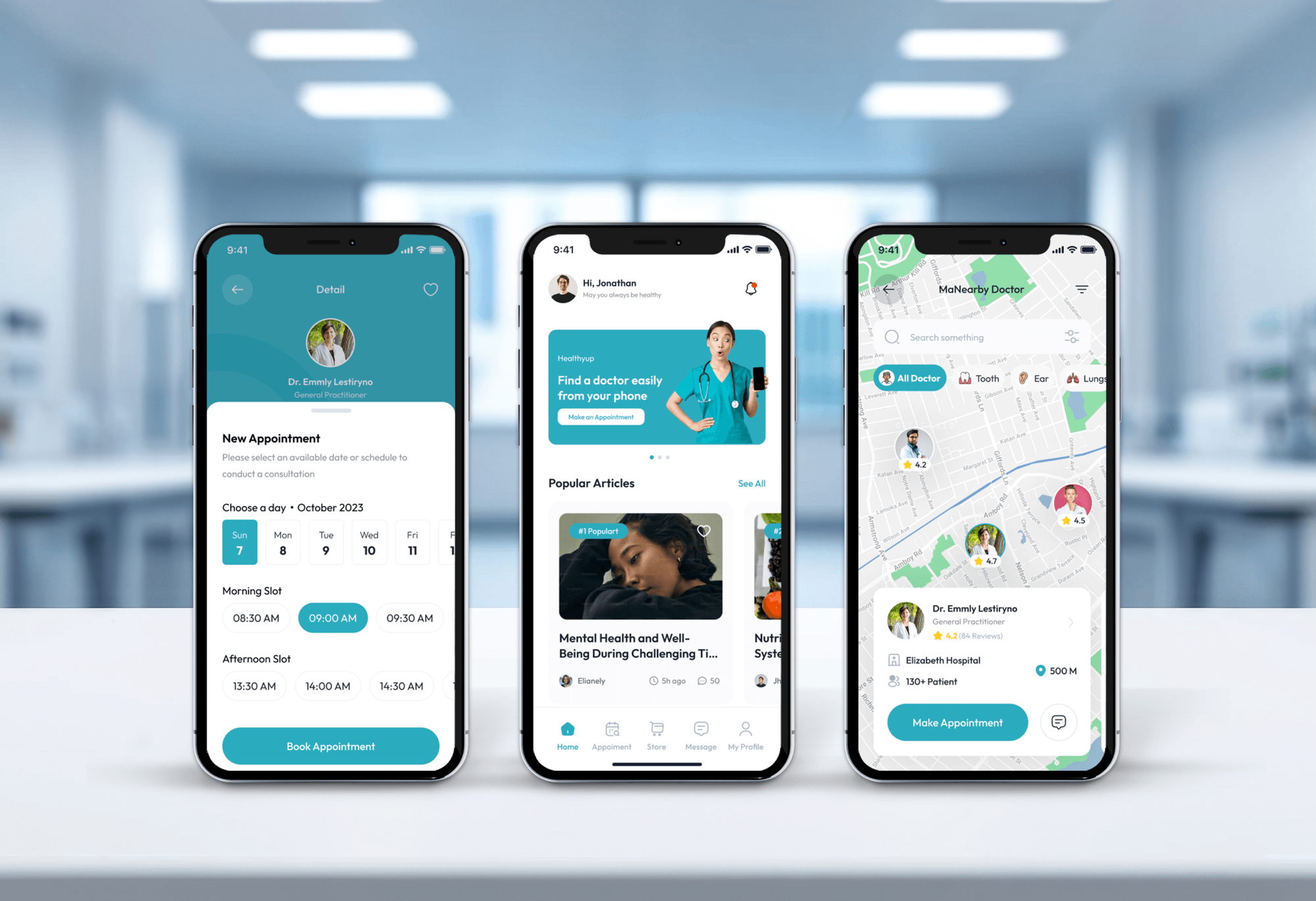
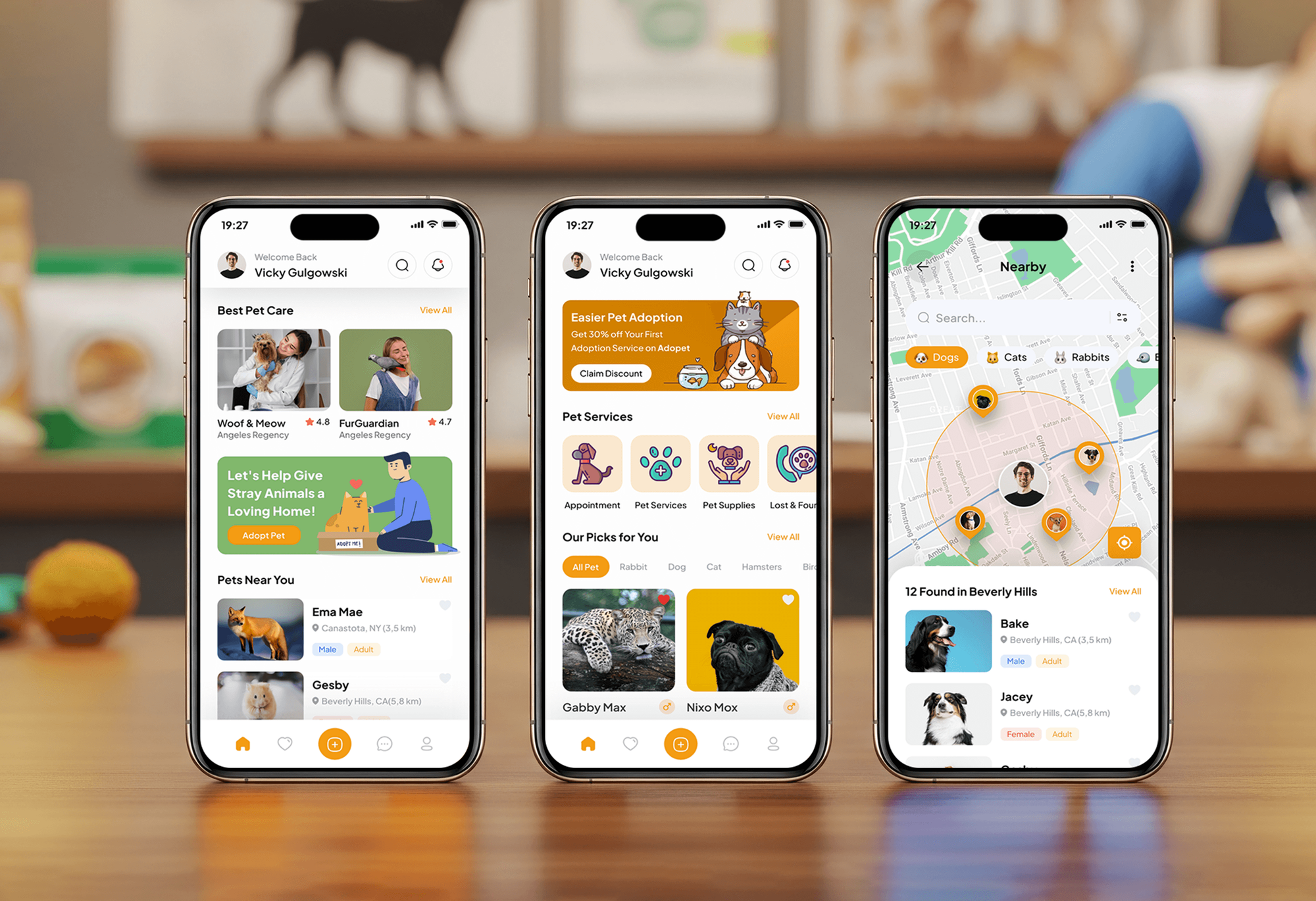
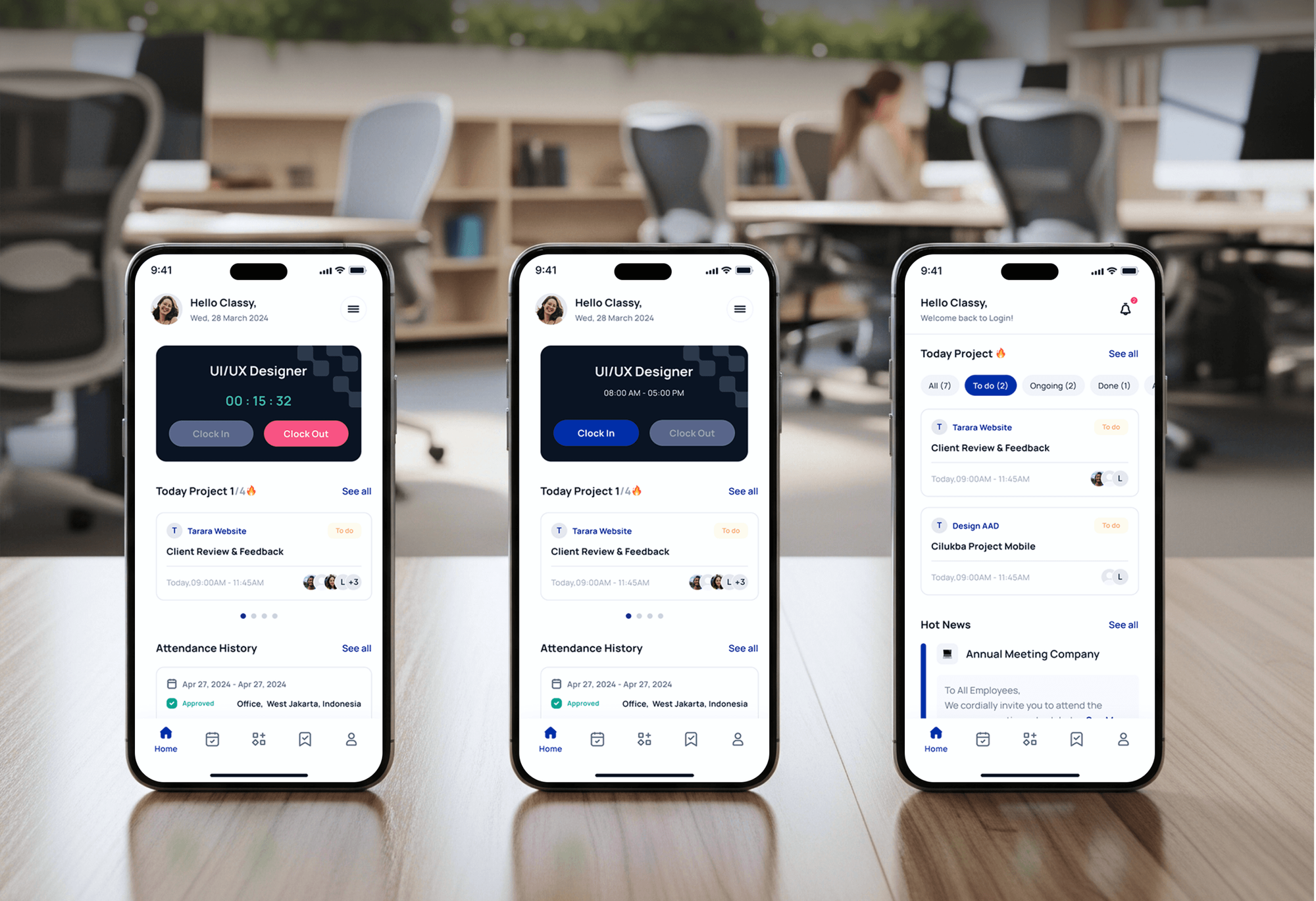
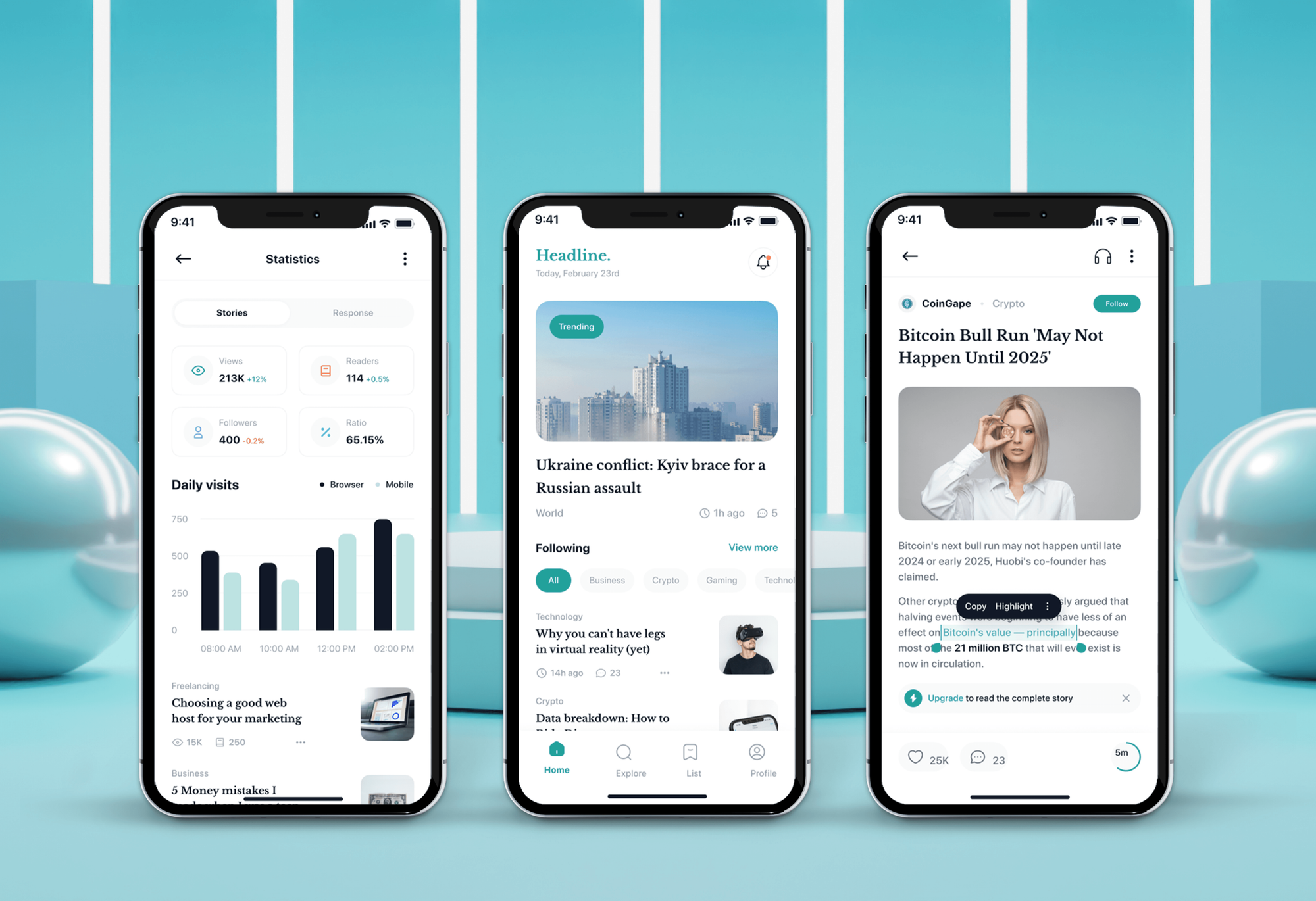
Health, pet care, staffing, and news apps our team designed and built for very different users. They're build projects, shown so you can see the kind of products research feeds into.
What Our Clients Say
Feedback from teams we have designed and built websites and apps for.
We had a pretty specific idea of what we wanted our website to become, but I wasn’t sure how easily we could explain all of it to a development team. There were quite a few moving parts, and we were working toward a deadline, so I expected a few things to get lost along the way. That never really happened. They understood what we were trying to achieve, kept us updated throughout the process, and got everything ready within the agreed timeline. The final site feels much easier to navigate, works beautifully on mobile, and is noticeably smoother for our customers. It was a huge relief seeing the original idea actually turn into the website we had in mind.
The mobile experience is probably my favourite part of the new site. We had spent a lot of time making sure the desktop version looked right, and the team kept pushing us to think about how everything would actually feel on a phone too. They were right. The navigation is clean, the interactions feel natural, and everything we’ve tested so far works exactly as it should. They also went through the links, forms, integrations, and other details more than once before launch, which I really appreciated. And even after going live, we could still reach out when something came up. The whole process felt friendly, organised, and surprisingly straightforward.
What I appreciate most is that the website is actually easy for us to manage now. We can update content ourselves instead of sending a developer a message every time we need to change something small. They also paid attention to the technical SEO side, which mattered to us because we didn’t want a new website to create problems for the traffic we already had. I’ve probably asked more questions than I should have since launch, but every question has been handled patiently and without any fuss. The team is easy to work with, they explain things clearly, and when we need something changed, they focus on getting it done rather than making the process complicated.
1,250+
Projects shipped
10+
Years of experience
Top 3%
Upwork Top Rated Plus
5 stars
Average review score

Want results like these?
Tell us what you are building. You get a reply within 24 hours on business days, then a written estimate.
Work Culture
Research only helps when your team believes it and acts on it. These habits keep each study honest, traceable, and tied to the decision you hired us for.
We agree on the decision the study has to inform before picking interviews, surveys, or card sorts. Methods chosen for their own sake produce reports nobody uses.
Interviewers ask what people did the last time they faced the problem, not what they might buy. Past behavior tells you far more than a wish list.
AI tools transcribe interviews and suggest first-pass tags. A researcher checks every quote against the recording, and we don't use synthetic users in place of real ones.
Findings are labeled by how strong the evidence is: heard once, heard often, or confirmed by data. You see which insights are solid and which need another look.
Recordings and transcripts stay in folders you control, not in a vendor's account. Personal details are removed from anything shown outside the core team.
Our researchers work next to designers and developers who ship products. Recommendations come with a realistic sense of what each one costs to build.
Overview
DeveloperLook is a UX research agency for product teams planning a build, redesign, or new feature. We interview your users and stakeholders, review analytics and support tickets, and turn the evidence into journey maps and a ranked opportunity list. Studies start at $950, take 2 to 8 weeks, and every insight links to the quotes behind it.
DEVELOPERLOOK
Project facts · UX Research Agency
Reviewed 7 Oct 2026 by Saimul Islam
Good fit
Founders before a first build
You're about to spend most of your seed budget on version one and want to hear from real buyers before the scope gets locked.
Product teams planning a redesign
Your team has a redesign on the roadmap, but nobody agrees on what's broken, and the last round of user interviews is two years old.
Companies without a researcher
You need user research services for one decision, not a full-time hire, and want a UX research consultant who works with your designers.
SaaS teams entering a new market
Your SaaS is expanding from agencies to in-house teams, and you need to know how the new buyers work before building features for them.
Design agencies without research
Your agency wins design projects but has no researcher, and a UX research firm working under your brand would strengthen every proposal.
Not a fit
Testing an existing design
You already have a design and want to see whether people can use it. Our Usability Testing Services page covers task-based tests with real participants.
Quick review of a live site
You want a fast expert review of a live site without interviewing anyone. Our UX Audit Services page covers heuristic and analytics reviews instead.
Market sizing or brand studies
You need market sizing, pricing studies, or brand awareness surveys with large samples. A market research firm with its own panel is a better fit.
Budget under $950
Your budget is under $950 before incentives. Five informal calls with recent customers, using a short list of open questions, will still teach you a lot.
Not sure we're the right fit?
Book a free call or message us. We'll tell you honestly whether we're the right team.
Pricing
These are starting points in USD. Your final price depends on the number of interviews, user groups, and methods, and you get a fixed proposal after a free scoping call. Participant incentives are billed at cost.
For teams that need a fast read on one user group before a design or roadmap decision.
$950one-time, USD
For products choosing what to build next across two user groups, with numbers to back it up.
$2,350one-time, USD
For new products and major redesigns that want needs, navigation, and concepts tested in one study.
$4,400one-time, USD
For Agencies
You own the client relationship. We supply the interviews, the synthesis, and a findings deck under your brand, so your design proposals start from what users actually said. Your client sees one team.
White label: your client only ever sees your brand
Send the decision your client faces, their user groups, and any data they can share.
Interviews, analysis, and a branded findings deck, delivered within 2 to 8 weeks.
Present the findings yourself, with our researcher on the call if you want backup.
Discussion guides and screeners written for your client's market and users.
We join client calls under your agency's name, or stay behind the scenes.
Fixed quotes you can mark up, with incentives passed through at cost.
Findings framed so the design work you're proposing next makes obvious sense.
The Right Technology for Your Project
We interview over everyday video tools, measure with your existing analytics, and keep every quote searchable in a repository your team can reuse.
 Google Analytics
 Hotjar
 Figma
FAQ
Straight answers on research costs, timelines, methods, and where AI fits in a modern study.
Saimul IslamFounder & CEO, DeveloperLookStill have questions?
Send a message or book a call with the team.
Studies at DeveloperLook start at $950 for a research sprint with 5 user interviews. Discovery studies with 8 interviews, a survey, and a journey map start at $2,350, and research programs with 12 interviews and concept tests start at $4,400. Participant incentives are billed at cost, and you get a fixed quote after a free scoping call.
A research sprint takes 2 to 3 weeks, and larger discovery studies take 4 to 8 weeks. Recruiting is usually the slowest part, especially for niche roles such as hospital buyers or finance directors. A UX research agency moves much faster when you can introduce it to your own customers.
It's the practice of learning how people use, choose, and abandon products, through interviews, observation, surveys, and data. Teams use it to decide what to build and to check whether a design works. Done well, it turns a debate about features into a conversation about evidence your whole team has seen.
It's important because it catches wrong assumptions while they're still cheap to change. A few weeks of interviews cost less than a feature nobody uses. Research also gives sales, support, and engineering one shared picture of the customer, so each team stops working from its own version.
The goal is to reduce uncertainty before a team commits time and money to a design or feature. Good research answers one specific question, such as why trial users don't upgrade. If a study can't change a decision, it isn't worth running, and we'll tell you that during the scoping call.
It focuses on users' goals, behaviors, context, and frustrations, more than their opinions about an interface. Interviews ask what someone did the last time they faced the problem your product solves. That context explains why people choose, use, or abandon a product, which no analytics dashboard can show on its own.
The main methods are user interviews, surveys, field observation, diary studies, card sorting, tree testing, and usability testing. They split into generative methods, which discover needs, and evaluative methods, which test a design. Most of our studies pair interviews with analytics and support data, then add a survey when the team needs numbers.
It measures behavior and attitudes in numbers: survey results, analytics funnels, task success rates, and card sort agreement. It shows how many users a problem affects, while interviews explain why. Surveys need enough responses to mean something, so we plan sample sizes with you and flag any result that's too thin to trust.
Generative research is research that discovers problems and opportunities before any solution exists. It usually means open-ended interviews and observation with people in your target market. The output is a map of needs and pain points that tells the team what's worth designing, which is why it comes before wireframes.
AI is speeding up transcription, translation, and first-pass tagging of interview notes, which shortens synthesis. It can't replace talking to real users, because synthetic users generated by a model repeat what the model already assumes. We use AI for transcripts and draft tags, and a researcher verifies each quote before it reaches a report.
Saimul IslamFounder & CEO, DeveloperLookStill have questions?
Send a message or book a call with the team.
Free 30-min callGoogle Meet
Book a call
In 30 minutes on Google Meet we walk you through how we would build it, how long it takes and what it costs. Then you get a written estimate.
Calendar not showing? Book on cal.com or send a brief.