
Yardi data map
Properties, units, vendors, and GL accounts matched across Yardi and every connected system before data moves.

For property managers and real estate developers on Yardi Voyager or Breeze: connected systems, owner reports that fill themselves, and codes that match.
12+ hrs
Monthly reporting work saved
100%
GL codes mapped before go-live
How your project runs
Teams we have built for:














The Problem
Yardi integration questions show up when a second system arrives: Procore for construction, Salesforce for leasing, or owners asking for dashboards that standard Yardi reports don't give them.
01 · Reporting
Month-end numbers get pasted from Yardi into owner decks.
A scheduled feed fills Power BI or Sheets straight from Yardi.
02 · GL codes
Cost codes drift between Yardi and the project system.
Codes are mapped once, then checked before every sync runs.
03 · Tool choice
Nobody knows if Yardi or a partner already covers it.
Each flow gets the route Yardi supports before any custom code.
04 · CRM
Salesforce never sees current unit and lease data.
Middleware sends unit and lease changes to Salesforce on a schedule.
Your portfolio runs on Yardi, and every other system wants a piece of it. Procore needs vendors and cost codes. Salesforce needs units and leases. Owners want a dashboard, not another workbook. So someone exports, cleans, and pastes, and every month the GL codes drift a little further apart. When a new tool arrives, nobody is sure whether Yardi already does it, a partner connects it, or it needs custom work. A wrong guess costs months.
We start by mapping each flow to a route Yardi already supports. That might be a built-in Breeze feature, Procore's Yardi Voyager connector, Yardi Data Connect for Power BI, an interface partner, or an export. Only the gaps get custom middleware. You get one data map with property, unit, and GL codes agreed up front, so syncs stop drifting instead of being patched every month.
Route chosen per flow
Built-in feature, Yardi connector, interface partner, or custom middleware, decided before any build.
Codes mapped up front
Property, unit, vendor, and GL account codes agreed once, so every sync uses the same keys.
Reports without pasting
Scheduled feeds into Power BI or Sheets replace the monthly export and paste routine.
Our Yardi Integration Process
You approve the data map and each route first. Then you review test syncs on one property or a test database before the rest of the portfolio follows.
We look at your Yardi product, Voyager or Breeze, the modules you license, and the systems that need its data. You get a list of flows and the route Yardi already supports for each.
What's Included
Every project covers the data map, the right route for each system, reporting, and testing against Yardi totals, sized to your Yardi product and the systems you connect.
Compare Options
A ready connector is faster when one exists for your exact pair of systems, and in-house IT knows your network. Here is where each one runs short with Yardi.
| Feature | DeveloperLookBest fit | Connector app | In-house IT |
|---|---|---|---|
| Planning | Route chosen per flow first | Fixed to one product pair | Often starts from code |
| Code mapping | GL and unit codes agreed upfront | Default mapping only | Depends on Yardi knowledge |
| Procore and Salesforce | Both, on the same code map | Yes, if a listing exists | Custom work each time |
| Reporting | Power BI or warehouse feeds | Rarely included | Possible, given enough time |
| Speed to start | About 1 week to a data map | Fastest when one fits | Depends on current workload |
| Cost | Fixed price from $1,050 | Subscription per connection | Salary already paid |
| Support after launch | 30 to 90 days included | Vendor support desk | |
| Ownership | Code and runbooks stay yours | Licensed, not owned |
Projects We've Built
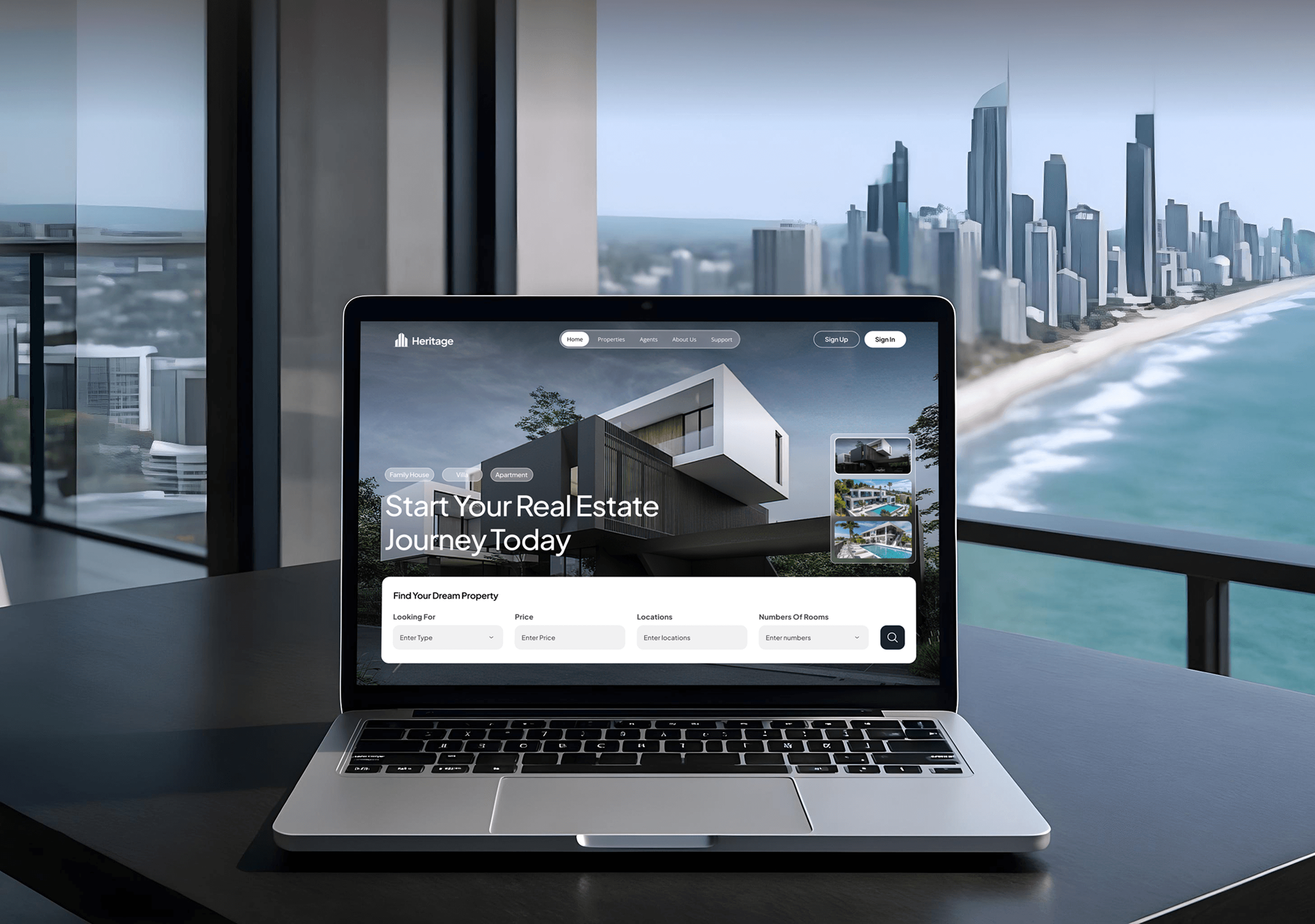
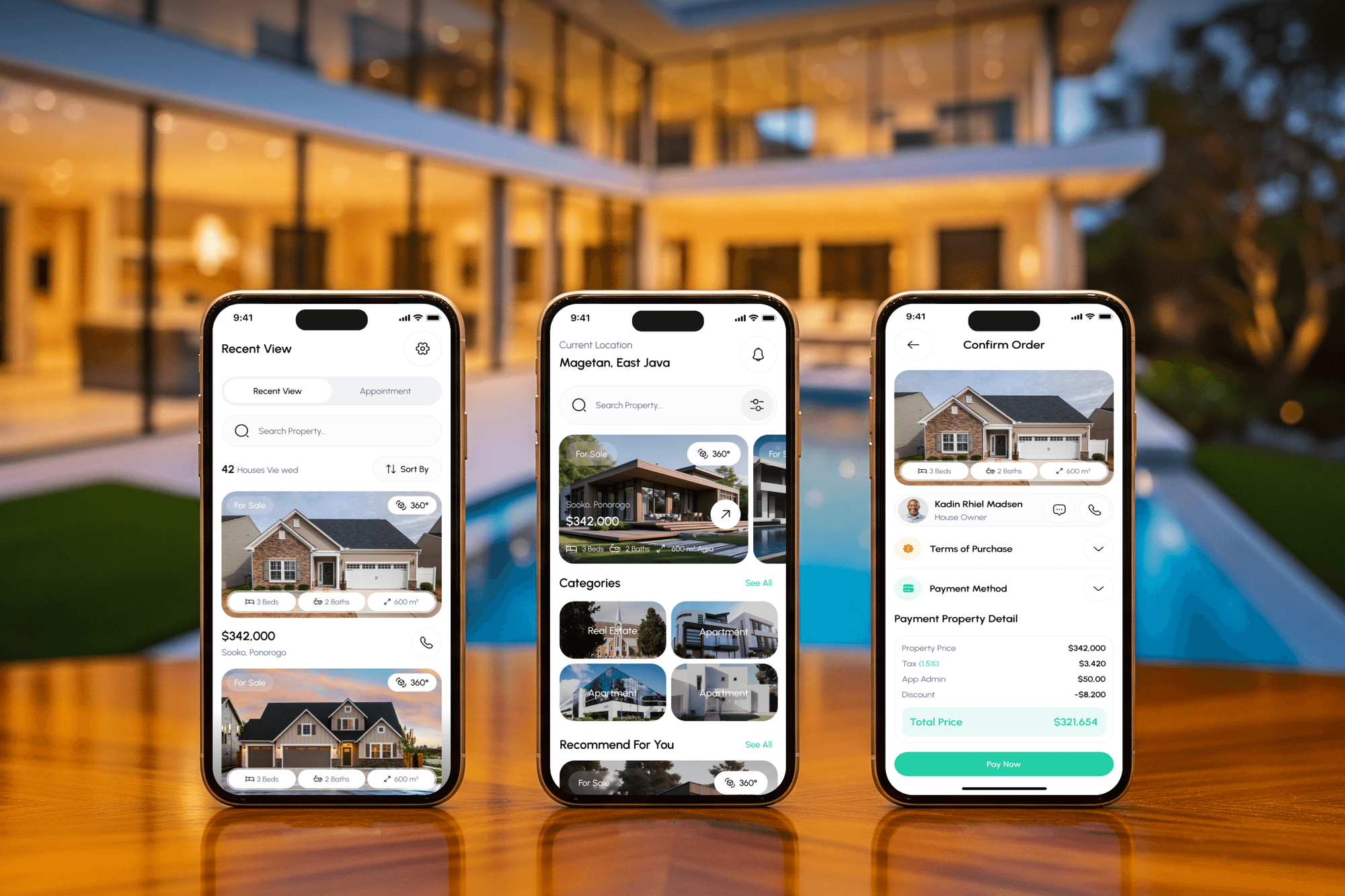
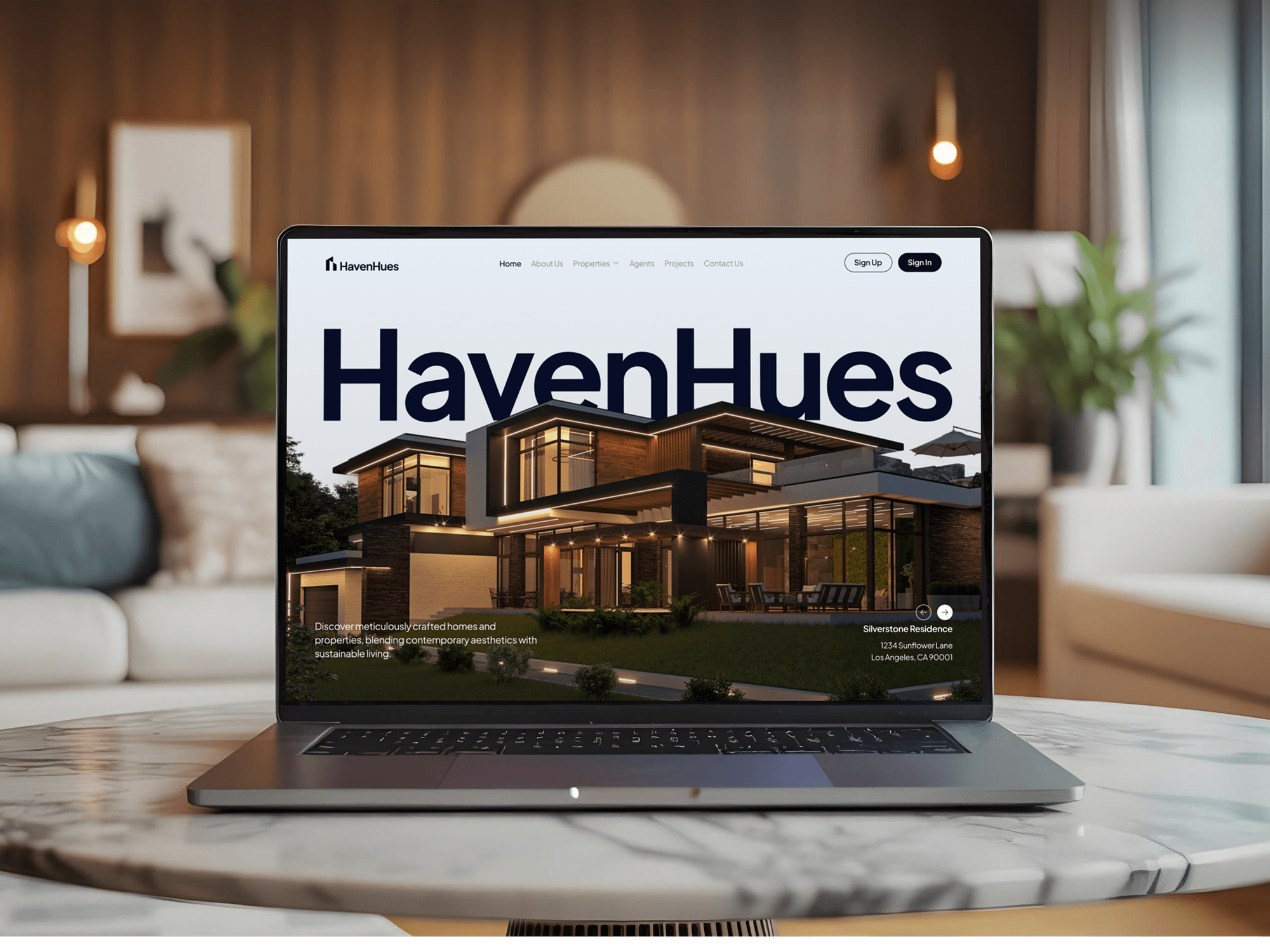
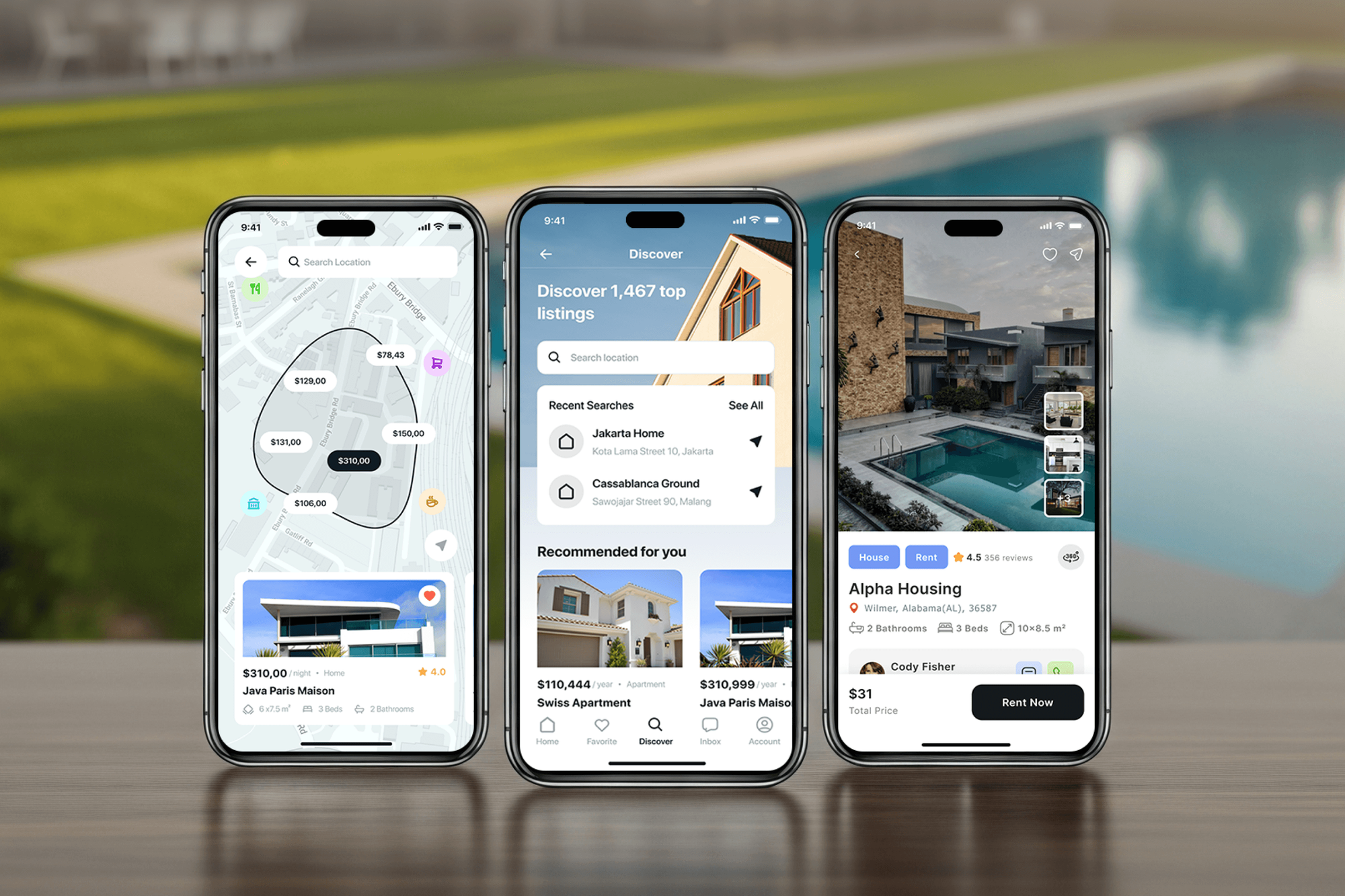
Real estate websites and apps we designed and built. None of them ran on Yardi, but each one deals with properties, units, and renters every day.
What Our Clients Say
Feedback from teams we have built websites and business software for.
We had a pretty specific idea of what we wanted our website to become, but I wasn’t sure how easily we could explain all of it to a development team. There were quite a few moving parts, and we were working toward a deadline, so I expected a few things to get lost along the way. That never really happened. They understood what we were trying to achieve, kept us updated throughout the process, and got everything ready within the agreed timeline. The final site feels much easier to navigate, works beautifully on mobile, and is noticeably smoother for our customers. It was a huge relief seeing the original idea actually turn into the website we had in mind.
The mobile experience is probably my favourite part of the new site. We had spent a lot of time making sure the desktop version looked right, and the team kept pushing us to think about how everything would actually feel on a phone too. They were right. The navigation is clean, the interactions feel natural, and everything we’ve tested so far works exactly as it should. They also went through the links, forms, integrations, and other details more than once before launch, which I really appreciated. And even after going live, we could still reach out when something came up. The whole process felt friendly, organised, and surprisingly straightforward.
What I appreciate most is that the website is actually easy for us to manage now. We can update content ourselves instead of sending a developer a message every time we need to change something small. They also paid attention to the technical SEO side, which mattered to us because we didn’t want a new website to create problems for the traffic we already had. I’ve probably asked more questions than I should have since launch, but every question has been handled patiently and without any fuss. The team is easy to work with, they explain things clearly, and when we need something changed, they focus on getting it done rather than making the process complicated.
1,250+
Projects shipped
10+
Years of experience
Top 3%
Upwork Top Rated Plus
5 stars
Average review score

Want results like these?
Tell us what you are building. You get a reply within 24 hours on business days, then a written estimate.
Work Culture
Yardi holds the books for every property you manage, so mistakes are expensive. These habits keep our Yardi integration consultant work careful and predictable.
If a Breeze feature, a Yardi module, or an existing connector covers a flow, we use it. You pay for custom middleware only where nothing else fits.
Every sync is reconciled against Yardi totals before rollout. Your accounting team approves the numbers, not just the developers who built the link.
We switch on one property or a test database first, then the rest in stages. A mistake stays small and easy to reverse.
Each connection runs under its own named Yardi user with only the rights it needs. Your IT team can see and switch off any of them.
We schedule cutovers away from your close and owner reporting dates. Your team never fights a new sync during its busiest week.
Each connection gets a runbook: what it moves, how often, and what to check when totals don't match. Your next hire can follow it.
Overview
DeveloperLook handles Yardi integration for property managers and real estate developers. We map property, unit, and GL codes, link Procore and Salesforce, build Power BI reporting feeds, and pick interface partners where needed. Projects start at $1,050 and most take 2 to 8 weeks, reconciled against Yardi before rollout.
DEVELOPERLOOK
Project facts · Yardi Integration Services
Reviewed 22 Oct 2026 by Saimul Islam
Good fit
Property managers on Yardi Voyager
Your Voyager team closes the month in Yardi, then spends days pasting the same numbers into Excel decks for owners and lenders.
Developers running Procore and Yardi
You build in Procore and pay vendors from Yardi Voyager, and your project accountant retypes commitments and change orders between the two.
Leasing teams working in Salesforce
Your leasing or investor team works in Salesforce, but unit, tenant, and lease data lives only in Yardi, so every report starts with an export.
Breeze users outgrowing spreadsheets
You run Yardi Breeze for a growing portfolio and want ad hoc reports, screening, and invoices set up properly before adding another tool.
Proptech teams needing Yardi data
Your software product needs Yardi data for its first customers, and you want help choosing between Yardi's interface program and its existing partners.
Not a fit
Running AppFolio instead
Your portfolio runs on AppFolio, not Yardi. Our AppFolio integration page covers its listings, applications, and owner reporting instead.
Running Buildium instead
You manage a smaller portfolio on Buildium. Our Buildium integration service covers that platform's inquiries, vacancies, and accounting links.
Just a Yardi module
You only need a Yardi module switched on, such as ScreeningWorks Pro in Breeze. Your Yardi account manager handles that, and we'll say so before we quote.
Budget under $1,050
Your budget for the whole project is under $1,050. Breeze's built-in ad hoc reports and Excel exports are the better place to start.
Not sure we're the right fit?
Book a free call or message us. We'll tell you honestly whether we're the right team.
Pricing
These are starting points in USD. Your final price depends on your Yardi product, the systems involved, and the number of entities, and you get a fixed proposal after a free Yardi review.
For Yardi teams that want one reliable report feed and a code map to build on.
$1,050one-time, USD
For developers and managers linking Procore, Salesforce, or a CRM to Yardi.
$2,650one-time, USD
For multi-entity portfolios that need a data warehouse and owner dashboards.
$5,200one-time, USD
For Agencies
You own the property management client. We supply the Yardi work behind your brand: data maps, Procore and Salesforce links, reporting feeds, and partner selection. Your client deals with your team, and our name stays off every deliverable.
White label: your client only ever sees your brand
Send the Yardi product, modules, and systems your client wants connected.
We map each flow to its Yardi route and send a fixed scope.
We build, reconcile one property, and hand over white-label runbooks.
Your brand on every data map, runbook, and status update.
GL and unit code maps your client's controller can review and approve.
Cutovers planned away from your client's close and owner reporting.
Help across several property clients without hiring a Yardi specialist.
The Right Technology for Your Project
We start with what Yardi and its partners already support, then add middleware and reporting tools where a flow still needs them.
 Salesforce
 HubSpot
 QuickBooks
 Power BI
 Microsoft Azure
 PostgreSQL
 Google Sheets
 Node.js
 Python
 n8n
 AWS
FAQ
Straight answers on Yardi costs, Voyager and Breeze, ERP, QuickBooks, screening, other platforms, AI, and Procore.
Saimul IslamFounder & CEO, DeveloperLookStill have questions?
Send a message or book a call with the team.
A Yardi integration from DeveloperLook starts at $1,050 for a data map and one reporting feed. Connecting Procore, Salesforce, or a CRM to the same code map is $2,650, and portfolio data builds with dashboards start at $5,200. Any Yardi interface licensing is your arrangement with Yardi. Most Yardi projects run 2 to 8 weeks, and the free review ends with a fixed quote.
Yardi makes property management and accounting software for real estate companies of every type and size. Its software holds the property, unit, lease, tenant, and general ledger records, then runs leasing, rent collection, maintenance, payables, and reporting on top of them. So Yardi is the system of record, and every integration either reads from it or writes approved transactions back.
Yardi Voyager is Yardi's enterprise platform for real estate companies with complex or custom needs. Yardi lists asset, revenue, facilities, energy, and document management among its areas. Voyager is where Yardi's interface program and connectors like Procore's apply, so most custom integration work for large portfolios happens there.
Yardi Breeze is Yardi's simpler property management software for residential and commercial portfolios. Breeze Premier adds corporate accounting, investment management, CRM, invoice processing, and job costing on the same platform. Yardi designs Breeze to replace third-party add-ons rather than connect to them, so Breeze projects lean on its built-in features, ad hoc reports, and exports.
Yes for Voyager: Yardi describes Voyager as a modern ERP platform for real estate. Breeze is sold as property management software instead. For integrations, Voyager is usually the financial system of record. Project, CRM, and reporting tools sync to its general ledger, not the other way round.
Not through any QuickBooks integration Yardi documents, and Yardi positions Breeze as a replacement for QuickBooks. If an owner or parent company still keeps books in QuickBooks, we export summarized totals from Yardi reports on a schedule. That keeps Yardi accounting integrations one-way and auditable, instead of two ledgers trying to edit each other.
Yardi runs screening through its own ScreeningWorks Pro, from its subsidiary RentGrow. In Breeze, US add-ons include SentiLink, income checks through The Work Number, ID Verify, and document checks powered by Snappt. Other screening vendors usually connect through Yardi's interface program, so we check a vendor's Yardi status before planning any custom flow.
Several leasing and AI tools say they do, such as Zuma's Kelsey and Funnel Leasing, which both list Yardi, RealPage, and Entrata. Those are the vendors' own claims, so we confirm each one's interface type before you sign. When you compare Yardi integration partners, ask which Yardi interfaces they hold, not only whether they connect.
Start with Yardi's own route: Virtuoso Enterprise adds AI agents and connectors. Its Claude connector signs in through Yardi and follows each user's permissions, and Breeze Premier includes Smart AP for invoice capture. Custom AI tools come after that, fed from reporting exports or a warehouse, never from shared admin logins. We set what each assistant may see.
Procore's own Yardi Voyager connector syncs vendors, jobs, cost codes, budgets, commitments, change orders, and subcontractor invoices, then imports payments and direct costs. It needs Voyager 7S or newer plus Yardi's Interfaces, Vendor Invoicing, and Job Cost plug-ins. PO invoices aren't supported. We map the codes first and test one job end to end before rollout.
Saimul IslamFounder & CEO, DeveloperLookStill have questions?
Send a message or book a call with the team.
Free 30-min callGoogle Meet
Book a call
In 30 minutes on Google Meet we walk you through how we would build it, how long it takes and what it costs. Then you get a written estimate.
Calendar not showing? Book on cal.com or send a brief.