
Trigger, action, and search design
A written map of each operation, its endpoint, and the fields users fill in the Zap editor.

For SaaS teams whose customers keep asking to connect your product to their other tools: a public Zapier app with tested triggers and actions, from $1,200.
100%
Triggers and actions tested live
20+ hrs
Engineering time saved monthly
How your project runs
Teams we have built for:














The Problem
It shows up in sales calls, support tickets, and churn notes. Customers want your product talking to their CRM, inbox, and spreadsheets, and nobody has time to build each one.
01 · One-off scripts
Engineers maintain a custom webhook script for every single customer.
One public Zapier app lets every customer connect without engineering time.
02 · Private app
A half-built private app sits in the visual builder with no tests.
We finish it in Platform CLI with tests, versions, and a review checklist.
03 · Confusing fields
Users see internal field names and guess what each one means.
Every field gets a plain label, help text, and real sample data.
04 · Silent failures
Zaps break after an API change and nobody notices for weeks.
Versioned releases and error monitoring catch breaks before users report them.
A prospect asks if you connect to HubSpot, and the honest answer is no. Another customer wants new signups in a Google Sheet, so an engineer writes a one-off webhook on a Friday. Six months later you maintain twelve of those scripts, each for one account. Someone started a private Zapier app in the visual builder, but it has two triggers, no tests, and field labels only your team understands. Customers build Zaps that break quietly, and your support queue fills up.
We start with the requests your customers already send, then design the smallest set of triggers, actions, and searches that covers most of them. We build the integration in Platform CLI with tests, plain field labels, and sample data, then take it through Zapier's publishing review. Your customers connect your product to the tools they use, without a ticket to your engineers.
Triggers chosen from real requests
Your first release covers what customers ask for in calls and tickets, not guesses.
Code you keep in Git
The integration lives in your repository and your Zapier developer account from the first day.
Built for Zapier's review
Authentication, labels, and sample data follow Zapier's published requirements before submission.
Our Zapier Integration Development for SaaS Process
You approve the trigger and action list before any code, test the private app with your own customers, and see the submission before it goes to Zapier.
We read your API docs, authentication method, and webhook support, then list the triggers, actions, and searches your customers ask for most. You get a scoped list and a fixed quote. If Webhooks by Zapier already covers your case, we'll tell you before we quote.
What's Included
Everything a public Zapier app needs: the operation design, authentication, triggers, actions, searches, tests, listing assets, and a handoff your engineers can maintain.
Compare Options
An in-house developer knows your API best, and a freelancer can be cheaper for one trigger. Here is where each fits a public Zapier app.
| Feature | DeveloperLookBest fit | In-house developer | Freelancer |
|---|---|---|---|
| Up-front planning | Operations picked from customer requests | Picked from the roadmap | Picked from the brief |
| Zapier platform knowledge | Shipped triggers, actions, and reviews | Learned on the job | Varies by person |
| API knowledge | Learned in the API review | Knows it best | Learned from docs |
| Testing approach | Unit tests and test Zaps | Depends on spare time | Often manual only |
| Review preparation | Checklist done before submission | Learned after a rejection | Sometimes included |
| Cost for one trigger | Higher than you need | Already on payroll | Usually cheapest |
| Support after launch | 30 to 90 days included | Competes with roadmap work | Hourly, if available |
| Code ownership | Your repo and Zapier account | Depends on the contract |
Projects We've Built
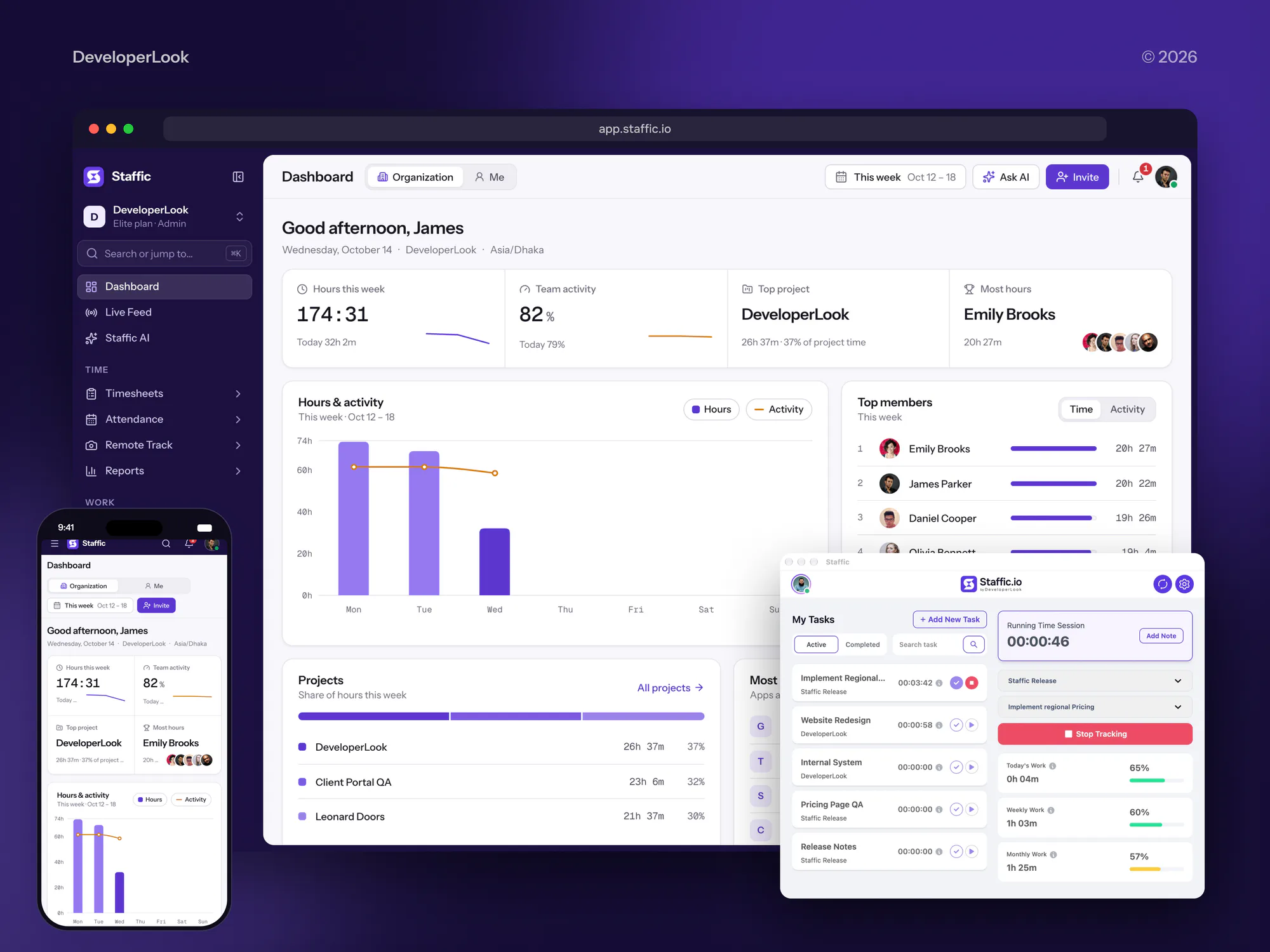
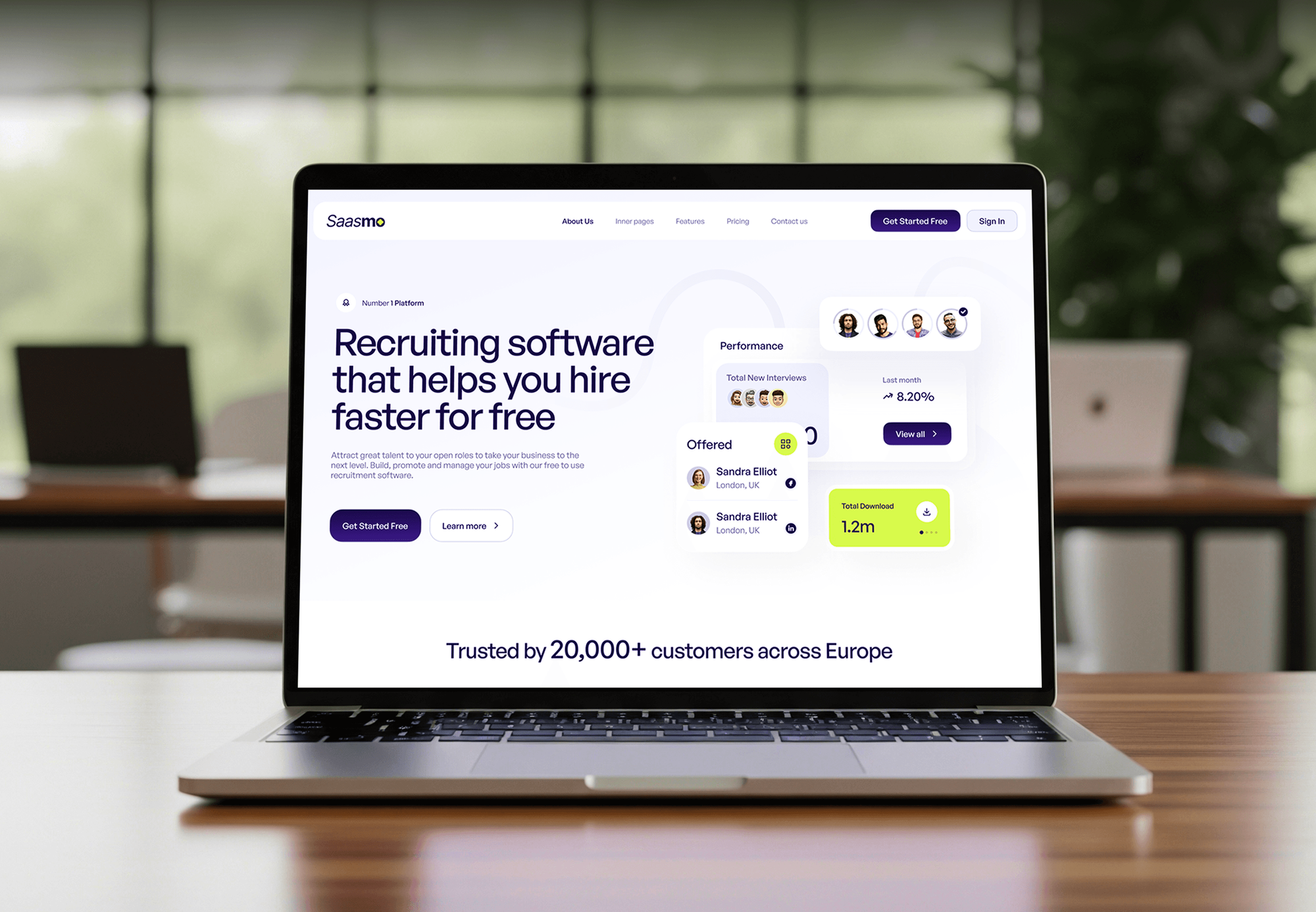
SaaS platforms and dashboards we designed and built. None is a Zapier app, but each one holds the events and records an integration turns into triggers.


What Our Clients Say
Feedback from teams we have built websites, apps, and integrations for.
We had a pretty specific idea of what we wanted our website to become, but I wasn’t sure how easily we could explain all of it to a development team. There were quite a few moving parts, and we were working toward a deadline, so I expected a few things to get lost along the way. That never really happened. They understood what we were trying to achieve, kept us updated throughout the process, and got everything ready within the agreed timeline. The final site feels much easier to navigate, works beautifully on mobile, and is noticeably smoother for our customers. It was a huge relief seeing the original idea actually turn into the website we had in mind.
The mobile experience is probably my favourite part of the new site. We had spent a lot of time making sure the desktop version looked right, and the team kept pushing us to think about how everything would actually feel on a phone too. They were right. The navigation is clean, the interactions feel natural, and everything we’ve tested so far works exactly as it should. They also went through the links, forms, integrations, and other details more than once before launch, which I really appreciated. And even after going live, we could still reach out when something came up. The whole process felt friendly, organised, and surprisingly straightforward.
What I appreciate most is that the website is actually easy for us to manage now. We can update content ourselves instead of sending a developer a message every time we need to change something small. They also paid attention to the technical SEO side, which mattered to us because we didn’t want a new website to create problems for the traffic we already had. I’ve probably asked more questions than I should have since launch, but every question has been handled patiently and without any fuss. The team is easy to work with, they explain things clearly, and when we need something changed, they focus on getting it done rather than making the process complicated.
1,250+
Projects shipped
10+
Years of experience
Top 3%
Upwork Top Rated Plus
5 stars
Average review score

Want results like these?
Tell us what you are building. You get a reply within 24 hours on business days, then a written estimate.
Work Culture
Your Zapier app is often the first place a new user meets your product outside your own interface. These habits keep that first meeting clear.
We read your integration requests before naming a single trigger. Your first release covers what customers ask for, not what was easiest to build.
Users meet your app inside the Zap editor, so we write labels and help text a non-developer can follow. Clear fields mean fewer tickets about broken Zaps.
Every trigger and action runs against a staging account before it touches customer data. Bugs show up in our test log, not in your users' Zaps.
Changes ship as new integration versions, and users move over when it's safe. Existing Zaps keep running while the new version rolls out.
You get a written scope with every trigger and action named and priced. Changes are quoted before work starts, so the budget holds.
The integration lives in your Zapier account and your Git repository. Your engineers can maintain it the day we hand over.
Overview
DeveloperLook builds a Zapier integration for SaaS products that want a public app in Zapier's directory. We design triggers, actions, and searches around your API, code them in Platform CLI with tests, and prepare your submission for Zapier's review. Projects start from $1,200, take 3 to 10 weeks, and stay in your own accounts.
DEVELOPERLOOK
Project facts · Zapier Integration Development for SaaS
Reviewed 22 Oct 2026 by Saimul Islam
Good fit
SaaS founders losing deals over integrations
Your sales calls end with a question about HubSpot or Google Sheets, and prospects pick a competitor whose product already has a Zapier app.
Product teams with a private app
Your team started a private Zapier app in the visual builder, and it now needs tests, versions, and a path to a public listing.
Engineering leads buried in one-off webhooks
Your engineers keep writing custom webhooks for single accounts, and a Zapier integration developer would let those customers connect themselves.
Teams moving from Platform UI to CLI
Your integration outgrew Platform UI because you need custom code, shared auth logic, or dynamic fields, so it has to move to Platform CLI.
Agencies building for SaaS clients
Your agency promised a SaaS client a Zapier listing and needs engineers who have shipped triggers, actions, and the review before.
Not a fit
Zaps for your own team
You want Zaps built for your own team's tools, not an app for your product. Our Zapier Consultant and Automation Services page covers that work.
No API yet
Your product has no API for Zapier to call yet. Start with our API Development Services page, then add Zapier once your endpoints are stable.
One customer, one sync
You need one customer's data synced to one system on a schedule. A direct connection from our API Integration Services page costs less than a public app.
Budget under $1,200
Your budget is under $1,200 and you only need one trigger for your own account. Webhooks by Zapier can often cover that without a custom app.
Not sure we're the right fit?
Book a free call or message us. We'll tell you honestly whether we're the right team.
Pricing
These are starting points in USD. Your final price depends on the number of operations, your authentication type, and webhook support, and you get a fixed proposal after a free API review.
For SaaS teams that need a tested private app for their own customers first.
$1,200one-time, USD
For products ready for a public listing in Zapier's app directory, in about 6 to 10 weeks.
$3,400one-time, USD
For platforms with a large API, several auth types, or a Platform UI app to migrate.
$6,800one-time, USD
For Agencies
You own the client relationship. We supply the Zapier work: operation design, Platform CLI code, tests, and the publishing submission, delivered under your agency's name in your client's own developer account.
White label: your client only ever sees your brand
Send the client's API docs and the integrations their customers request most.
You get an operation list, a fixed quote, and a named engineer within days.
We build, test, and submit, then hand over code and notes under your brand.
You run the calls and the roadmap while we write the integration.
A fixed scope per operation, with dates you can share with your client.
Engineers who have shipped Zapier triggers, actions, and reviews before.
Add Zapier work to your offer without hiring a platform specialist.
The Right Technology for Your Project
The Zapier platform tools, back-end stack, and test setup we use to build integrations your engineers can maintain.
 Zapier
 Node.js
 TypeScript
 JavaScript
 GraphQL
FAQ
Straight answers on cost, timelines, what Zapier is, and how publishing to Zapier works.
Saimul IslamFounder & CEO, DeveloperLookStill have questions?
Send a message or book a call with the team.
A Zapier app build starts at $1,200 for a private app with up to 4 triggers and actions. A public launch with up to 10 operations and the review submission is $3,400, and larger programs start at $6,800. You get a fixed quote after a free API review.
Most public Zapier integrations take 6 to 10 weeks from kickoff to submission. A private app is usually ready in 3 to 5 weeks. Zapier's review comes after that and its timing is set by Zapier, so we plan your launch announcement around the approval instead of a fixed date.
Zapier lets your users connect your product to the other apps they use, without code or a ticket to your engineers. They pick a trigger in one app and an action in another, and Zapier moves the data. One public Zapier app answers most integration requests with one build.
Yes, Zapier is an iPaaS: Zapier's own blog uses it as the example of an integration platform as a service. It hosts the connections between cloud apps, so your users build Zaps instead of code. One Zapier app reaches every tool in Zapier's directory, and you maintain one connector instead of dozens.
Yes, Zapier works as middleware, and Zapier's blog describes it as a middleware service for connecting systems. It sits between your API and the other app: it runs the trigger, maps the fields, and calls the action. Unlike self-hosted middleware, your customers set it up themselves, so you ship the connector once and Zapier runs it.
Yes, Zapier is a software-as-a-service product: people sign in through a browser, pay a subscription, and Zapier hosts every Zap. Your integration code runs on Zapier's side too. Your API only has to answer Zapier's requests and send webhooks to the REST hook URLs Zapier registers.
Zapier MCP is Zapier's Model Context Protocol server, which lets AI assistants that support MCP run actions in the apps connected to Zapier. Zapier's docs say each successful call uses 2 tasks. Only public integrations show up for Zapier MCP users, so publishing your app also puts its actions within reach of those assistants.
Yes, Zapier asks for a documented production API served over HTTPS before an integration can go public. A sandbox-only or undocumented API won't pass review. If yours isn't ready, our API Development Services page covers building and documenting the endpoints, and we add the Zapier layer once they're stable.
Zapier checks that every trigger, action, and search has run in a successful Zap and that your app name matches your brand. It also needs a test account that doesn't expire and at least 3 users with a live Zap. A Zapier developer usually replies within 1 week, and approved apps carry a Beta tag for 90 days.
Hire Zapier developers when your engineers know your API but not Zapier's review rules, or when the roadmap is full. Build it in-house when you have spare capacity and need one simple trigger. Either way the code belongs in your Git repository, which is how we hand it over.
Saimul IslamFounder & CEO, DeveloperLookStill have questions?
Send a message or book a call with the team.
Free 30-min callGoogle Meet
Book a call
In 30 minutes on Google Meet we walk you through how we would build it, how long it takes and what it costs. Then you get a written estimate.
Calendar not showing? Book on cal.com or send a brief.